
New 2027 Conventional Sleeper Trucks For Sale in Kansas
Shop new 2027 conventional sleeper trucks in Kansas. Compare high-roof highway specs, fuel economy, sleeper size, and drivetrain options.
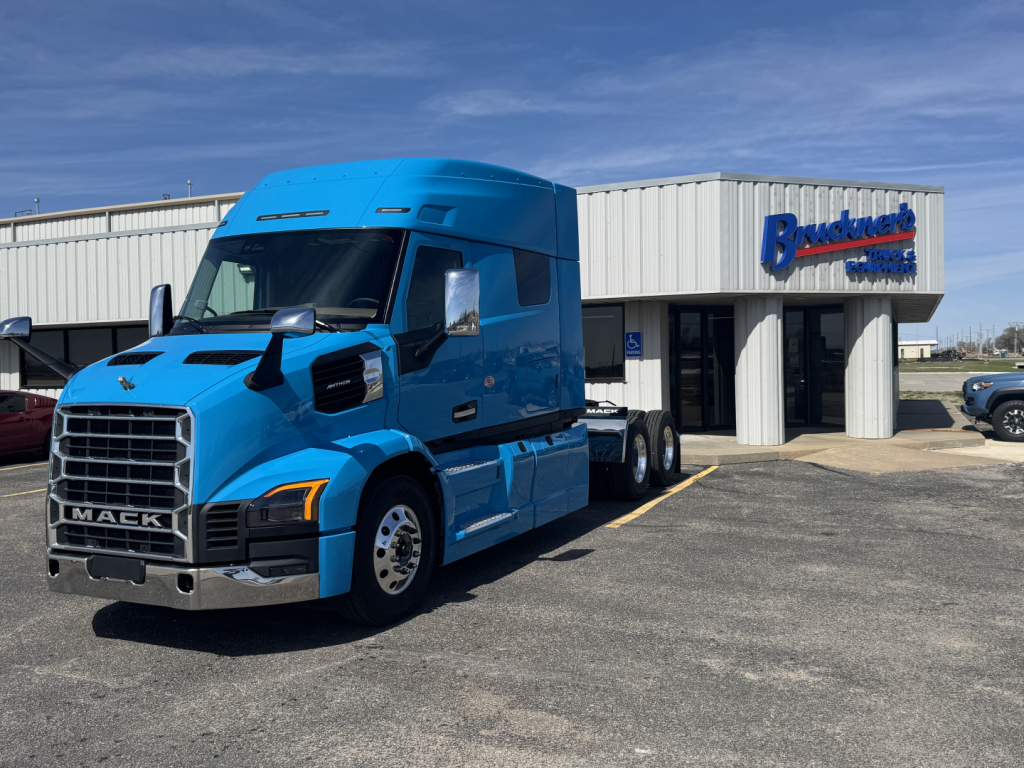
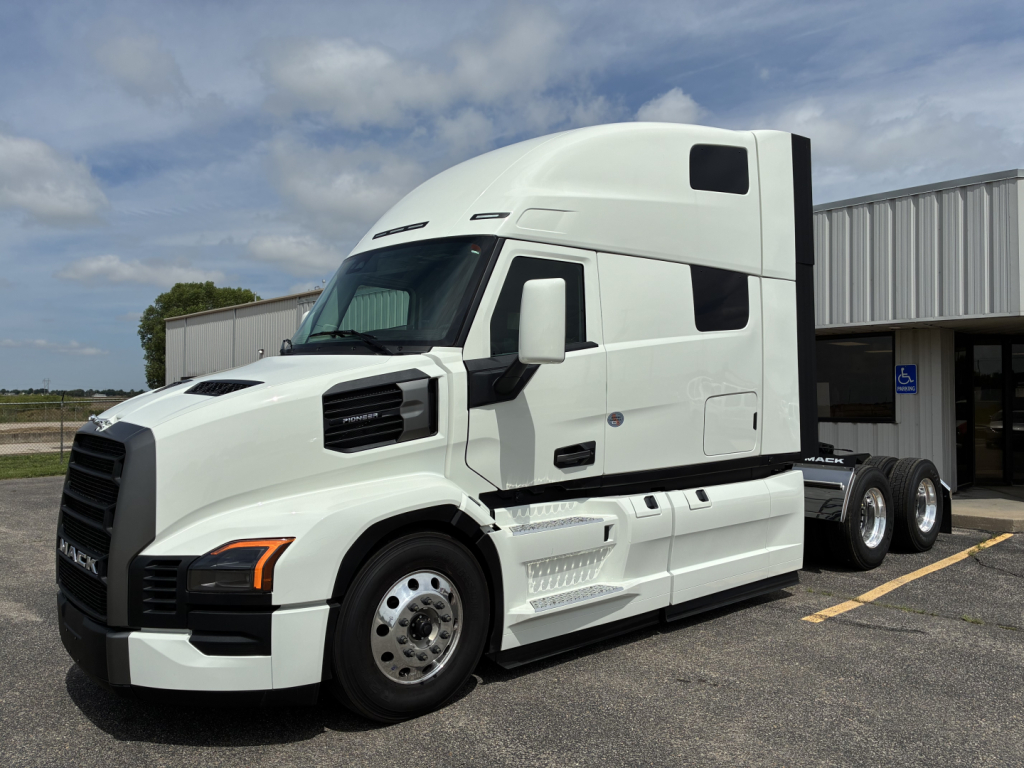
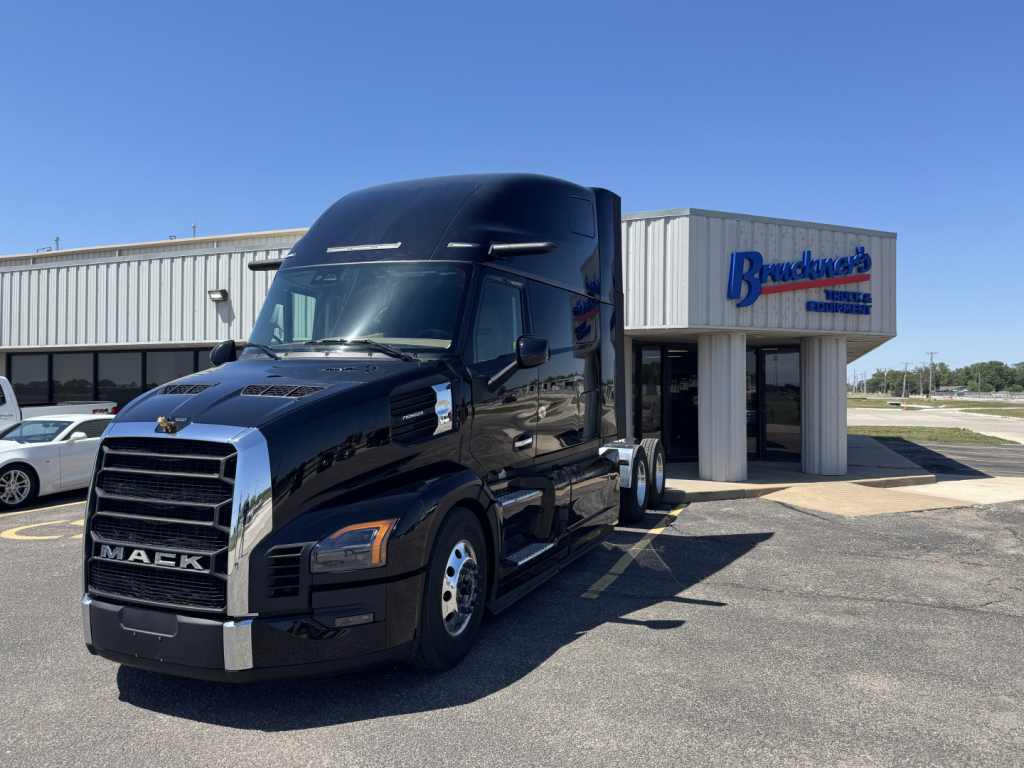

Selling a new 2027 conventional sleeper truck? List your new 2027 conventional sleeper truck for sale and reach thousands of commercial buyers.
New 2027 Conventional Sleeper Trucks in Kansas
A typical 2027 conventional sleeper spec in this class runs a 6x4 drivetrain with a 13,000 to 13,200 lb front axle and 40,000 lb rears, often on air ride suspension from Mack, Volvo, Meritor, or Hendrickson depending on the chassis. Horsepower commonly falls in the 455 to 515 range, with torque suited for van, reefer, and general freight work. Automated manual transmissions dominate this category because they improve shift consistency, reduce driver fatigue, and help protect the driveline in fleet service. Rear axle ratios around 2.15 to 2.85 are common on fuel-conscious highway specs, but the right ratio depends on terrain, average gross weight, transmission gearing, and cruise speed targets.
Sleeper configuration matters as much as engine choice. Many buyers in this segment look at 70-inch to 77-inch raised-roof sleepers for stand-up room, cabinet storage, bunk access, and room for idle management systems. Factory options may include diesel-fired bunk heaters, battery HVAC, inverter prep, premium interior packages, refrigerator cabinets, and upgraded safety systems. Aerodynamic features such as roof fairings, chassis skirts, bumper design, and hood shaping have a direct effect on fuel burn at highway speed. If the truck will pull dry vans or reefers across I-70 and other long Midwestern corridors, details like dual fuel tank capacity, tire spec, fifth wheel slide travel, and fairing integration can have a measurable effect on operating cost and trailer compatibility.
For buyers comparing listings, the important questions are usually practical ones: how the truck is geared, how much sleeper space it provides, what driver-assist technology is installed, and how the chassis is set up for the freight it will actually pull. Look closely at wheelbase, fuel capacity, suspension rating, brake package, and kingpin setting range if the truck will switch between trailer lengths or operate at different bridge formulas. New 2027 conventional sleepers are designed to give fleets and owner-operators a modern highway platform with better uptime technology, lower noise levels, and stronger fuel economy than older tractors, but the best value still comes from matching the spec to the route, trailer type, and expected annual miles.
Frequently Asked Questions about New 2027 Conventional Sleeper Trucks in Kansas
What is a conventional sleeper truck used for?
A conventional sleeper truck is primarily used for long-haul and regional freight where the driver needs a built-in sleeping compartment between runs. It is the standard highway tractor configuration for pulling dry vans, reefers, and many flatbed or specialized trailers. Compared with a day cab, a sleeper tractor adds rest space, storage, and often larger fuel capacity, making it better suited for multi-day routes and higher annual mileage.
What sleeper size is common on a new conventional sleeper tractor?
Many new conventional sleepers are spec'd with mid-roof or high-roof sleepers in the 70-inch to 77-inch range, although sizes vary by manufacturer and application. High-roof sleepers are popular in over-the-road service because they provide stand-up room, better cabinet space, and more flexibility for idle reduction and comfort packages. The right sleeper size depends on route length, driver retention goals, and how much living and storage space the operation requires.
What engine and drivetrain specs are common in this category?
Most new conventional sleeper trucks use 6x4 tandem drive layouts with engines in the roughly 455 to 515 horsepower range and torque ratings suitable for highway freight. Front axles are commonly around 13,000 to 13,200 lbs, while rear axles are typically 40,000 lbs on air ride suspension. Automated manual transmissions are now standard in much of the market because they support fuel economy, simplify training, and reduce wear caused by inconsistent shifting.
How do I choose the right rear axle ratio for a sleeper truck?
Rear axle ratio should be selected based on loaded weight, average highway speed, terrain, tire size, and transmission gearing. Lower numerical ratios such as 2.15 are often used for fuel-efficient linehaul applications with downsped engines, while ratios like 2.64 or 2.85 may better support heavier loads or mixed terrain. The best setup is the one that keeps the engine in its efficient operating range without sacrificing startability or grade performance.
What should buyers in Kansas pay attention to when comparing conventional sleeper trucks?
Kansas buyers often benefit from focusing on highway aerodynamics, crosswind stability, fuel capacity, and gearing matched to long interstate runs. Wheelbase, fifth wheel adjustment, and axle ratings matter if the truck will haul different trailer lengths or move between dry van, reefer, and agricultural freight. Driver comfort features also deserve attention because long, open-road operations tend to make sleeper layout, HVAC performance, and ride quality more important over time.