
New 2027 Conventional Sleeper Trucks For Sale
Shop new 2027 conventional sleeper trucks with modern aerodynamics, high-roof cabs, fuel-saving spec options, and long-haul driver comfort.
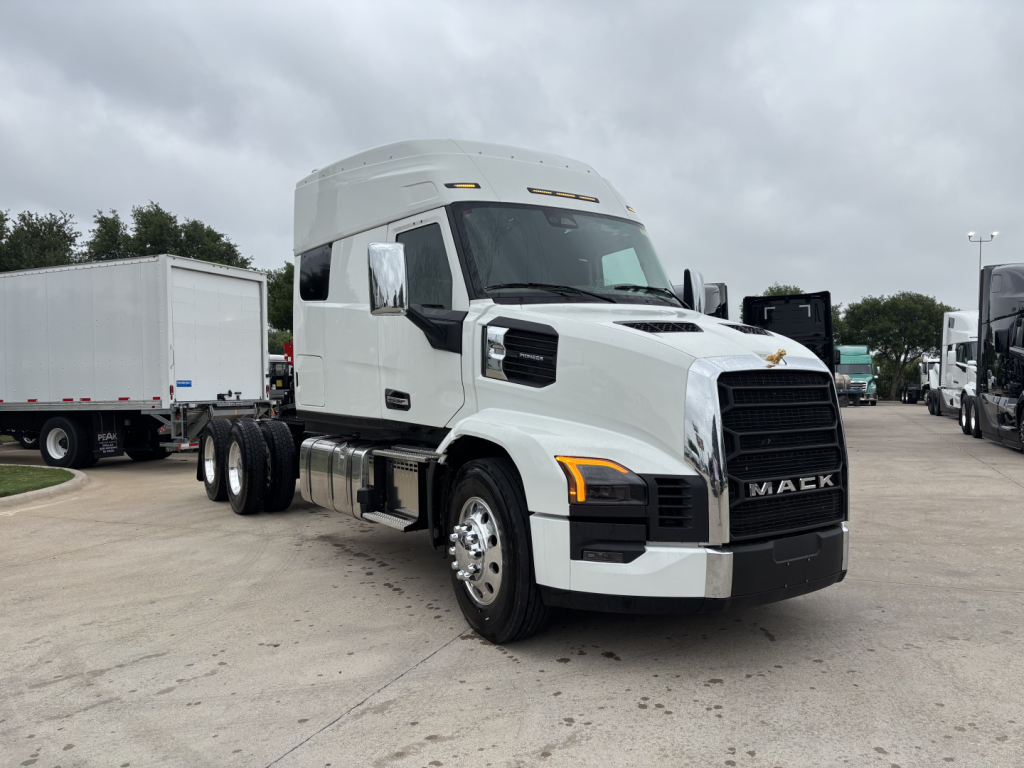
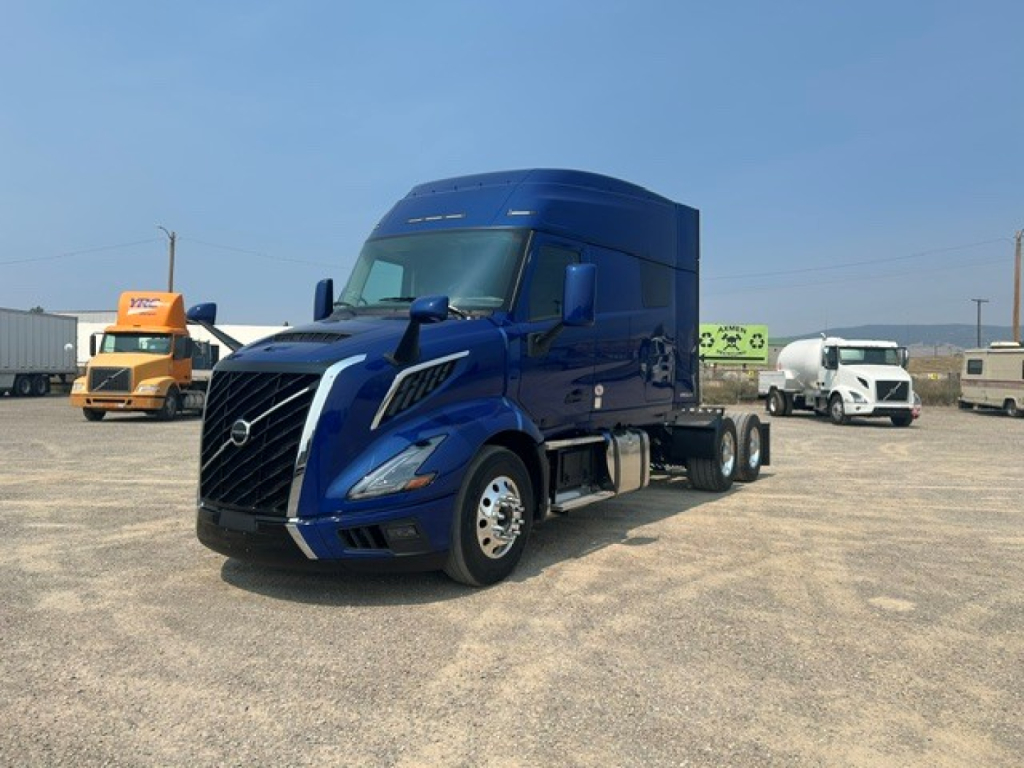
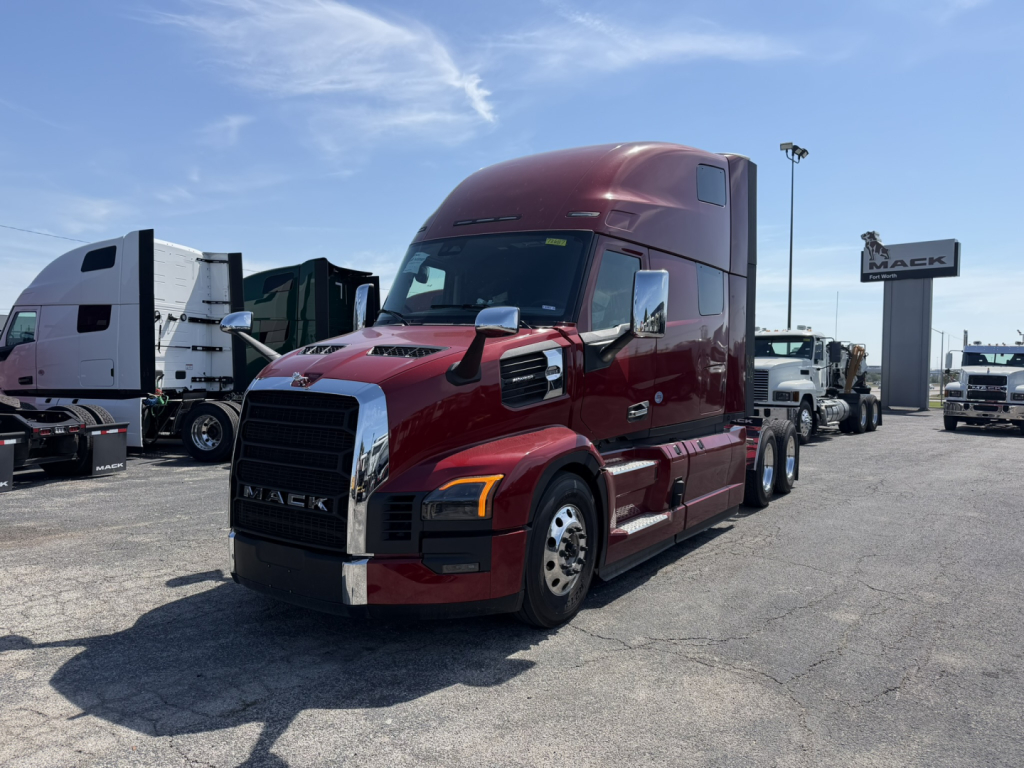
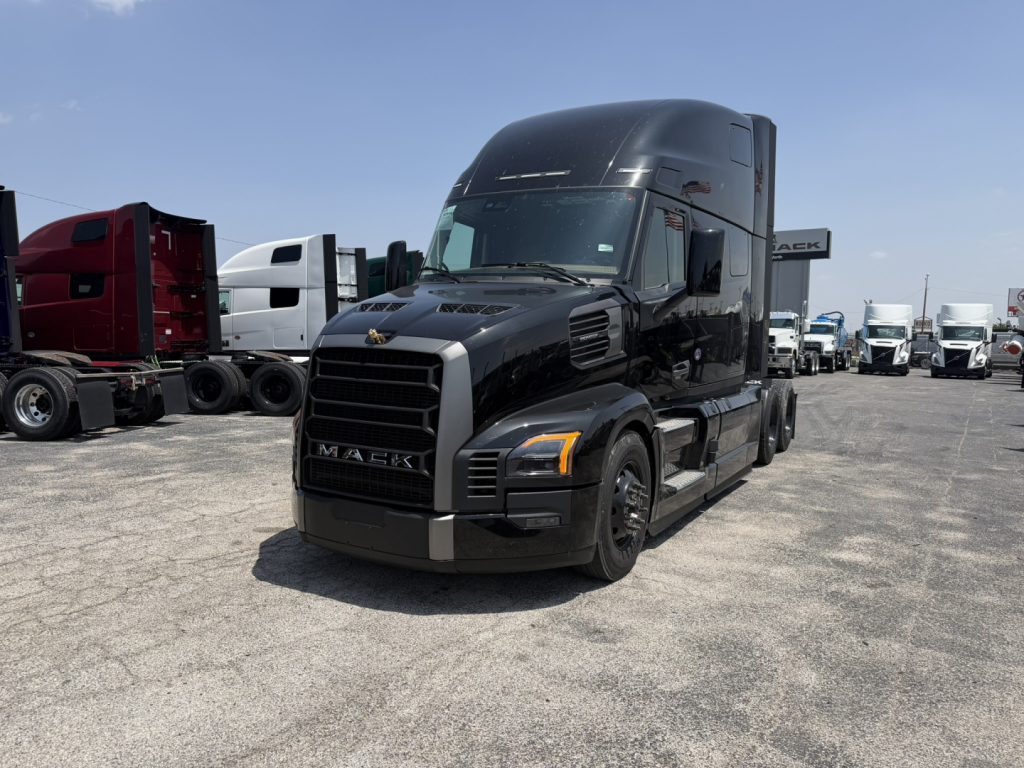
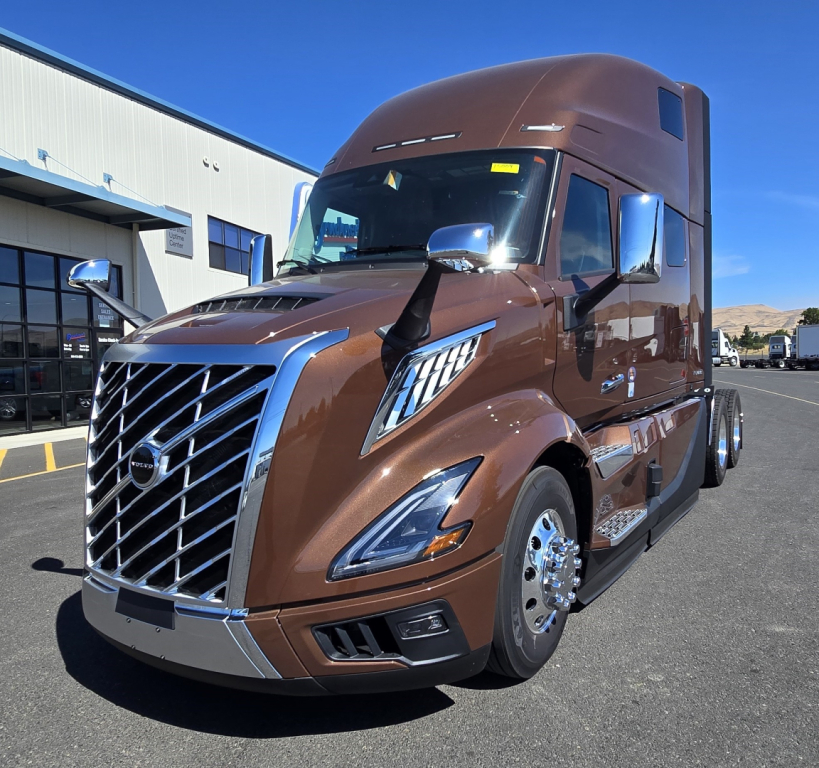
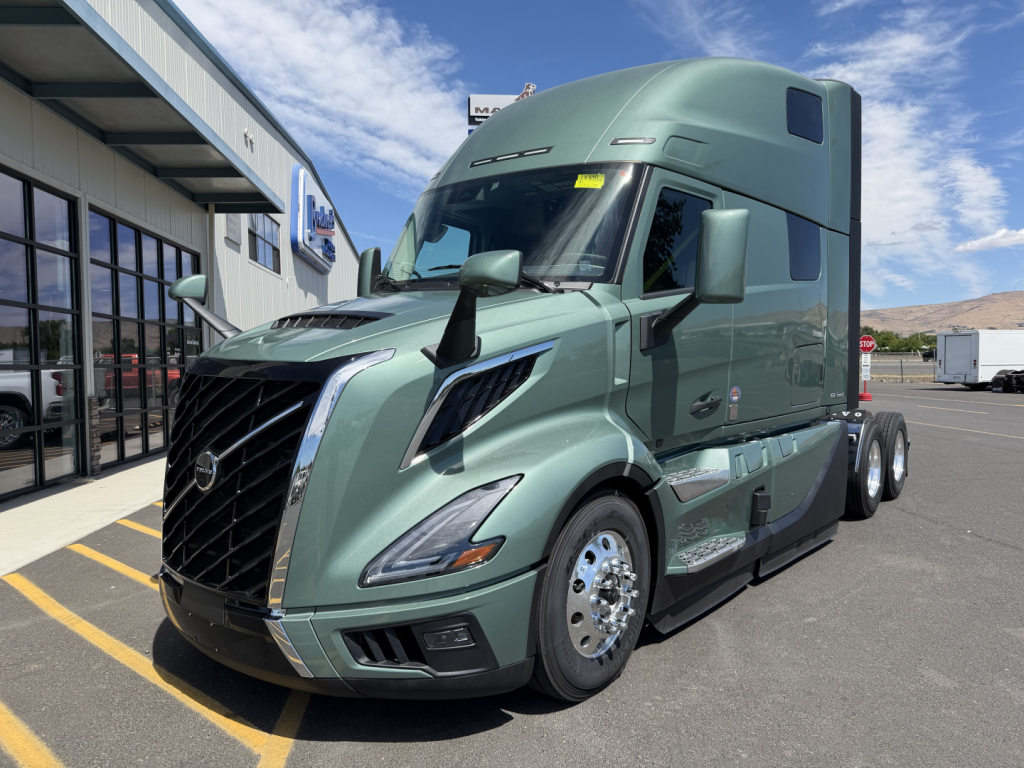
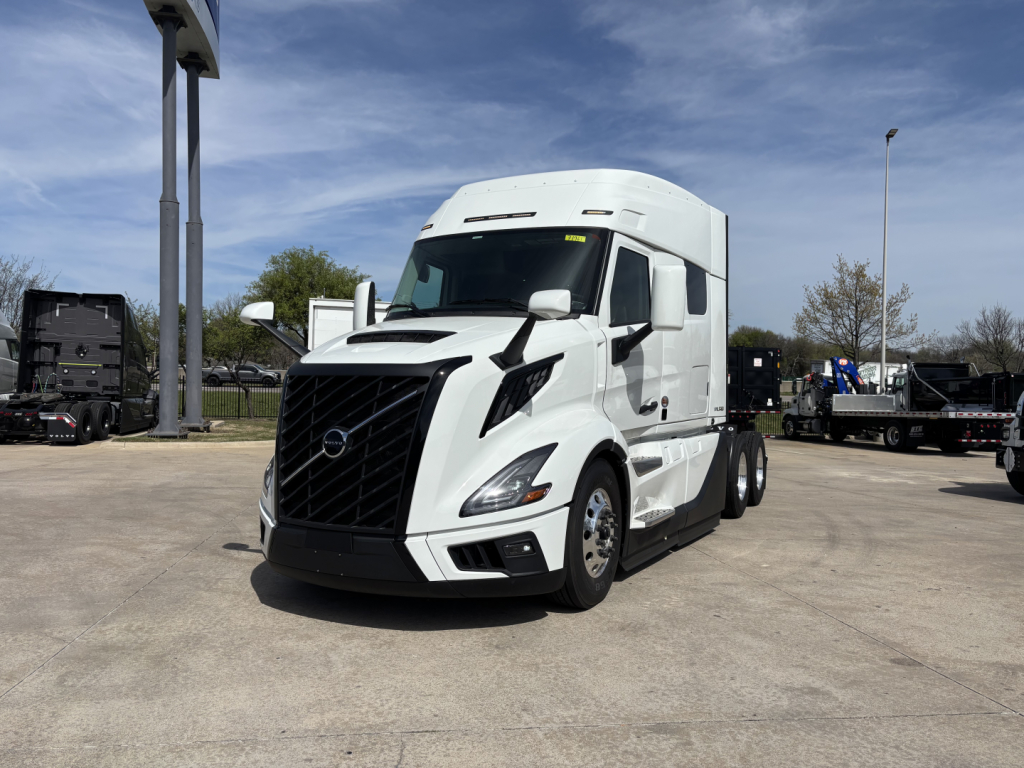
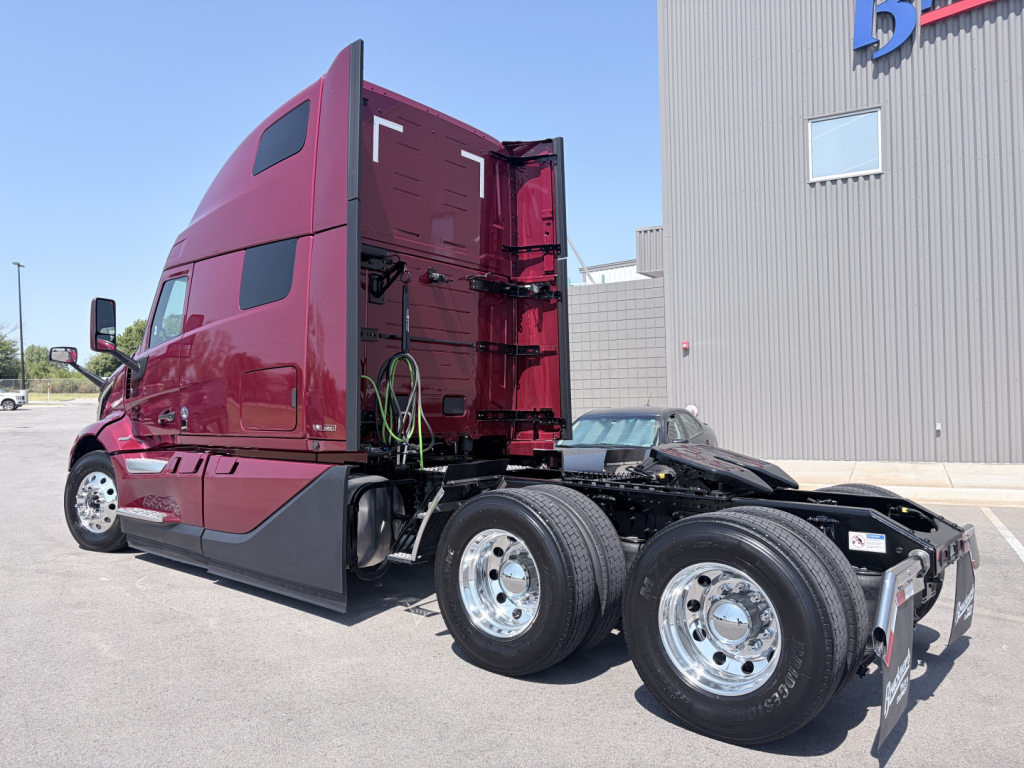
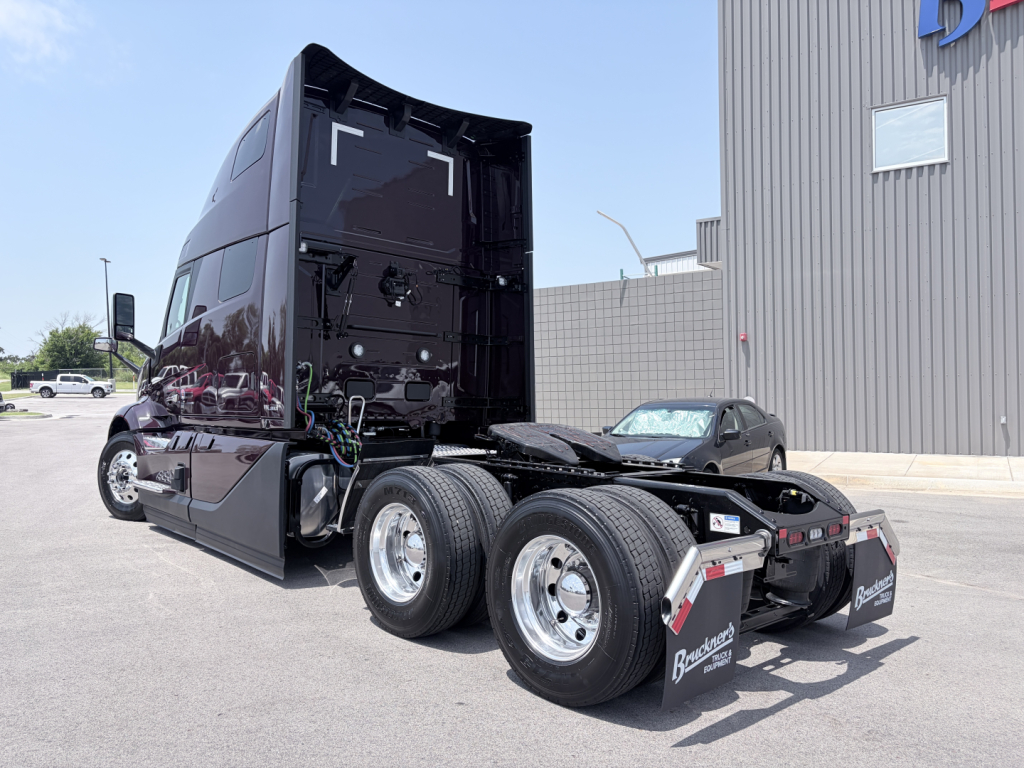
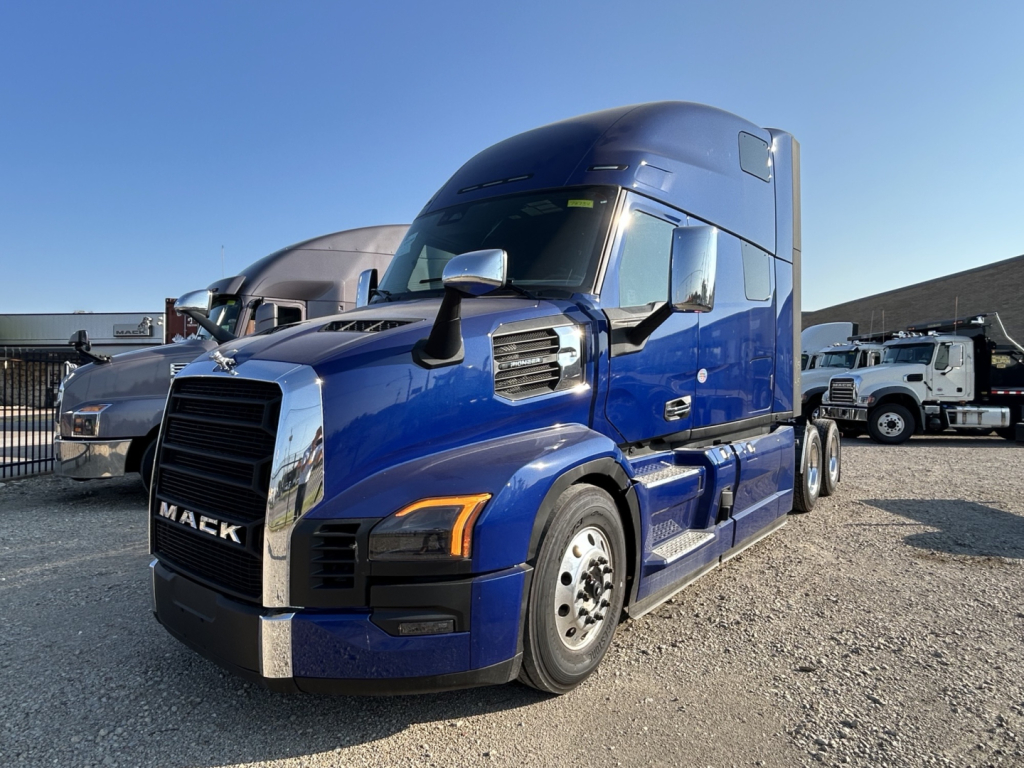
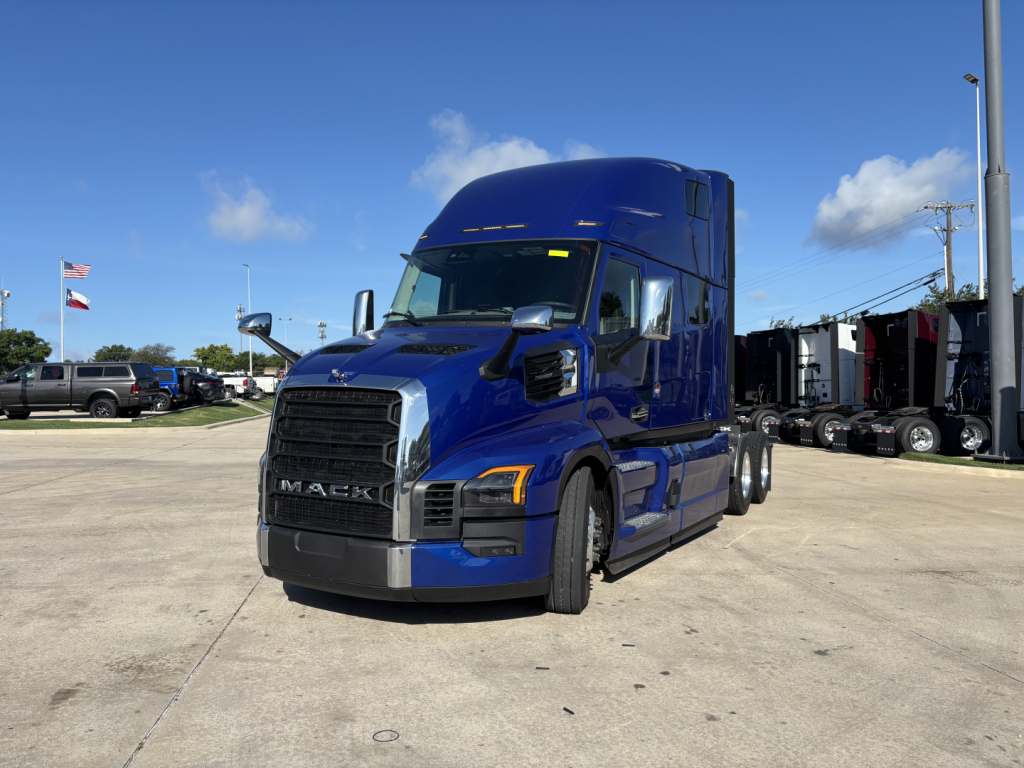
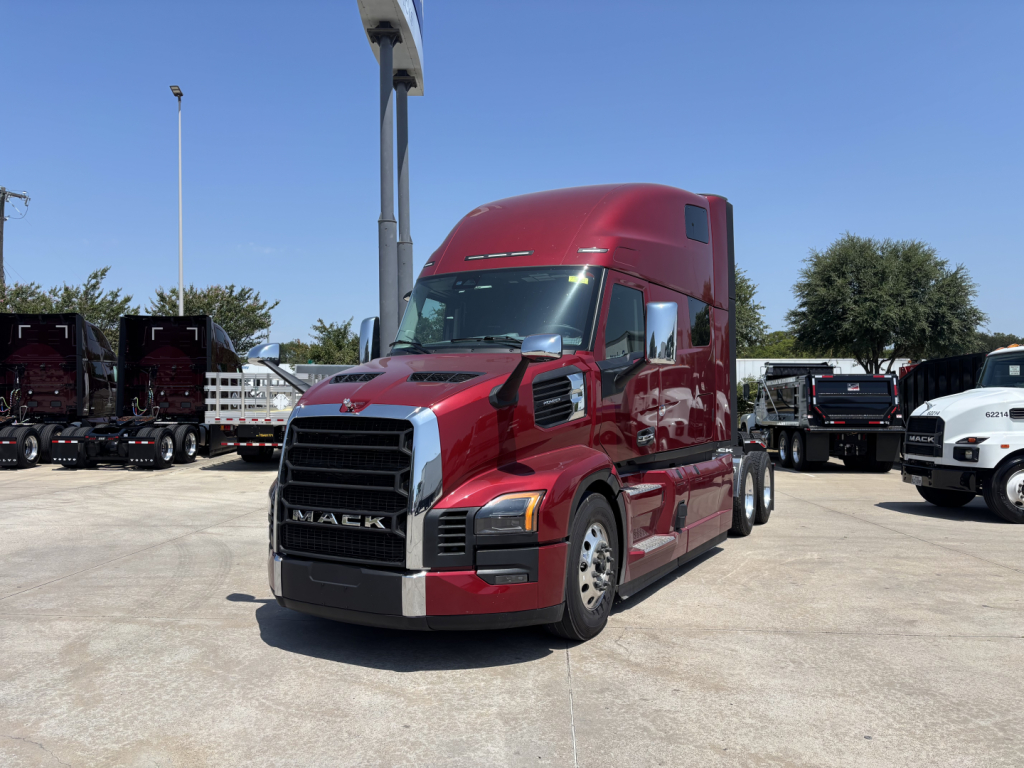
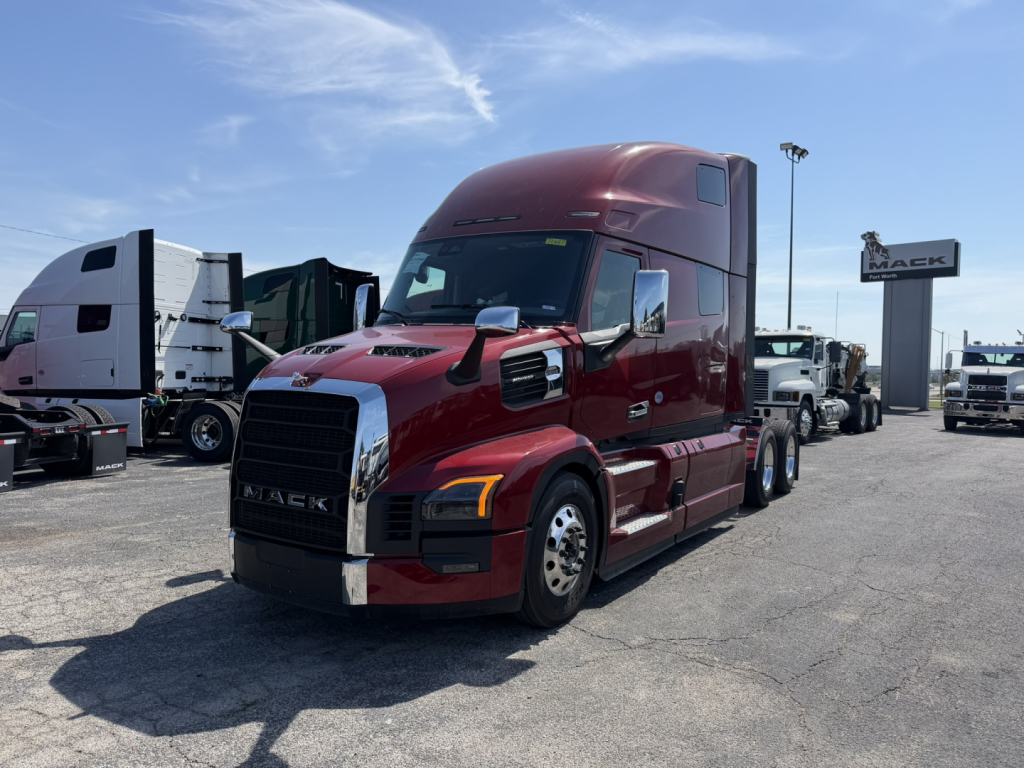
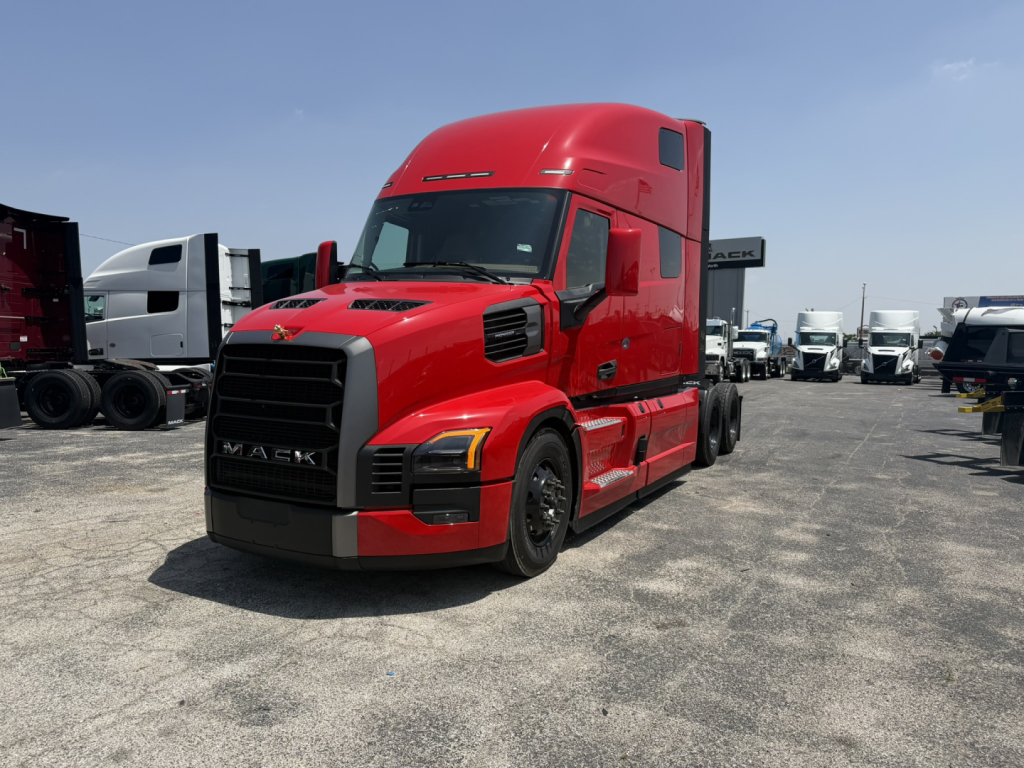
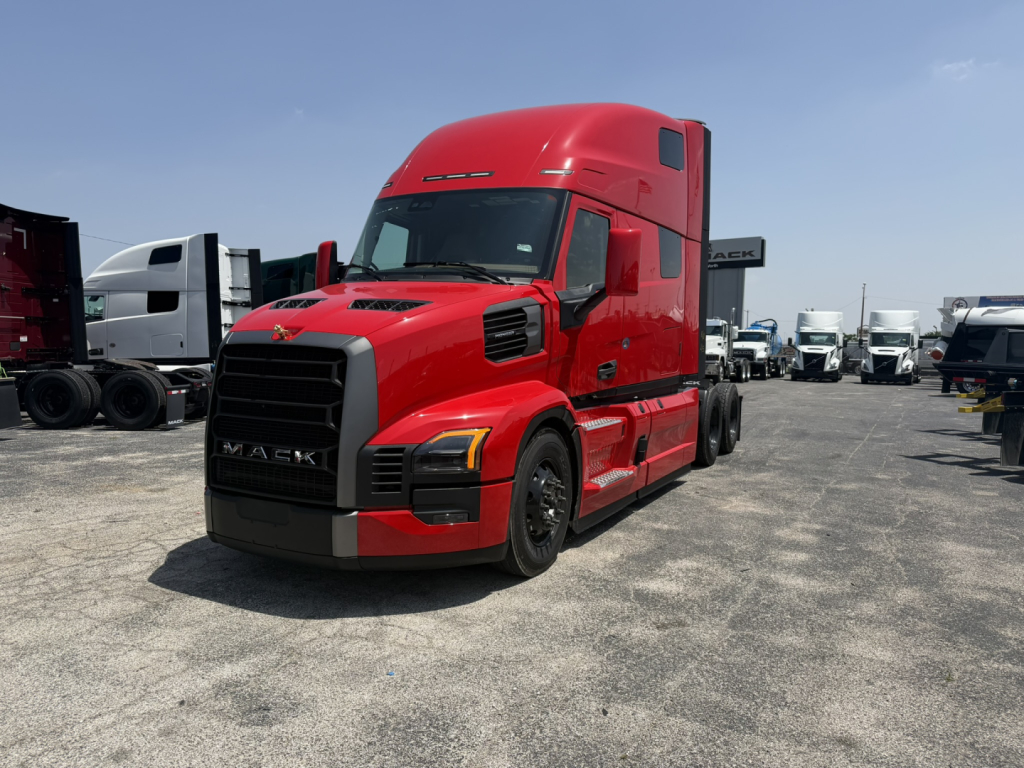
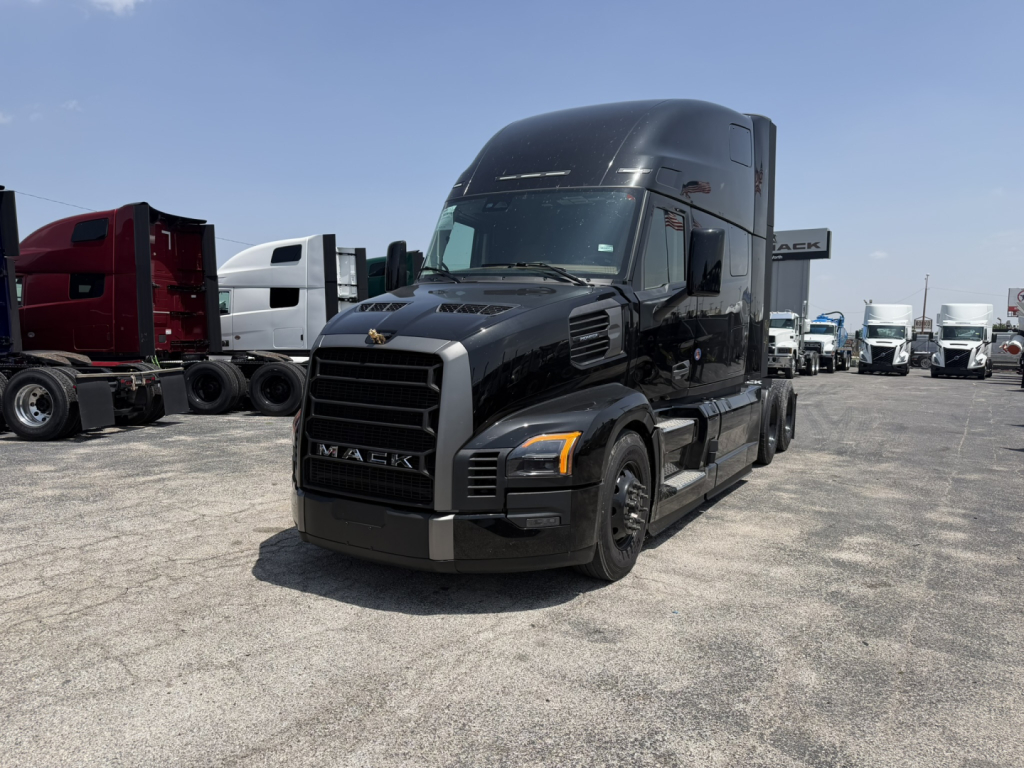
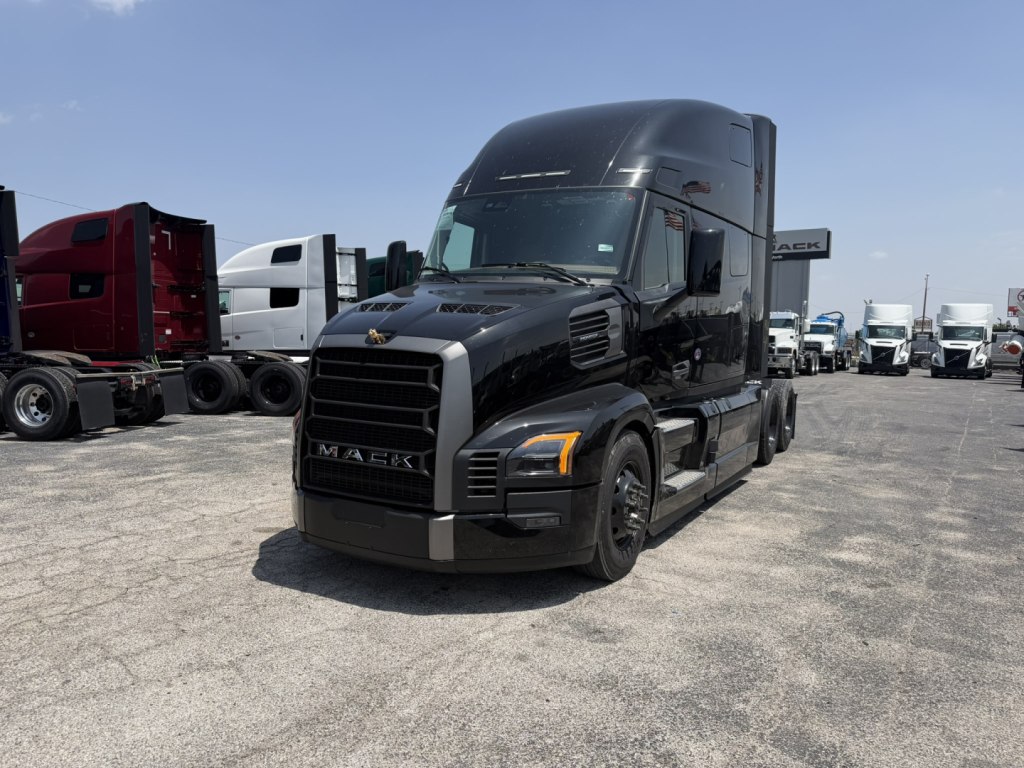
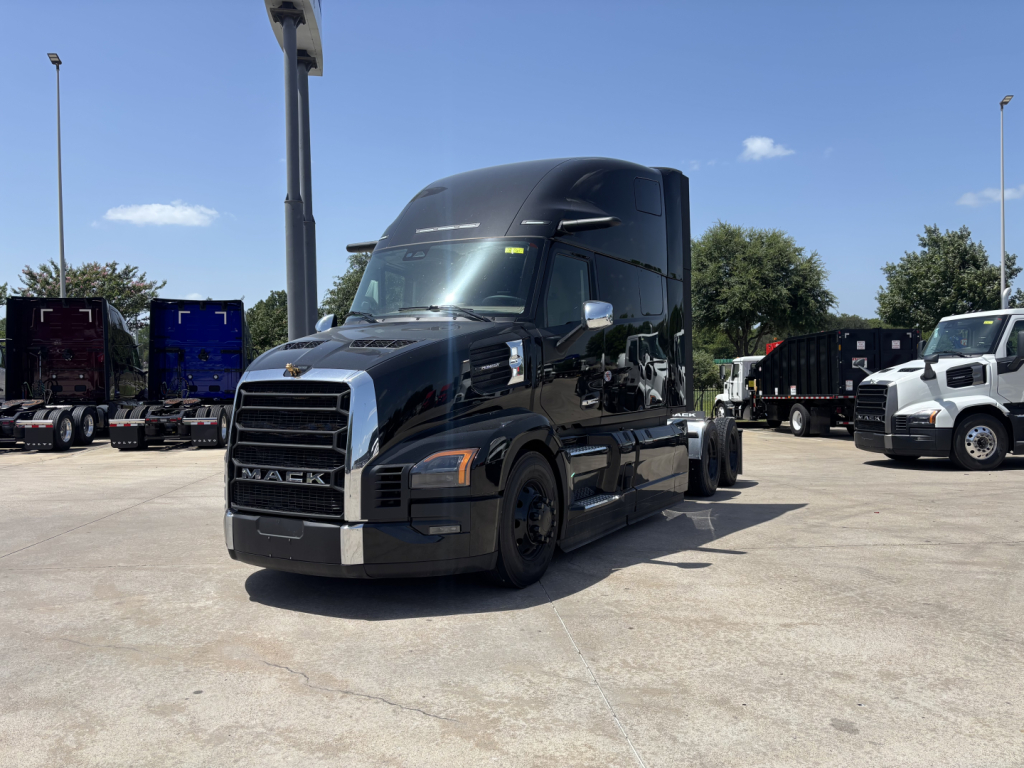
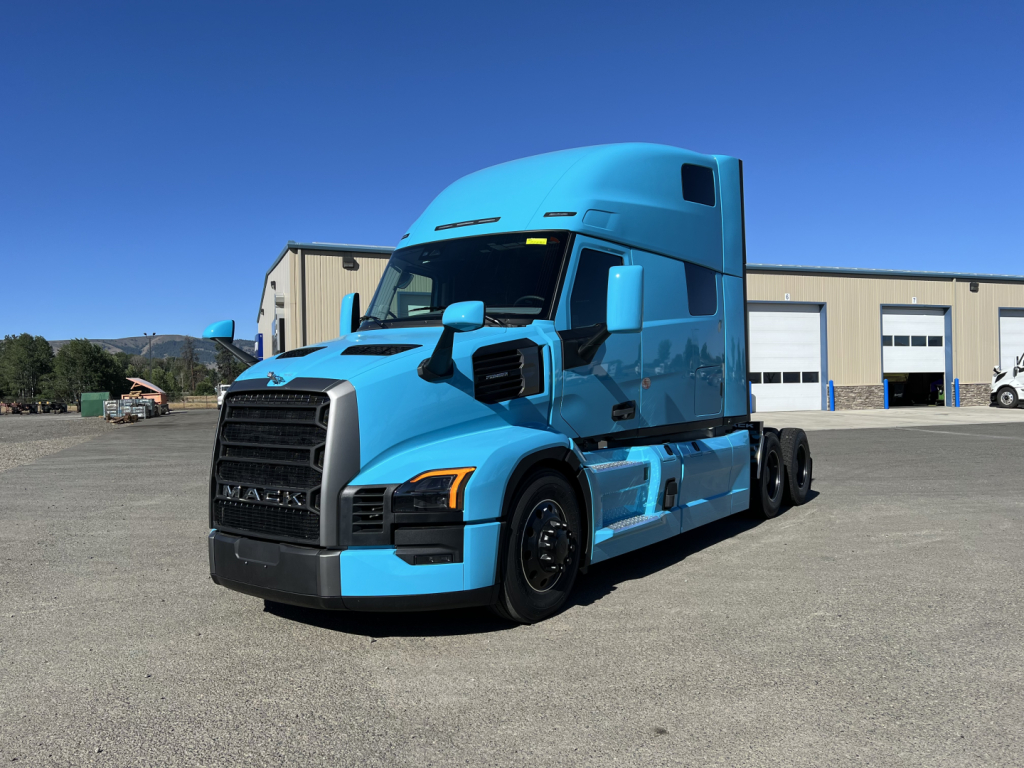
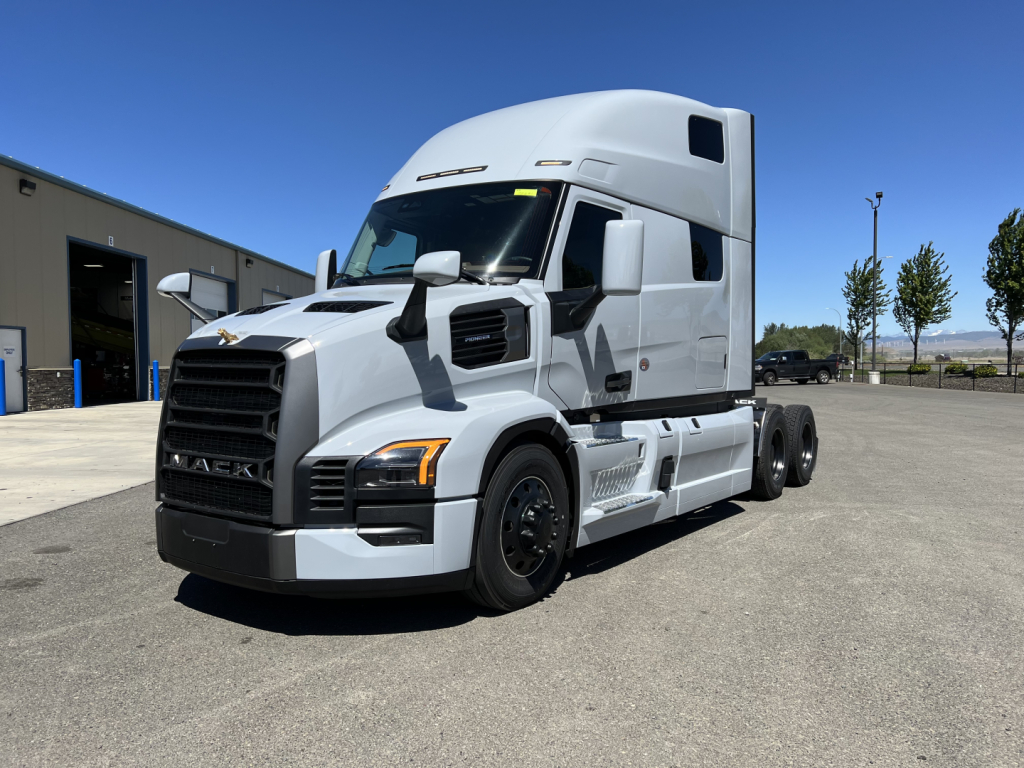
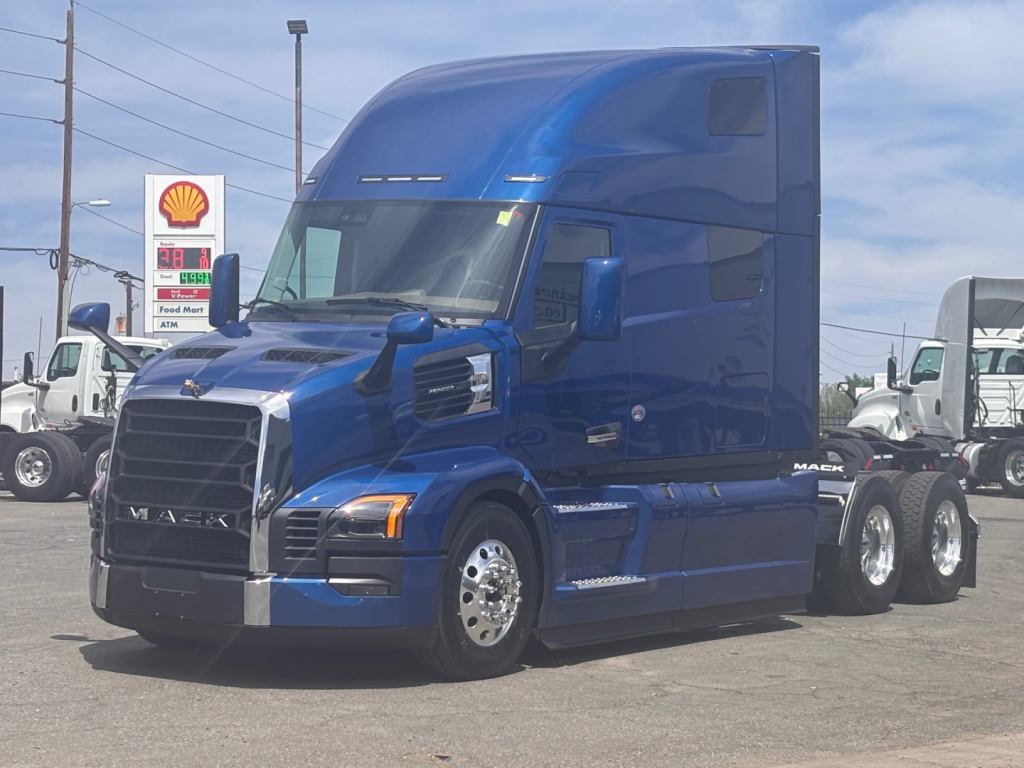
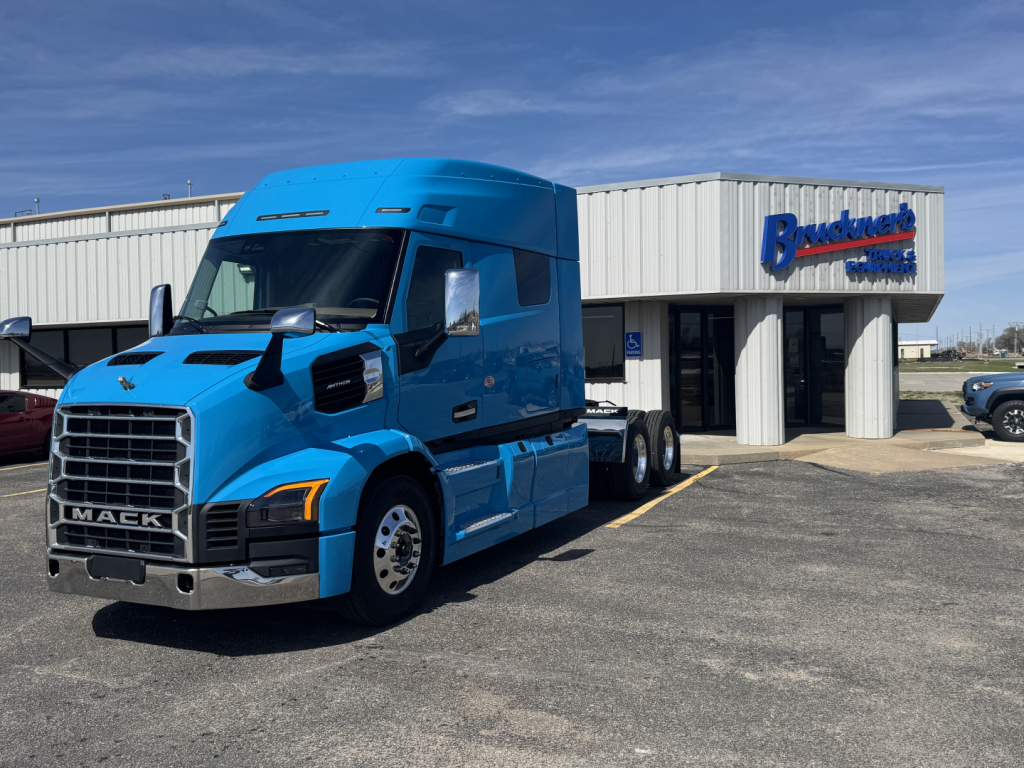
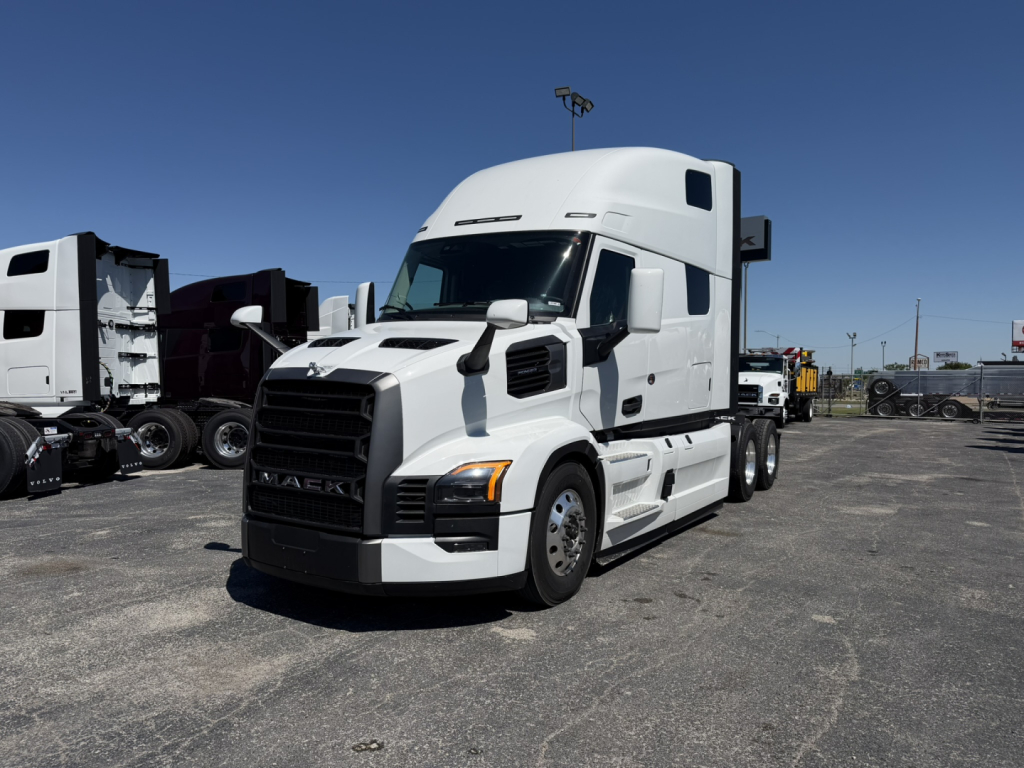
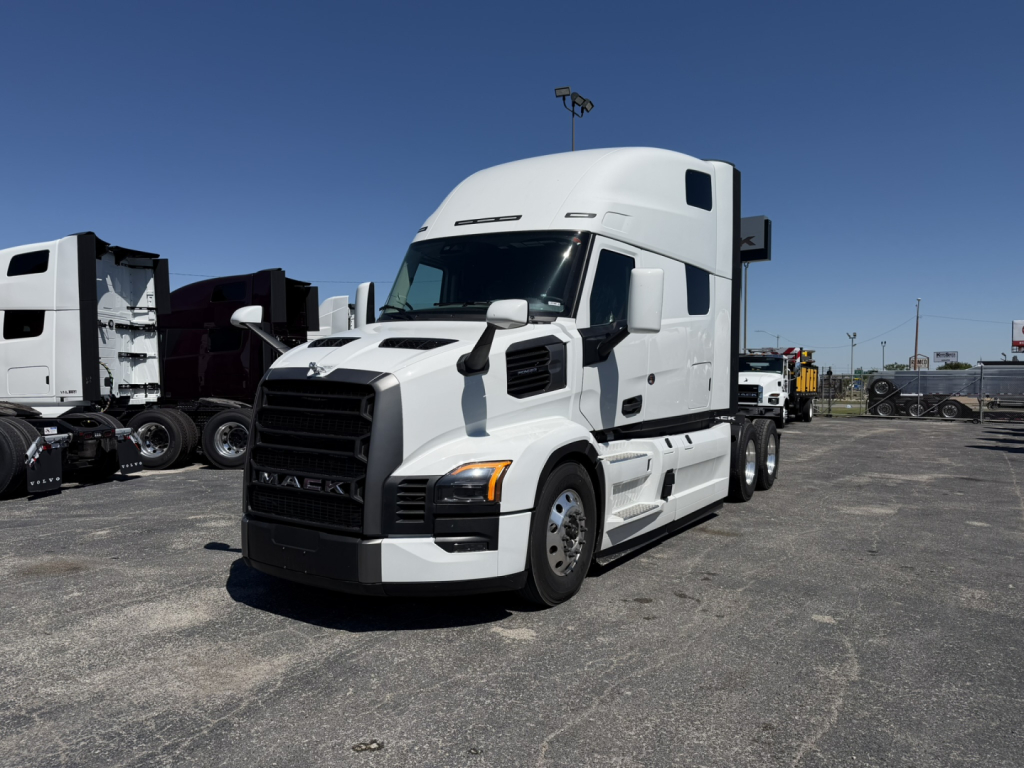
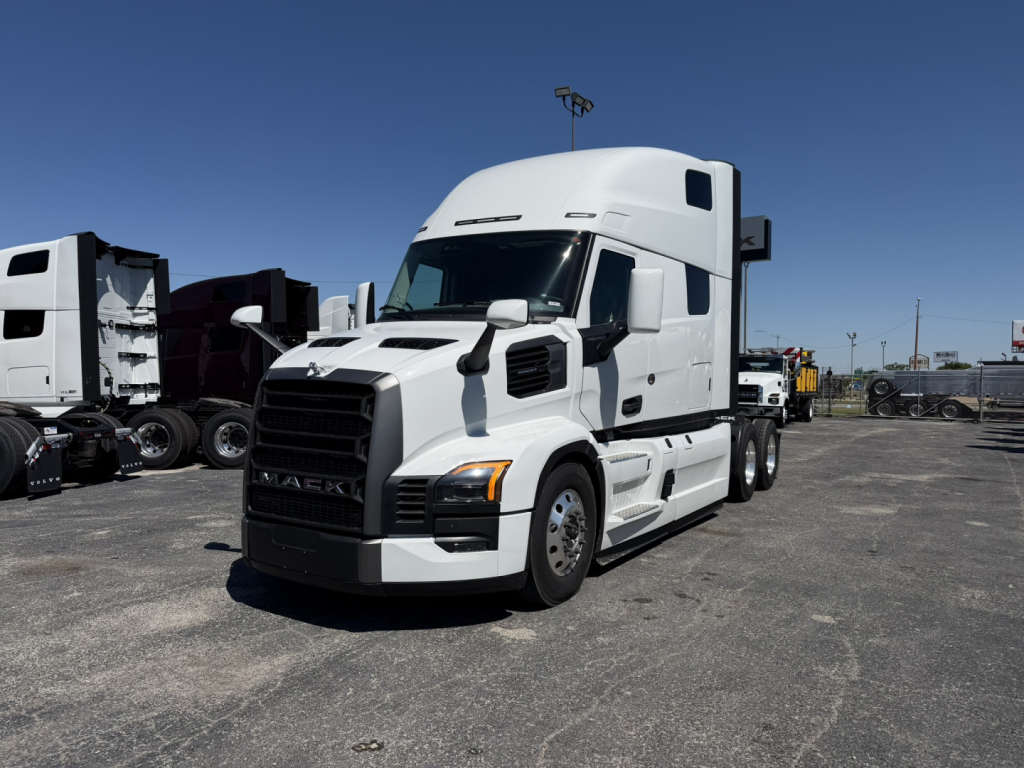
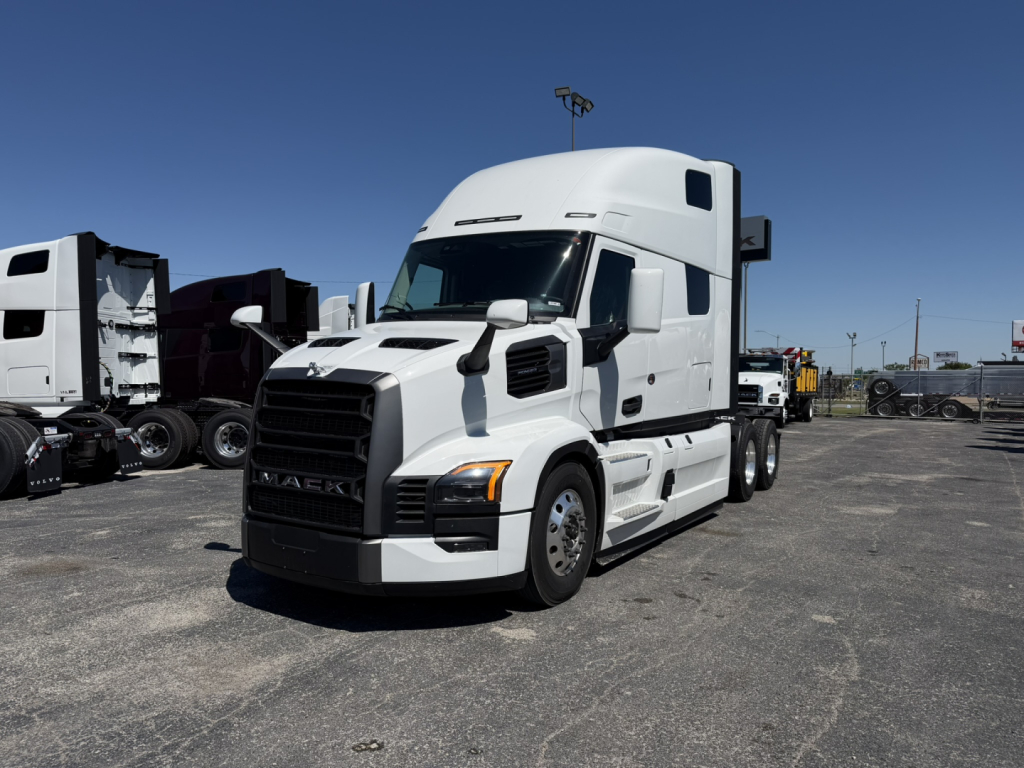
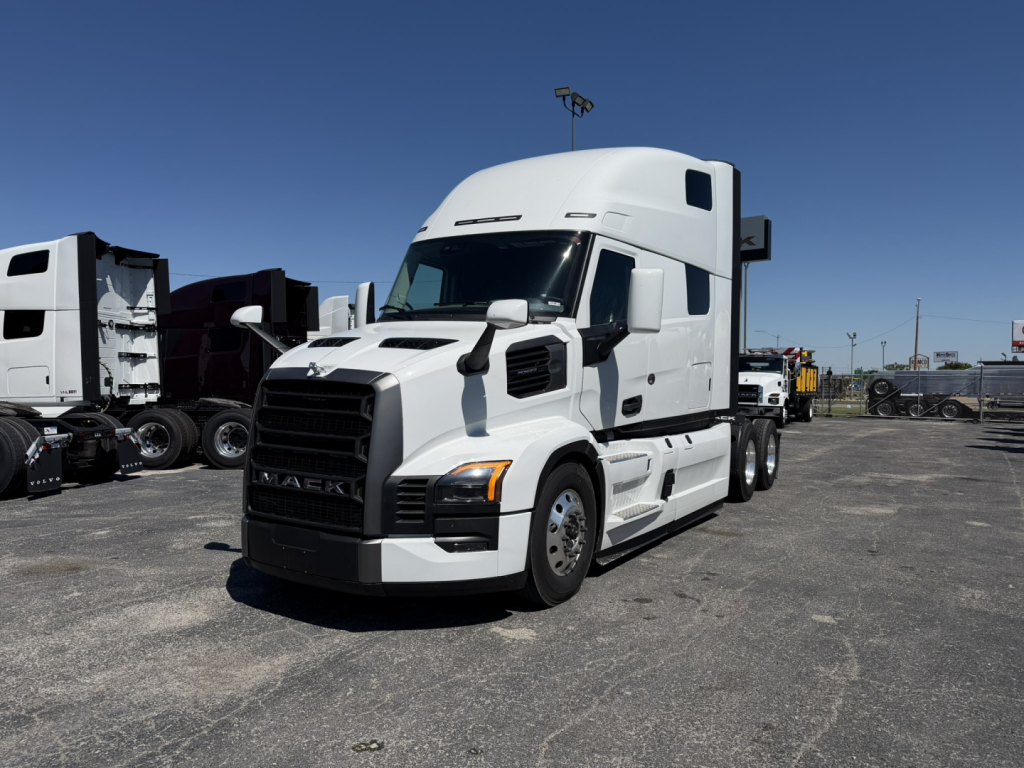
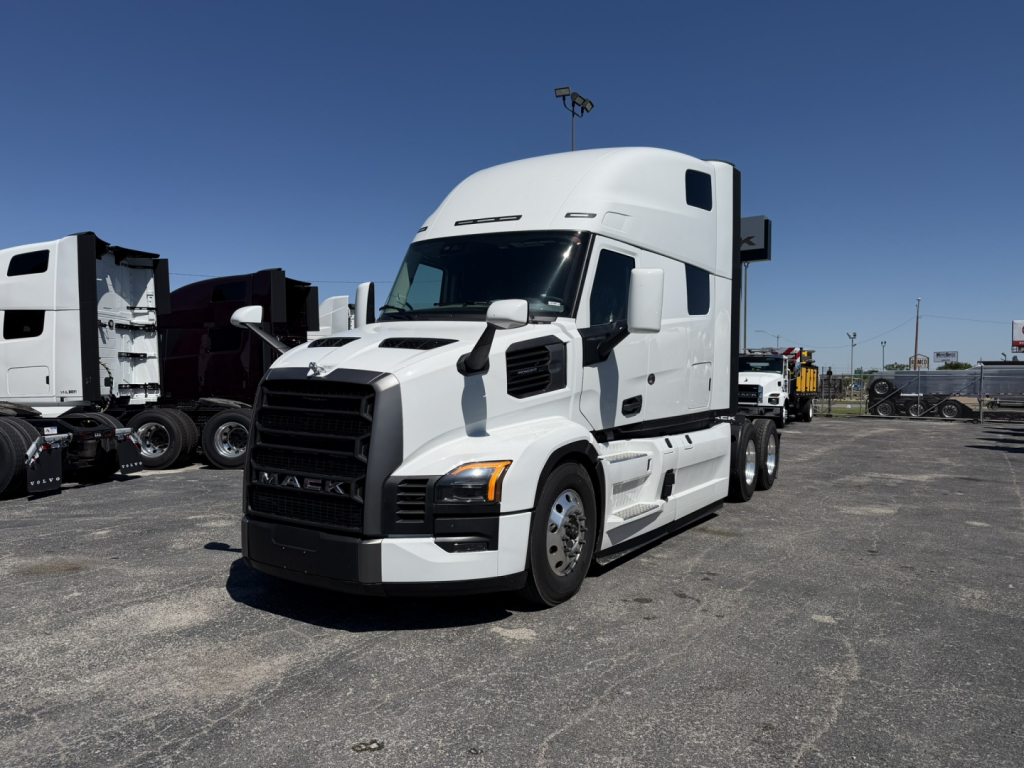
Showing 1 to 28 of 128 results
Selling a new 2027 conventional sleeper truck? List your new 2027 conventional sleeper truck for sale and reach thousands of commercial buyers.
New 2027 Conventional Sleeper Trucks
The most important buying decision is the spec, not just the badge on the hood. New conventional sleepers are commonly configured as 6x4 tractors with tandem drive axles, though some fleets spec 6x2 for weight savings and fuel economy in the right lanes and duty cycles. Engine ratings often fall in the 400 to 500 horsepower range with torque matched to gross combination weight, terrain, and cruise speed targets. Automated manual transmissions dominate this category because they support fuel-efficiency programming, driver consistency, and easier onboarding. Buyers should compare sleeper size, roof height, wheelbase, rear axle ratio, fuel tank capacity, fifth wheel setup, and safety technology packages just as closely as engine make and transmission model.
Cab and chassis details matter because they affect uptime and resale as much as they affect driver acceptance. A well-spec'd sleeper may include a 72-inch to 80-inch condo or mid-roof bunk, optimized fairings, disc or drum brake choices, battery or diesel APUs, larger inverter capacity, idle management, and collision mitigation systems. Interior layout should be evaluated for bunk width, standing room, storage, refrigerator provision, and noise insulation. On the chassis side, look at frame layout for PTO needs, tire size, suspension type, tire inflation systems where applicable, and the relationship between wheelbase and kingpin settings if the truck will pull different trailer lengths or operate in tighter terminals.
For 2027 model-year buyers, the advantage of buying new is access to current emissions-compliant powertrains, factory warranty coverage, and the latest telematics and driver-assist systems. The right conventional sleeper truck should fit the lane, the payload, and the retention strategy. A fleet hauling dry van coast to coast may prioritize aerodynamics, fuel capacity, and a large sleeper, while a carrier running dedicated regional freight may favor a shorter wheelbase, lighter spec, and easier maneuverability. The best value in this category usually comes from matching the sleeper, drivetrain, and axle package to the work instead of overbuying horsepower or under-spec'ing comfort.
Frequently Asked Questions about New 2027 Conventional Sleeper Trucks
What is a conventional sleeper truck?
A conventional sleeper truck is a highway tractor with the engine mounted ahead of the cab and a built-in sleeping compartment behind the seats. It is designed for long-haul and overnight operations where drivers need rest space, storage, and more living comfort than a day cab provides. In the U.S. market, this is the standard sleeper configuration for pulling van, reefer, flatbed, and many specialized trailers.
What sleeper size is best for a new 2027 conventional sleeper tractor?
The right sleeper size depends on route length, number of nights out, and whether the truck will be solo or team operated. Mid-roof and smaller sleepers can work well for regional operations with occasional overnight trips. Larger 72-inch to 80-inch sleepers are more common in long-haul applications because they provide better storage, more standing room, and a more livable environment for extended time on the road. A larger sleeper can improve driver retention, but it also adds weight and may affect wheelbase and maneuverability.
Which specs matter most when buying a new conventional sleeper truck?
The most important specs are engine horsepower and torque, transmission type, rear axle ratio, axle configuration, sleeper size, wheelbase, and fuel capacity. Those choices determine how the truck performs under load, how efficiently it cruises, and how well it fits the trailers and lanes in your operation. Buyers should also pay close attention to safety systems, idle reduction equipment, suspension design, and warranty support because those features directly affect operating cost and uptime.
Are automated manual transmissions standard in new sleeper trucks?
Automated manual transmissions are now the dominant choice in new conventional sleeper trucks. They improve shift consistency, reduce driver fatigue, and support fuel-efficiency programming better than traditional manuals in most linehaul applications. Manual transmissions still appear in some vocational or highly specialized uses, but most new on-highway sleeper tractors are spec'd with an AMT paired to an integrated powertrain strategy.
How do I choose between a 6x4 and a 6x2 conventional sleeper?
A 6x4 has two drive axles and remains the most common setup for general long-haul freight because it offers strong traction, broad resale appeal, and compatibility with varied terrain and weather. A 6x2 uses one drive axle and one non-driven axle, which can reduce weight and improve fuel economy in the right application. The tradeoff is that 6x2 performance depends more heavily on route profile, traction demands, and fleet operating practices. Buyers running mixed terrain, heavy loads, or winter conditions often stay with 6x4, while carefully controlled highway fleets may consider 6x2.