
New 2027 Mack Conventional Sleeper Trucks For Sale
Shop new 2027 Mack conventional sleeper trucks with MP13 power, mDRIVE automation, aero specs, and long-haul sleeper comfort.
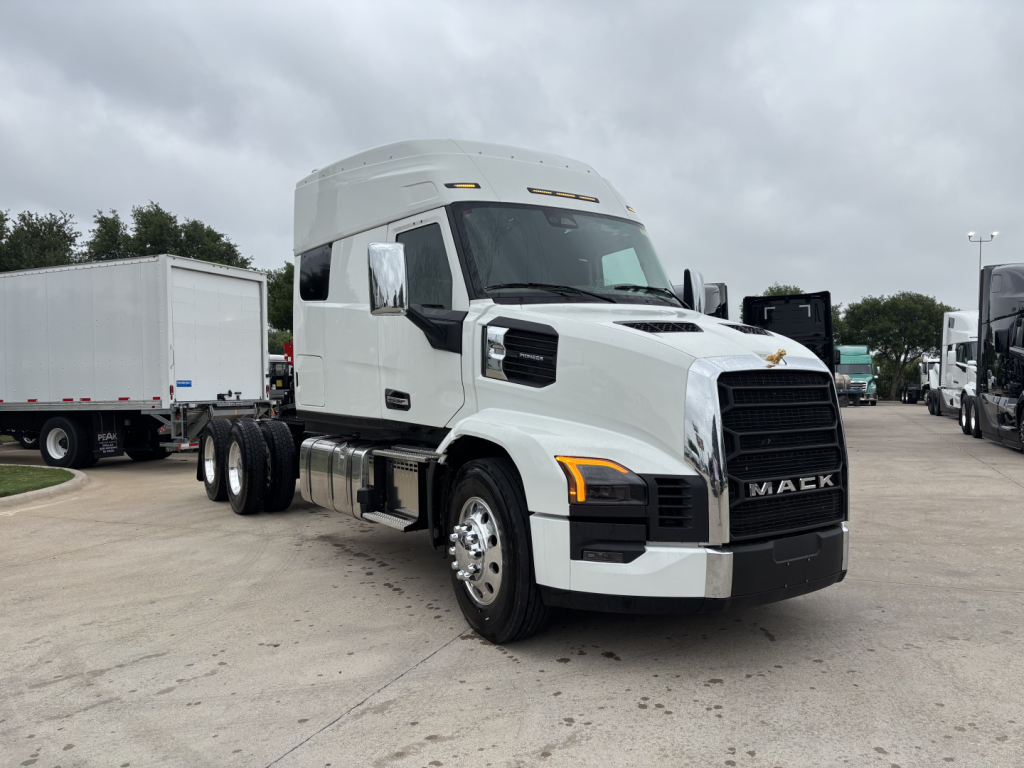
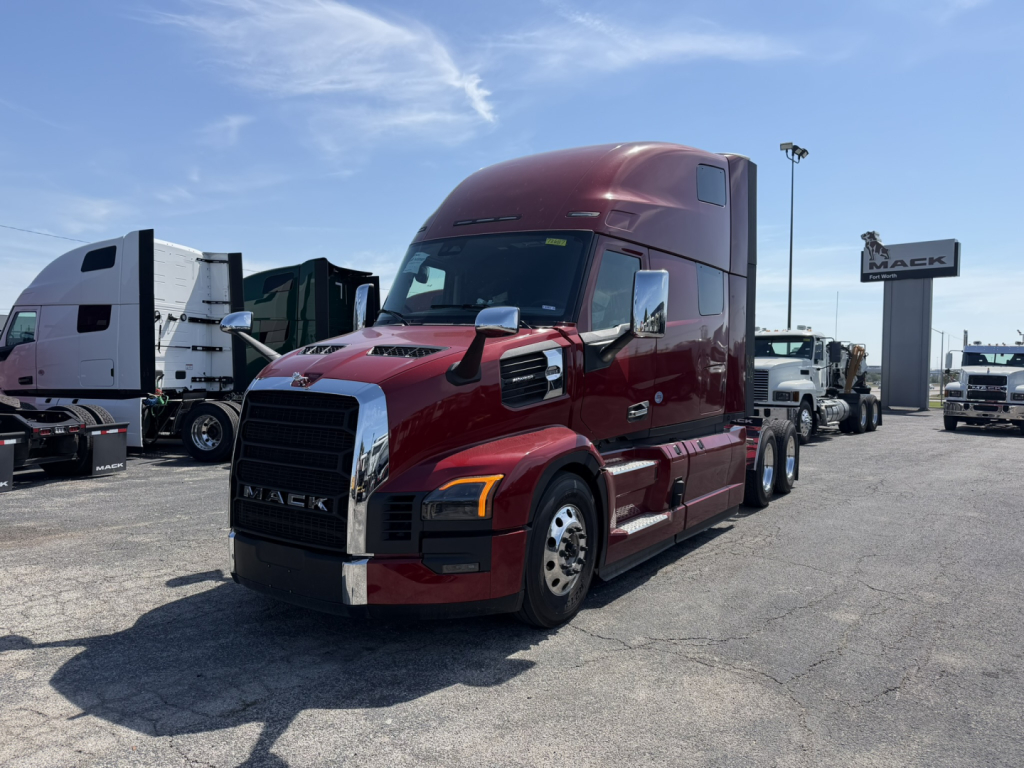
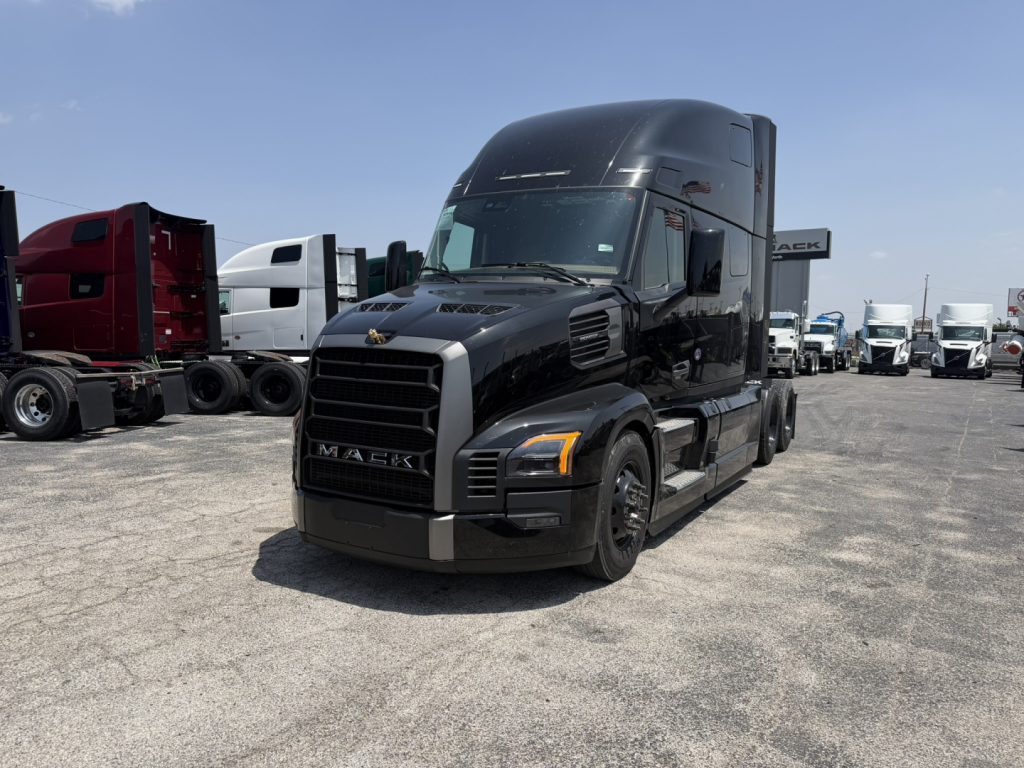
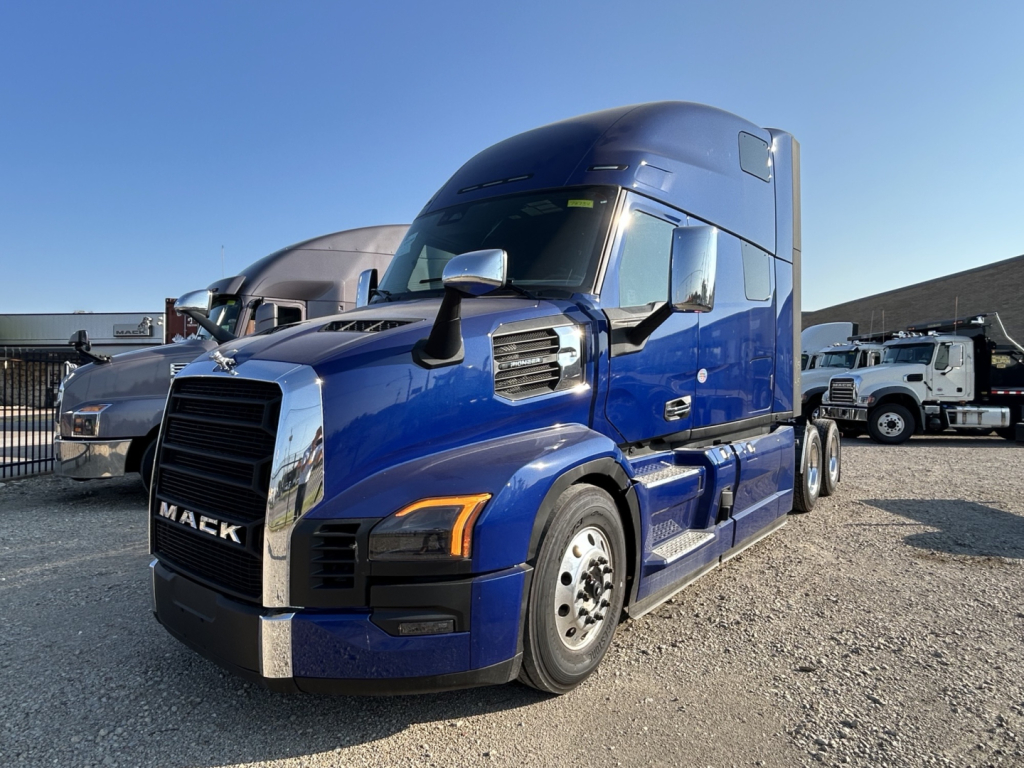
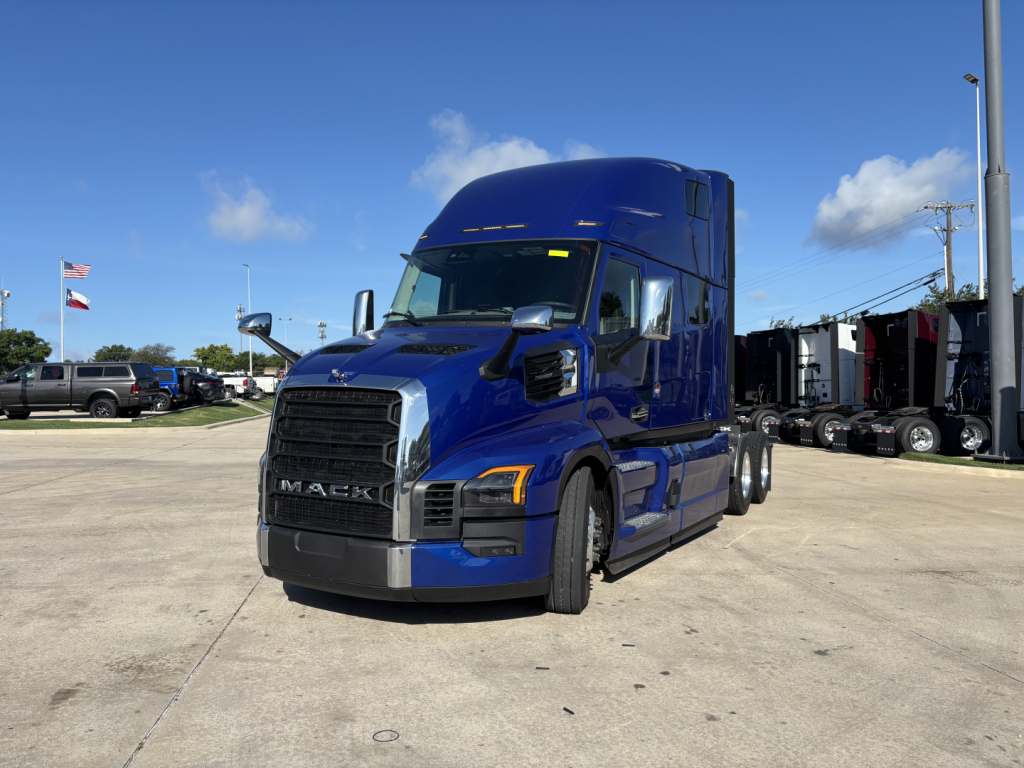
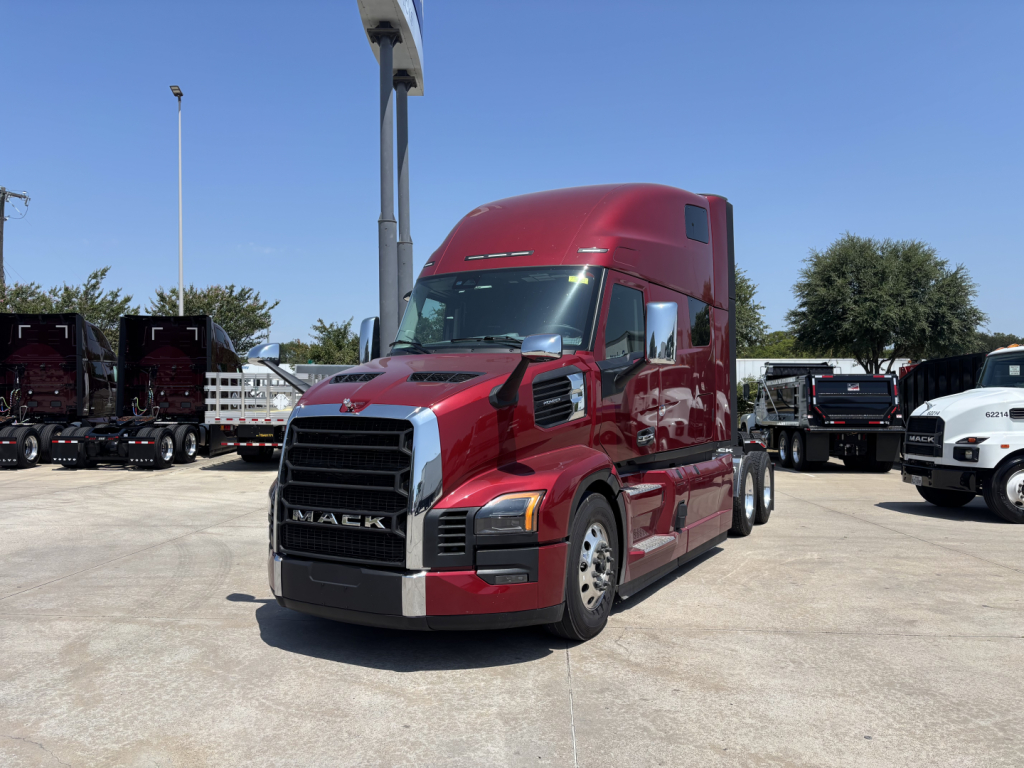
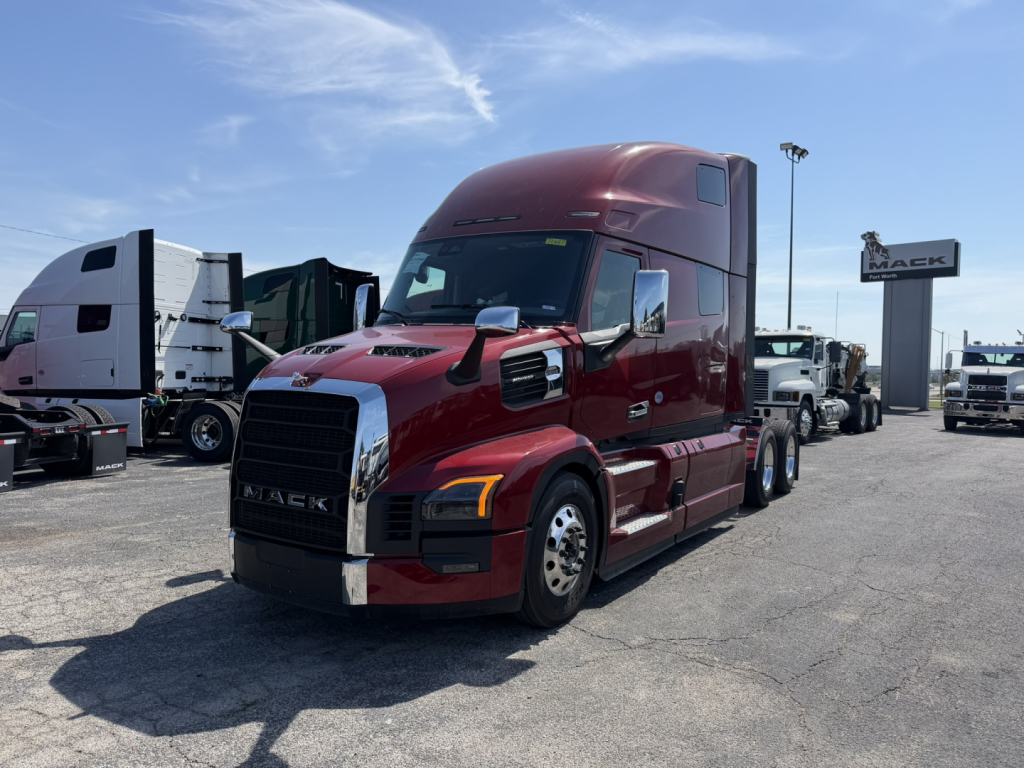
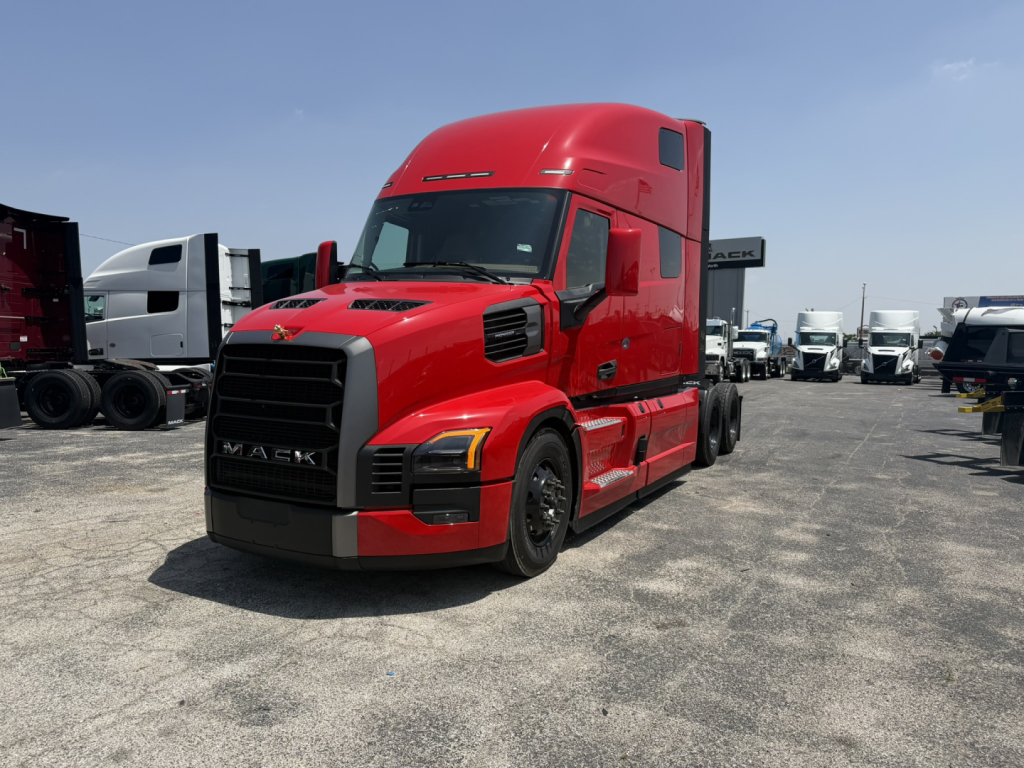
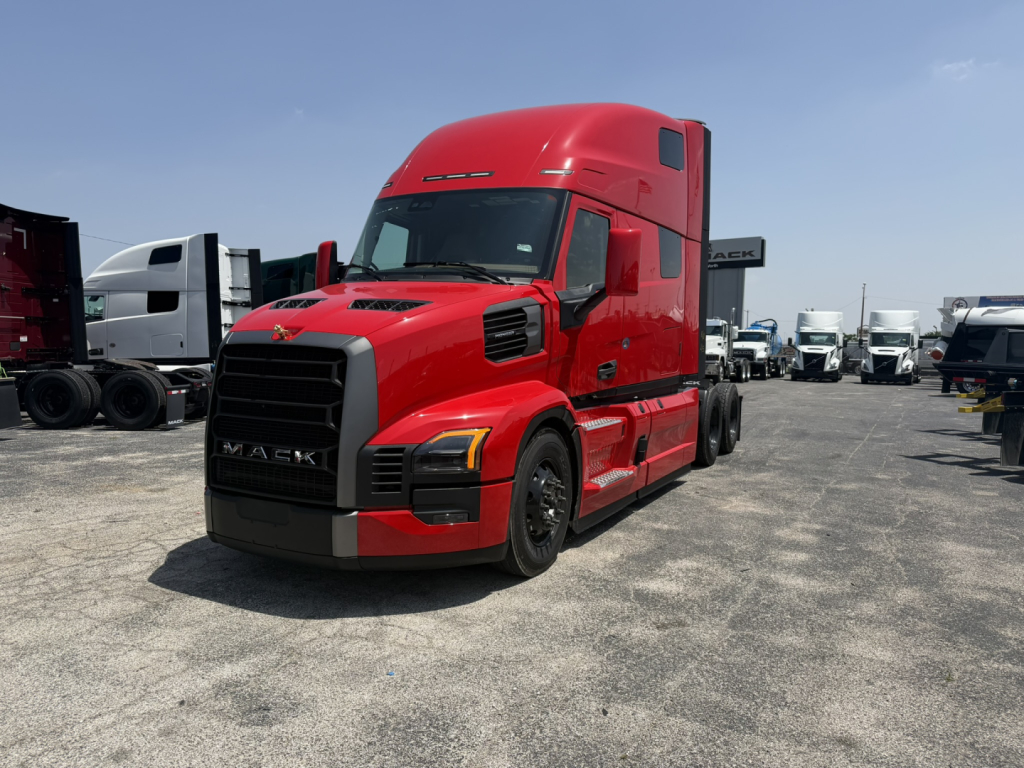
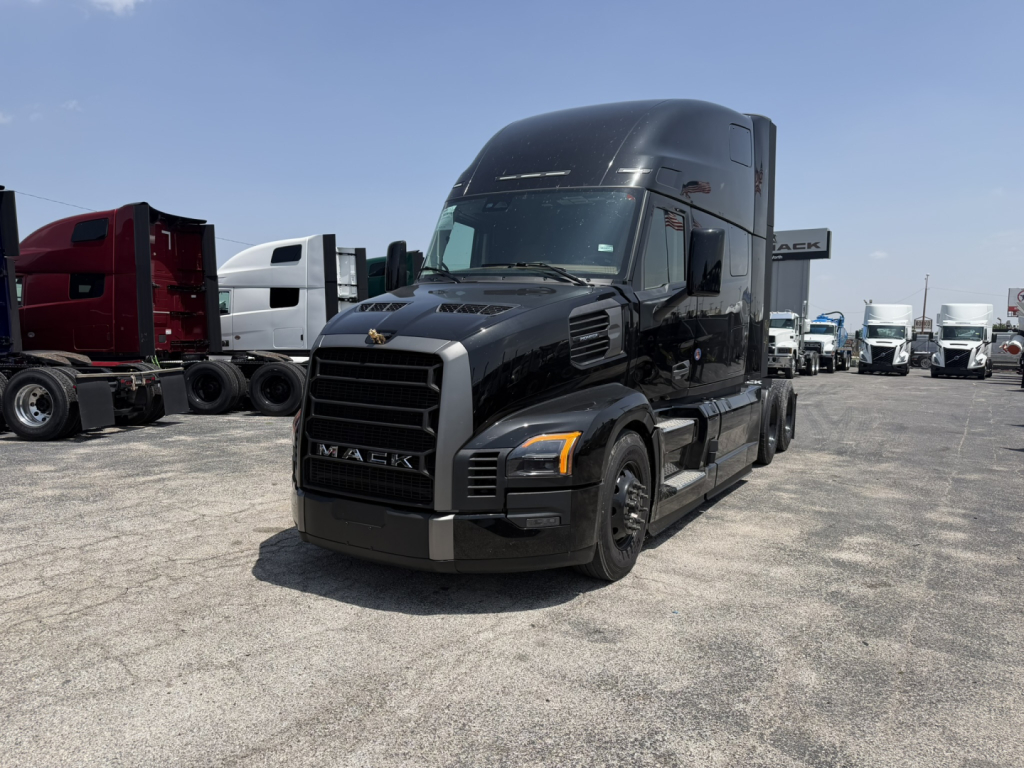
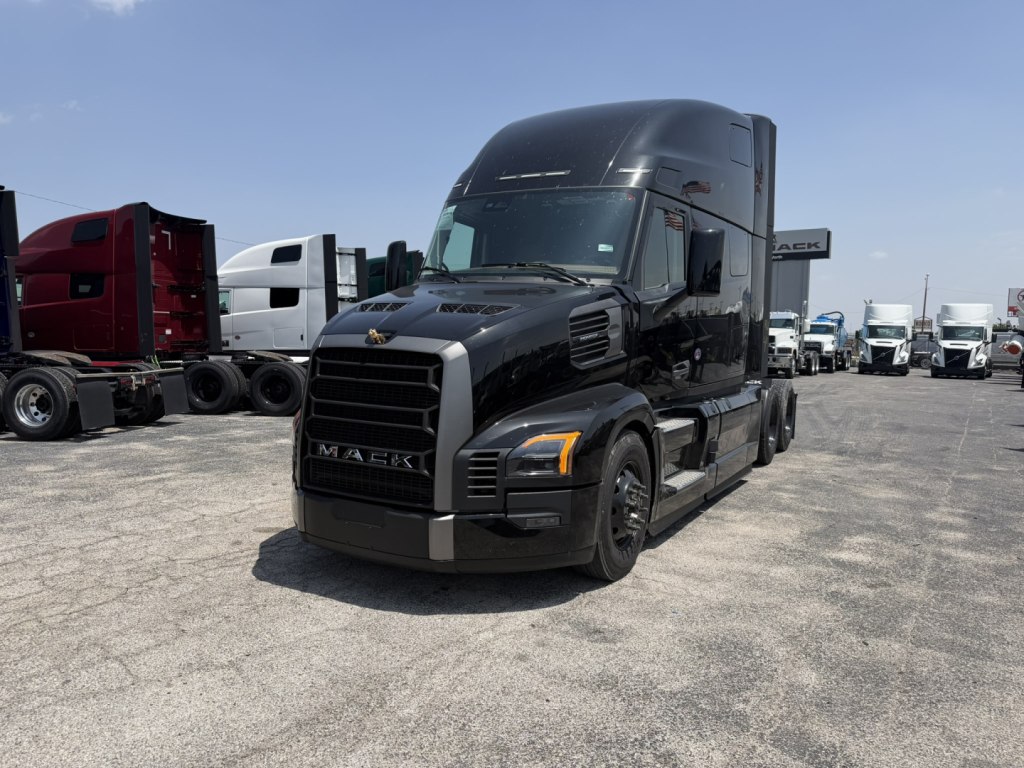
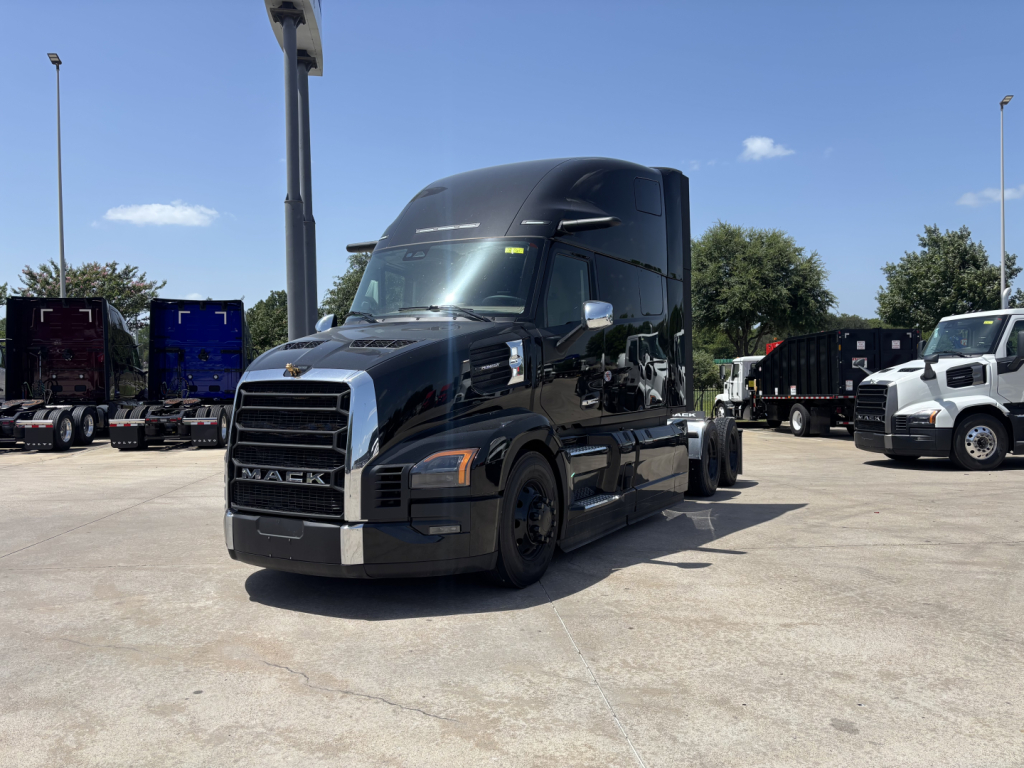
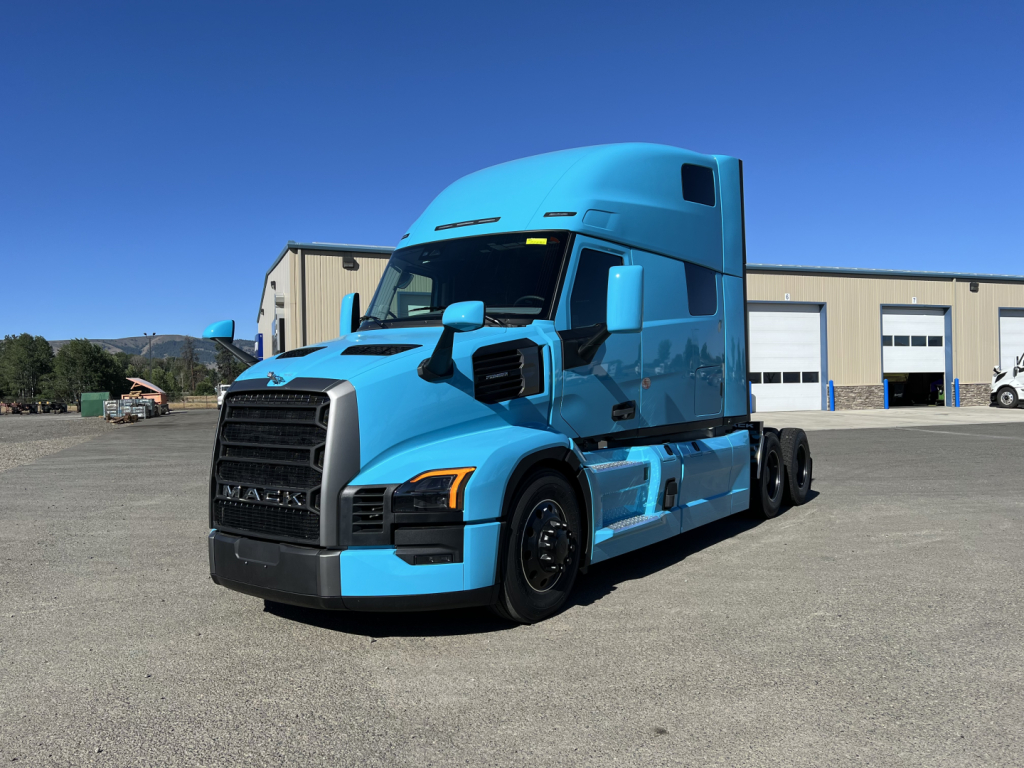
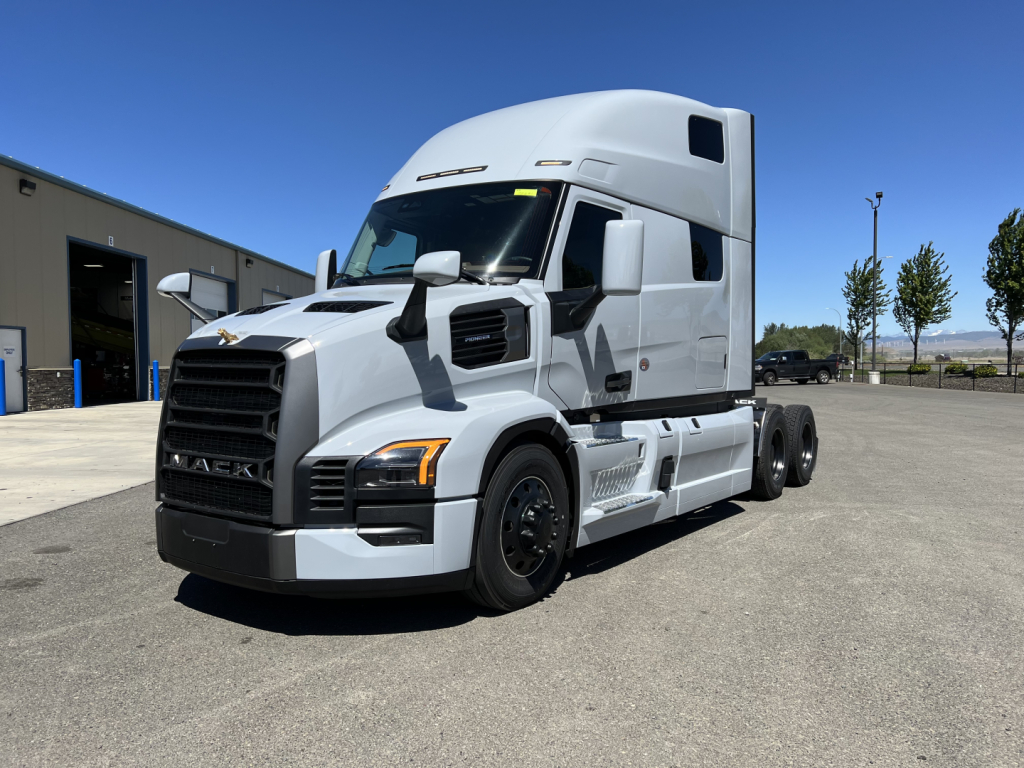
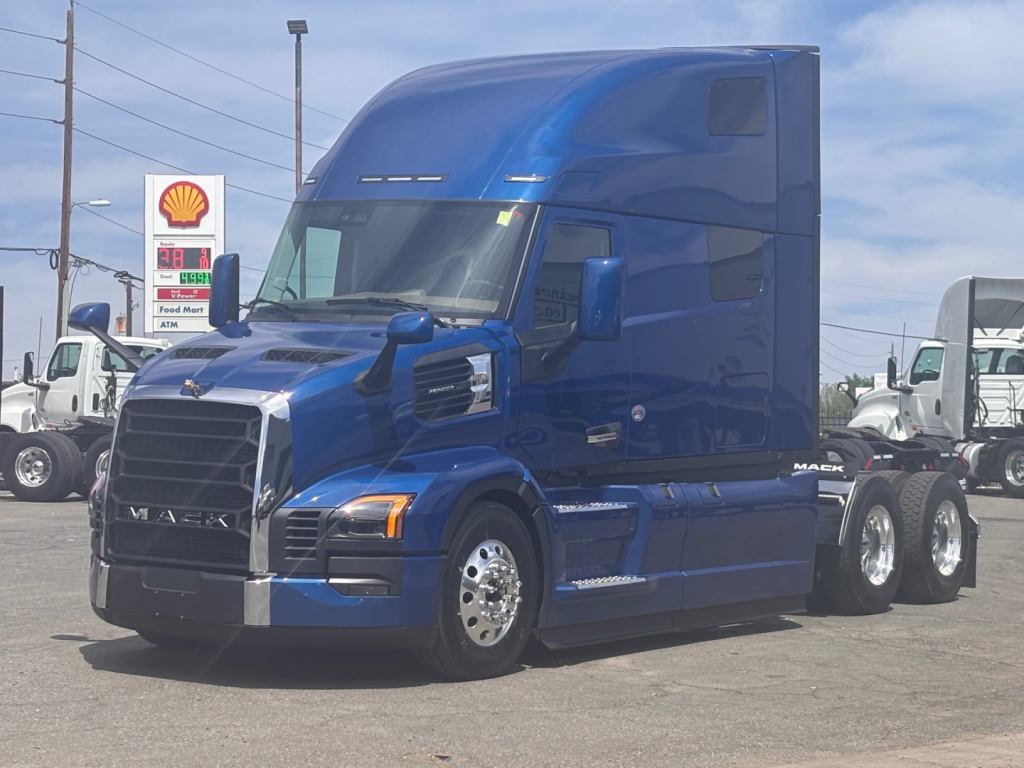
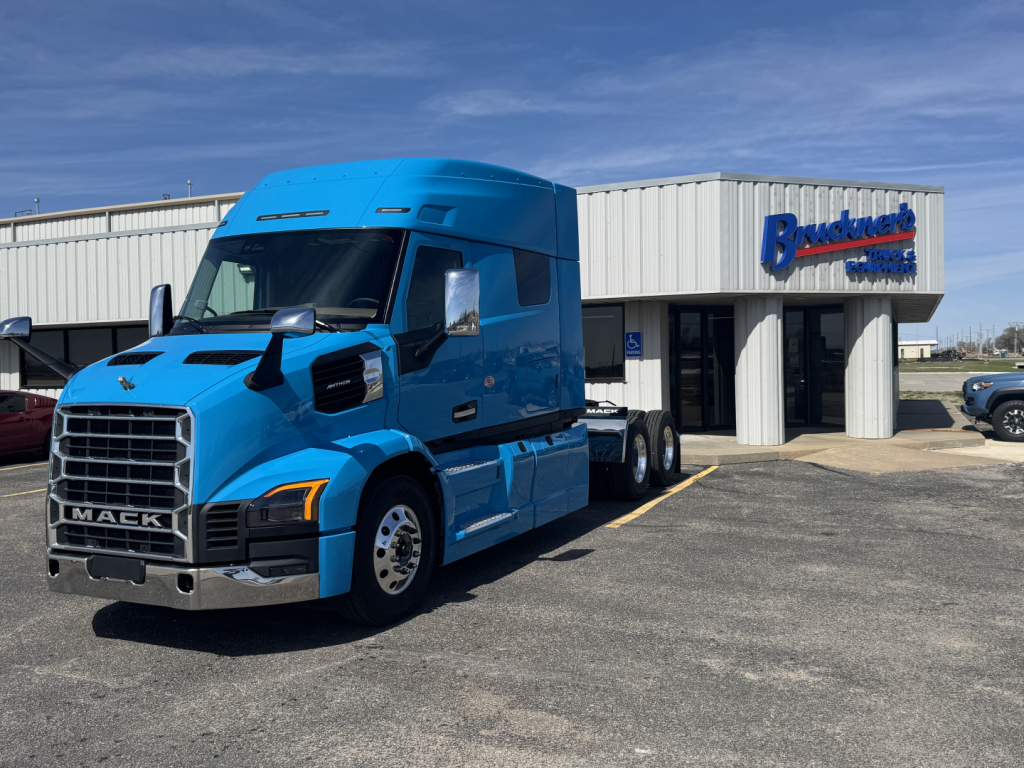
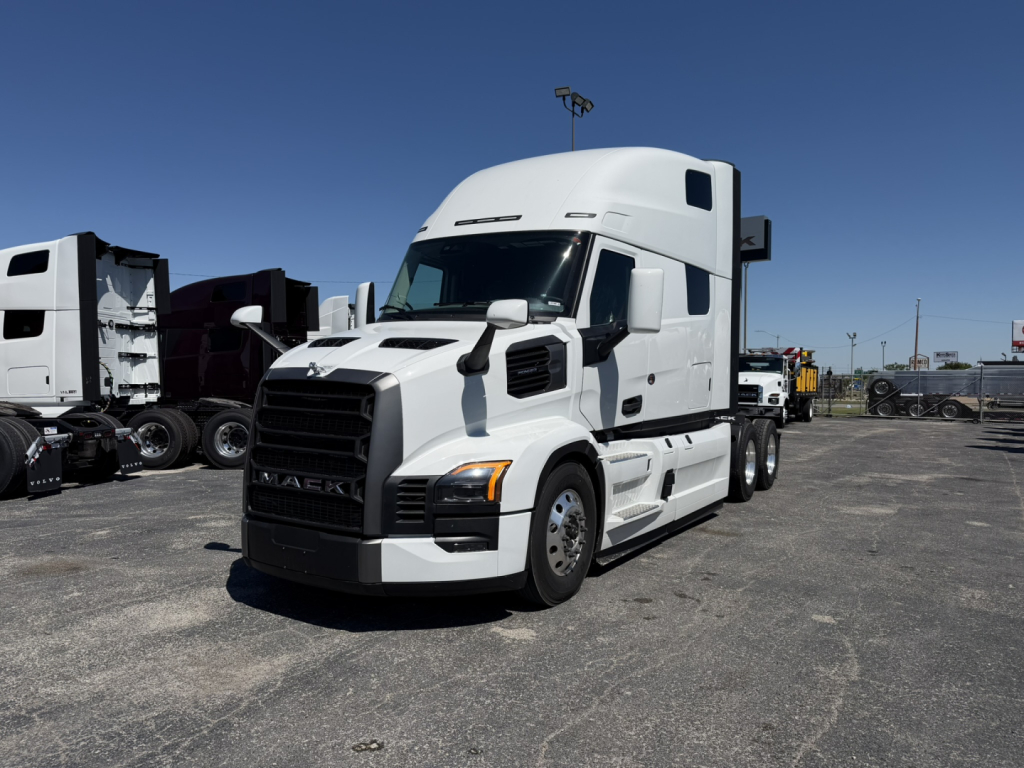
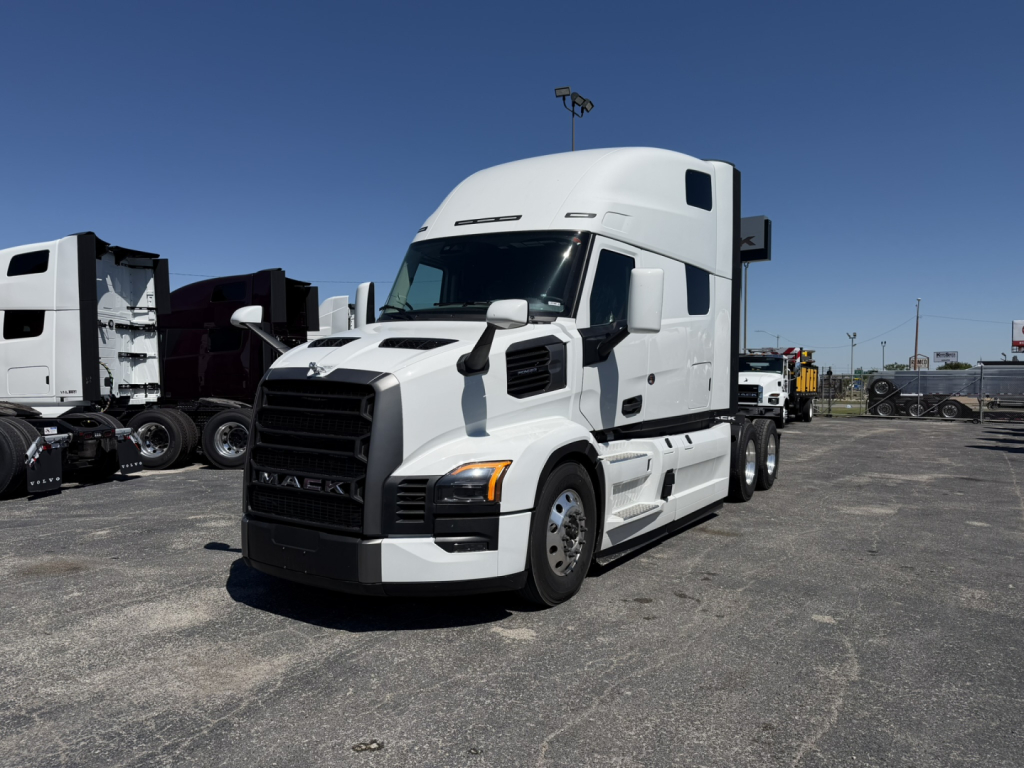
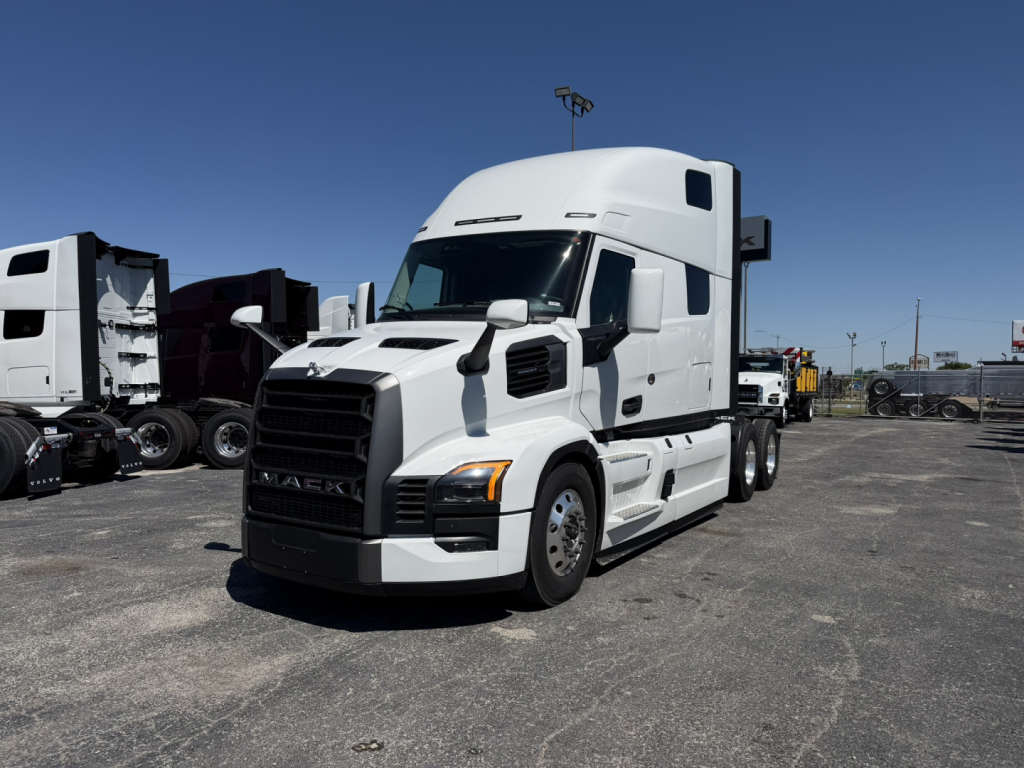
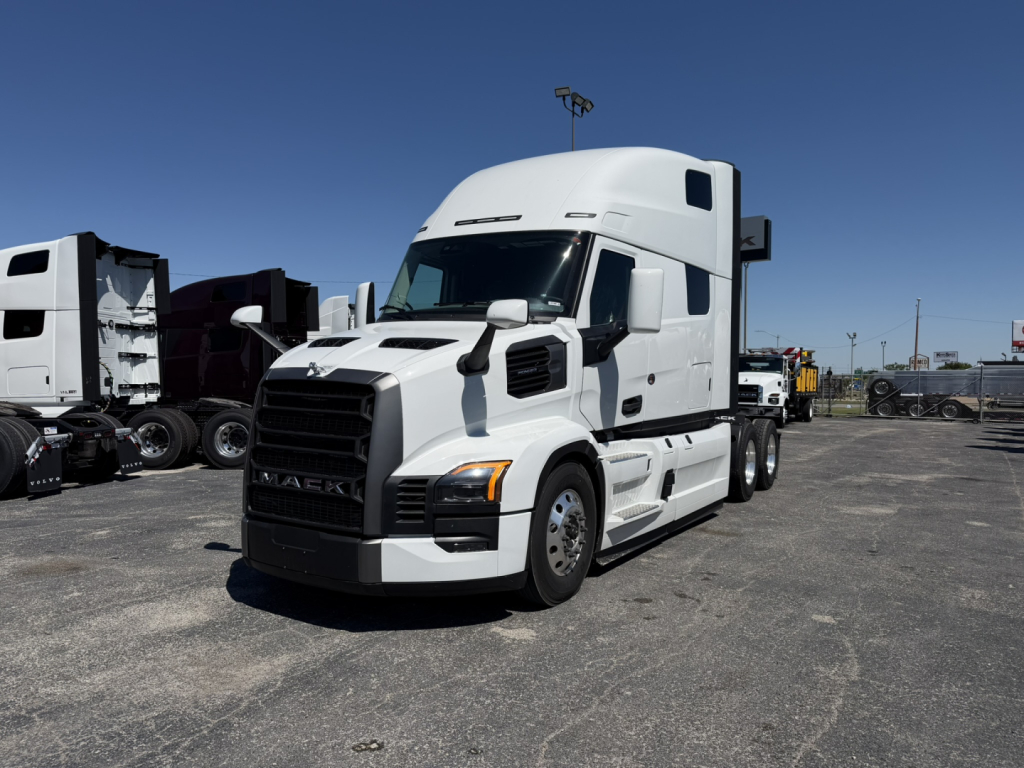
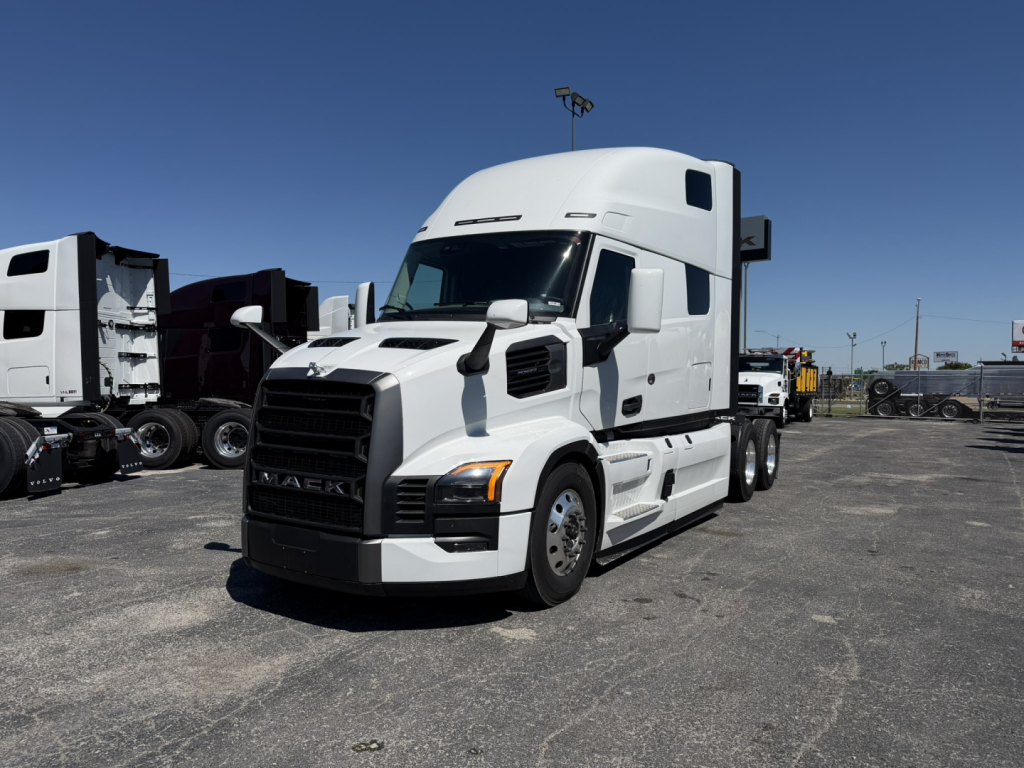
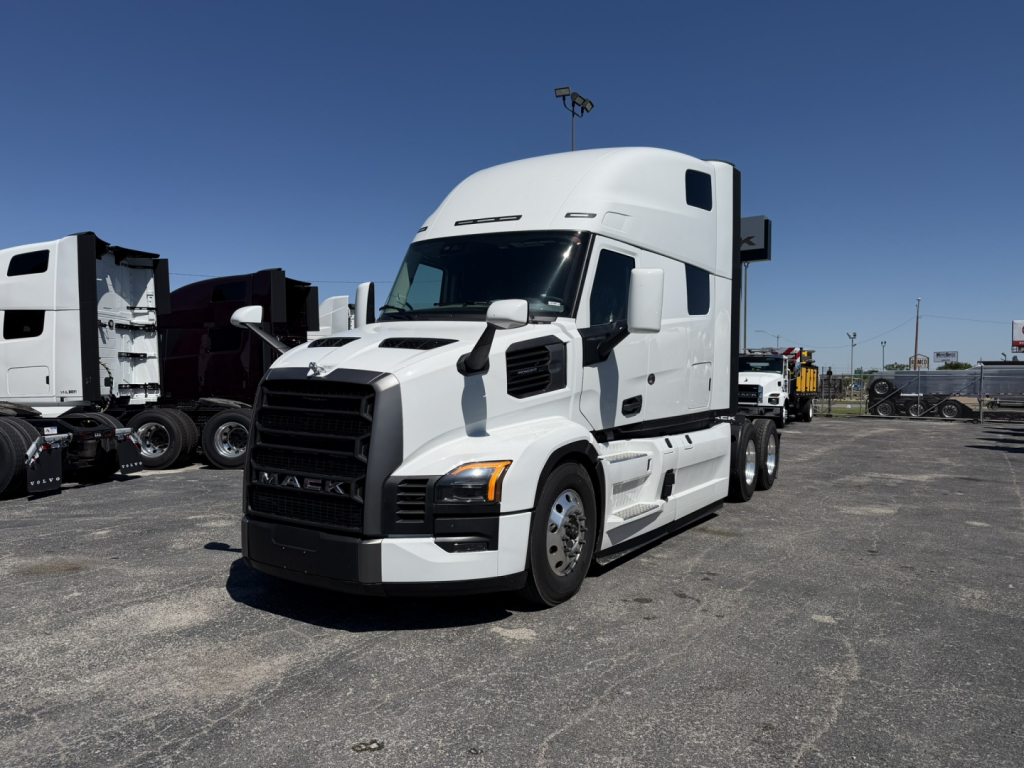
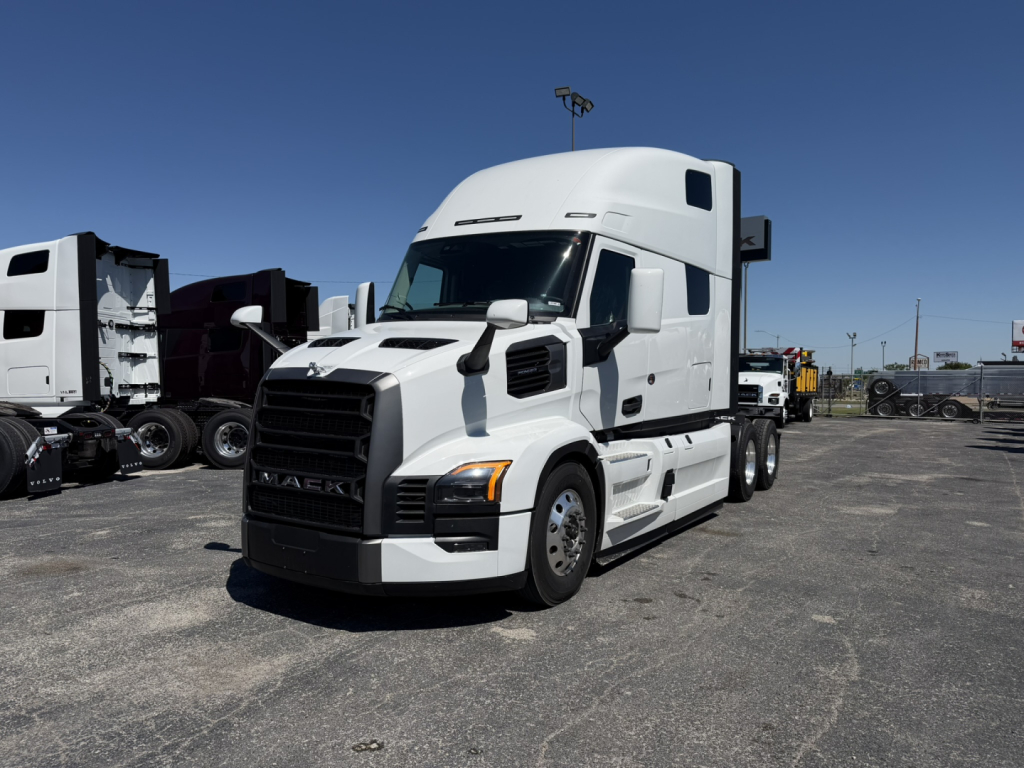
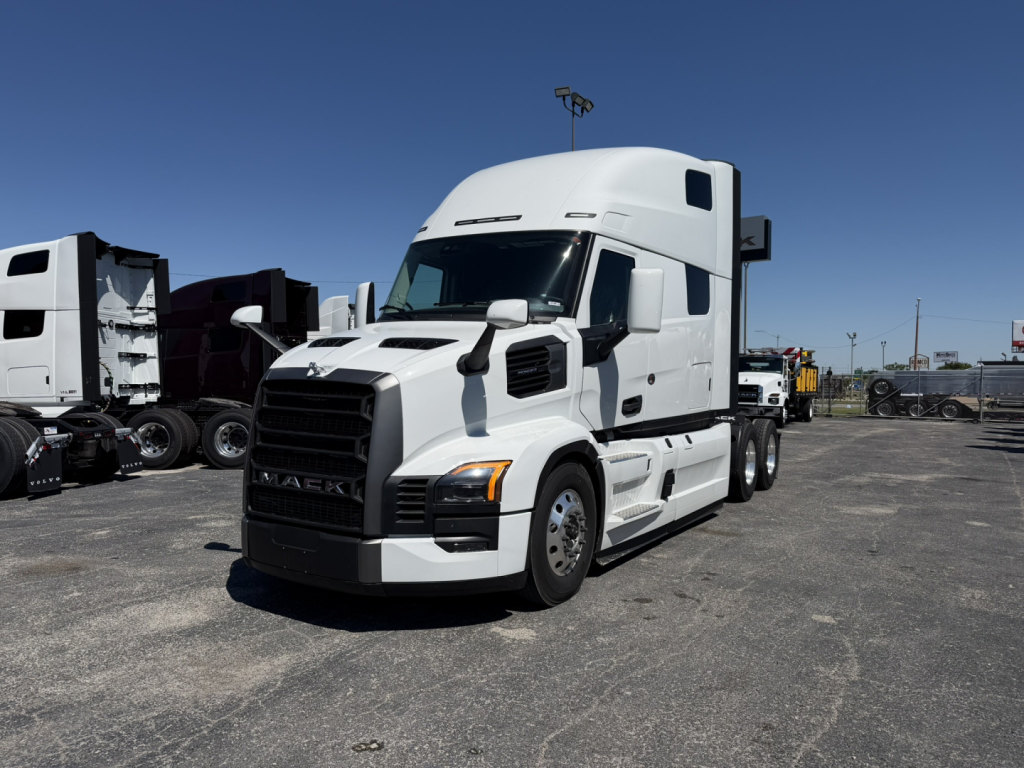
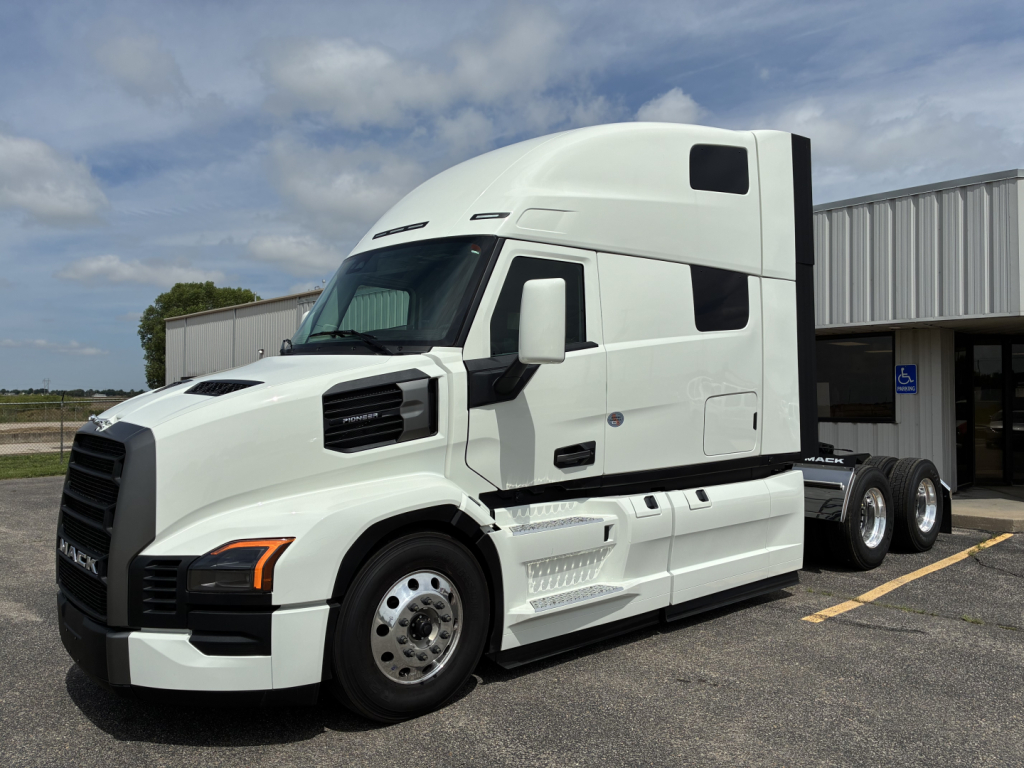
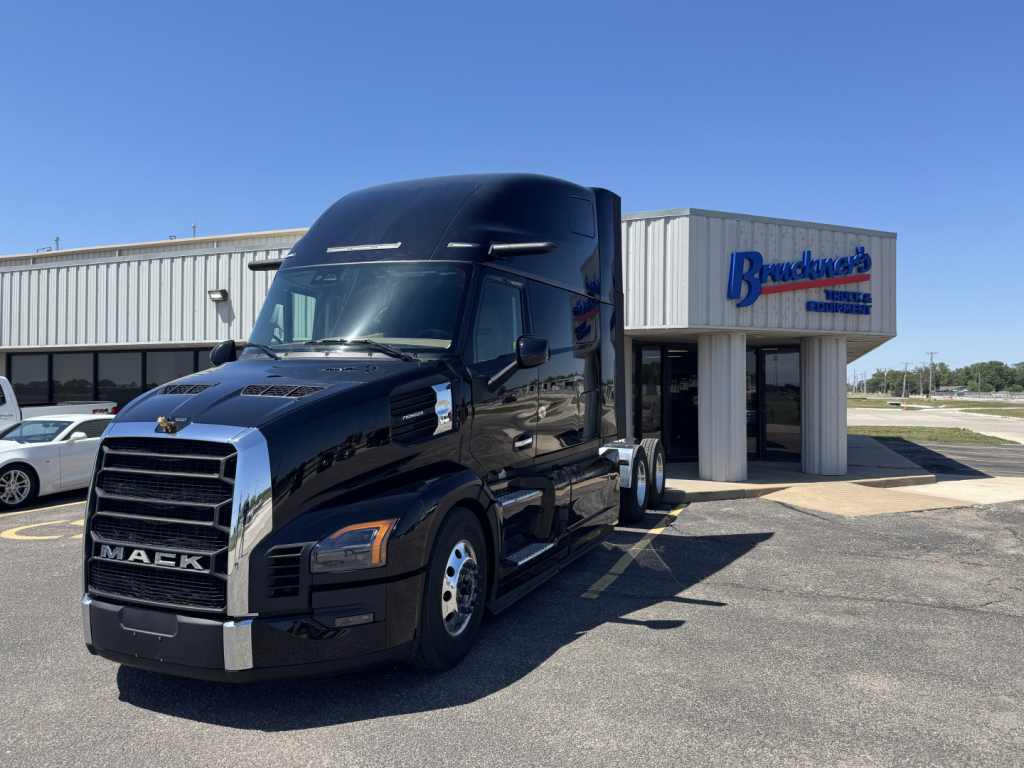
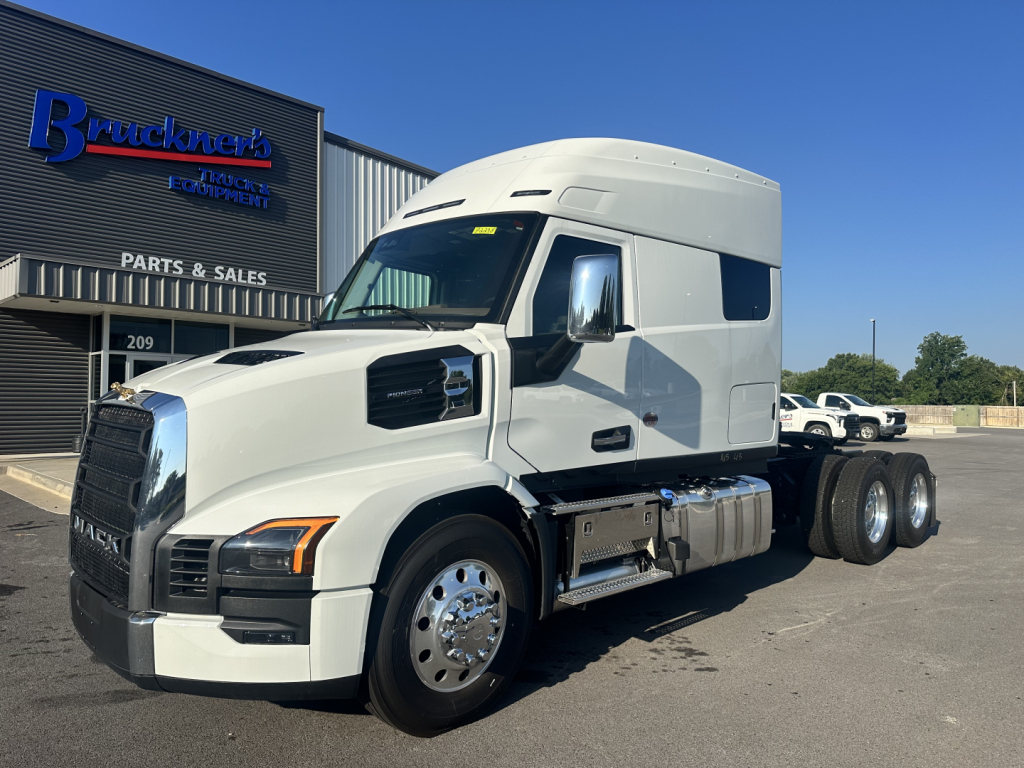
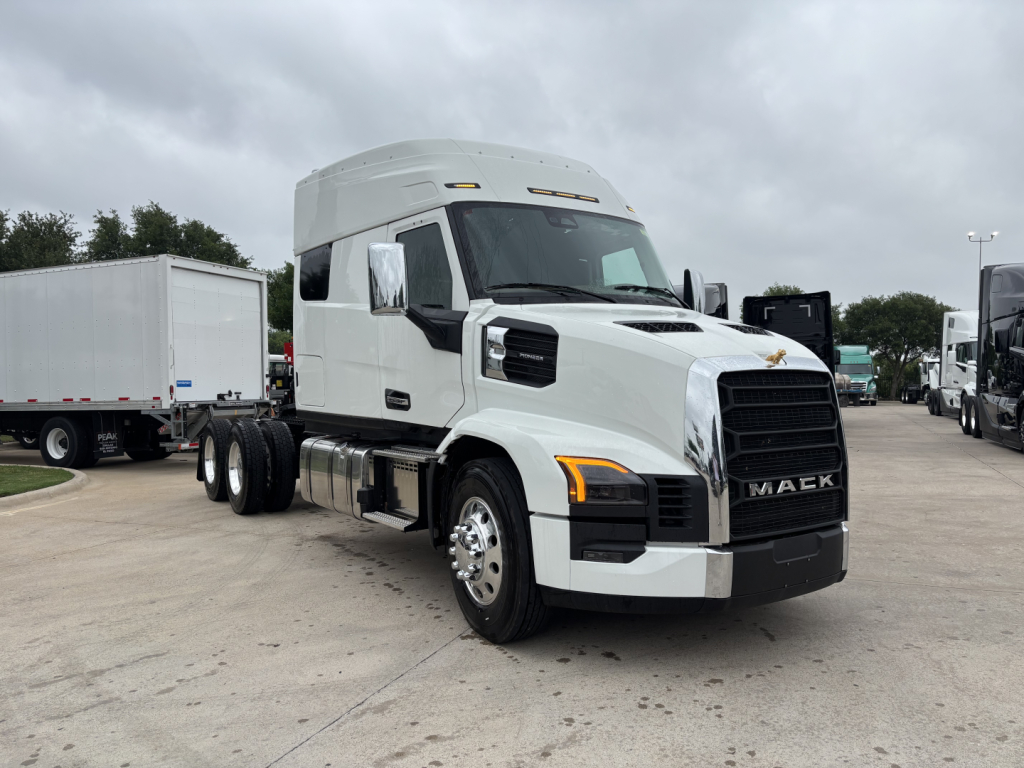
Showing 1 to 28 of 30 results
Selling a new 2027 mack conventional sleeper truck? List your new 2027 mack conventional sleeper truck for sale and reach thousands of commercial buyers.
New 2027 Mack Conventional Sleeper Trucks
For spec decisions, the Mack MP13 is the main talking point. In conventional sleeper applications it is commonly set up in ratings around 445 to 515 horsepower with torque suited for van, reefer, and general freight work. The mDRIVE 12-speed remains a popular choice because it simplifies operation, helps protect the driveline, and supports fuel-efficient shift logic on highway routes. Rear axle ratios in the mid-2s are common for over-the-road use, especially when the goal is low cruise RPM at interstate speeds. Buyers should also watch front axle ratings, rear suspension type, and fifth wheel travel. A 40,000-pound rear axle setup, sliding fifth wheel, and air ride suspension are typical for fleets that need flexibility across trailer lengths and load profiles.
Driver environment matters more in a sleeper tractor than almost any other truck category, and Mack has pushed hard in that area. Premium interior packages often include inverter systems, refrigerator space, workstation features, parking heaters or coolers, upgraded infotainment, and storage designed for multi-day trips. Some newer Mack sleeper configurations also use advanced electrical architecture that supports battery-based hotel loads and reduces dependence on traditional idle-heavy climate control solutions. That can lower fuel burn and reduce maintenance exposure tied to auxiliary systems. Safety technology is also a major part of the value equation, with common features including adaptive cruise control, collision mitigation, blind spot monitoring, disc brakes, and airbag-equipped cab interiors.
A Mack conventional sleeper is also known simply as a highway sleeper tractor or sleeper cab semi. It fits carriers running dry van, refrigerated, dedicated contract, regional linehaul, and many owner-operator over-the-road lanes. The right truck depends on how the spec matches the route. A lighter aero-focused setup with a modest horsepower rating may be ideal for high-mileage freight in flatter regions, while a higher-output engine, double bunk, and heavier option load can make more sense for team service, mountain corridors, or premium retention-focused fleet use. The key is to evaluate the total operating package, not just engine rating: sleeper size, safety tech, axle ratio, electrical system, wheelbase, and driver amenities all have a direct effect on lifecycle cost and day-to-day productivity.
Frequently Asked Questions about New 2027 Mack Conventional Sleeper Trucks
What engine and transmission are common in a new Mack conventional sleeper truck?
Most new Mack conventional sleeper trucks in long-haul trim are built around the Mack MP13 diesel engine and the Mack mDRIVE automated manual transmission. Horsepower ratings commonly fall in the 445 to 515 HP range, with torque calibrated for highway freight and gradeability. The mDRIVE 12-speed is widely chosen because it supports fuel-efficient shift strategies, reduces driver fatigue, and helps standardize operation across fleet drivers.
What sleeper size should I choose in a Mack highway tractor?
The right sleeper size depends on trip length, number of drivers, and how much onboard living space you want. A mid-roof sleeper can work well for regional or shorter over-the-road applications where aerodynamics and lower overall height are priorities. A 76-inch sleeper is better suited for true long-haul service, team operations, and fleets that want more room for bunks, storage, refrigerator space, and workstation features that improve driver comfort over multiple days on the road.
Are Mack conventional sleeper trucks good for fuel economy?
Yes, when properly spec'd, Mack conventional sleeper trucks are built to compete in fuel-sensitive over-the-road applications. Aerodynamic fairings, integrated hood and cab design, efficient powertrain calibration, and highway-friendly rear axle ratios all contribute to lower fuel consumption. Fuel economy will still depend heavily on the actual build, including horsepower, wheelbase, axle ratio, trailer gap, idle strategy, and the route profile the truck runs most often.
What safety features are commonly found on new Mack sleeper tractors?
Many new Mack sleeper tractors are equipped with active safety technology that goes well beyond basic compliance. Common features include adaptive cruise control, collision mitigation or active emergency braking, blind spot monitoring, disc brakes, and improved cab protection. Buyers comparing listings should verify which safety packages are installed, because advanced driver assistance content can vary significantly by trim level and original spec.
What should I look at besides horsepower when comparing Mack sleeper truck listings?
Horsepower is only one part of the buying decision. Pay close attention to rear axle ratio, sleeper configuration, axle ratings, suspension type, wheelbase, fuel capacity, brake spec, fifth wheel setup, and electrical or hotel-load systems. Those details affect fuel economy, trailer compatibility, ride quality, maintenance cost, and how well the truck fits your lanes. A well-matched spec usually outperforms a higher-horsepower truck that is mismatched to the work.