
New 2027 Mack Conventional Sleeper Trucks For Sale in Texas
Shop new 2027 Mack conventional sleeper trucks in Texas. Compare MP13 power, mDRIVE specs, sleeper sizes, axle ratings, and aero options.
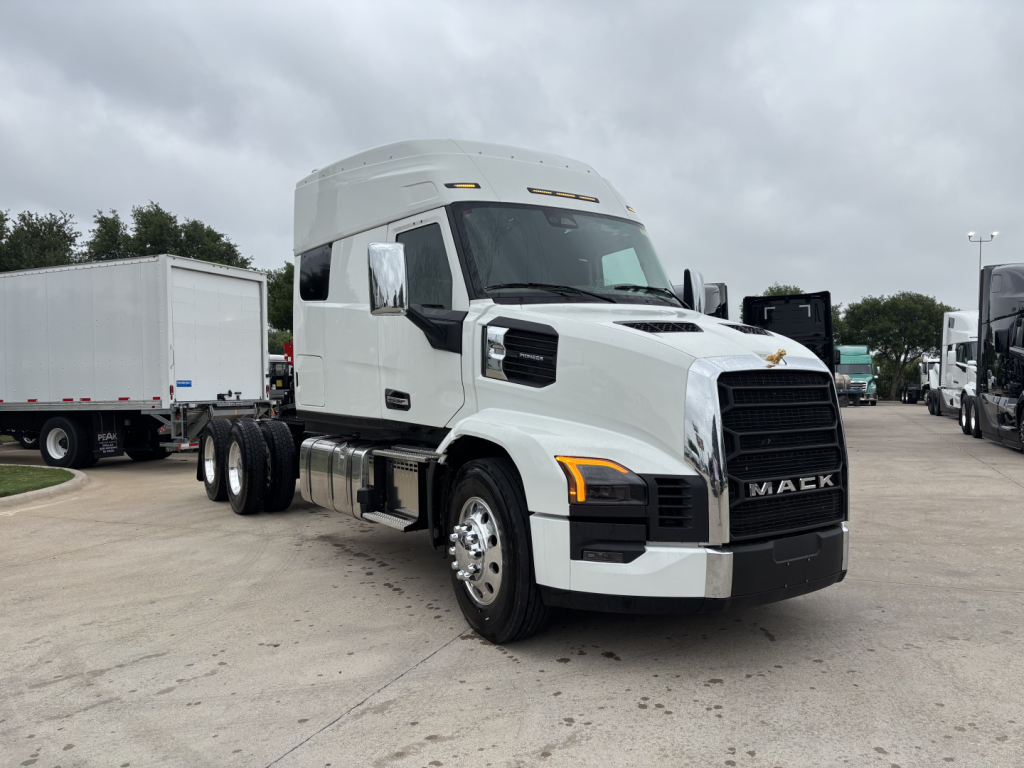
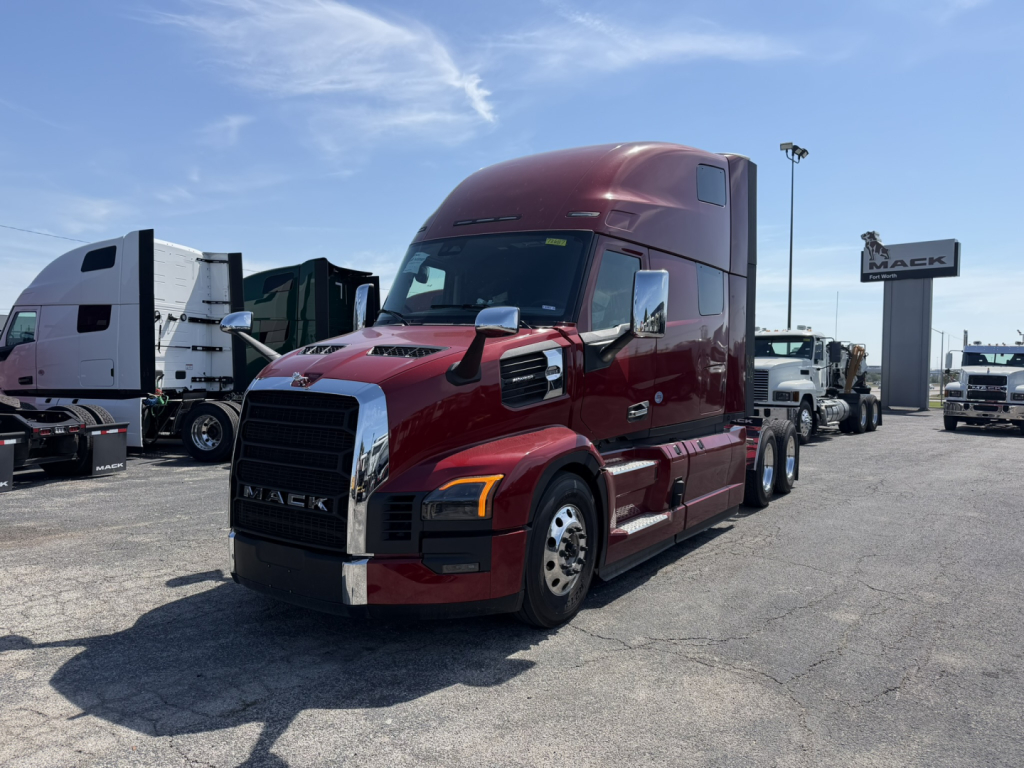
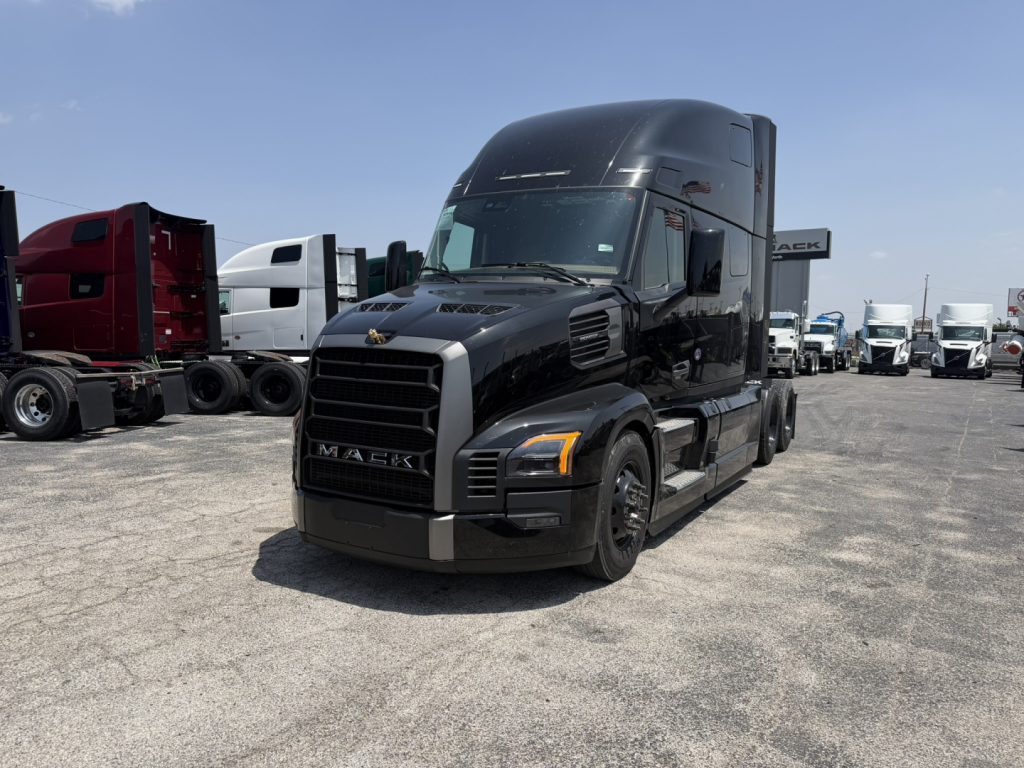
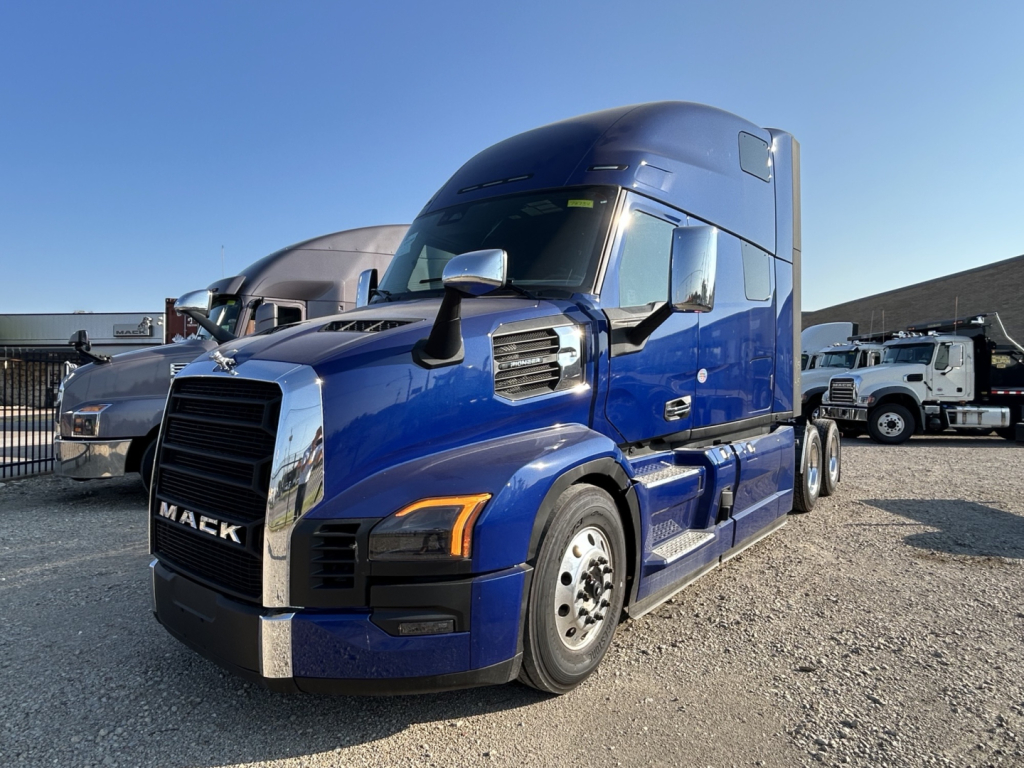
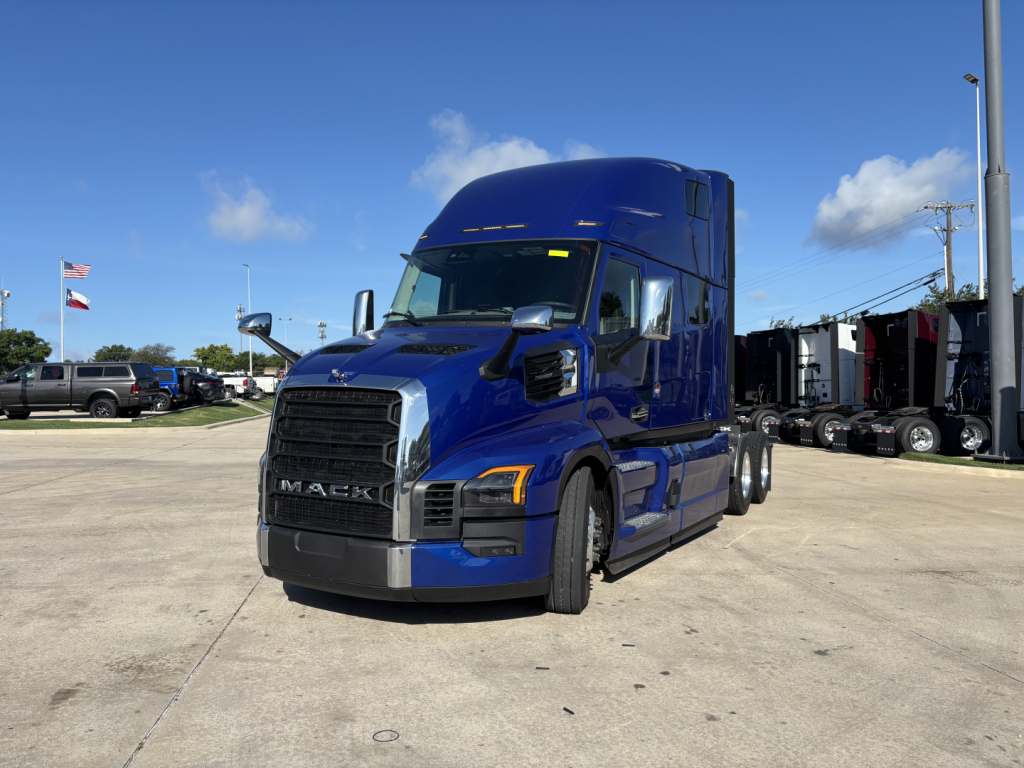
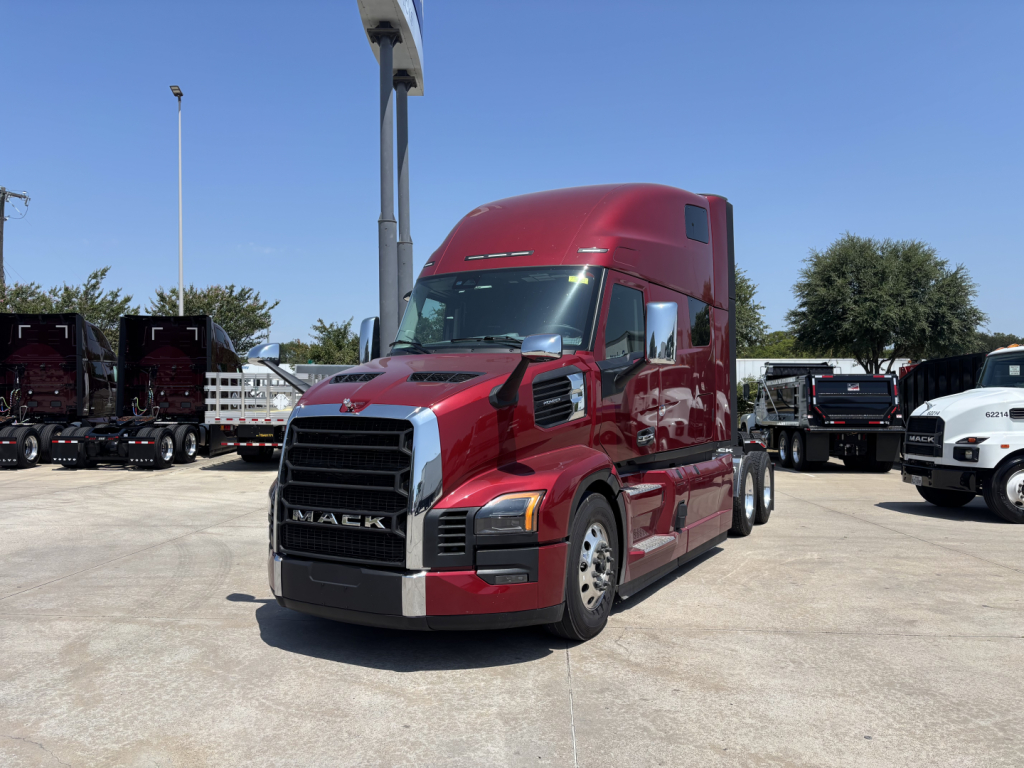
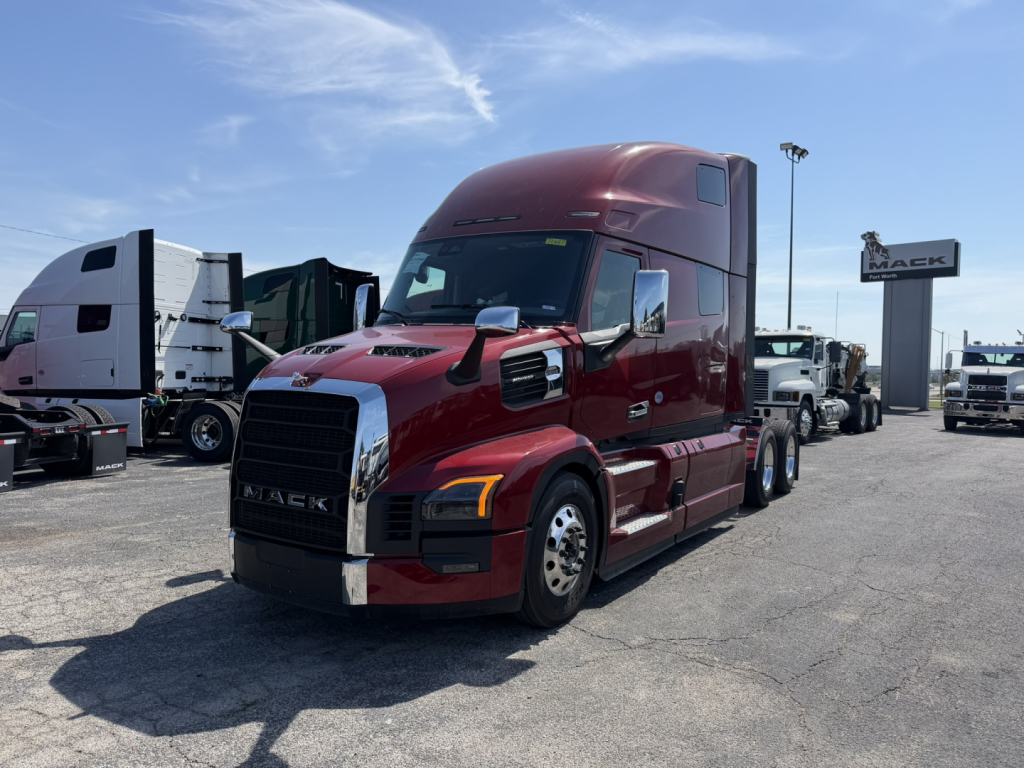
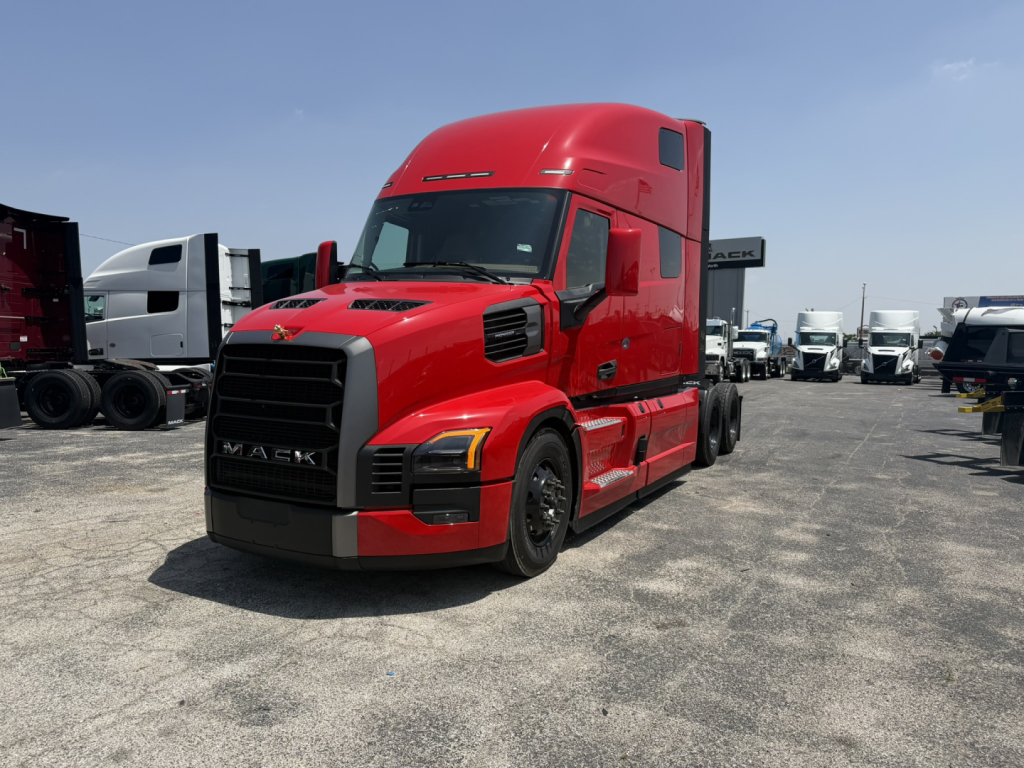
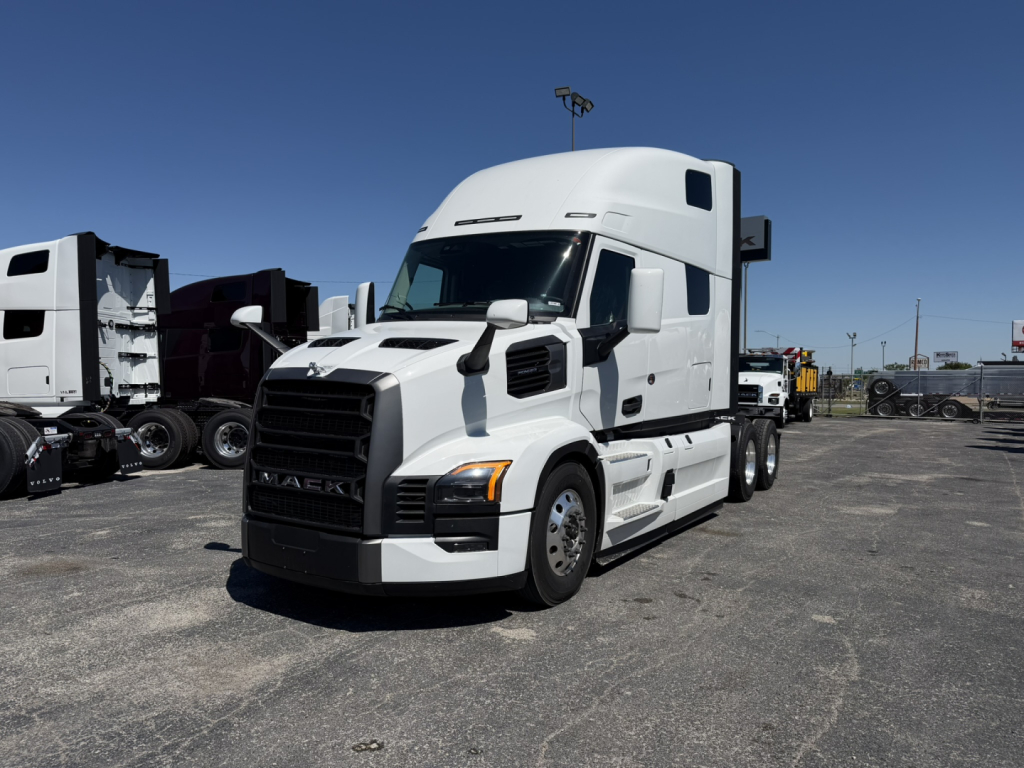
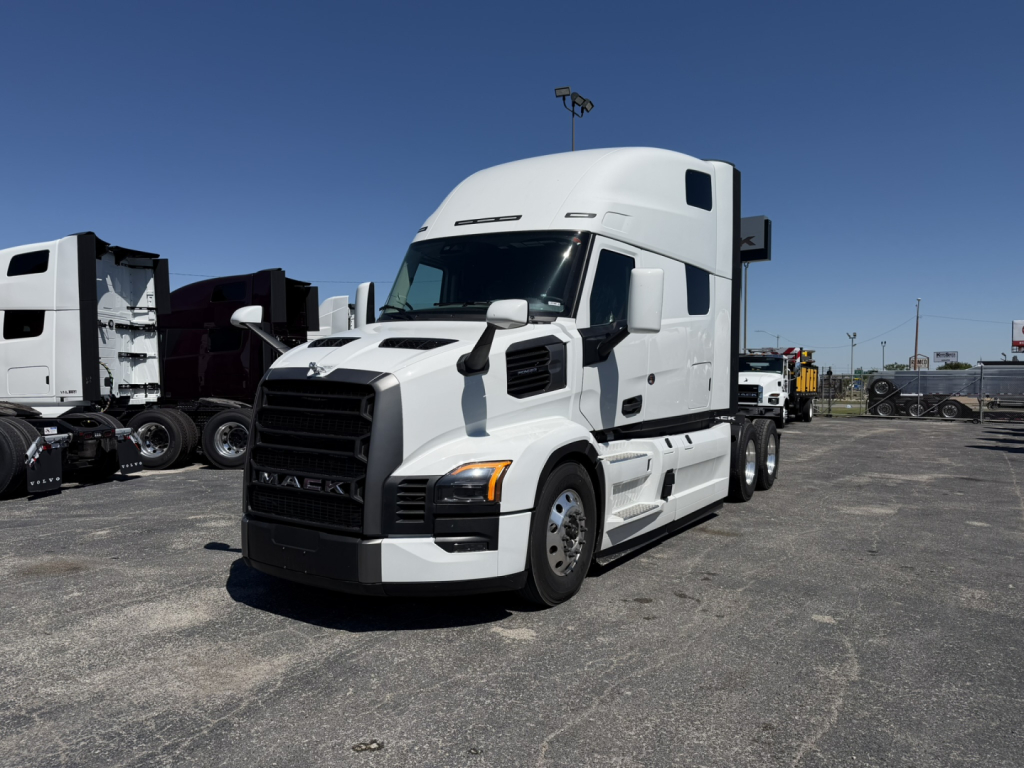
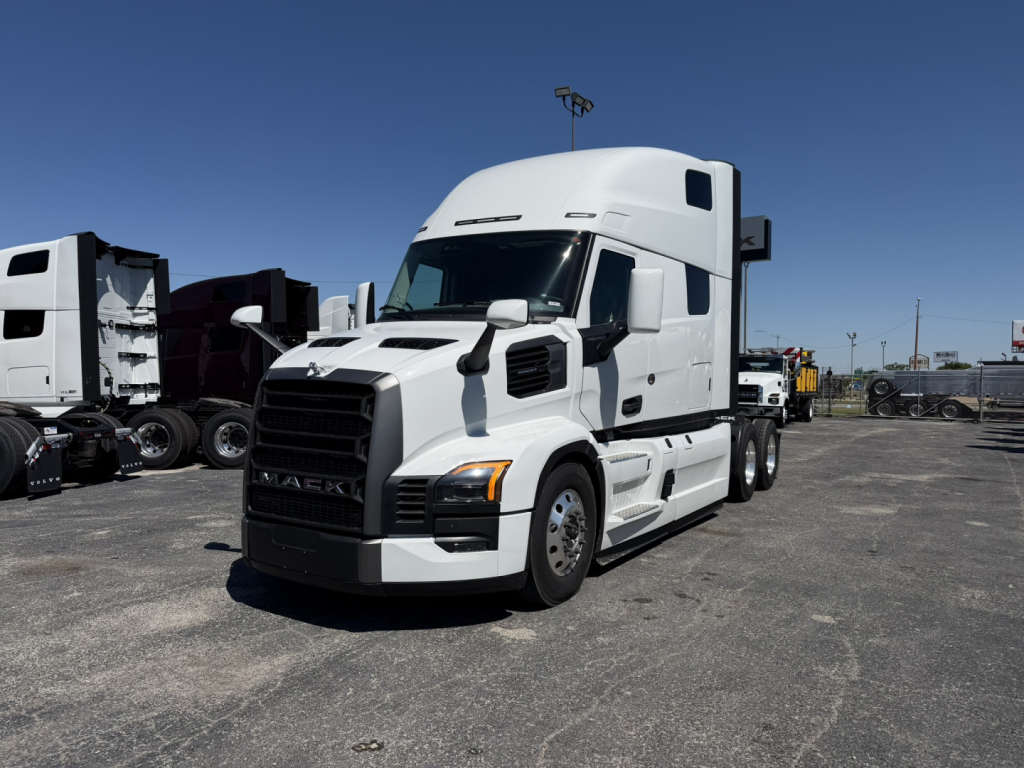
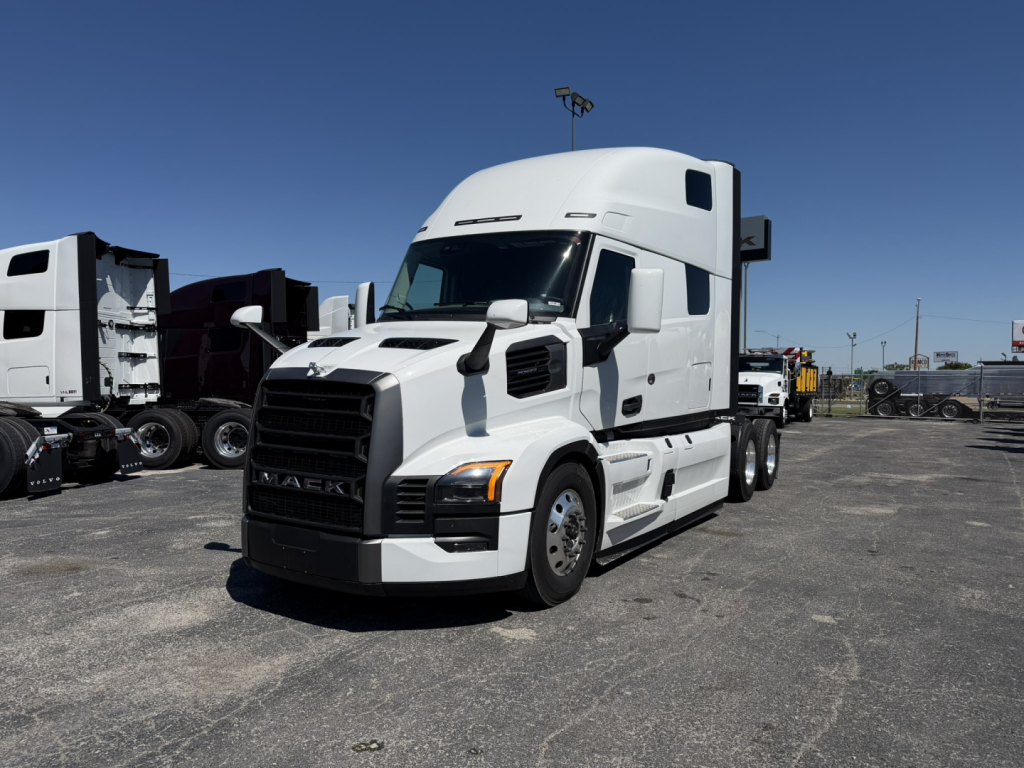
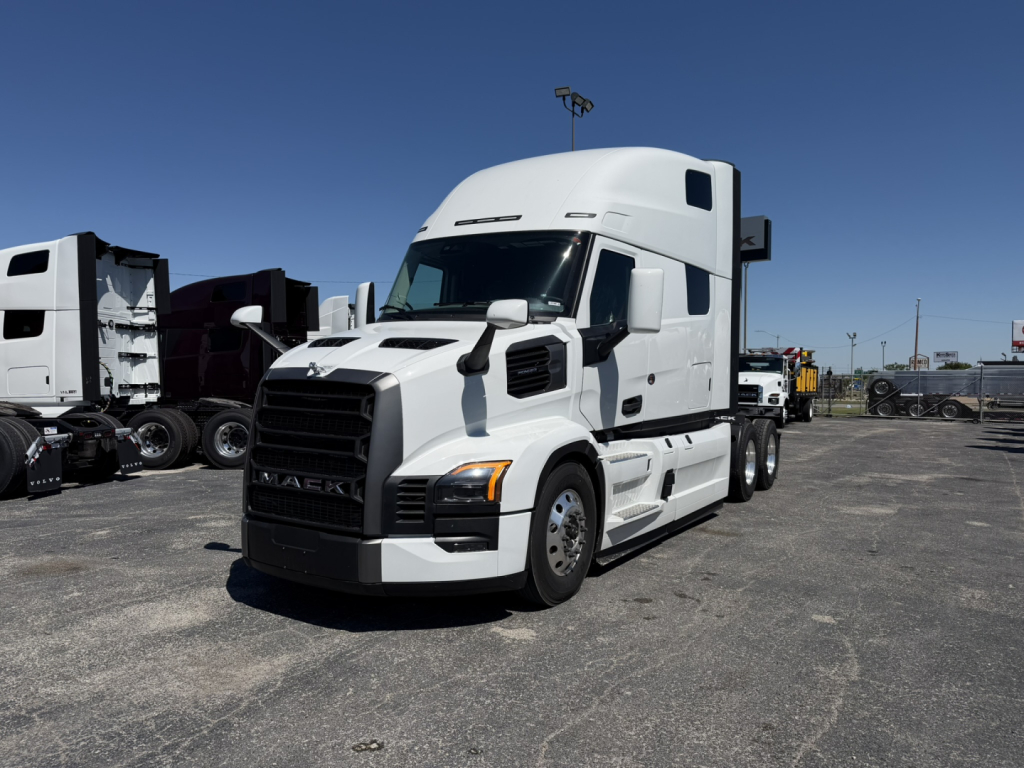
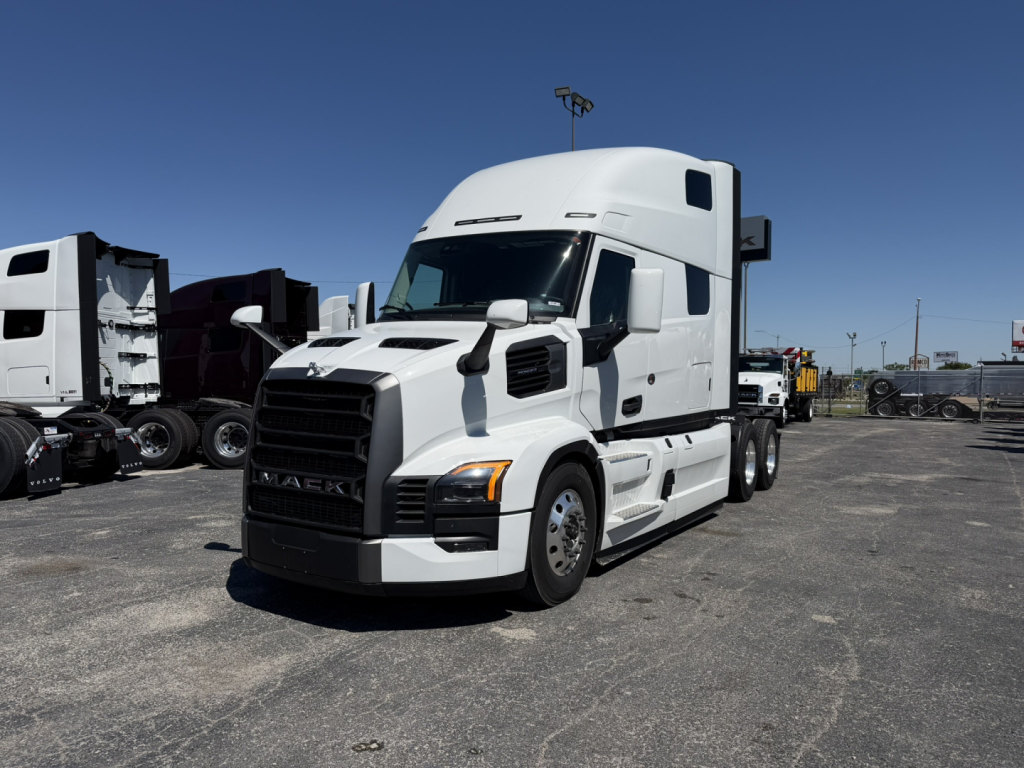
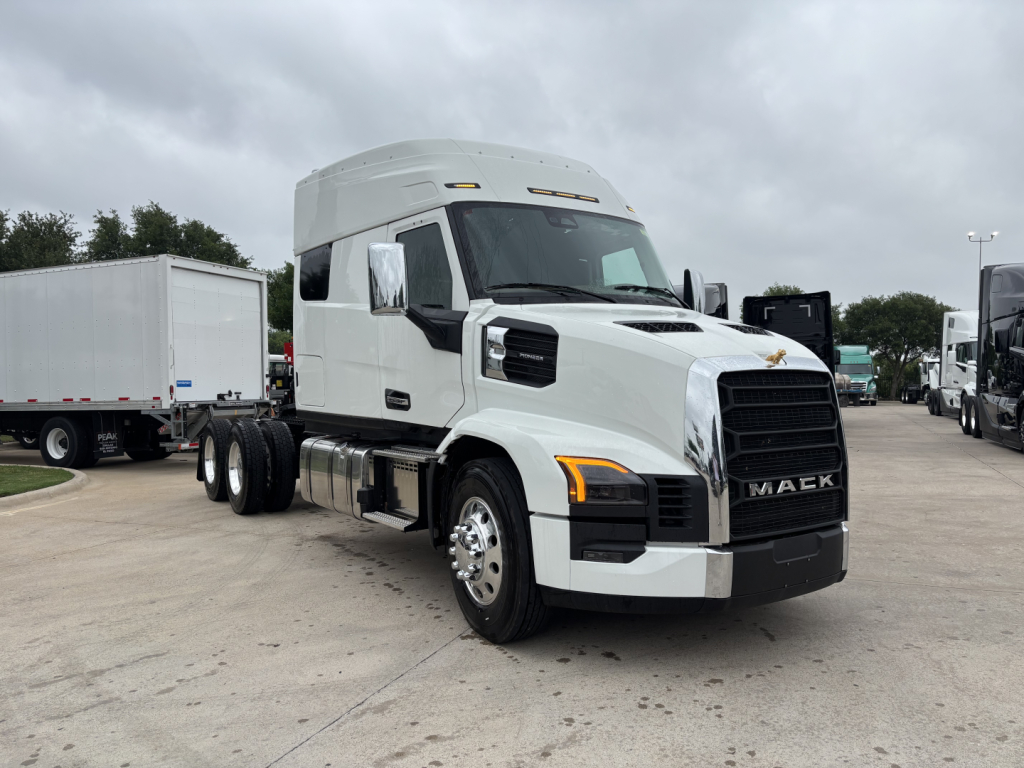
Selling a new 2027 mack conventional sleeper truck? List your new 2027 mack conventional sleeper truck for sale and reach thousands of commercial buyers.
New 2027 Mack Conventional Sleeper Trucks in Texas
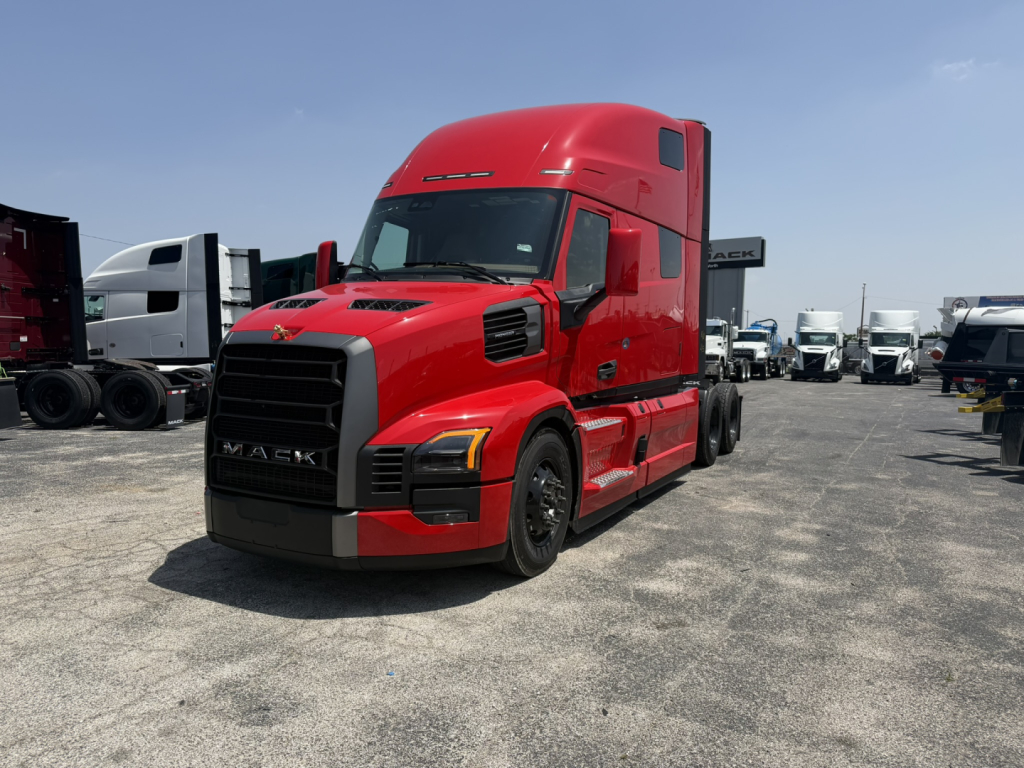
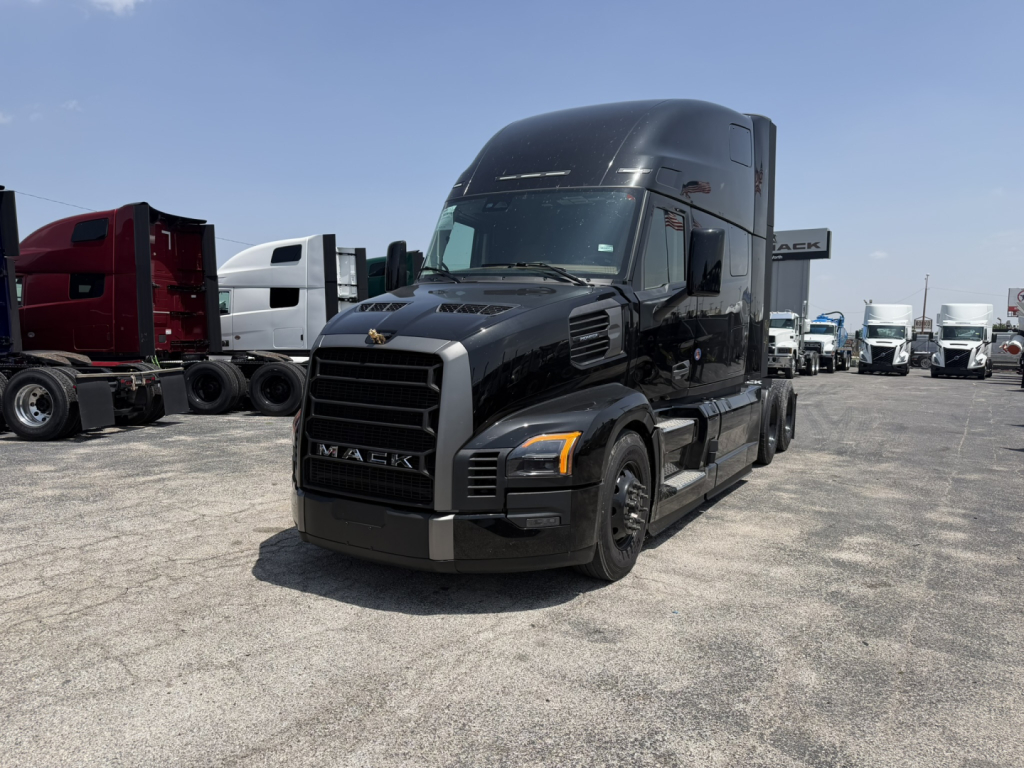
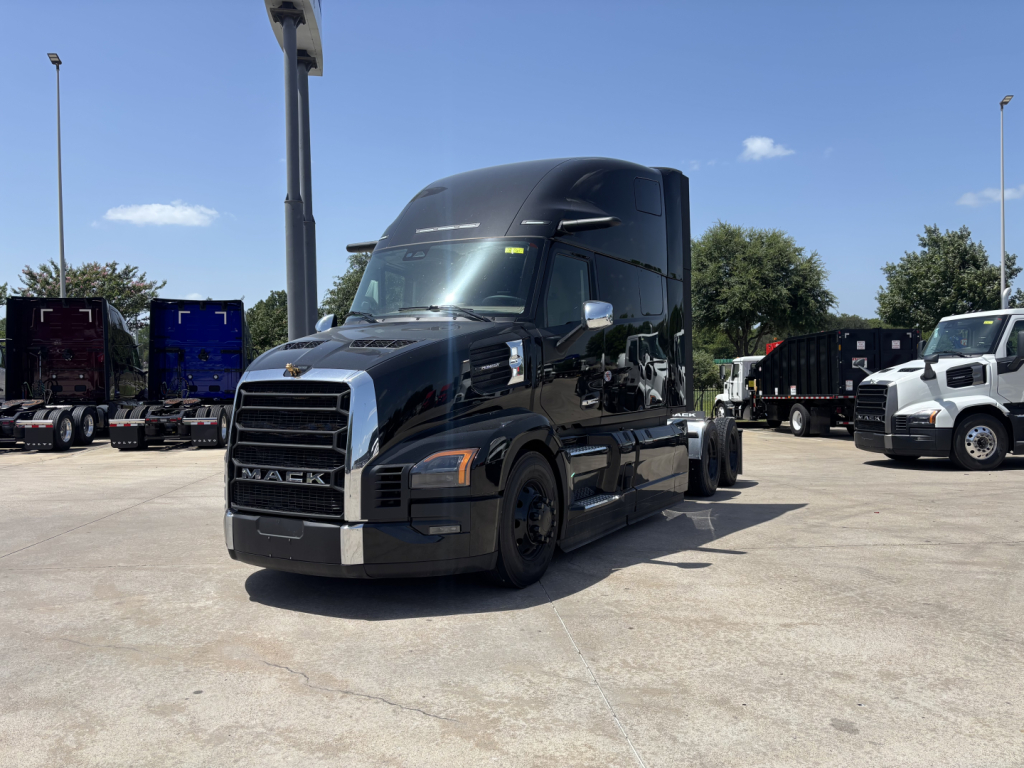
The most important buying decisions usually start with cab and chassis spec, not trim level. Pay close attention to horsepower and torque rating, rear axle ratio, wheelbase, front axle capacity, and suspension setup. Many Mack conventional sleepers in this class are built with 13,200-lb front axles, 40,000-lb rears, air ride suspension, and wheelbases in the 237-inch to 247-inch range, depending on sleeper size and fuel tank layout. A 3.08, 3.25, or 3.42 rear ratio can materially change cruise RPM, startability, and grade performance, so the right ratio depends on whether the truck will live on flat Texas interstate lanes or run loaded through mixed terrain. Fifth wheel choice also matters. A sliding air-release setup adds flexibility for trailer balance and kingpin settings across different van and reefer specs.
New Mack sleeper tractors are also heavily defined by efficiency and livability. Expect to compare full fairings, aero mirrors, hood and roof treatments, fuel tank combinations such as dual 125-gallon tanks or split-capacity layouts, and idle-reduction features like bunk heaters, parking coolers, inverters, and battery management packages. Inside the sleeper, common buyer priorities include double-bunk layouts, workstation design, refrigerator space, mattress quality, storage, microwave prep, and shore power or inverter support for hotel loads. For fleets concerned with recruiting and retention, these details are not cosmetic. They affect rest quality, idle time, and how usable the truck feels on multi-day runs.
Safety and serviceability should be weighed just as heavily as engine output. New 2027 Mack conventional sleeper trucks may include adaptive cruise control, collision mitigation, back-up cameras, disc brakes, differential locks, and integrated technology packages that improve both driver confidence and maintenance planning. Buyers comparing listings should look beyond advertised horsepower and confirm the complete operating spec: GCWR target, transmission programming, brake type, tire size, fuel capacity, warranty coverage, and any factory protection plan. A well-matched Mack sleeper tractor can lower fuel burn, reduce driver fatigue, and stay versatile across dedicated freight, spot market van, refrigerated lanes, and general over-the-road service.
Frequently Asked Questions about New 2027 Mack Conventional Sleeper Trucks in Texas
What engine and transmission are common in new 2027 Mack conventional sleeper trucks?
Many new 2027 Mack conventional sleeper trucks are spec’d with the Mack MP13 engine paired with the Mack mDRIVE automated manual transmission. This combination is common in long-haul applications because it balances horsepower, torque, fuel efficiency, and driver ease of operation. Buyers should still verify the exact horsepower rating, torque curve, overdrive specification, and software programming, since those details affect cruise speed, grade performance, and fuel economy.
What sleeper size is typical on a Mack conventional sleeper truck?
A 76-inch sleeper is one of the most common configurations in this category, with both high-roof and mid-roof versions available. High-roof sleepers typically provide more standing room and upper storage, while mid-roof sleepers can reduce overall height and weight depending on the application. The right sleeper size depends on route length, team or solo use, storage needs, and how much emphasis you place on cab comfort versus payload and aerodynamics.
What specs matter most when comparing Mack sleeper tractors for Texas routes?
For Texas buyers, key specs include fuel capacity, axle ratio, wheelbase, cooling system performance, sleeper HVAC features, and aero package configuration. Long interstate stretches and high ambient temperatures make fuel range, bunk cooling, and engine cooling especially important. A truck used for heavier freight or mixed terrain may need a different rear ratio and horsepower rating than one running light dry van freight on flatter lanes.
Are disc brakes and advanced safety systems worth it on a new sleeper tractor?
For many buyers, yes. Disc brakes can improve stopping consistency, reduce fade, and simplify certain maintenance routines compared with drum setups, especially in demanding highway service. Advanced safety systems such as adaptive cruise control, collision mitigation, and back-up cameras can also reduce driver stress and support fleet safety goals. The value is highest for high-mile operations, larger fleets, and buyers focused on uptime, insurance performance, and driver retention.
How should I choose the right wheelbase and fifth wheel setup on a conventional sleeper?
Wheelbase and fifth wheel selection should match the trailer types you plan to pull and the kingpin settings you expect to encounter. A longer wheelbase can improve ride quality and allow larger fuel tanks or sleeper packaging, but it may reduce maneuverability in tighter yards and urban docks. A sliding fifth wheel adds flexibility for axle weight distribution and trailer compatibility, which is useful if the truck will pull a mix of dry van, reefer, or customer-supplied trailers.