
New 2027 Conventional Sleeper Trucks For Sale in Washington
Shop new 2027 conventional sleeper trucks in Washington. Compare aero cabs, sleeper sizes, powertrains, axle specs, and driver comfort features.
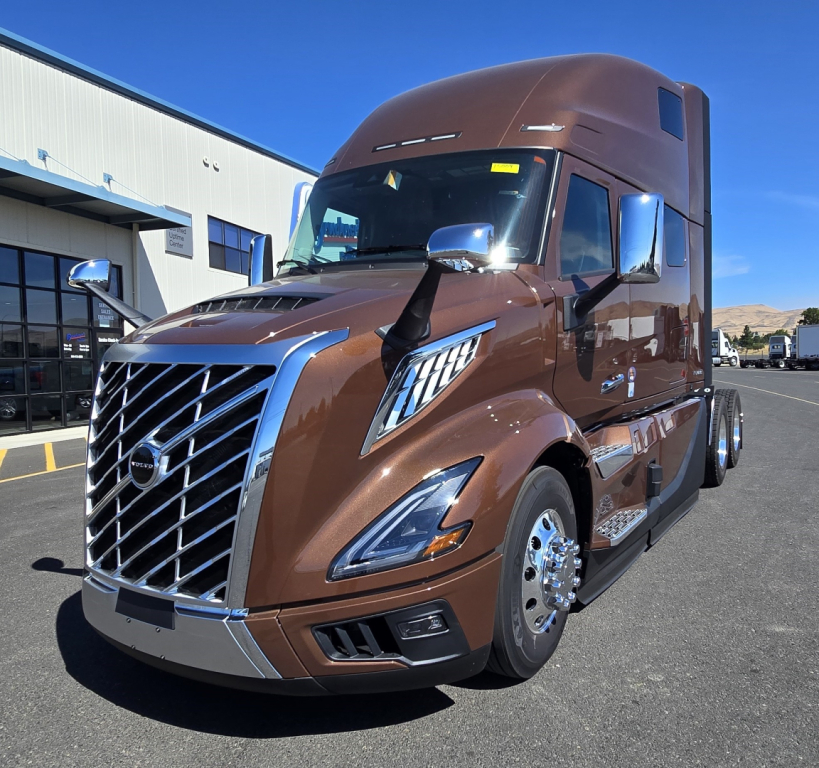
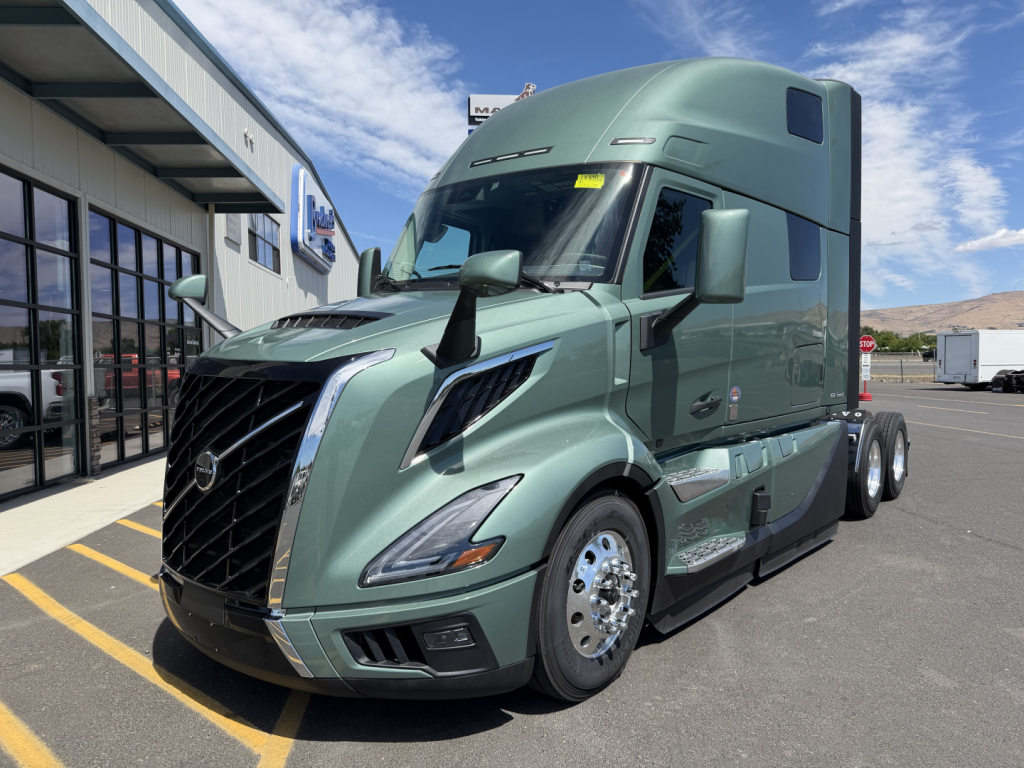
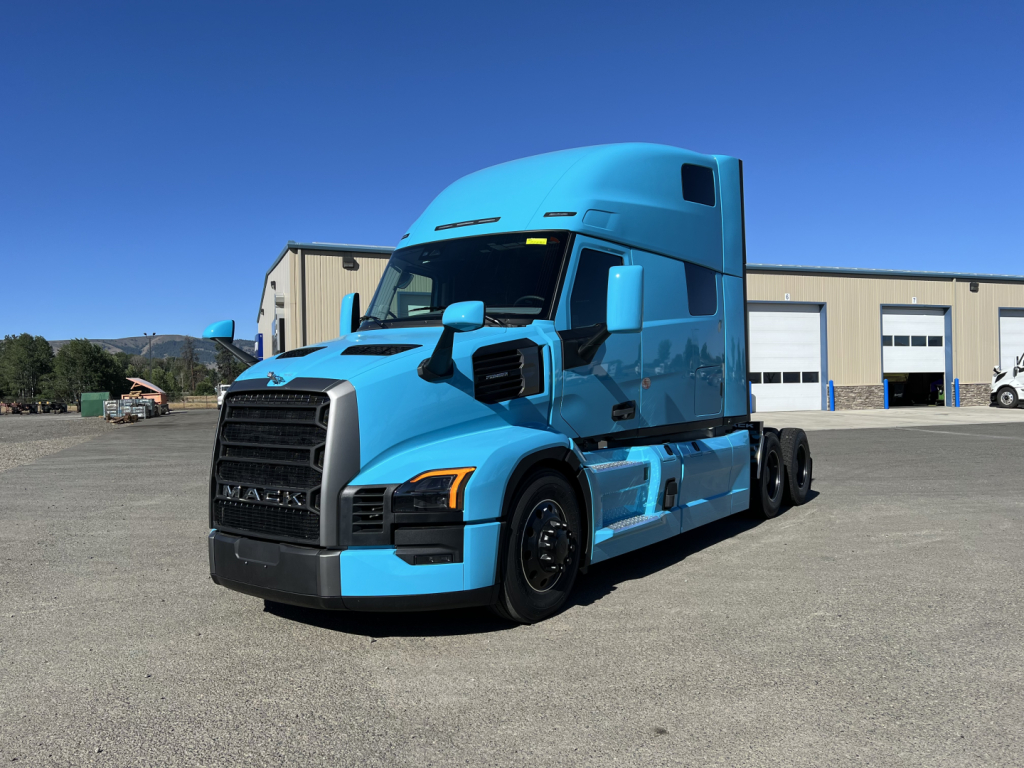
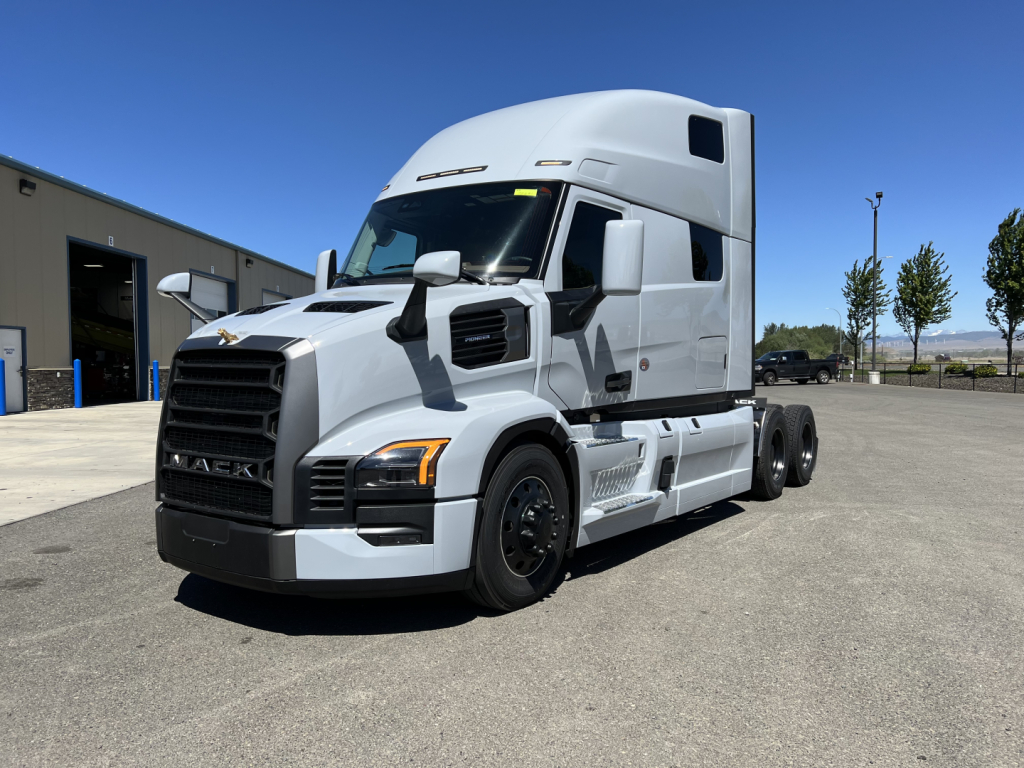
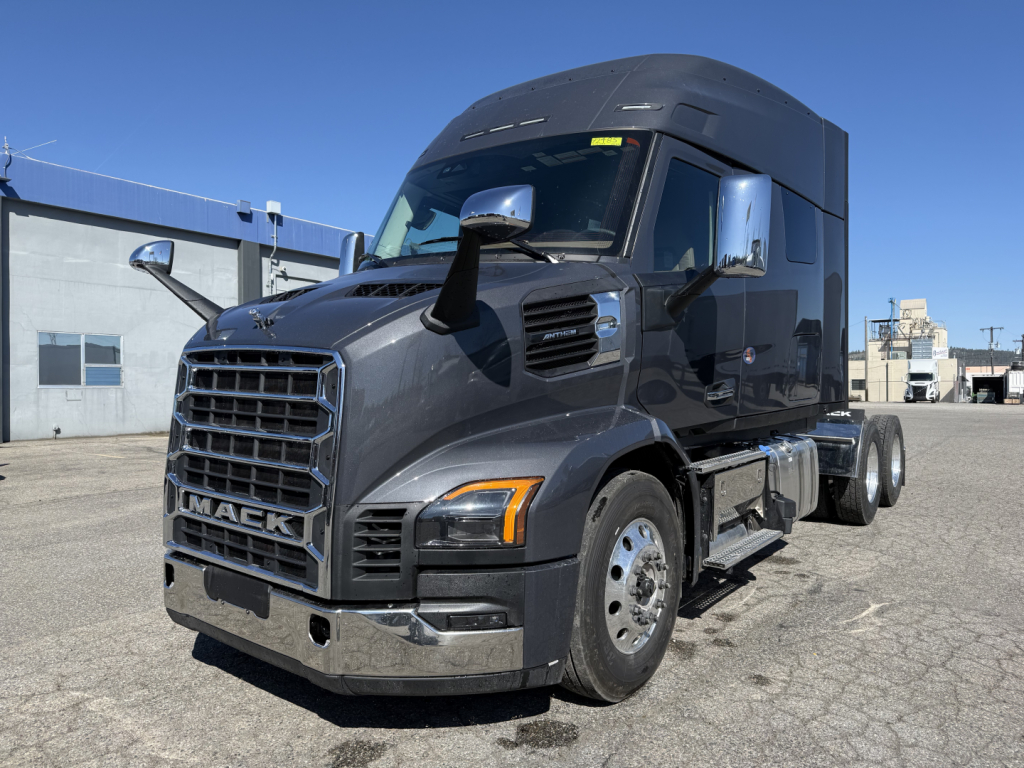
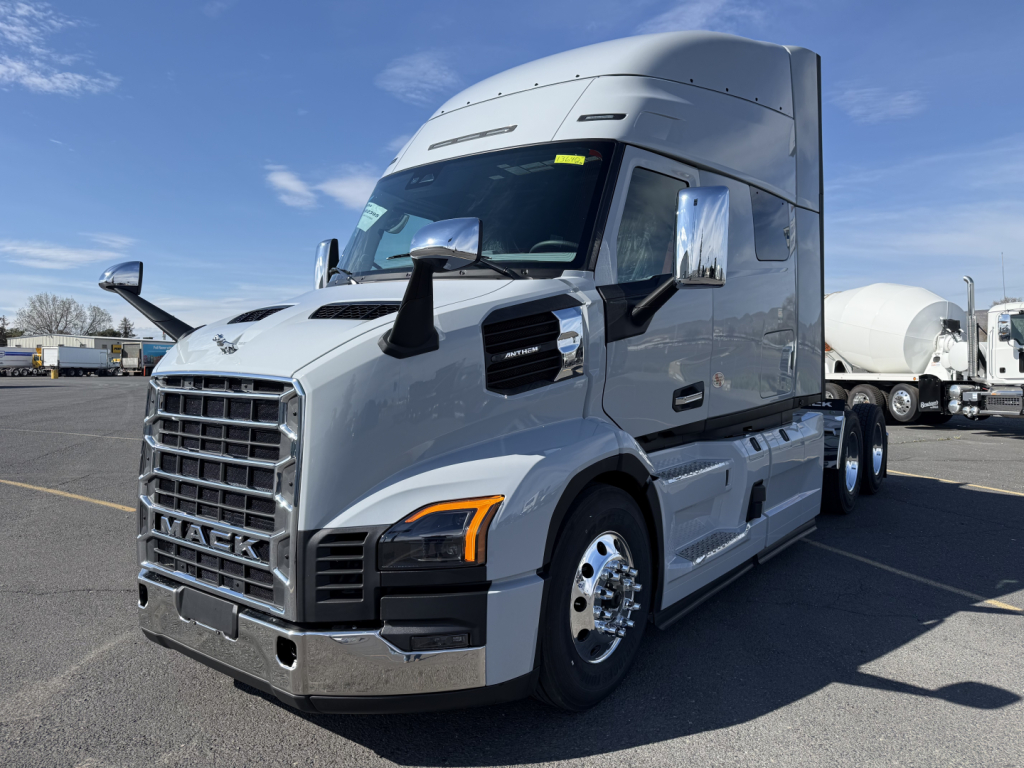
Selling a new 2027 conventional sleeper truck? List your new 2027 conventional sleeper truck for sale and reach thousands of commercial buyers.
New 2027 Conventional Sleeper Trucks in Washington
Sleeper size and chassis layout drive day-to-day usability as much as horsepower does. Common specs include 6x4 configurations, raised-roof sleepers, and wheelbases set up for dry van, reefer, or general freight applications. Engines in this category are typically paired with automated manual transmissions, and buyers usually compare horsepower, torque ratings, rear axle ratios, and GCWR based on the freight they intend to pull. A taller, larger sleeper adds storage, bunk comfort, and room for a refrigerator, inverter, cabinets, and parking HVAC, but it also affects weight and sometimes turning radius. If the truck will spend more time on tighter urban deliveries or short regional work, a mid-roof or shorter sleeper can be the better fit.
For 2027 model year trucks, many buyers will be looking closely at active safety systems, telematics integration, and driver retention features. Lane departure support, adaptive cruise functions, collision mitigation, traction control, and remote diagnostics are now key parts of the buying decision, especially for fleets trying to reduce downtime and improve CSA performance. Interior equipment also matters more than it used to. Premium seats, bunk mattresses, shore power, auxiliary power solutions, insulation packages, and efficient cab climate systems can make a measurable difference in idle reduction and driver satisfaction.
The smartest way to compare conventional sleeper trucks is to match the spec to the lane. Look at sleeper length, fuel capacity, fifth wheel setup, front axle and tandem ratings, tire size, fairing configuration, and service network support before getting distracted by badge preference alone. For Washington operations, corrosion resistance, heater performance, and predictable braking and traction in wet conditions deserve extra attention. A well-spec'd conventional sleeper should deliver comfortable living space, stable highway manners, and operating costs that make sense over the full trade cycle.
Frequently Asked Questions about New 2027 Conventional Sleeper Trucks in Washington
What is a conventional sleeper truck?
A conventional sleeper truck is a highway tractor with a hooded front end and a built-in sleeping compartment behind the cab. It is designed for long-haul and overnight freight operations where the driver needs rest space, storage, and living amenities in the truck. Compared with a day cab, a sleeper adds bunk space and usually more room for cabinets, refrigeration, power inverters, and climate-control features.
What sleeper size is best for long-haul work in Washington?
For long-haul and multi-day routes, a larger raised-roof sleeper is usually the preferred choice because it provides better standing room, storage, and comfort during layovers. For shorter regional lanes with occasional overnight use, a smaller sleeper can reduce overall vehicle weight and keep the wheelbase more maneuverable. The best choice depends on trip length, driver preferences, payload sensitivity, and the roads the truck will run most often.
Which specs matter most when comparing new conventional sleeper trucks?
The most important specs are engine horsepower, torque, transmission type, rear axle ratio, axle ratings, wheelbase, sleeper length, and fuel capacity. Buyers should also review fifth wheel position, fairings, tire size, and safety technology because those items affect trailer compatibility, fuel economy, handling, and uptime. A truck that is correctly matched to its freight lane will usually outperform a higher-powered truck with the wrong gearing or chassis layout.
Are 6x4 sleeper trucks the standard choice?
Yes, 6x4 configurations are the most common setup in the conventional sleeper market because they provide tandem drive traction and broad compatibility with general freight applications. They are well suited for heavy highway use, mixed weather, and mountain routes. Some buyers may consider other axle configurations for weight savings or specialized operations, but 6x4 remains the standard benchmark for over-the-road sleeper tractors.
What features help reduce downtime on a new sleeper tractor?
Integrated telematics, remote diagnostics, collision mitigation systems, automated manual transmissions, and factory-supported service networks all help reduce downtime. Buyers should also pay attention to powertrain warranty coverage, maintenance intervals, fuel system design, and access to parts and dealer support in their operating region. In practical terms, uptime often comes from the combination of a proven spec, strong dealer support, and safety systems that help prevent avoidable incidents.