
New Cab and Chassis Trucks For Sale in Kansas
Shop new cab and chassis trucks for sale in Kansas. Compare GVWR, cab-to-axle, powertrain, brake, and body upfit options.
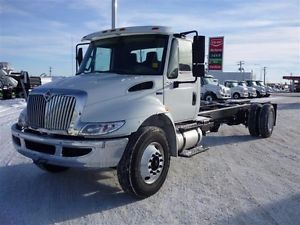
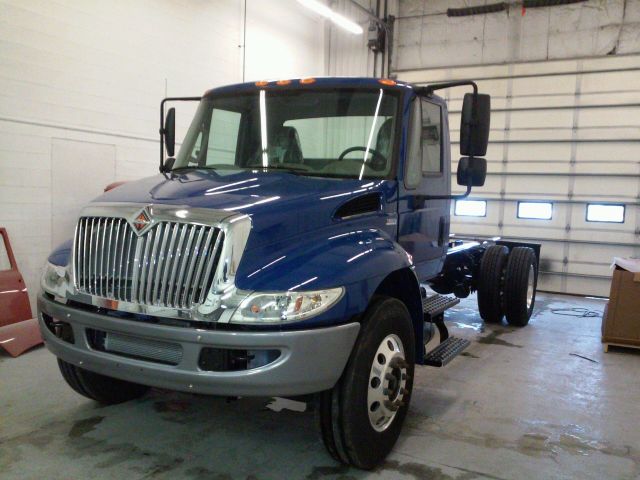
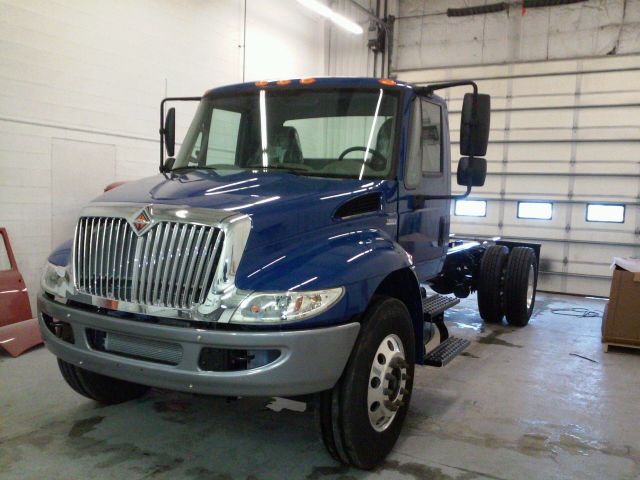
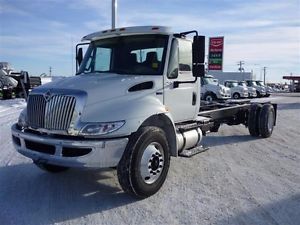
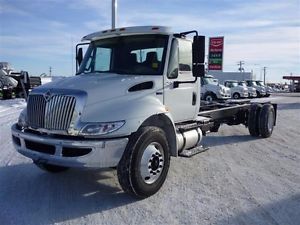
Selling a new cab and chassis truck? List your new cab and chassis truck for sale and reach thousands of commercial buyers.
New Cab and Chassis Trucks in Kansas
The first numbers to verify are GVWR, wheelbase, and cab-to-axle, often shortened to CA. Medium-duty cab and chassis trucks commonly land in Class 4 through Class 7, with popular setups around 19,500, 25,999, 33,000, and higher GVWR depending on licensing and body requirements. A 138-inch to 140-inch CA is common for many 14-foot to 18-foot body applications, but exact body fit depends on frame length, axle placement, and any rear overhang limits from the upfitter. Buyers should also look closely at single-axle weight distribution, frame section modulus, PTO compatibility, and whether the chassis is prepped for body-builder connections. If the truck will carry a crane, compressor, or hydraulic package, confirm front axle capacity and available engine-driven or transmission-driven PTO options early.
Powertrain choice changes operating cost and driver acceptance. In this segment, diesel engines around 240 to 260 horsepower are common, paired with either an Allison automatic or a 6-speed manual transmission. Automatics tend to suit stop-and-go municipal and delivery work, while manuals still appeal in some vocational fleets that prioritize simplicity and driver control. Air brakes are common once you move into heavier GVWR ratings, and features such as locking differentials and electronic stability systems add value on job sites, gravel roads, and winter routes across Kansas. Rear axle ratio, suspension type, and tire size should match the duty cycle because a truck built for local starts and stops is very different from one spending its life at highway speed with a van body.
A new cab and chassis truck also gives the buyer warranty coverage, cleaner emissions hardware life, and a predictable maintenance baseline before the body is installed. That matters if uptime is critical or if the truck will enter a fleet standardization program. Before buying, match the chassis to the final body weight, payload, and accessory load rather than buying solely on engine or price. A correctly spec'd cab and chassis will accept the body cleanly, stay legal on axle weights, and perform better over the long term than a chassis forced into an application it was not built to handle.
Frequently Asked Questions about New Cab and Chassis Trucks in Kansas
What is a cab and chassis truck?
A cab and chassis truck is an incomplete commercial truck sold with the cab, frame, engine, transmission, axles, and running gear, but without the final vocational body installed. It is designed to be upfitted with equipment such as a dry van body, flatbed, dump body, utility body, rollback, or service body. The main benefit is that the buyer can match one chassis to a specific job instead of paying for a prebuilt body that may not fit the operation.
What cab-to-axle measurement do I need on a new cab and chassis truck?
Cab-to-axle, or CA, is one of the most important dimensions because it determines what body length and upfit style the chassis can accept. Common CA measurements such as 138 inches or 140 inches work for many medium-duty applications, but the correct size depends on body length, rear overhang, toolbox placement, liftgate needs, and axle weight distribution. The body manufacturer should confirm final fitment before purchase because a few inches can change legal weight balance and installation cost.
What GVWR is common for new cab and chassis trucks?
New cab and chassis trucks are commonly spec'd across Class 4 through Class 7, with frequent GVWR ratings around 19,500 pounds, 25,999 pounds, and 33,000 pounds. The right rating depends on the finished body, payload, tools, crew size, and any PTO-driven equipment. Buyers should calculate the completed vehicle weight, not just the empty chassis weight, so the truck remains compliant and useful after the upfit is installed.
Should I choose an automatic or manual transmission for a cab and chassis truck?
An automatic transmission is often the better fit for delivery, municipal, and urban vocational work because it reduces driver fatigue and tends to improve consistency in stop-and-go operation. A manual transmission can still make sense in certain fleet environments where maintenance familiarity, lower upfront cost, or driver preference matters. The better choice depends on route type, driver pool, PTO requirements, and how often the truck will operate in traffic, on job sites, or at highway speed.
What should Kansas buyers look for in a new cab and chassis truck?
Kansas buyers should pay close attention to application fit, brake type, differential spec, and suspension setup because trucks in this market often split time between pavement, gravel roads, farms, construction sites, and municipal routes. Air brakes, a locking differential, and the right rear axle ratio can make a meaningful difference in traction and control. It is also smart to verify corrosion protection, stability features, and body-builder compatibility if the truck will work year-round in changing weather and mixed terrain.