
New International Cab and Chassis Trucks For Sale in Kansas
Shop new International cab and chassis trucks for demanding upfit work. Compare GVWR, cab-to-axle, engine, transmission, and brake options.
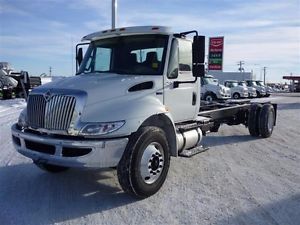
Selling a new international cab and chassis truck? List your new international cab and chassis truck for sale and reach thousands of commercial buyers.
New International Cab and Chassis Trucks in Kansas
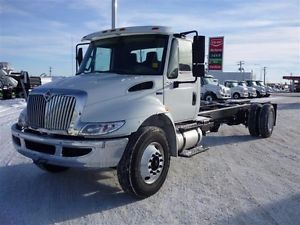
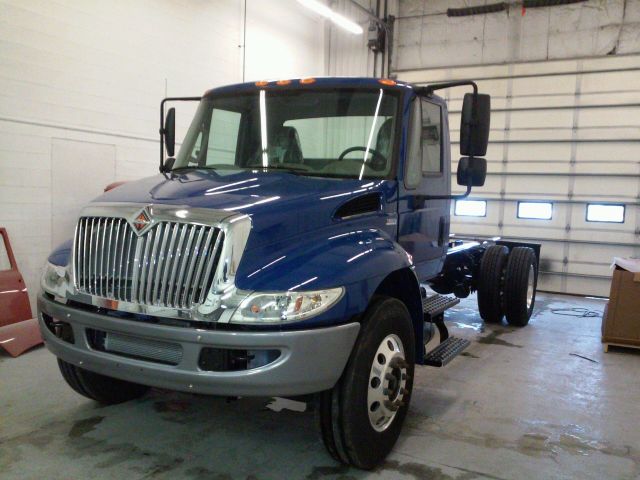
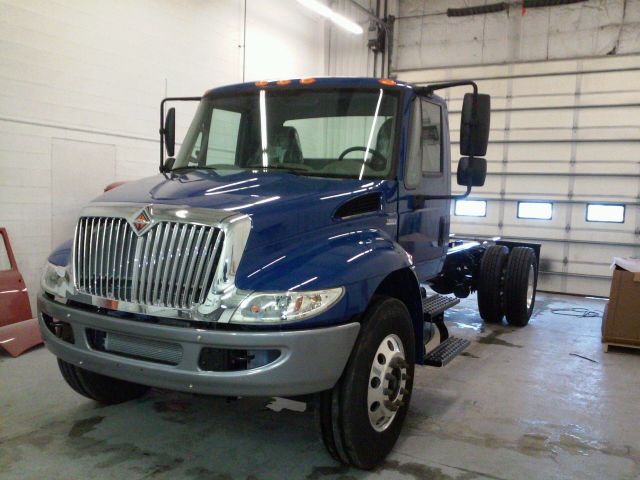
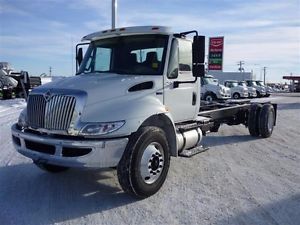
A common reference point in this class is the International 4300, a staple medium-duty platform often seen around 25,999 to 33,000 GVWR depending on suspension, axle, and brake configuration. Buyers usually compare diesel engine ratings in the mid-200 to low-300 horsepower range, paired with either Allison automatic transmissions or manual gearboxes depending on route density and driver preference. Air brakes are common on higher-GVWR builds, while hydraulic brakes may appear on lighter configurations. Locking differentials, PTO provisions, frame reinforcement, and axle ratio selection matter if the chassis will carry a heavy body, run hydraulic equipment, or operate on job sites and unpaved roads.
Kansas buyers often need a chassis that can handle mixed duty cycles: highway miles between towns, stop-and-go municipal work, and seasonal load changes tied to agriculture, construction, and utility service. That makes durability items important. Look closely at rear suspension rating, front axle capacity, fuel tank placement, exhaust routing, and frame height because those details affect body installation and service access later. If the truck is being upfitted for a box, stake bed, or mechanic body, confirm the clear frame space behind the cab, any transmission PTO compatibility, and whether wheelbase and overhang will keep the finished unit balanced and legal on axle weights.
For a new International cab and chassis, the real value is in ordering or selecting a truck that matches the final body from day one. A chassis spec that looks close on paper can create expensive body modifications, poor turning radius, axle overload, or wasted payload once the equipment is installed. Buyers comparing listings should focus less on badge alone and more on CA dimension, brake type, engine-transmission pairing, GVWR, and vocational readiness. When those fundamentals line up, an International cab and chassis can be a strong platform for delivery, utility, towing, landscaping, refrigerated service, and other commercial applications where uptime and upfit compatibility matter most.
Frequently Asked Questions about New International Cab and Chassis Trucks in Kansas
What is the most important spec to check on a new International cab and chassis truck?
Cab-to-axle length is usually the first number to verify because it determines whether the truck will accept the body you plan to install. GVWR, wheelbase, axle ratings, and frame dimensions must also match the final application, but an incorrect CA can stop an upfit before it starts or force costly modifications. A buyer should review the body manufacturer's dimensional requirements before choosing the chassis.
What bodies are commonly installed on an International cab and chassis?
International cab and chassis trucks are commonly used for dry van bodies, refrigerated boxes, flatbeds, dumps, rollback carriers, service bodies, utility bodies, hooklifts, and landscape bodies. The right application depends on frame length, axle capacity, PTO needs, and brake configuration. Medium-duty platforms such as the International 4300 are especially common in local delivery, municipal service, contractor fleets, and utility work.
Should I choose an automatic or manual transmission on a cab and chassis truck?
An Allison automatic is often preferred for stop-and-go routes, urban delivery, towing, and applications with multiple drivers because it reduces driver fatigue and simplifies operation. A manual transmission may still appeal in certain vocational settings where driver preference, terrain, or maintenance philosophy favors it. The better choice depends on duty cycle, driver pool, PTO requirements, and total lifecycle cost rather than purchase price alone.
Why do axle ratings and suspension matter so much on a cab and chassis?
The body, equipment, fuel, passengers, and payload all add weight to the completed truck, and that weight must be carried legally and safely across the front and rear axles. A chassis can appear adequate by GVWR but still become a poor fit if the body places too much load on one axle or if the suspension is underspecified for the finished build. Proper axle and suspension matching protects payload capacity, handling, tire life, and compliance.
Are new International cab and chassis trucks a good fit for Kansas fleets?
They can be a strong fit for Kansas operations because many fleets need one truck to handle regional road miles, town-to-town service work, and seasonal vocational demands. A properly spec'd International cab and chassis can support contractor, ag-service, municipal, delivery, and utility applications while maintaining serviceability and body-builder compatibility. The best results come from matching wheelbase, GVWR, brake type, and drivetrain to the exact route and body plan.