
New Conventional Sleeper Trucks For Sale in Kansas
Shop new conventional sleeper trucks for long-haul freight, with high-roof cabs, fuel-efficient specs, and driver-focused comfort.
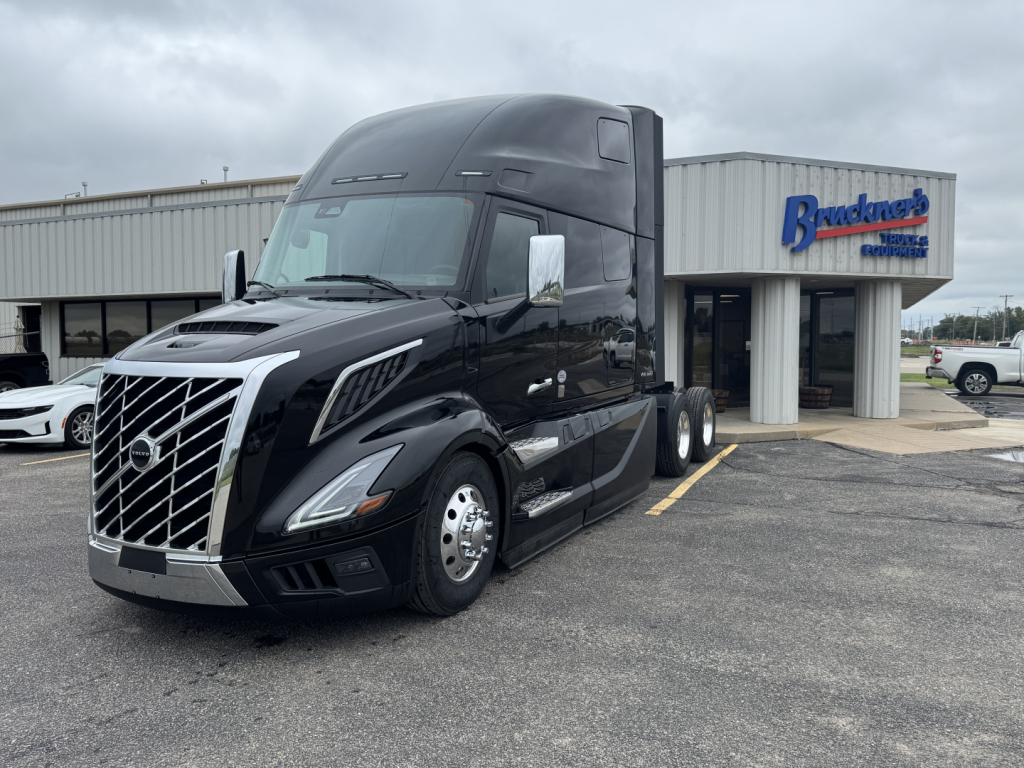

Selling a new conventional sleeper truck? List your new conventional sleeper truck for sale and reach thousands of commercial buyers.
New Conventional Sleeper Trucks in Kansas
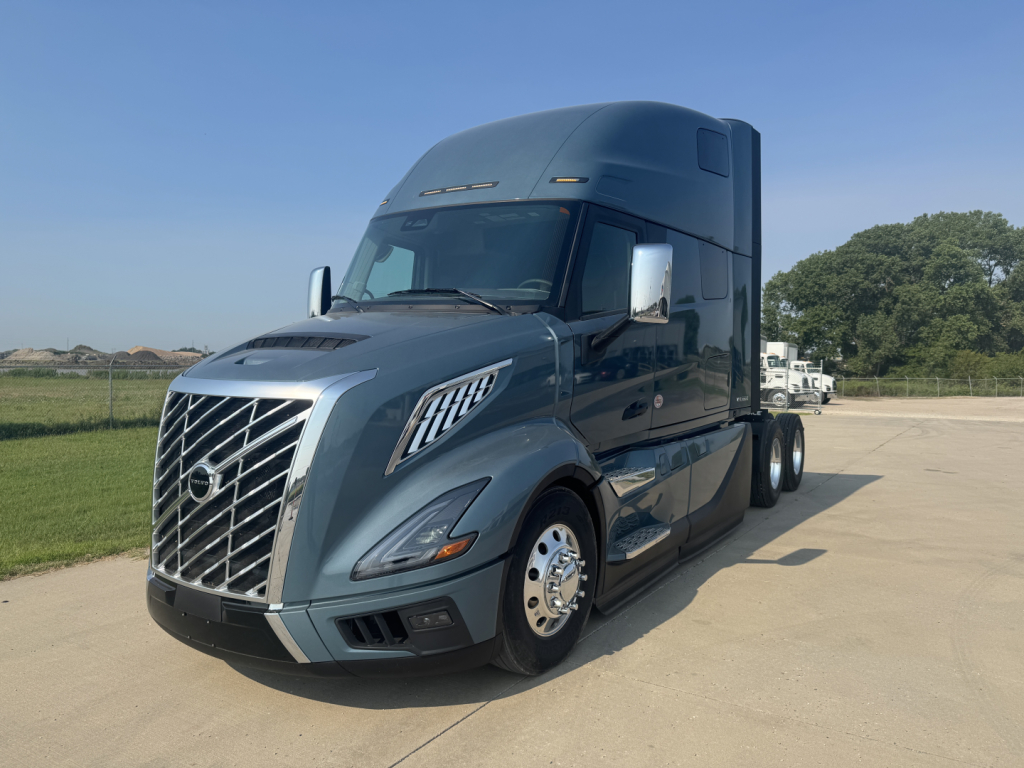
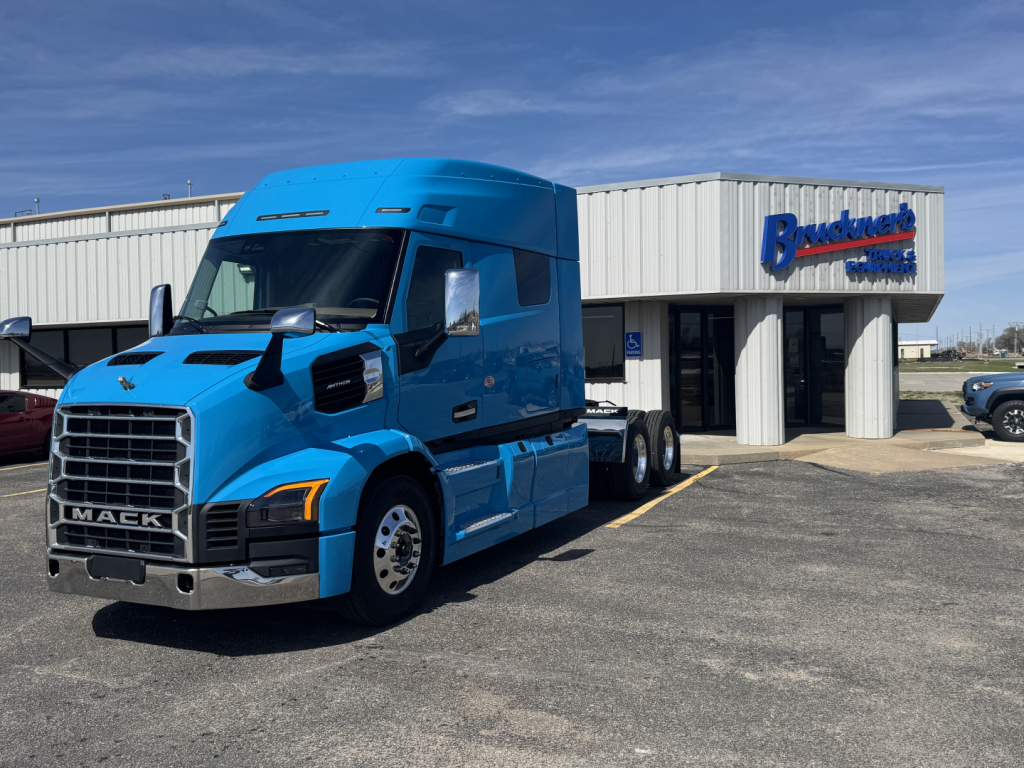
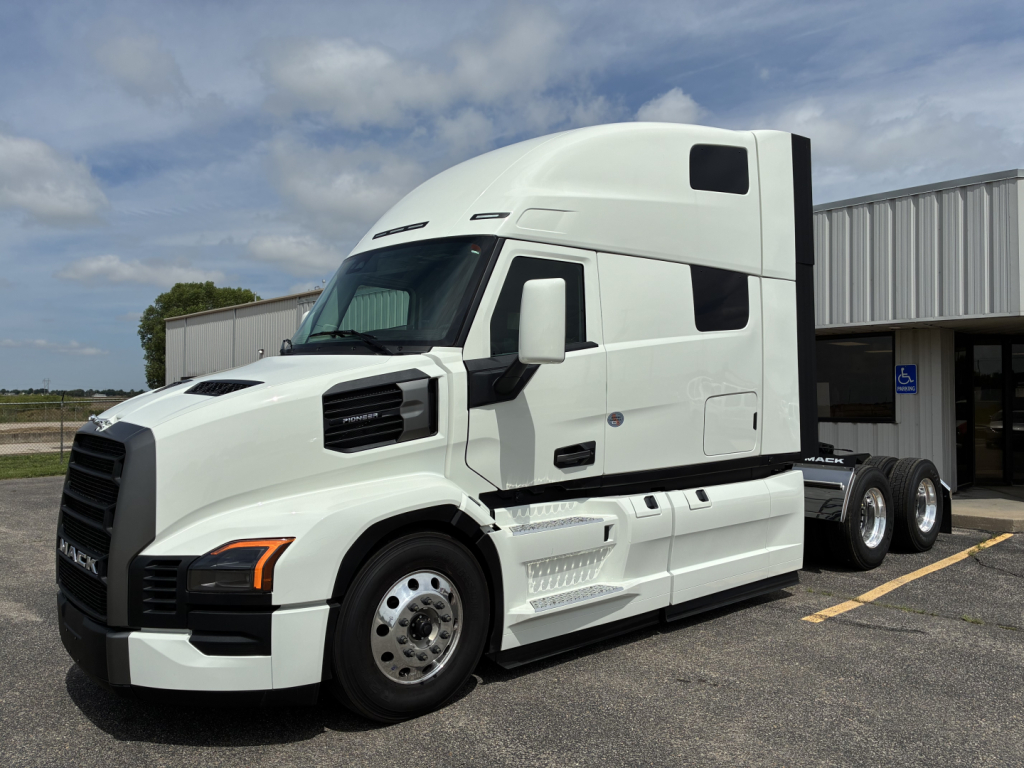
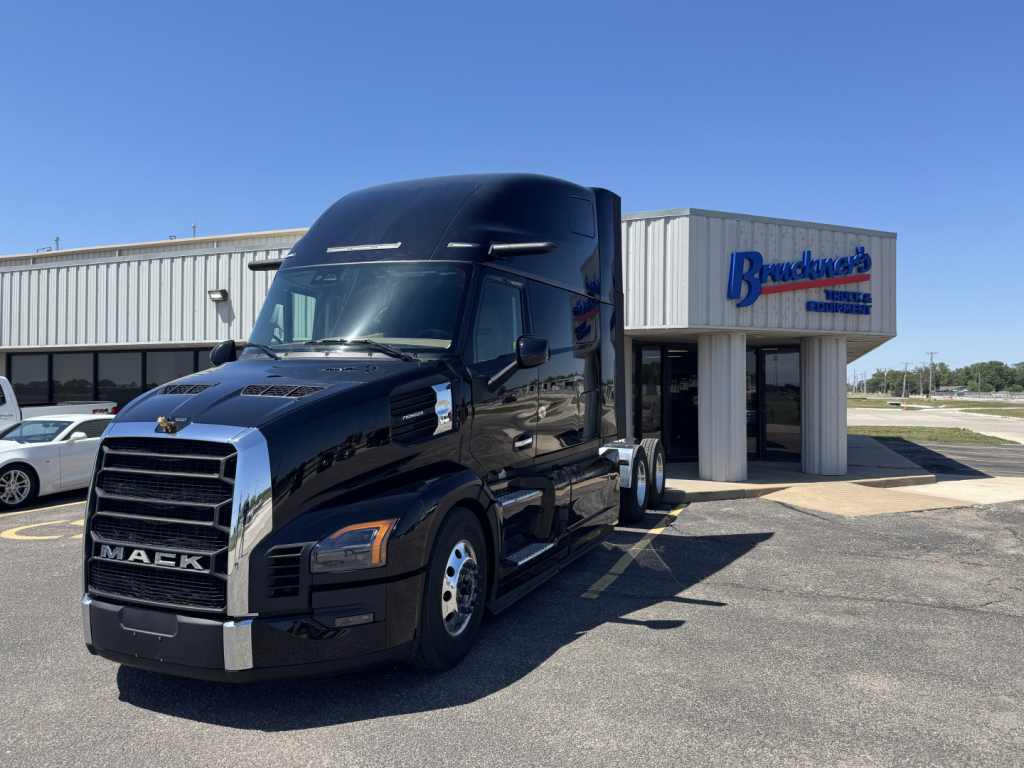
A buyer comparing new conventional sleeper trucks should start with the powertrain. Common specs in this class include 13-liter engines in the 455 to 515 horsepower range, torque ratings around 1,650 to 1,850 lb-ft, and automated manual transmissions such as Volvo I-Shift or Mack mDRIVE. Rear axle ratios like 2.15 to 2.85 are often selected to balance startability, cruise RPM, and fuel economy for highway work. Most units in this category are 6x4 tractors with 12,000 to 13,200 lb front axles, 40,000 lb rear axles, air ride suspension, and wheelbases commonly in the 230 to 240 inch range depending on sleeper size and fairing package. For van, reefer, and general dry freight, that spec tends to cover the broadest range of applications without giving up efficiency.
Sleeper design is a major separator in this category. High-roof sleepers in the 70 to 80 inch class give drivers enough stand-up room, cabinet space, bunk width, and workstation layout to stay productive and rested on extended trips. Factory bunk heaters, cab parking coolers, and other idle-reduction systems are especially relevant for long dwell times and for operations trying to control fuel burn. Buyers should also compare noise insulation, mattress quality, storage access, refrigerator prep, inverter capacity, and driver interface layout. On a new truck, those details affect retention just as much as the drivetrain does.
Safety and serviceability deserve the same attention as the bunk. New conventional sleeper trucks often include collision mitigation, adaptive cruise, lane support features, and integrated telematics, along with disc brakes or advanced air brake configurations depending on the build. Aerodynamic packages, lightweight wheels, tire pressure monitoring, and optimized suspension controls can all support lower operating cost over long highway miles. For fleets and owner-operators looking at new conventional sleeper trucks for sale, the best choice is usually the one that matches route profile, trailer type, expected payload, and driver preference instead of simply chasing the highest horsepower rating.
Frequently Asked Questions about New Conventional Sleeper Trucks in Kansas
What is a conventional sleeper truck used for?
A conventional sleeper truck is designed for long-haul and regional over-the-road freight where the driver needs an onboard sleeping area. This category is commonly used for dry van, reefer, and general freight operations, and it is built to handle extended highway miles with better ride quality, aerodynamics, and living space than a day cab.
What engine and transmission specs are common in new conventional sleeper trucks?
Most new conventional sleeper trucks are spec'd with 13-liter diesel engines producing roughly 455 to 515 horsepower and 1,650 to 1,850 lb-ft of torque. Automated manual transmissions are now standard in much of the market because they improve fuel efficiency, reduce driver fatigue, and help fleets manage driver performance more consistently across routes.
How do I choose the right rear axle ratio for a sleeper tractor?
Rear axle ratio should match your trailer type, gross combination weight, terrain, and cruising speed. Lower numerical ratios such as 2.15 or 2.28 are often chosen for fuel-efficient highway lanes with lighter average loads, while ratios like 2.64 or 2.85 can provide better startability and flexibility for heavier freight, mixed terrain, or operations that need stronger pulling performance at lower road speeds.
What sleeper size is best for over-the-road operation?
For true over-the-road work, high-roof sleepers in the 70 to 80 inch range are a common choice because they provide stand-up room, more storage, and better living comfort on multi-day trips. Smaller sleepers can reduce weight and wheelbase, but buyers running longer dispatch cycles usually place more value on bunk comfort, HVAC options, storage layout, and usable interior space.
What features matter most on a new conventional sleeper truck in Kansas?
In Kansas, long highway stretches, wind exposure, summer heat, and winter cold make aerodynamics, stable ride characteristics, and engine-off comfort systems especially important. Buyers often prioritize high-roof sleeper layouts, bunk heaters, parking coolers, efficient axle ratios, and safety systems that reduce fatigue over long interstate runs across open terrain.