
New Volvo Conventional Sleeper Trucks For Sale in Kansas
Shop new Volvo conventional sleeper trucks in Kansas, including VNL models built for long-haul comfort, fuel efficiency, and fleet uptime.
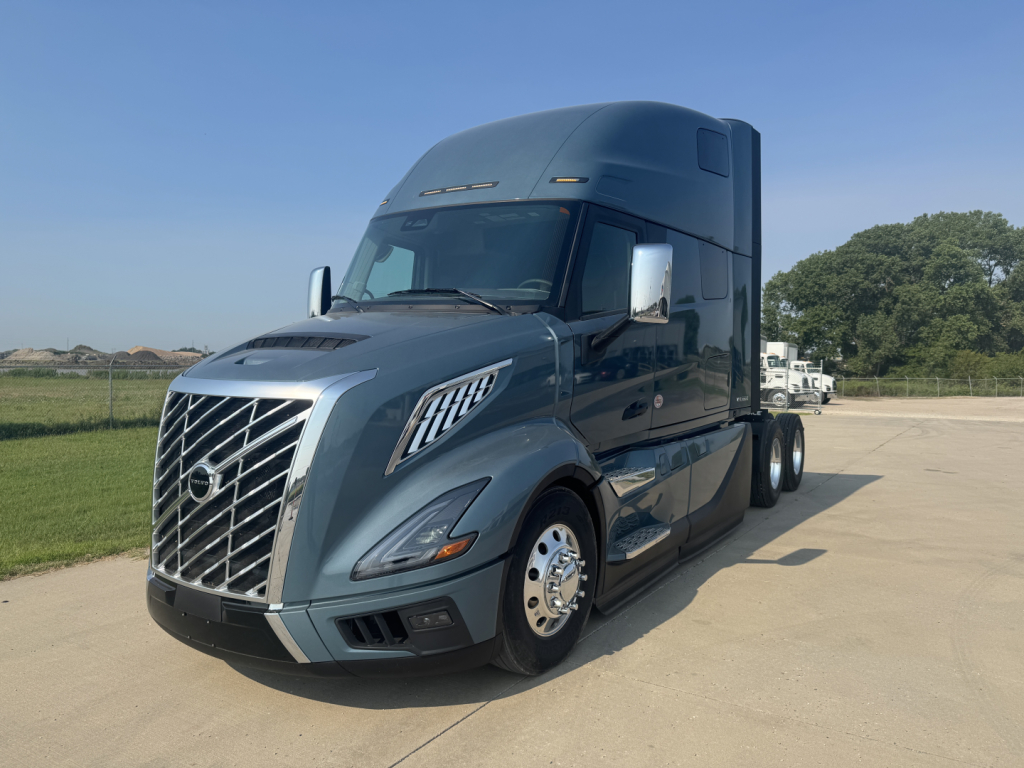
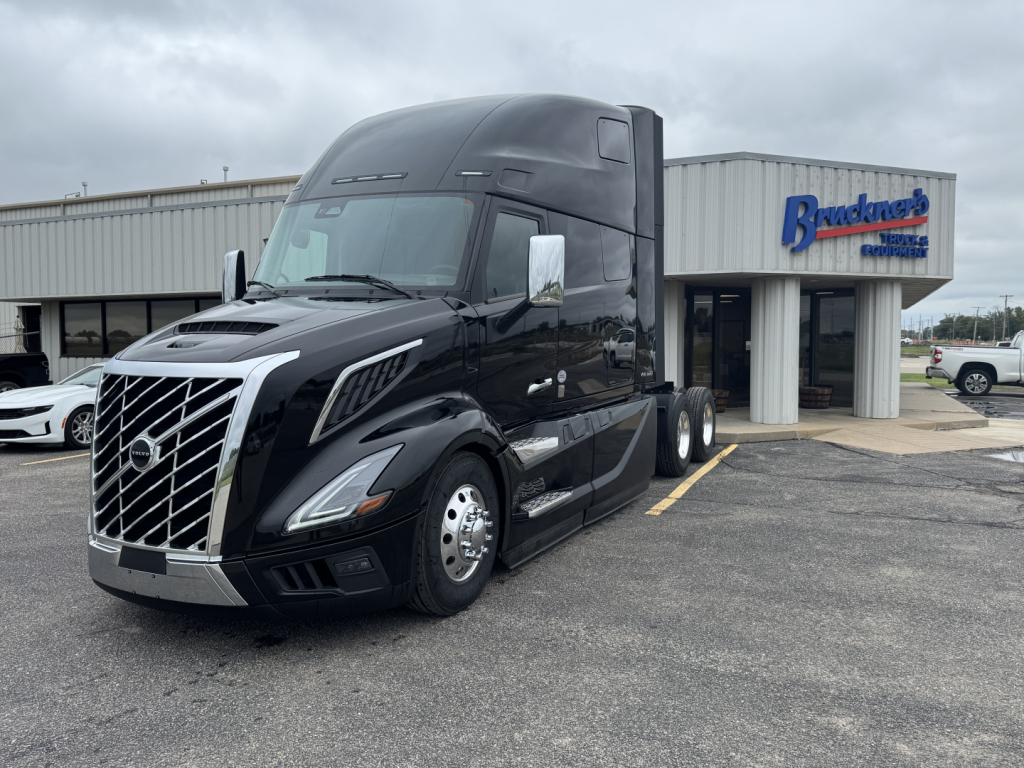

Selling a new volvo conventional sleeper truck? List your new volvo conventional sleeper truck for sale and reach thousands of commercial buyers.
New Volvo Conventional Sleeper Trucks in Kansas
The key buying decisions usually start with cab size, wheelbase, and powertrain. Volvo sleeper models are commonly spec'd with integrated Volvo drivetrains, including Volvo D13 engines paired with the I-Shift automated manual transmission and matched rear axle ratios for fuel-efficient cruising. Buyers should compare horsepower and torque ratings against gross combination weight, terrain, and average trailer type. Kansas fleets often run a mix of long interstate miles, open plains crosswinds, and variable seasonal temperatures, so aerodynamics, idle management, and driver-assist features can matter as much as raw engine output. Front axle capacity, suspension rating, 6x4 configuration, and fifth wheel position should also line up with the freight and trailer mix you plan to pull.
Inside the cab, sleeper dimensions and storage layout have a direct effect on driver acceptance and retention. Volvo VNL sleepers are known for a quiet cab, ergonomic dash layout, and integrated bunk area with options that may include upper bunks, refrigerator prep, inverters, and parking climate systems. On the safety side, new Volvo conventional sleepers often include advanced systems such as collision mitigation, lane departure warning, adaptive cruise control, and camera integration, depending on spec. For fleets focused on uptime, it is worth reviewing service access, telematics compatibility, emissions warranty coverage, and the benefit of a factory-fresh truck with no prior duty cycle, no wear history, and the ability to align the spec with your maintenance program from day one.
A buyer comparing new Volvo sleeper trucks should pay close attention to intended lane length, payload profile, and driver assignment. A taller, premium sleeper may make sense for irregular-route and extended-haul work, while a slightly more compact sleeper can be a better fit for regional runs that still require overnight capability. Tire size, fuel tank capacity, fairing package, bunk configuration, and kingpin-to-back-of-cab clearance all influence how the tractor performs with different trailer lengths and loading patterns. For dry van, refrigerated, and general freight operations, a properly spec'd Volvo conventional sleeper can deliver a strong balance of comfort, efficiency, and resale value.
Frequently Asked Questions about New Volvo Conventional Sleeper Trucks in Kansas
What is the difference between a Volvo VNL 840 and VNL 860 sleeper?
The main difference is sleeper size and interior space. A Volvo VNL 860 typically offers a larger sleeper and more room for storage, movement, and extended stay amenities, which makes it a common choice for long-haul and team applications. A VNL 840 still provides substantial sleeper capacity but may be better suited to buyers who want a balance between driver comfort, overall tractor length, and operating efficiency.
Are new Volvo conventional sleeper trucks good for long-haul freight?
Yes. New Volvo conventional sleeper trucks are designed primarily for highway duty and long-distance freight. Their aerodynamic hood design, integrated powertrain options, automated transmission availability, and larger sleeper cabs make them well suited for dry van, reefer, and general over-the-road operations where fuel economy, driver comfort, and safety systems are high priorities.
What engine and transmission are commonly found in new Volvo sleeper trucks?
Many new Volvo conventional sleepers are spec'd with the Volvo D13 engine and Volvo I-Shift automated manual transmission. This combination is popular because it is designed to work as an integrated drivetrain, helping optimize shift strategy, cruise efficiency, and driver ease of use. Final specs can vary based on horsepower, torque, rear axle ratio, and the fleet's intended gross combination weight and terrain.
What should Kansas buyers consider when spec'ing a new Volvo sleeper tractor?
Kansas buyers should consider long interstate miles, wind exposure, seasonal weather swings, and the type of freight being hauled. Aerodynamic packages, fuel tank capacity, axle ratio, and idle reduction options can have a measurable impact on operating cost across open highway routes. Buyers should also verify wheelbase, fifth wheel placement, and suspension ratings to make sure the tractor matches trailer swing clearance and expected payload demands.
Why choose a new Volvo sleeper instead of a used one?
A new Volvo sleeper gives the buyer a known starting point on maintenance, warranty coverage, emissions components, and driver-facing equipment. There is no unknown wear history, and the truck can be matched more precisely to the operation through cab, drivetrain, axle, and safety specs. That matters for fleets that want predictable uptime, standardized maintenance intervals, and consistent driver assignment across multiple units.