
New Mack Conventional Sleeper Trucks For Sale in Kansas
Shop new Mack conventional sleeper trucks in Kansas. Compare Anthem and Pioneer specs, MP13 power, mDRIVE transmissions, and sleeper options.
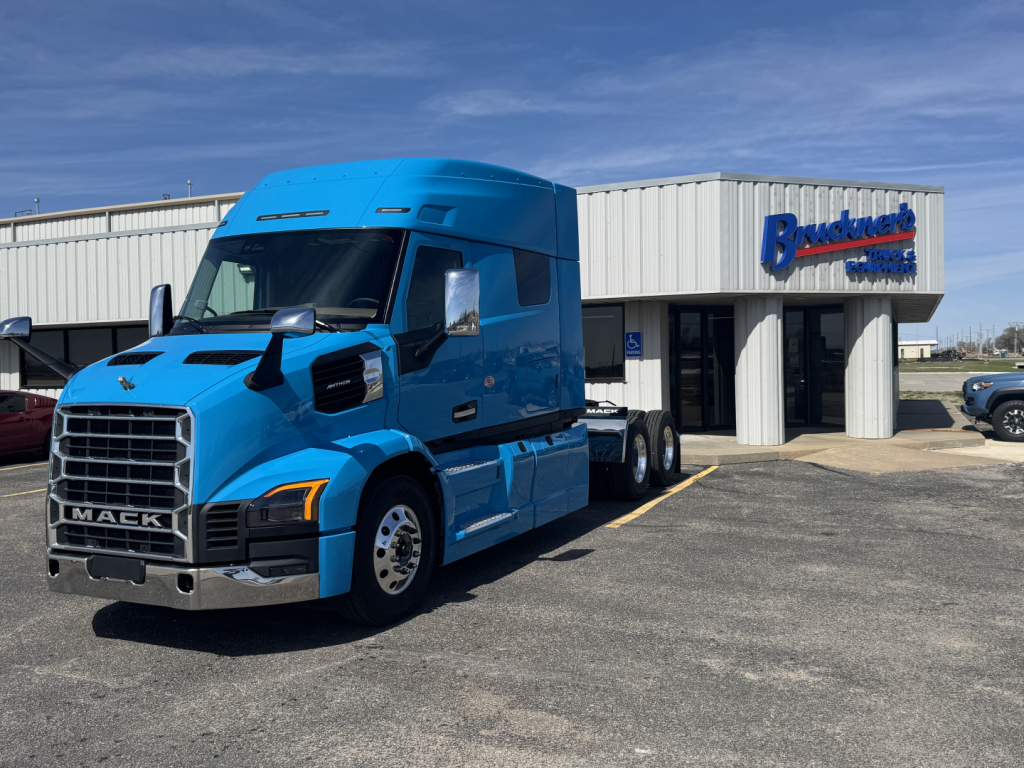
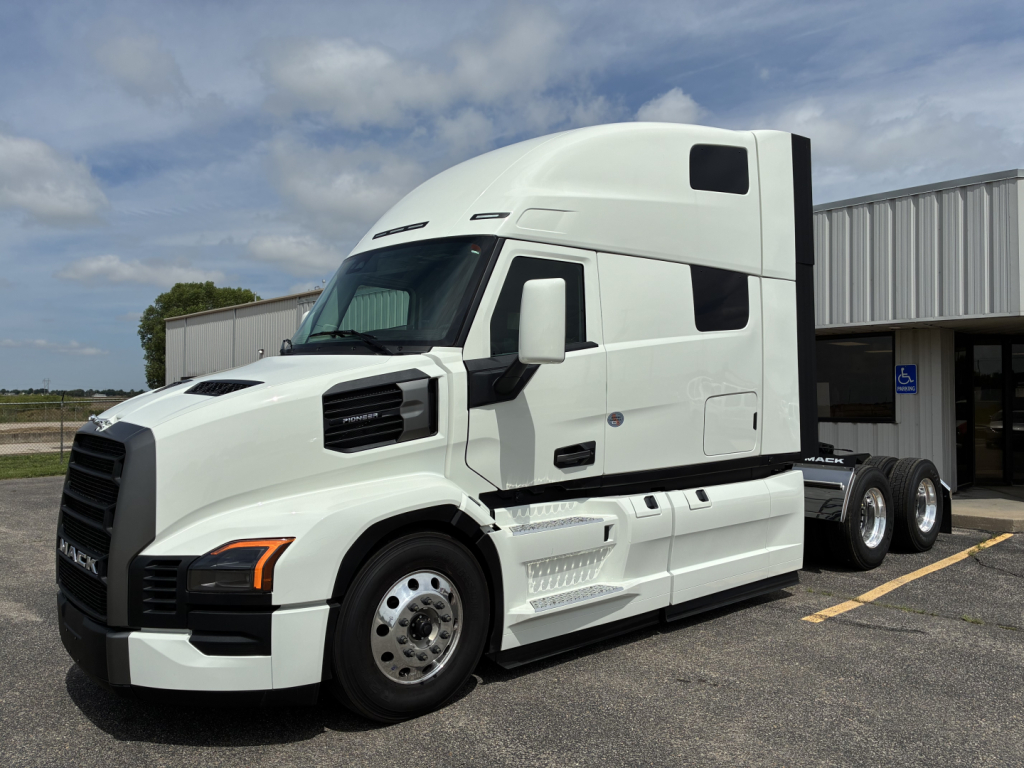
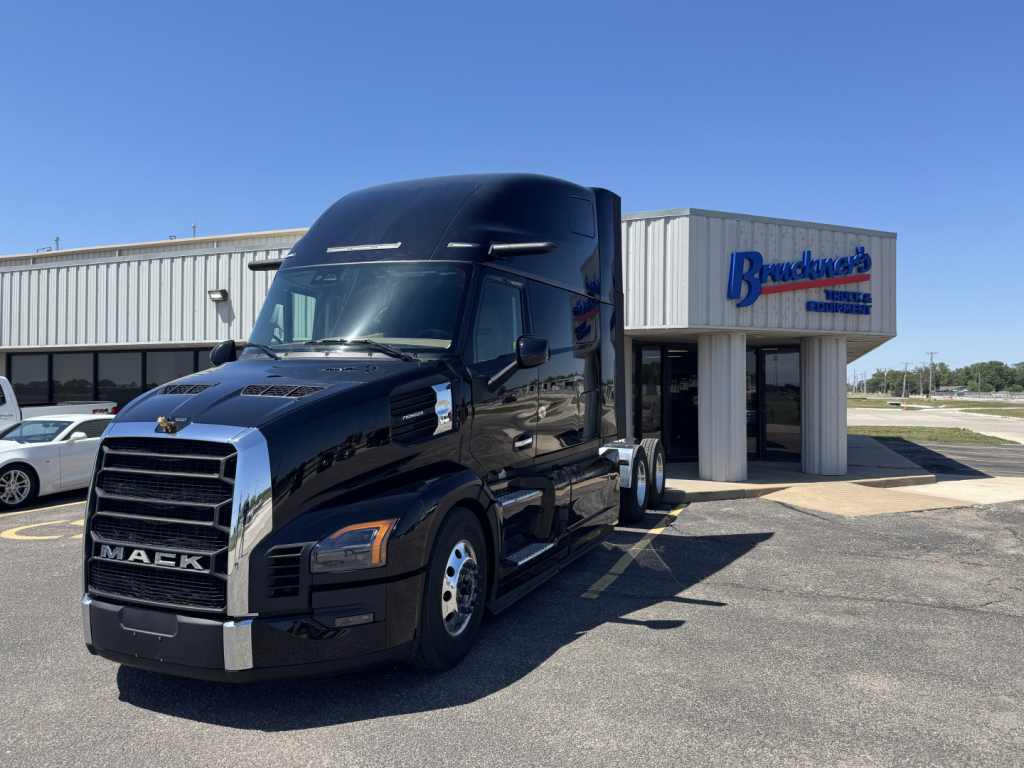
Selling a new mack conventional sleeper truck? List your new mack conventional sleeper truck for sale and reach thousands of commercial buyers.
New Mack Conventional Sleeper Trucks in Kansas
The drivetrain is the first major decision. Many new Mack sleepers are spec'd with an overdrive transmission and fast rear axle ratios around 2.64 to 2.85 to keep engine rpm down at highway speed. That helps on fuel burn, but the right ratio still depends on gross weight, terrain, and trailer type. Buyers hauling dry van, refrigerated freight, or general long-haul loads often favor this highway spec. If the operation sees heavier pull-out loads, frequent rolling hills, or more stop-and-go regional work, axle ratio and transmission programming deserve a closer look. Front axles around 12,000 to 13,200 pounds and rears at 40,000 pounds are common, usually matched with air ride suspension, disc or drum brake options, and wheelbases that balance ride quality with trailer gap and bridge considerations.
Sleeper configuration matters just as much as the powertrain. A 76-inch high-roof sleeper is popular because it gives teams and solo drivers better stand-up room, more storage, and space for idle-reduction and hotel loads. Interior trim packages can add insulation, upgraded bunk materials, driver displays, inverter prep, bunk HVAC, and other amenities that matter on multi-day runs. Fuel capacity is another practical buying point. Dual tank setups are common on new Mack conventional sleepers and can be important for route planning across the Plains and Midwest, where long stretches and fuel-price strategy affect operating cost. Aerodynamic packages, fairings, hood design, and chassis packaging also play a real role in highway efficiency, especially for fleets running van and reefer trailers at steady interstate speeds.
A buyer comparing new Mack sleeper trucks should look beyond horsepower and focus on the full operating spec: engine rating, mDRIVE calibration, rear ratio, sleeper height, fuel capacity, suspension, brake package, and wheelbase. Mack's appeal in this segment is the balance of integrated powertrain components, straightforward serviceability, and a driver-oriented cab designed for long duty cycles. Also known as a highway sleeper tractor or conventional sleeper truck, this equipment class is intended for carriers that need a day-after-day road tractor rather than a vocational setup. The best choice is the one matched to lane length, average gross combination weight, home-time schedule, and trailer type, not just the highest advertised output.
Frequently Asked Questions about New Mack Conventional Sleeper Trucks in Kansas
What is a Mack conventional sleeper truck used for?
A Mack conventional sleeper truck is primarily used for over-the-road and regional-haul freight that requires overnight or multi-day trips. These tractors are commonly matched with dry vans, reefers, and some flatbed applications where a standard highway chassis, aerodynamic hood, and integrated sleeper are more important than vocational features. The sleeper adds living space for the driver, which supports longer dispatch cycles and can improve retention in high-mileage operations.
What engine and transmission are common in new Mack sleeper tractors?
Many new Mack conventional sleepers are equipped with the Mack MP13 diesel engine and the Mack mDRIVE automated manual transmission. In highway specifications, buyers often see ratings around 505 to 515 horsepower with torque near 1,850 lb-ft, paired with a 12-speed overdrive transmission. This combination is popular because it supports fuel-efficient cruise speeds, smooth automated shifting, and strong performance for linehaul freight.
How do I choose the right axle ratio for a new Mack sleeper?
The right axle ratio depends on your typical gross weight, terrain, cruise speed, and trailer type. Faster ratios such as 2.64 to 2.85 are common in long-haul overdrive specs because they reduce engine rpm and can improve fuel economy on flat to rolling interstate routes. If your operation regularly handles heavier loads, steeper grades, or more regional stop-and-go driving, a different ratio may provide better drivability and startability. The ratio should always be evaluated with tire size, transmission gearing, and target road speed.
Is a 76-inch high-roof sleeper worth it?
For many long-haul operations, a 76-inch high-roof sleeper is worth the added cost because it gives more headroom, storage, and overall livability. That can matter on runs where drivers spend multiple nights in the truck or need space for food storage, entertainment, paperwork, and personal gear. It may not be necessary for short regional lanes with frequent home time, but for extended highway work it often improves comfort and day-to-day practicality.
What should I compare when shopping new Mack sleeper trucks in Kansas?
Start with the operating specification rather than just the model name. Compare horsepower, torque, transmission type, rear axle ratio, suspension, brake package, wheelbase, sleeper size, and fuel capacity. In Kansas, many buyers prioritize highway-friendly gearing, aerodynamic spec, and enough fuel range for Midwest and Plains routes. Service access, warranty coverage, and compatibility with your trailer fleet and loaded weights are also key factors in choosing the right truck.