
New Dump Trucks For Sale in Kansas
Shop new dump trucks for sale in Kansas, including vocational specs, body types, axle ratings, engine options, and jobsite-ready features.
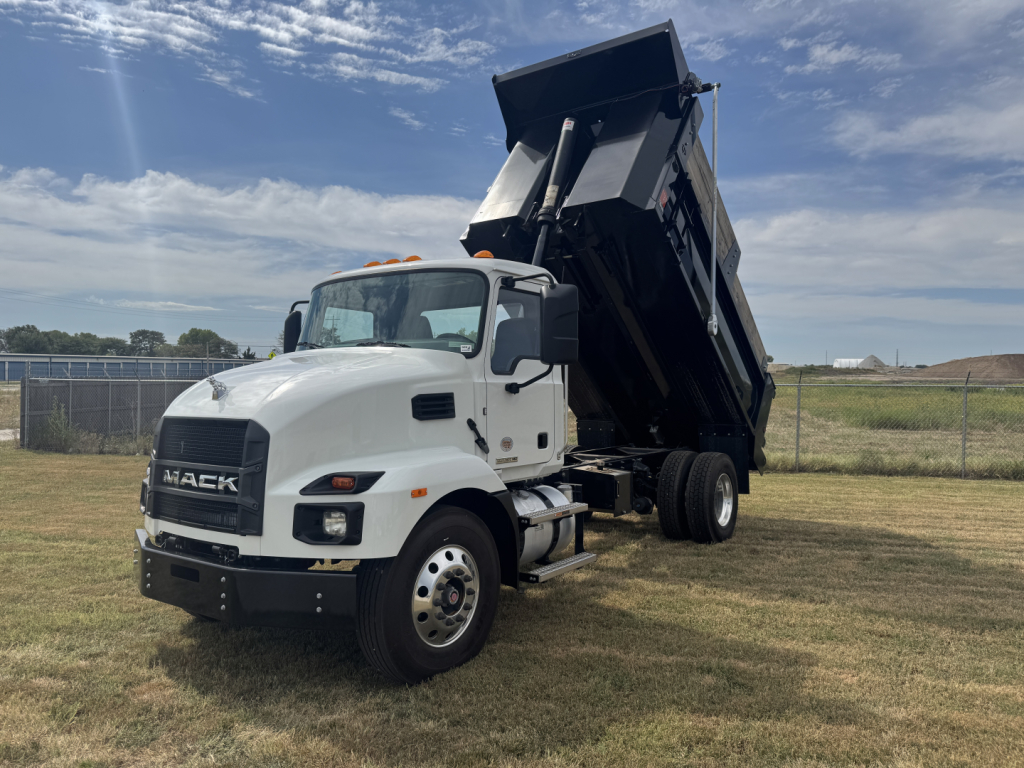
Selling a new dump truck? List your new dump truck for sale and reach thousands of commercial buyers.
New Dump Trucks in Kansas
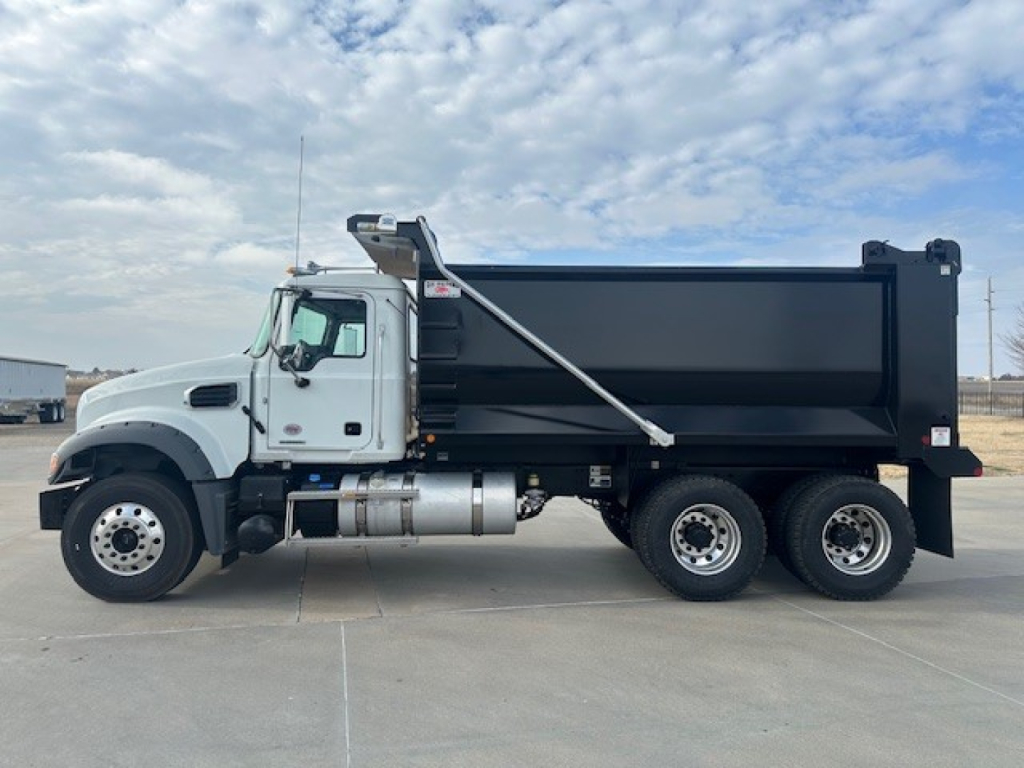
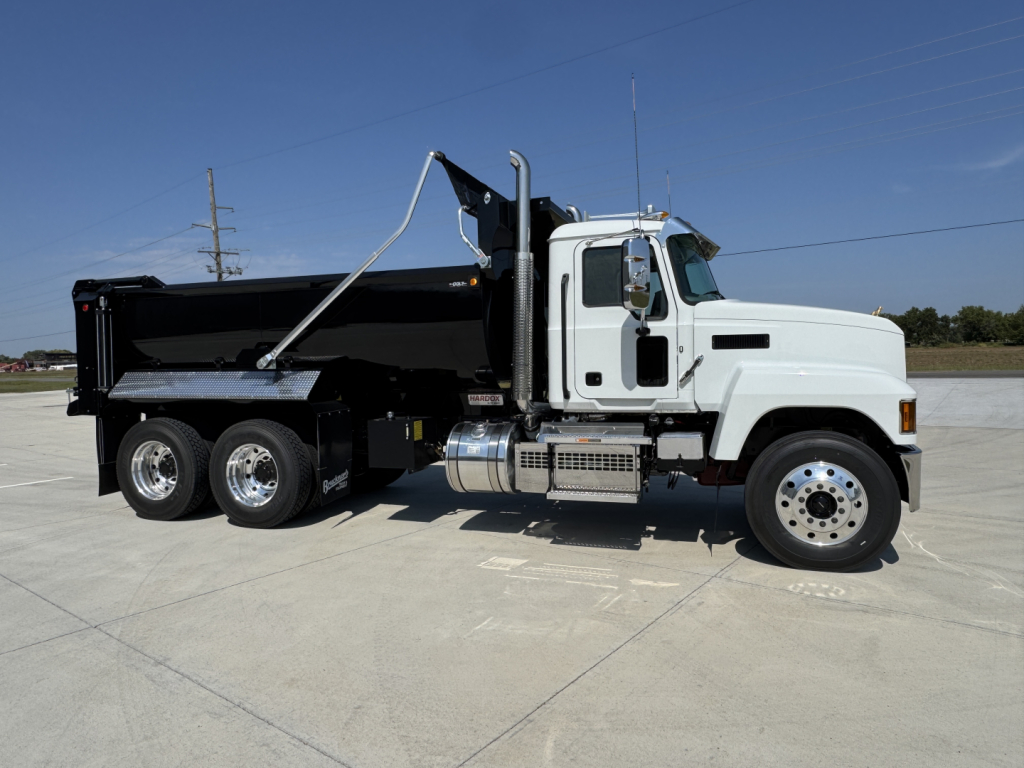
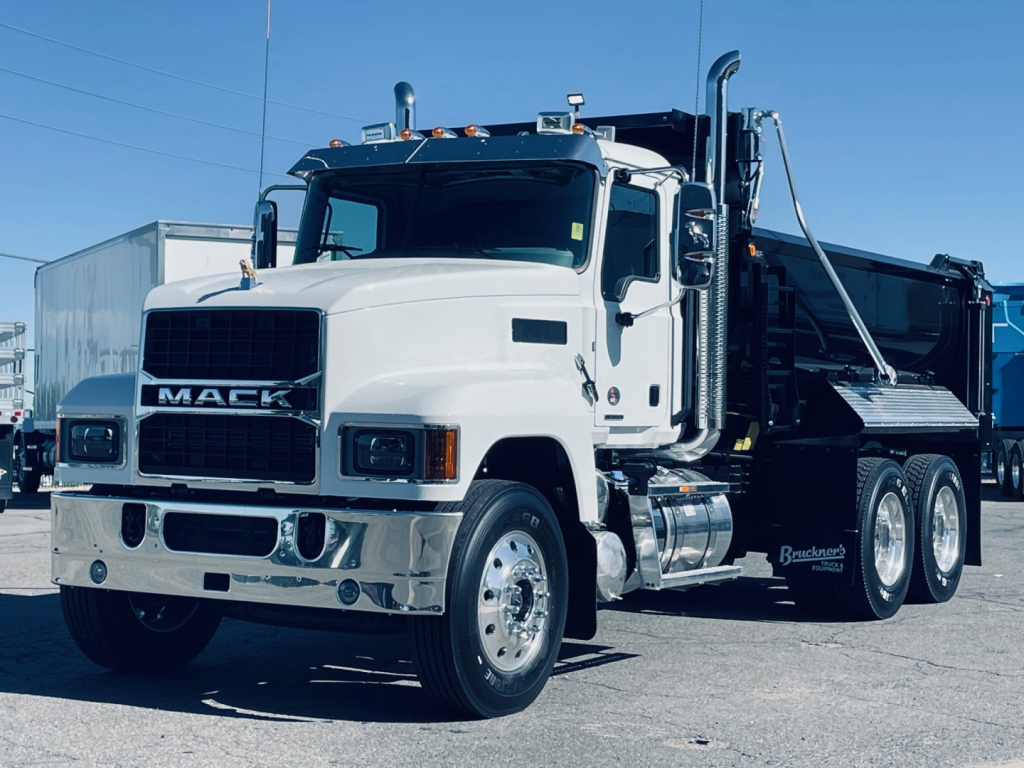
Body design is one of the biggest separators in a dump truck. Straight-side bodies are common for general construction material, while elliptical or round bodies are favored for smoother unloading and reduced material hang-up, especially in rock and asphalt service. Common body lengths range from about 14 to 19 feet, with capacities that vary by side height and material type. Buyers hauling abrasive loads should pay attention to floor and side material such as AR450, Hardox, or similar abrasion-resistant steel. A high-lift or air-operated tailgate, electric tarp system, and body hoist spec can make a major difference in daily productivity, especially when the truck is cycling through multiple loads per day.
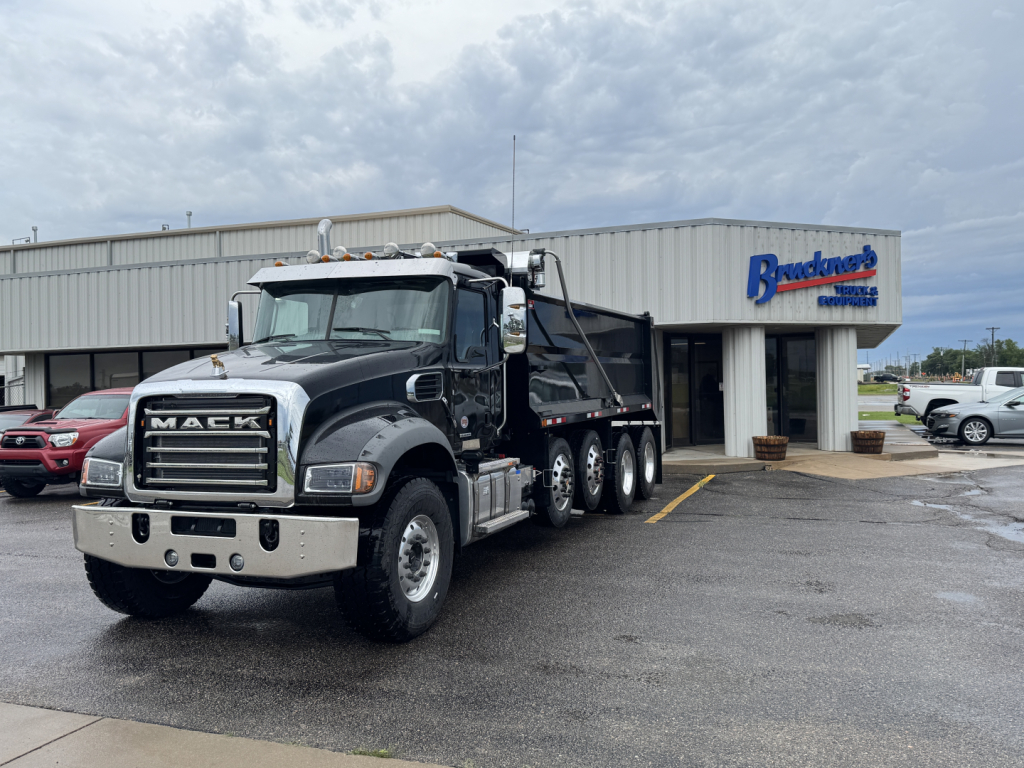
Powertrain choices on new dump trucks usually center on durability, low-speed control, and PTO compatibility. Diesel engines in the medium-duty and severe-duty classes commonly run from around 300 hp to over 500 hp depending on body size, terrain, and gross weight requirements. Automatic transmissions such as Allison models remain popular for stop-and-go routes, municipal work, and drivers who need smooth operation on mixed surfaces. Automated manual transmissions are also common in heavier specs where fuel economy, gradeability, and gear coverage matter. Front axle ratings from 12,000 to 20,000 pounds and rear ratings around 21,000 to 40,000 pounds are typical starting points, while pusher axles can be added when bridge law compliance and payload goals justify the extra complexity.
A buyer comparing new dump trucks should also look beyond the cab and engine badge to the complete vocational package. Frame reinforcement, hoist capacity, crossmember spacing, tire size, traction aids, and brake configuration all affect how well the truck performs under load. For Kansas fleets, details like pintle hitches, trailer wiring, glad hands, LED lighting, and tarp controls are often practical requirements rather than add-ons. New dump trucks also offer the advantage of current emissions systems, warranty coverage, and cleaner upfitting from the start, which can reduce downtime in the first years of service. The best spec is the one matched to the material being hauled, the route conditions, and the legal payload target, not simply the highest advertised horsepower or largest body.
Frequently Asked Questions about New Dump Trucks in Kansas
What body type is best for a new dump truck?
The best dump body depends on the material and duty cycle. Straight-side bodies are versatile and common for sand, gravel, dirt, and general construction use. Elliptical or rounded rock boxes unload more cleanly and are often preferred for rock, demolition debris, or sticky materials because they reduce carryback. Buyers should also compare floor thickness, side thickness, side height, tailgate style, and whether the body uses abrasion-resistant steel such as AR450 or Hardox.
How do I choose the right axle configuration for a dump truck in Kansas?
Start with your target payload, legal road weight, and the type of jobs the truck will run. Tandem-axle dump trucks are simpler and lighter, which can work well for many construction and municipal applications. Tri-axle or pusher-equipped trucks can increase legal payload and improve bridge law compliance, but they add maintenance and can reduce maneuverability on tighter sites. Front axle rating, rear axle rating, suspension type, and wheelbase should all be reviewed together rather than as separate specs.
Is an automatic or automated manual transmission better in a dump truck?
Both can be good choices, but they suit different operations. Fully automatic transmissions are popular in dump service because they are easy to drive, work well in stop-and-go conditions, and provide smooth low-speed control on jobsites. Automated manuals are often chosen in heavier severe-duty specs where gear selection, fuel efficiency, and driveline performance matter more. The right choice depends on driver experience, terrain, PTO needs, and how much time the truck spends on-road versus off-road.
What steel and floor specs matter most on a new dump truck?
For abrasive or high-impact materials, the body floor and lower side walls take the most punishment, so steel choice is critical. Abrasion-resistant materials like AR450 and Hardox are commonly used to improve service life and reduce body wear. Floor thickness, side thickness, crossmember design, and the body manufacturer’s hoist and subframe setup all influence longevity. A lighter body may increase payload, but a heavier-duty body can be the better long-term value if the truck is hauling rock, riprap, or demolition material.
What features improve day-to-day productivity on a dump truck?
Several practical features save time on every load cycle. Electric tarp systems speed load securement and help with compliance. High-lift or air-operated tailgates improve discharge control. LED lighting, pintle hitches, trailer plugs, and glad hands expand the truck’s usefulness across different jobs. Suspension spec, tire selection, differential locks, and hoist performance also affect how efficiently the truck works in muddy, uneven, or high-cycle jobsite conditions.