
New Grapple Trucks For Sale
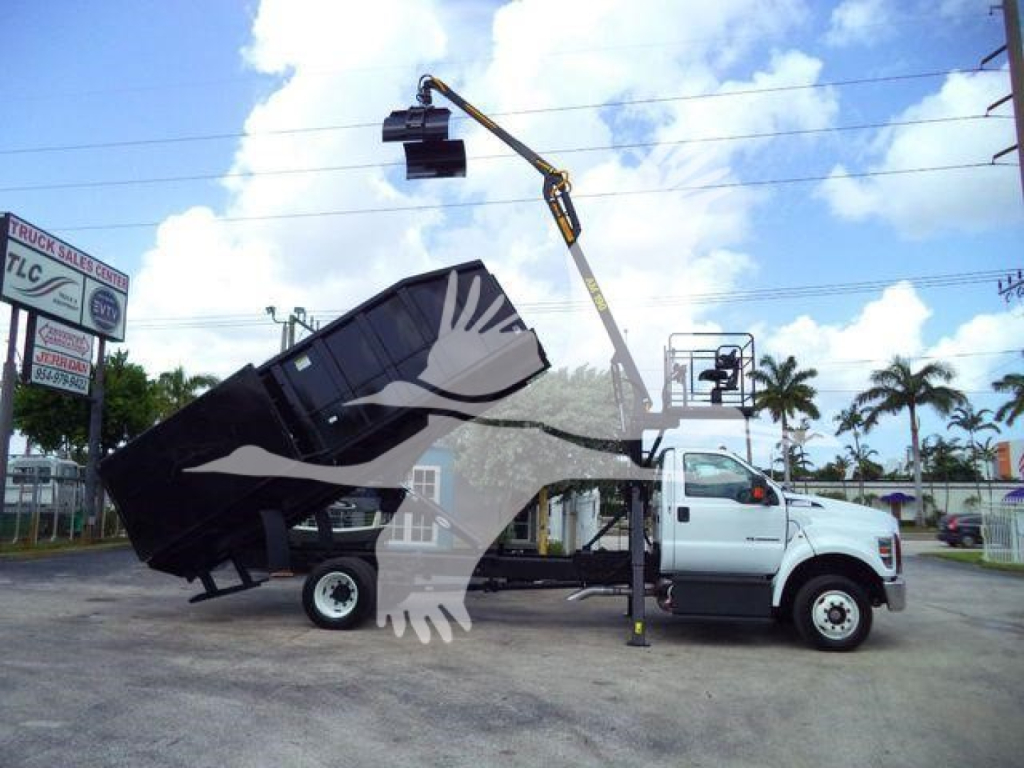
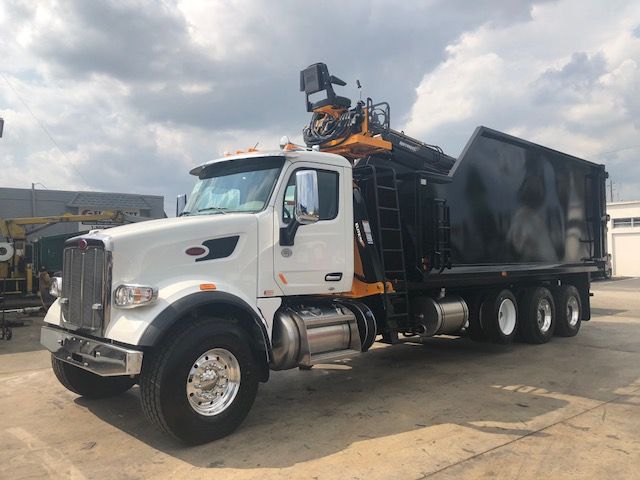
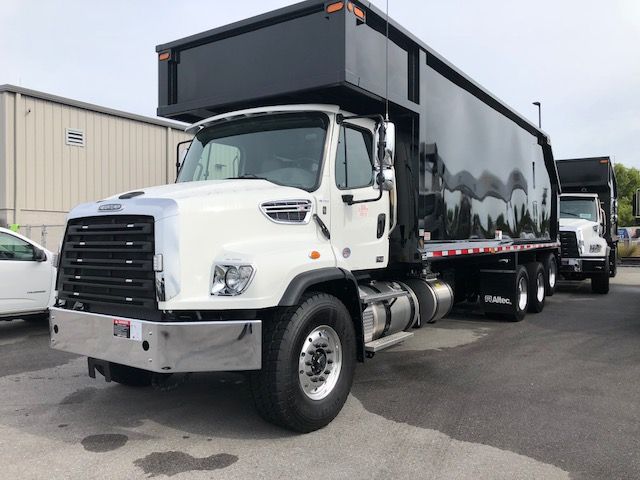
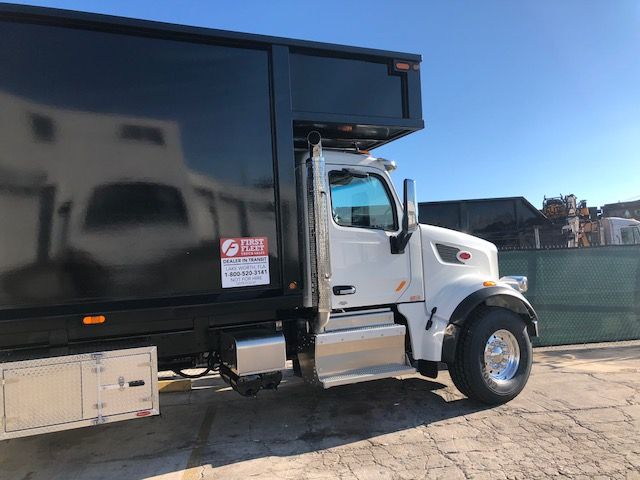
Shop new grapple trucks for brush, C&D, storm debris, and waste hauling. Compare boom reach, body size, GVWR, axle setup, and controls.
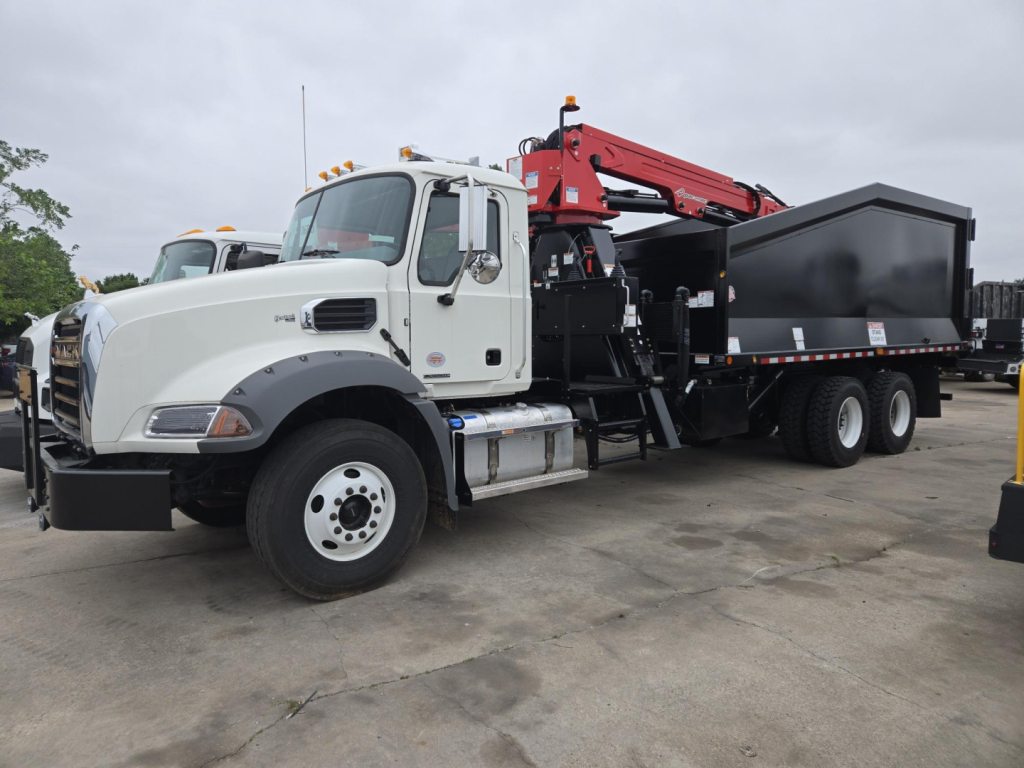
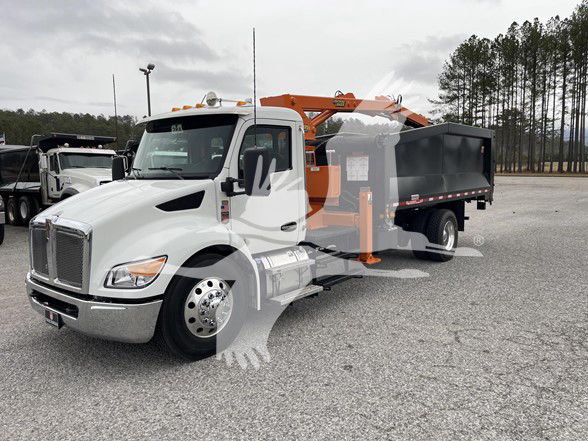
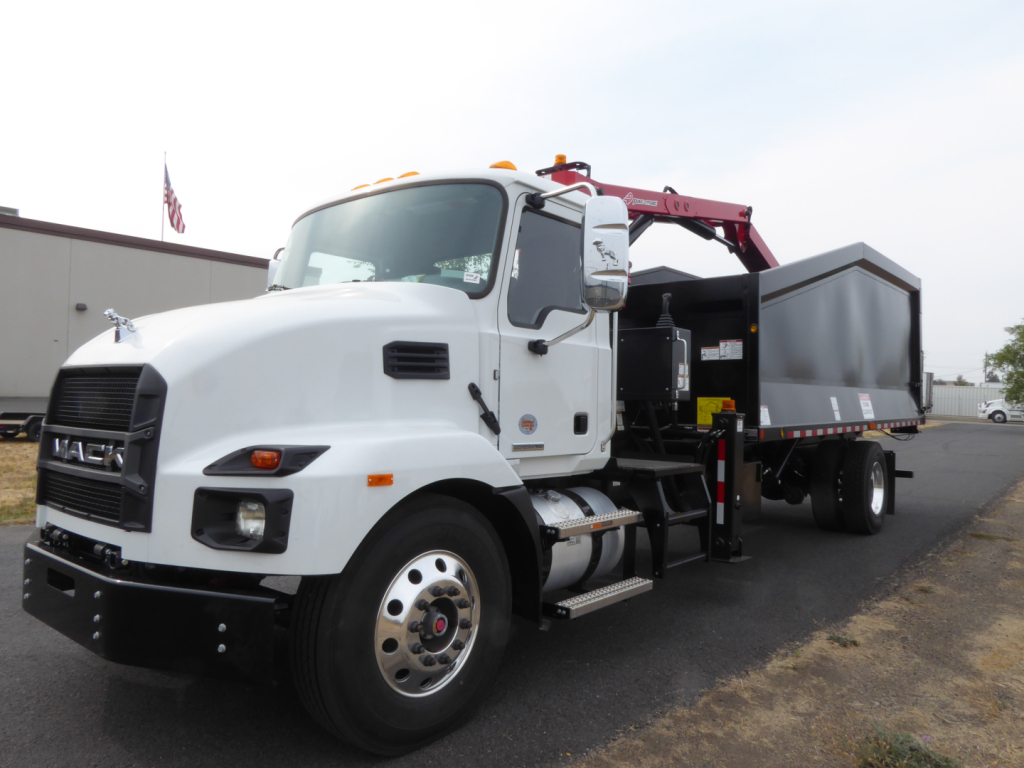
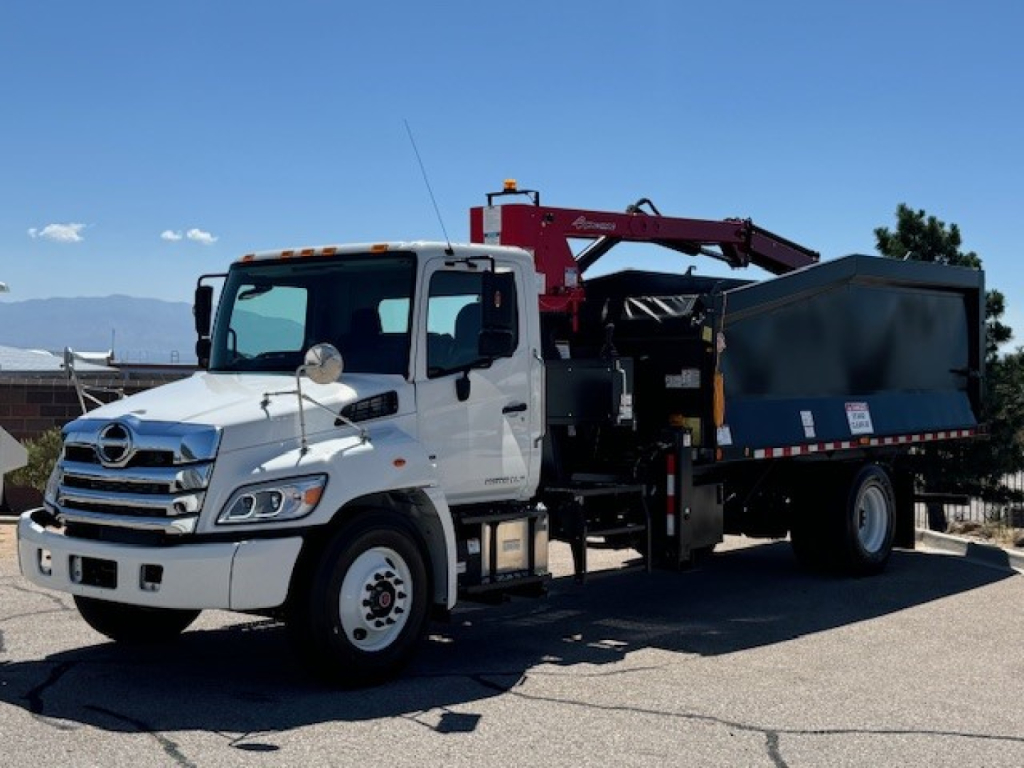

Selling a new grapple truck? List your new grapple truck for sale and reach thousands of commercial buyers.
New Grapple Trucks
The first decision is usually size and class. Medium-duty single-axle grapple trucks often run in the 26,000 to 33,000 GVWR range with bodies around 18 to 30 yards, making them practical for urban routes, municipal collection, and tree crews that need maneuverability. Heavier tandem or tri-axle configurations step up to much larger bodies, higher legal payload, and better stability for demanding waste or storm debris work. Wheelbase matters because it affects body length, boom placement, turning radius, and bridge law compliance. Buyers should also compare axle ratings, rear suspension, tire size, and whether the truck uses hydraulic brakes or air brakes, especially if the truck will spend time on hilly routes or run at higher gross weights.
Boom and hydraulic specs drive productivity. A typical new grapple truck may use a behind-cab or rear-mount crane with roughly 19 feet to 26 feet of reach, though some heavy units go farther. Capacity at mid-reach and full extension matters more than headline lift numbers, because brush, stumps, and demolition debris load differently than uniform material. Grapple opening width, rotator performance, control layout, turret seating, and PTO setup all affect cycle times and operator fatigue. Brands such as Pac-Mac, Rotobec, Serco, and other established crane builders are common in this segment. Look closely at oil cooling, hose routing, hydraulic tank capacity, and service access if the truck will see daily stop-and-load work.
Body construction is just as important as the boom. Hardox and other abrasion-resistant steel bodies are common on higher-wear applications because they hold up better against demolition debris, mixed waste, and repeated grapple contact. Buyers should check body yard rating, floor thickness, sidewall construction, hoist capacity, tailgate design, and whether the body is set up more for brush volume or dense material. New units also give buyers a chance to spec the drivetrain for the job, including diesel engine output, Allison automatic or automated manual transmission choices, rear ratio, and PTO compatibility. For municipal fleets and contractors alike, the best new grapple truck is the one with enough hydraulic performance, body durability, and axle capacity to keep payloads legal while minimizing load time and maintenance downtime.
Frequently Asked Questions about New Grapple Trucks
What is a grapple truck used for?
A grapple truck is used to pick up, load, and haul bulky material such as brush, limbs, logs, storm debris, construction debris, and waste without needing a separate loader. The crane and grapple let one truck handle collection and loading in the same stop, which is why these trucks are common in tree service, municipal public works, and waste operations.
What should I compare first on a new grapple truck?
Start with GVWR, axle configuration, body capacity, and boom reach because those four items determine legal payload, maneuverability, and how the truck will perform on your route. A single-axle truck can be easier to run in tight neighborhoods, while a tandem or tri-axle setup usually makes more sense for larger bodies, heavier material, and higher daily volumes.
How much boom reach does a grapple truck need?
The right boom reach depends on how far the operator must load from the curb, shoulder, or jobsite edge. Many medium-duty grapple trucks are built with about 19 to 26 feet of reach, which covers routine brush and debris collection well. If material is set back farther from the road or if the body is taller and longer, a heavier crane with more extension may improve productivity.
Are Hardox bodies worth it on a grapple truck?
Hardox and similar abrasion-resistant steel bodies are often worth the added cost when the truck handles demolition debris, mixed waste, or other abrasive material on a regular basis. They generally resist denting and floor wear better than standard steel bodies, which can reduce long-term repair costs and help the truck stay in service longer under hard use.
What transmission and drivetrain setups are common on new grapple trucks?
Many new grapple trucks use diesel engines with automatic or automated manual transmissions because they work well in stop-and-go collection service and PTO-driven hydraulic applications. Allison automatics are common in medium-duty units, while heavier tandem and tri-axle trucks may use automated manuals or manual transmissions depending on operator preference, terrain, and gross weight requirements.