
New Mack Grapple Trucks For Sale
New Mack grapple trucks for brush, storm debris, waste, and municipal loading. Compare MD7 and Granite chassis, grapple body, and axle specs.
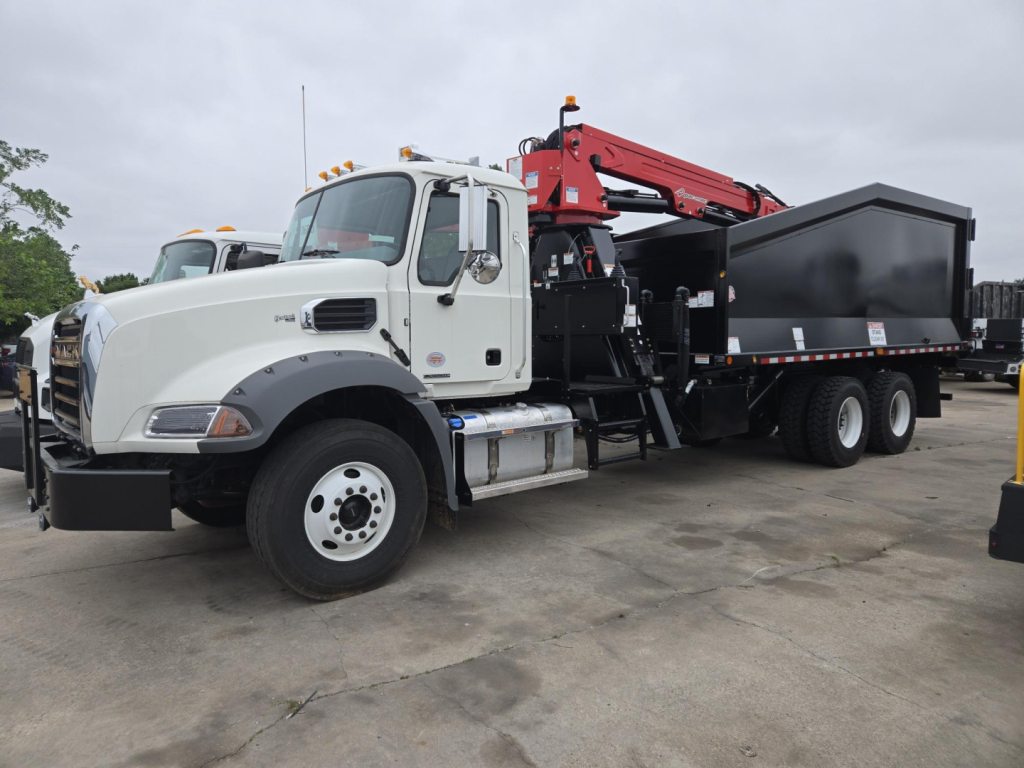
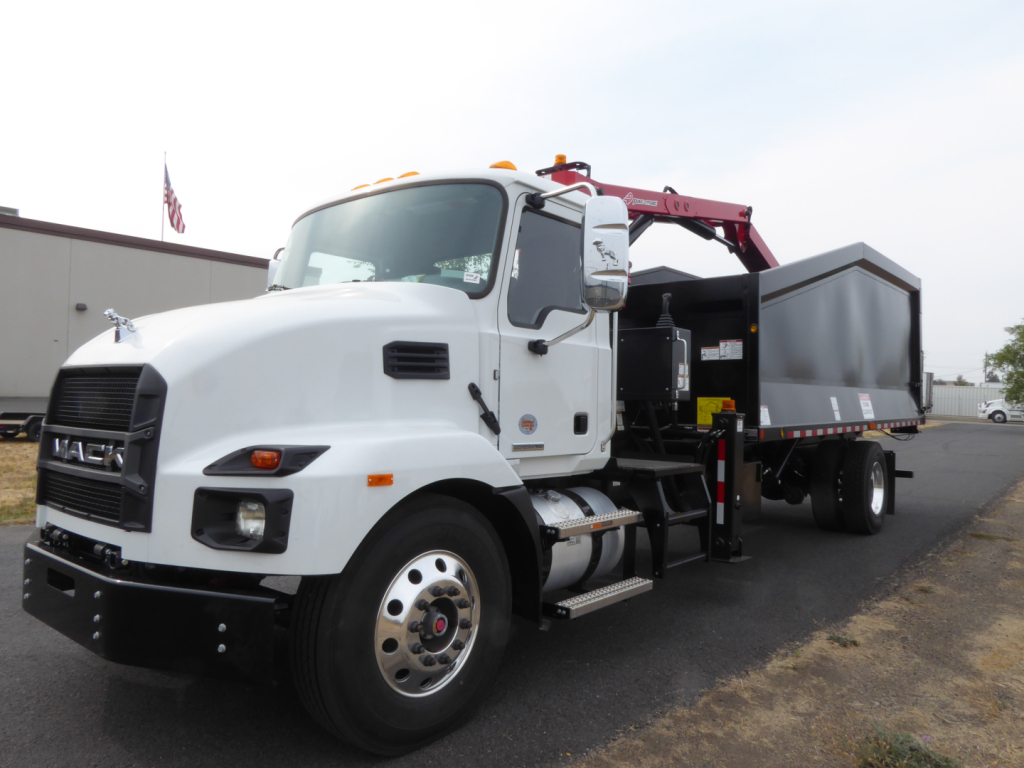

Selling a new mack grapple truck? List your new mack grapple truck for sale and reach thousands of commercial buyers.
New Mack Grapple Trucks
On many new Mack grapple trucks, the chassis spec centers around a Cummins ISB6.7 in the 260 to 280 horsepower range with an Allison 2500 RDS automatic. That combination is popular because it is simple to operate in stop-and-go routes, well suited for PTO and hydraulic applications, and easy to place with municipal and contractor fleets that run mixed driver experience levels. Typical single-axle specs in this class include a 12,000 lb front axle, 21,000 lb rear axle, 33,000 lb GVWR, multi-leaf rear suspension, and 11R22.5 tires. Rear ratios around 5.57 are common when low-speed pulling power and hydraulic work take priority over highway fuel economy. On heavier Granite-based grapple trucks, buyers may see higher axle ratings and more robust frame options for demanding off-road or debris-intensive service.
The body and loader package deserves as much attention as the cab and drivetrain. Pac-Mac is a common name in this segment, with knuckleboom grapple packages matched to steel or Hardox brush bodies in the 30 yard range. Look closely at boom reach, lift capacity at full extension, subframe design, hydraulic tank size, and how the controls are set up for operator visibility and cycle speed. Side height, tailgate design, floor material, and body reinforcement affect how the truck handles brush, logs, and mixed bulky waste over time. Buyers running tree crews or storm response should also pay attention to frame reinforcement, rear overhang, outrigger design if equipped, and backing visibility features such as mirrors, cameras, and backup alarms.
A new Mack grapple truck makes the most sense for fleets that need a ready-to-work package with current emissions equipment, factory-backed chassis support, and a body spec tailored to a defined route profile. The right truck is usually the one that balances crane speed, legal payload, turning radius, and body durability without overbuilding the chassis. If the work is urban and weight sensitive, an MD7 with a properly matched body can be efficient and easy to maneuver. If the work includes rough access roads, repeated heavy picks, or harsher debris streams, a Granite-class truck may justify the extra chassis capacity and severe-service design.
Frequently Asked Questions about New Mack Grapple Trucks
What is a Mack grapple truck used for?
A Mack grapple truck is used to load, haul, and dump bulky materials without relying on a separate loader. Common applications include brush pickup, tree debris, storm cleanup, municipal waste collection, recycling, and some construction debris work. The integrated knuckleboom and grapple let one operator handle loose, oversized, or irregular material efficiently, which is why these trucks are common in public works and vegetation management fleets.
What chassis specs are common on new Mack grapple trucks?
Common specs in this category include Mack MD7 single-axle chassis with a Cummins ISB6.7 diesel rated around 260 to 280 horsepower, an Allison 2500 RDS 6-speed automatic, 12,000 lb front axle, 21,000 lb rear axle, and GVWR near 33,000 lbs. Wheelbases in the 250 to 270 inch range are typical depending on body length and loader placement. Heavier Mack Granite models may be used when buyers need more frame strength, axle capacity, or severe-service durability.
How do I choose the right grapple body size?
Body size should be matched to the density of the material and the legal payload you can carry on the chassis. A 30 yard body works well for brush and lighter green waste because it captures volume without packing in excessive weight too quickly. If the truck will handle heavier wood, mixed debris, or denser waste streams, body construction, floor strength, and payload management become more important than raw cubic capacity. The best choice is the body that lets the truck cube out or weigh out appropriately for the route.
Why is an Allison automatic common in grapple trucks?
An Allison automatic is common because grapple trucks spend much of their day in low-speed, stop-and-go operation with frequent starts, reverses, and PTO-related hydraulic work. Automatic transmissions reduce driver fatigue, simplify training, and provide smooth engagement in tight loading areas. For municipal and contractor fleets, that can improve productivity and lower the chance of driveline abuse compared with a manual transmission in repetitive collection work.
What should I inspect on a new grapple truck besides the engine and chassis?
The loader and body package should be inspected as closely as the truck itself. Key items include grapple and boom reach, lift rating, hydraulic plumbing protection, reservoir capacity, body floor and side material, hinge and tailgate construction, control station layout, and any reinforcements at the subframe or rear of body. Buyers should also confirm axle placement, wheelbase, and rear overhang to make sure the finished truck balances maneuverability, stability, and legal weight distribution for the intended application.