
New Grapple Trucks For Sale in Florida
New grapple trucks for sale in Florida. Compare rear-mount and cab-mounted setups, boom reach, body size, GVWR, and waste handling specs.
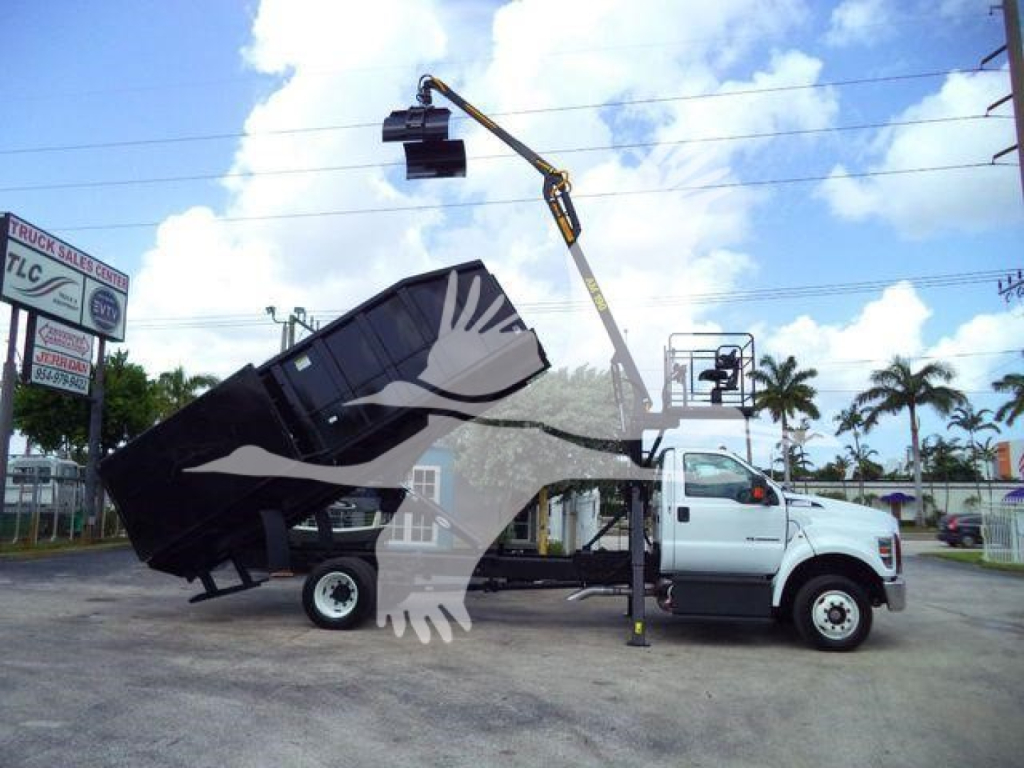
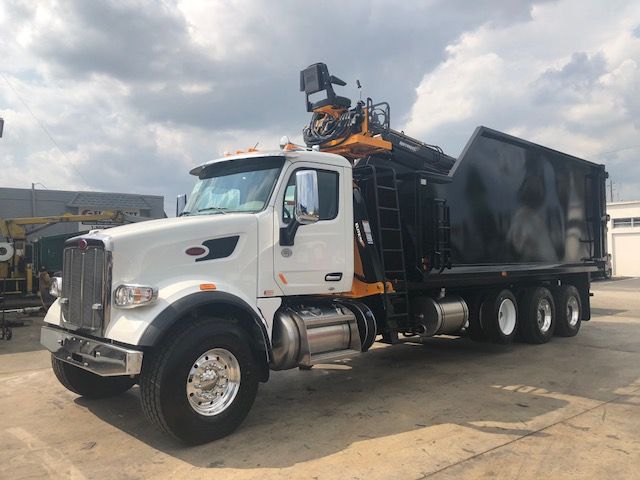
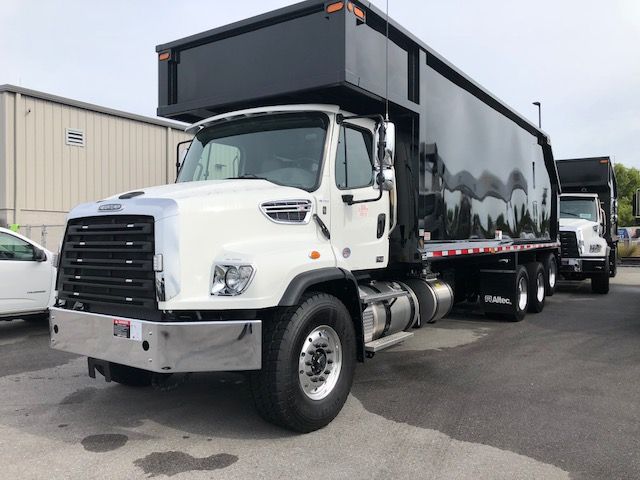
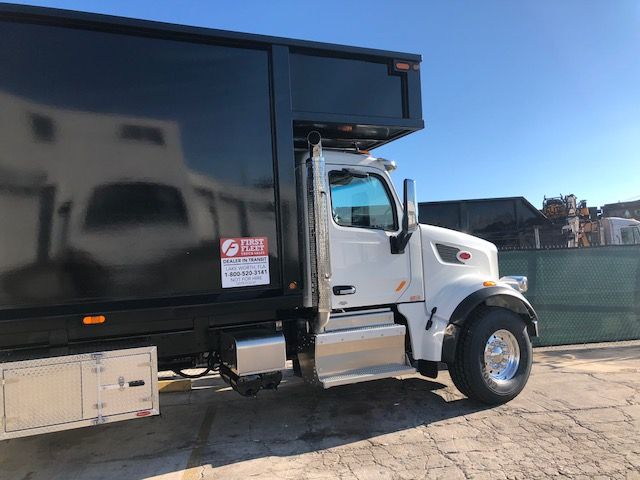
Selling a new grapple truck? List your new grapple truck for sale and reach thousands of commercial buyers.
New Grapple Trucks in Florida
The main buying decision is usually the balance between body capacity, crane performance, and legal operating weight. Larger rear-mount grapple trucks often run 50 to 67 yard Hardox or other abrasion-resistant debris bodies and GVWRs approaching 79,000 pounds in tri-axle form. Loader packages from brands like Serco and Rotobec are common, with extended boom options for better reach into piles, over fences, and across wider rights-of-way. Smaller Class 6 and Class 7 units may use 18 to 21 foot dump bodies, hydraulic brakes, and shorter boom reach, which can make sense for landscaping contractors, local debris haulers, and crews working in residential areas with tighter access.
Buyers should pay close attention to boom geometry, lift capacity at mid and max reach, control style, and grapple type. Waste grapples are designed for bulk material and brush, while other grapple configurations may be better suited to logs, stumps, or mixed cleanup. Rear-mount loaders preserve cab visibility and are common on larger debris bodies, but body design, oil cooling, hoist specification, and hitch setup also matter if the truck will see hard daily cycles or trailer duty. Abrasion-resistant body materials such as Hardox HR450 help when hauling demolition debris or rough vegetative material that can wear a standard body quickly.
A new grapple truck can be a better fit for fleets that need a specific upfit rather than a generic vocational chassis. Engine ratings in this segment often land in the mid-to-high horsepower range, especially on heavy tri-axle units, and features like engine brakes, heavy suspensions, and automatic transmissions can improve drivability and productivity over long municipal or contractor shifts. For Florida operations, corrosion resistance, cooling performance, and dependable hydraulic components deserve extra attention because of heat, humidity, and year-round use. The right truck is the one that matches your material stream, loading cycle, route density, and disposal weight profile without giving up stability, reach, or payload.
Frequently Asked Questions about New Grapple Trucks in Florida
What is a grapple truck used for?
A grapple truck is a vocational truck equipped with a hydraulic crane and grapple for loading bulky material without a separate loader. It is commonly used for storm debris, tree limbs, brush, construction and demolition debris, municipal bulk pickup, and waste handling. Compared with a standard dump truck, a grapple truck reduces labor and speeds collection because the operator can load material directly from the truck-mounted boom.
What should I look for when comparing new grapple trucks?
Start with the job first: material type, average load density, route conditions, and disposal weights. Then compare body capacity, chassis GVWR, axle configuration, boom reach, grapple opening, and lift capacity at different points in the boom arc. Buyers should also review loader placement, hydraulic system design, PTO and hoist specs, body material, brake type, and transmission choice, because these factors affect cycle time, legal payload, maintenance cost, and operator efficiency.
Are tri-axle grapple trucks better than smaller single-axle or tandem units?
Tri-axle grapple trucks are typically better for high-volume debris and waste work because they support larger bodies and higher gross vehicle weights. They are common in municipal and storm cleanup applications where bulky material fills the body quickly and legal payload still matters. Smaller units can be the better choice for residential streets, lighter debris streams, lower acquisition cost, and easier maneuverability, especially when access is limited or daily miles are lower.
Why are Hardox or abrasion-resistant bodies common on grapple trucks?
Grapple trucks often haul abrasive and irregular material that can wear body floors and sidewalls faster than typical dump applications. Abrasion-resistant steels such as Hardox HR450 help extend body life when the truck handles demolition debris, storm waste, brush, and mixed material on a daily basis. A tougher body can reduce long-term repair frequency and help preserve structural integrity in severe-duty service.
What loader and grapple features matter most on a waste grapple truck?
The most important loader features are usable reach, lift capacity at mid and max reach, smooth control response, and durability under repeated cycles. On the grapple side, buyers should consider grapple style, tine design, opening width, and how well the attachment matches the material stream. A truck that looks strong on paper can still be inefficient if the boom geometry or grapple type does not match the way the crew actually loads brush, bulk waste, or mixed debris.