
Commercial Trucks For Sale
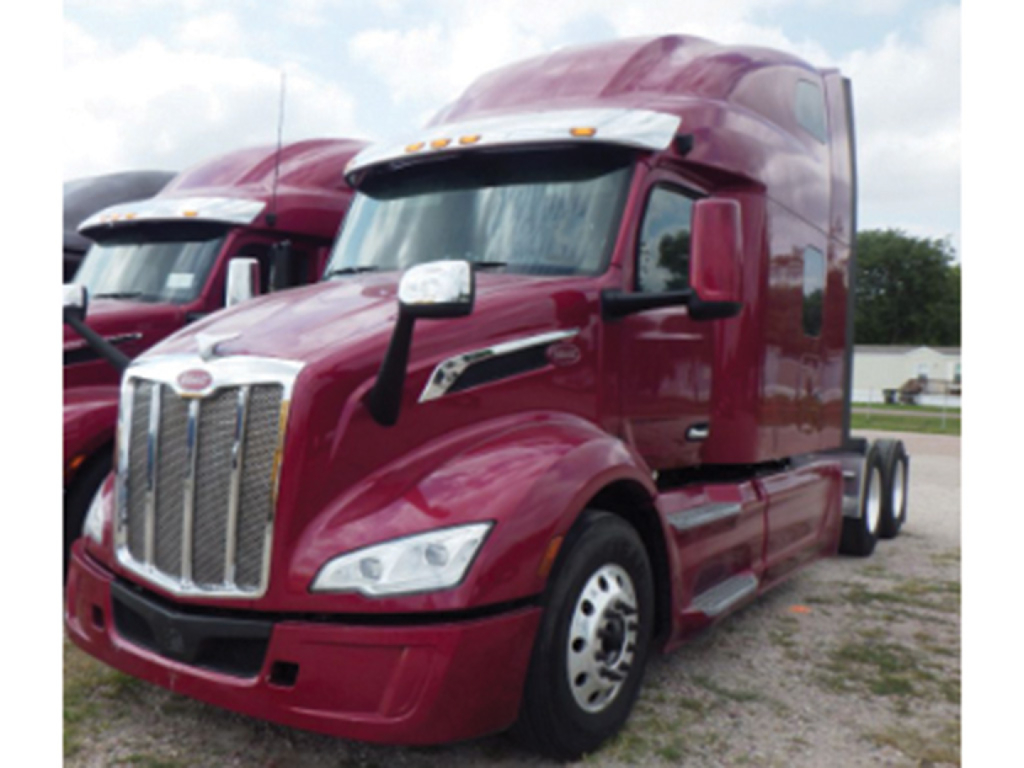
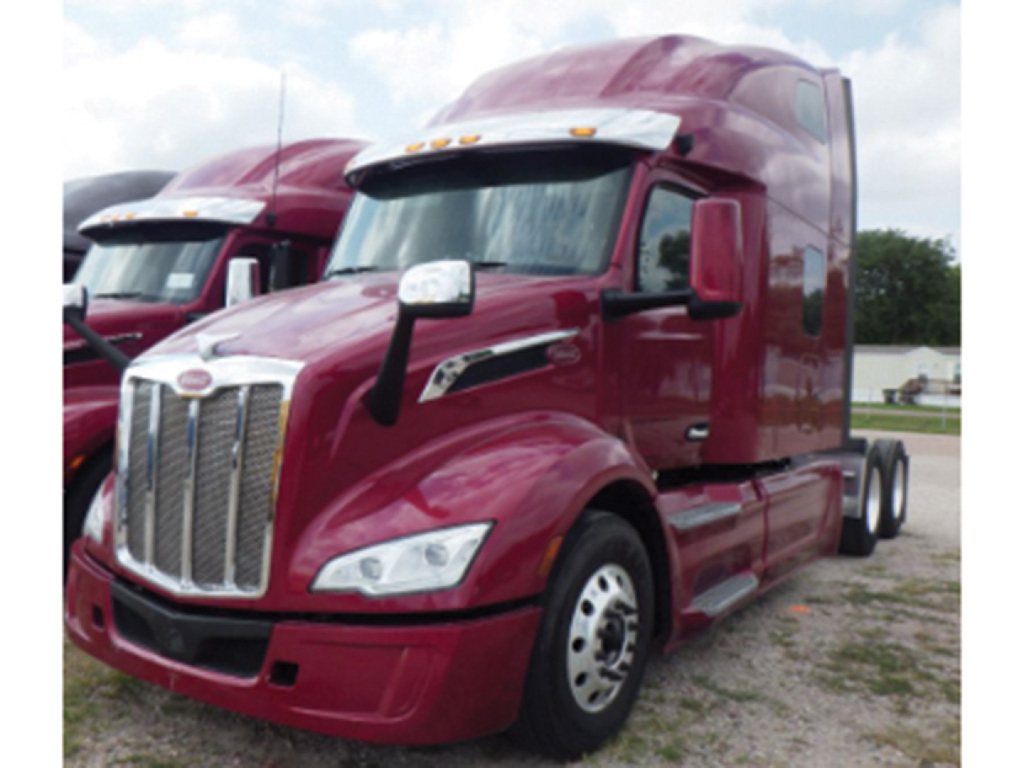
Used trucks for sale including day cabs, sleepers, and vocational units. Compare engines, axles, and transmissions to match payload, routes, and budget.
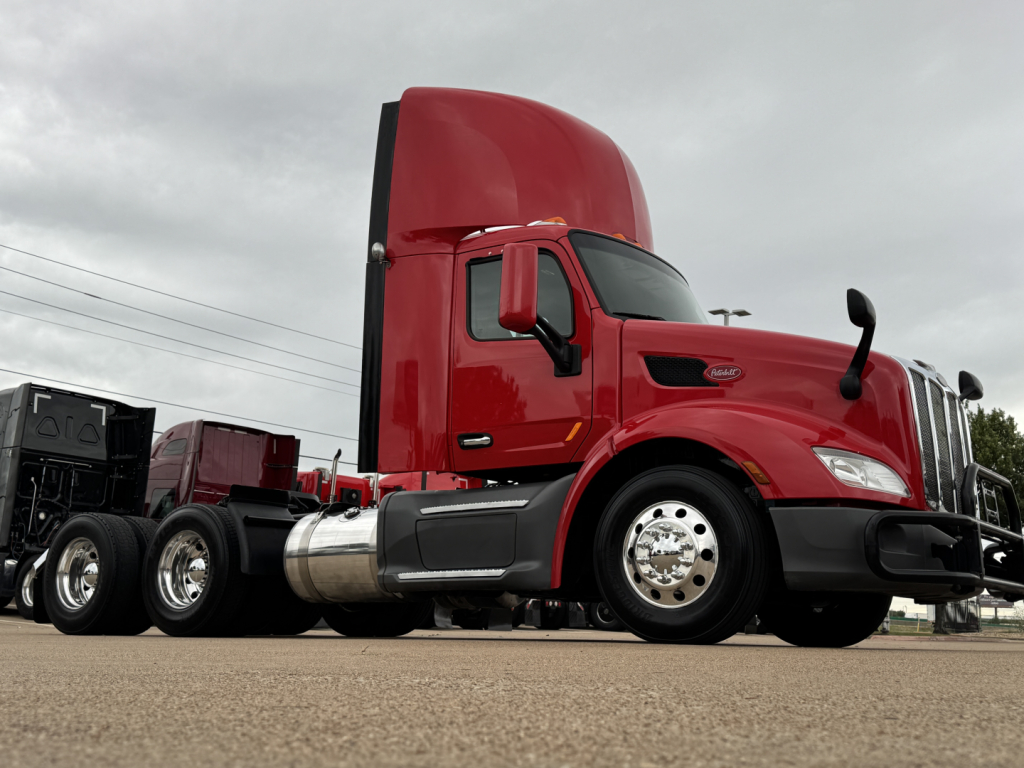
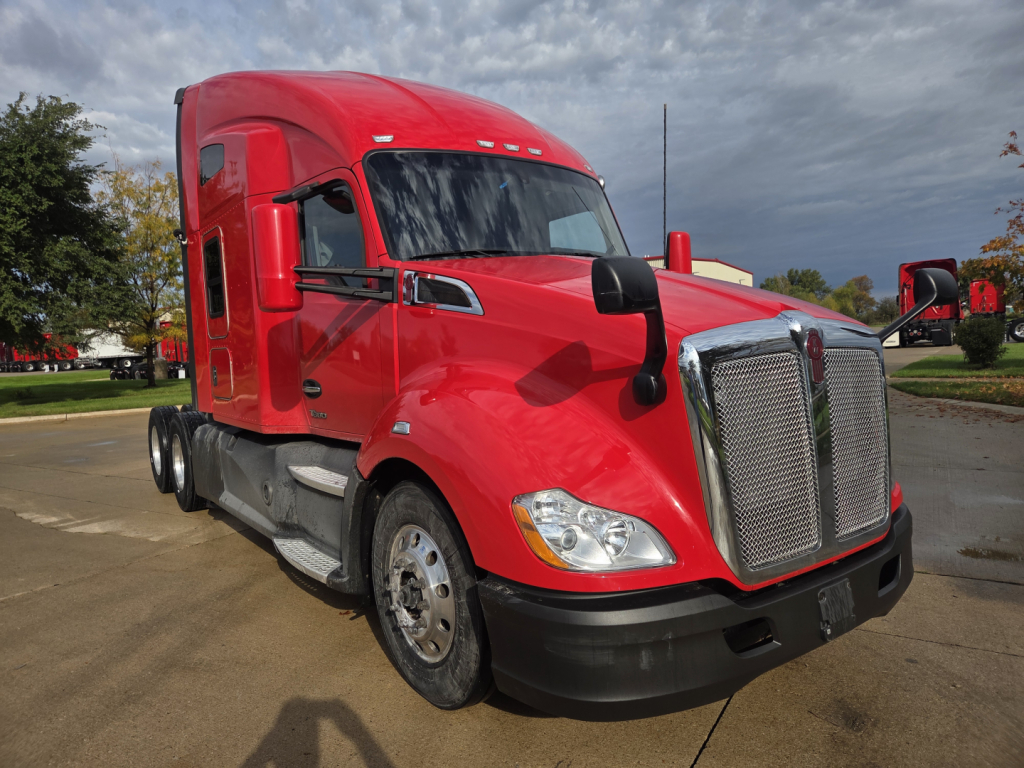
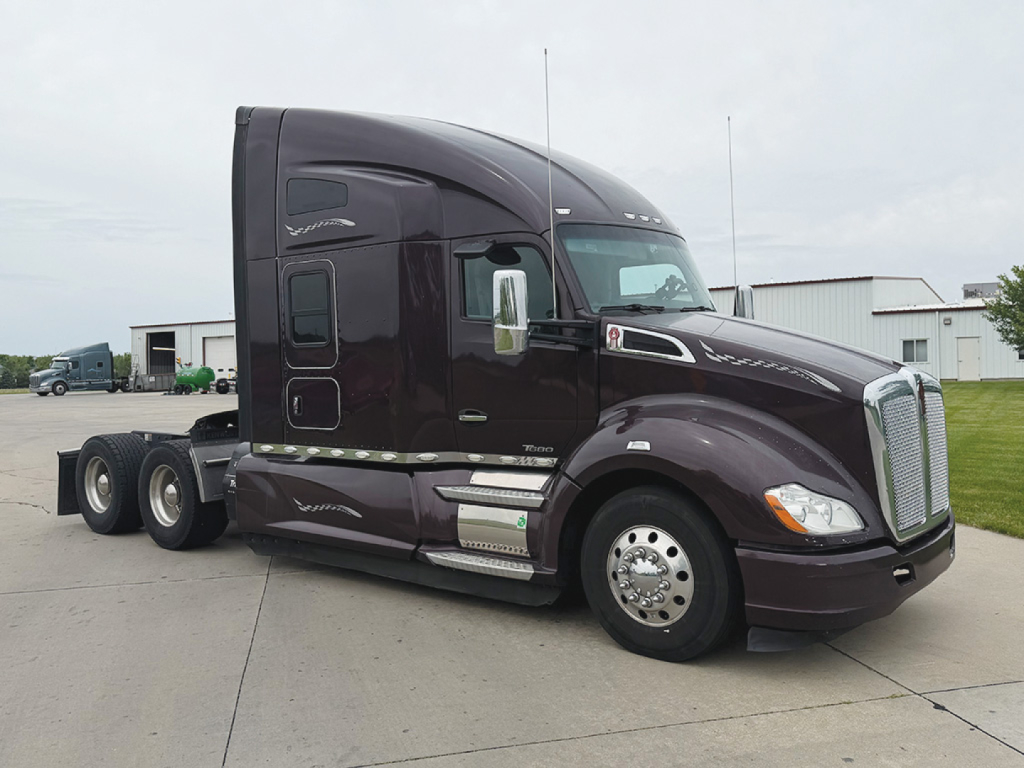
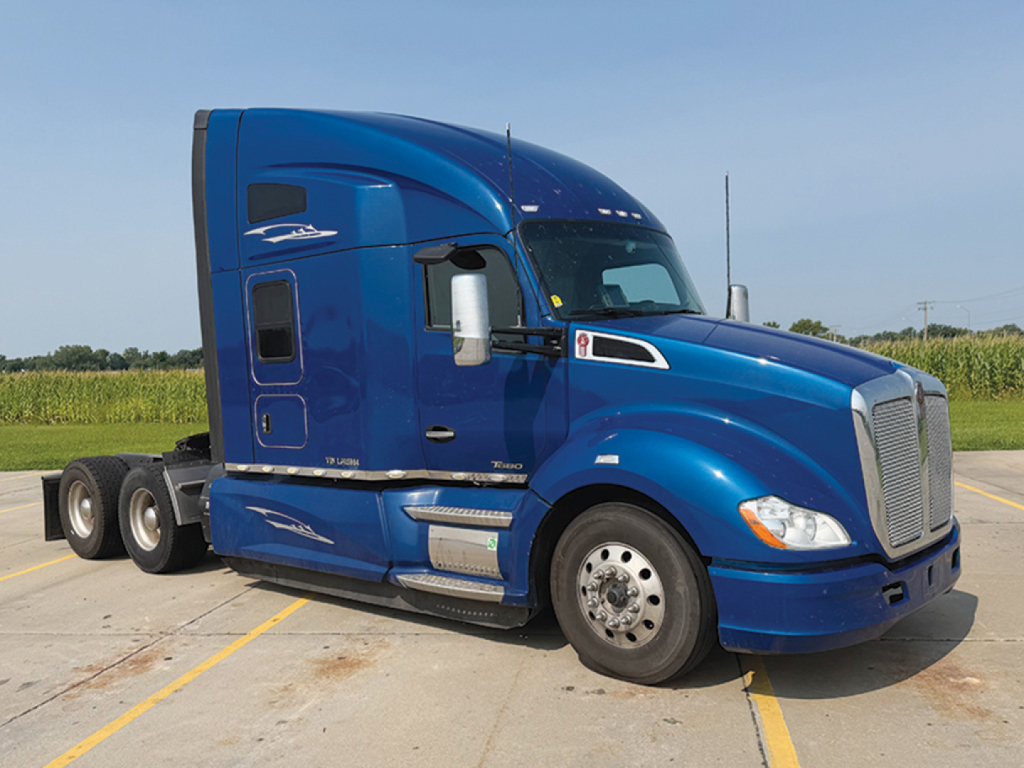
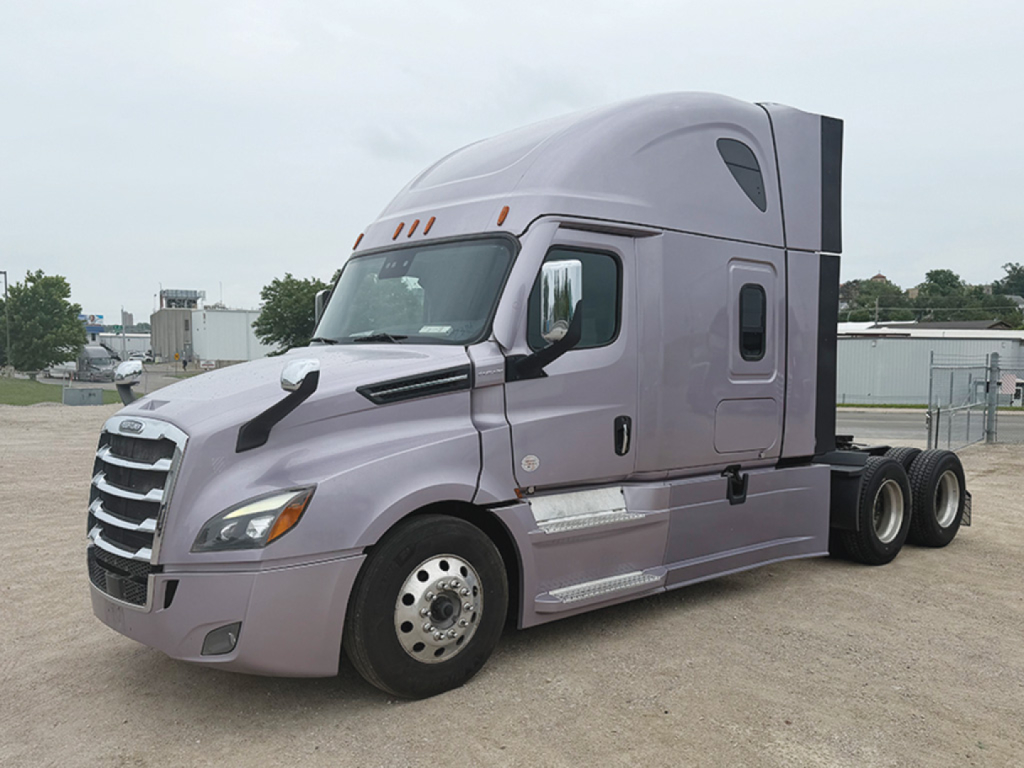
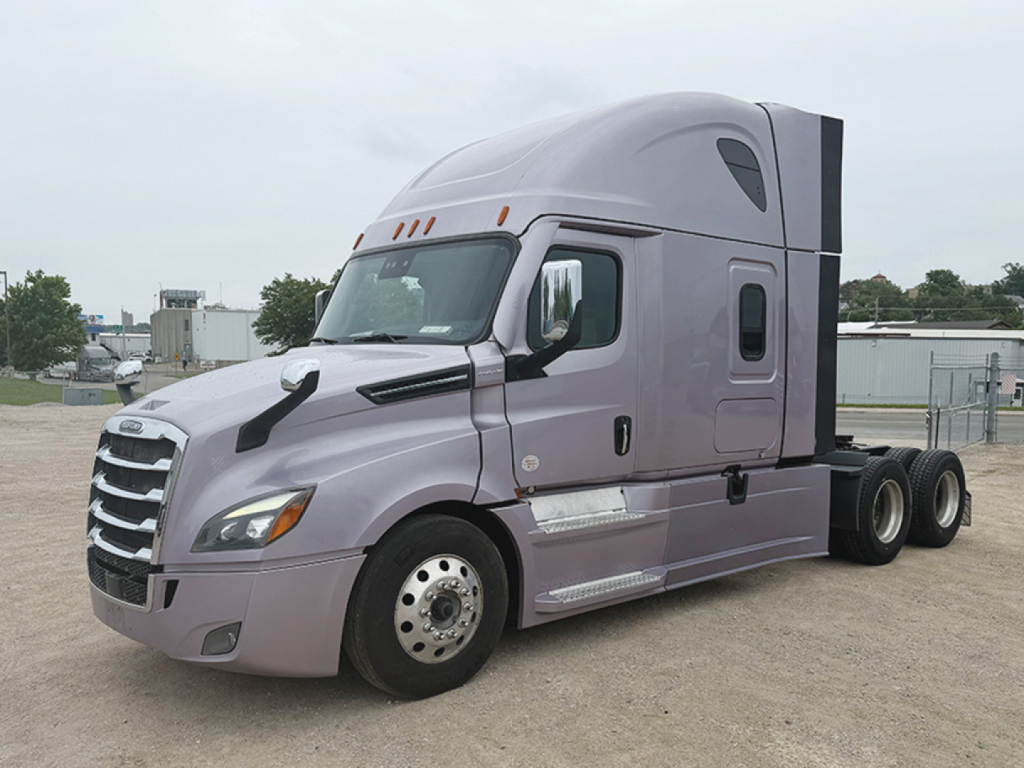
2022 Kenworth T680
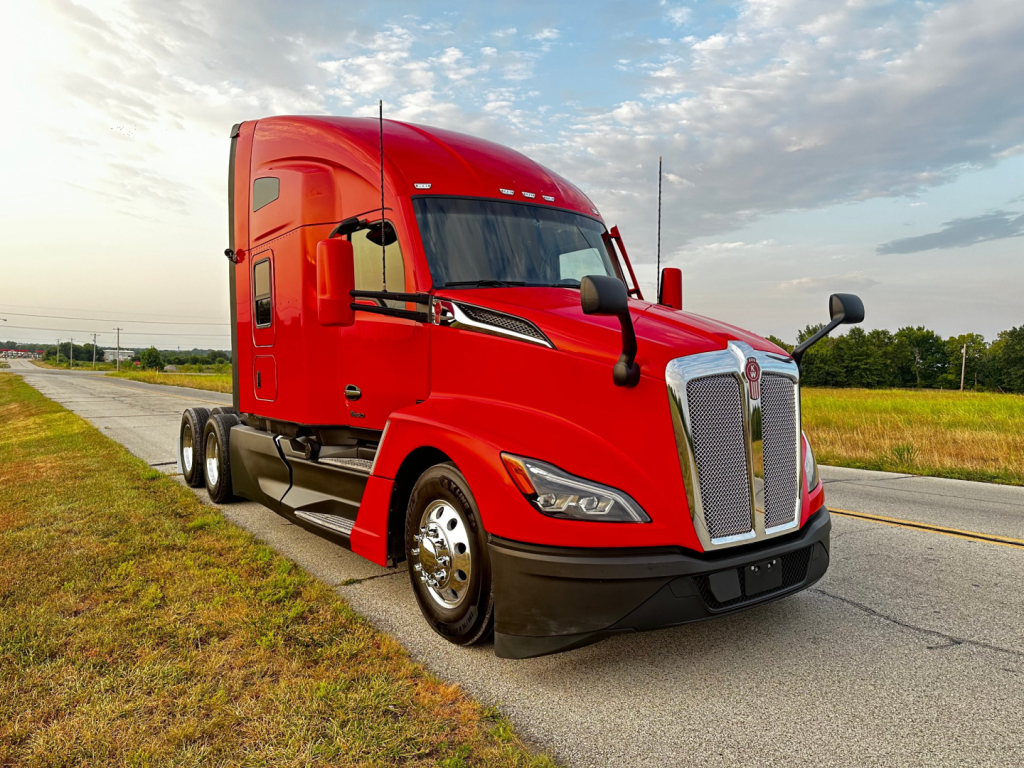
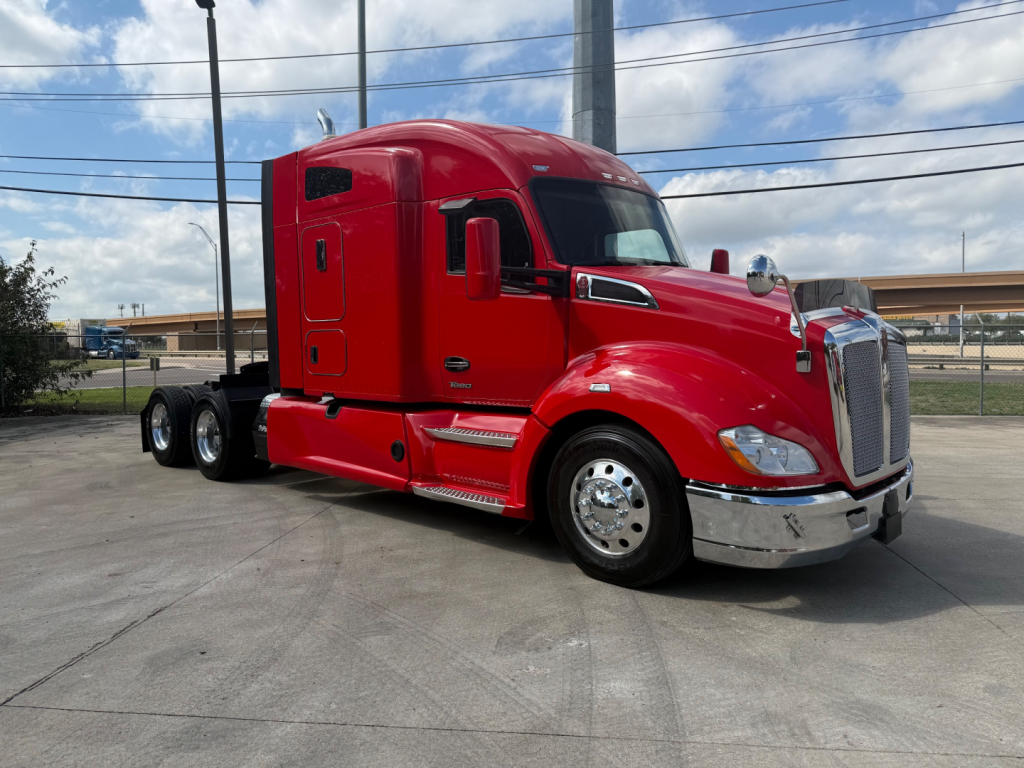
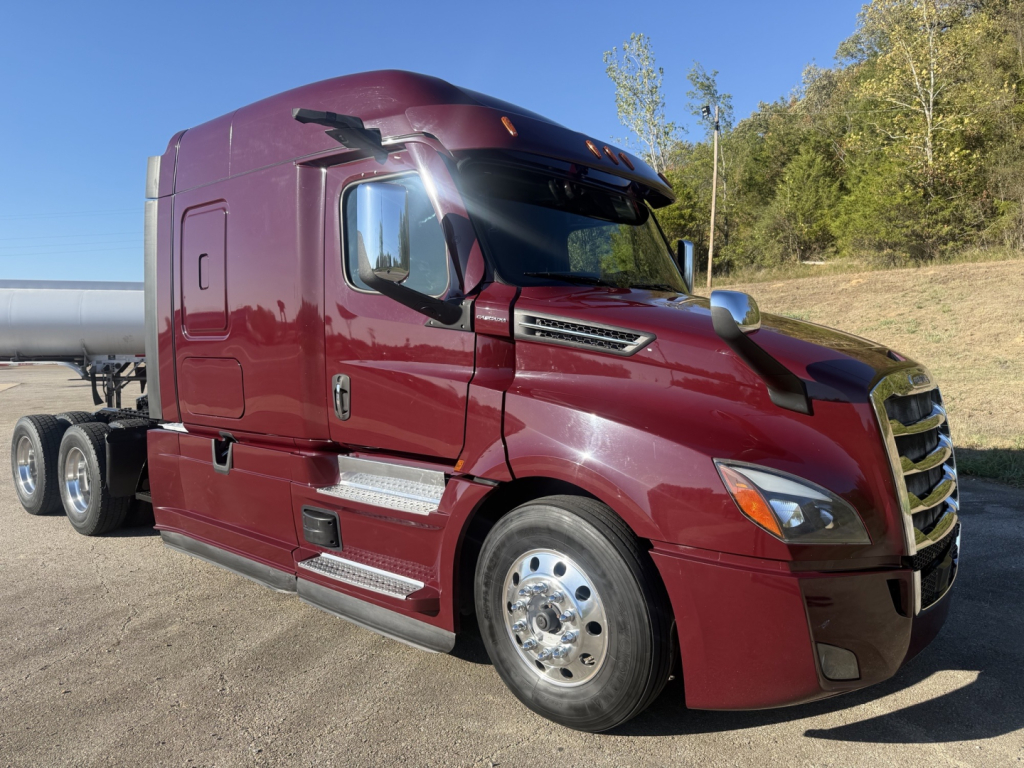
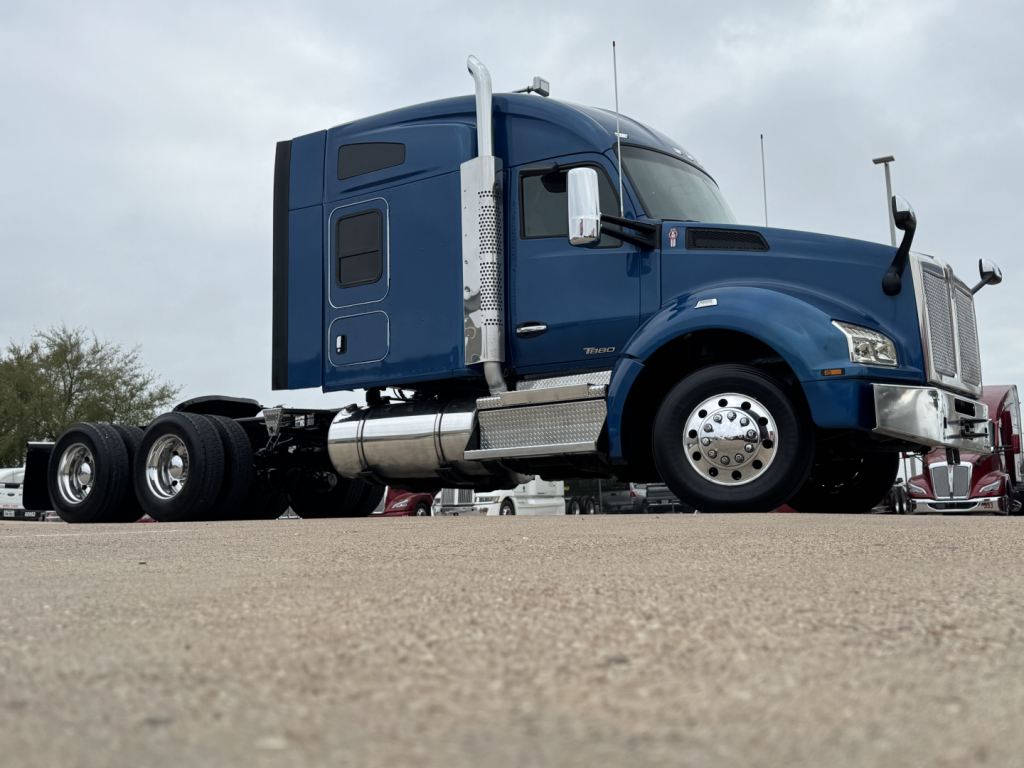
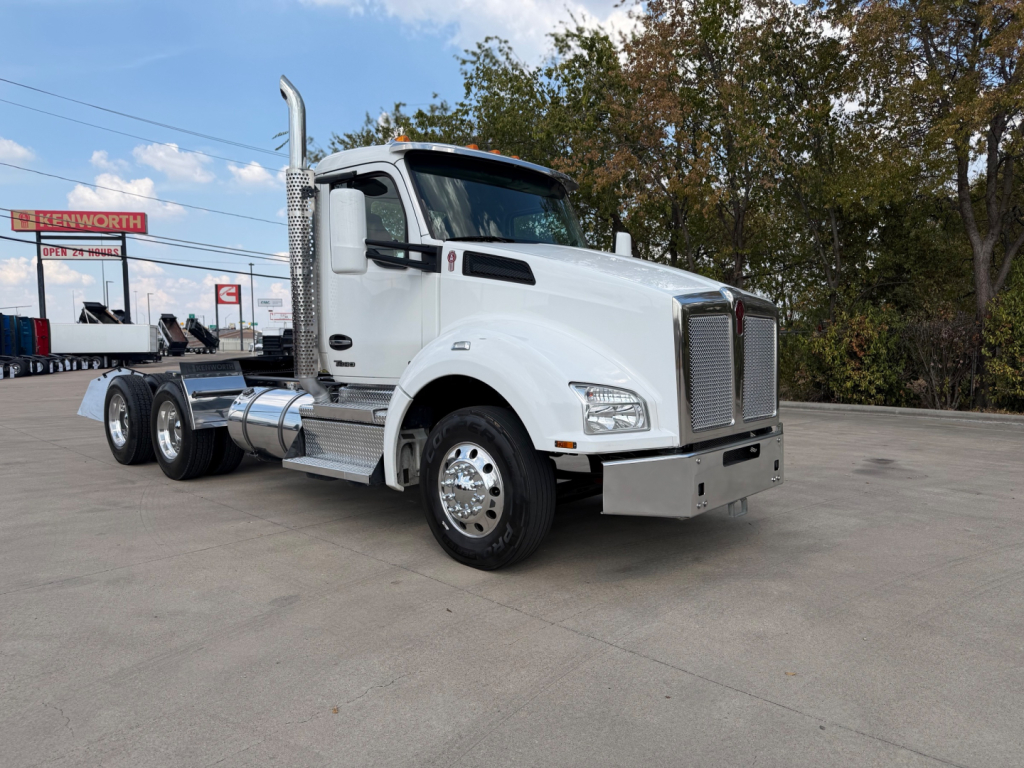
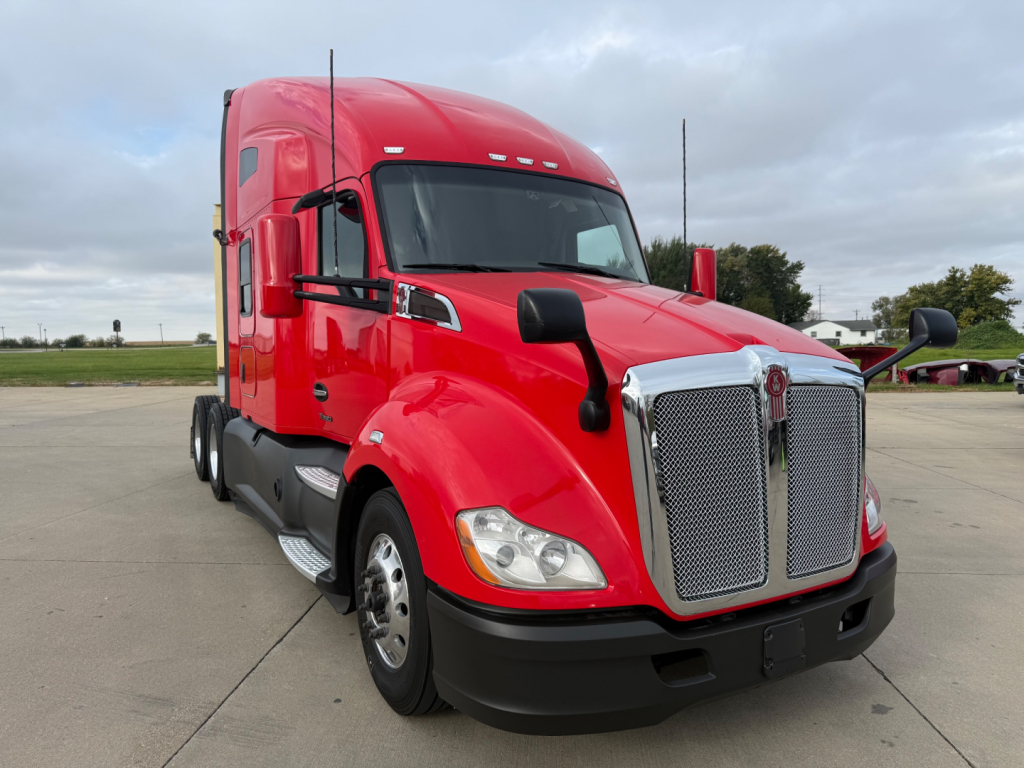
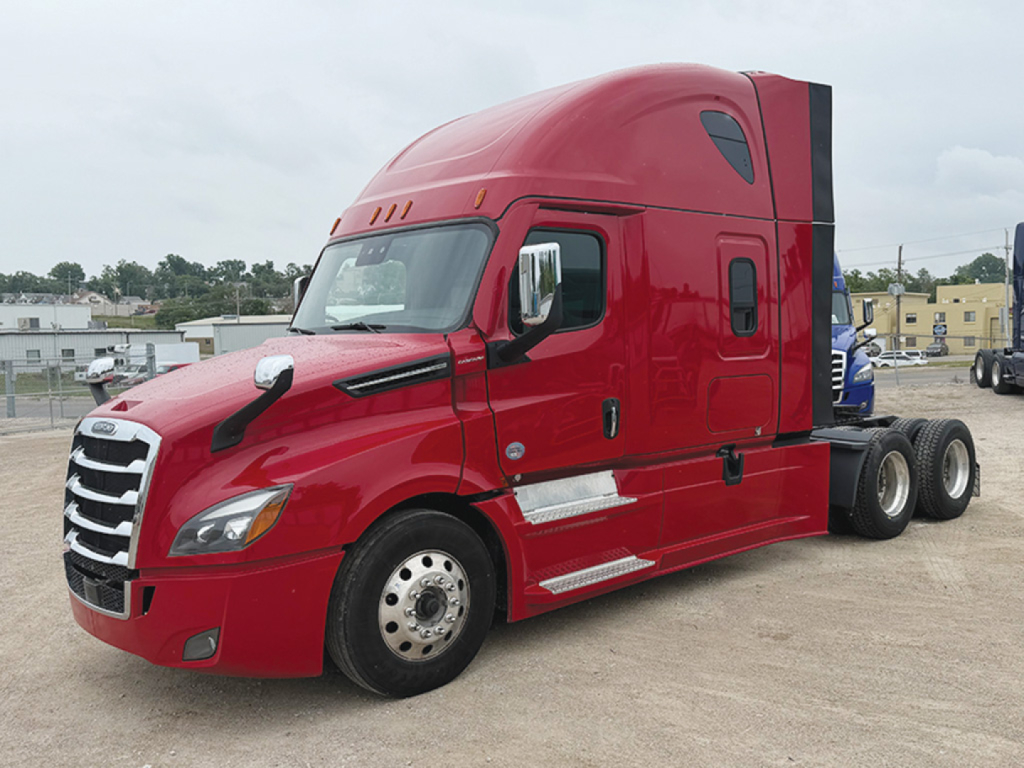
2022 Kenworth T680
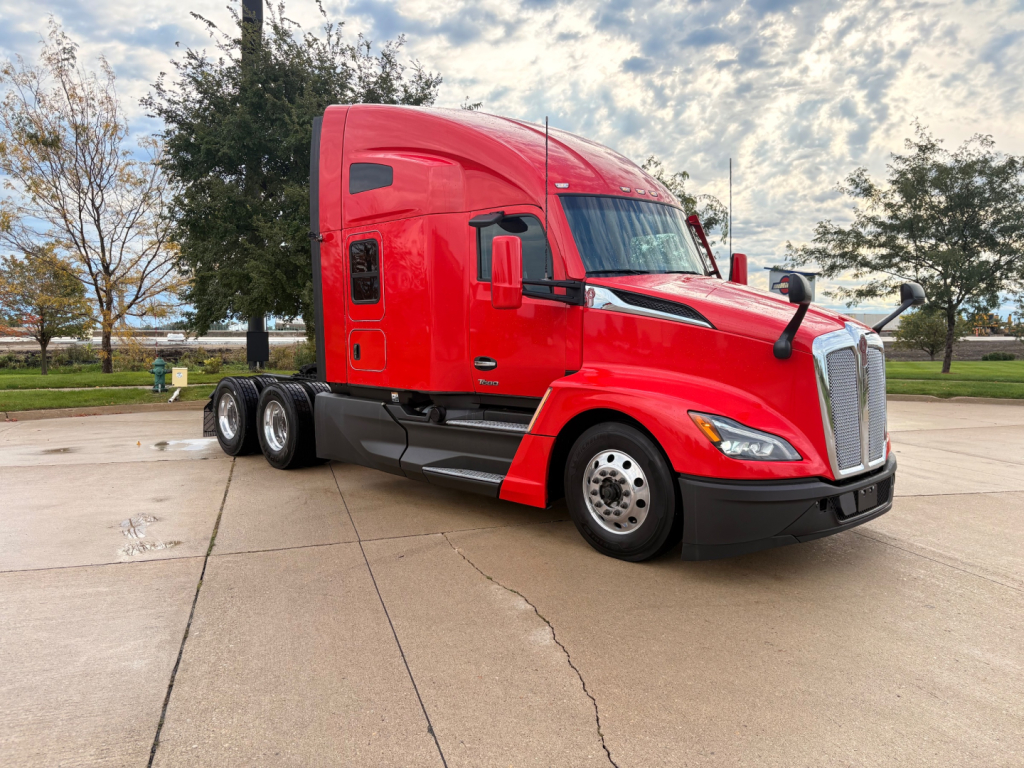
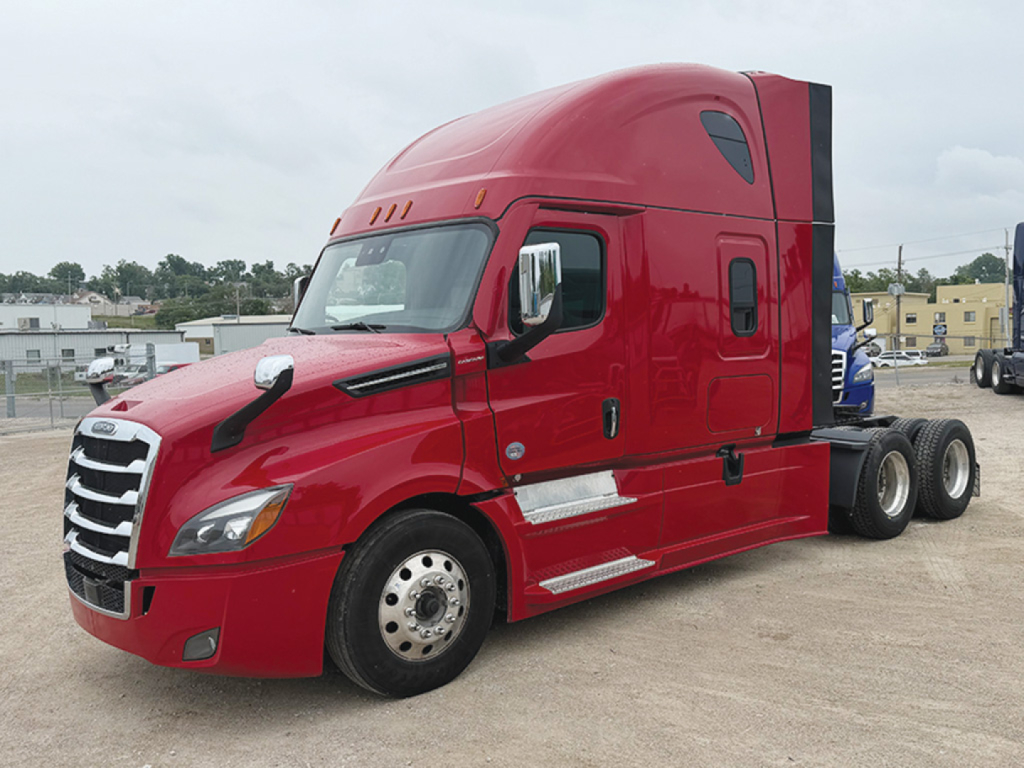
2022 Kenworth T680
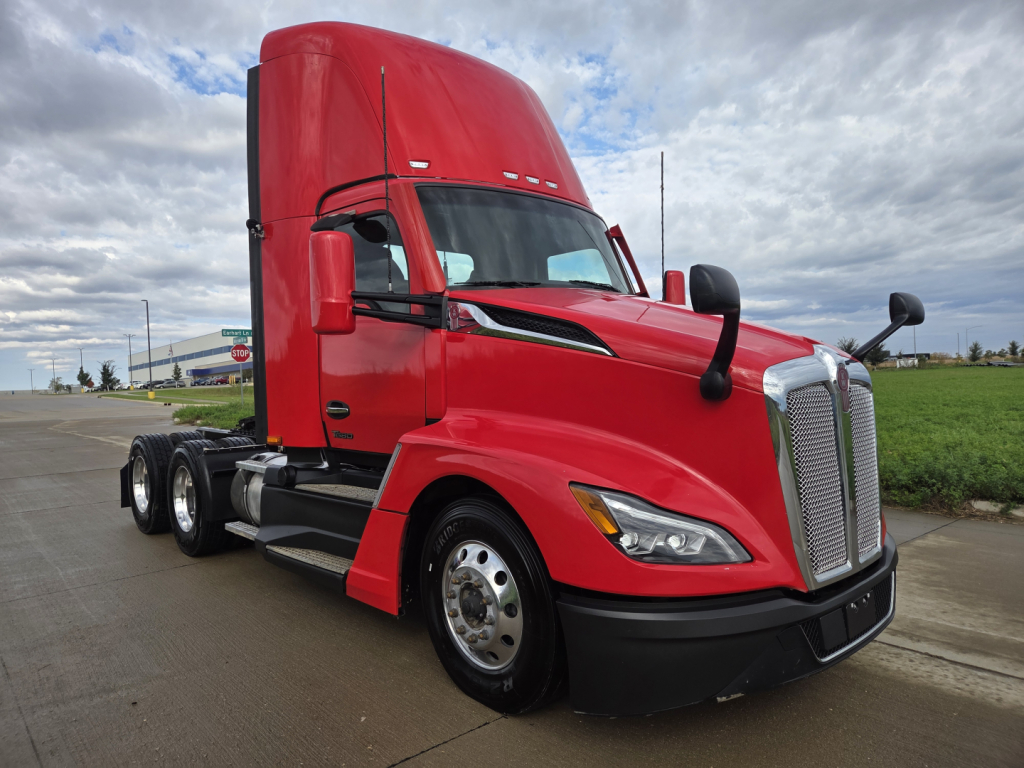
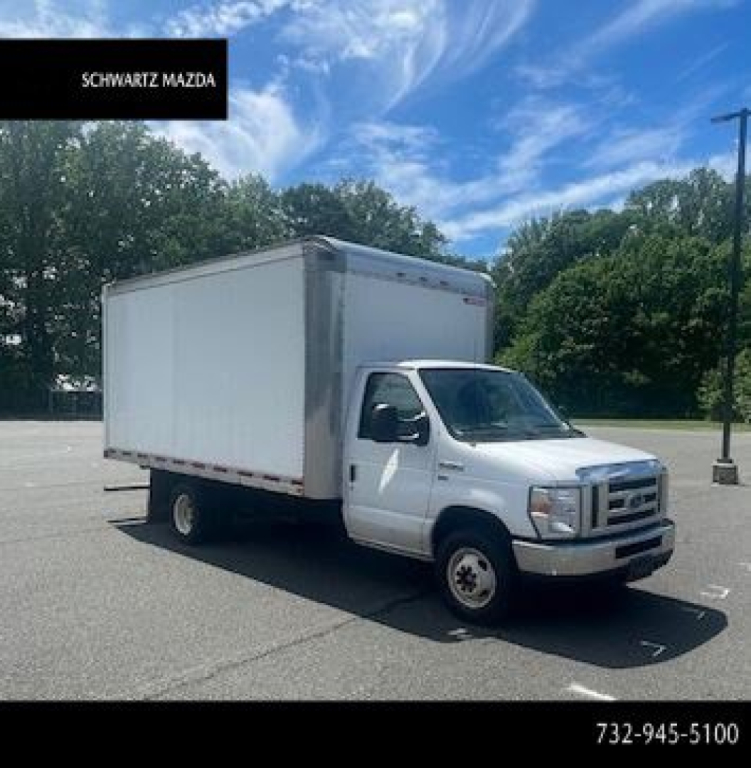
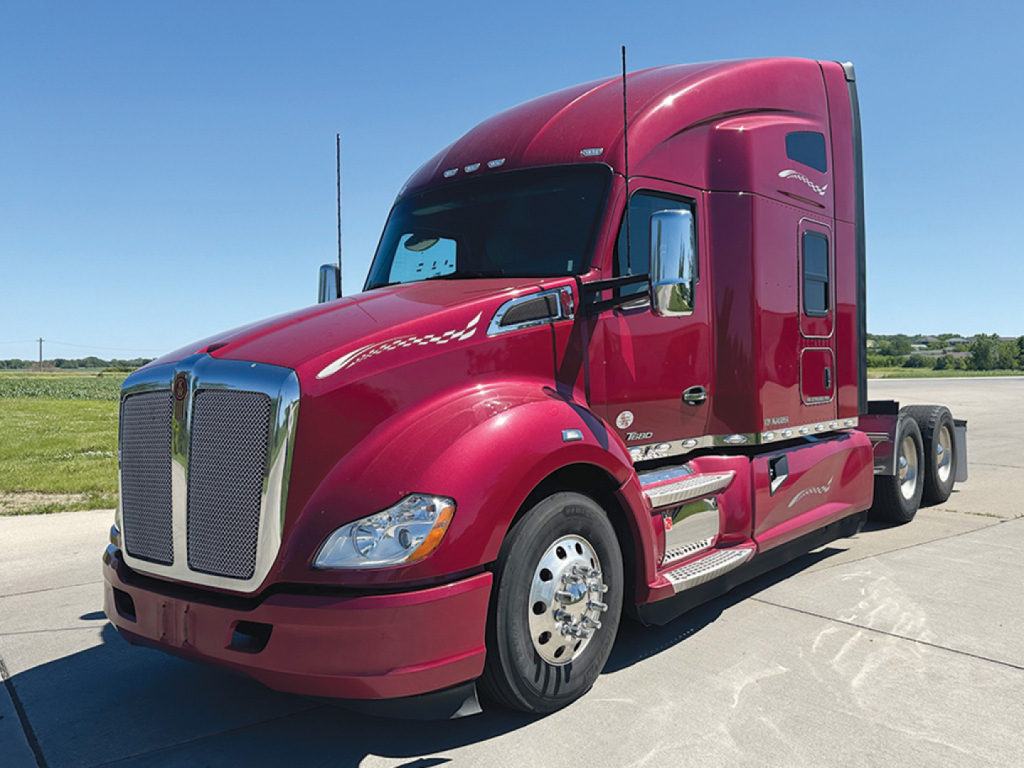
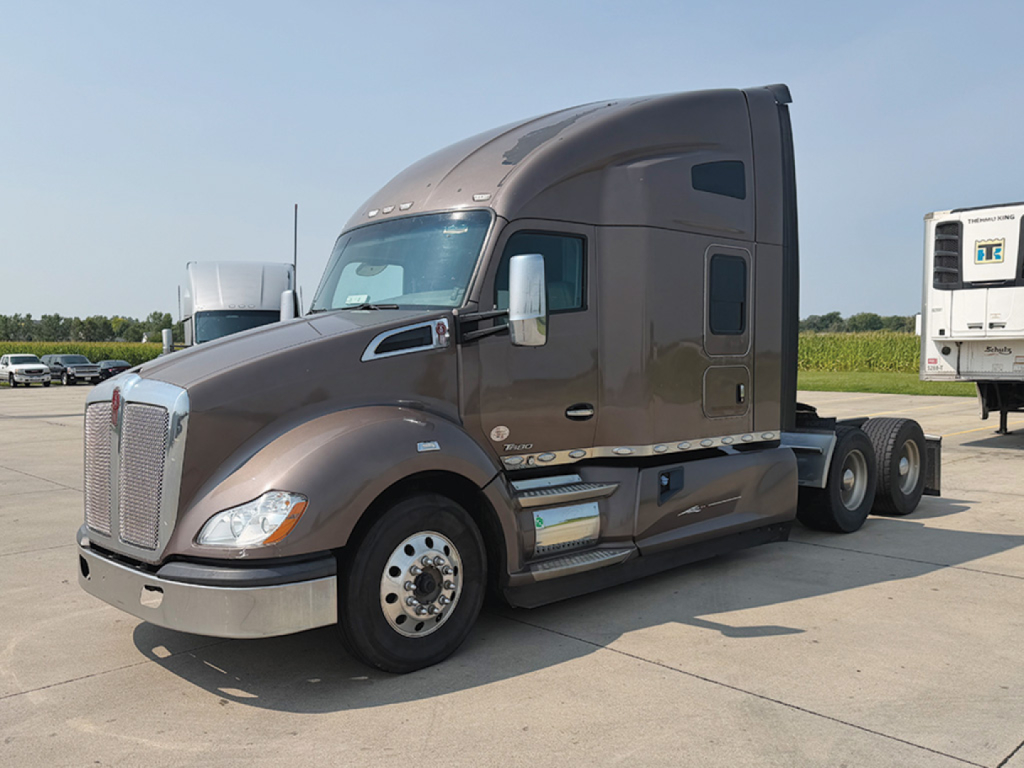
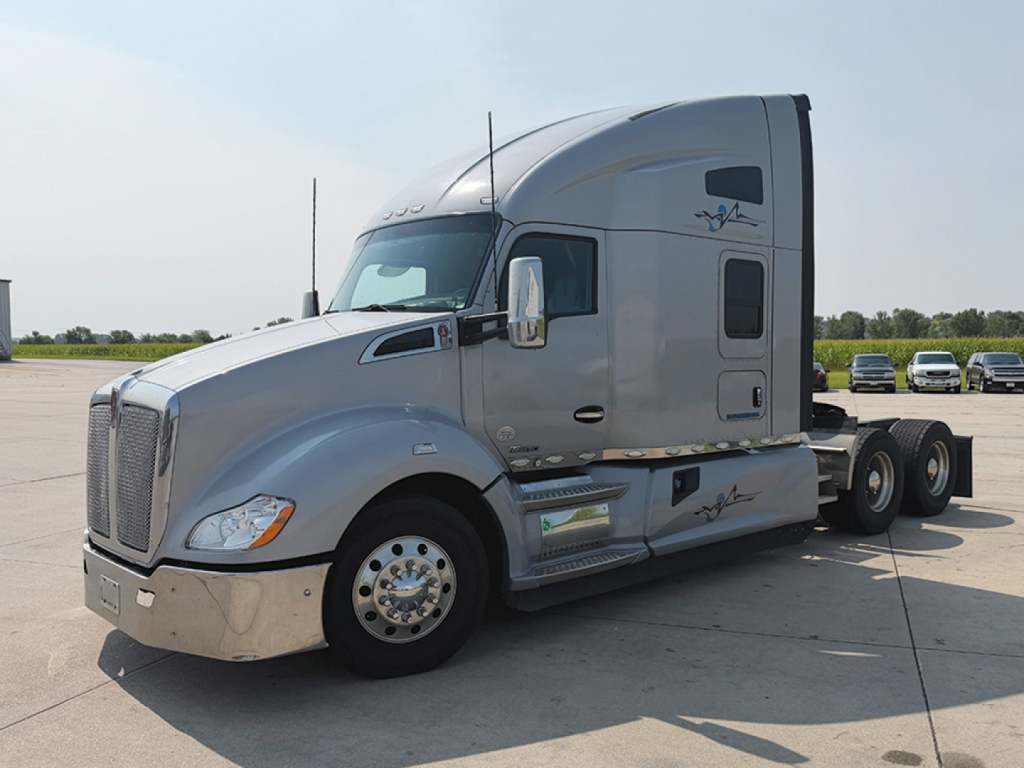
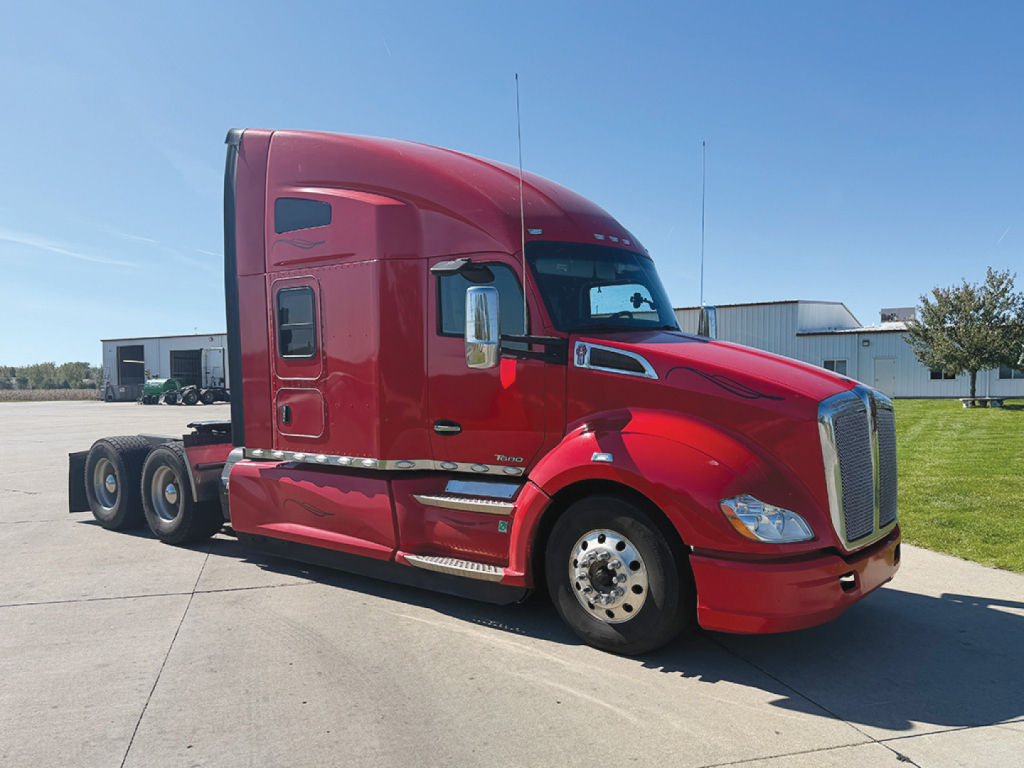
Showing 113 to 140 of 3,303 results
Selling a commercial truck? List your commercial truck for sale and reach thousands of commercial buyers.
Commercial Trucks
Configuration drives productivity. Sleeper trucks range from compact 48 inch bunks to high-roof 72-80 inch units with cabinets and HVAC options for true over-the-road living. Day cabs suit regional haul, port drayage, and local delivery where bridge law length and maneuverability matter. Vocational trucks such as dumps, mixers, roll-offs, and service bodies need reinforced frames, double frames where required, PTO provisions, and often lift axles to stay legal at scale. Straight trucks with dry van or reefer bodies commonly run 24-26 ft boxes; inspect floor rating, scuff liners, door hardware, and liftgate capacity, and on reefers check engine hours and maintenance history.
Fuel economy and safety tech have advanced quickly. Aerodynamic packages with roof fairings, chassis skirts, and cab extenders reduce drag and can save several tenths of an mpg. Predictive cruise, adaptive cruise, collision mitigation, and lane-departure systems reduce fatigue and incidents. Air disc brakes shorten stops and ease maintenance compared to drums. Tire pressure monitoring or automatic inflation improves tread life and fuel burn. For driver comfort and idle reduction, look for battery HVAC or diesel APUs, inverters, bunk heaters, and factory idle management. Cold-weather specs like block heaters and heated fuel lines matter in northern lanes.
Used truck evaluation should combine data and a hands-on inspection. Pull an ECM download for true miles, idle percentage, fault history, regen counts, and average fuel burn. Review maintenance records, then oil sample the engine, transmission, and differentials. Inspect aftertreatment health including DPF ash load, DOC condition, DEF pump and doser operation, and NOx sensors. Check suspension bushings, shocks, steering components, and air system leaks. Verify fifth wheel condition and height relative to your trailer fleet, and confirm PTOs function on vocational units. Tires, brake lining thickness, frame integrity, and body corrosion are telltales of prior use and environment. Regional compliance can influence value, such as California preferences for 2010 and newer emissions engines and certain local weight and noise standards.
Frequently Asked Questions about Commercial Trucks
How do I choose the right engine size and torque for my operation?
Match engine displacement and torque to gross combination weight and terrain. A 13L with 1550-1750 lb-ft suits most linehaul and regional freight up to typical GCWRs, delivering lighter weight and good fuel economy. A 15L with 1750-2050 lb-ft is common for mountainous routes, heavier commodities, or multi-axle combinations where sustained gradeability matters. Evaluate average payload, percent time on grades, and target cruise rpm to select the right rating.
Which transmission is best: manual, automated manual, or automatic?
Automated manuals have become the standard for linehaul and regional work because they pair well with downsped engines and reduce driver fatigue while optimizing shift strategy for fuel savings. Traditional manuals offer simplicity and control in severe service but can increase driver workload and variability. Torque-converter automatics shine in stop-start and off-road duty, delivering smooth launches with PTO-friendly operation, at the cost of added weight and sometimes higher initial price.
How many miles are too many on a used Class 8 truck?
Mileage alone is not definitive. Many highway tractors are engineered for a 1 million mile life with one or more component overhauls. A well-maintained unit at 500k-700k miles can be mid-life, while neglected trucks at far lower miles can be problematic. Consider engine hours and idle percentage, service documentation, recent major repairs, oil analysis results, aftertreatment status, and driveline wear to assess remaining life and true cost.
What should I check on emissions systems before buying?
Confirm there are no active or pending fault codes and review regen frequency. Inspect DPF ash load and DOC condition, verify DEF quality, and check operation of the doser, DEF pump, and NOx sensors. A successful forced regen with stable temperatures is a good sign. Look for exhaust leaks, wiring damage, and signs of repeated derates. Strong records of periodic cleaning and sensor replacement reduce risk and downtime.
Can this truck operate in California and other strict regions?
Most on-road diesel trucks need 2010-or-newer emissions engines to meet current California rules, with additional requirements for certain fleets and applications. Verify engine family compliance labels, OBD compatibility, and any idle-reduction equipment. If you run straight trucks with reefers, Trailer Refrigeration Units must meet CARB TRU standards based on model year. Always match axle configurations and wheelbase to local bridge and axle weight laws to avoid fines and routing limits.