
2024 Commercial Trucks For Sale
2024 trucks for sale with fuel-saving drivetrains, ADAS, and warranty options across sleeper, day cab, box and dump specs. Compare key features.
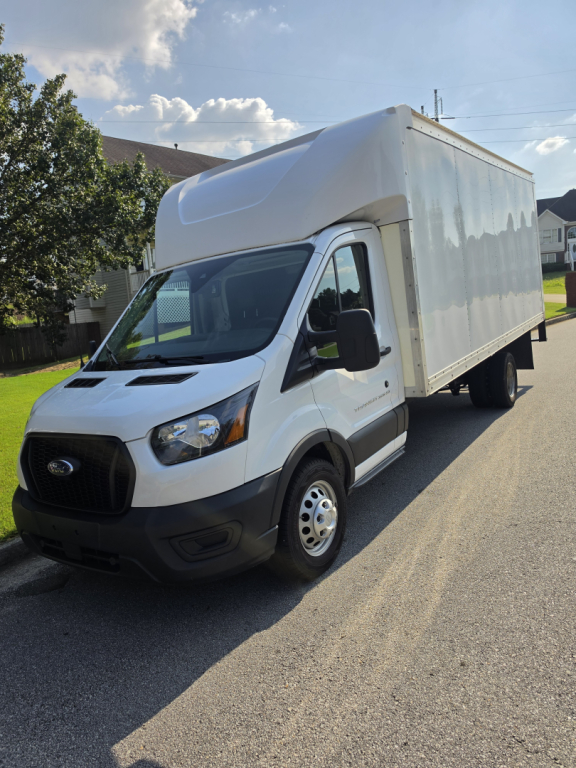
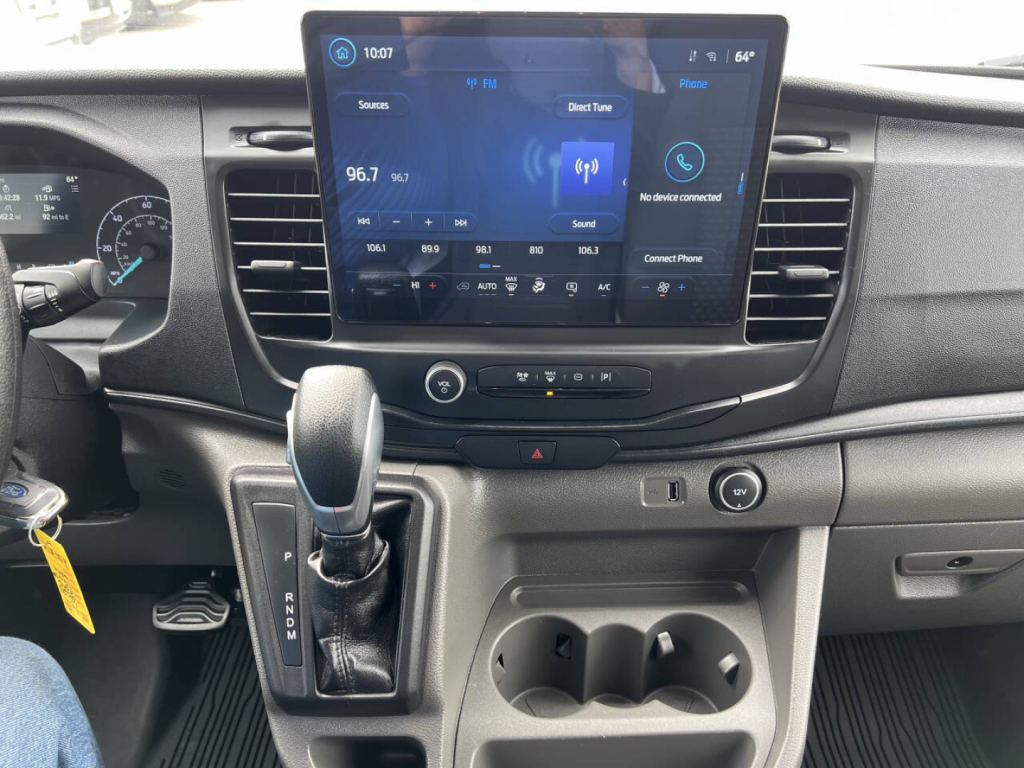
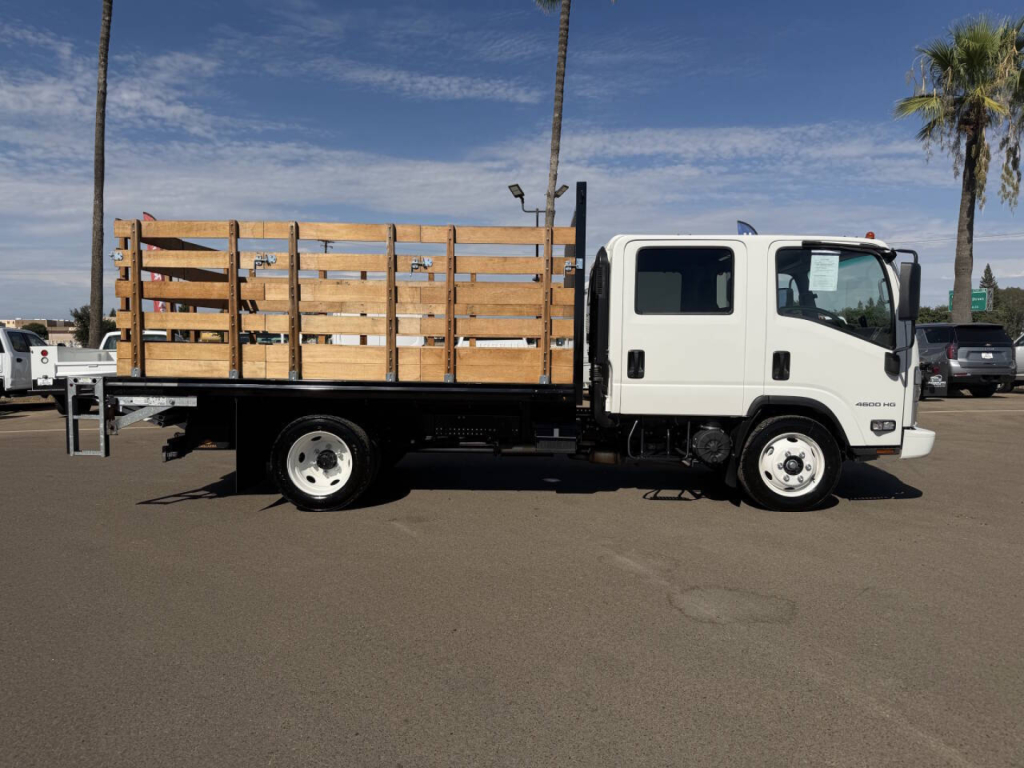
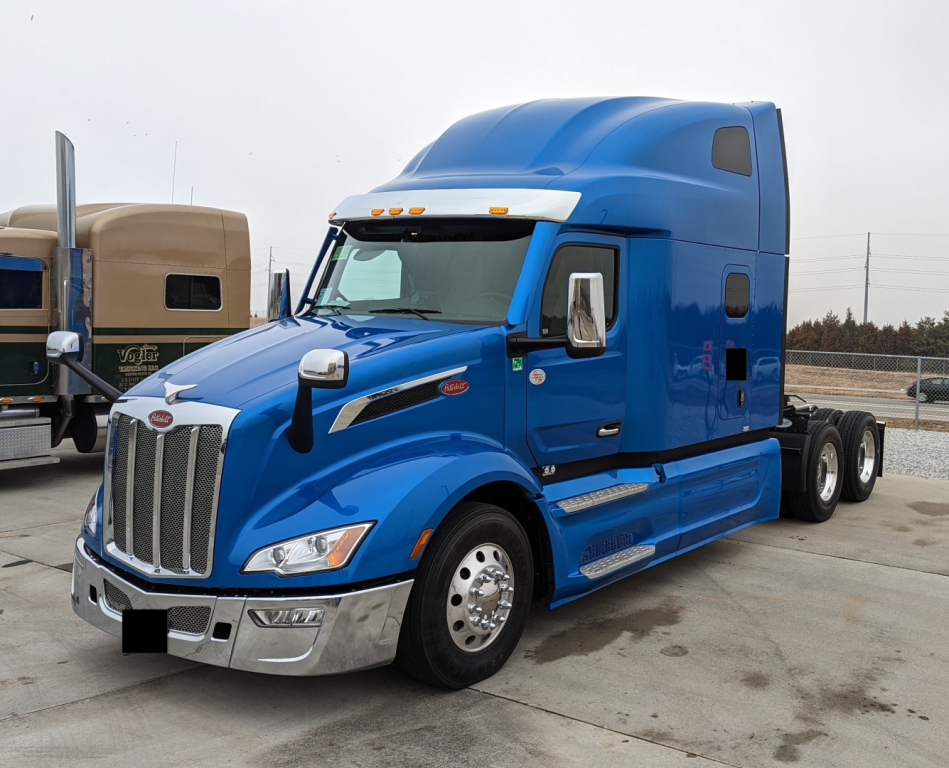
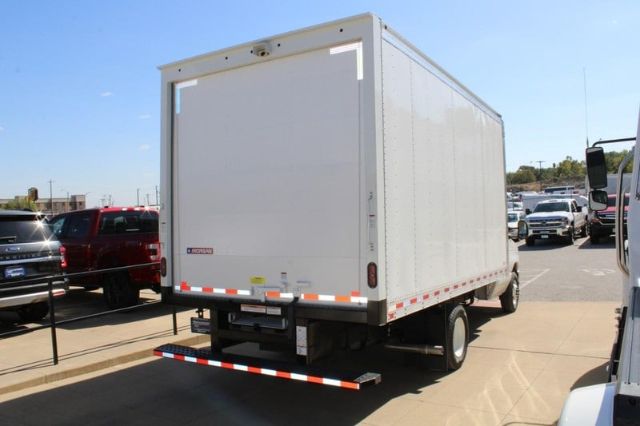
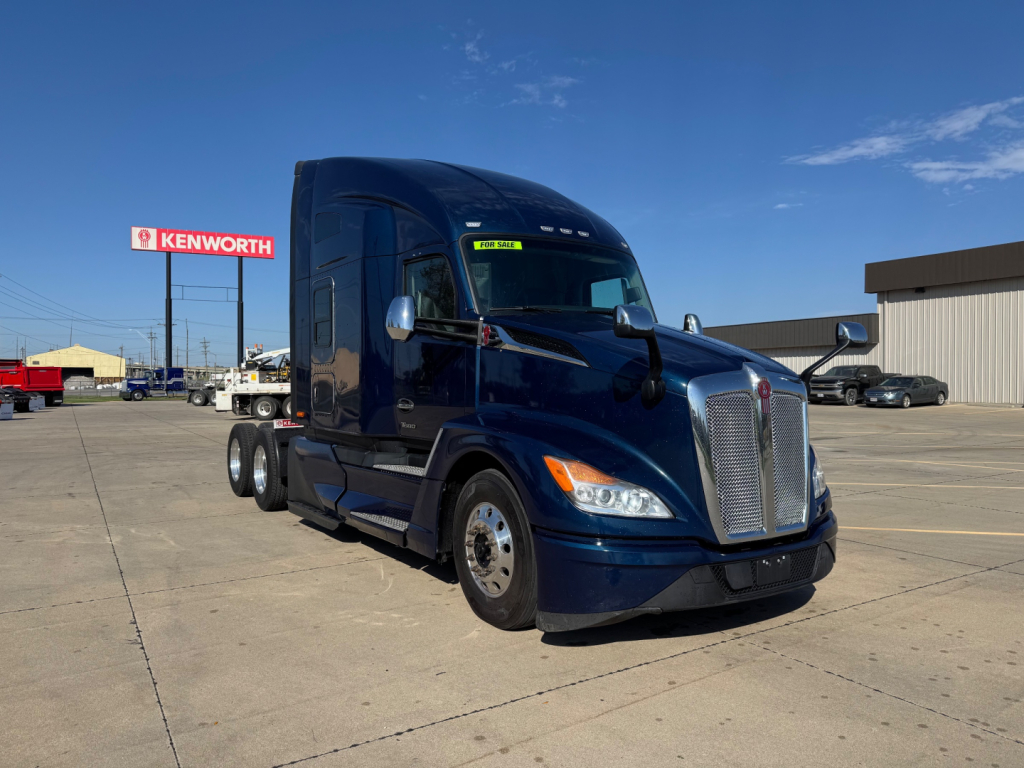
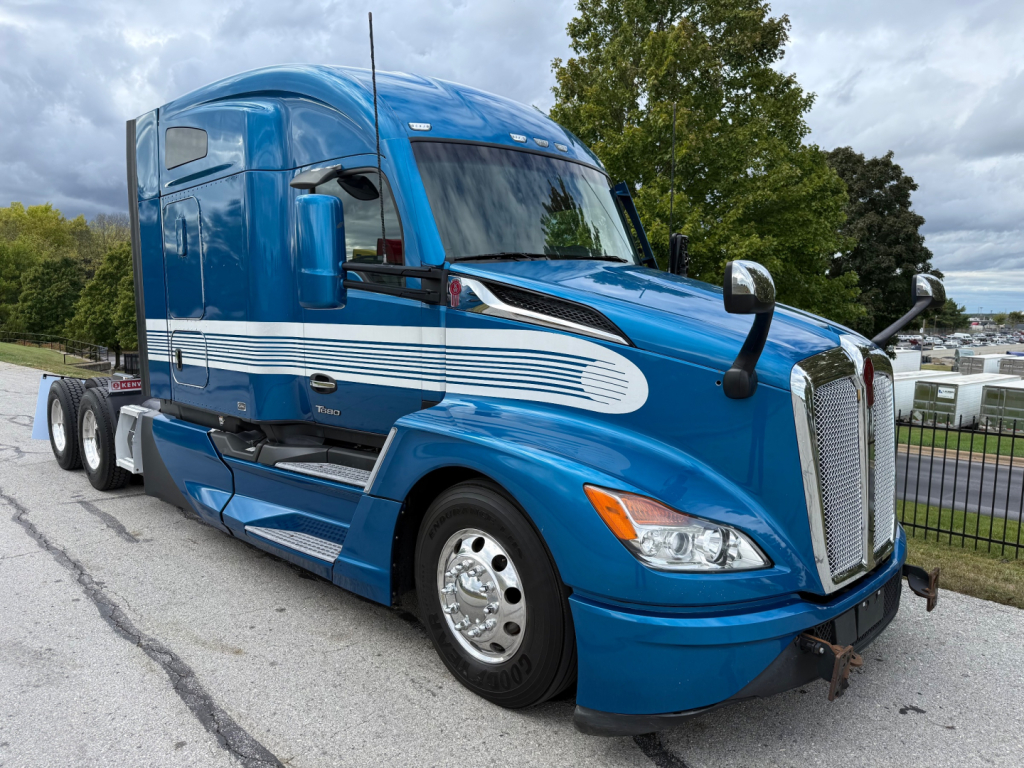
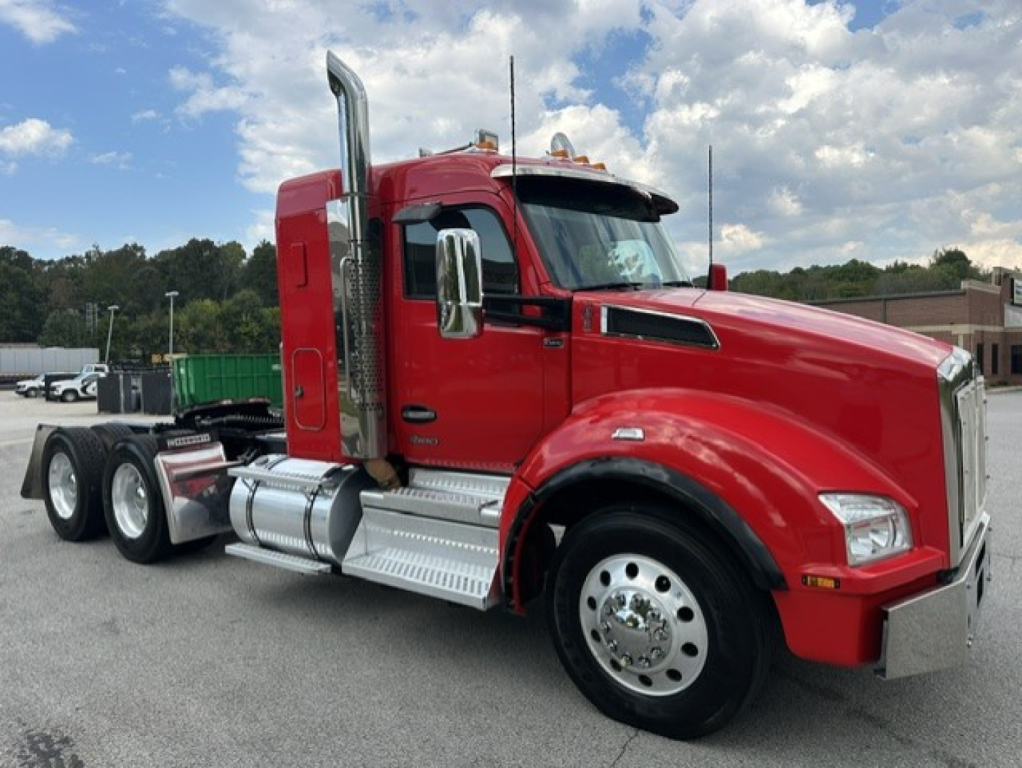
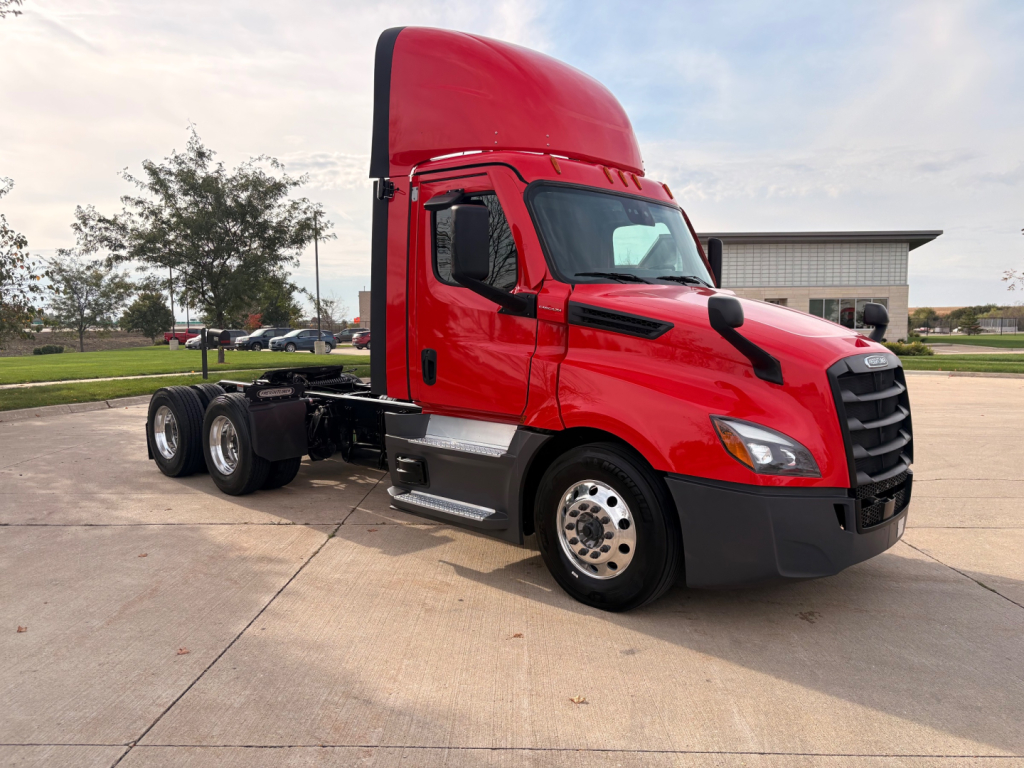
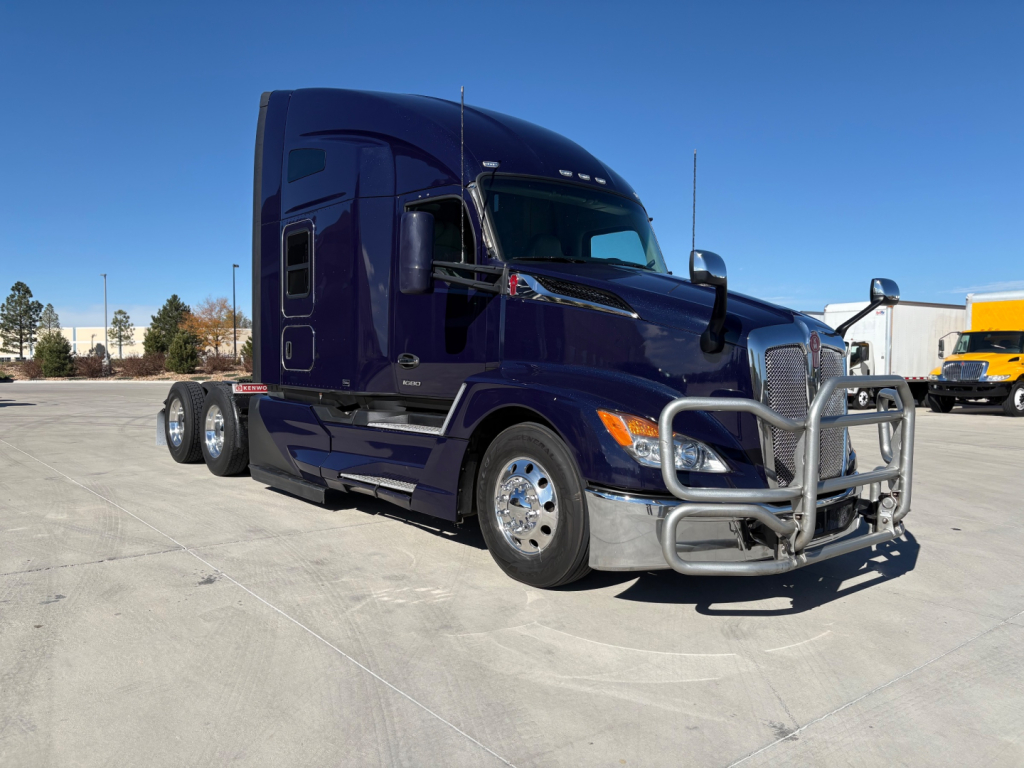
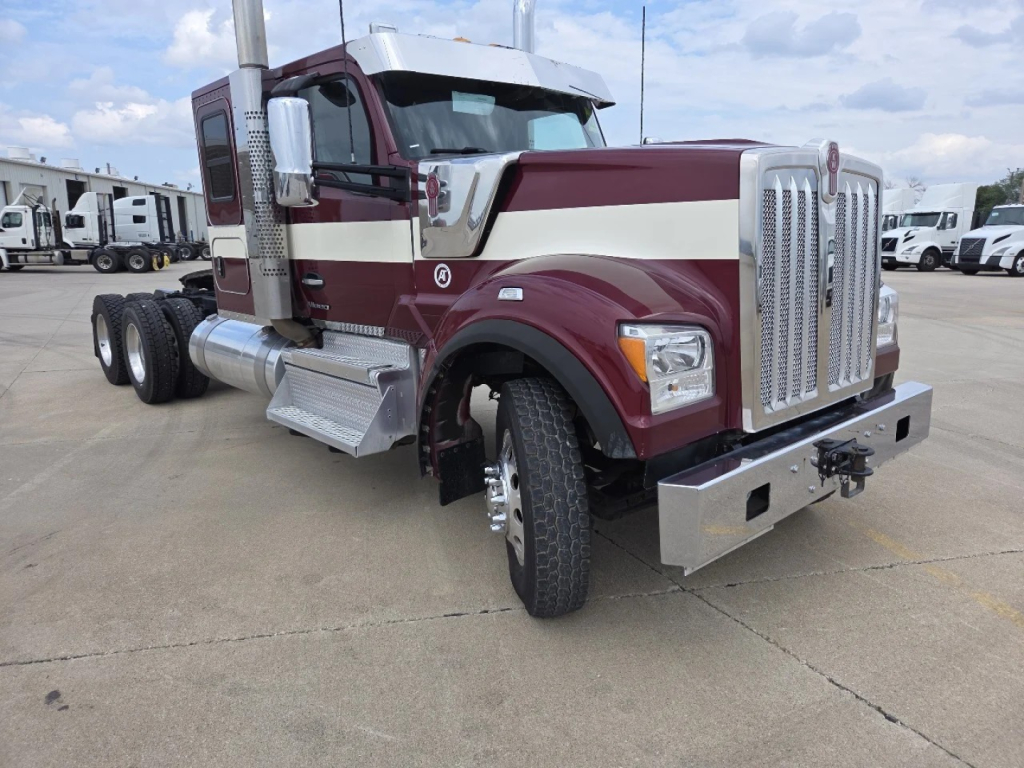
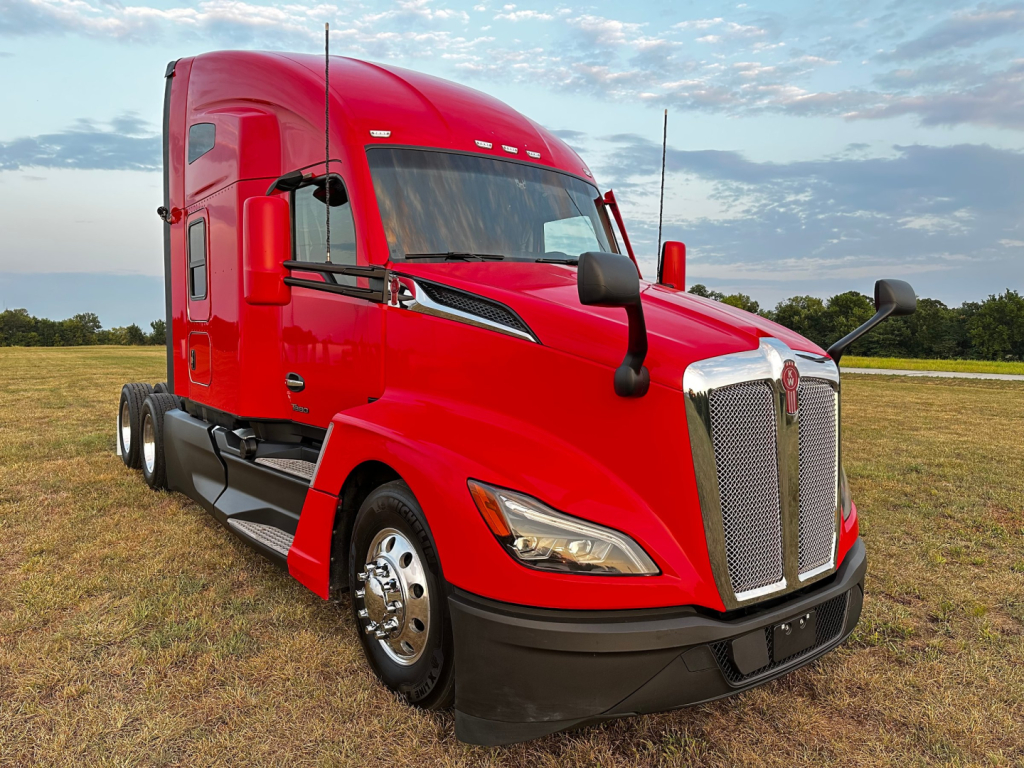
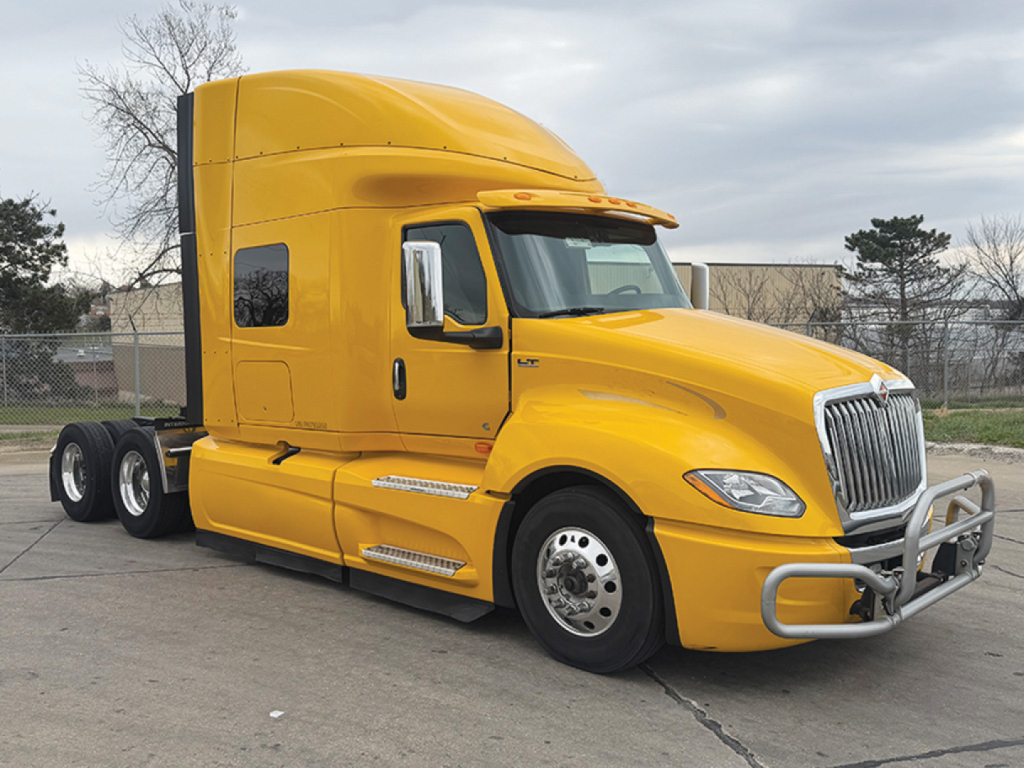
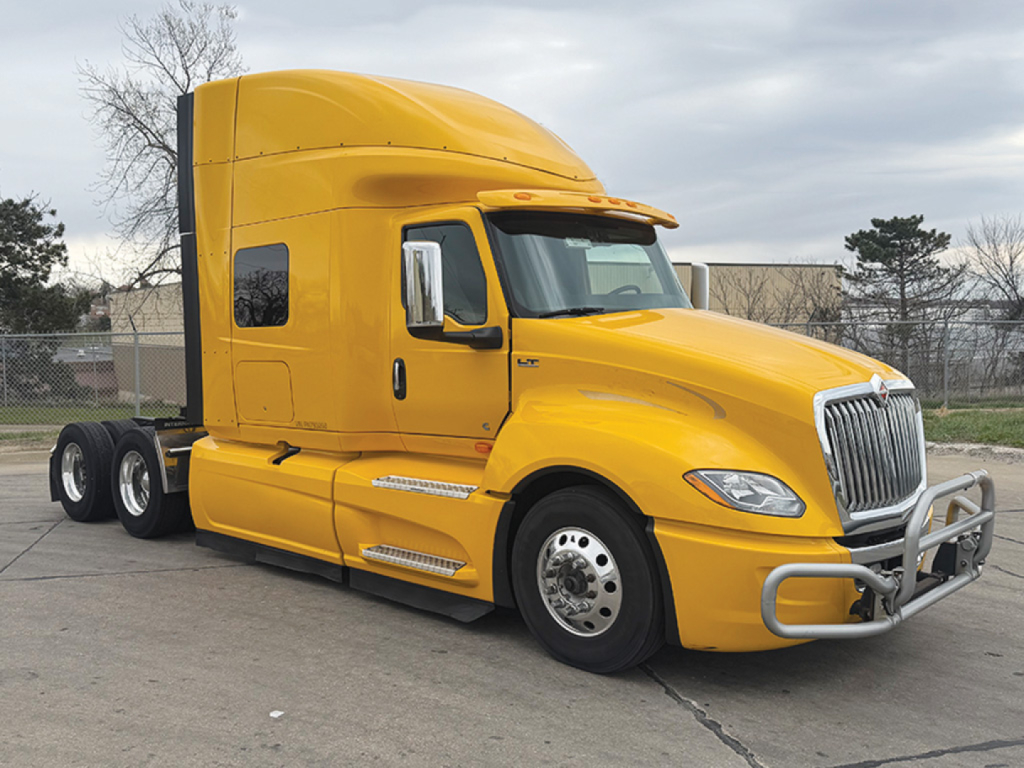
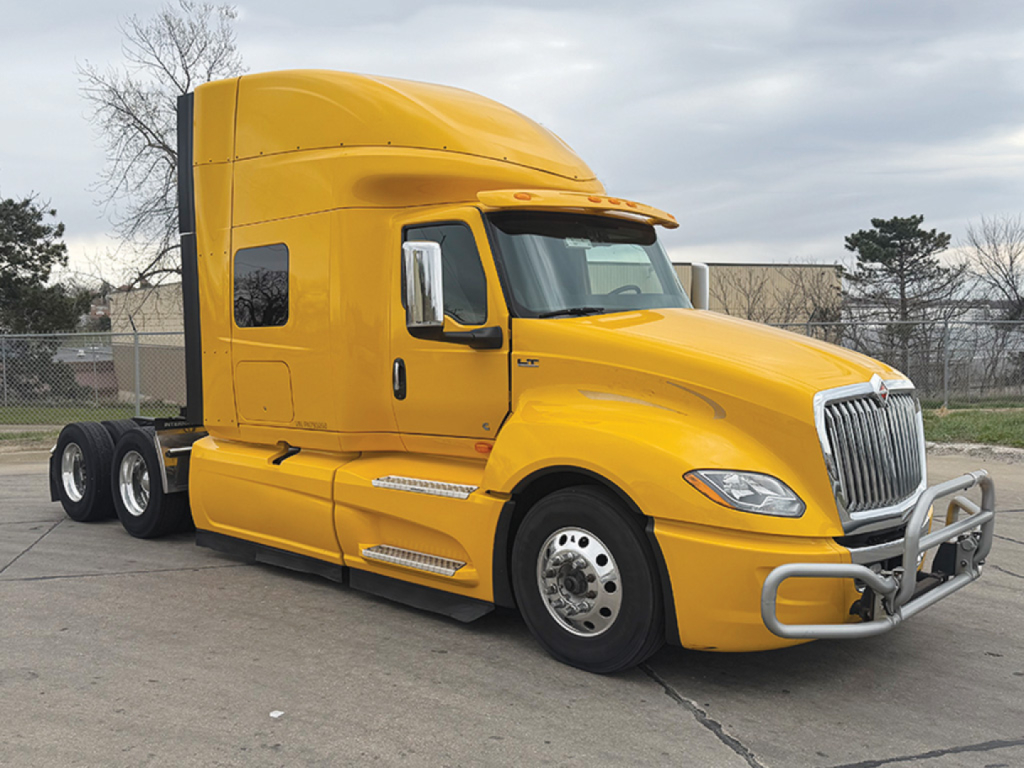
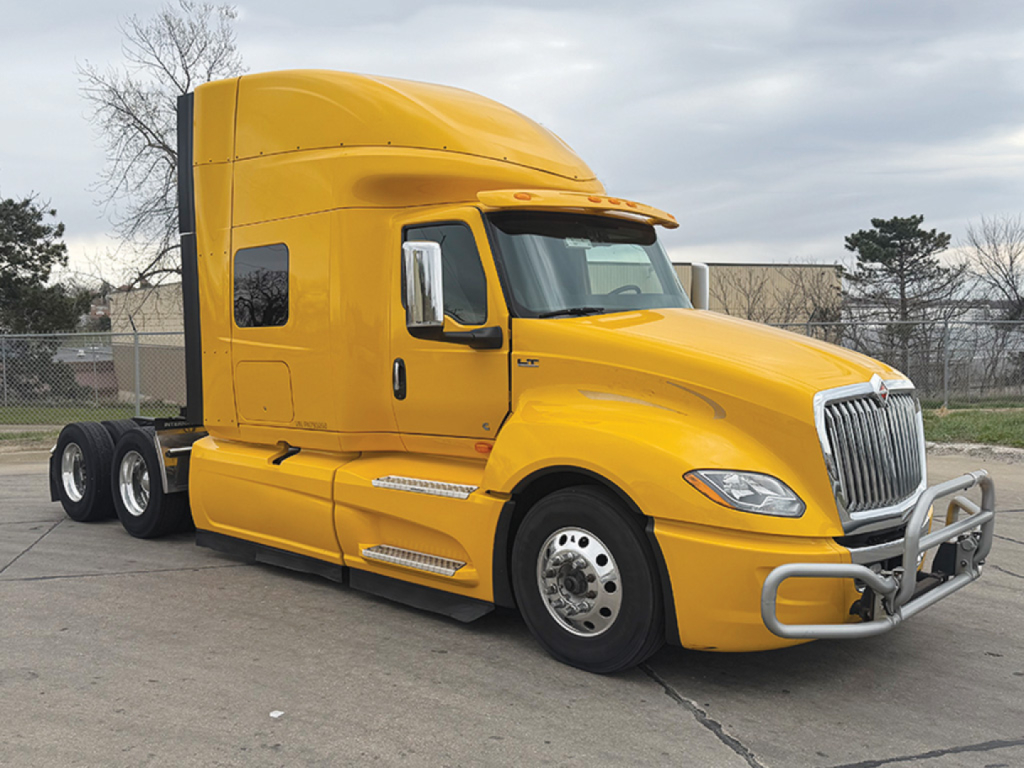
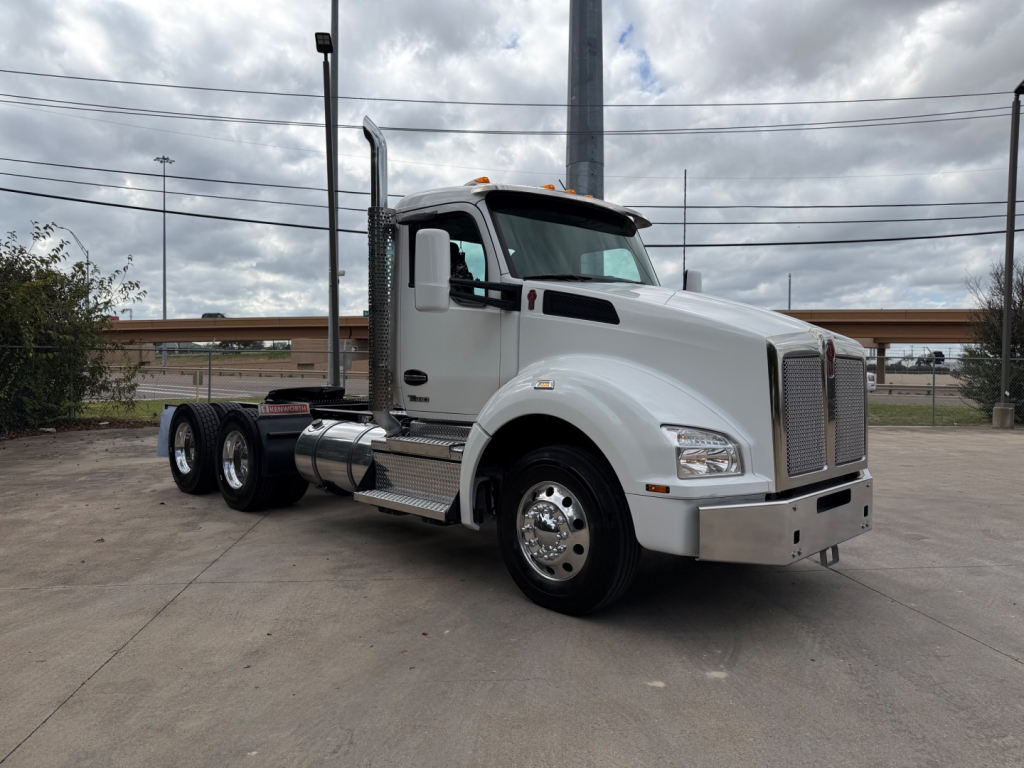
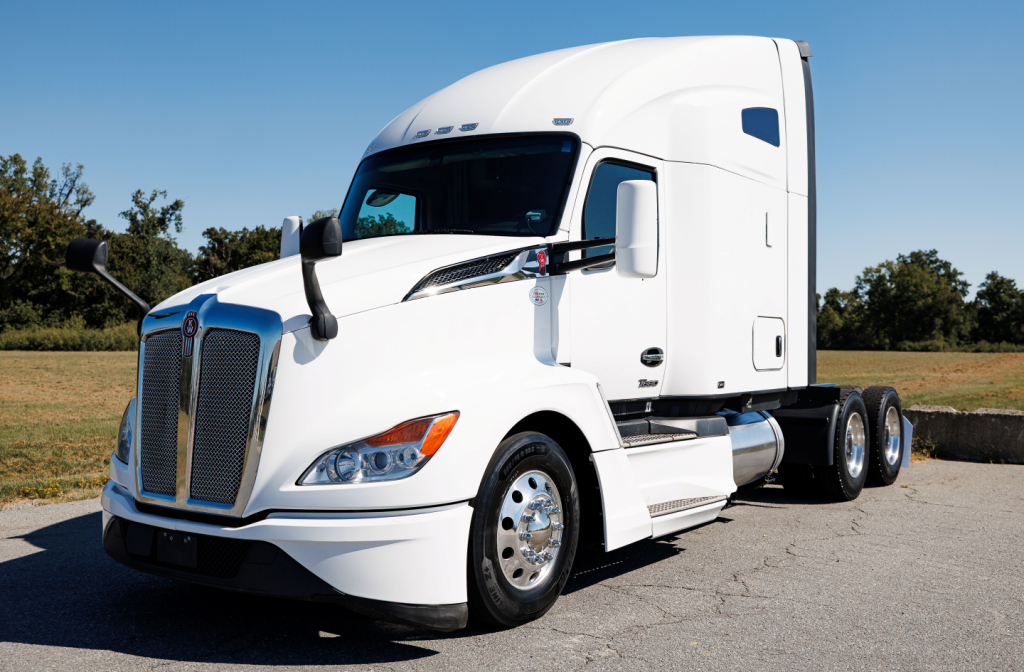
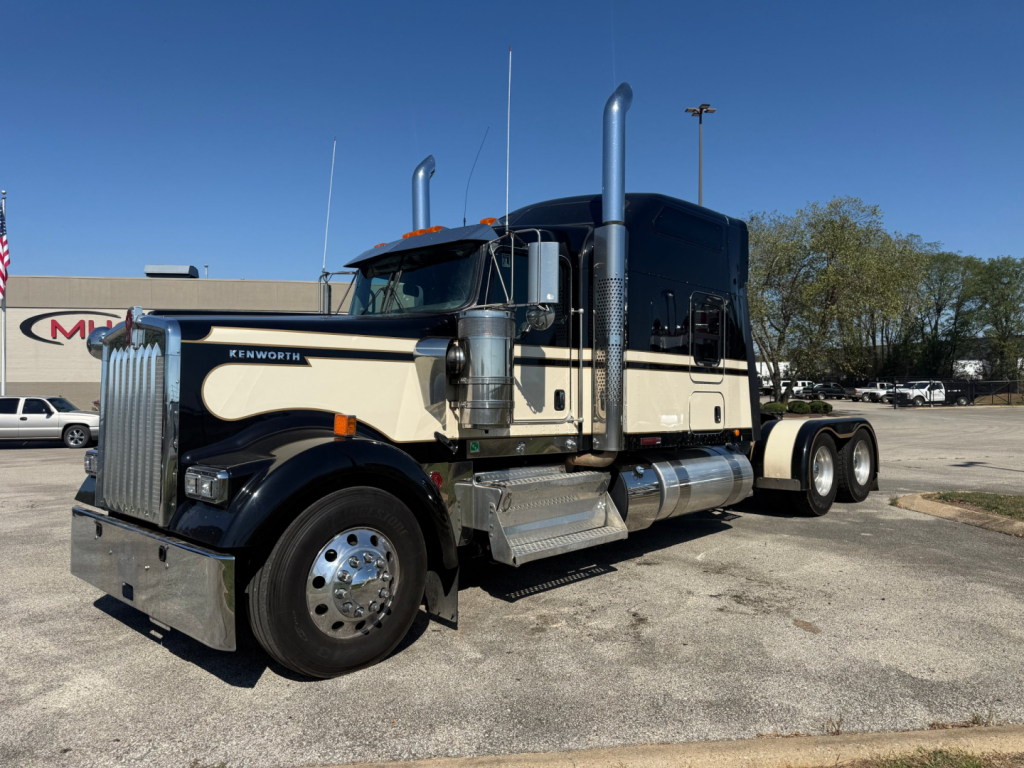
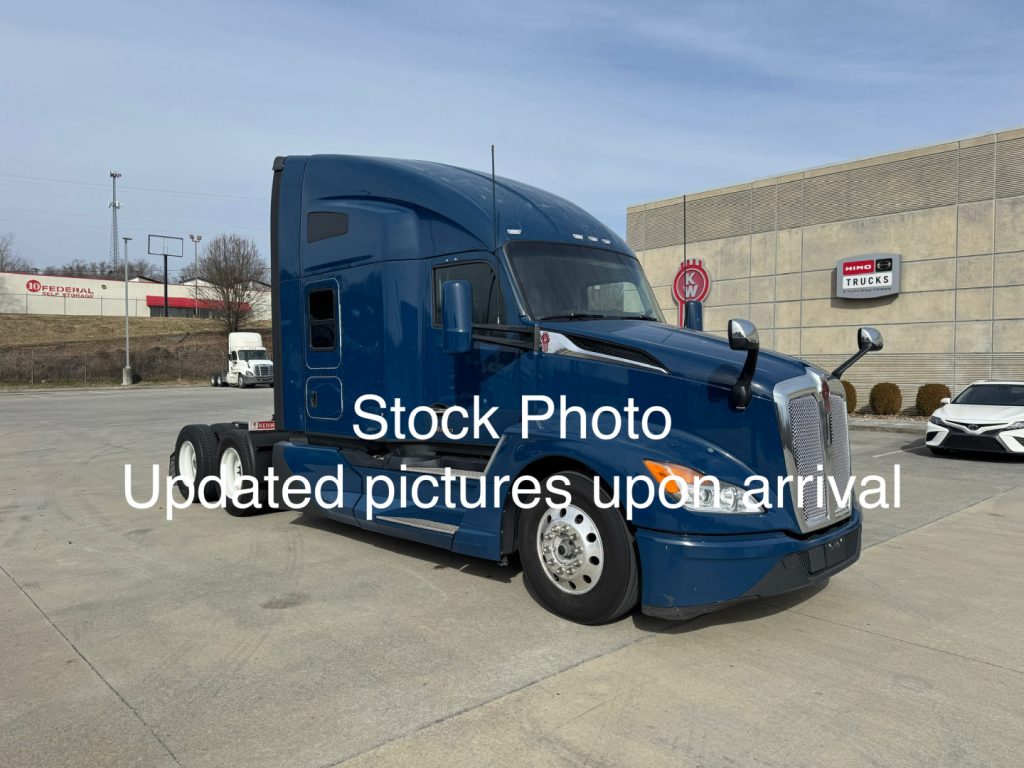
Showing 1 to 28 of 207 results
Selling a 2024 commercial truck? List your 2024 commercial truck for sale and reach thousands of commercial buyers.
2024 Commercial Trucks
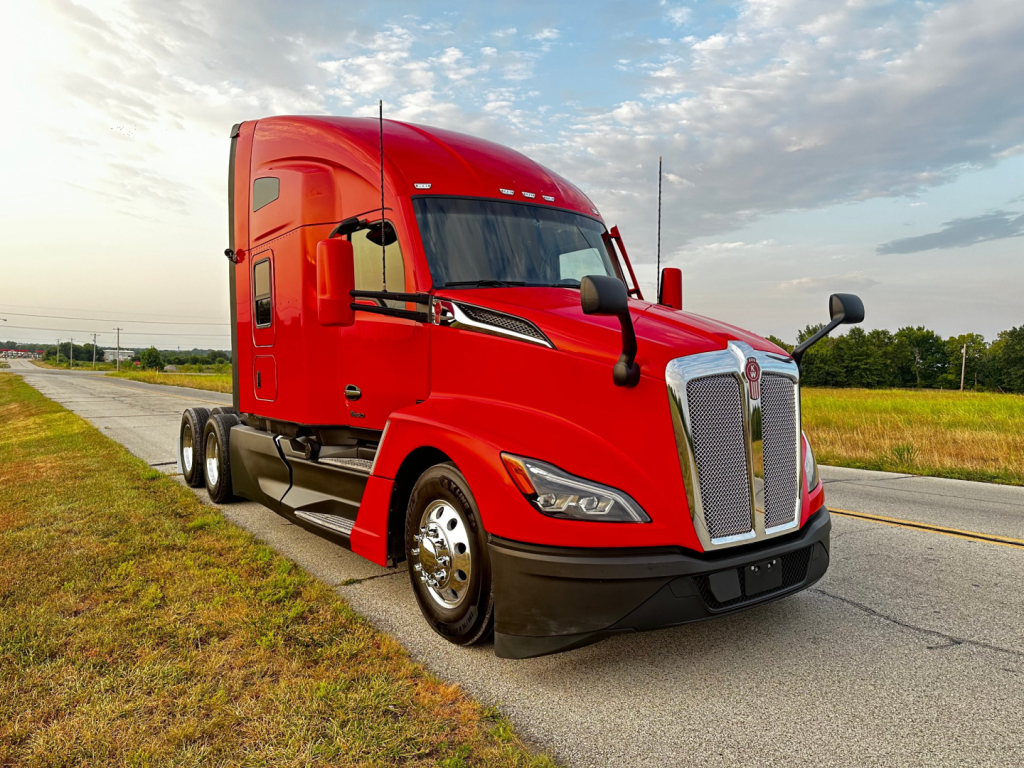
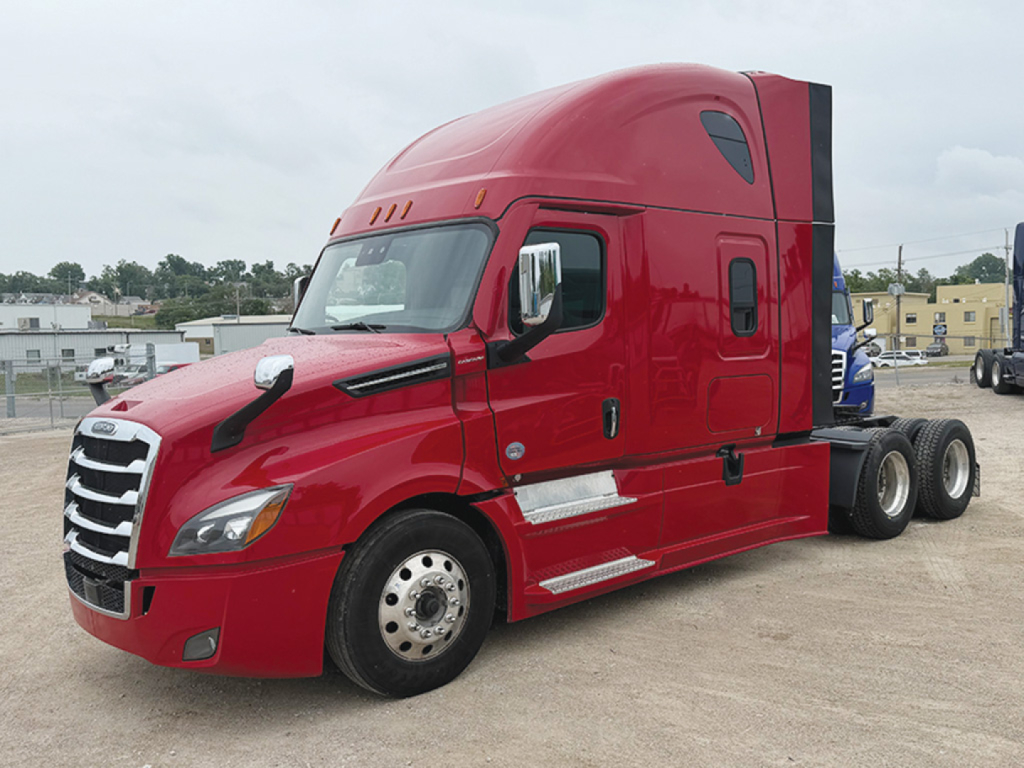
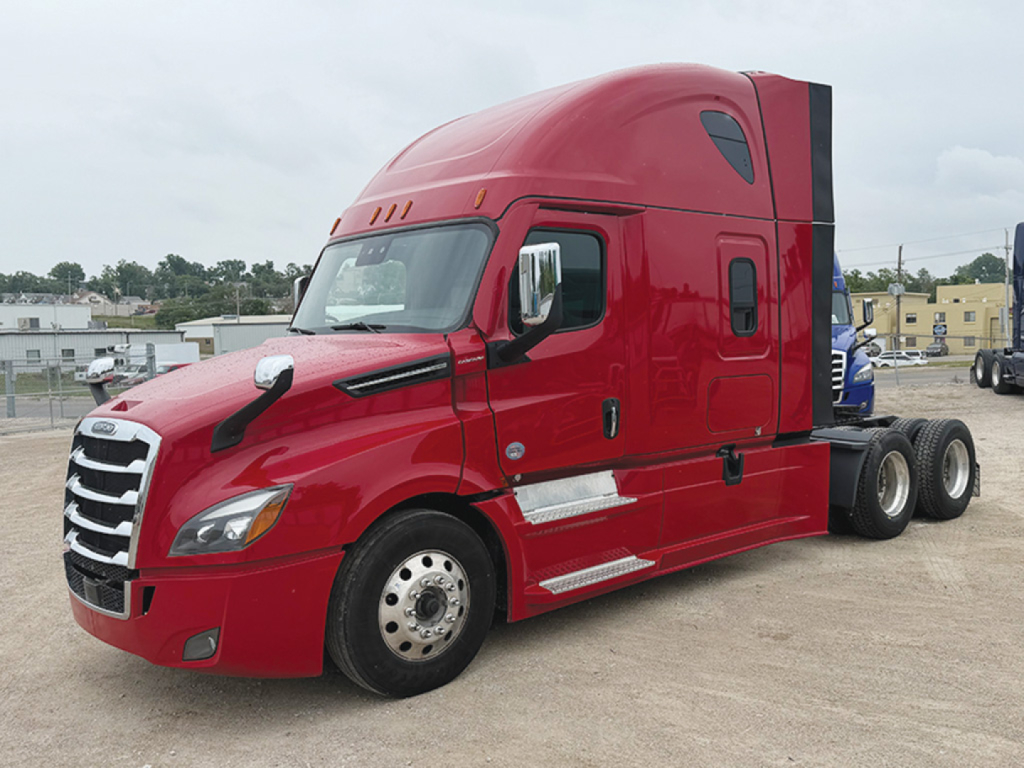
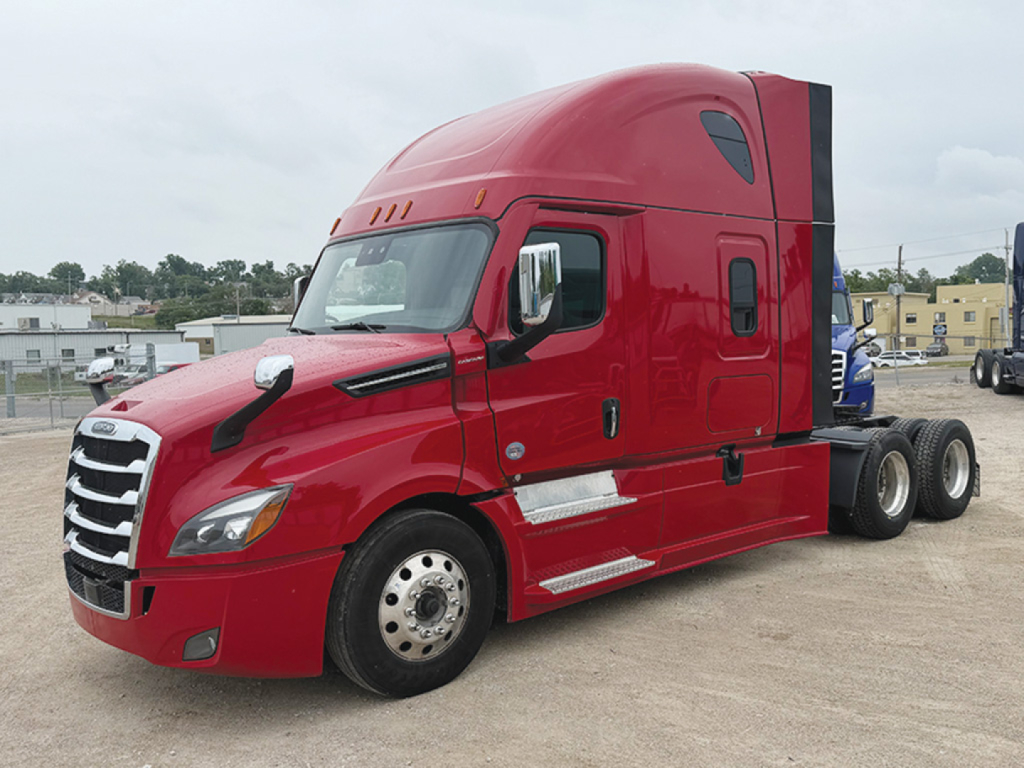
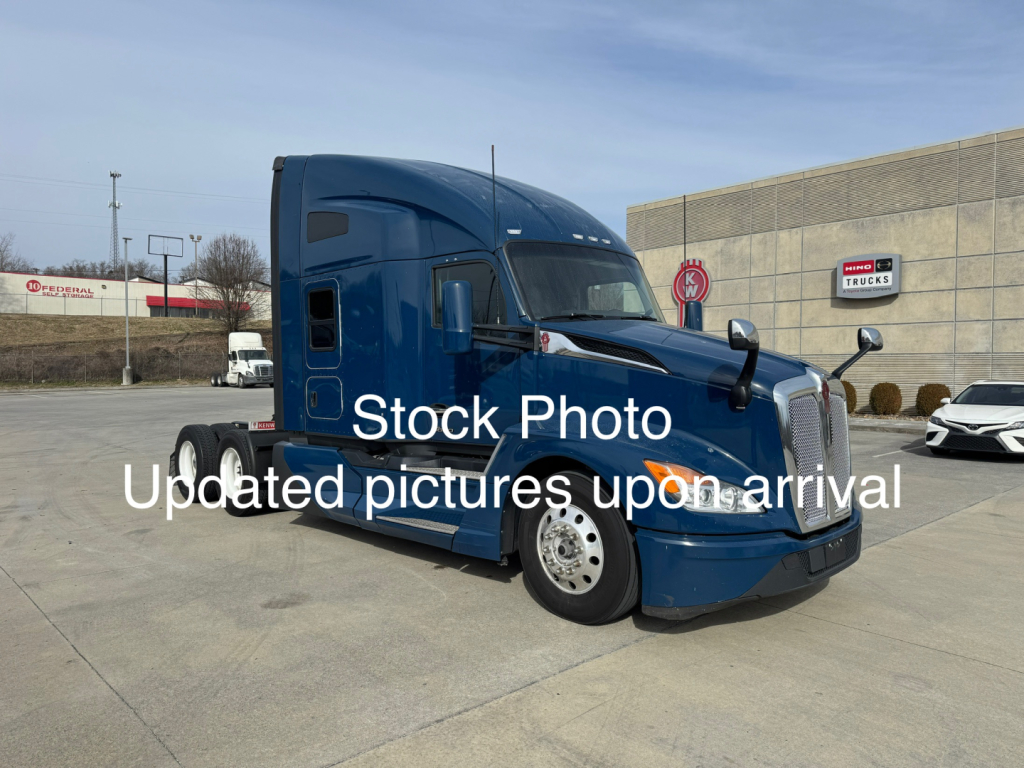
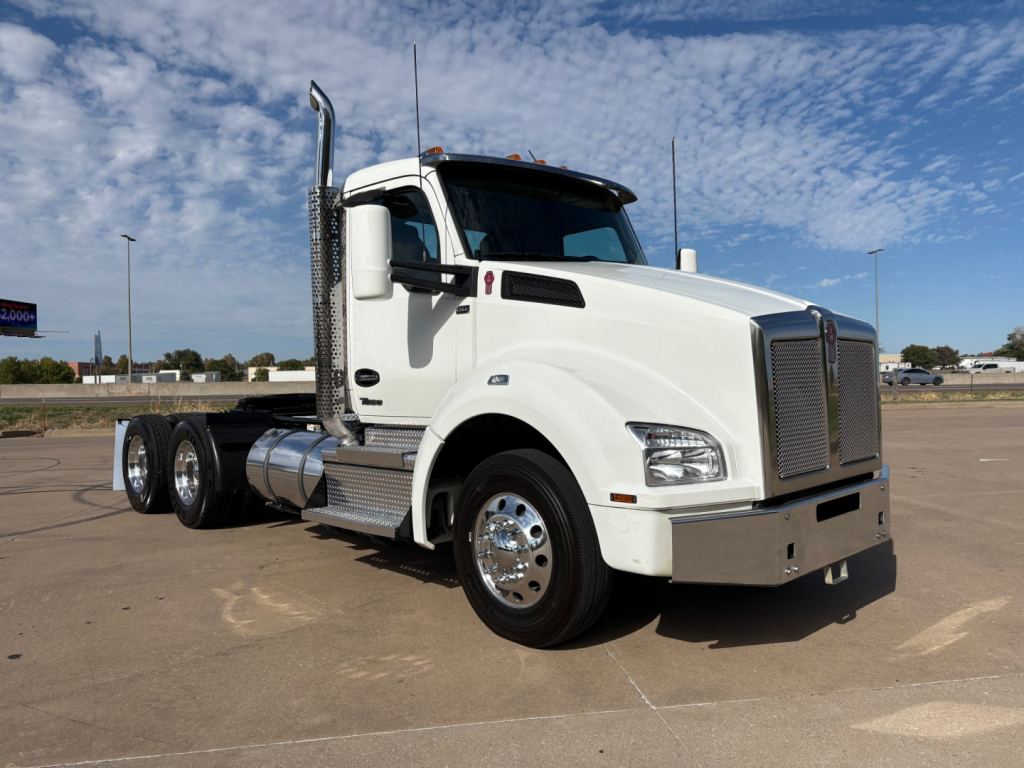
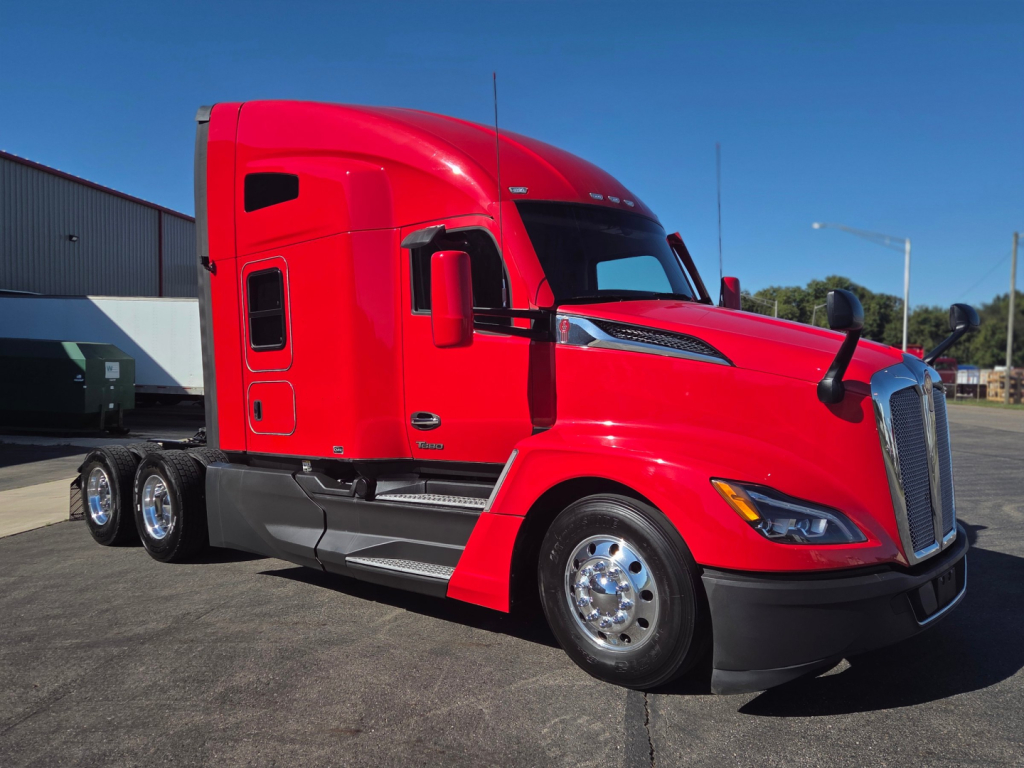
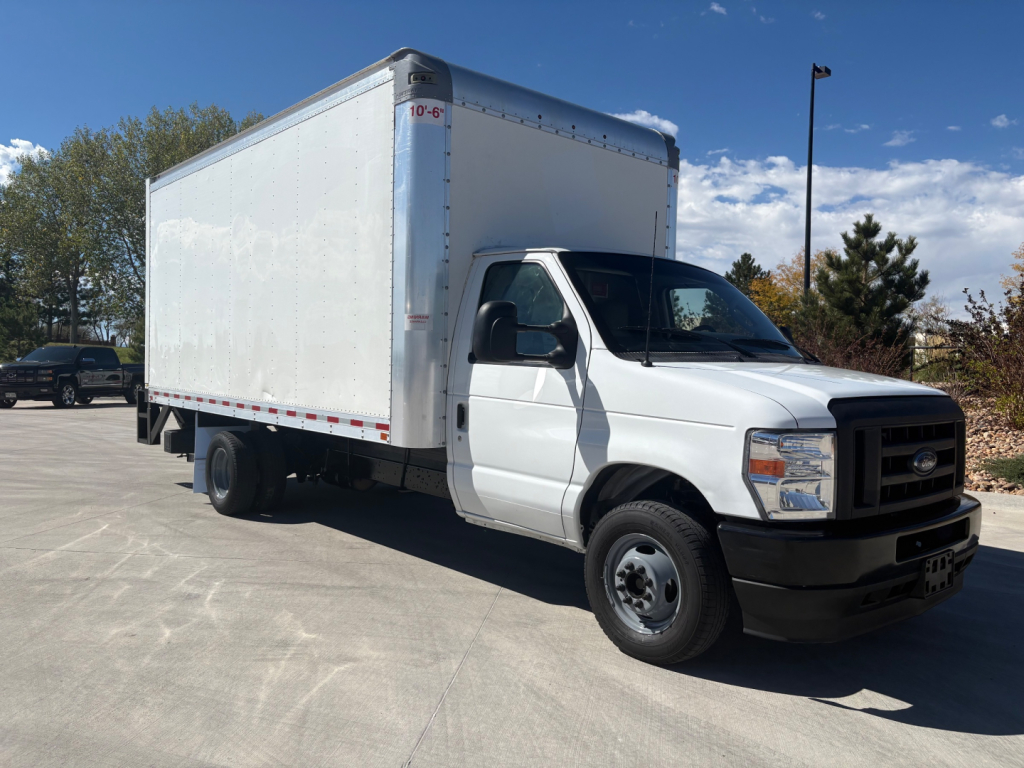
Sleeper tractors in 2024 lean into aero packages, chassis fairings, and sealed gaps to meet GHG Phase 2 targets, while maintaining driver comfort with battery HVAC options, inverters, and 70 inch plus bunks. Day cabs for regional haul typically carry 12k to 13.2k steer axles and 38k to 40k rears, with wheelbases set to bridge and terminal constraints. Vocational trucks prioritize durability over weight savings, often with set-forward steer axles, double-frame or heavy outer-bridge specs, 46k rears, cross-locks, and Allison automatics for stop-start work. Straight trucks cover box, reefer, and flatbed bodies in Class 6 to 7, with 24 to 26 foot van bodies, E-track, and liftgates common. Many buyers target 26,000 lb GVWR to stay non-CDL, while 33,000 lb GVWR adds payload headroom for heavier routes.
Fuel choice is broader in 2024. Diesel remains the duty cycle standard, but battery-electric options are expanding in both Class 8 and medium duty. Models like eCascadia, VNR Electric, and eM2 are designed for short regional, port dray, and P&D lanes with typical usable ranges around 120 to 275 miles per charge depending on configuration, load, terrain, and weather. DC fast charging at 150 to 350 kW is common for depots, and incentives may offset purchase price in many states. CNG platforms using near-zero NOx engines such as ISX12N and B6.7N fit refuse, transit, and regional routes where fueling is available, trading slightly higher tare weight for lower criteria emissions and stable fuel costs.
For total cost of ownership, focus on the spec details that align with route speed, grade severity, and GCW. Verify engine model and rating, transmission top gear type, rear ratio, suspension choice, tire size, and fuel tank capacity to ensure the truck holds cruise RPM in its sweet spot. Check ADAS content, telematics hardware, and subscription status. Review emission labels for 50-state compliance if operating in CARB states, confirm warranty terms and transferability for engine and aftertreatment, and note service intervals for oil, fuel filters, and DPF. On vocational units, confirm PTO provisions, frame RBM, and axle spacing for bridge limits. On straight trucks, measure inside box height and door type, liftgate capacity, and wheelbase to body compatibility. Matching these 2024 advancements to the job delivers the fuel economy, safety, and uptime gains the model year was engineered to provide.
Frequently Asked Questions about 2024 Commercial Trucks
What changed on 2024 heavy duty trucks compared with recent model years?
Most 2024 highway tractors are optimized for GHG Phase 2 with tighter aero, downsped powertrains, and wider use of automated manual transmissions. Advanced driver assistance systems like collision mitigation, lane departure alerts, and adaptive cruise are commonly standard. Telematics, remote diagnostics, and over-the-air updates are more integrated, and air disc brakes see higher adoption. Battery-electric availability expanded in both Class 8 and medium duty for short range work.
How should I choose engine rating and axle ratio for a 65 mph cruise speed?
Select the transmission top gear first, then gear the rear axles so the engine holds its most efficient RPM at 65 mph under typical load. A direct-drive top gear often pairs with higher numeric ratios around 2.64 to 3.08, while an overdrive top gear can run lower numeric ratios around 2.15 to 2.64. Heavier weights, steeper grades, or multi-stop work may require a slightly higher numeric ratio or a higher torque engine map to maintain drivability without excessive downshifting.
Are 2024 box trucks available in non-CDL configurations and what do I give up?
Yes, many 2024 box trucks are offered at 26,000 lb GVWR to stay non-CDL. The trade-off is payload. A non-CDL unit with a 24 to 26 foot body, liftgate, and fuel will carry less than a 33,000 lb GVWR truck with similar equipment. If freight is dense or you run hills, a CDL-class chassis provides more axle and brake capacity, better residual payload, and longer component life.
Are 2024 electric trucks practical for regional and urban routes?
They can be, provided the duty cycle fits their usable range and charging profile. Class 8 battery-electric tractors typically support 120 to 275 miles per charge depending on battery size, load, terrain, temperature, and driver behavior. Medium duty units often run local routes with overnight depot charging. Plan for DC fast charging at 150 to 350 kW and account for payload impact from battery weight. Incentives and lower maintenance can improve total cost of ownership in the right lane.
What should I verify in a 2024 truck listing before committing?
Confirm engine model year, horsepower and torque ratings, transmission model and top gear type, rear axle ratio, suspension, tire size, and wheelbase. Check ADAS content and calibration status, telematics hardware and subscription, emission label for 50-state compliance, warranty coverage and transferability for engine and aftertreatment, open recalls, and service intervals. For vocational units, verify PTO provisions, frame RBM and reinforcement, and axle spacing. For straight trucks, verify body dimensions, door type, and liftgate capacity.