
2024 Freightliner Trucks For Sale
Shop 2024 Freightliner trucks with specs on Cascadia, M2 and vocational models, including engines, GVWR classes, cab types and applications.

Selling a 2024 freightliner truck? List your 2024 freightliner truck for sale and reach thousands of commercial buyers.
2024 Freightliner Trucks
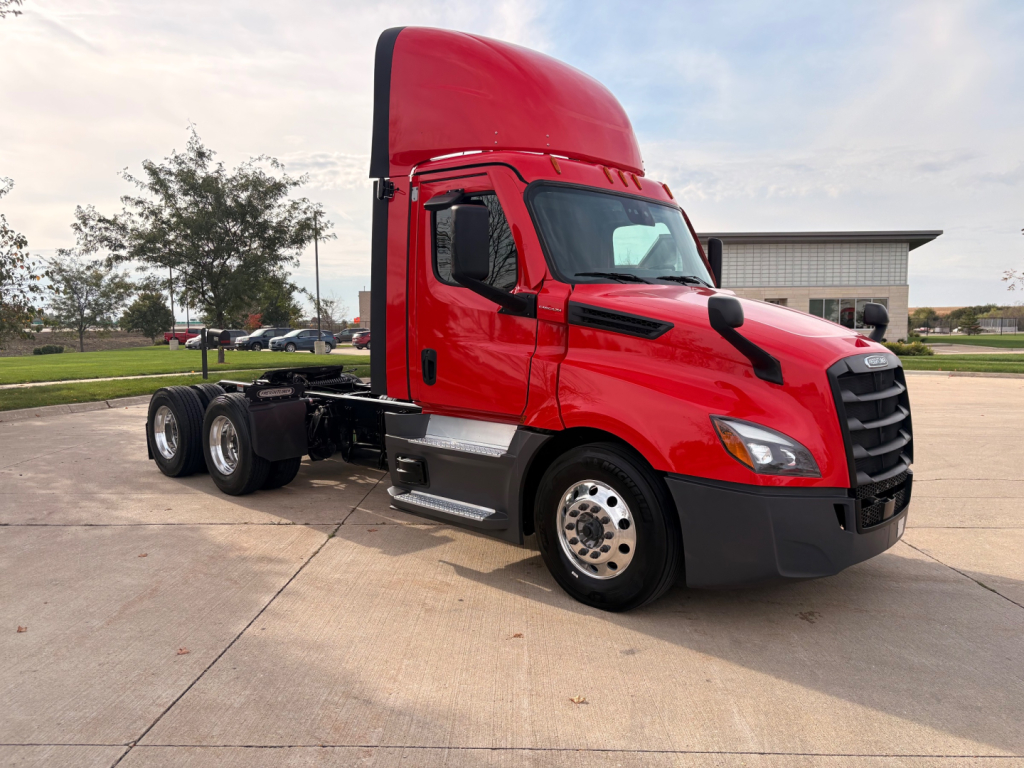
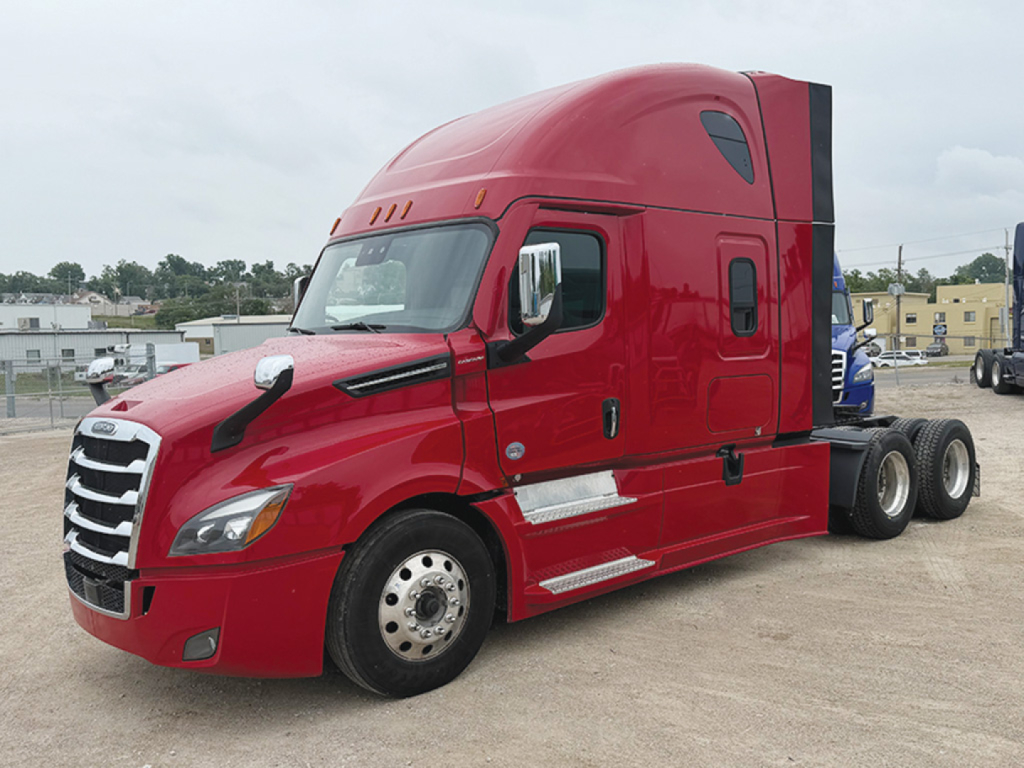
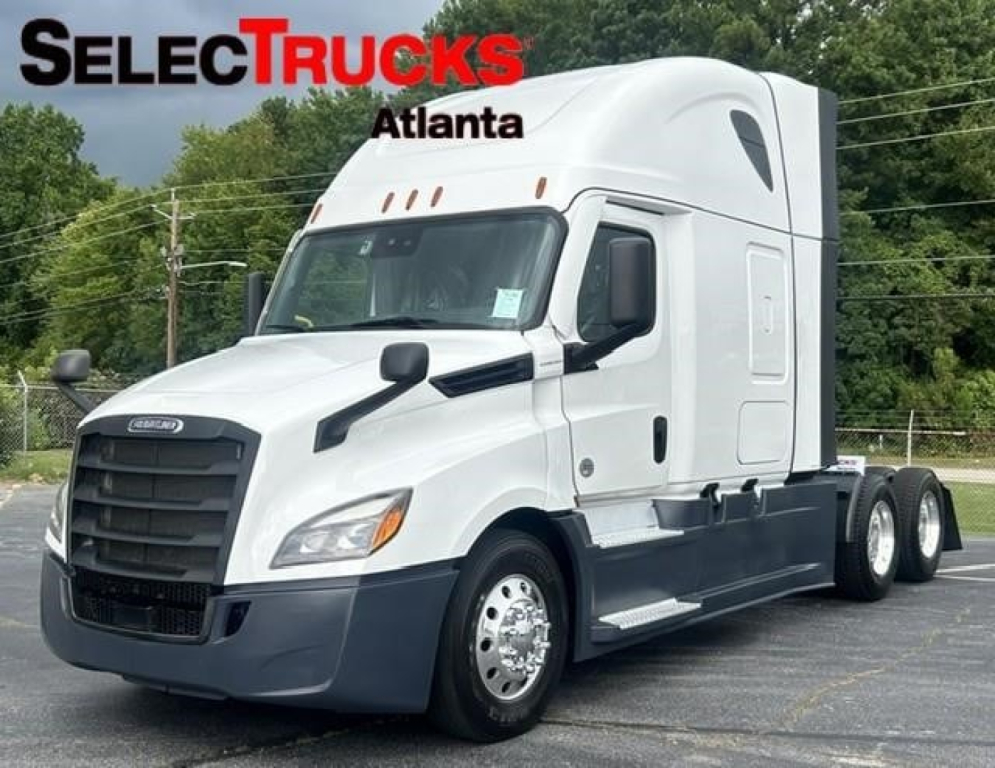
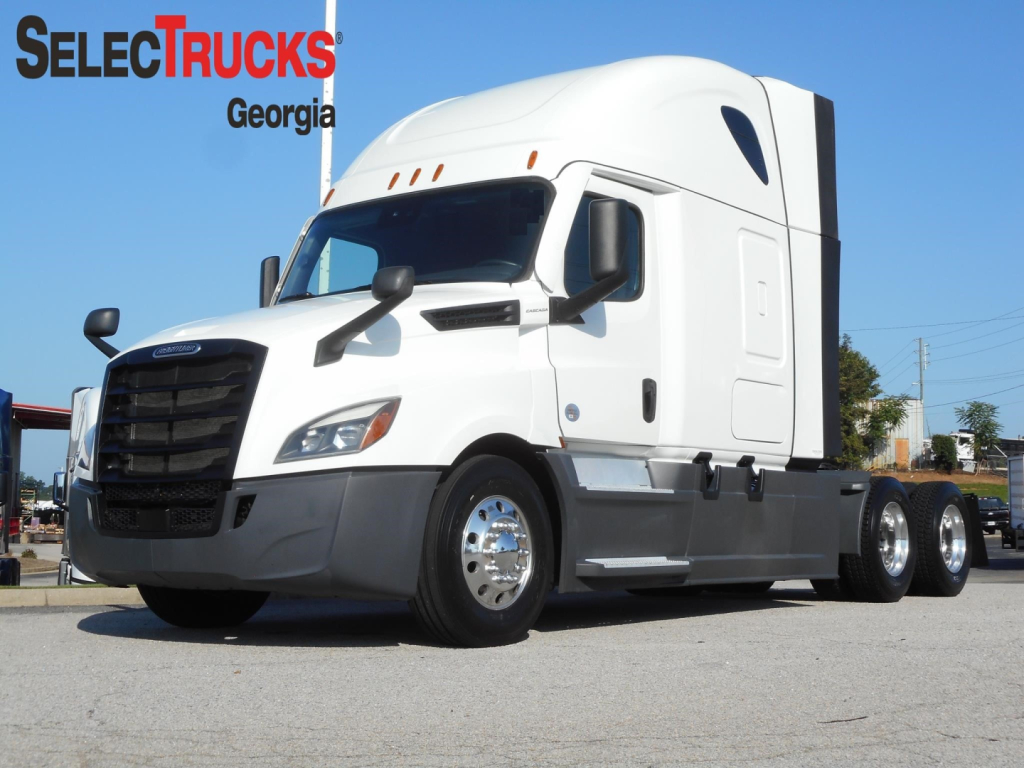
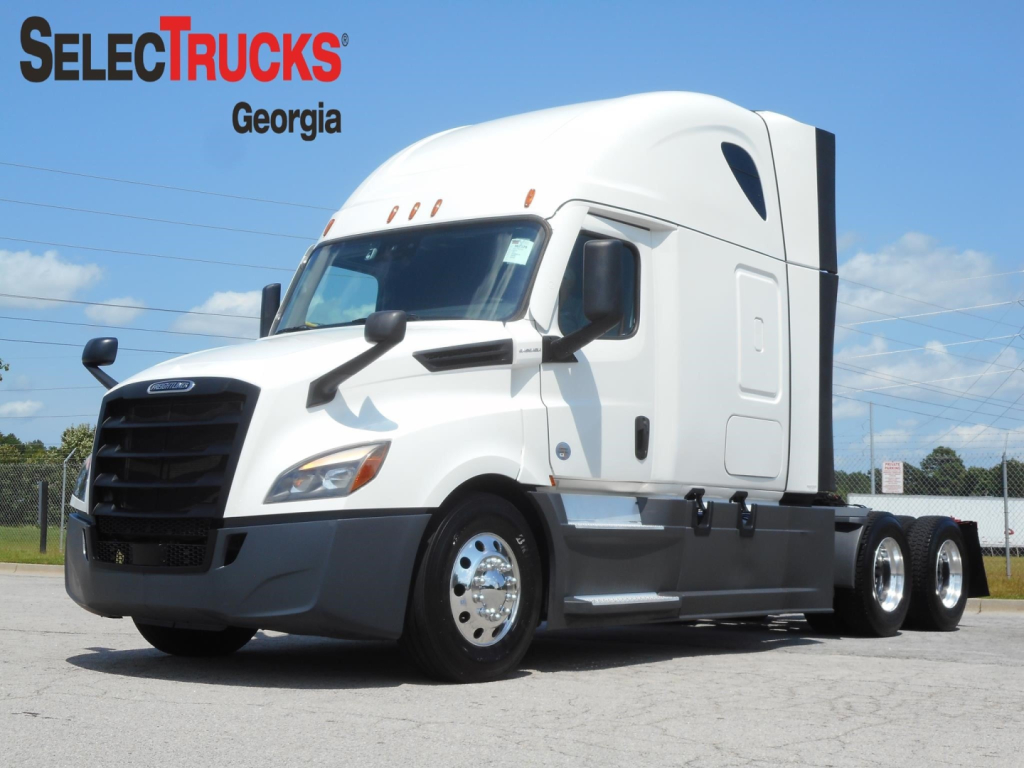
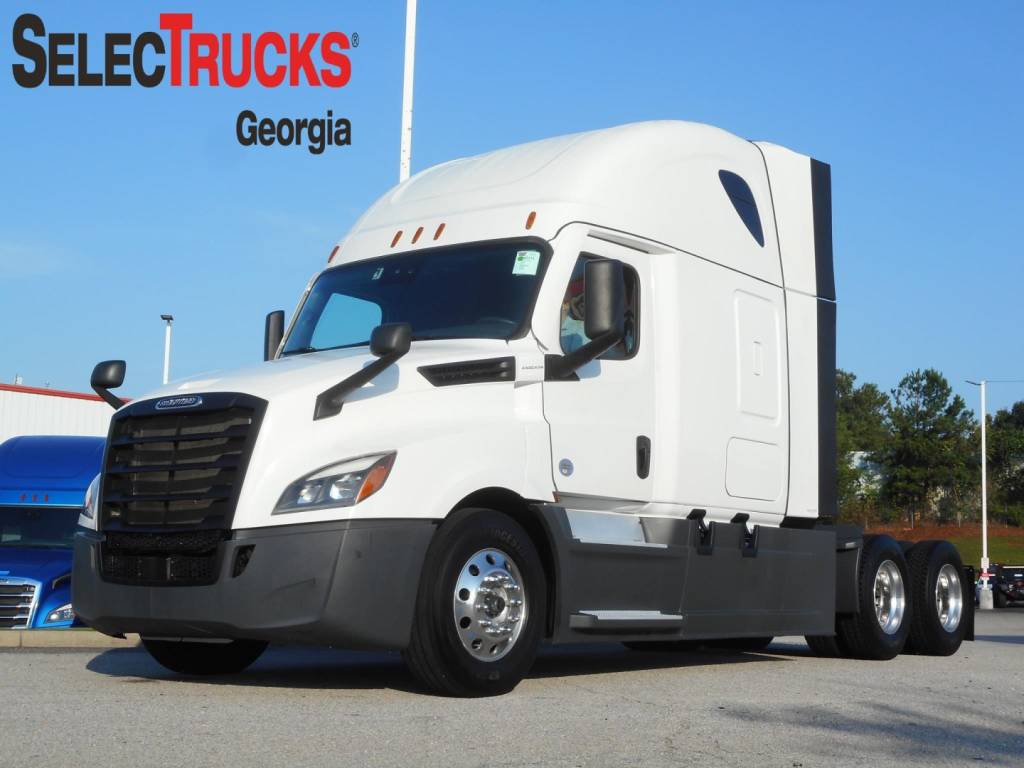
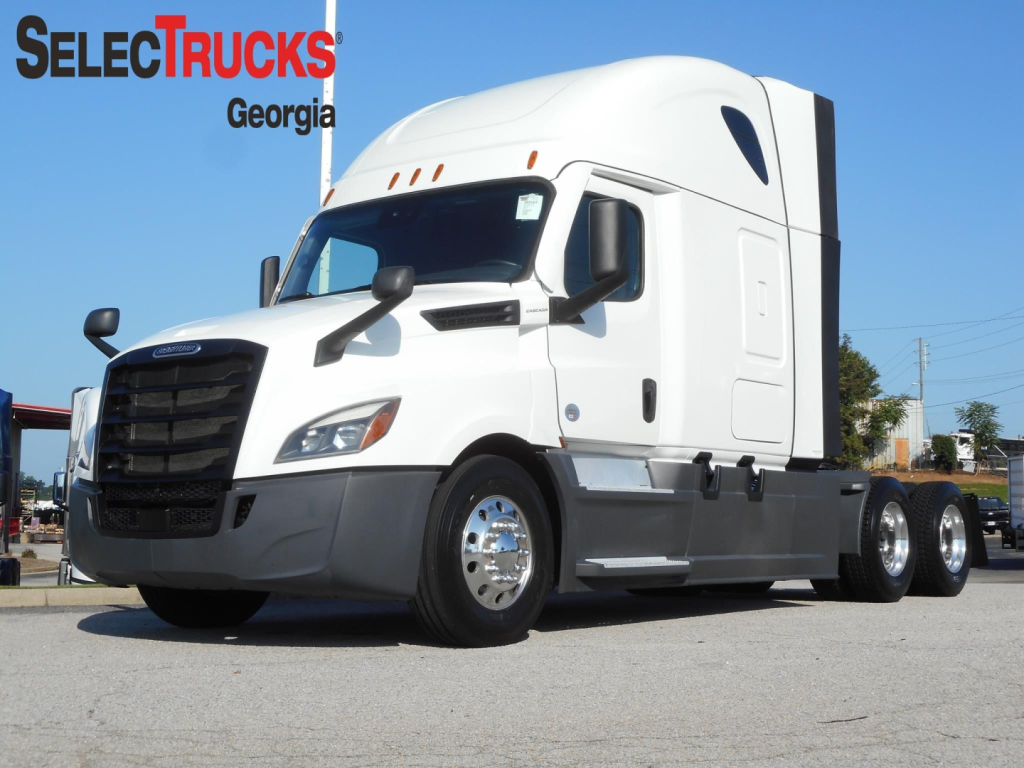
For Class 8 highway use, 2024 Freightliner trucks are typically built around the Cascadia platform with Detroit powertrains, most commonly DD13 or DD15 engines paired with the DT12 automated manual transmission. Buyers comparing sleeper and day cab models should look closely at horsepower and torque ratings, rear axle ratio, fuel capacity, and 6x4 versus 6x2 drivetrain setup. Aerodynamics, collision mitigation systems, adaptive cruise features, and integrated telematics are major value points on late-model Freightliner tractors because they affect fuel economy, uptime, and driver acceptance. Sleeper size, bunk layout, refrigerator prep, inverter provisions, and fairing condition also matter on over-the-road specs where driver retention and operational cost are tied together.
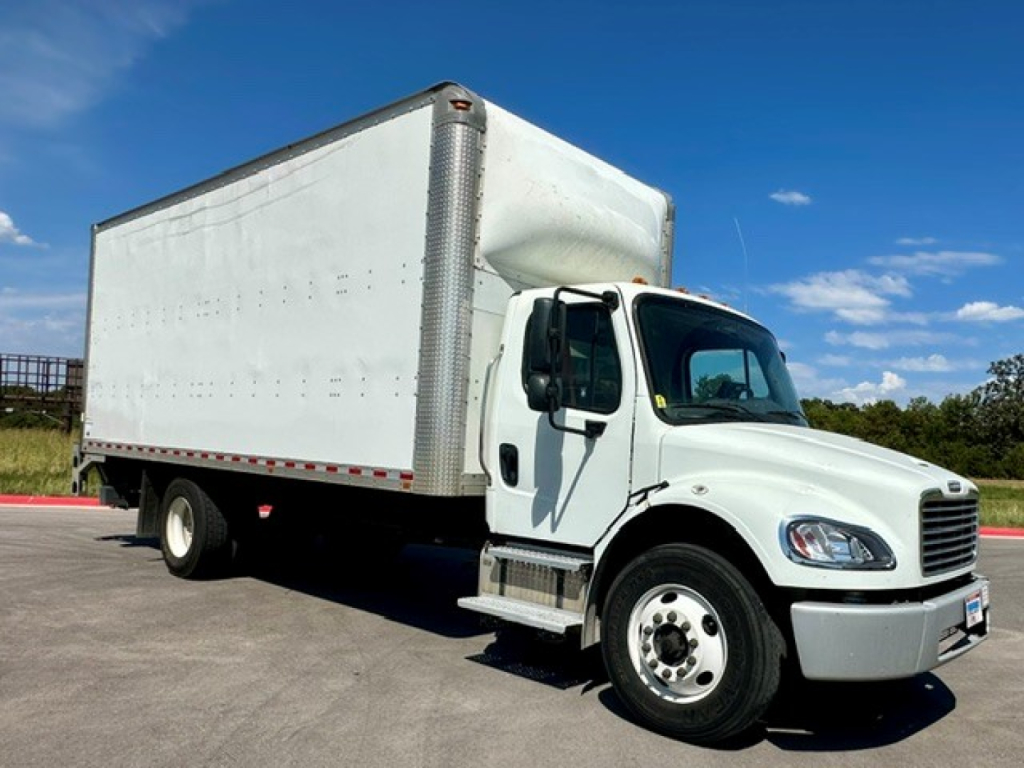
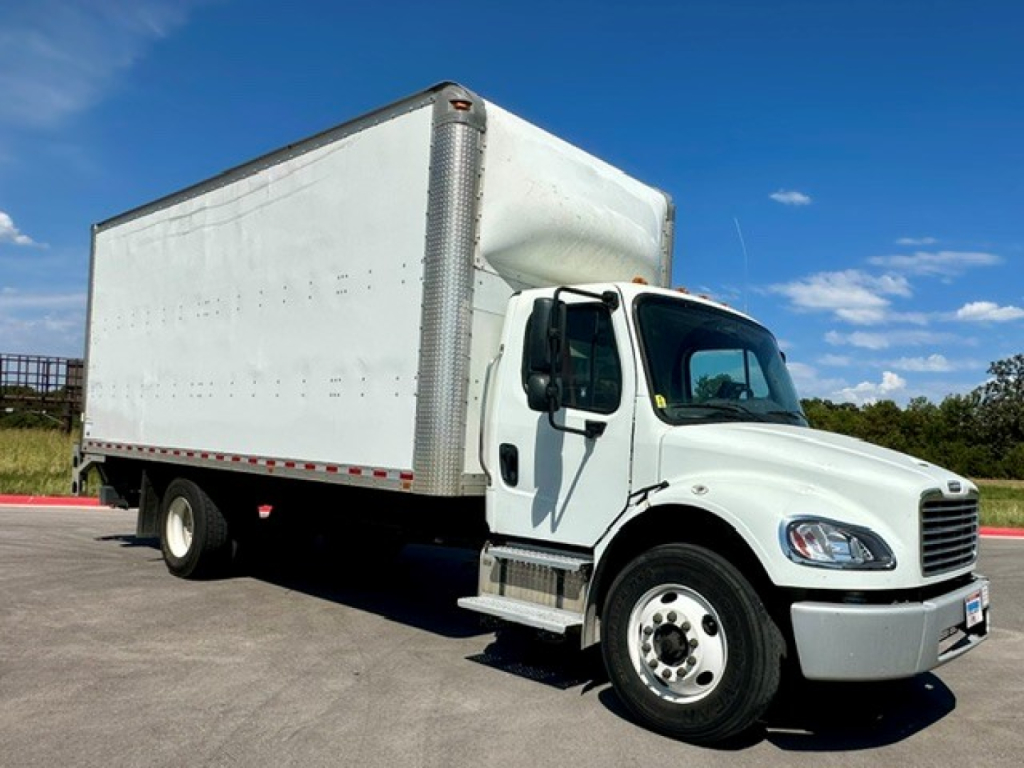
For medium-duty and vocational work, 2024 Freightliner trucks are often selected for body-builder flexibility. M2 models are common in pickup and delivery, utility, landscaping, municipality, towing, tank, and service applications because they can be ordered in a wide spread of GVWR ratings, cab-to-axle dimensions, and transmission choices. Cummins and Detroit engine availability, Allison automatic options, front axle capacity, suspension type, and brake configuration are all worth checking against the intended payload and duty cycle. If the truck will carry a van body, crane, hooklift, or tanker, buyers should confirm PTO setup, frame reinforcement, electrical provisions, and any factory body-builder interfaces before making a final decision.
Across the 2024 Freightliner truck market, the best comparison points are emissions system history, warranty status, maintenance records, idle management features, and how well the spec matches the route. A sleeper tractor built for 80,000-pound interstate work is a very different tool than a single-axle delivery truck with a liftgate, even though both wear the Freightliner badge. Looking at axle ratings, wheelbase, turning radius, suspension, and cab equipment up front helps narrow down the right truck faster and prevents overbuying or ending up with a chassis that does not fit the job.
Frequently Asked Questions about 2024 Freightliner Trucks
What are the most common 2024 Freightliner truck models buyers look for?
The most common 2024 Freightliner truck models depend on the job, but the Cascadia is the main choice for Class 8 highway tractor applications and the M2 series is a leading option for medium-duty and vocational work. Buyers shopping sleepers and day cabs usually start with the Cascadia, while buyers needing box trucks, service bodies, tank setups, or municipal chassis often focus on the M2 106 or M2 112. Severe-service applications may push buyers toward heavier vocational Freightliner platforms with higher axle and frame ratings.
What engine and transmission combinations are common in 2024 Freightliner trucks?
In 2024 Freightliner highway trucks, Detroit engines and transmissions are among the most common factory pairings, especially DD13 or DD15 engines with the DT12 automated manual. Medium-duty and vocational Freightliner trucks may be equipped with Cummins or Detroit power, and Allison automatic transmissions are common where stop-and-go operation, PTO work, or easier driver onboarding is important. The right combination depends on gross weight, terrain, body equipment, and how much time the truck spends in city versus highway service.
How do I choose between a 2024 Freightliner day cab and sleeper?
A day cab is usually the better fit for local, drayage, dedicated regional, and short-haul operations where cab space and lower tare weight matter more than driver living amenities. A sleeper makes more sense for over-the-road, team, and multi-day regional routes where bunk space, storage, HVAC management, and fuel range directly affect productivity. Buyers should compare wheelbase, fuel tank capacity, fairing layout, and driver comfort features because those details shape both operating cost and resale appeal.
What should I check on a 2024 Freightliner vocational or straight truck chassis?
On a vocational or straight truck chassis, buyers should verify GVWR, front and rear axle ratings, cab-to-axle measurement, wheelbase, frame strength, PTO capability, and suspension type before focusing on cosmetics. Those specs determine whether the truck can legally and practically support the body and payload it is meant to carry. It is also smart to review body-builder provisions, electrical interfaces, brake type, and transmission setup so the chassis works cleanly with a van body, dump body, crane, tanker, or service package.
Are 2024 Freightliner trucks a good fit for fleet use?
2024 Freightliner trucks are a strong fleet fit when standardization, service access, and driver familiarity are priorities. Many fleets favor Freightliner because the platform is widely supported, parts availability is generally strong, and common specs can be repeated across multiple trucks for easier maintenance planning. Buyers managing total cost of ownership should still compare warranty coverage, telematics capability, fuel economy spec, and maintenance history because those factors will affect uptime more than brand name alone.