
2024 Volvo Trucks For Sale
Browse 2024 Volvo trucks including VNL day cabs and sleepers with common specs, powertrain options, axle ratings, and fleet-buying guidance.
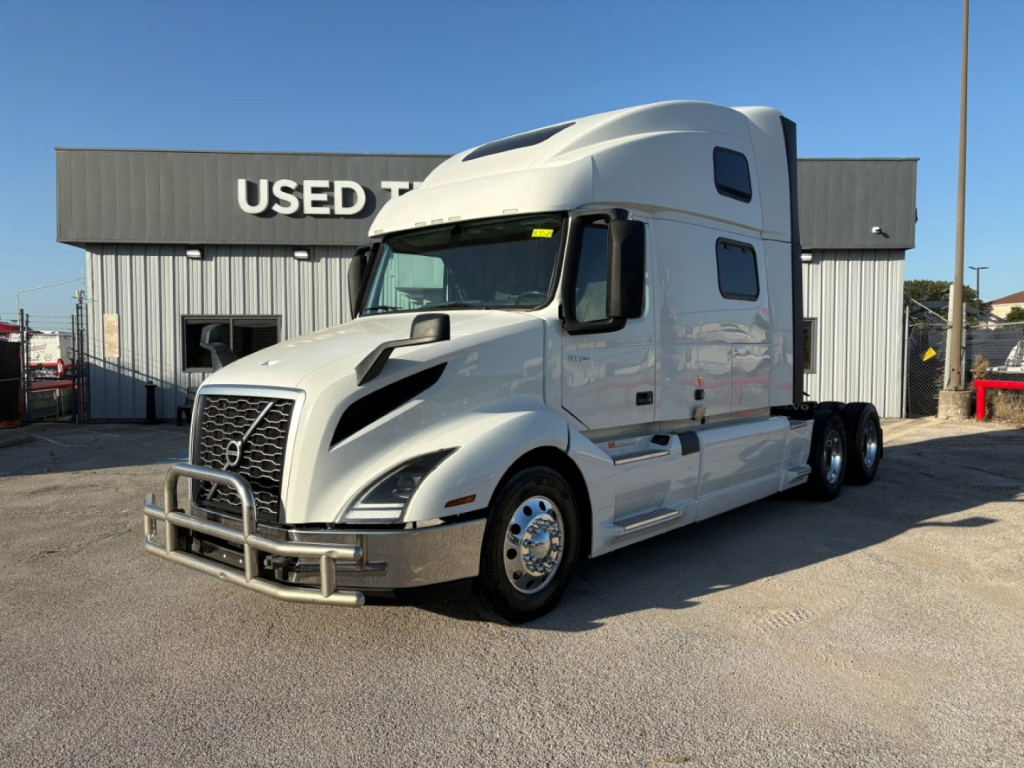
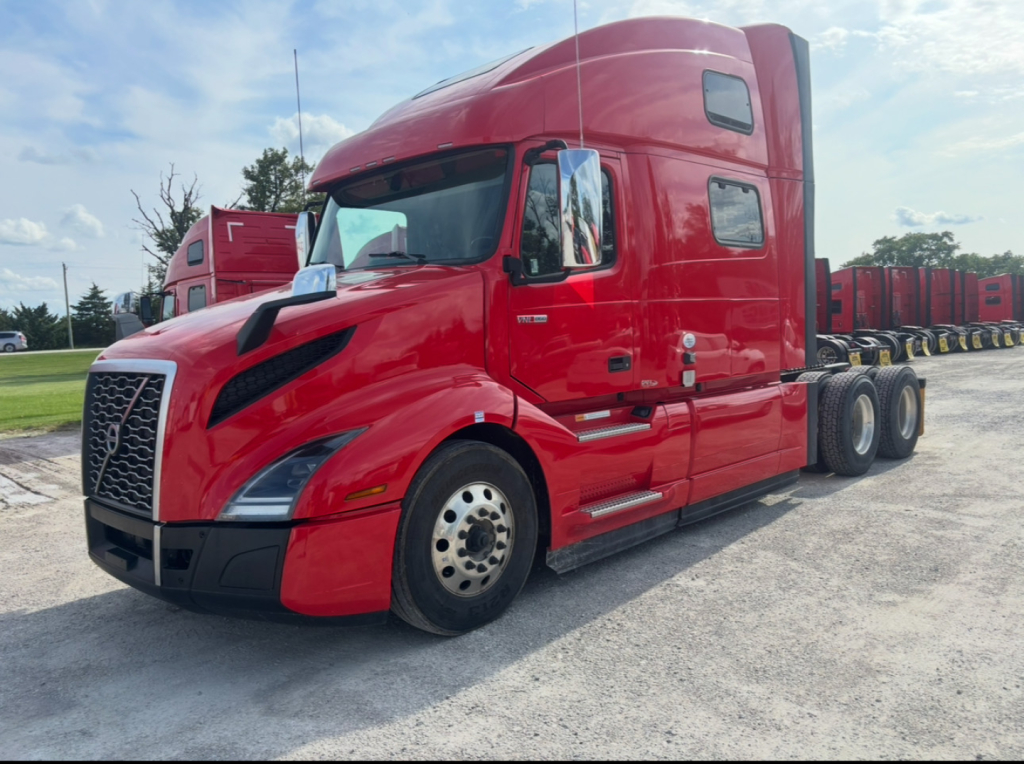
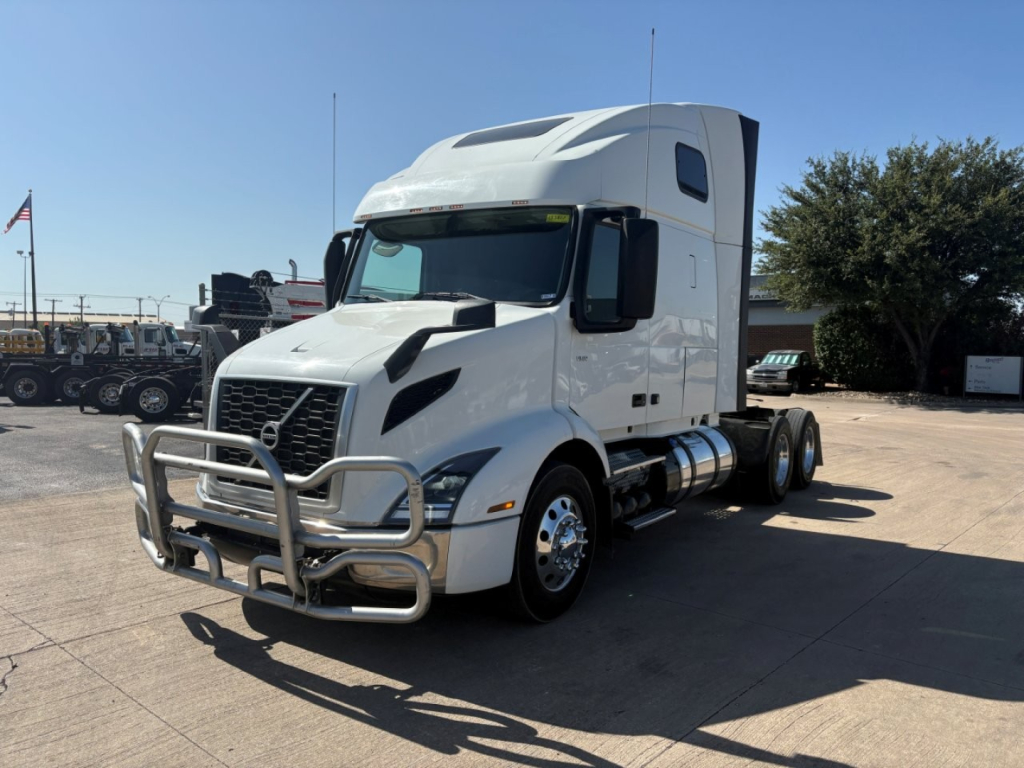
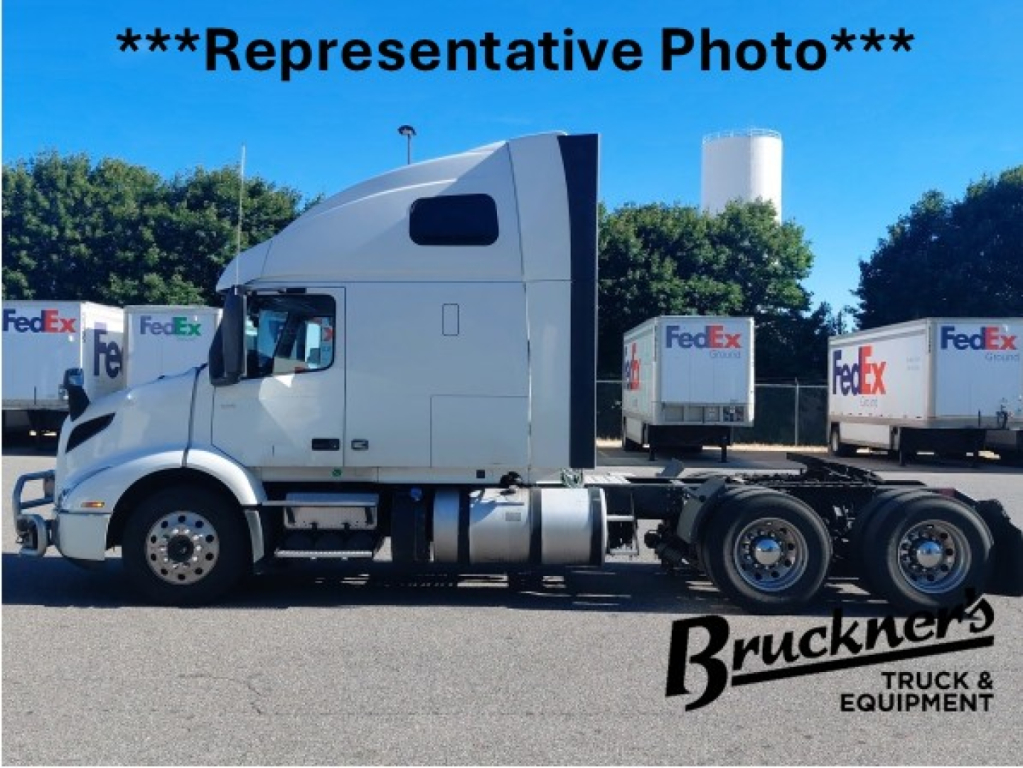
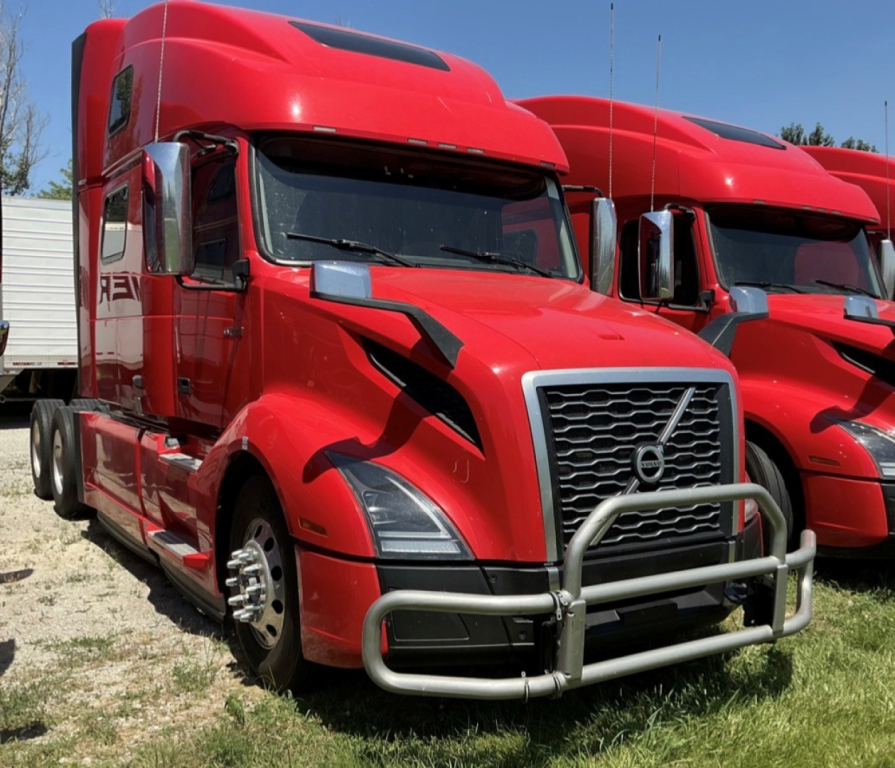
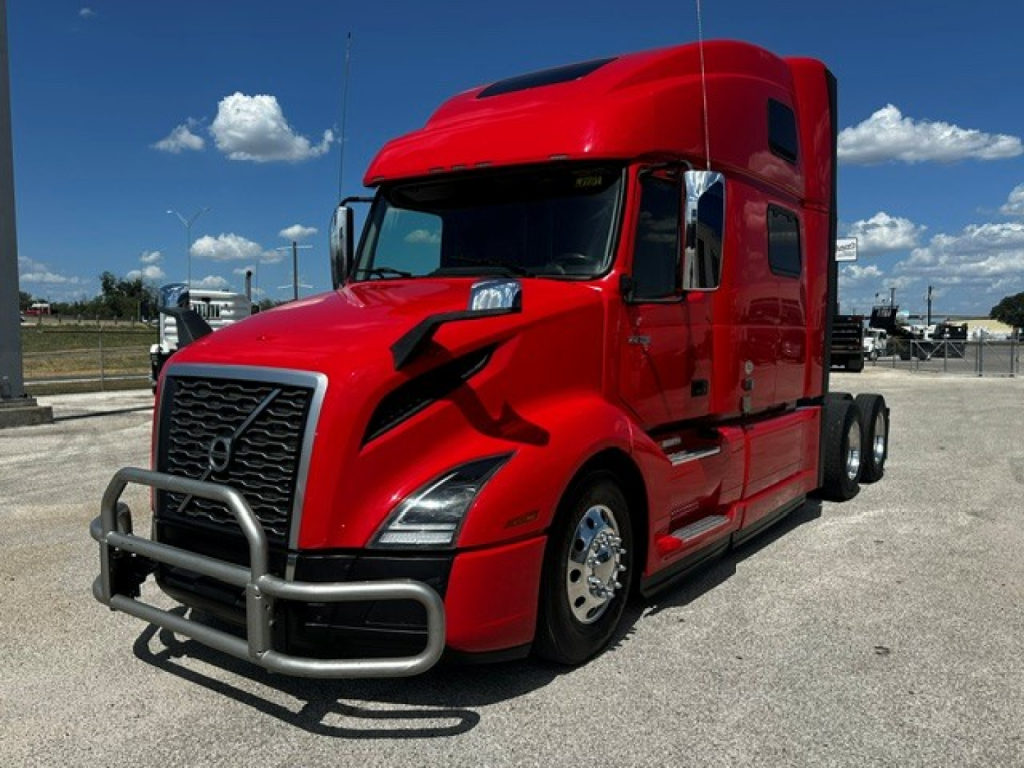
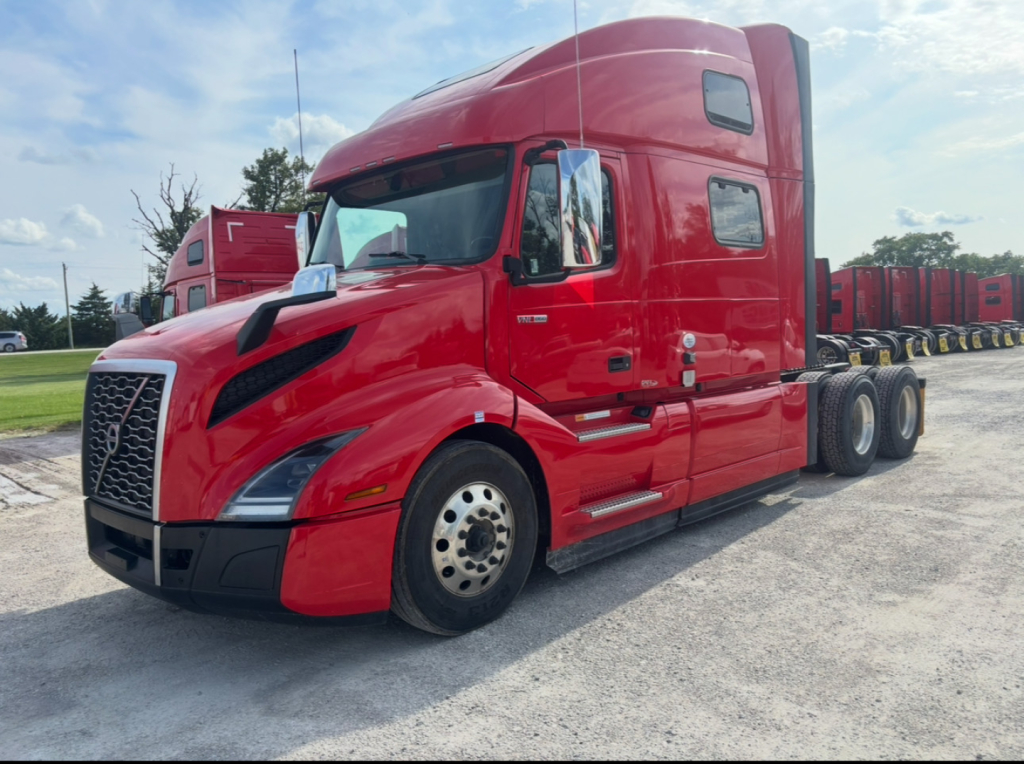
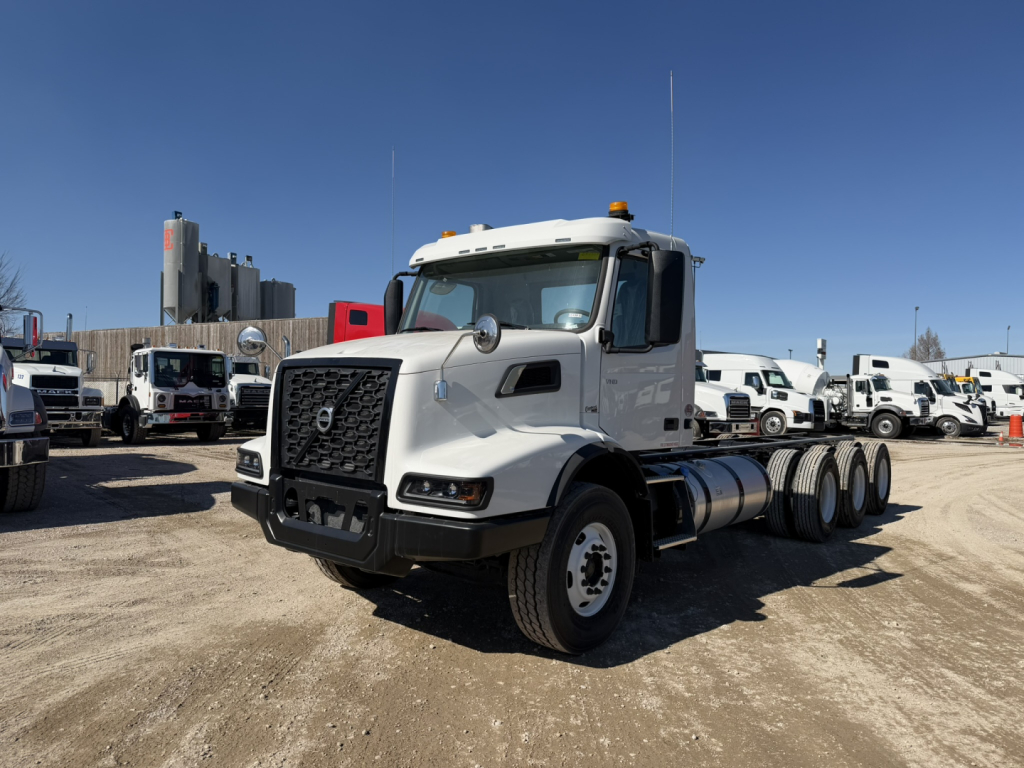
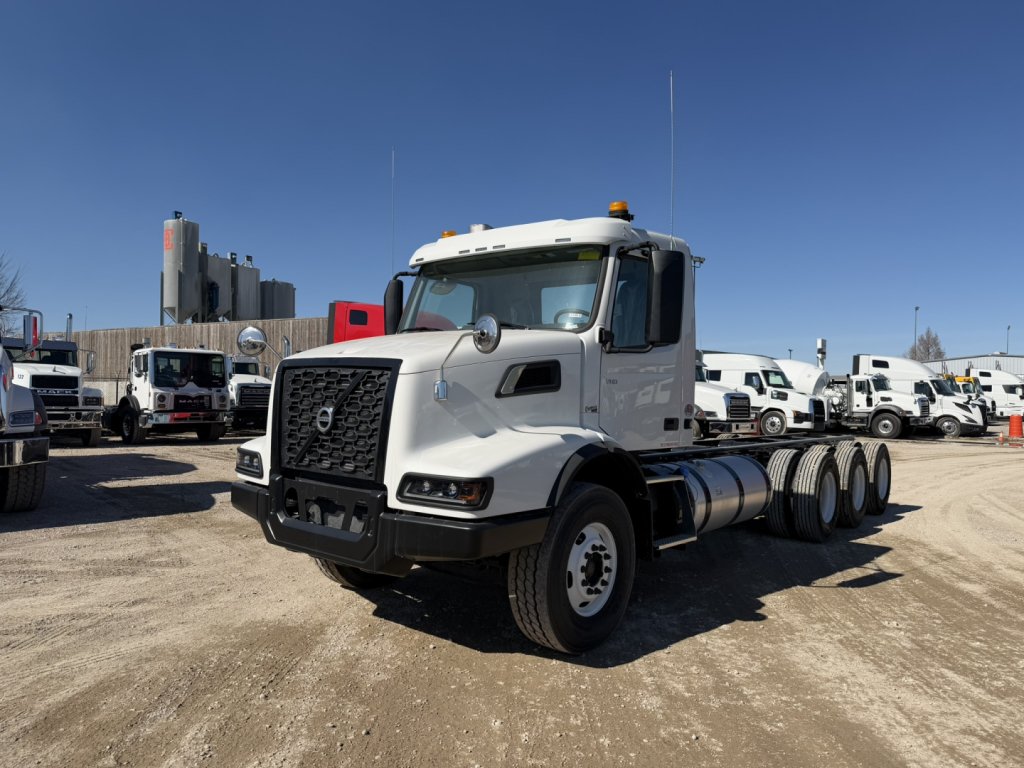
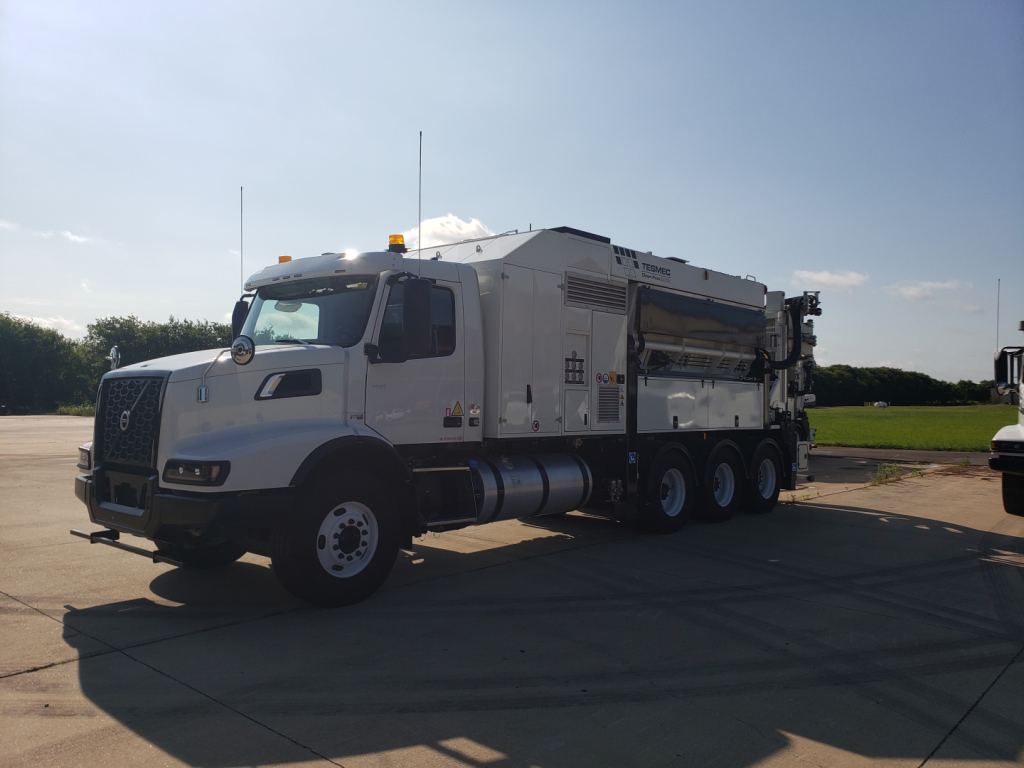
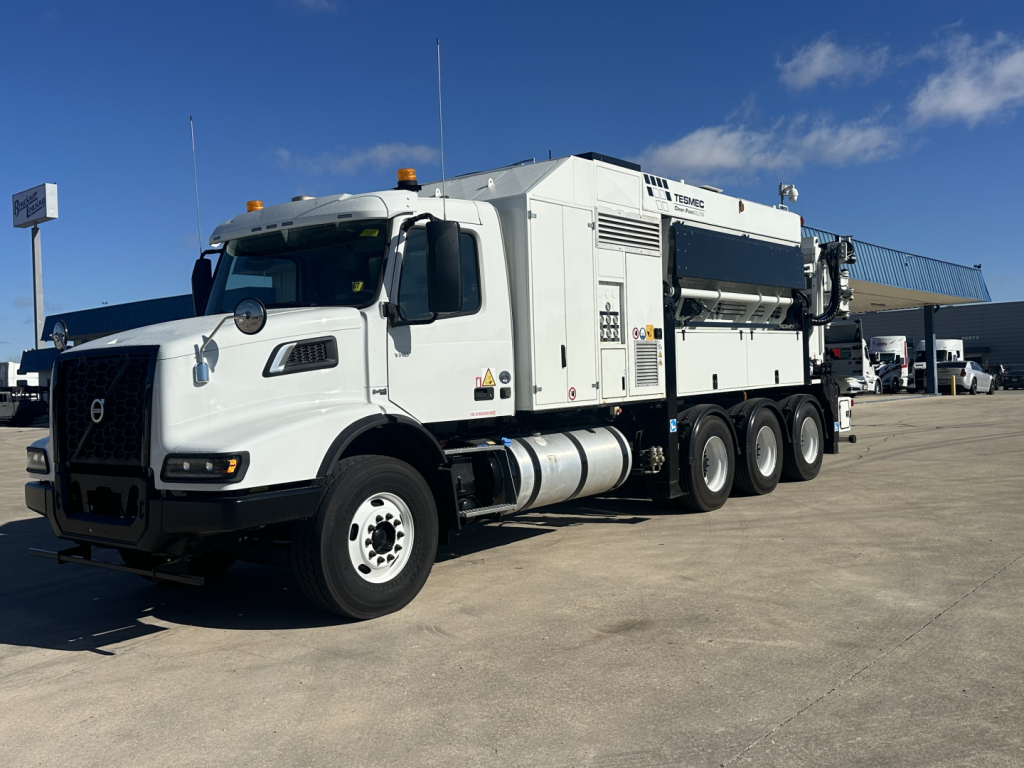
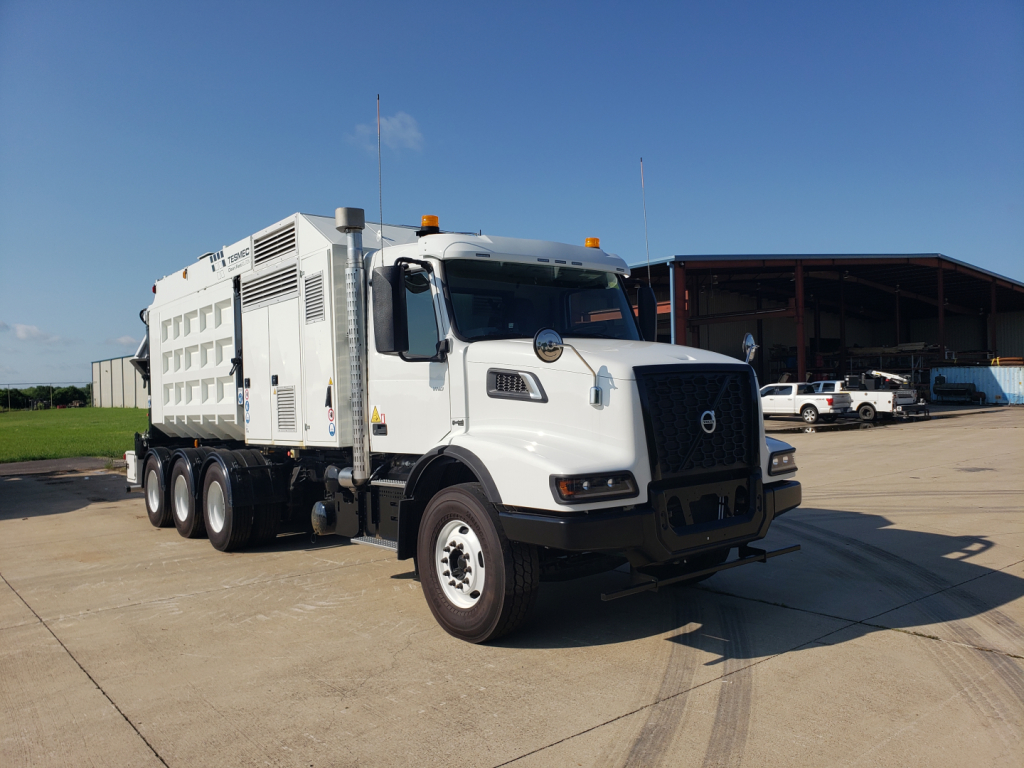
Selling a 2024 volvo truck? List your 2024 volvo truck for sale and reach thousands of commercial buyers.
2024 Volvo Trucks
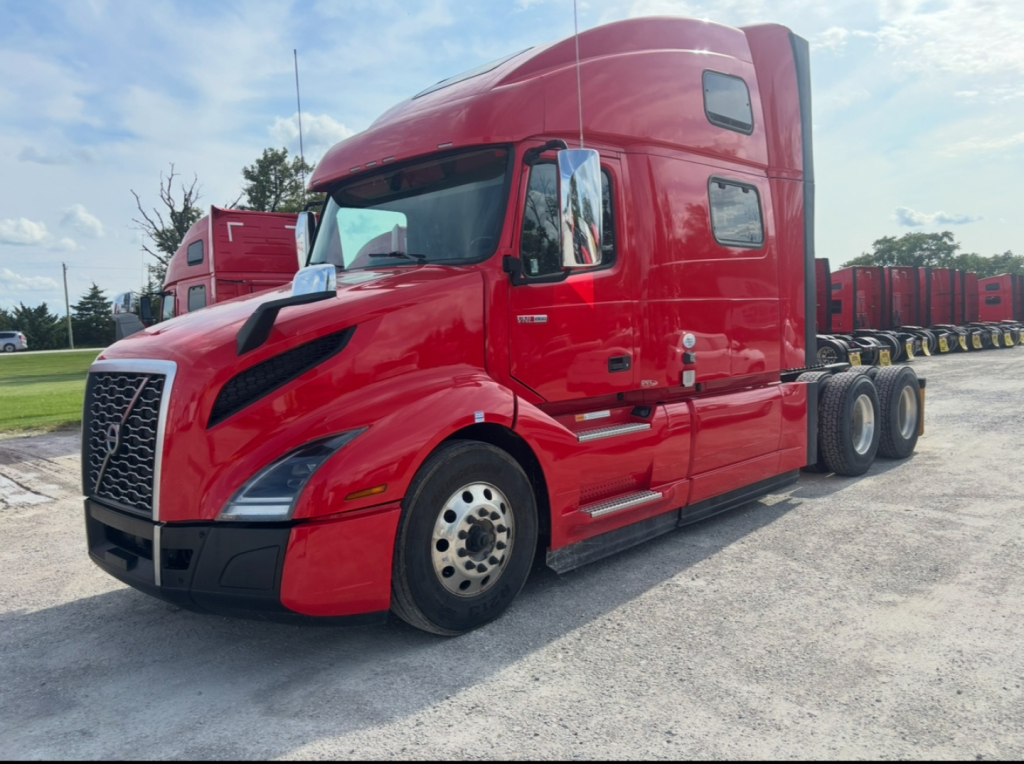
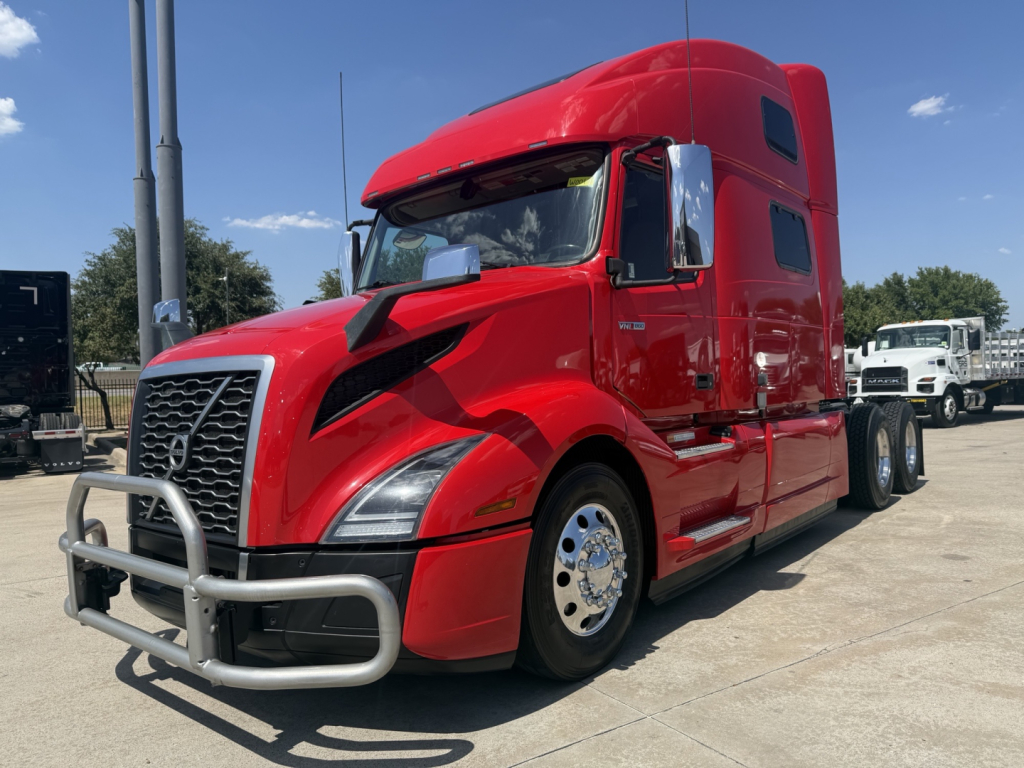
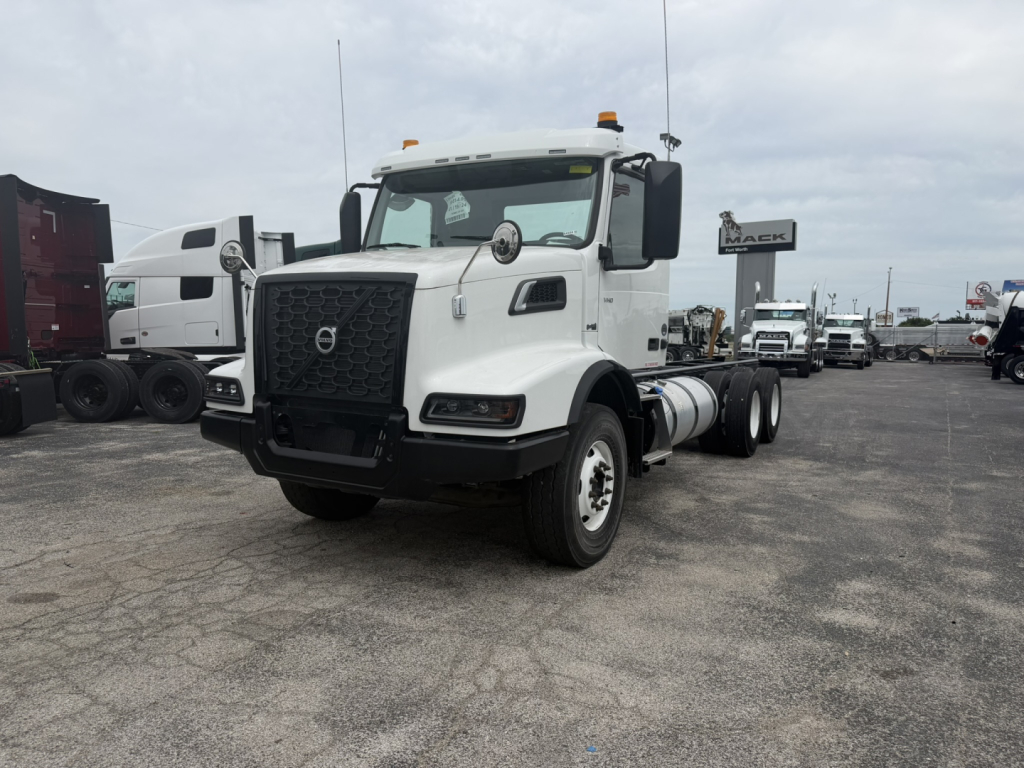
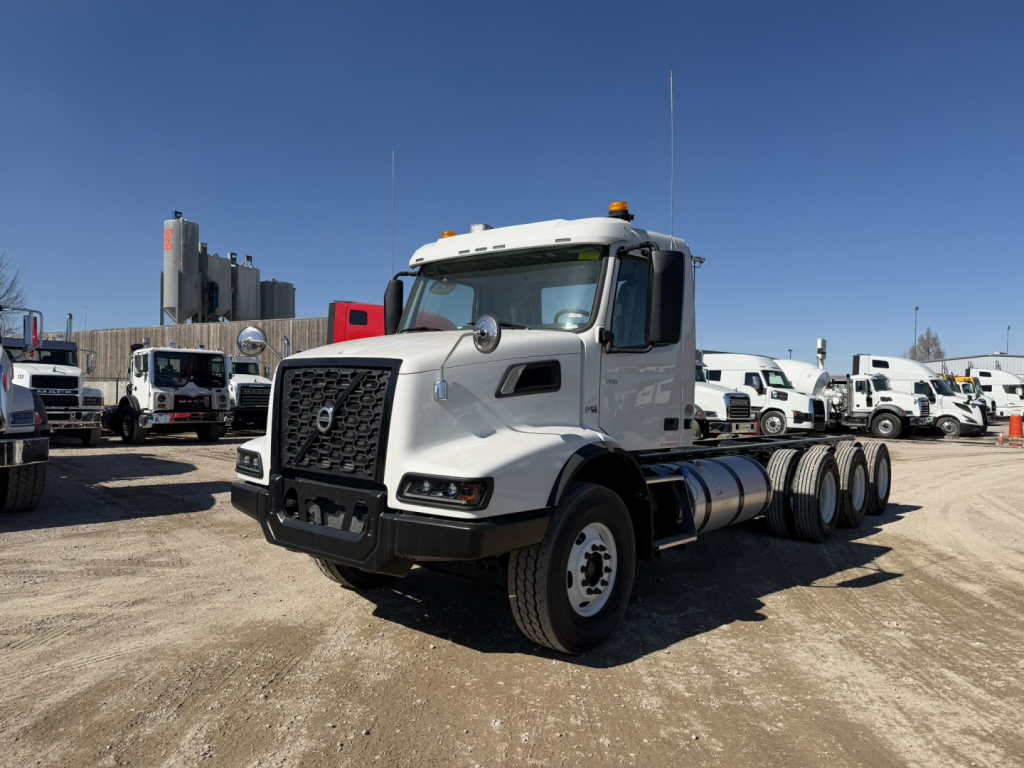
A 2024 Volvo day cab is usually aimed at short-haul, local delivery, port, drayage, and dedicated route work where lower curb weight and tighter wheelbase matter. Sleeper models, especially VNL 740 and similar configurations, are built for longer runs where bunk layout, storage, fuel capacity, and idle-reduction equipment become more important. Tandem axle setups with 40,000-pound rears are common in linehaul specs, while specialized regional or weight-sensitive applications may show different axle combinations. Air ride suspension, disc brakes, aerodynamic fairings, aluminum wheels, and adjustable fifth wheel setups are all common features that can materially affect ride quality, maintenance intervals, and trailer compatibility.
Powertrain spec is where many 2024 Volvo truck buyers make or lose money over time. The Volvo I-Shift remains a major draw because it is designed to work closely with the engine for shift logic, fuel economy, and driver consistency. Buyers comparing used and late-model units should verify engine make, transmission model, torque rating, rear ratio, and tire size as a complete package rather than treating each spec in isolation. A 2.47 to 2.79 rear ratio can make a noticeable difference in cruise RPM, startability, and terrain performance. It is also worth checking for options such as engine brake, bunk heater, auxiliary power unit, super singles versus duals, and fuel tank capacity, since those details directly affect operating cost and route suitability.
For fleets and owner-operators alike, 2024 Volvo trucks are often selected for highway manners, cab ergonomics, and a spec sheet that can be tailored to freight type. A buyer sorting through listings should pay close attention to sleeper size, front axle rating, suspension type, wheelbase, emissions certification, and service history. If the truck will spend most of its life pulling van, reefer, or dry bulk, the ideal spec may differ from a truck assigned to heavier flatbed or specialized freight. The best 2024 Volvo truck is not simply the one with the highest horsepower. It is the one with the right axle ratio, cab configuration, drivetrain, and weight ratings for the lanes it will actually run.
Frequently Asked Questions about 2024 Volvo Trucks
What are the most common 2024 Volvo truck configurations on the used and resale market?
The most common 2024 Volvo trucks are VNL series conventionals in day cab and sleeper form. Day cabs are typically used for regional haul, local freight, intermodal, and dedicated fleet work, while sleeper models are more common in over-the-road applications. Most resale units are tandem axle highway tractors with aerodynamic packages, air ride suspension, and automated transmissions.
What engine and transmission options are typical in a 2024 Volvo truck?
Many 2024 Volvo trucks are equipped with a Volvo D13 or D13TC engine and the Volvo I-Shift automated transmission, although some units may be spec’d with other engines depending on the original buyer and application. Horsepower commonly falls in the low-400s to mid-400s. The key is to evaluate the complete drivetrain package, including torque, transmission model, rear axle ratio, and tire spec, because those components work together to determine fuel economy, gradeability, and driver performance.
How do I choose between a 2024 Volvo day cab and a sleeper?
The decision comes down to route length, payload needs, and driver requirements. A day cab usually offers a shorter wheelbase, less tare weight, and easier maneuverability in urban or terminal environments. A sleeper adds living space, storage, and often larger fuel capacity, making it a better fit for long-haul work. Buyers should also consider bridge law, trailer type, and whether idle-reduction equipment or bunk climate controls are important for the operation.
What specs matter most when comparing 2024 Volvo truck listings?
The most important specs are engine model, horsepower, transmission type, rear axle ratio, axle ratings, suspension, wheelbase, and brake configuration. Fuel tank capacity, fifth wheel setup, and tire arrangement also matter, especially if the truck will be assigned to a specific trailer pool or lane. Looking at these items together gives a clearer picture of how the truck will perform than focusing on model name alone.
Are 2024 Volvo trucks a good choice for fuel-efficient highway operation?
They are widely considered strong candidates for fuel-efficient highway service because Volvo’s aerodynamic cab design and integrated engine-transmission strategy are built around reducing driver variability and optimizing cruise performance. Real-world efficiency still depends on the exact spec, especially rear ratio, tire size, load profile, and average terrain. A truck with the right gearing and duty cycle match will usually deliver better results than one chosen only for engine rating or sleeper size.