
2024 Volvo Cab and Chassis Trucks For Sale
Shop 2024 Volvo cab and chassis trucks built for vocational upfits, with VHD configurations, strong GVWR options, PTO capability, and durable specs.
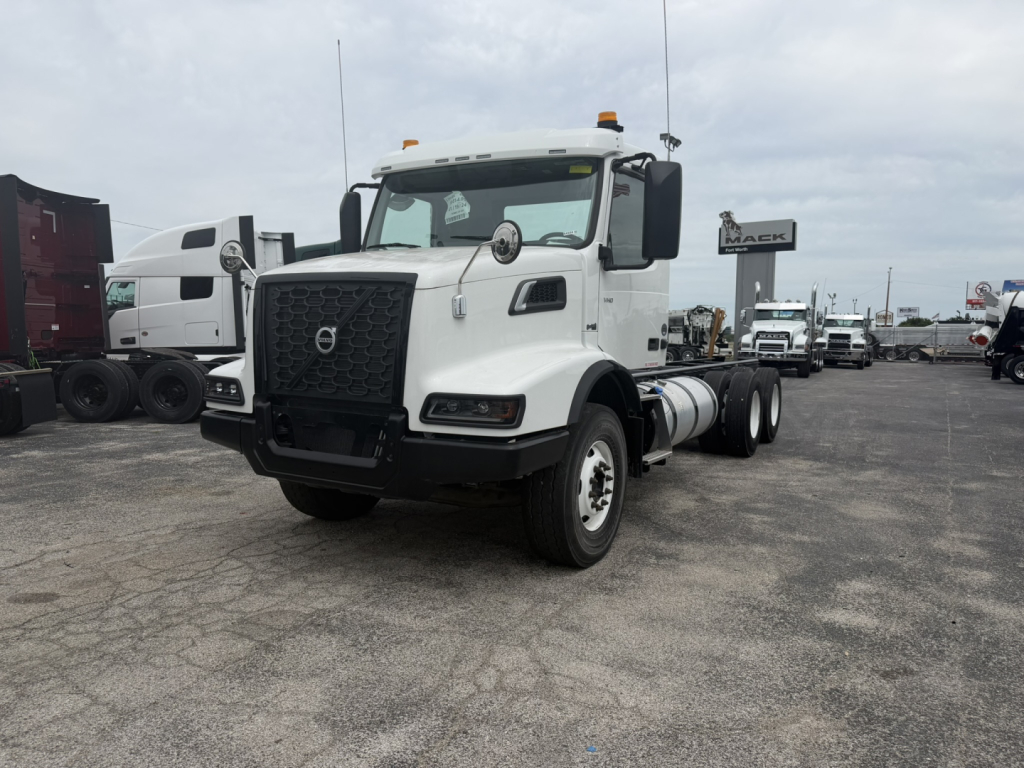
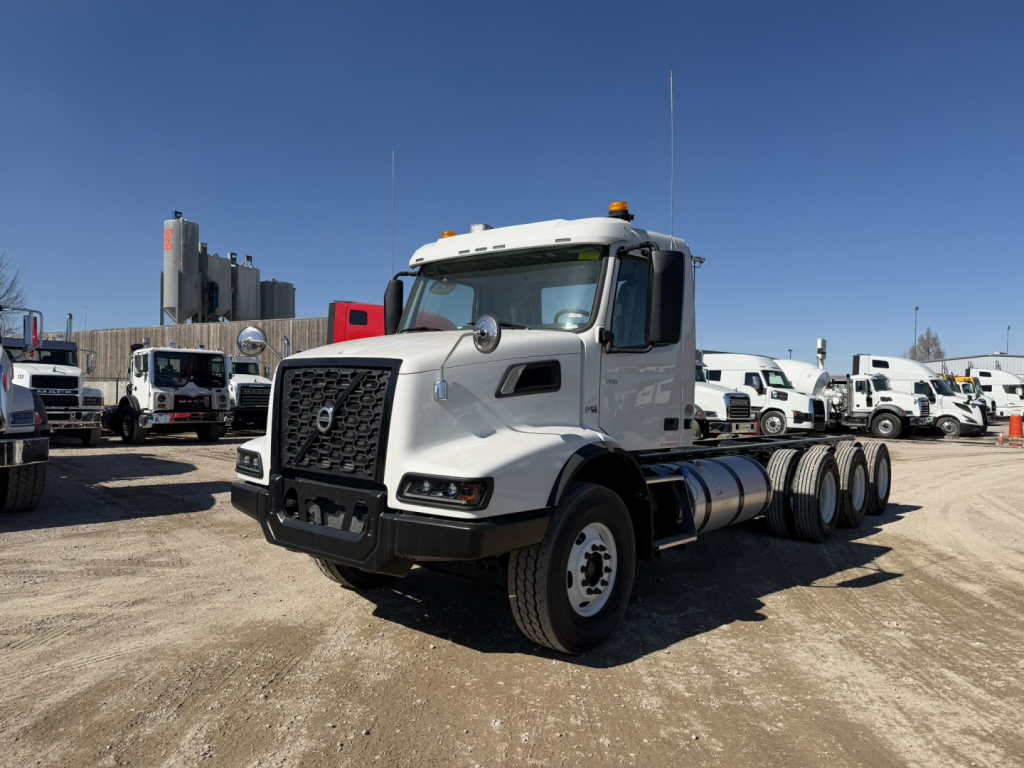
Selling a 2024 volvo cab and chassis truck? List your 2024 volvo cab and chassis truck for sale and reach thousands of commercial buyers.
2024 Volvo Cab and Chassis Trucks
On current 2024 Volvo cab and chassis units, the engine and driveline package is usually centered around the Volvo D13 in vocational ratings around 425 horsepower, often paired with an Eaton Fuller manual or other heavy-duty transmission choices depending on application. For off-road or severe-duty work, deep-reduction gearing, interaxle differential locks, and aggressive rear axle ratios like 4.89 can make a major difference in launch, gradeability, and low-speed control. Buyers looking at tri-drive or tridem configurations should pay close attention to suspension design, articulation, rear axle capacity, and cooling package size, especially if the truck will spend time in soft ground, on steep jobsites, or operating PTO-driven equipment at low road speed.
Volvo cab and chassis trucks are well suited to fleets that want a vocational platform with modern driver ergonomics and strong safety integration. In this class, common specs include set-forward or set-back axle layouts, steel wheels, high-capacity front axles, heavy rear suspensions, drum brakes for rugged service environments, and fuel tank layouts designed around body clearance. The right chassis will depend on body-builder requirements such as frame rail spacing, cab-to-axle measurement, usable frame length, and whether the build needs a single PTO or dual PTO access for hydraulic pumps, blowers, or auxiliary systems. Clearance for outriggers, hoists, subframes, and hydraulic reservoirs should be confirmed before purchase.
A buyer comparing 2024 Volvo cab and chassis trucks should also look beyond headline GVWR and horsepower. Check the actual front axle rating, suspension type, transmission model, PTO provisions, and body-builder compatibility information. If the truck is headed into construction, utility, oilfield, municipal, or aggregate service, uptime usually comes from matching the chassis to the duty cycle rather than simply choosing the highest rating available. A properly spec'd Volvo cab and chassis can be an efficient foundation for a long-service vocational truck, especially when the frame, driveline, and wheelbase are selected around the exact body and job requirement.
Frequently Asked Questions about 2024 Volvo Cab and Chassis Trucks
What is a 2024 Volvo cab and chassis truck used for?
A 2024 Volvo cab and chassis truck is used as a base platform for vocational upfits rather than as a finished truck body from the factory. Common applications include dump trucks, concrete mixers, roll-off trucks, hooklift trucks, mechanics trucks, water trucks, tank trucks, vacuum trucks, crane trucks, and utility bodies. The chassis is selected so the body, hydraulics, and axle ratings match the intended work.
What Volvo model is most common in 2024 cab and chassis configurations?
The Volvo VHD is the most common 2024 Volvo platform in the cab and chassis category. It is designed for vocational and severe-duty work, with configurations that support higher axle ratings, PTO operation, rugged suspensions, and body-builder flexibility. Depending on the intended application, buyers may see tandem or tri-drive layouts, different wheelbases, and drivetrain specs tuned for either on-road vocational hauling or off-road jobsite service.
What specs matter most when buying a Volvo cab and chassis?
The most important specs are axle configuration, wheelbase, cab-to-axle measurement, GVWR, front axle rating, rear suspension capacity, engine horsepower and torque, transmission type, rear axle ratio, and PTO capability. Body-builder details matter just as much, including frame rail dimensions, usable frame length, and fuel tank placement. These specifications determine whether the truck can accept the intended body and perform correctly once fully loaded.
Is a tri-drive Volvo cab and chassis better for severe-duty work?
A tri-drive Volvo cab and chassis can be a strong choice for severe-duty applications that need extra traction, higher gross weight capability, and better flotation on unstable ground. These trucks are often used in pipeline work, oilfield service, logging, mining support, and heavy construction. The tradeoff is added complexity, more tires and drivetrain components to maintain, and a larger turning footprint compared with a tandem axle chassis.
Should I choose a manual transmission or an automated option in a vocational chassis?
That depends on the job. A manual transmission, especially an 8LL or other deep-reduction setup, is still valued in severe-duty work where low-speed control and PTO-driven applications are important. An automated transmission may improve driver consistency and reduce fatigue in mixed on-road use. The right choice depends on terrain, payload, driver familiarity, PTO needs, and how much time the truck will spend off road versus running between jobs.