
2024 Rollback Trucks For Sale
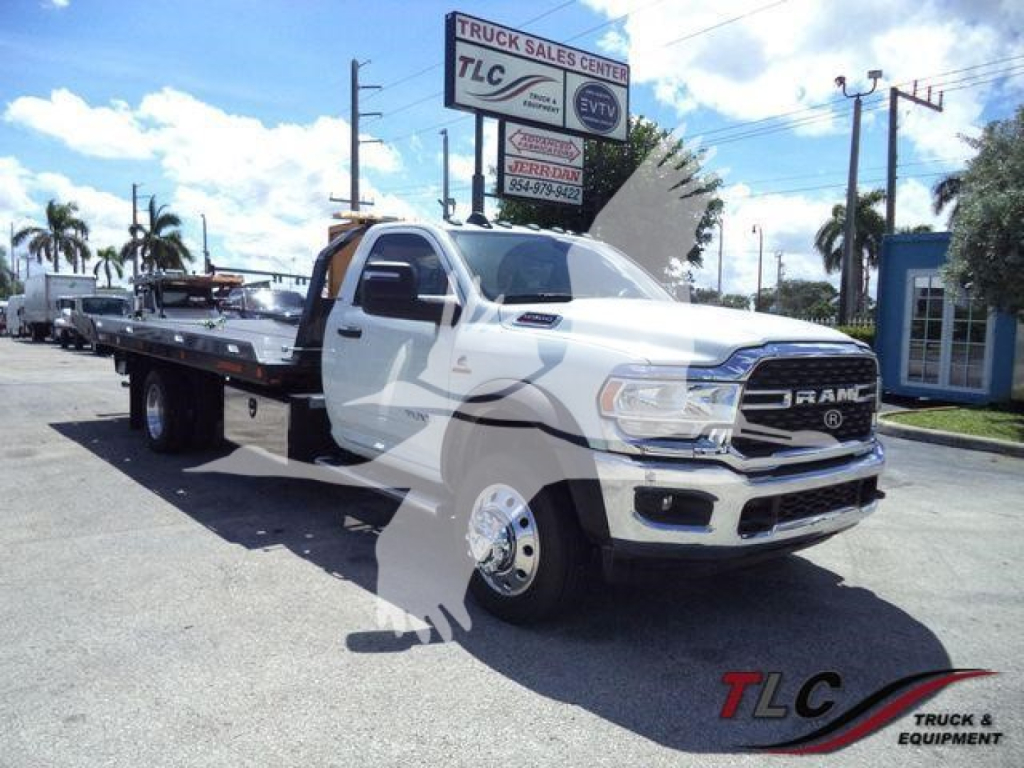
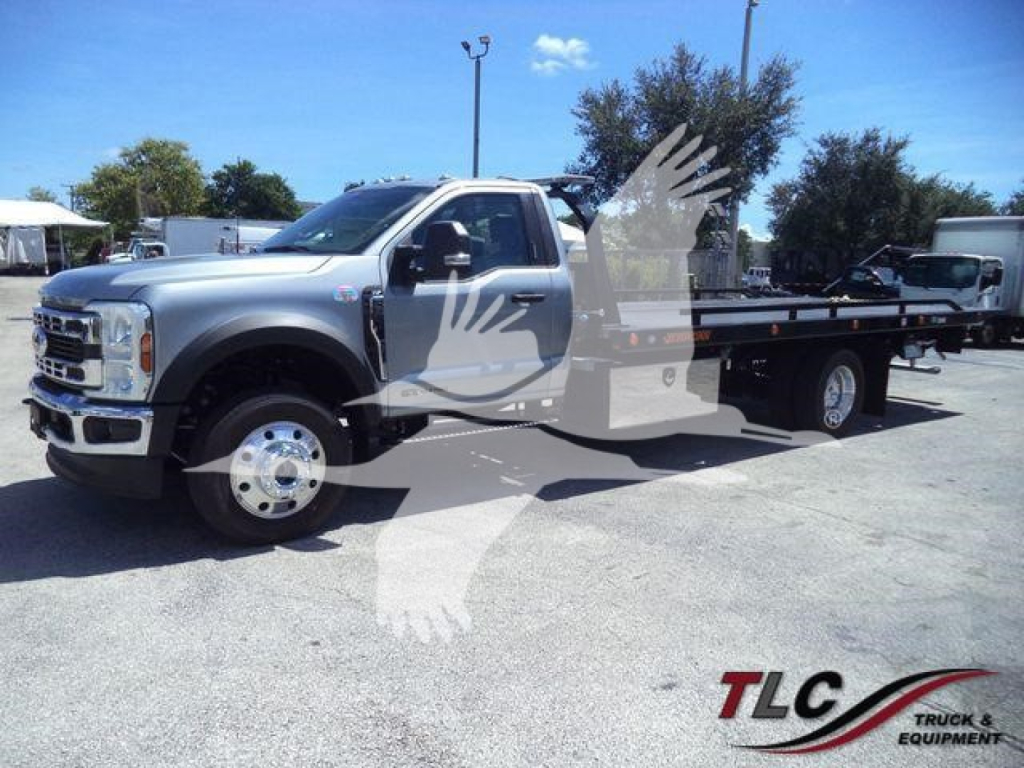
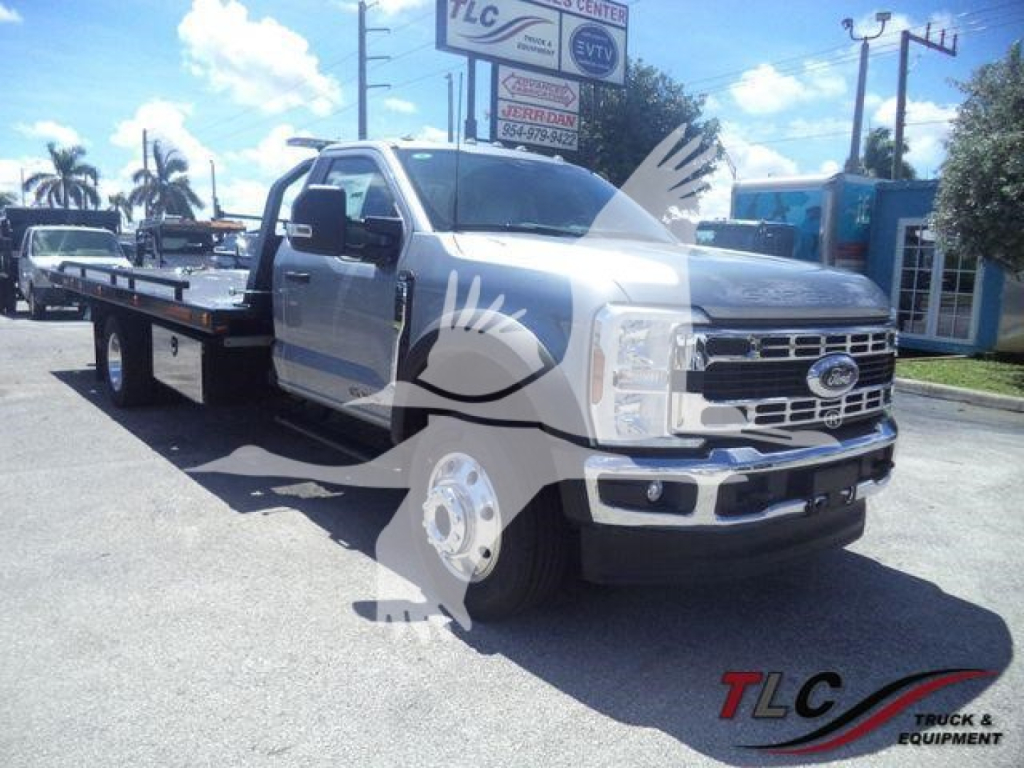
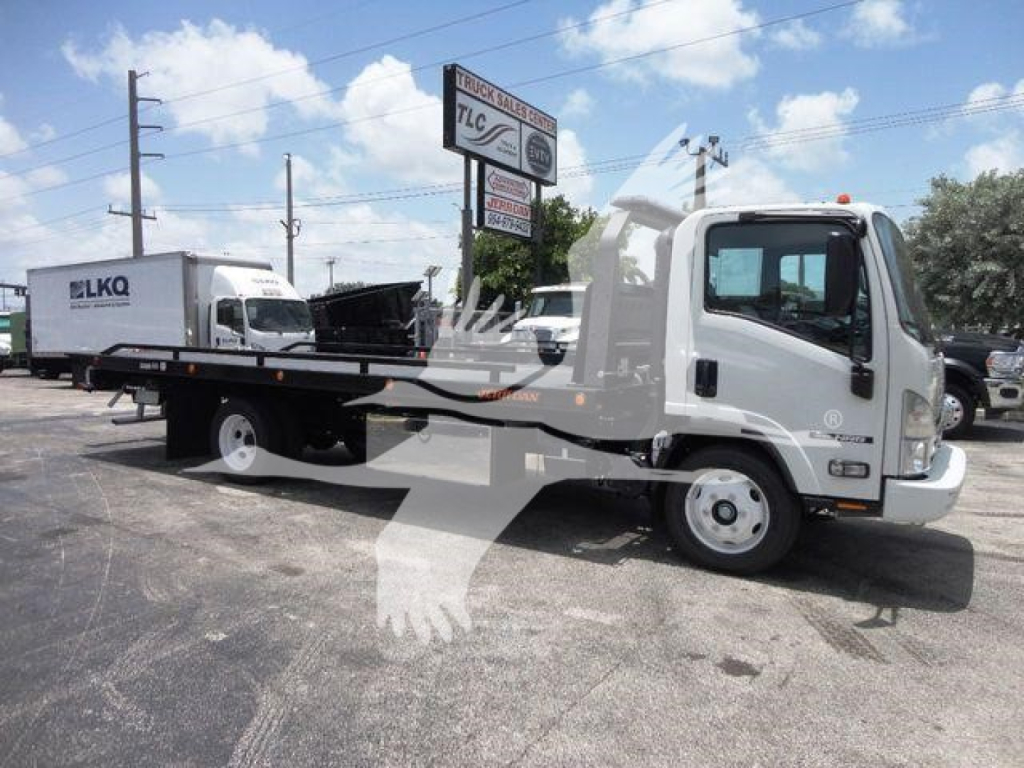
Shop 2024 rollback trucks for towing and recovery. Compare bed length, winch capacity, wheel lift, GVWR, chassis, and carrier setup.
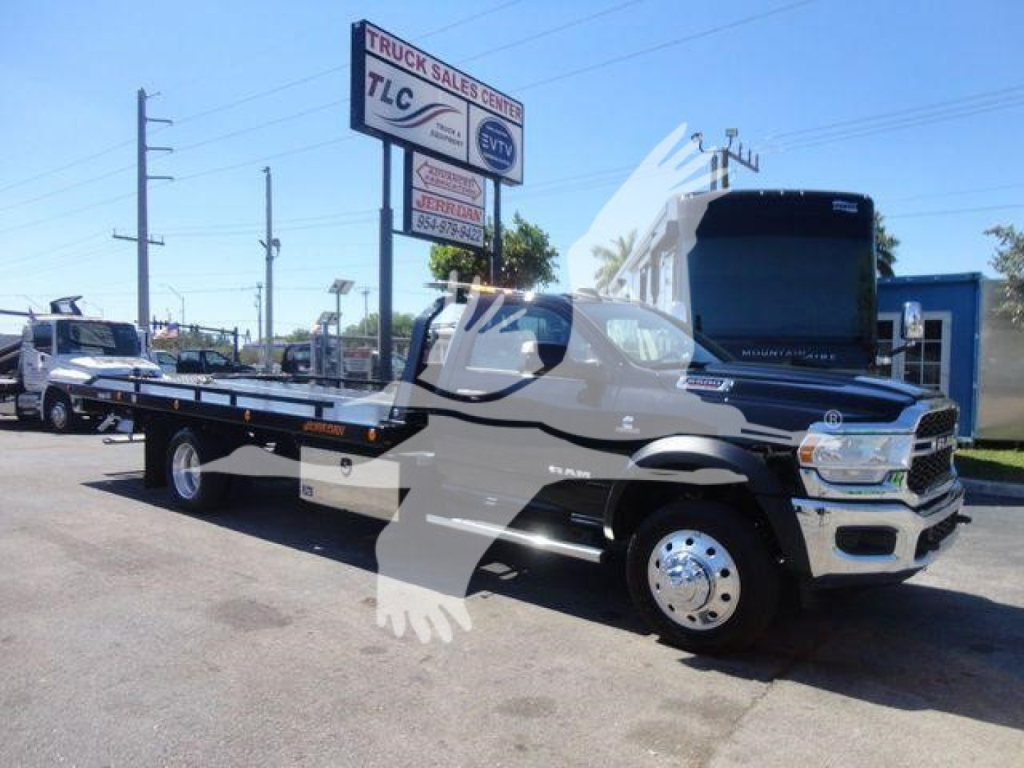
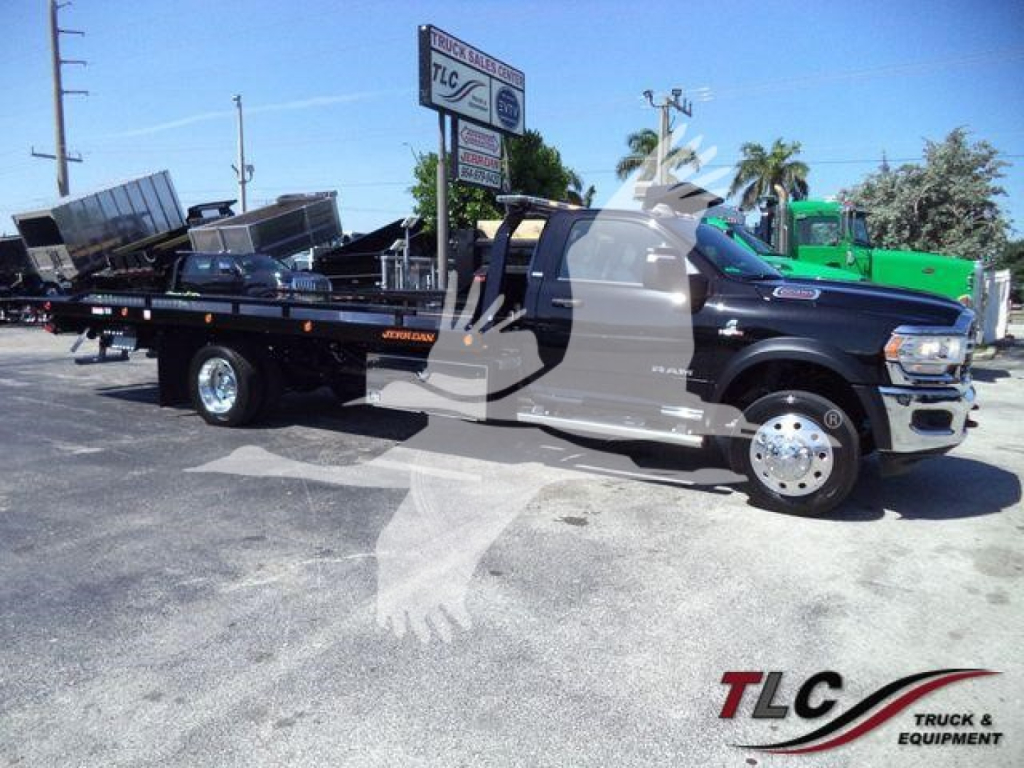
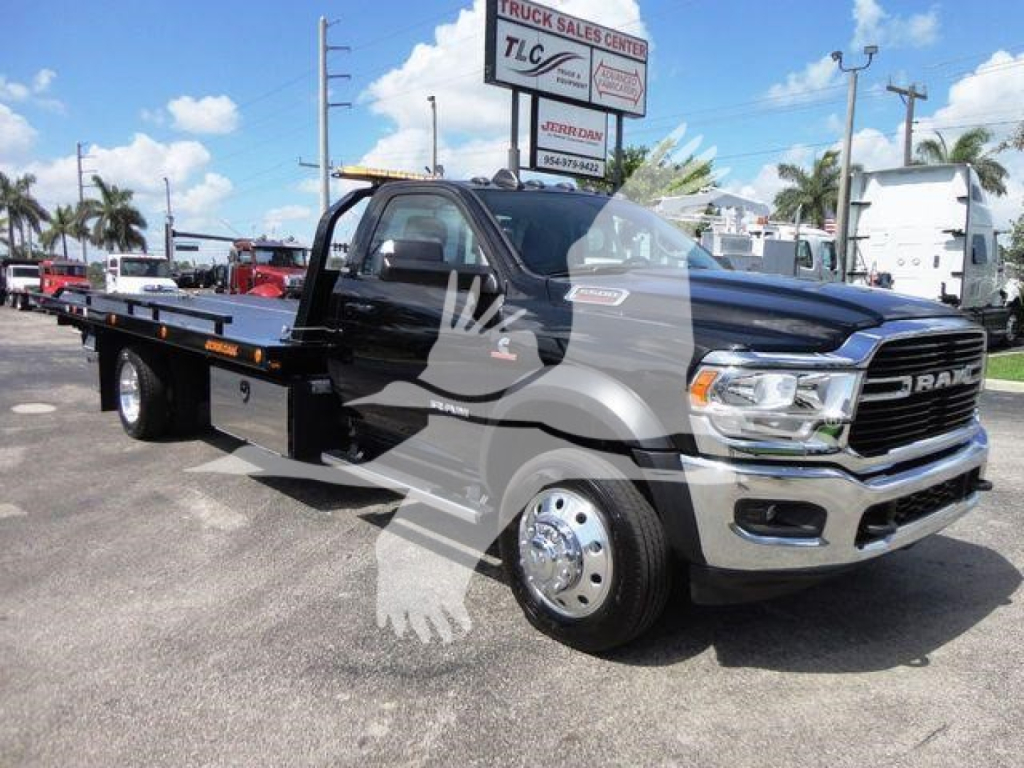
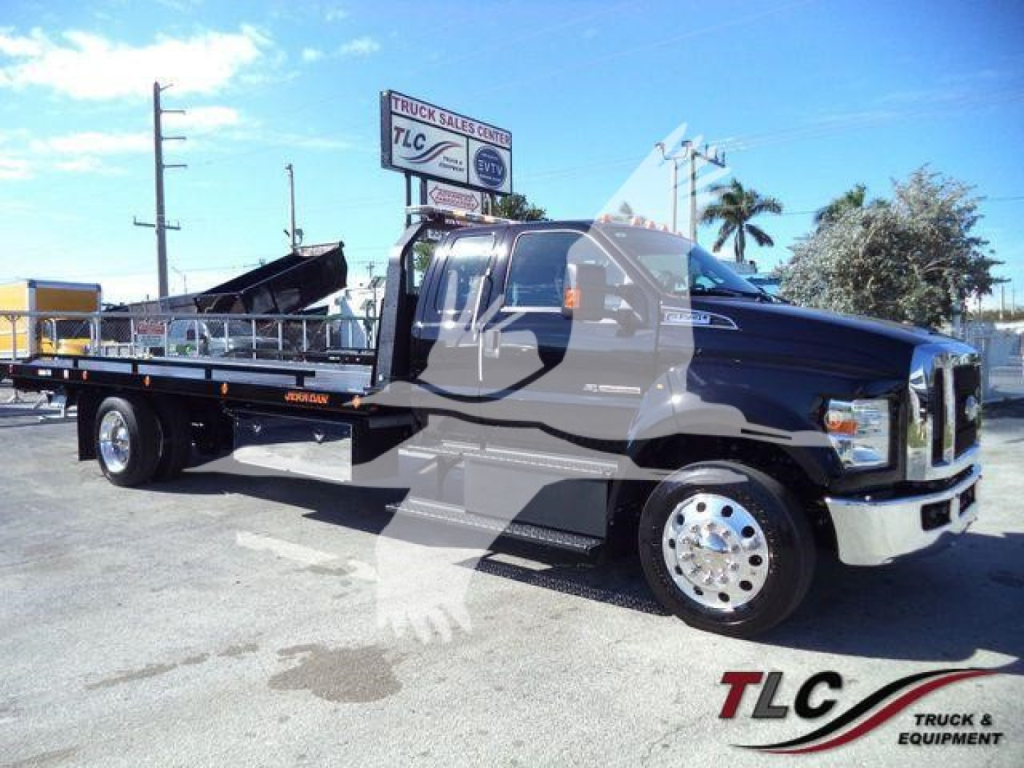
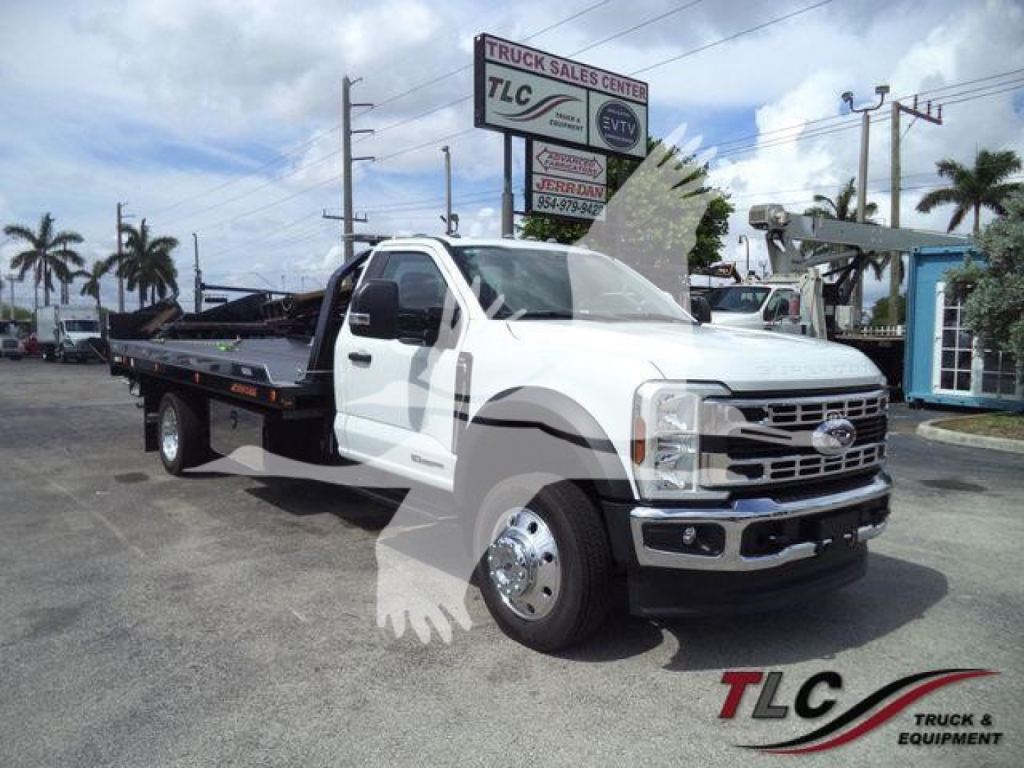
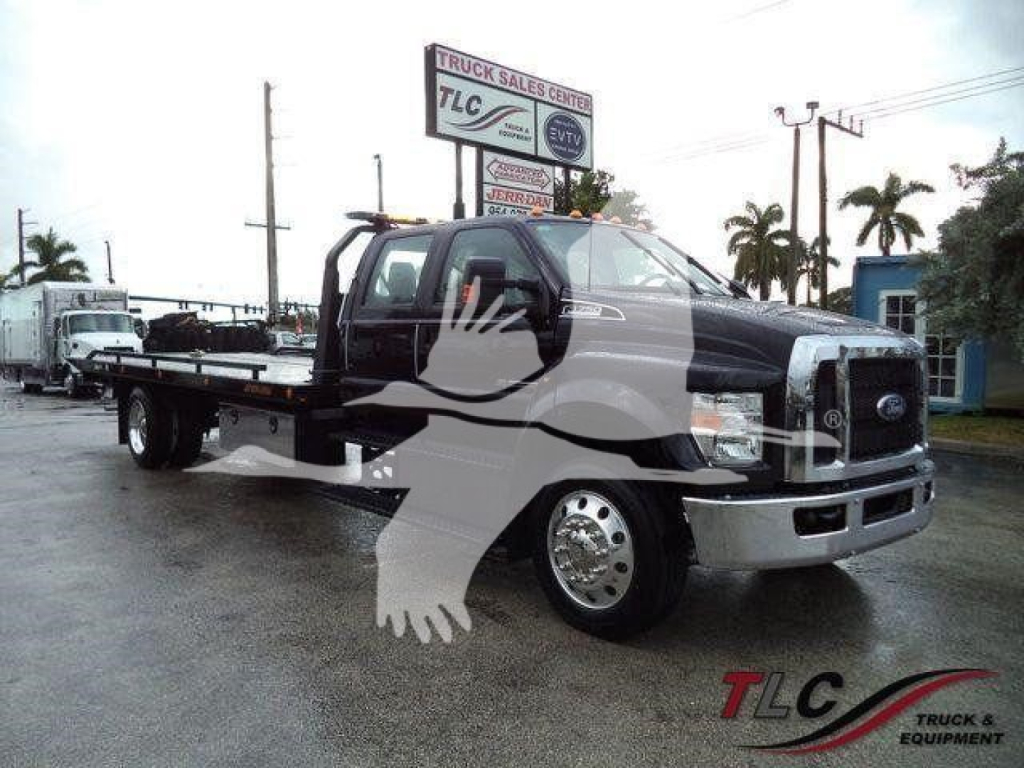
Selling a 2024 rollback truck? List your 2024 rollback truck for sale and reach thousands of commercial buyers.
2024 Rollback Trucks
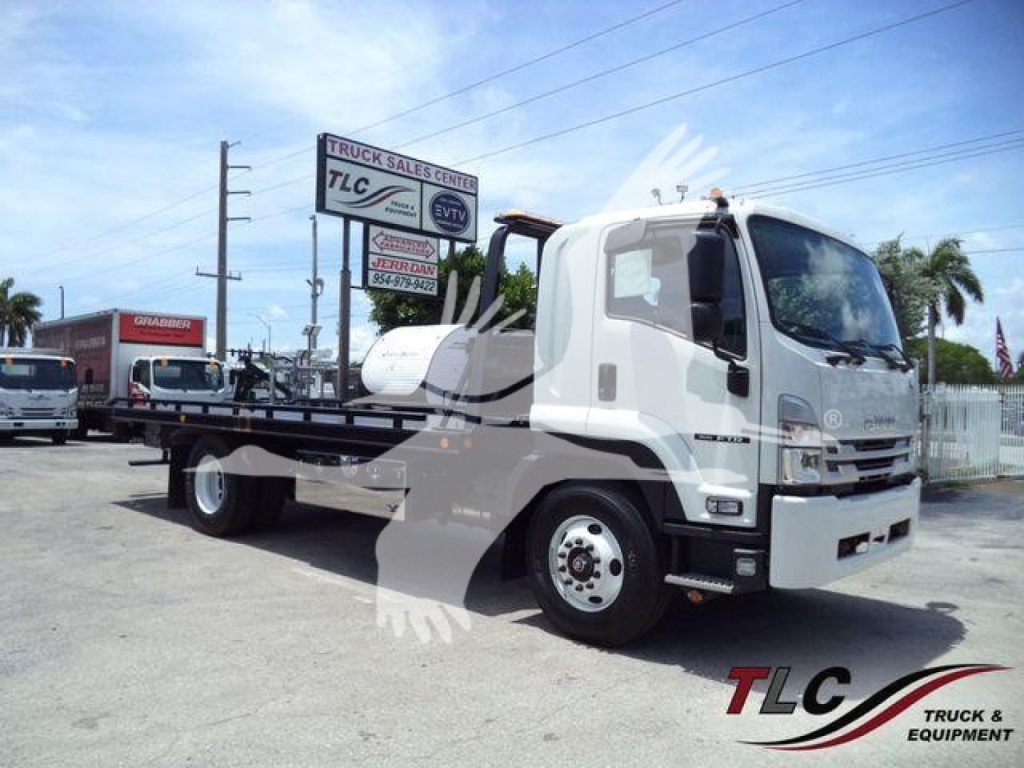
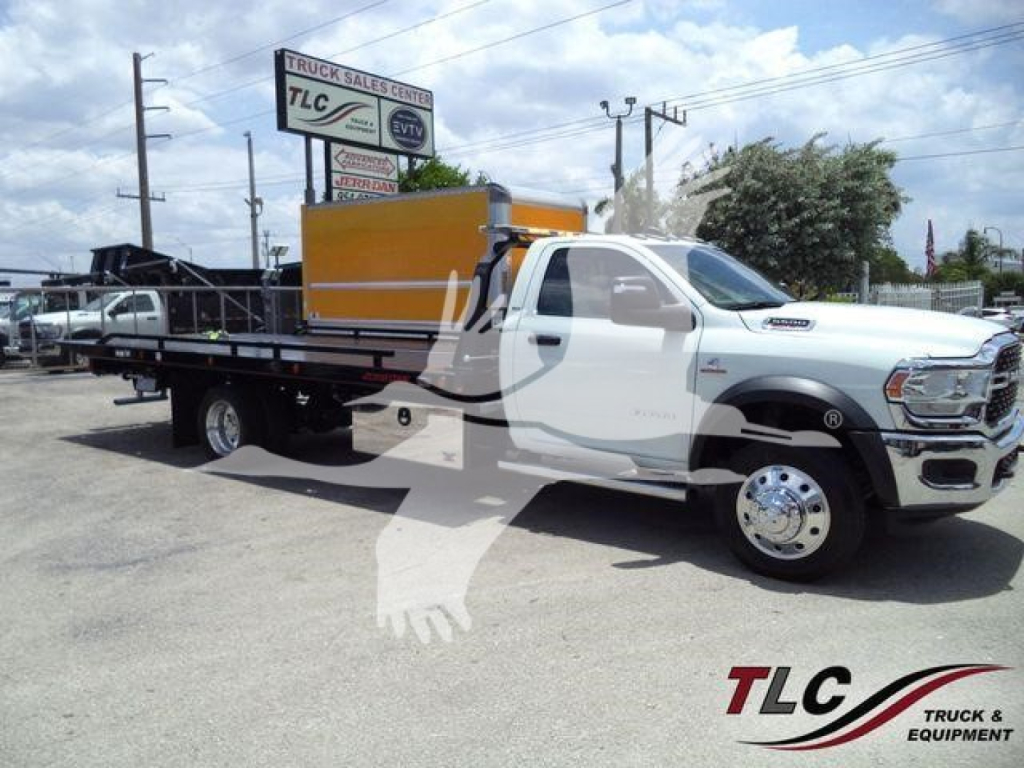
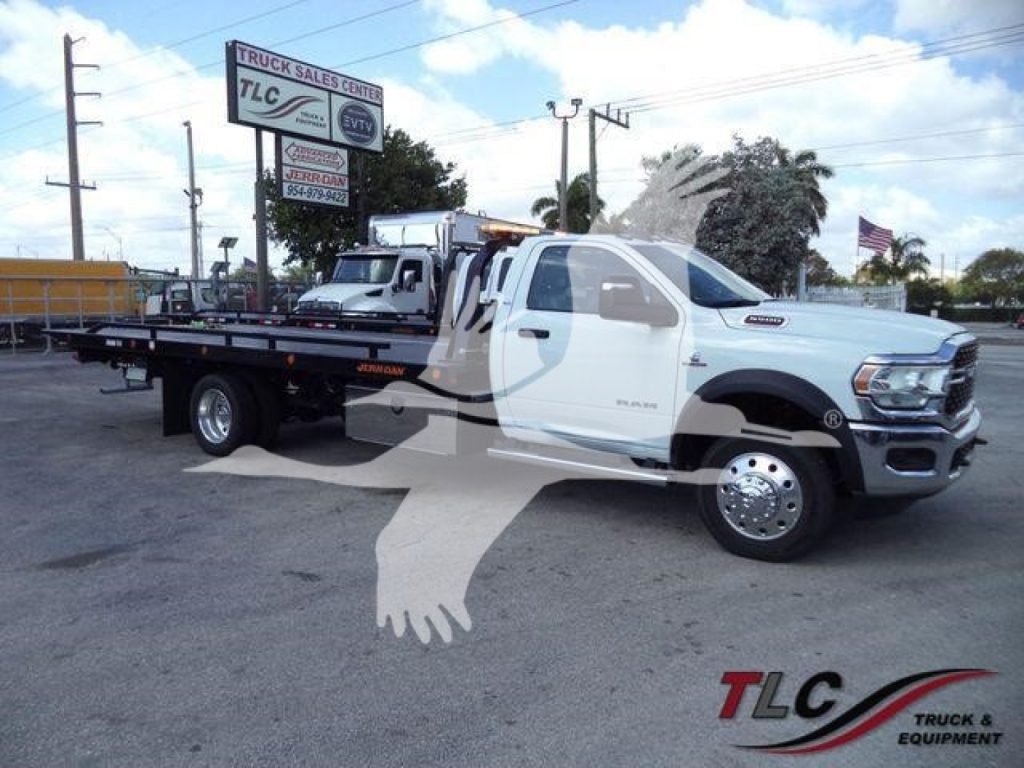
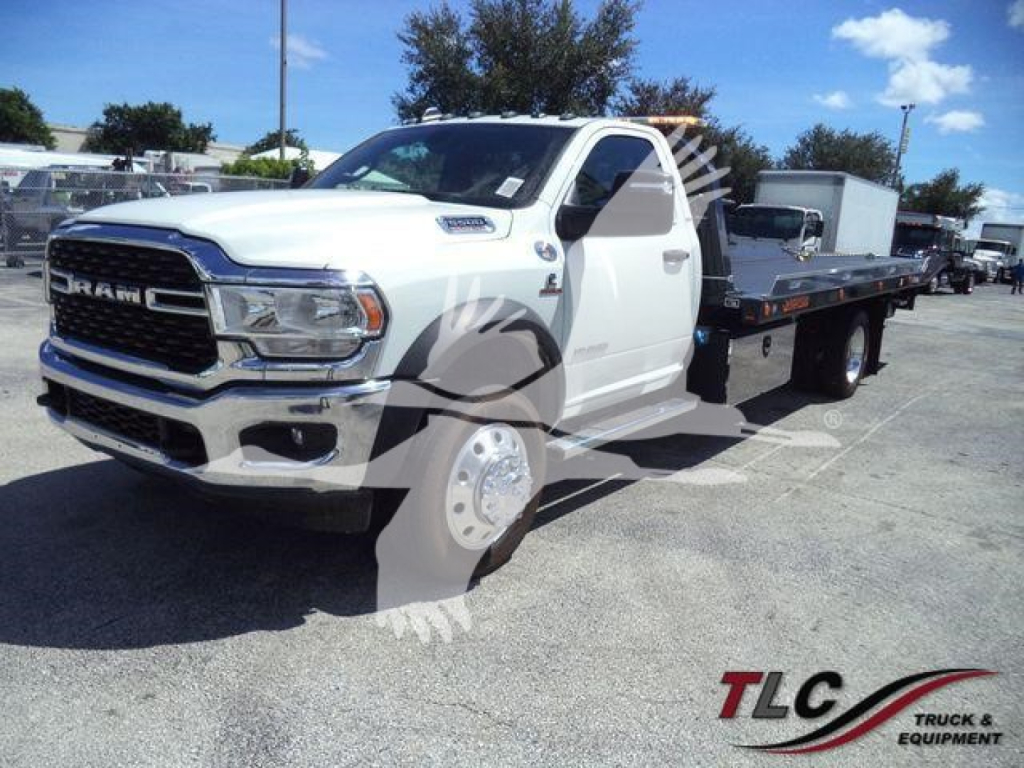
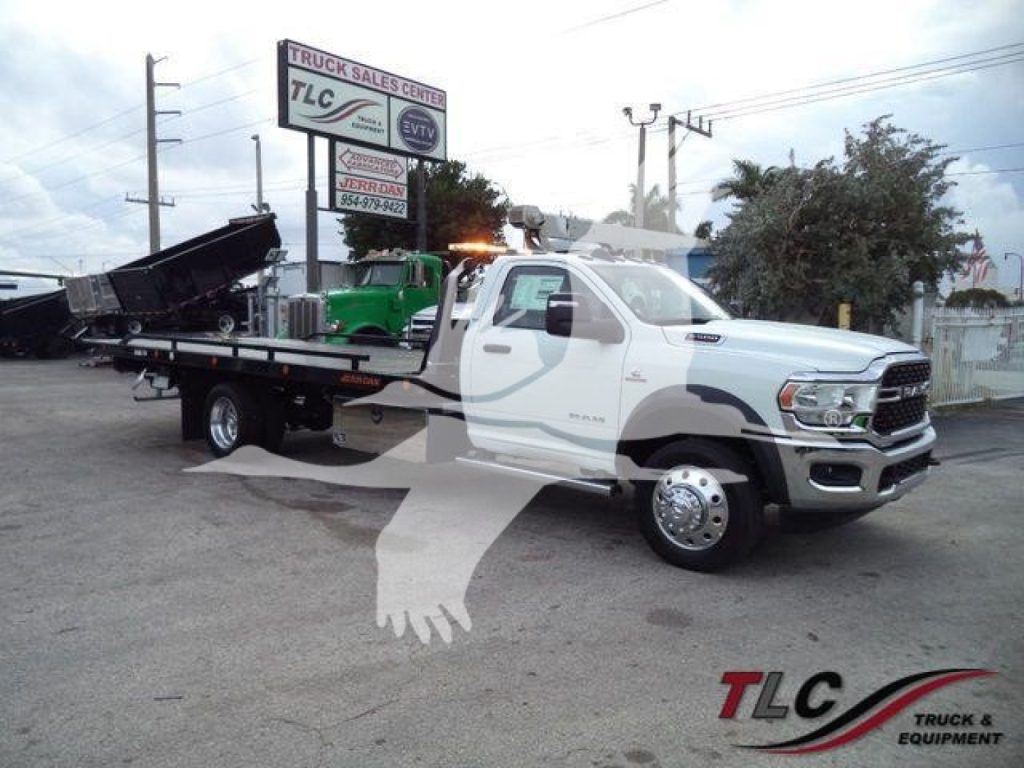
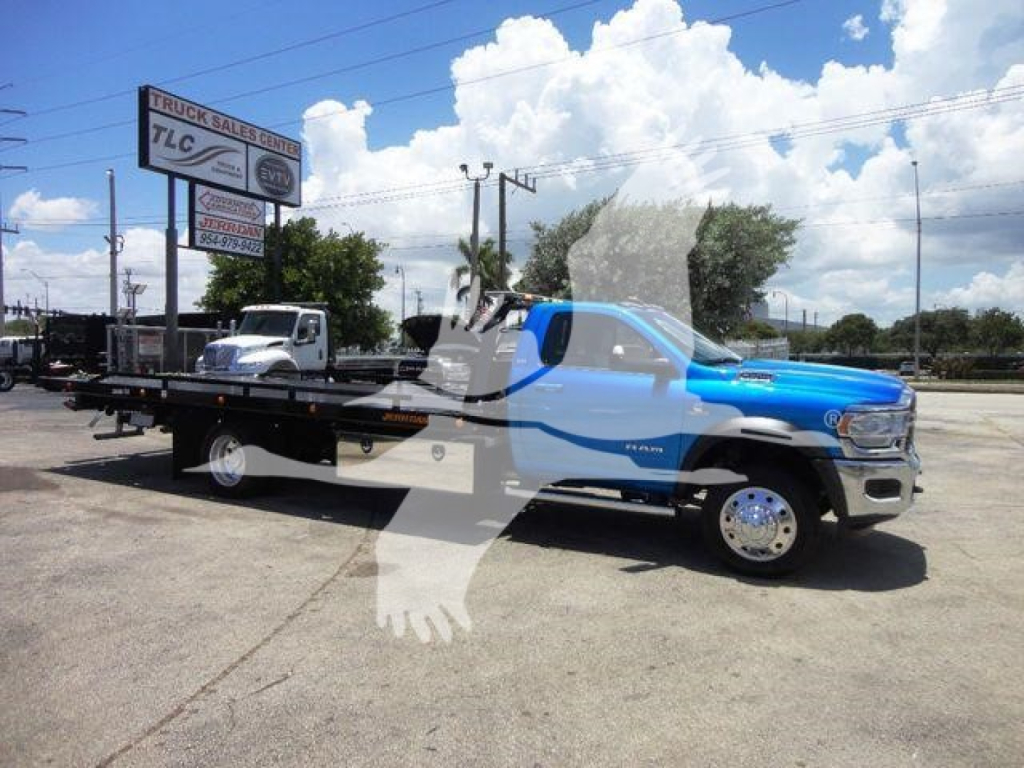
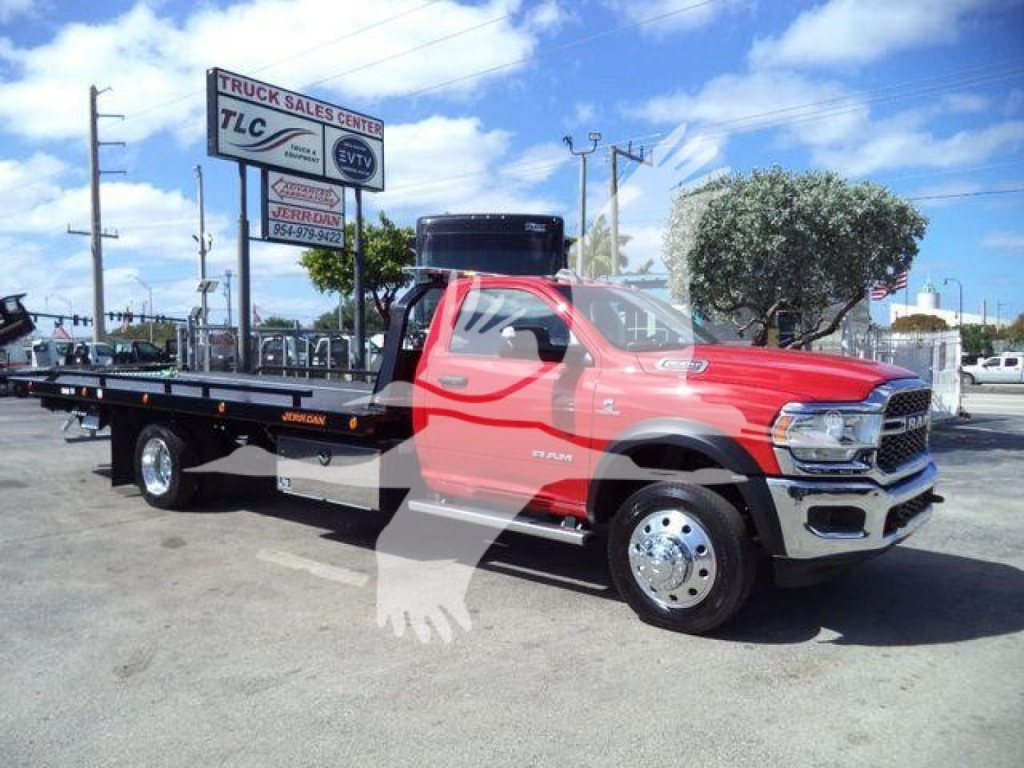
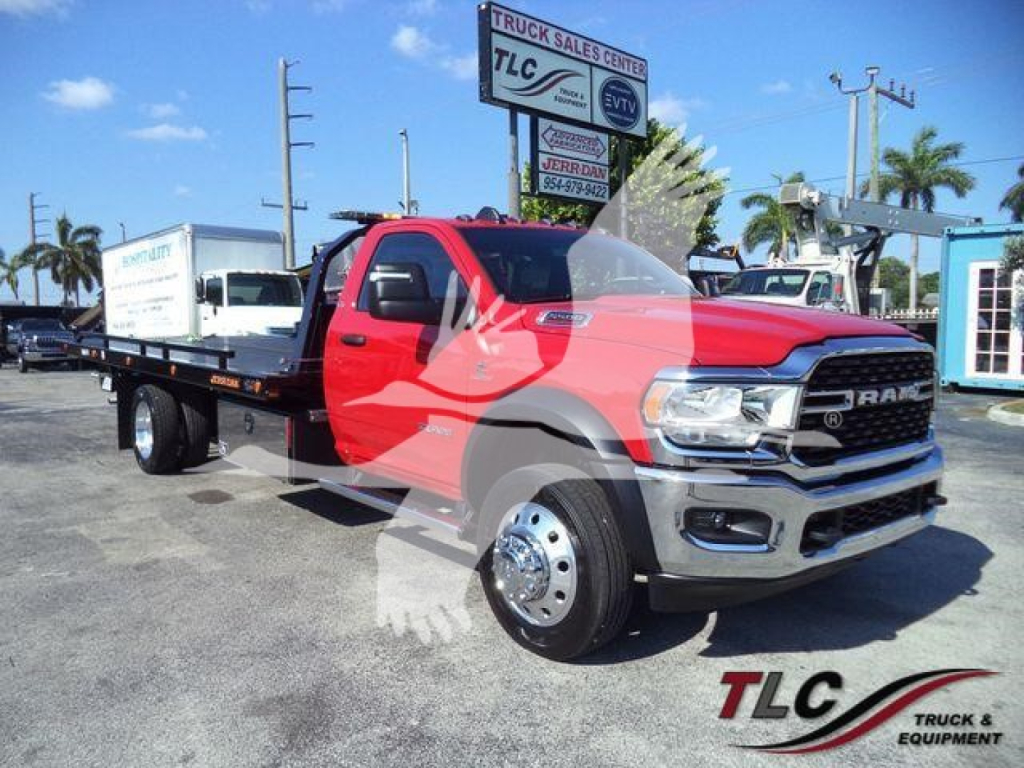
Bed size, deck design, and wheel lift matter as much as the chassis. Common rollback bodies run 21 to 22 feet on lighter units and 28 feet on heavy-duty carriers, typically at 102 inches wide. Low-profile and extra-low-profile decks help with low-clearance vehicles, reduced approach angle, and smoother loading of long-wheelbase cars. Steel beds remain popular for durability and repairability, while aluminum can reduce curb weight and improve payload. Buyers should look closely at deck rating, winch capacity, wheel lift rating, rail style, toolbox layout, tie-down points, and whether the carrier includes side recovery equipment, wireless controls, work lighting, and storage for chains, straps, dollies, and skates.
On the chassis side, 2024 rollback trucks are commonly spec'd with Cummins diesel power, Allison automatic transmissions, PTO-driven hydraulics, and either hydraulic or air brake configurations depending on class. Front axle and rear axle ratings, wheelbase, suspension type, and axle ratio all affect how the truck carries a loaded deck and how it performs in stop-and-go towing work. Air ride suspensions can improve ride quality and body stability, while locking differentials, engine brakes, and dual steering boxes are features many operators want on heavier carriers. For urban towing, maneuverability and turning radius are important. For highway transport, horsepower, cooling capacity, and deck retention under sustained use become more important.
A buyer comparing 2024 rollback trucks should think beyond model year and focus on the actual job cycle. A six-ton low-profile carrier with a 3,500 lb wheel lift fits high-volume auto transport and light-duty towing. A heavier rollback with a 20,000 lb winch, double frame, tandem rears, and a 28-foot bed fits commercial recovery support and equipment moves. Check body manufacturer reputation, hydraulic warranty terms, corrosion protection, lighting package, and service access to the winch, bed cylinders, and controls. The right rollback truck is the one with the deck geometry, chassis rating, and recovery equipment to handle your most common loads without running at its limit every day.
Frequently Asked Questions about 2024 Rollback Trucks
What is the difference between a rollback truck and a wrecker?
A rollback truck uses a hydraulic sliding and tilting deck to carry a vehicle completely off the ground. A wrecker usually tows with a boom or wheel lift while the disabled vehicle remains partly on its own wheels. Rollback trucks are preferred for damage-free transport, all-wheel-drive vehicles, low-clearance cars, and equipment that needs to be loaded onto a flat deck instead of towed behind the truck.
What bed size is common on a 2024 rollback truck?
Common bed lengths are around 21 to 22 feet on light and medium-duty carriers, with heavier tandem-axle rollback trucks often using 28-foot beds. Most are 102 inches wide. The right bed length depends on the vehicles or equipment being moved, deck angle, wheelbase of the truck, and whether the truck needs a wheel lift for secondary towing or recovery support.
How much winch capacity does a rollback truck need?
Many light and medium-duty carriers use winches in the 8,000 to 10,000 lb range, which is suitable for passenger vehicles, pickups, and light equipment. Heavy rollback trucks may use 20,000 lb winches for larger loads and more demanding recovery work. Winch choice should match the weight of the vehicles you load, the terrain you work in, and how often you recover non-running units instead of simply transporting operable vehicles.
Is a 26,000 GVWR rollback enough for most towing work?
For many local towing fleets, a 26,000 GVWR rollback is enough for cars, SUVs, light pickups, and general roadside service without requiring a CDL in some situations, subject to local and federal rules. It is a common choice for auto transport, repossession, and municipal towing. If the truck will regularly haul medium-duty trucks, loaded service bodies, or heavier equipment, a tandem-axle rollback with much higher axle ratings is usually the better fit.
What should buyers inspect on a rollback body and hydraulic system?
Key inspection points include deck condition, subframe integrity, cylinder leaks, hydraulic hose routing, PTO operation, winch performance, wheel lift function, control responsiveness, and wear at pivot points and slide assemblies. Buyers should also inspect tie-down hardware, scuff areas, toolbox mounts, lighting, wiring protection, and corrosion around the bed, rear structure, and crossmembers. On a working rollback truck, hydraulic condition and structural integrity matter as much as engine and transmission specs.