
2024 Ford Rollback Trucks For Sale
Shop 2024 Ford rollback trucks including F-550, F-600, and F-750 carriers with low-profile decks, wheel lifts, and diesel power.
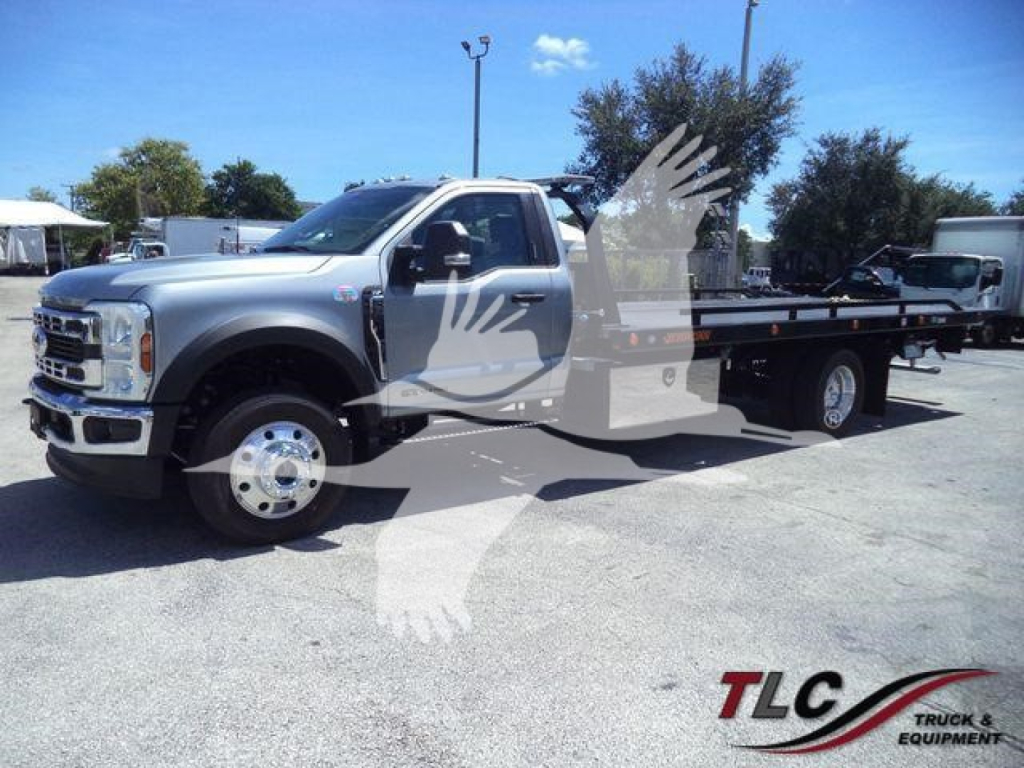
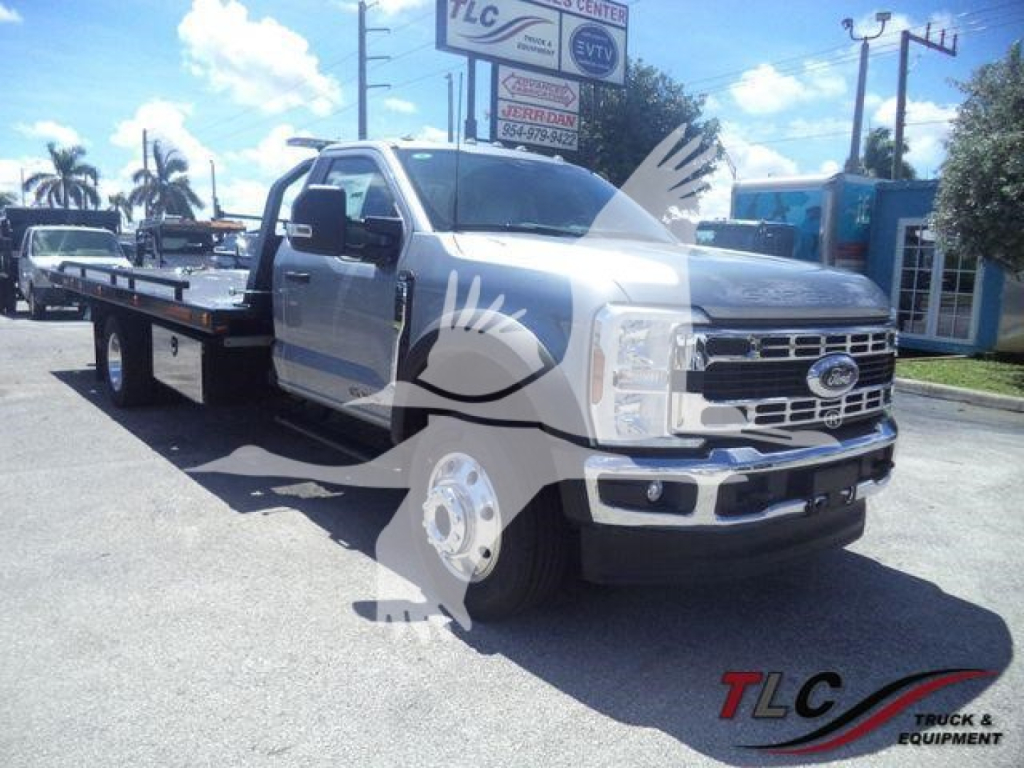
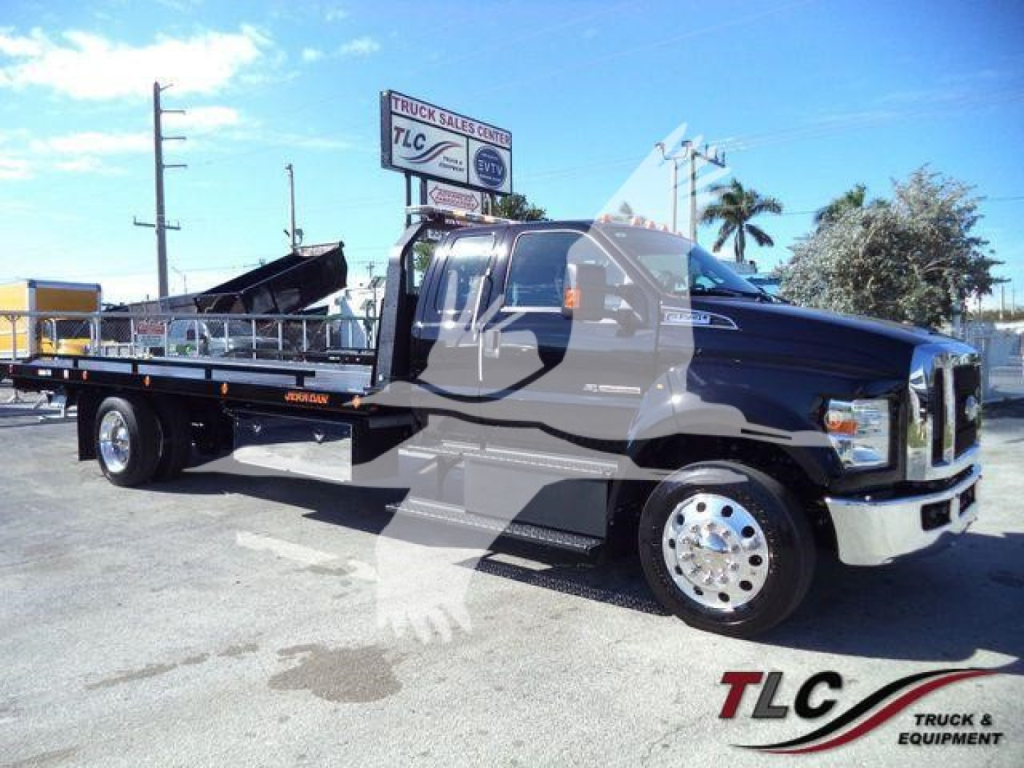
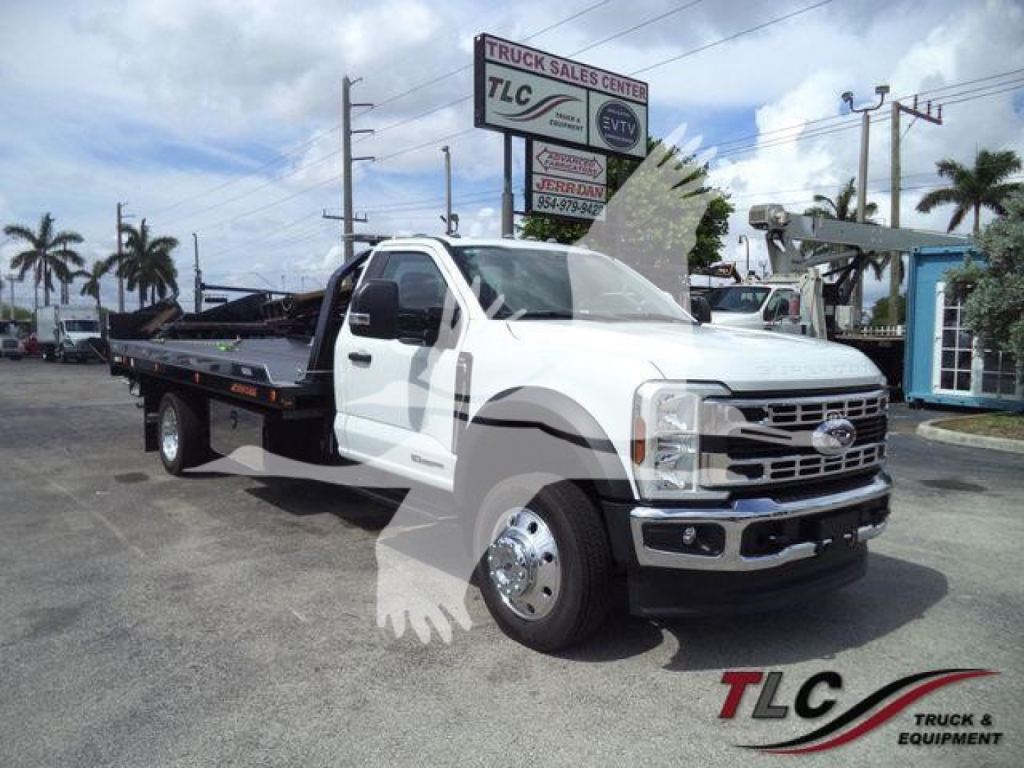
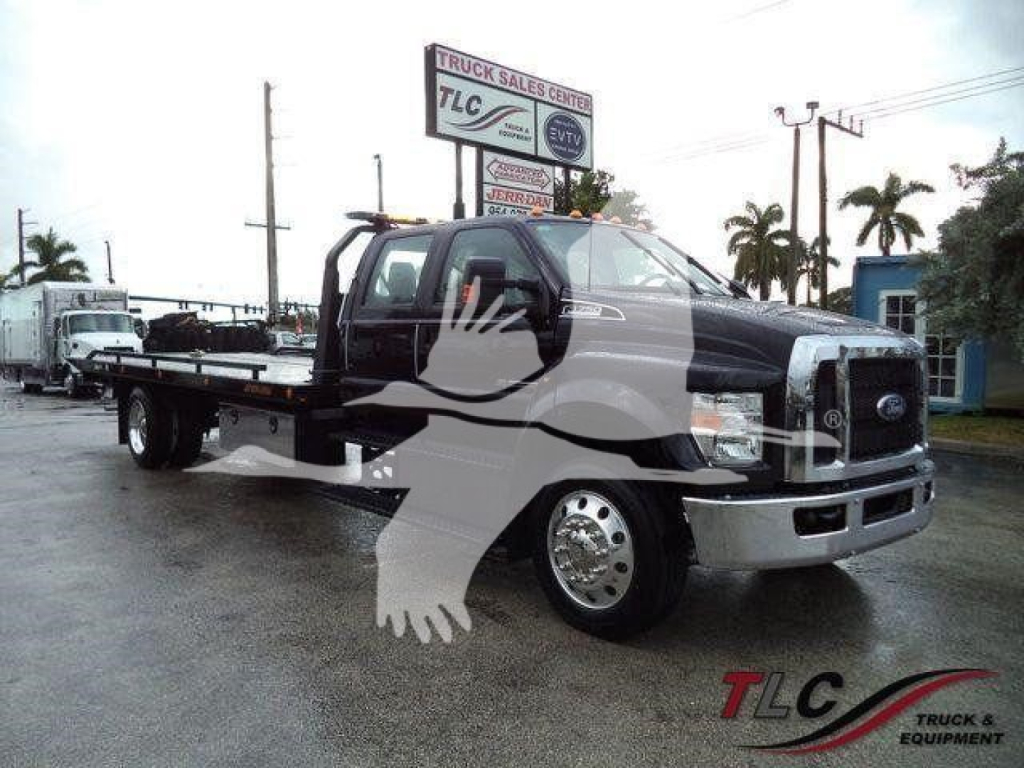
Selling a 2024 ford rollback truck? List your 2024 ford rollback truck for sale and reach thousands of commercial buyers.
2024 Ford Rollback Trucks
Deck design is one of the biggest buying decisions. Low-profile and extra-low-profile carrier beds, often called LCG or XLP decks, reduce the load angle and make life easier when loading lower-clearance cars, crossovers, and light trucks. Common body specs in this class include 20-foot to 22-foot steel decks, 102-inch deck width, 6-ton bed capacity, 8,000-pound winches, and 3,500-pound hydraulic wheel lifts with L-arms. Many buyers also look for dual-angle or right-approach decks, removable rails, and practical storage such as 48-inch to 72-inch toolboxes. If your work includes damaged vehicles, auction units, or all-wheel-drive vehicles, wheel lift design, winch controls, and deck approach geometry are just as important as engine and axle specs.
The Ford chassis itself is a major part of the value. F-550 and F-600 rollback trucks are common for tighter urban routes, parking structures, and mixed towing and transport work, especially when maneuverability matters. F-650 and F-750 models typically give buyers more chassis mass, higher GVWR options, air brake availability, and a stronger fit for heavier day-to-day commercial use. On 2024 models, you will often see features that improve driver efficiency and uptime, including power windows and locks, integrated infotainment screens, backup cameras, aluminum wheels, and available crew cab or extended cab layouts. For northern markets or rougher service territory, 4x4 F-600 configurations can be a strong fit for off-pavement recovery, snowbelt operation, and rural accounts.
A smart buyer should match the rollback to the actual mix of vehicles being moved. A truck handling standard passenger cars and insurance tows has different needs than one moving work vans, dually pickups, or small equipment. Pay attention to GVWR, front axle capacity, rear axle ratio, suspension type, tire size, and brake system because those details affect payload, stability, and long-term service cost. Upfit details also matter, including LED work lighting, wireless winch remotes, scuff-resistant deck construction, toolbox access, and wheel lift controls that speed up hookups. A 2024 Ford rollback truck can also be listed as a car carrier, carrier body tow truck, or rollback flatbed, but the core buying decision stays the same: choose the chassis and deck combination that fits your average load, route density, and recovery environment without overbuying or limiting your daily jobs.
Frequently Asked Questions about 2024 Ford Rollback Trucks
What is the difference between a Ford F-550, F-600, and F-750 rollback truck?
The main differences are chassis capacity, brake system, physical size, and intended workload. A Ford F-550 rollback is typically a lighter, more maneuverable carrier for urban towing and vehicle transport. An F-600 adds higher GVWR and can be a strong middle ground for operators who want more chassis capacity without stepping fully into a larger medium-duty platform. An F-750 rollback is generally better suited to heavier commercial use, often with air brakes, larger tires, and a more substantial frame for demanding day-to-day service.
What deck length is most common on a 2024 Ford rollback truck?
Most 2024 Ford rollback trucks in this class use carrier beds in the 19.5-foot to 22-foot range, with 20-foot and 22-foot decks being especially common. Shorter decks can work well for local car hauling and tighter routes, while a 22-foot deck gives more flexibility for longer vehicles, pickups, and certain vans. Buyers should also look at deck width, approach angle, and wheel lift layout because those features affect loading just as much as deck length.
What does LCG or XLP mean on a rollback tow truck?
LCG stands for low center of gravity or low-profile carrier design, and XLP generally refers to an extra-low-profile deck. Both are intended to reduce the loading angle and improve clearance for lower vehicles. This matters when hauling sports cars, sedans with front air dams, electric vehicles, or damaged units that do not roll or sit level. A lower deck can speed up loading and reduce the chance of bumper or underbody contact.
Is a 6.7L Ford diesel a good engine choice for a rollback application?
Yes. The 6.7L Ford Power Stroke diesel is a common and well-matched engine for rollback use because it offers strong low-end torque, works well with automatic transmissions in stop-and-go service, and is widely supported in the Ford medium-duty and Super Duty service network. For rollback buyers, the real question is less about whether the engine is capable and more about pairing it with the right GVWR, axle setup, and body length for the work being done.
What features matter most on a rollback truck body?
The most important rollback body features are the ones that affect daily loading speed, vehicle compatibility, and operator safety. Buyers usually focus on deck length and width, steel versus aluminum components, removable rails, winch rating, wheel lift capacity, L-arms, toolbox storage, and LED work lighting. Wireless winch remotes, dual-angle decks, and easy-access controls can make a noticeable difference in real-world recovery and transport work, especially on high-volume local routes.