
Ford Rollback Trucks For Sale
Shop Ford rollback trucks with F-550 to F-750 chassis, low-profile carriers, wheel lifts, and diesel power for towing and vehicle transport.
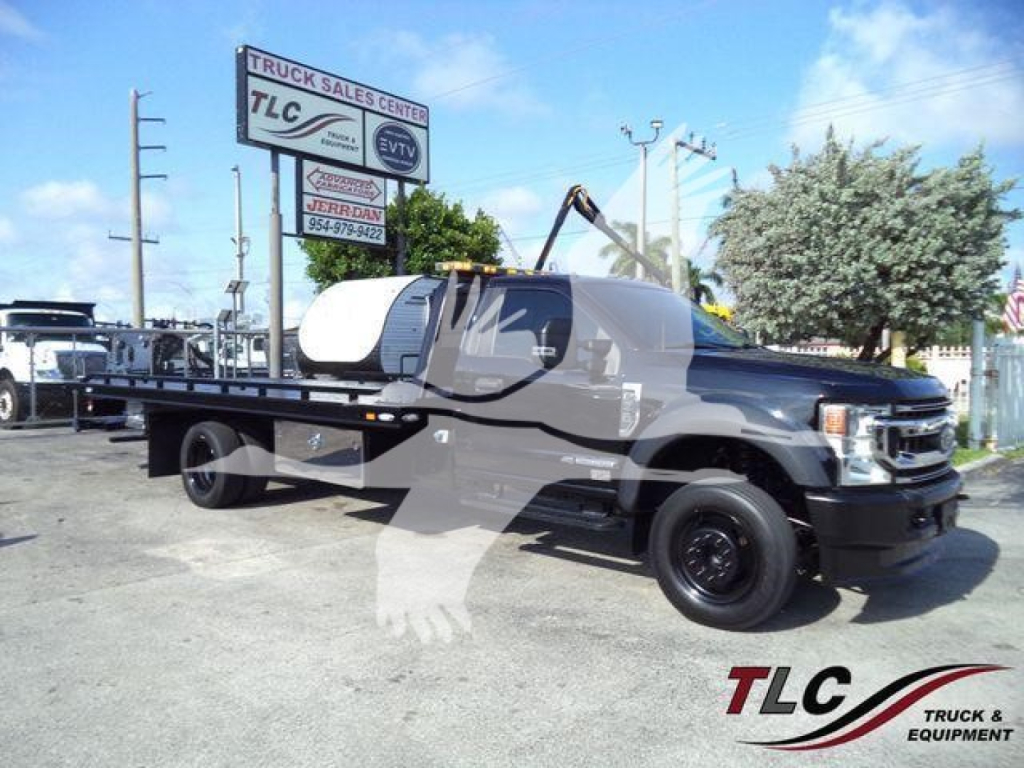
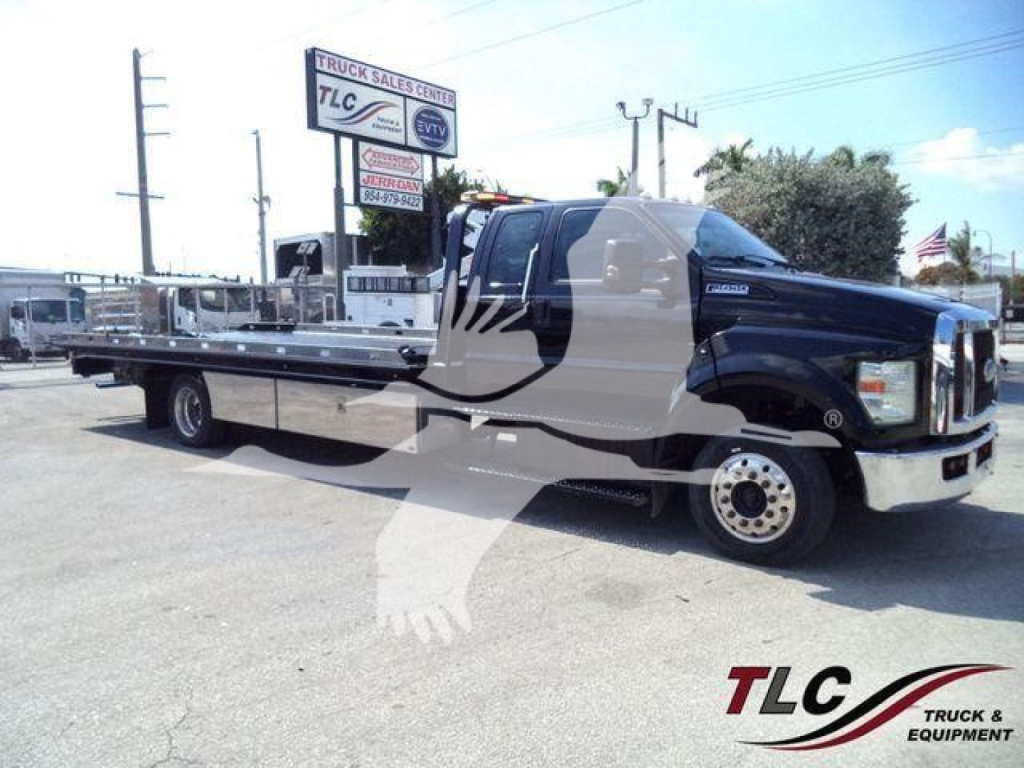
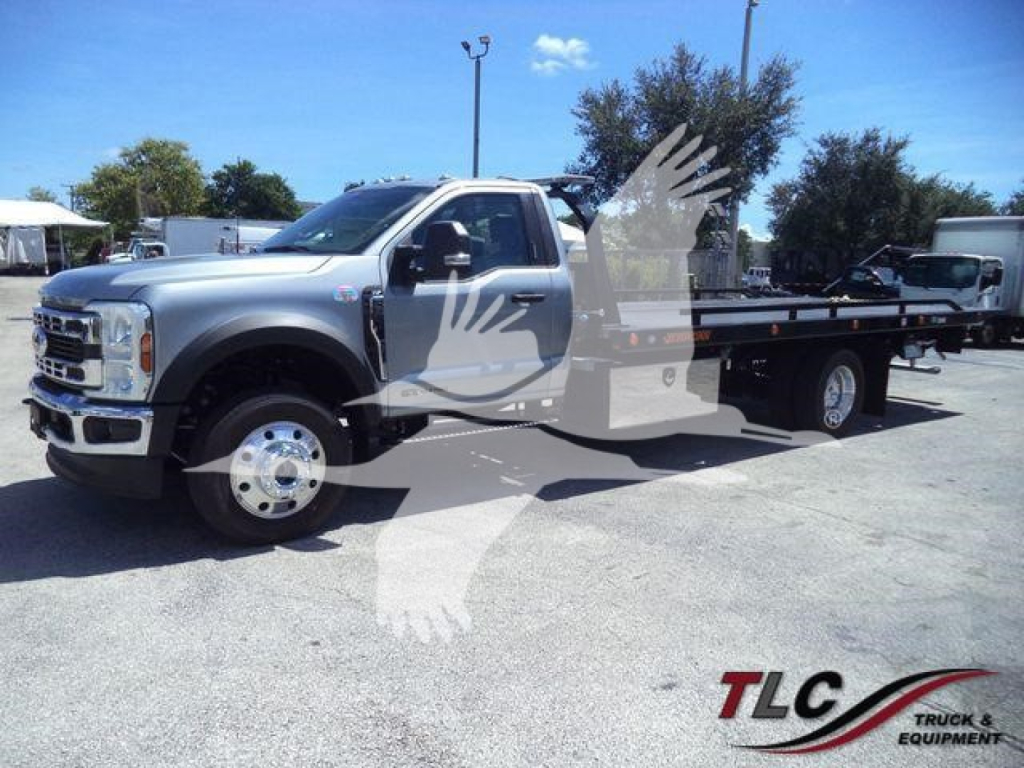
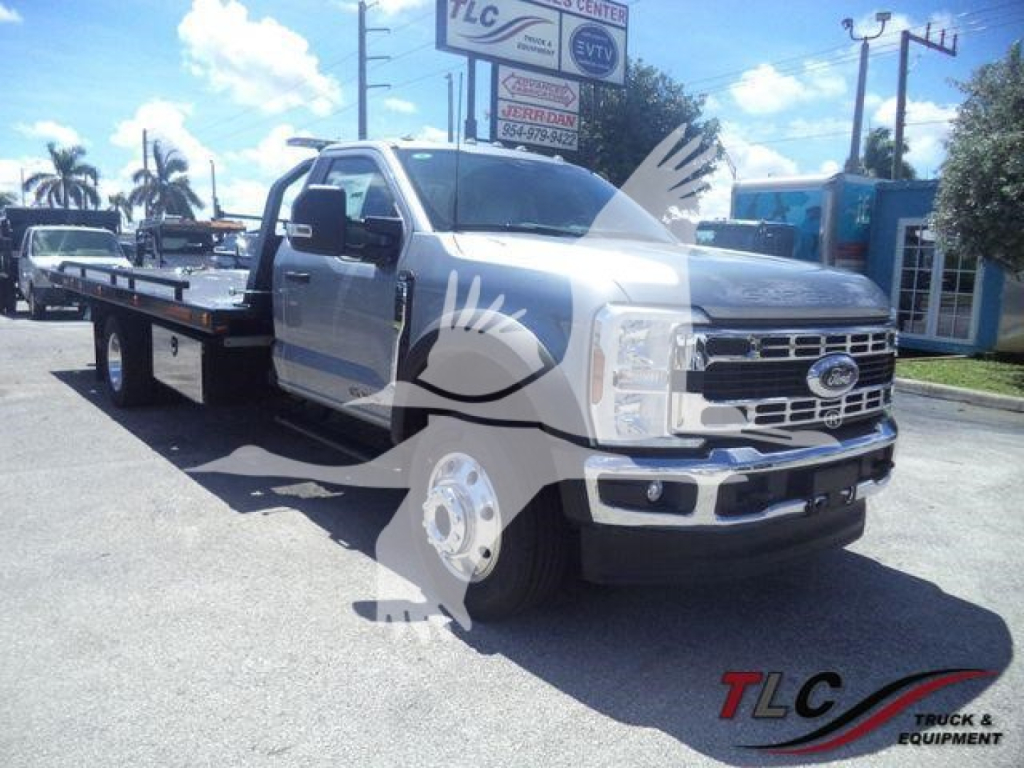
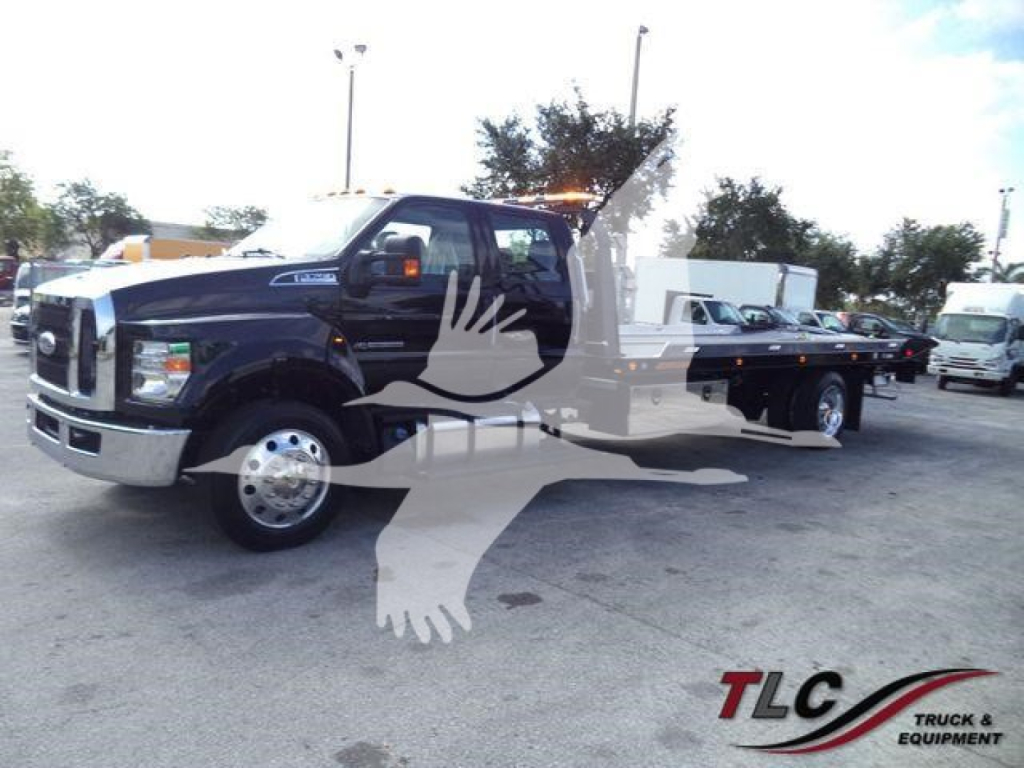
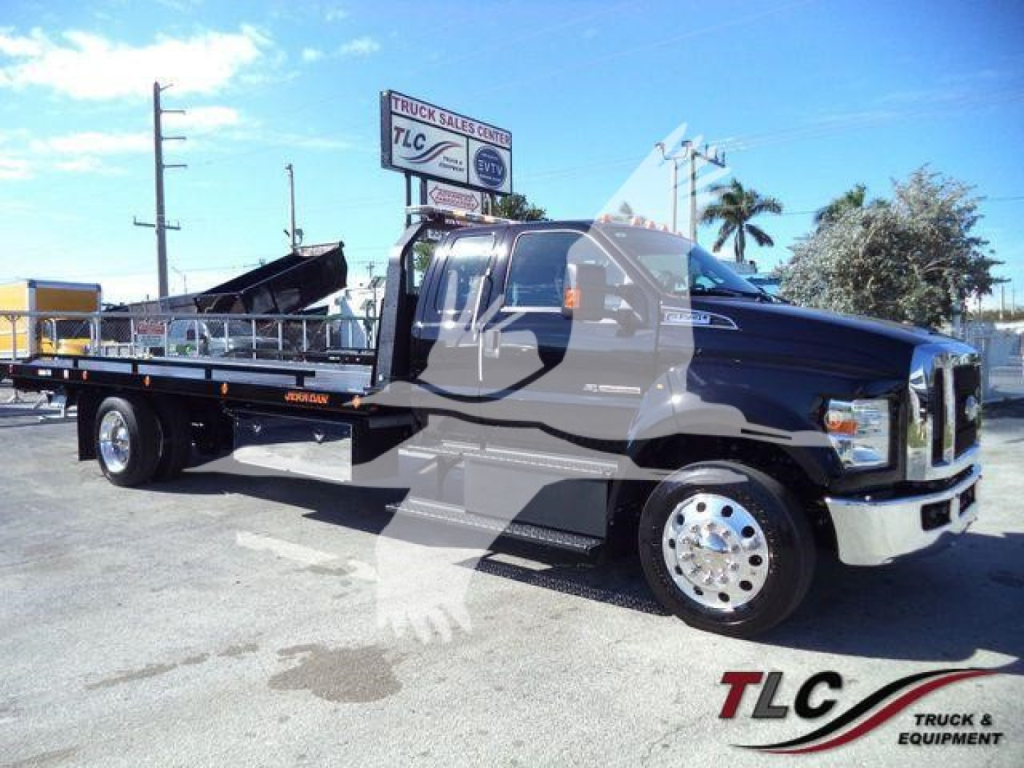
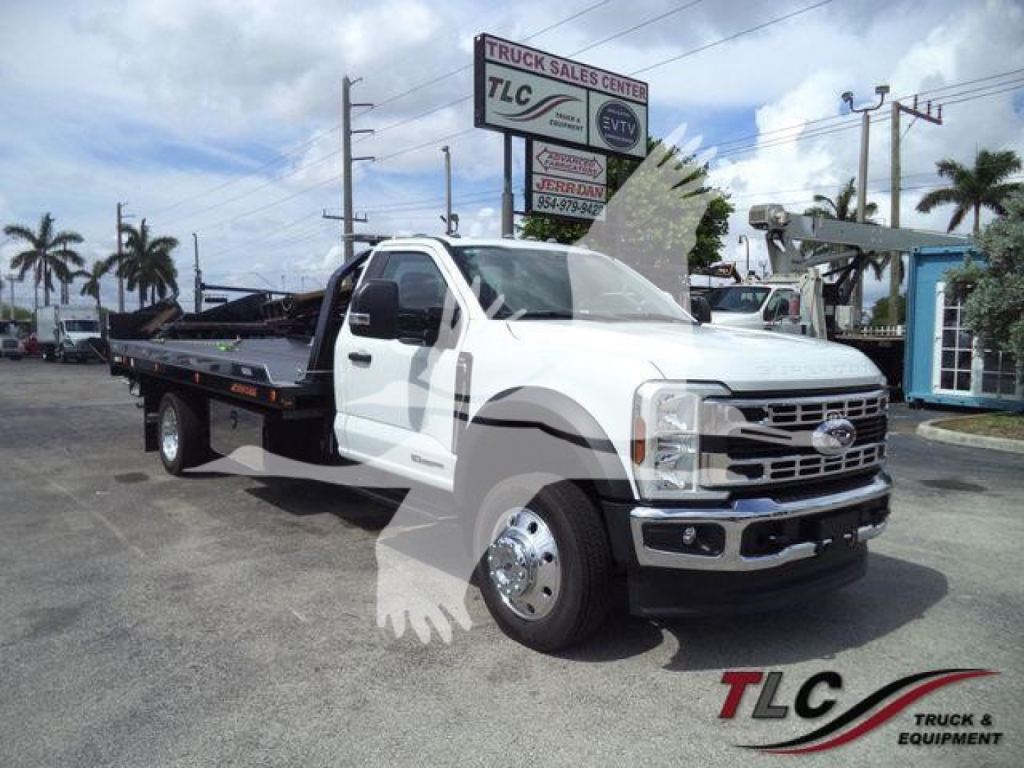
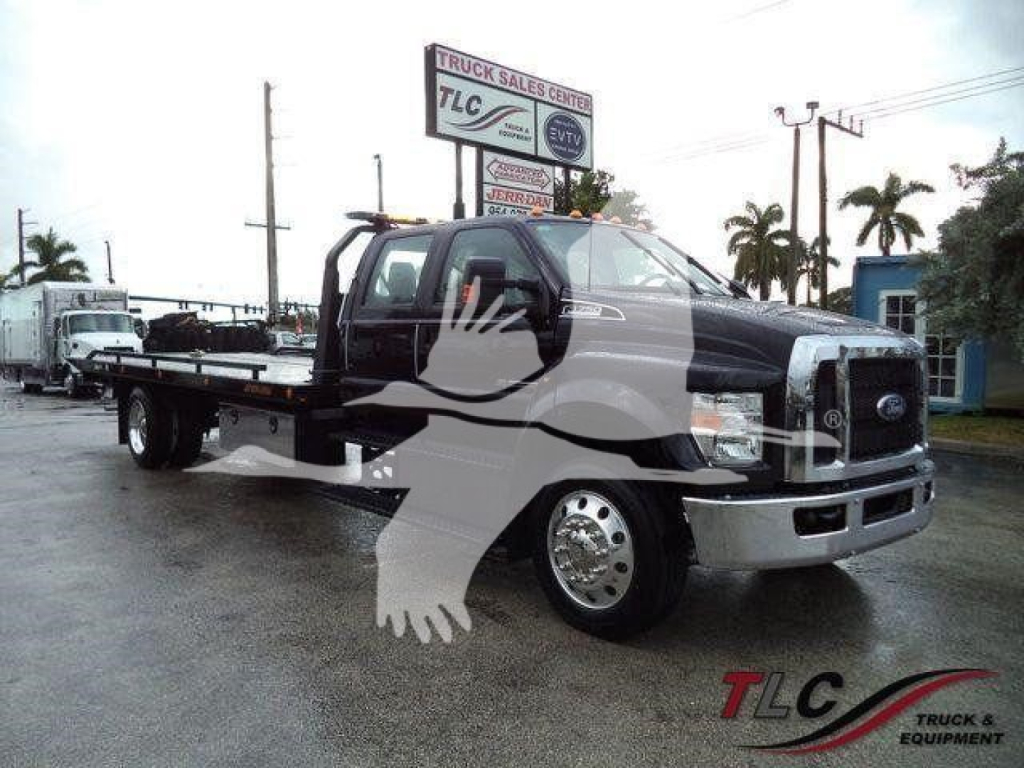
Selling a ford rollback truck? List your ford rollback truck for sale and reach thousands of commercial buyers.
Ford Rollback Trucks
The chassis choice matters as much as the bed. F-550 and F-600 rollback trucks are common for tighter city routes, parking garages, and residential pickups where maneuverability and lower deck height help. F-650 and F-750 models are better suited for longer wheelbases, larger carrier bodies, higher GVWR ratings, and commercial towing demands that call for air brakes and more substantial suspension. Ford’s 6.7L Power Stroke diesel is the engine most buyers look for in late-model units, typically backed by an automatic transmission. On medium-duty Ford rollback trucks, pay close attention to GVWR, axle ratings, brake type, wheel and tire size, and cab configuration, especially if you need an extended cab or crew cab for tools, passengers, or repo gear.
Body configuration is where one listing can differ sharply from the next. Low center of gravity and extra low profile decks are popular because they improve loading angles for low-clearance vehicles. Steel decks remain common for durability and lower repair cost, while aluminum components such as blade rails, wheels, fuel tanks, and toolboxes can help trim weight. Buyers should compare deck length and width, dual-angle or shark-style approaches, removable rails, stationary or removable headboards, and winch setup including free spool and remote operation. A 20-foot x 102-inch or 22-foot x 102-inch deck is typical in this class. Work lighting, LED light bars, scuff-resistant deck surfaces, and side-mounted toolbox storage all affect day-to-day usability more than many buyers expect.
A good Ford rollback truck should be matched to the type of vehicles you load most often. Lower sports cars, EVs, SUVs, dually pickups, and commercial vans all place different demands on approach angle, wheel lift geometry, and payload margin. Review the actual body manufacturer ratings, not just the truck badge, and confirm how the wheel lift capacity, deck rating, and chassis GVWR work together. Also check for practical towing details such as L-arms, tie-down package, wireless controls, camera systems, and rust condition around bed crossmembers, subframe mounts, and hydraulic components. For operators who need a rollback tow truck, car carrier, or flatbed tow truck built on a recognizable domestic chassis, Ford remains one of the most common and serviceable choices in the market.
Frequently Asked Questions about Ford Rollback Trucks
What Ford chassis are most common for rollback trucks?
The most common Ford rollback truck chassis are the F-550, F-600, F-650, and F-750. F-550 and F-600 models are popular for light-duty towing, vehicle transport, and urban work where maneuverability matters. F-650 and F-750 rollback trucks are more common when buyers need higher GVWR, longer decks, air brakes, and a stronger medium-duty platform for heavier commercial use.
What deck size is typical on a Ford rollback truck?
Most Ford rollback trucks in this class use a deck between 19.5 feet and 22 feet long, usually at 102 inches wide. A 19.5-foot or 20-foot deck is common on F-550 and F-600 builds, while 21-foot and 22-foot carriers are often found on F-650 and F-750 chassis. Deck length should be matched to the wheelbase, vehicle types transported, and local operating conditions such as tight city streets or highway-heavy routes.
Is a low-profile or LCG deck worth it on a rollback?
Yes, a low-profile or low center of gravity deck is one of the most valuable features on a rollback truck if you regularly load low-clearance vehicles. LCG and extra low profile designs reduce the loading angle, which helps with sports cars, luxury sedans, EVs, and damaged vehicles that cannot tolerate steep approach angles. They can also speed up loading and reduce the chance of bumper or underbody contact.
What should buyers check on a used Ford rollback truck?
On a used Ford rollback truck, buyers should inspect the chassis and the carrier as separate systems. Check engine hours if available, transmission performance, brake type, suspension condition, tire wear, and service history on the Ford chassis. On the rollback body, inspect deck wear, crossmembers, hydraulic cylinders, hoses, PTO operation, winch function, wheel lift condition, control stations, and rust around the subframe and mounting points. Uneven deck movement, hydraulic leaks, and cracked rails are all signs that deserve closer review.
How important is the wheel lift on a Ford rollback truck?
The wheel lift is important because it expands what the truck can do beyond simple deck hauling. Many Ford rollback trucks in this class use a 3,500-lb hydraulic wheel lift with L-arms, which is useful for quick tows, moving a second vehicle in some applications, or repositioning disabled vehicles. Buyers should confirm the wheel lift rating, reach, and included towing attachments, because that equipment can directly affect service versatility and revenue potential.