
Ford Rollback Trucks For Sale in Florida
Browse Ford rollback trucks with diesel power, low-profile carriers, wheel lifts, and winches for towing, recovery, and vehicle transport.
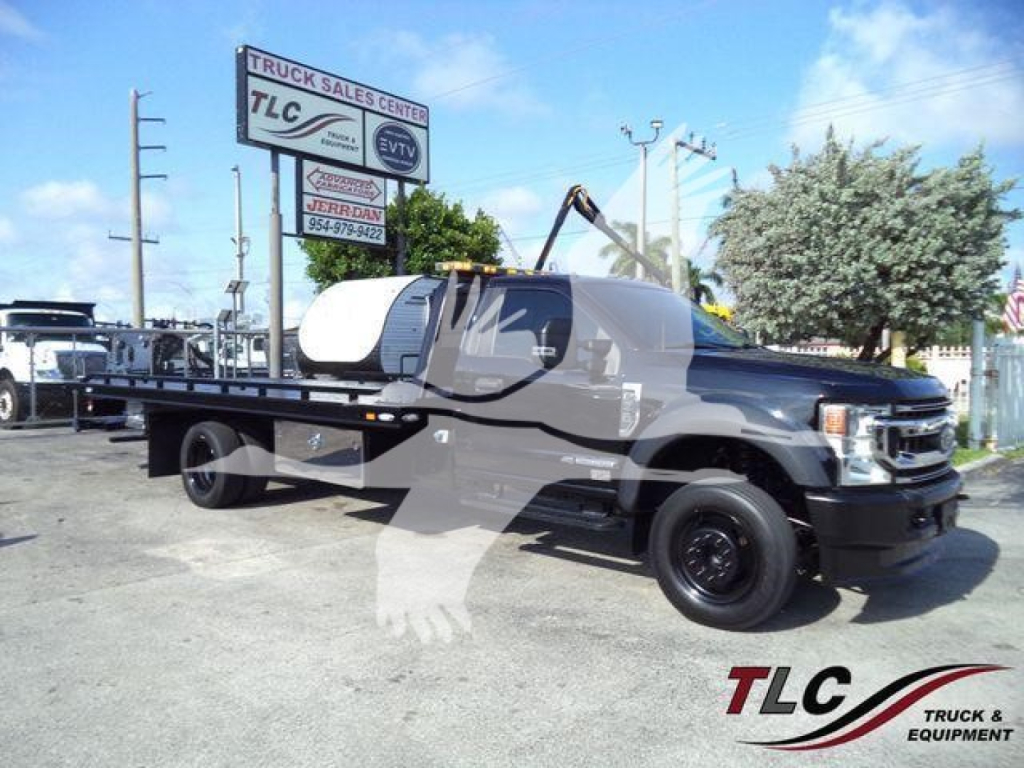
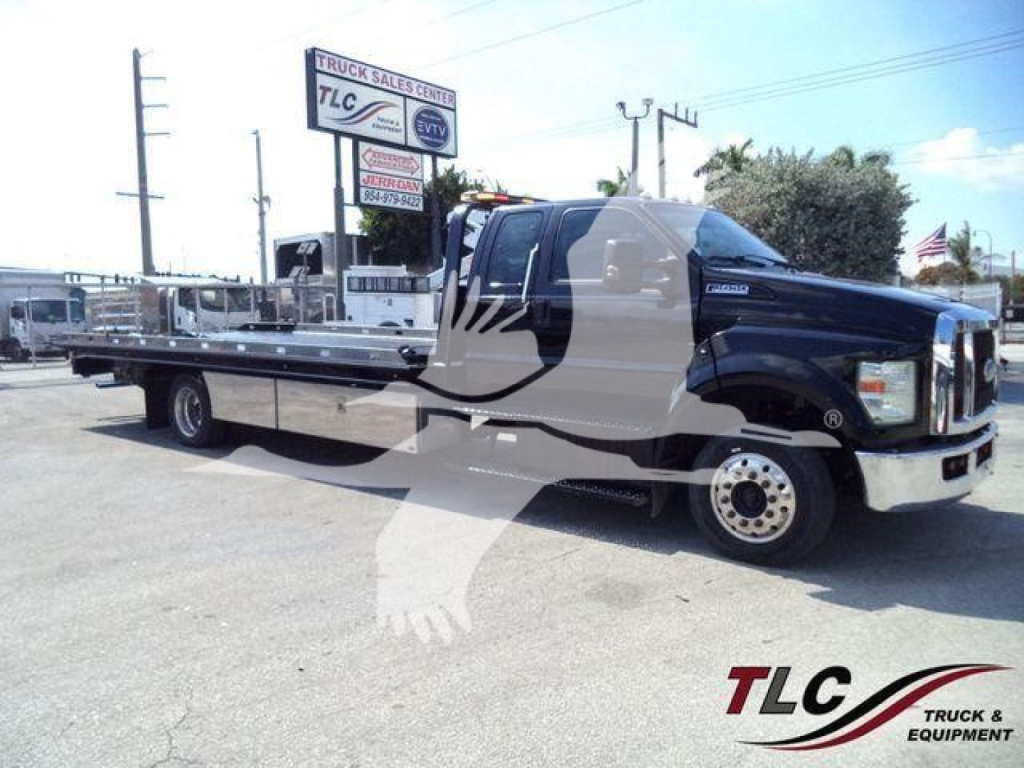
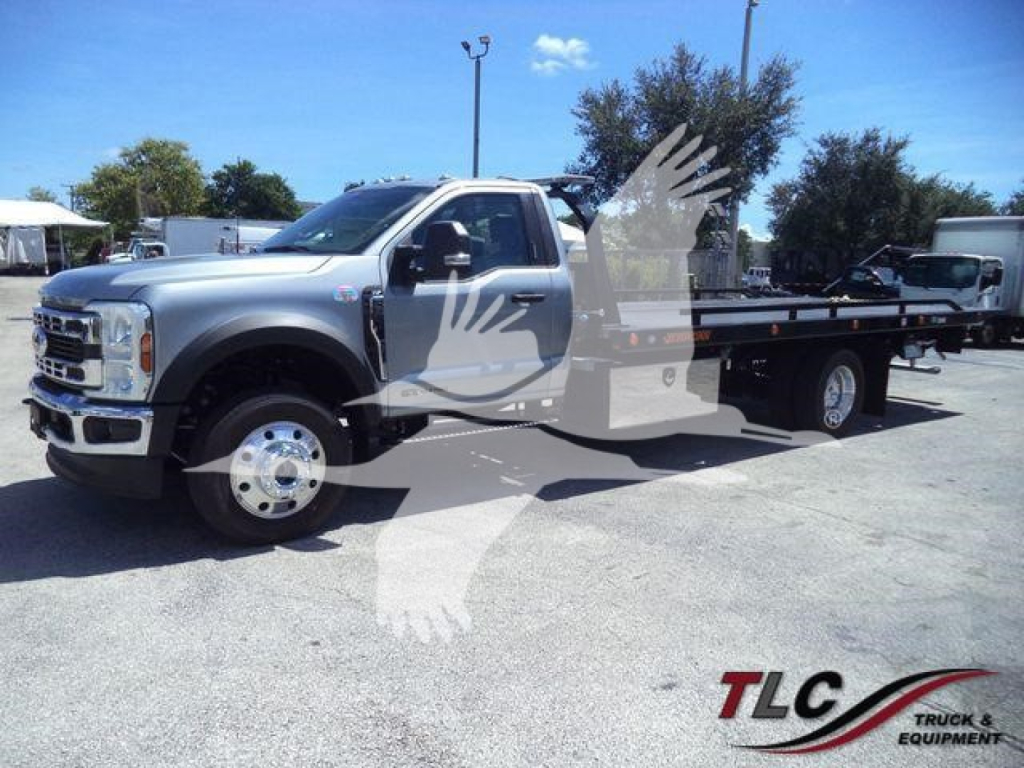
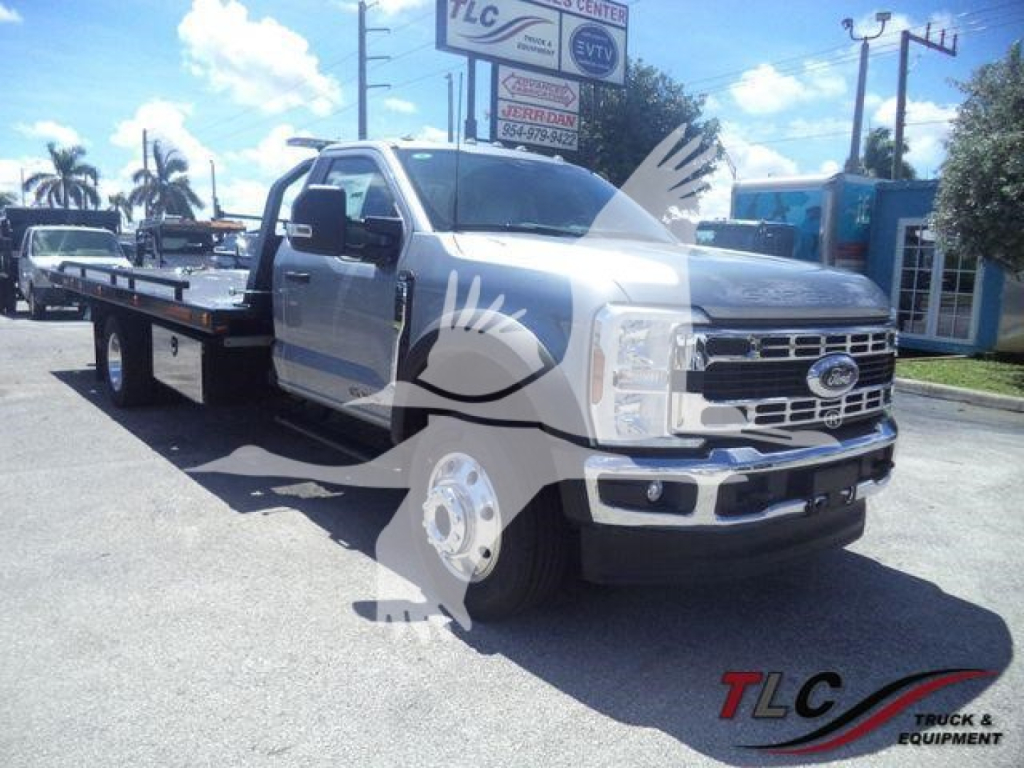
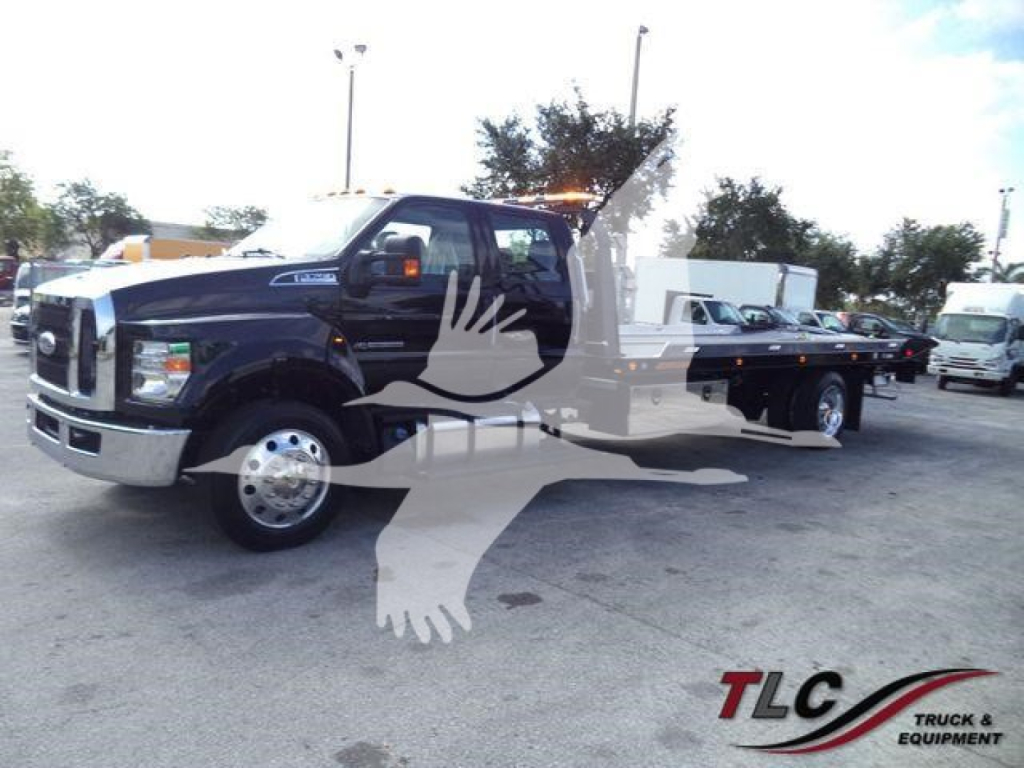
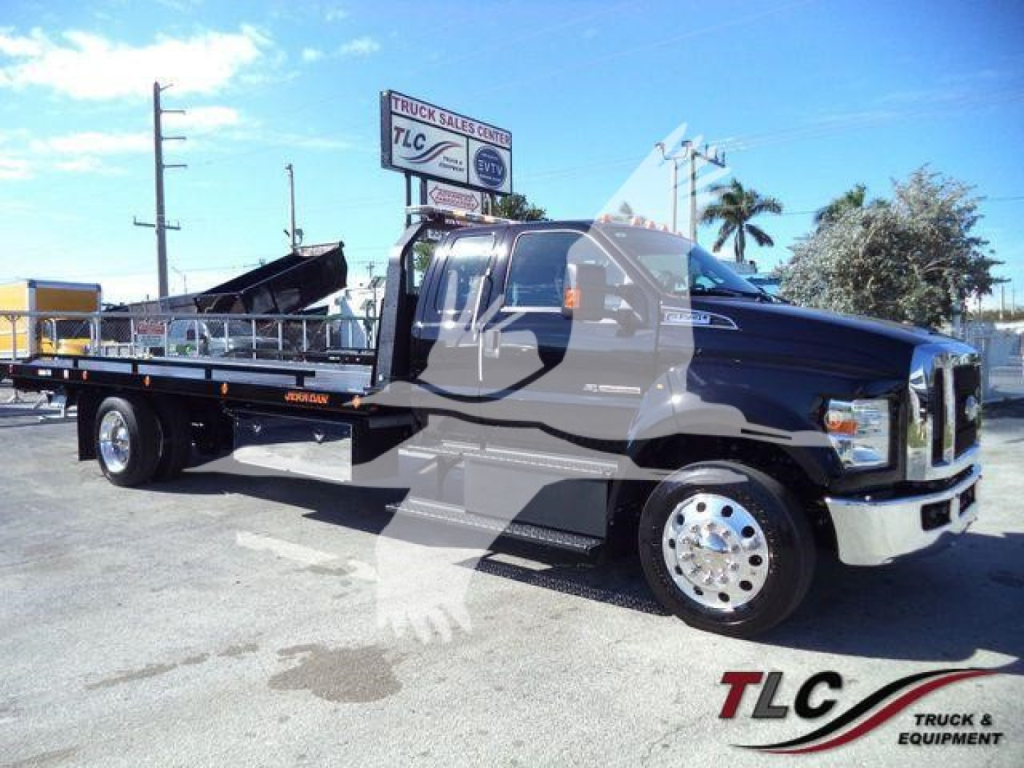
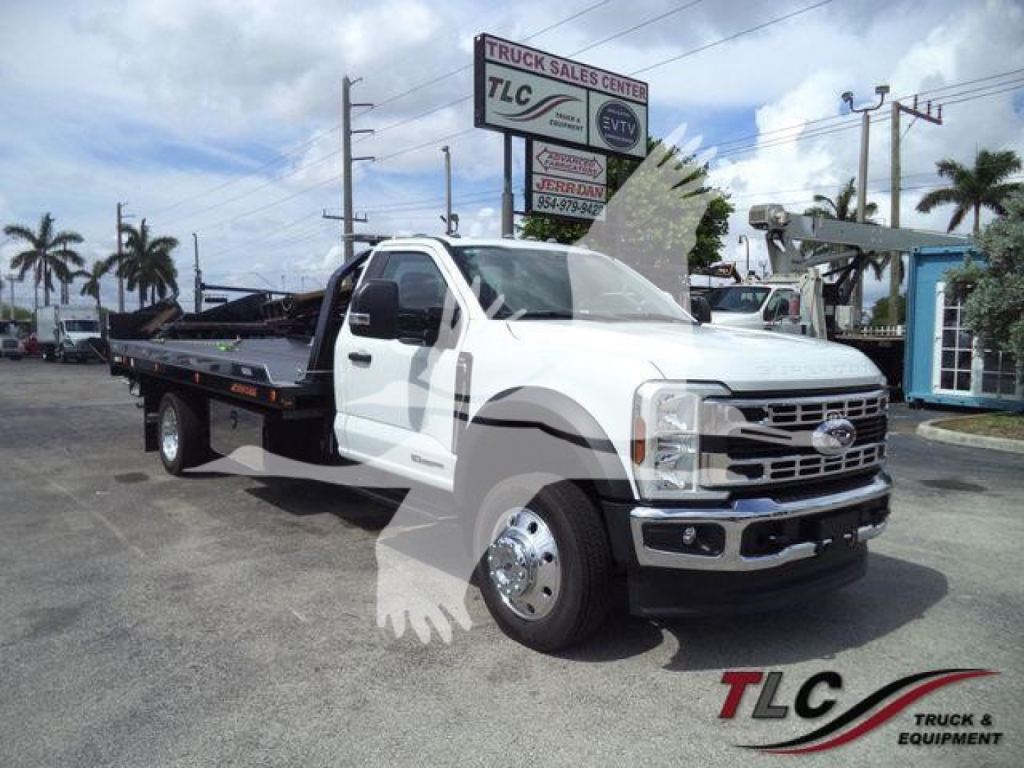
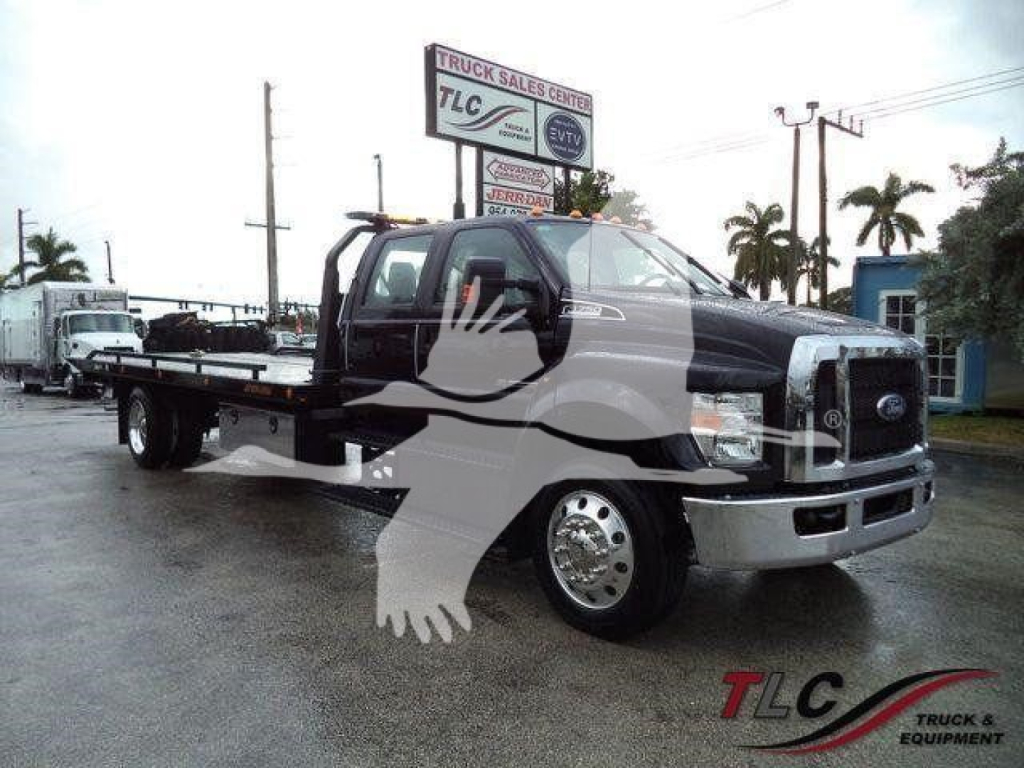
Selling a ford rollback truck? List your ford rollback truck for sale and reach thousands of commercial buyers.
Ford Rollback Trucks in Florida
Most Ford rollback trucks for sale use the 6.7L Power Stroke diesel with an automatic transmission, and buyers will typically compare F-550 and F-600 models against heavier F-650 or F-750 units based on payload, brake type, and operating pattern. An F-550 or F-600 rollback is often a good fit for urban towing, municipal work, parking enforcement, and vehicle transport where tighter maneuverability matters. F-650 and F-750 carriers bring more chassis stability, higher GVWR options, and commonly air brakes, which can be a better match for frequent commercial towing, longer wheelbase bodies, and harder daily cycles. Crew cab and extended cab configurations also matter if the truck will carry operators, customers, or extra gear.
The upfit is where one Ford rollback can differ sharply from another. Common body brands include Century and Jerr-Dan, with 6-ton carrier ratings, 3,500-pound hydraulic wheel lifts, 8,000-pound winches, removable side rails, dual-angle or shark-style decks, and toolboxes mounted ahead of or under the bed. Buyers should look closely at deck construction, steel versus aluminum components, headboard design, tie-down layout, and whether the truck has features like auto-grid wheel lifts, wireless winch remotes, LED work lights, and strobe lighting. For operators loading low-clearance vehicles, an LCG or XLP carrier can reduce the risk of bumper and fascia contact. Tire size, 19.5-inch versus 22.5-inch, also affects stance, loading angle, and replacement cost.
A good Ford rollback truck is not just about rated specs on paper. It should match the vehicles you actually haul, the streets you work, and the licensing requirements in your area. Check GVWR, axle ratings, wheelbase, brake system, bed length, and wheel-lift setup as a complete package. In warm, high-mileage service regions like Florida, buyers also tend to pay attention to cooling performance, cab condition, hydraulic system upkeep, corrosion around the carrier structure, and the condition of wear items such as hoses, pins, winch cable or synthetic line, L-arms, and deck rollers. When those details line up, a Ford rollback can be a productive platform for towing, transport, recovery, and general commercial vehicle moving.
Frequently Asked Questions about Ford Rollback Trucks in Florida
What is the best Ford chassis for a rollback truck?
The best Ford chassis depends on the job mix. An F-550 rollback is popular for light-duty towing and tighter urban work because it is easier to maneuver and commonly paired with a 20-foot low-profile carrier. An F-600 adds GVWR and can be a strong middle ground for operators who want more chassis capacity without stepping fully into the larger medium-duty trucks. F-650 and F-750 rollback trucks are better suited to heavier daily use, longer decks, higher commercial demand, and applications where air brakes and a more substantial chassis are preferred.
What deck length is common on a Ford rollback truck?
Common deck lengths on Ford rollback trucks are 19.5 feet, 20 feet, 21 feet, and 22 feet, usually at 102 inches wide. Shorter decks can be easier to manage in confined areas and are common on lighter chassis. Longer decks offer more flexibility for pickups, vans, and longer-wheelbase vehicles. Buyers should also compare low-profile, LCG, and XLP deck designs because deck height and load angle can matter more than raw length when hauling low-clearance vehicles.
How much can a Ford rollback truck typically carry?
Many Ford rollback trucks in this class are equipped with 6-ton carrier bodies, but actual usable payload depends on the chassis GVWR, body weight, wheel-lift equipment, fuel, tools, and the truck's final scale weight. A 3,500-pound hydraulic wheel lift is also common, but that does not mean every towed combination is appropriate. The safest way to judge capacity is to review the truck's certified ratings, front and rear axle limits, and the body manufacturer's operating guidelines rather than relying on the carrier model name alone.
Are low-profile and extra-low-profile rollback decks worth it?
Yes, for many towing operations they are. Low-profile, LCG, and extra-low-profile rollback decks reduce the loading angle, which helps when picking up sports cars, luxury sedans, EVs, and damaged vehicles with limited ground clearance. They can also reduce the need for extra ramping or blocking in routine service. For operators focused on standard sedans, small SUVs, and local recoveries, the benefit is still real because faster, cleaner loading can improve efficiency and reduce the chance of vehicle damage.
What should I inspect on a used Ford rollback truck?
Start with the chassis fundamentals, including engine performance, transmission operation, brake type, suspension condition, tire wear, and any signs of overloading or frame stress. Then inspect the carrier closely for hydraulic leaks, deck wear, winch operation, wheel-lift function, bent rails, worn pivot points, lighting, controls, and toolbox condition. On Ford rollback trucks used in hot and humid climates, pay extra attention to cooling system health, electrical connections, corrosion at body mounts and bed structure, and the service history for both the truck and the rollback upfit.