
2024 Commercial Trucks For Sale in Georgia
Shop 2024 trucks for sale in Georgia. Compare day cabs, sleepers, box trucks, chassis and vocational specs for regional or heavy-duty work.
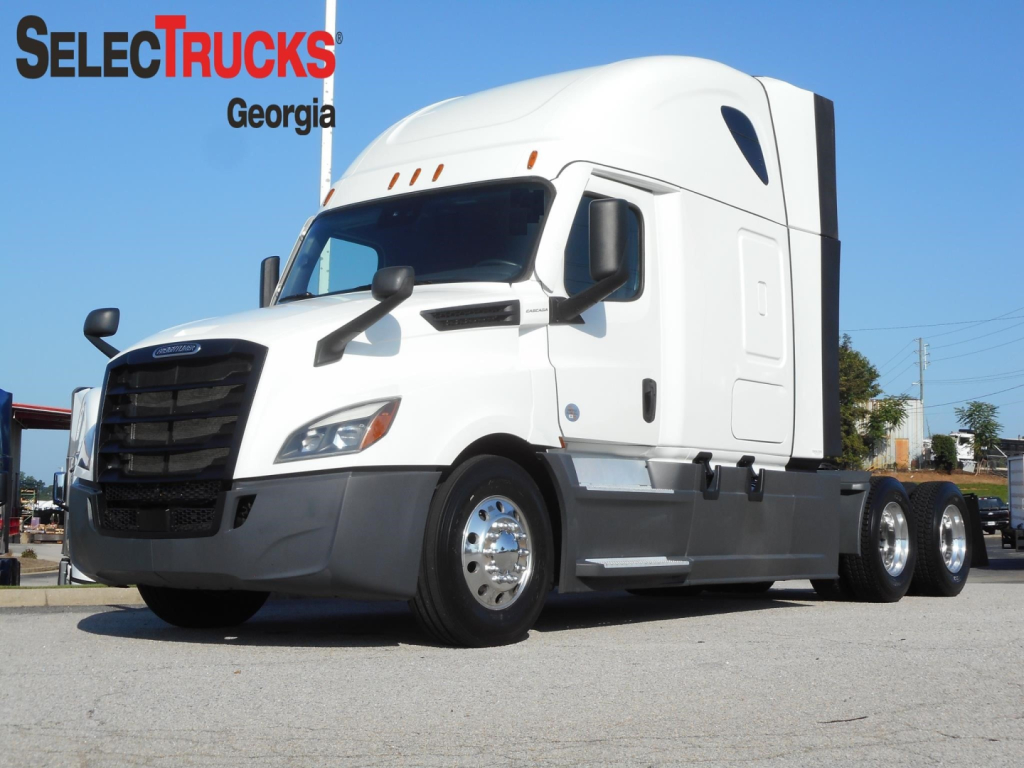
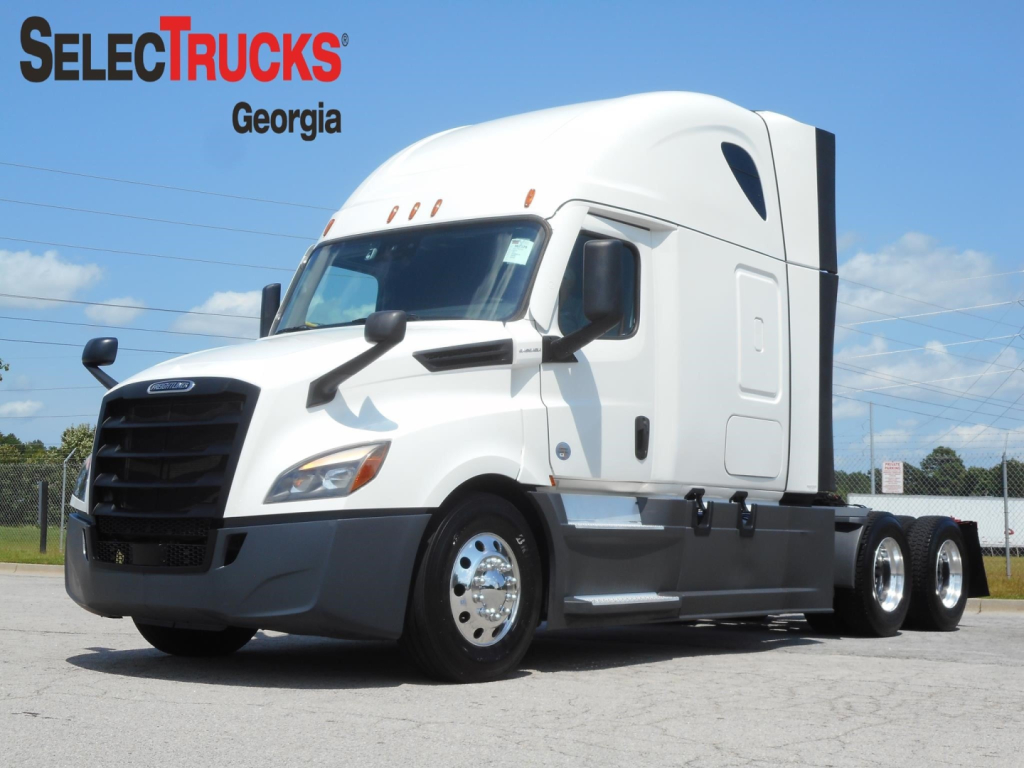
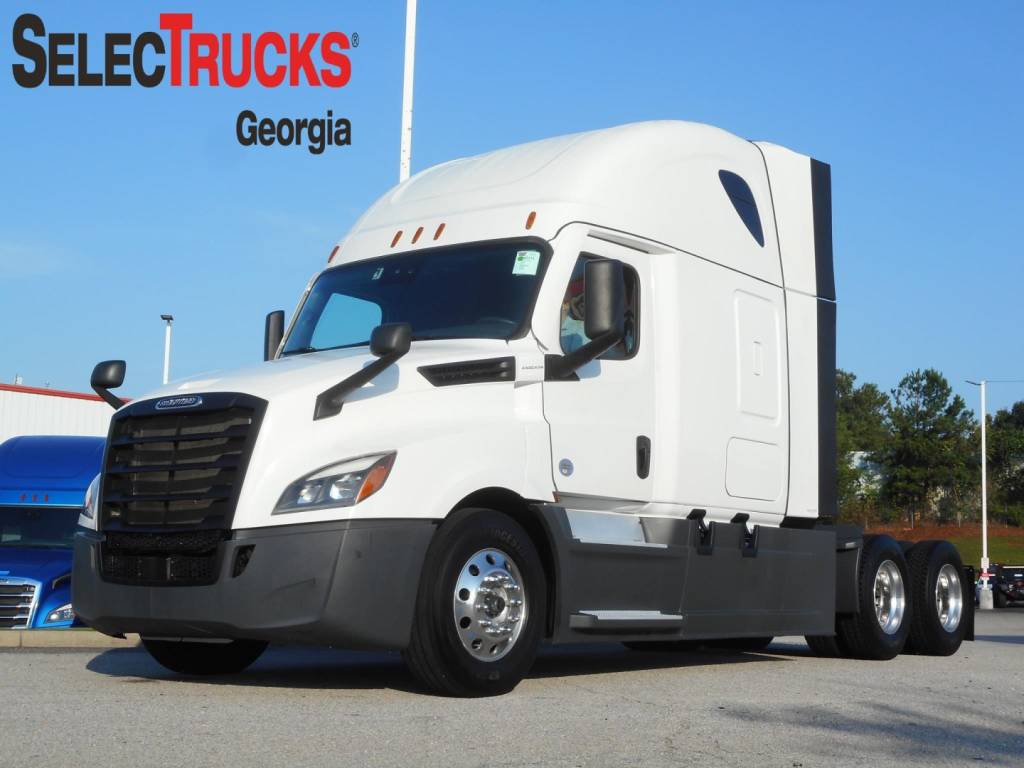
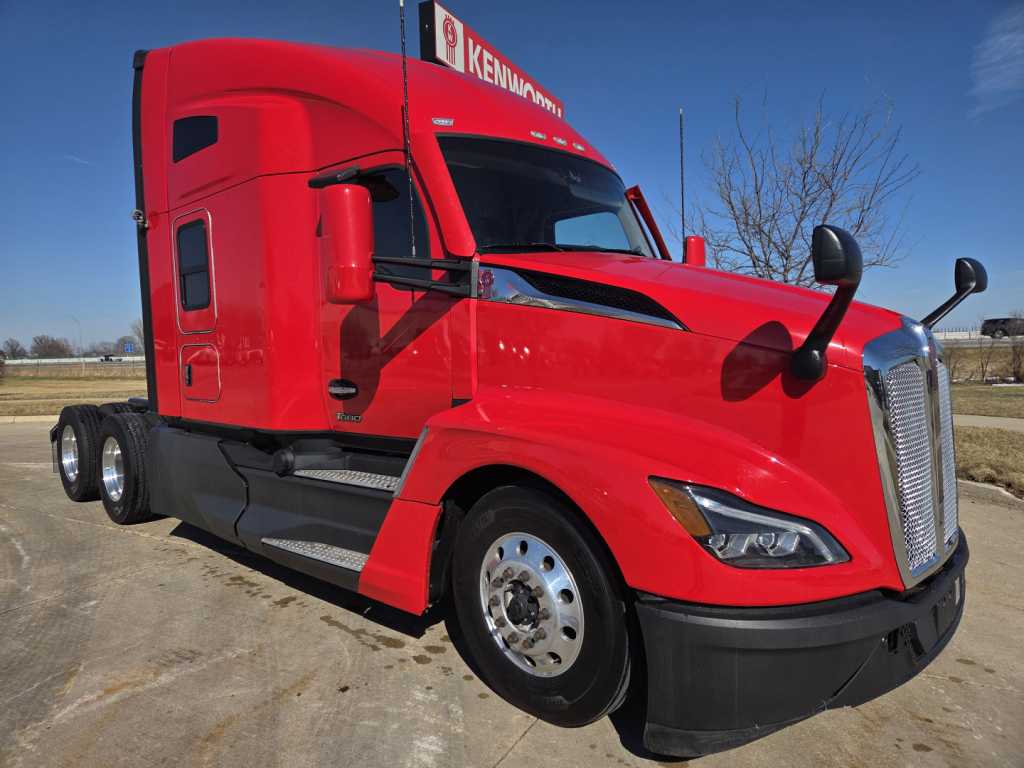
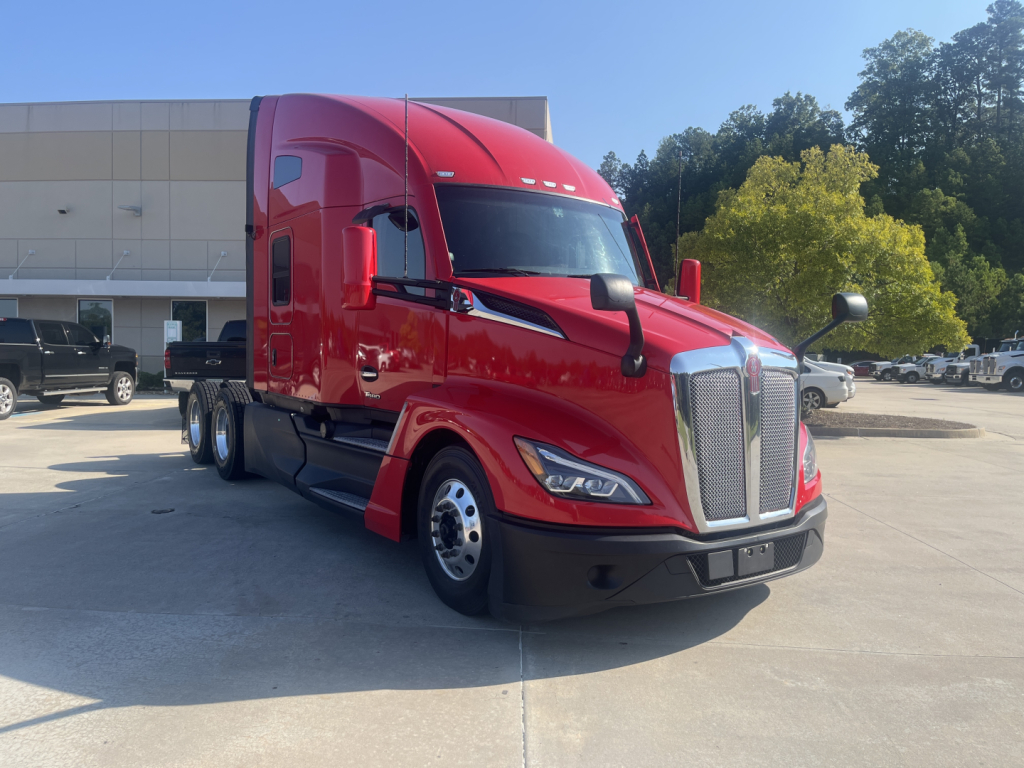
Selling a 2024 commercial truck? List your 2024 commercial truck for sale and reach thousands of commercial buyers.
2024 Commercial Trucks in Georgia
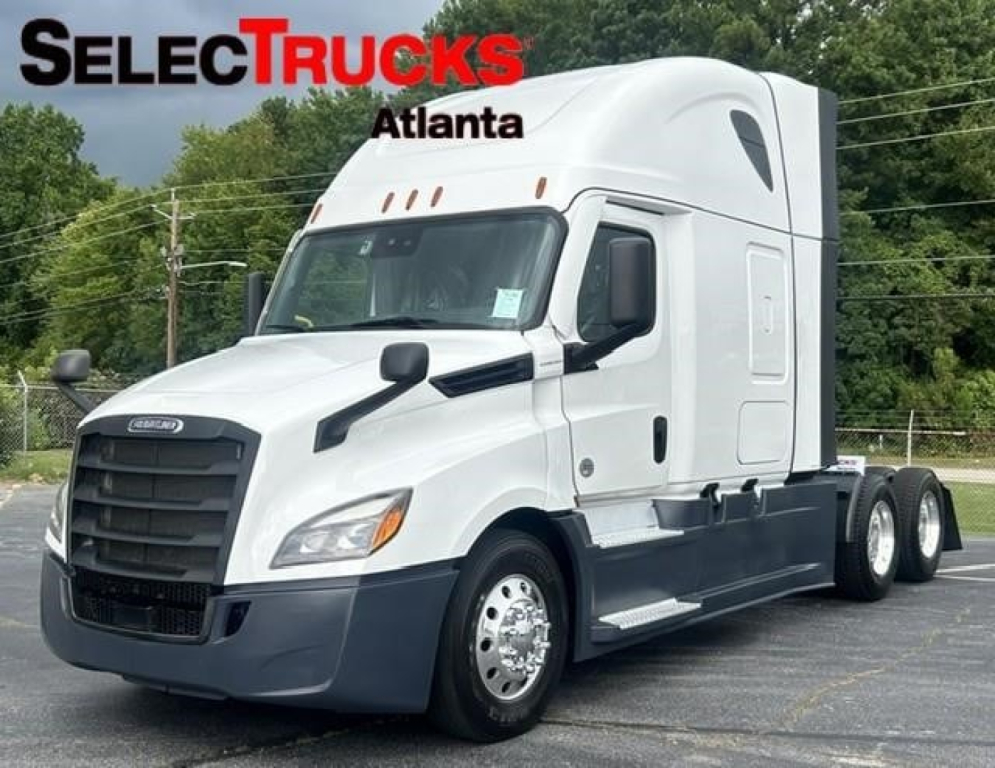
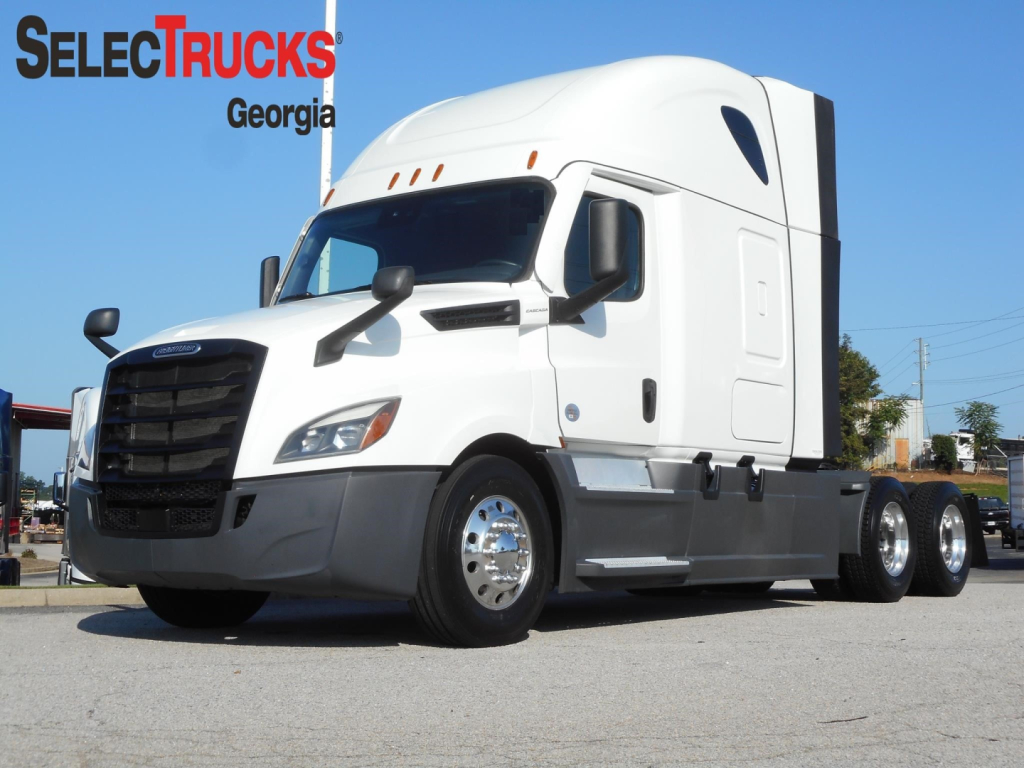
For highway use, buyers usually focus on conventional day cabs and sleeper trucks with 6x4 drivetrains, air ride suspension, engine brake, and horsepower matched to load and terrain. In regional hauling around Georgia and the Southeast, a modern aero tractor can improve fuel economy and driver comfort, while a heavier conventional setup may make more sense for severe-duty service or specialized hauling. Key spec points include engine family, horsepower and torque, rear axle ratio, wheelbase, front and rear axle ratings, and total GVWR or GCWR. If the truck will see urban routes, dock work, or stop-and-go service, turning radius, visibility, transmission choice, and PTO compatibility can matter as much as raw power.
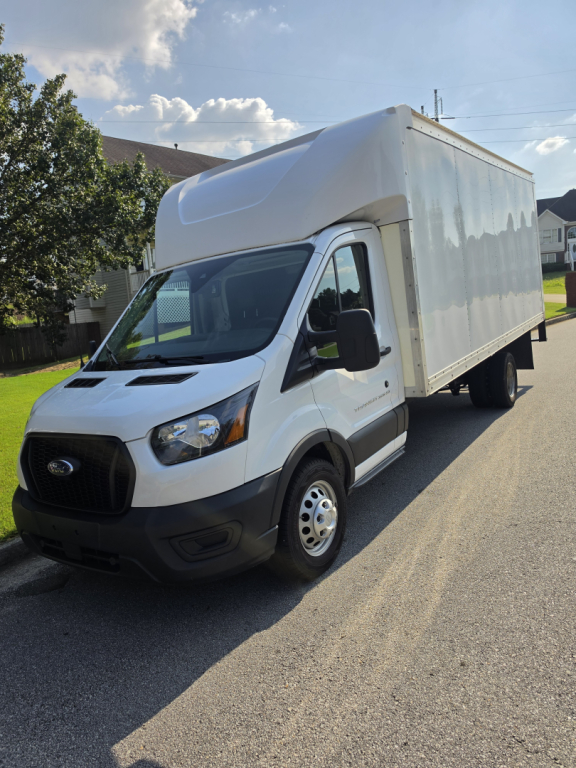
Medium-duty and vocational 2024 trucks cover a wide range of uses, including box trucks, rollback wreckers, septic and vacuum trucks, service bodies, and cab and chassis units ready for upfit. Buyers comparing these trucks should pay close attention to body length, cab-to-axle measurement, frame rail compatibility, brake type, suspension, fuel capacity, and any work-specific equipment such as liftgates, winches, vacuum pumps, or towing gear. In delivery applications, details like E-track, interior lining, roll-up doors, scuff liners, and liftgate rating affect day-to-day productivity. In towing or municipal work, bed rating, front axle capacity, hydraulic components, and PTO-driven systems are often the deciding factors.
A strong 2024 truck spec is the one that matches the job without carrying unnecessary weight or complexity. Georgia buyers often balance interstate speeds, hot-weather operation, and mixed urban-rural routes, so cooling performance, A/C output, tire size, service access, and parts support are practical considerations. Review emissions warranty coverage, telematics capability, brake and tire specs, and driver-assist features along with the basic engine and transmission data. When the chassis, wheelbase, axle ratings, and body equipment all line up with the intended use, a 2024 truck can deliver lower downtime, better compliance, and a cleaner long-term operating cost.
Frequently Asked Questions about 2024 Commercial Trucks in Georgia
What should I look at first when comparing 2024 trucks for sale in Georgia?
Start with the truck’s intended job, then verify the class, GVWR, axle configuration, and body or cab style. A local delivery truck, sleeper tractor, rollback, and cab and chassis all have very different spec priorities. In Georgia, buyers also need to consider route type, heat, traffic, and whether the truck will spend more time on interstates, city streets, or job sites. Once the application is clear, compare engine, transmission, wheelbase, suspension, and any upfit-related dimensions such as cab-to-axle.
Are 2024 trucks available with both diesel and gas engines?
Yes. Lighter commercial trucks and some cab and chassis models are commonly available with gasoline V8 engines, while medium-duty and heavy-duty trucks are more often diesel powered. Gas engines can make sense for lower annual miles, simpler service needs, or lighter-duty applications. Diesel engines are still the standard for higher GVWR trucks, towing, long-haul work, and applications that need strong low-end torque and longer service intervals under heavy use.
What specs matter most on a 2024 box truck or delivery truck?
The key specs are GVWR, body length, cab-to-axle, payload capacity, liftgate rating, door type, and interior cargo setup. Buyers should also review axle ratings, suspension, engine output, transmission, and tire size because those affect how the truck handles a full load. Cargo-control features such as E-track, plywood lining, scuff liners, and threshold plates are important if the truck will see frequent dock work or mixed freight. For urban delivery, visibility, turning radius, and transmission choice can have a major impact on efficiency.
How do I choose between a day cab and a sleeper in a 2024 truck?
Choose based on route length, driver schedule, and payload priorities. A day cab is usually lighter, shorter, and easier to maneuver, which helps in regional service, port drayage, and local hauling. A sleeper is the better fit for longer runs, team operations, and applications where drivers need onboard rest space. Buyers should compare wheelbase, fairing package, fuel capacity, bunk size, and total weight because those details affect both operating cost and usable payload.
Why is wheelbase and axle rating so important on a 2024 truck?
Wheelbase and axle ratings determine how the truck carries weight, accepts an upfit, and performs on the road. A box truck or chassis with the wrong cab-to-axle measurement may not accept the body you need. On heavier trucks, front and rear axle ratings affect legal payload, equipment compatibility, and durability in severe service. Wheelbase also influences ride quality, turning radius, bridge law considerations, and how the truck balances a loaded body or trailer.