
2024 Cab and Chassis Trucks For Sale
Shop 2024 cab and chassis trucks built for body upfit work, with key details on GVWR, wheelbase, engine, axle, and application fit.
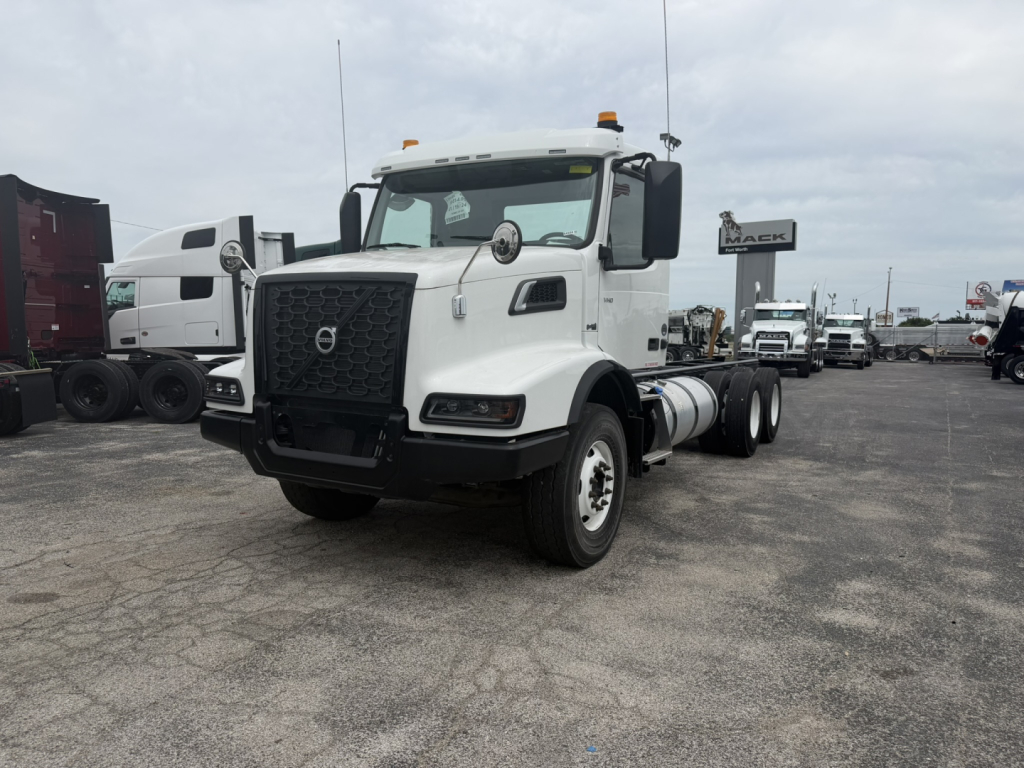
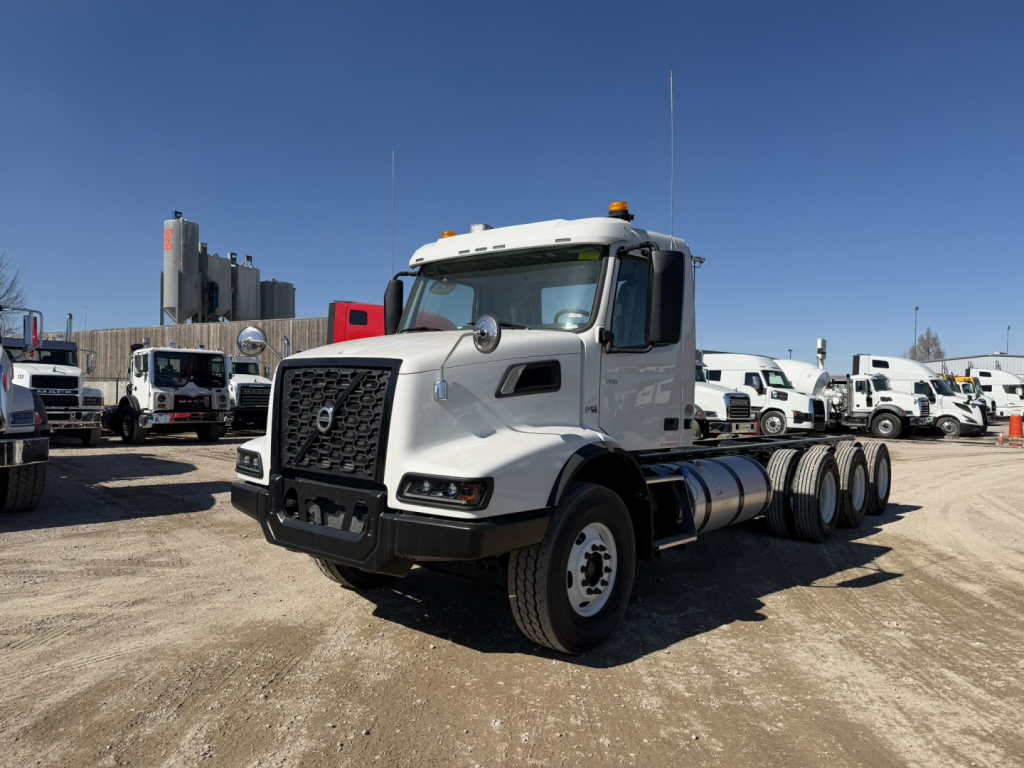
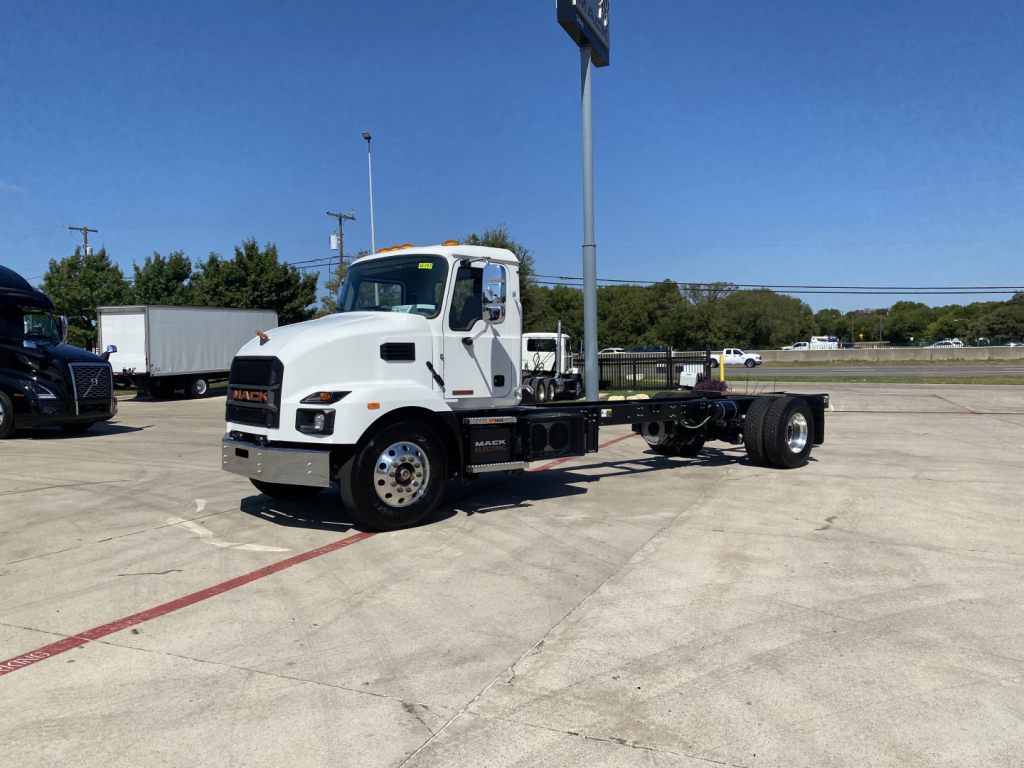
Selling a 2024 cab and chassis truck? List your 2024 cab and chassis truck for sale and reach thousands of commercial buyers.
2024 Cab and Chassis Trucks
Wheelbase is one of the first specs to confirm because it determines body length, rear overhang, and weight distribution. A 224-inch to 271-inch wheelbase is common for 24-foot to 26-foot van body or flatbed applications in the medium-duty segment, while shorter layouts are often chosen for dump, municipal, and tighter urban work. Front axle and rear axle ratings matter just as much as listed GVWR because body builders need enough margin for the finished unit, payload, and any mounted equipment. Buyers comparing 2024 cab and chassis trucks should also look closely at frame RBM, CA dimension, suspension type, and brake configuration, especially if the truck will carry cranes, liftgates, compressors, or other concentrated loads.
Powertrain choices in this category are typically centered on durability and upfit compatibility. Common setups include diesel engines in the midrange horsepower bands paired with Allison automatic transmissions, although some heavier chassis move into larger displacement engines and vocational transmission options. Air ride suspension can help protect freight and improve ride quality, while spring suspension may be preferred for severe-duty stability and simplicity. For body-builder planning, key details include PTO provision, fuel tank placement, exhaust routing, battery box location, and whether the truck uses hydraulic or air brakes. Cab configuration also affects the final application, with regular cabs often maximizing body length and crew cabs supporting utility and field-service work.
A strong 2024 cab and chassis truck should be evaluated as a complete future build, not as a bare truck. Check the wheelbase against the target body, confirm axle capacity against loaded scale expectations, and make sure the frame and driveline support any auxiliary equipment. In regional delivery, landscaping, beverage, municipality, towing support, and contractor fleets, the right chassis saves time and money during the upfit process and reduces compromise after the body is installed. The best fit is the one that aligns body length, payload, turning radius, and service access from day one.
Frequently Asked Questions about 2024 Cab and Chassis Trucks
What is a cab and chassis truck used for?
A cab and chassis truck is a truck sold with the cab, frame, and running gear in place so a body can be added for a specific application. Common uses include box trucks, flatbeds, dump bodies, utility bodies, service trucks, refrigerated bodies, rollback equipment, and landscape bodies. The chassis is selected around the job, then the upfit is built to match the wheelbase, axle capacity, and frame layout.
How do I choose the right wheelbase for a 2024 cab and chassis truck?
Start with the planned body length and required CA dimension because wheelbase directly affects body fit, rear overhang, and weight distribution. A longer wheelbase often supports larger van bodies or stake bodies, while a shorter wheelbase improves maneuverability for city routes, dump work, and municipal applications. The correct spec should also leave room for liftgates, hoists, toolboxes, or other mounted equipment without creating axle overload.
What specs matter most when buying a cab and chassis truck?
The most important specs are GVWR, front and rear axle ratings, wheelbase, CA dimension, frame strength, engine and transmission pairing, brake type, and suspension type. Buyers should also verify PTO capability, fuel tank placement, exhaust routing, and body-builder compatibility items that can affect installation. These details matter more than the cab alone because the finished truck must carry the body, payload, and any auxiliary systems safely and legally.
Are cab and chassis trucks available in non-CDL configurations?
Yes, many cab and chassis trucks are built with GVWR ratings at or below 25,999 pounds to fit non-CDL applications, especially in Class 5 and 6 delivery or service work. That said, the final body and payload can change the operating profile, so buyers should confirm both regulatory requirements and actual loaded weight before putting the truck into service. Registration class, air brake rules, and local operating regulations should also be reviewed.
What is the difference between a cab and chassis truck and a straight truck?
A cab and chassis truck is an unfinished platform intended for a body installation, while a straight truck already has a completed body such as a van box, flatbed, or dump body attached. Buyers looking at cab and chassis units usually need flexibility to choose body design, equipment layout, and exact vocational setup. Buyers looking at straight trucks are evaluating a completed package that is already configured for a defined use.