
2024 Cab and Chassis Trucks For Sale in Texas
Shop 2024 cab and chassis trucks in Texas. Compare GVWR, axle ratings, wheelbase, PTO options, and upfit-ready specs for vocational work.
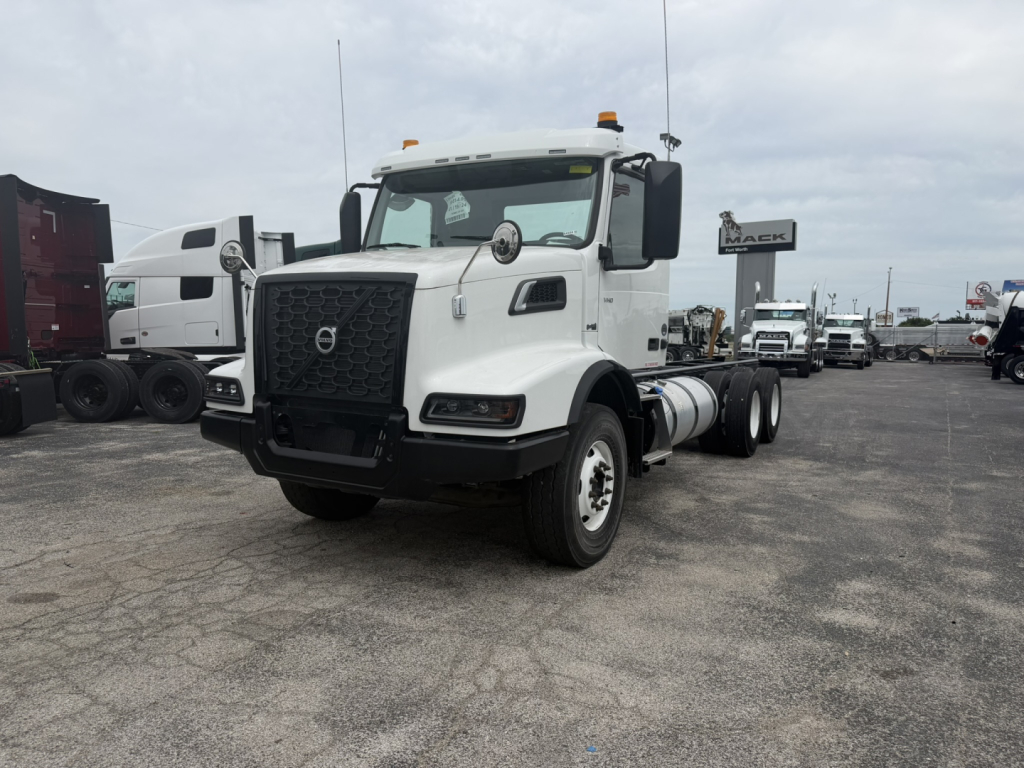
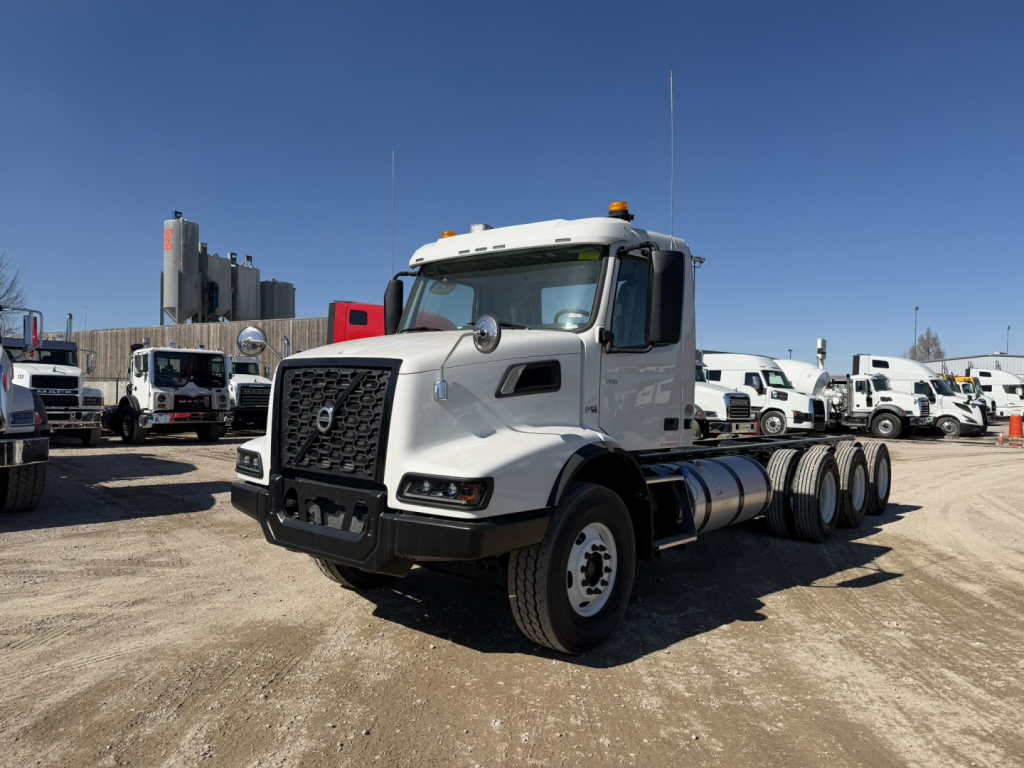
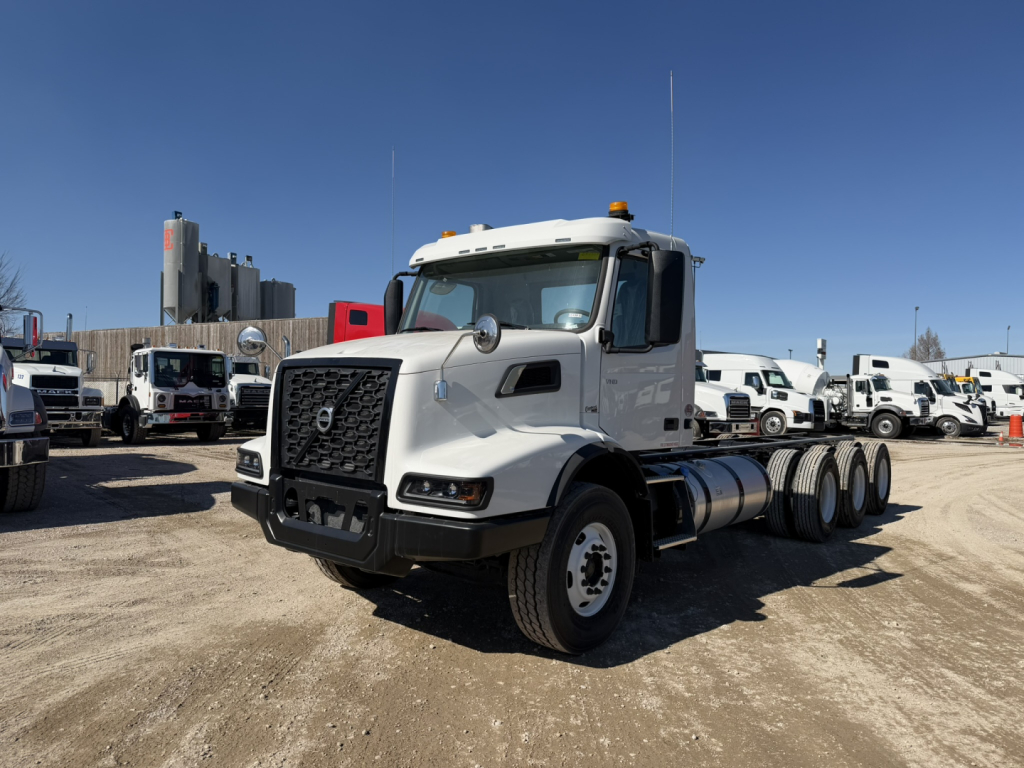
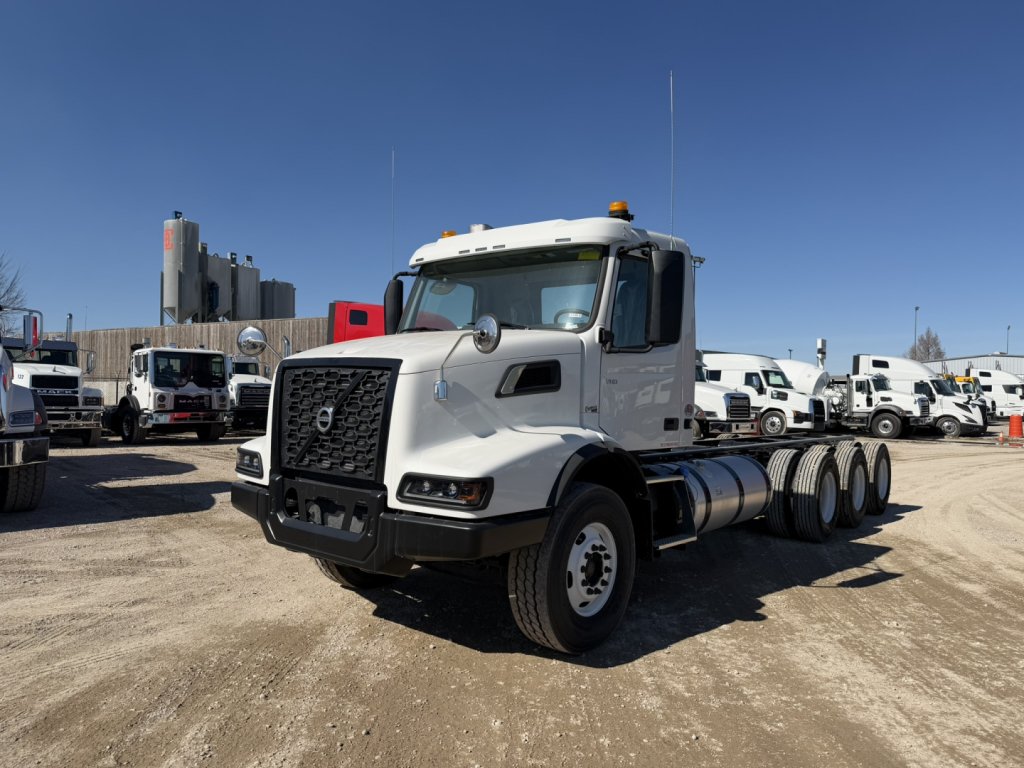
Selling a 2024 cab and chassis truck? List your 2024 cab and chassis truck for sale and reach thousands of commercial buyers.
2024 Cab and Chassis Trucks in Texas
The big split in this category is medium-duty versus severe-duty vocational chassis. Medium-duty cab and chassis trucks, such as gas or diesel Class 5 through Class 7 platforms, are common for delivery bodies, landscape dumps, reefer boxes, and contractor service bodies. Heavy-duty and severe-duty models are more likely to carry tandem or tri-drive configurations, higher GVWRs, double-frame construction, heavier front axles, deep rear ratios, and vocational transmissions designed for low-speed work. On 2024 models, common buyer checkpoints include front axle capacity, rear axle rating, suspension type, frame strength, fuel capacity, and whether the truck has the right transmission and engine torque curve for PTO-driven equipment.
Texas applications tend to push buyers toward practical vocational specs. Construction and aggregate work may call for multileaf or Camelback-style suspensions, locking differentials, and a setback or set-forward axle depending on bridge law and body placement. Oilfield, pipeline, and utility work often require heavier cooling packages, 8LL or automated vocational transmissions, high-capacity steer axles, and room for cranes, compressors, or winch systems behind the cab. For urban delivery or municipal work, maneuverability, turning radius, and body length become just as important as raw GVWR. A gas-powered low-cab-forward chassis can make sense for city routes, while a conventional tandem or tri-drive chassis is better suited to rough ground, jobsite access, and heavier payloads.
A smart cab and chassis purchase comes down to matching the truck to the final build before the body ever goes on. Confirm axle spread, frame rail dimensions, suspension clearances, exhaust routing, and aftertreatment placement so the upfit does not create packaging problems later. Check that the wheelbase supports legal weight distribution with the finished body, tank, crane, or hoist installed. If the truck will run a dump, mixer, blower, pump, or crane, verify PTO openings, hydraulic provisions, and transmission programming early. The best 2024 cab and chassis trucks are not just strong on paper. They are ordered with the exact vocational specs needed to make the upfit cleaner, the truck more productive, and the long-term maintenance picture easier to manage.
Frequently Asked Questions about 2024 Cab and Chassis Trucks in Texas
What is a cab and chassis truck?
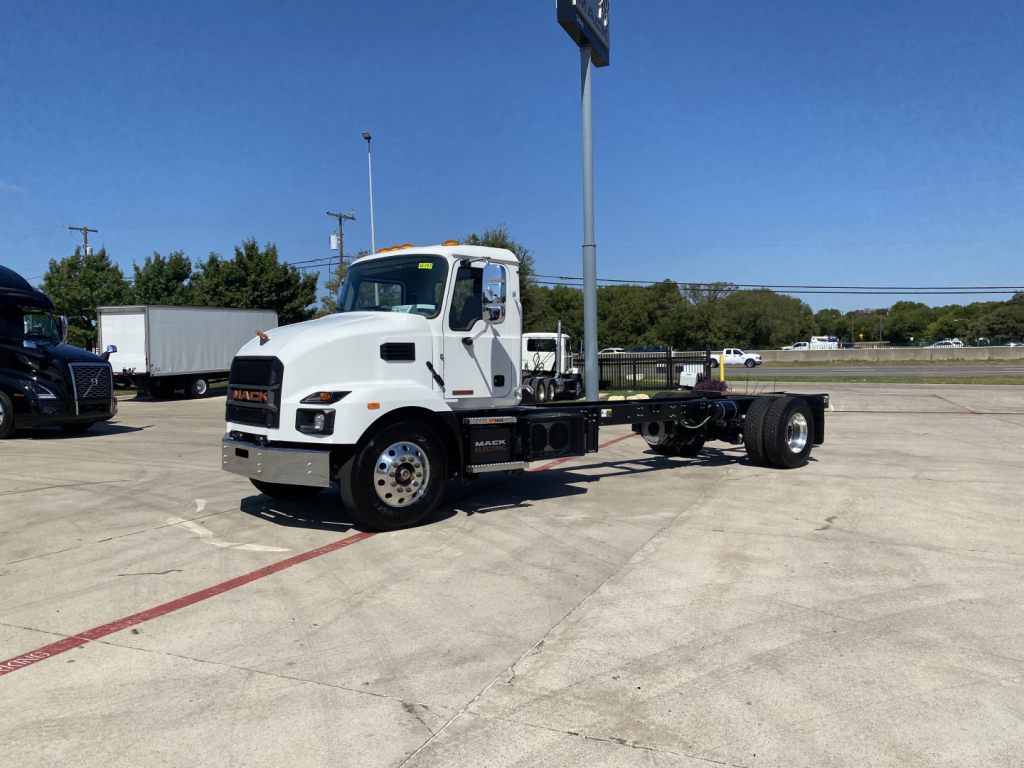
A cab and chassis truck is an incomplete truck built with the cab, frame, drivetrain, axles, and suspension in place, but without the final body installed. It is designed for upfitting into a specific vocational configuration such as a dump truck, utility truck, flatbed, box truck, service truck, tanker, crane truck, or rollback. Buyers choose this category when they need the chassis to match the body builder’s requirements for wheelbase, cab-to-axle length, PTO provisions, and axle capacity.
What specs matter most when buying a 2024 cab and chassis truck?
The most important specs are usually GVWR, front and rear axle ratings, wheelbase, cab-to-axle dimension, frame rail section, suspension type, engine horsepower and torque, transmission type, and PTO capability. Those specs determine body fit, legal payload distribution, and how well the truck will perform with hydraulic or mechanical auxiliary equipment. It is also important to confirm clear frame space for outriggers, tanks, toolboxes, hoists, or body mounts before the truck is upfitted.
How do I choose between a medium-duty and heavy-duty cab and chassis?
Medium-duty cab and chassis trucks are typically used for box trucks, small dumps, service bodies, and local delivery applications where maneuverability and lower operating cost matter. Heavy-duty cab and chassis trucks are built for larger payloads, harsher duty cycles, and more demanding body installations such as tandem dumps, mixers, water trucks, cranes, and oilfield equipment. The choice depends on body weight, payload target, terrain, PTO demand, and how often the truck will operate off road or in stop-and-go vocational service.
Why are wheelbase and cab-to-axle measurements so important?
Wheelbase and cab-to-axle dimensions control where the body sits on the frame and how the finished truck carries weight across the front and rear axles. If those measurements are wrong, the body may not fit correctly, the truck may not balance the load properly, and legal axle weights can become a problem even if the chassis has enough total GVWR. Body builders use these dimensions to place dumps, beds, tanks, cranes, and van bodies so the truck performs correctly and stays compliant.
Are 2024 cab and chassis trucks in Texas commonly used for vocational upfits?
Yes. In Texas, cab and chassis trucks are commonly spec'd for construction, municipal, utility, oilfield, agricultural, and regional delivery applications. The category covers everything from low-cab-forward delivery chassis to severe-duty tandem and tri-drive platforms for cranes, water tanks, dumps, and specialty field service equipment. Texas buyers often prioritize durability, cooling capacity, axle strength, and PTO-ready drivetrains because many of these trucks work in heat, on rough ground, or under sustained load.