
2024 Landscape Trucks For Sale
Shop 2024 landscape trucks with dump bodies, flatbeds, ramps, tool storage, and contractor-ready specs for mowing, debris, and equipment hauling.
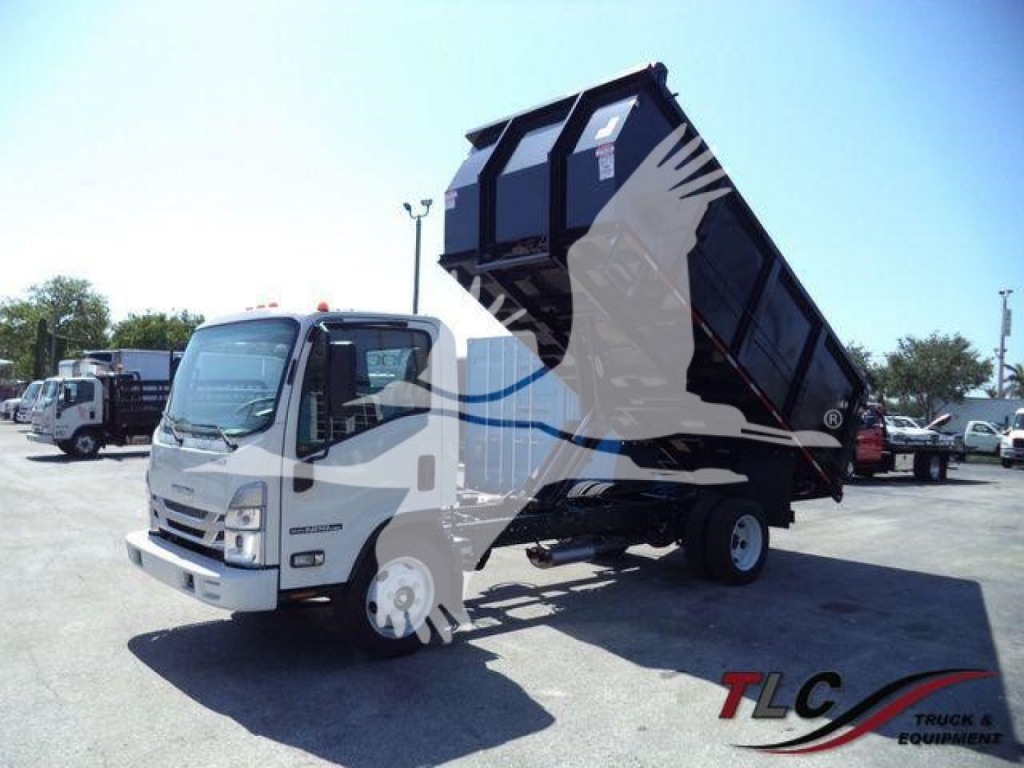
2024 Isuzu Npr Hd
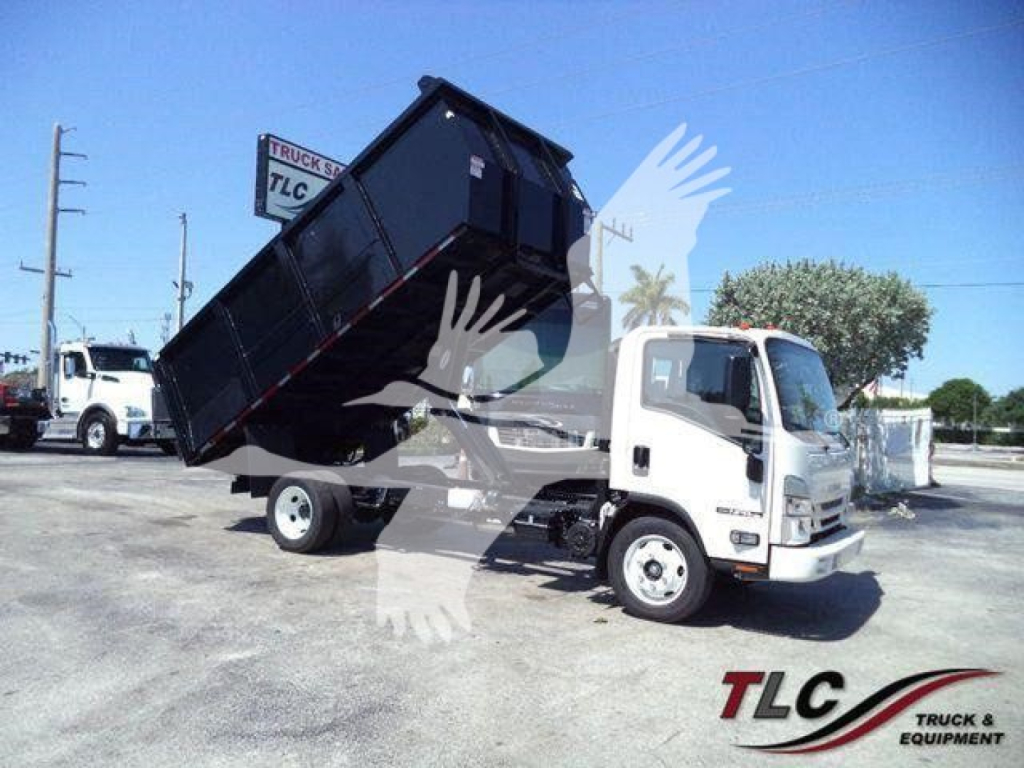
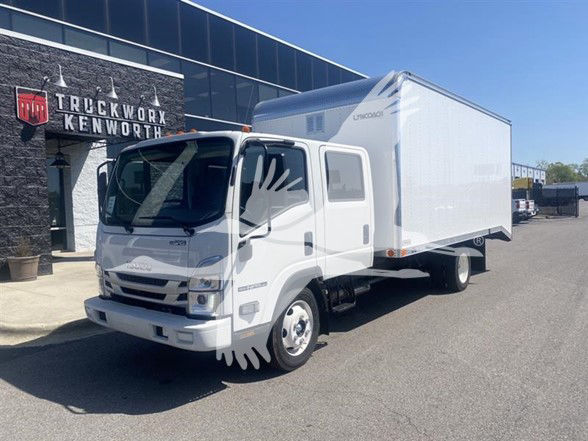
Selling a 2024 landscape truck? List your 2024 landscape truck for sale and reach thousands of commercial buyers.
2024 Landscape Trucks
On 2024 chassis, buyers will usually see Class 4 through Class 6 platforms such as Isuzu NPR HD, Chevrolet Silverado 6500HD, and similar medium-duty gas or diesel trucks. GVWR often lands around 14,500 lb on cabover models and can move into the mid-20,000 lb range on larger conventional chassis. Cabover trucks are popular for landscape fleets because they turn tight, maximize body length in a shorter overall footprint, and work well in urban routes, gated properties, and dense commercial sites. Conventional chassis can offer a more familiar driving position, higher towing capacity in some builds, and room for heavier bodies or larger equipment loads. Powertrain choice usually comes down to duty cycle. Gas engines can make sense for shorter routes and simpler maintenance, while diesel still has an advantage for heavier use, towing, and longer service life under higher annual mileage.
Body construction deserves close attention because landscape trucks live with abrasion, wet debris, and frequent loading cycles. Steel bodies are common when the truck will handle mulch, brush, stumps, block, or demolition debris and take regular abuse from loaders. Aluminum bodies reduce curb weight and can improve usable payload, especially on lighter GVWR chassis, but buyers should still inspect floor thickness, crossmember spacing, hoist rating, hinge design, and rear-door hardware. For dump configurations, look at side height, tarp operation, hoist geometry, and whether the hitch and electrical connector are already set up for a dump trailer. For flatbeds, check ramp rating, dovetail angle, deck length, tie-down placement, and toolbox layout. A landscape truck that carries stand-on mowers one day and mini skids the next needs the right ramp width, traction surface, and axle capacity to match the real equipment mix.
The best 2024 landscape trucks are set up to reduce handling time at every stop. Practical details such as backup cameras, automatic transmissions, lockable storage, pallet access doors, reinforced ramps, and easy-clean body interiors have real value in daily crew work. Buyers comparing listings should confirm payload after upfit, not just chassis GVWR, and should look closely at wheelbase, body length, rear axle ratio, and suspension type because those specs affect turning radius, ride quality, and how the truck handles a full load. If the truck will spend most of its life on residential routes, maneuverability and low step-in height matter. If it will serve irrigation, tree, or hardscape crews, bed strength, towing setup, and storage capacity usually matter more than body cosmetics.
Frequently Asked Questions about 2024 Landscape Trucks
What is the difference between a landscape truck and a standard dump truck?
A landscape truck is generally configured for lighter, higher-volume material and mixed contractor use rather than purely aggregate hauling. It often has taller side walls, a lighter body, tarp equipment, rear doors suited for brush or mulch, and a hitch for towing equipment trailers. Many landscape trucks also use flatbed or contractor-style bodies with ramps and tool storage, which a standard construction dump truck usually does not have.
Is a cabover or conventional chassis better for a 2024 landscape truck?
A cabover chassis is often better for tight routes because it gives more body length in a shorter overall truck and has a much tighter turning radius. That makes it a strong fit for residential landscaping, municipal work, and urban commercial maintenance. A conventional chassis can be the better choice when higher GVWR, heavier towing, or a more traditional service network and driving feel are priorities.
Should I choose a steel or aluminum landscape body?
Steel is typically the better choice for harder use, repeated loading impacts, and rough debris such as stumps, stone, and mixed waste. Aluminum is attractive when payload is critical because it reduces body weight and can help a smaller truck carry more legal cargo. The right choice depends on what the truck hauls most often, how corrosive the material is, and how important every pound of payload is on the routes it runs.
What specs matter most when comparing 2024 landscape trucks for sale?
The most important specs are GVWR, actual payload after the body is installed, body length, side height, hoist capacity, rear-door design, hitch rating, and ramp capacity if it is a flatbed. Buyers should also verify engine type, transmission, wheelbase, axle ratio, suspension, and brake-controller setup. Those details determine how the truck loads, how much it can legally carry, how well it tows, and how easy it is to use every day.
Can a landscape truck handle both debris hauling and equipment transport?
Yes, but the body style has to match the job mix. A landscape dump body is best for mulch, brush, clippings, and loose material, while a flatbed landscape body with beavertail and ramps is better for mowers, compact loaders, and palletized supplies. Some fleets solve this by assigning different trucks to dedicated crews, while others choose a versatile contractor-style body that balances material containment, ramp access, and storage.