
2024 Landscape Trucks For Sale in Florida
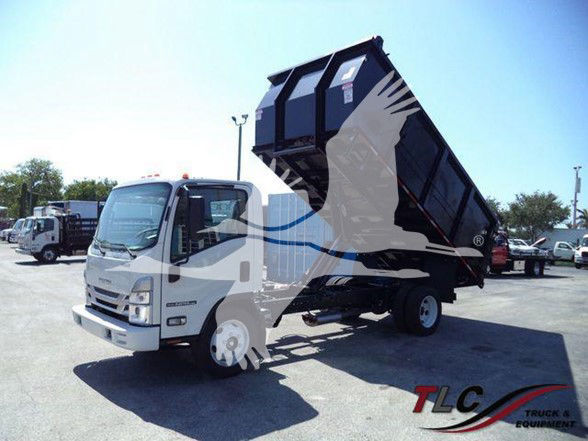
2024 Isuzu NPR HD
110 mi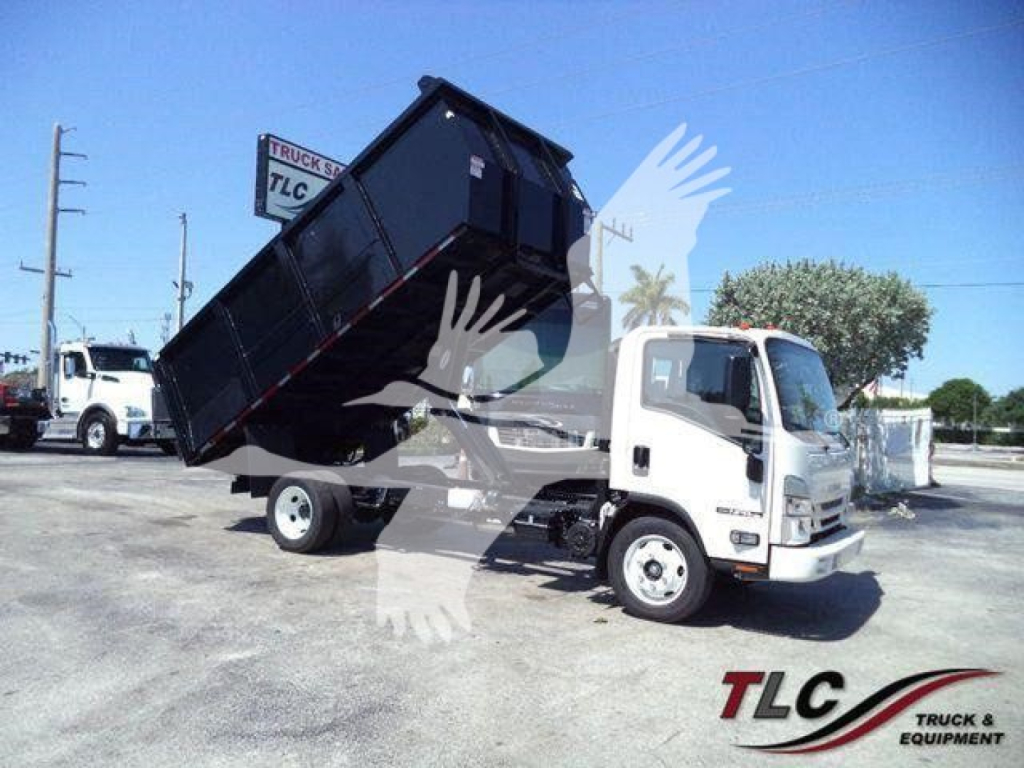
Have 2024 landscape truck to sell? List it here to reach thousands of buyers.
2024 Landscape Trucks in Florida
For Florida use, rust resistance, cooling performance, and easy washout matter more than they do in many inland markets. Aluminum landscape bodies, sealed wiring, and well-protected hydraulic components tend to hold up better in humid and coastal conditions. A common decision is Class 4-5 cabover versus Class 6 medium-duty conventional chassis. Cabovers like the Isuzu NPR-HD are easy to maneuver in tight neighborhoods, HOA streets, and urban routes, and they often pair well with 14-foot landscape bodies and GVWRs around the 14,500-pound range. Larger conventional trucks such as Freightliner M2 or Silverado 6500HD-based units give you more body capacity, stronger hoist options, and better suitability for heavier debris, towing equipment trailers, or adding specialty upfits like a grapple.
Body specs drive daily usability. Many buyers compare 14-foot to 18-foot bodies, 48-inch to 54-inch side height, rear door style, and hoist type before they compare engines. A 14-foot body with 48-inch sides is a common fit for lawn and tree crews that need volume without stepping up to a larger chassis. Taller 54-inch sides and 18-foot bodies increase cubic capacity for brush and storm cleanup, but they also affect loading height, turning radius, and empty weight. Electric-over-hydraulic hoists are common on lighter units, while PTO-driven hydraulic hoists are preferred on heavier trucks and higher-duty cycles. Useful features include manual or pull tarps, side access doors, hitch packages with electric brake provisions and 7-way plugs, backup cameras, and barn doors that can handle repeated dumping without excessive flex.
Powertrain choice comes down to route length, load profile, and service preference. Gas engines can be a practical fit for local fleets that want lower upfront cost and simpler maintenance, especially on lighter Class 4-5 trucks. Diesel still earns its keep when the truck runs loaded more often, idles around crews, or needs stronger torque for towing and hydraulic work. Buyers should also confirm axle ratings, brake type, suspension setup, wheelbase, and body manufacturer reputation, because those details determine how well the truck carries a full mulch load, handles uneven entrances, and survives constant loading with skid steers or hand crews. If the operation includes storm debris, right-of-way cleanup, or municipal-style brush pickup, a landscape truck with a grapple body or trash dump configuration may be the better fit than a standard open dump.
Frequently Asked Questions about 2024 Landscape Trucks in Florida
What is the difference between a landscape truck and a standard dump truck?
A landscape truck is usually designed for high-volume, lighter materials such as mulch, leaves, brush, and green waste. It commonly has taller sidewalls, a lighter body, a wide rear door or barn doors, and a tarp system to contain loose material. A standard dump truck is generally built for denser payloads like gravel, asphalt, or demolition material and often uses lower sides with a heavier-duty dump body.
Is an aluminum or steel landscape body better for Florida?
Aluminum is often the better choice in Florida because it resists corrosion, reduces empty weight, and can improve legal payload on smaller chassis. Steel still has advantages if the truck will see harder abuse, heavier mixed debris, or frequent loading from equipment. The right answer depends on the material hauled, expected body life, and how close the truck will operate to its GVWR on a regular basis.
What GVWR is common for a landscape truck?
Landscape trucks are commonly found from Class 4 through Class 6, with GVWRs ranging from about 14,500 pounds up to 26,000 pounds. Smaller GVWR trucks are easier to maneuver and often suit lawn maintenance and local contractor work. Higher-GVWR trucks allow larger bodies, more cubic capacity, heavier hoists, and better towing capability for trailers, mowers, or compact equipment.
What body features matter most on a landscape dump truck?
The most important body features are length, side height, rear door configuration, hoist design, and tarp system. Buyers should also look at floor thickness, side construction, tie-down or tool storage options, hitch setup, and how easily the body can be loaded by hand crews or equipment. Those details affect payload efficiency, dumping speed, cleanup time, and long-term durability more than cosmetic differences do.
Should I choose gas or diesel for a 2024 landscape truck?
Gas is often attractive for lighter-duty local work because acquisition cost can be lower and maintenance can be simpler. Diesel is usually the better choice for heavier loads, frequent towing, more idle time, and applications that rely on torque and long service intervals under commercial use. The best choice depends on daily miles, trailer weight, body size, and whether the truck will spend most of its time carrying brush, mulch, mixed debris, or equipment.