
2024 Winch Trucks For Sale
Shop 2024 winch trucks, including self-loader wreckers and tow trucks with diesel power, wheel lifts, drag winches, and modern safety features.
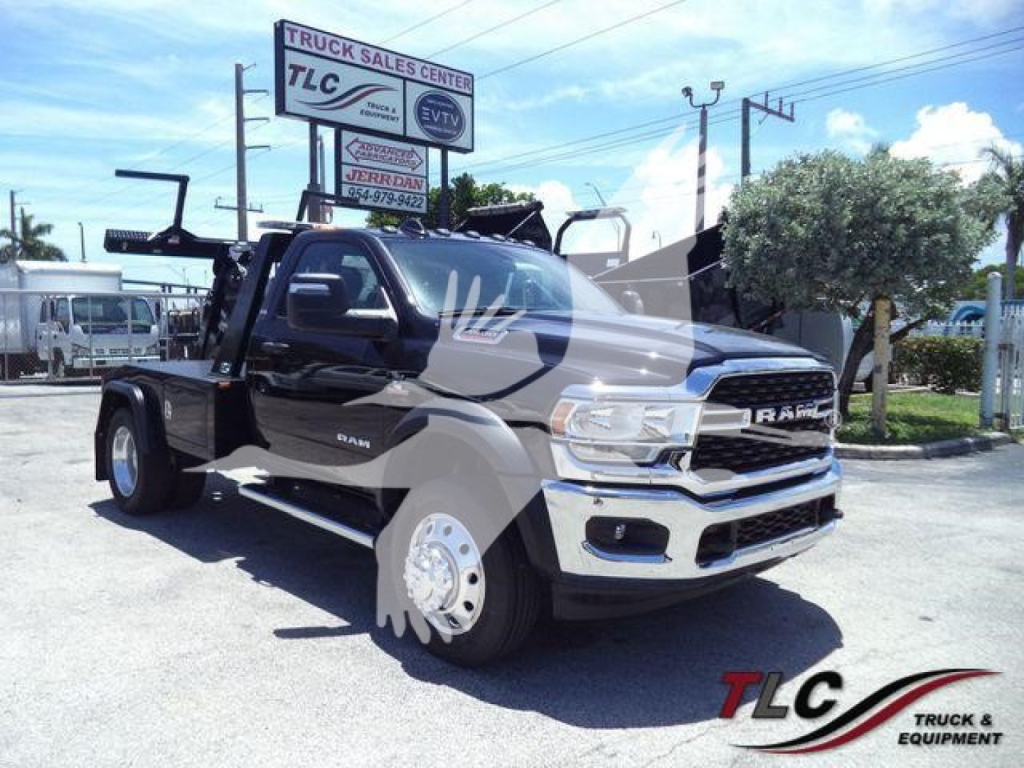
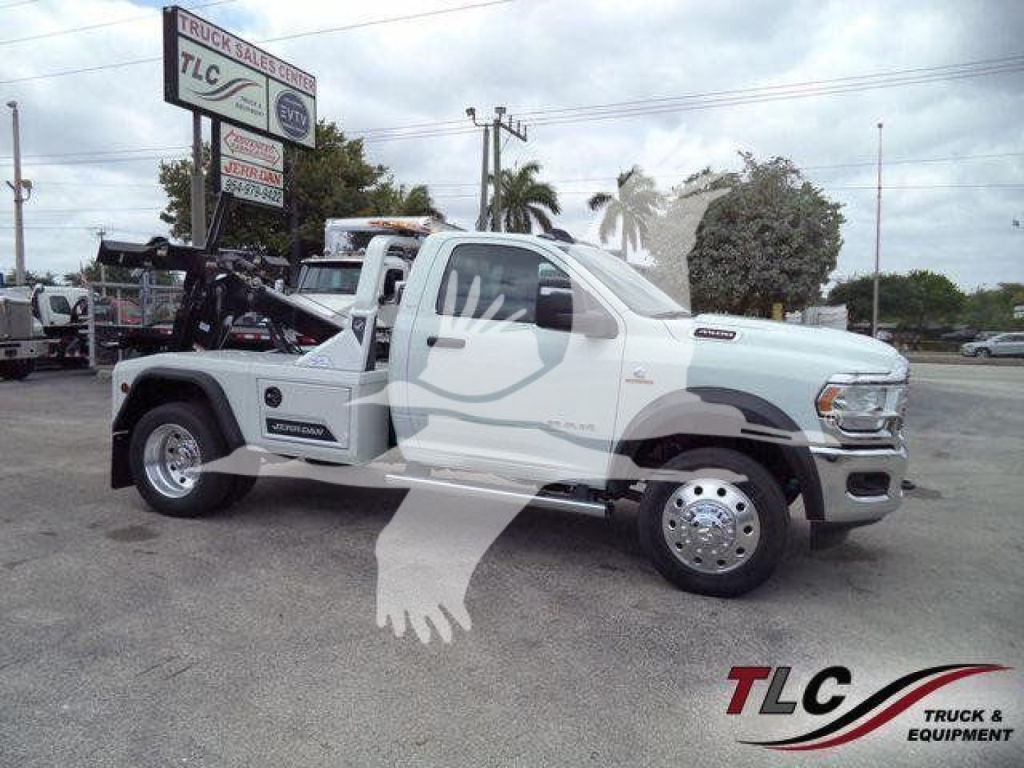
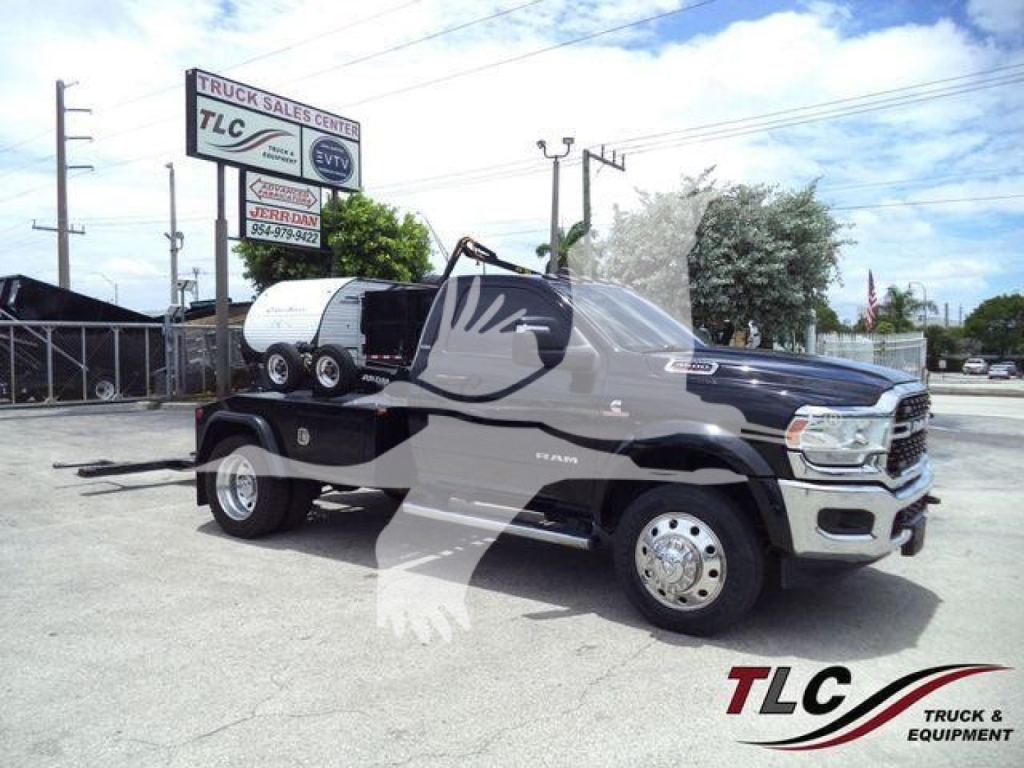
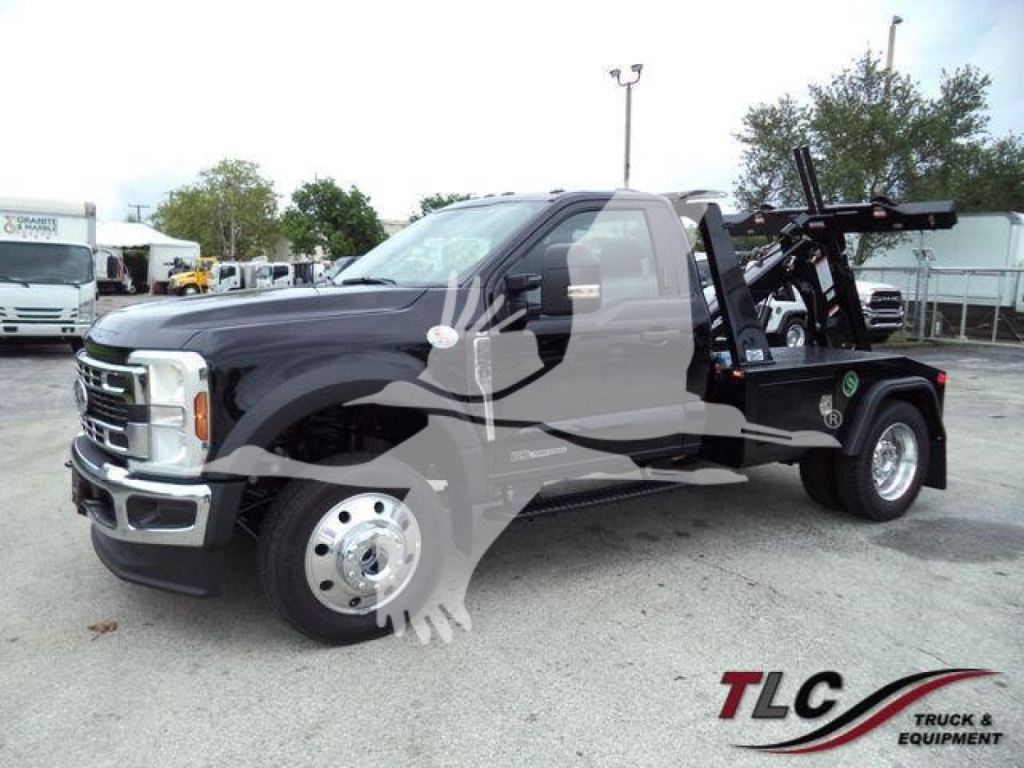
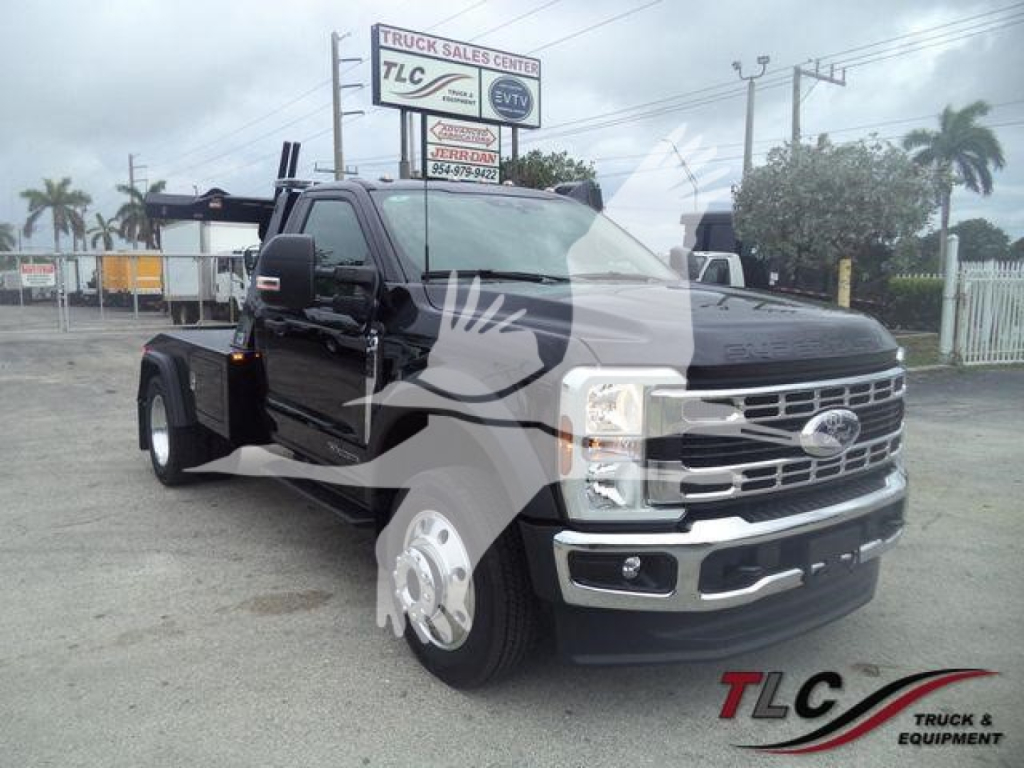
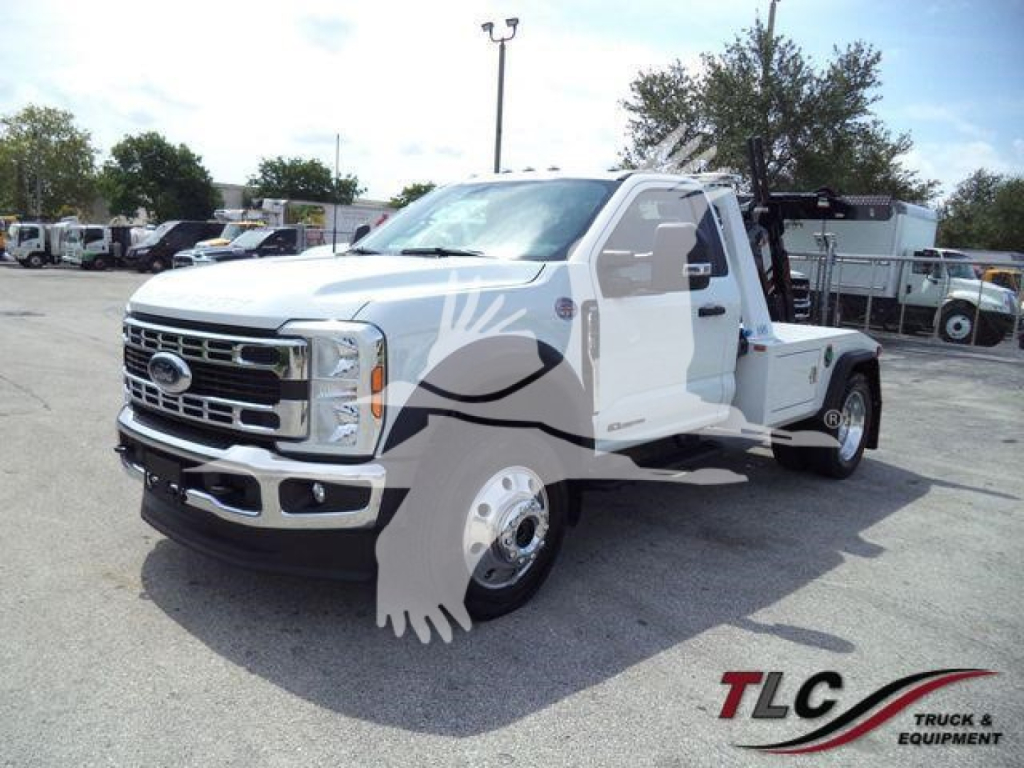
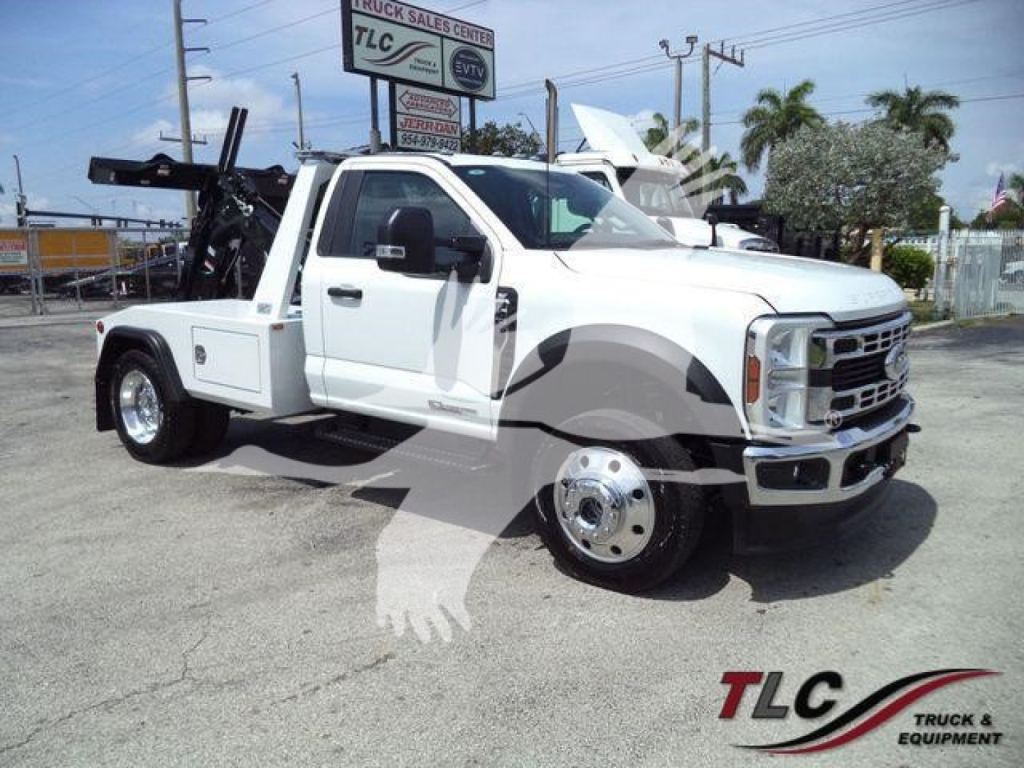
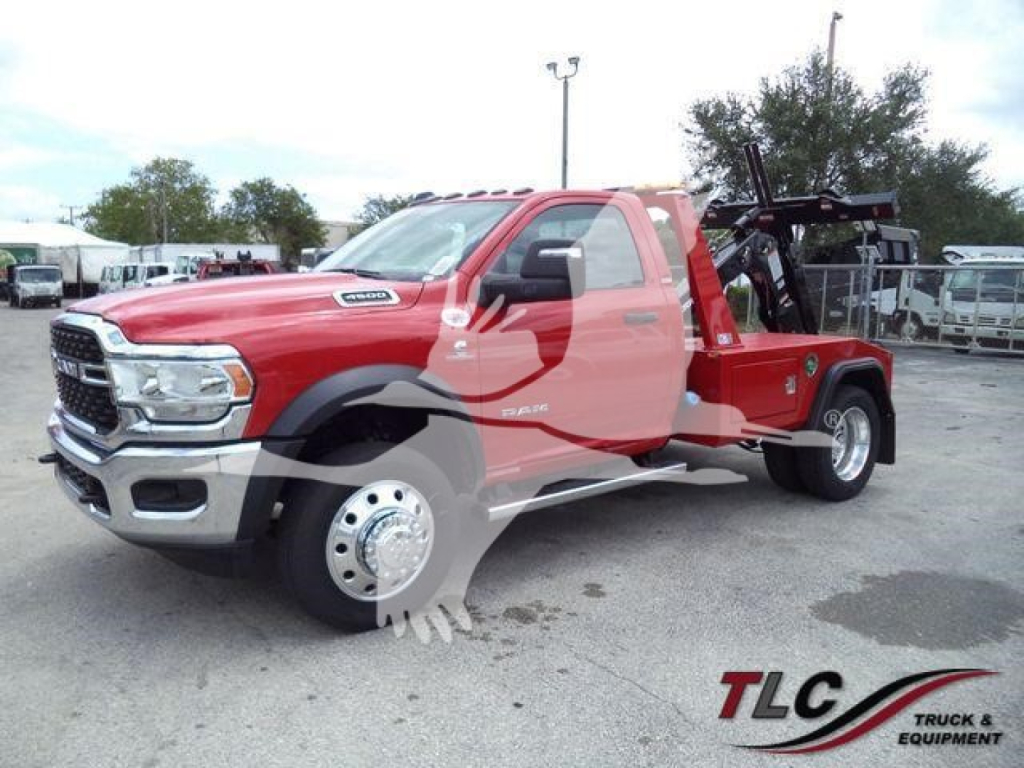
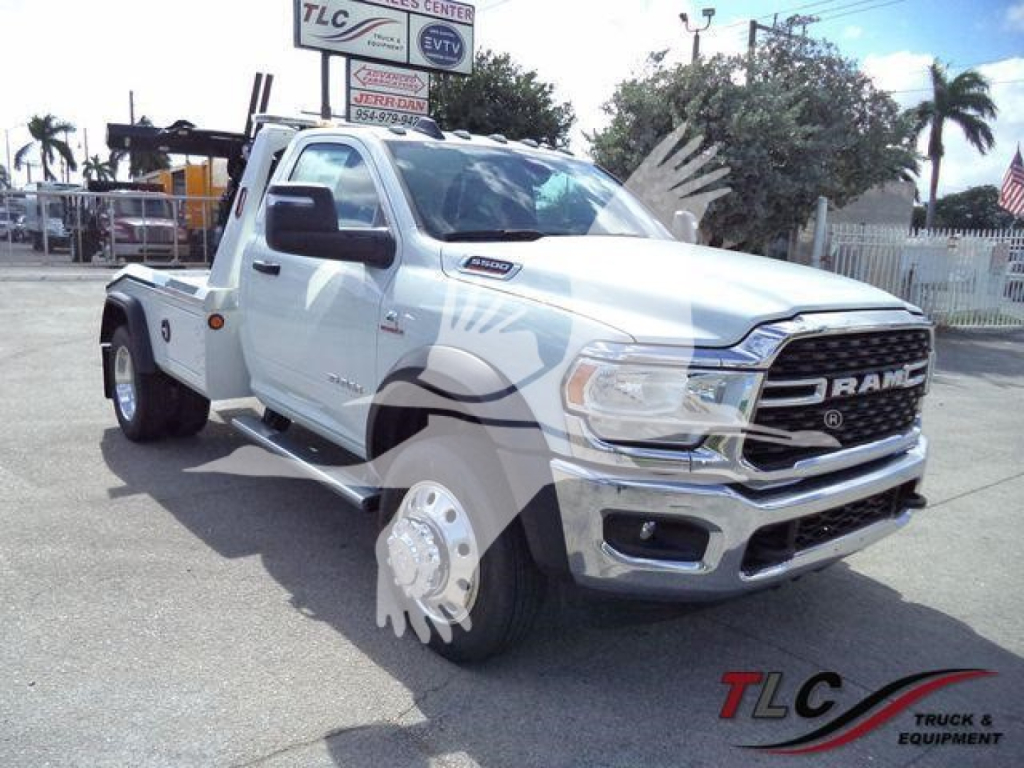
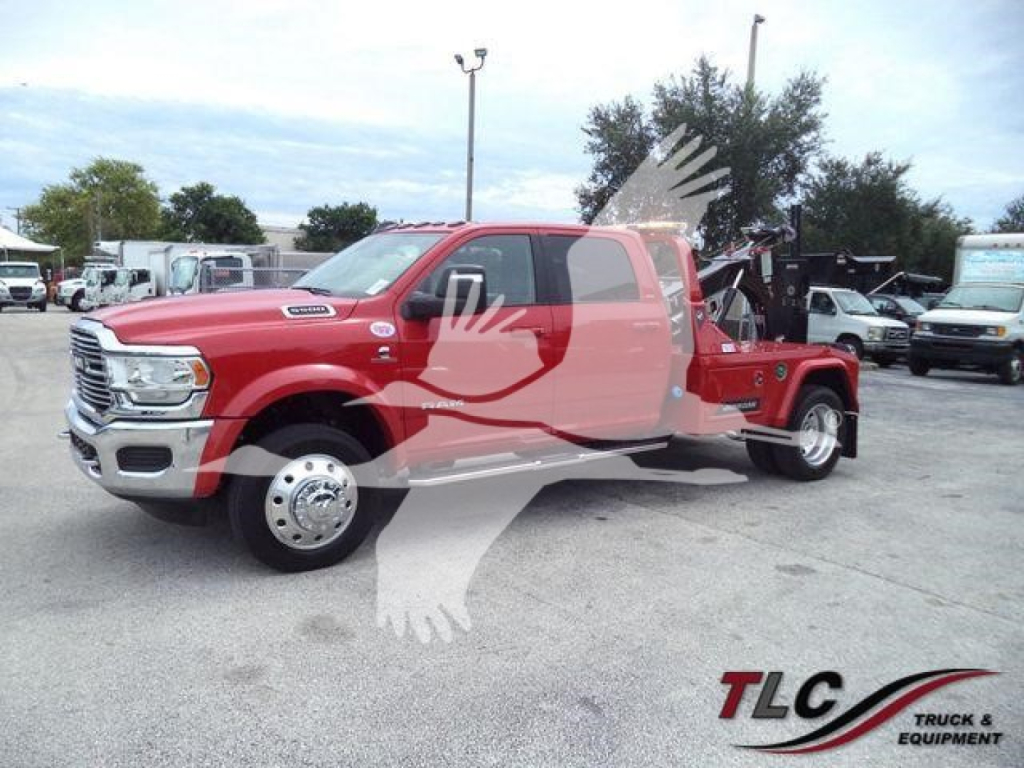
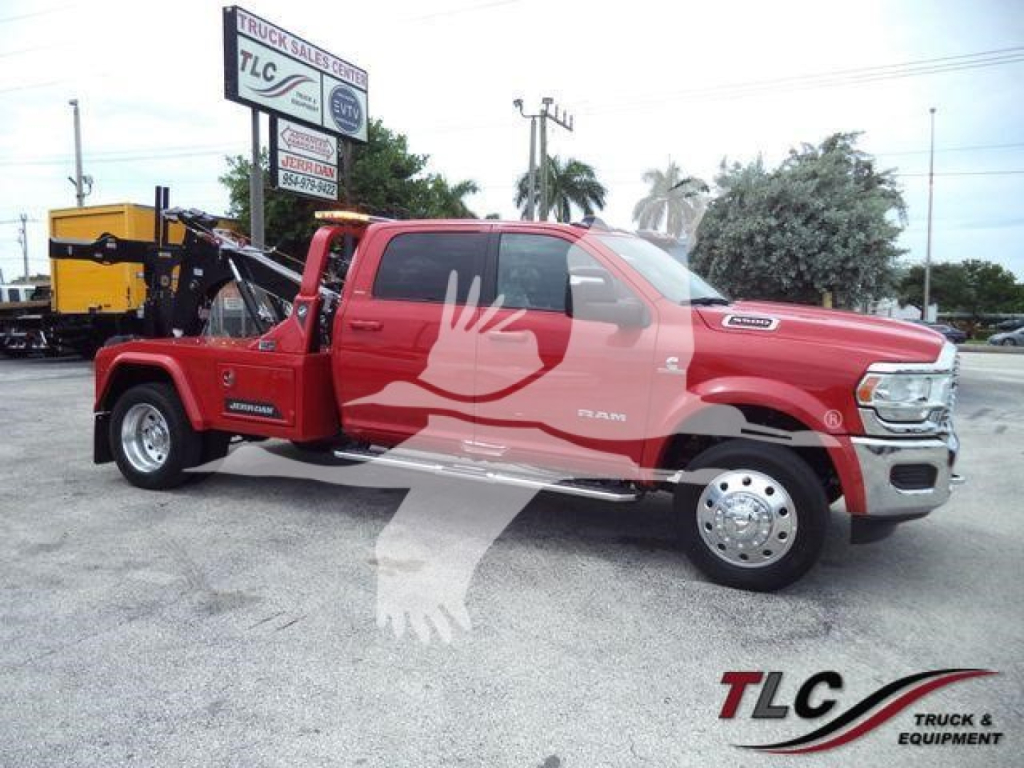
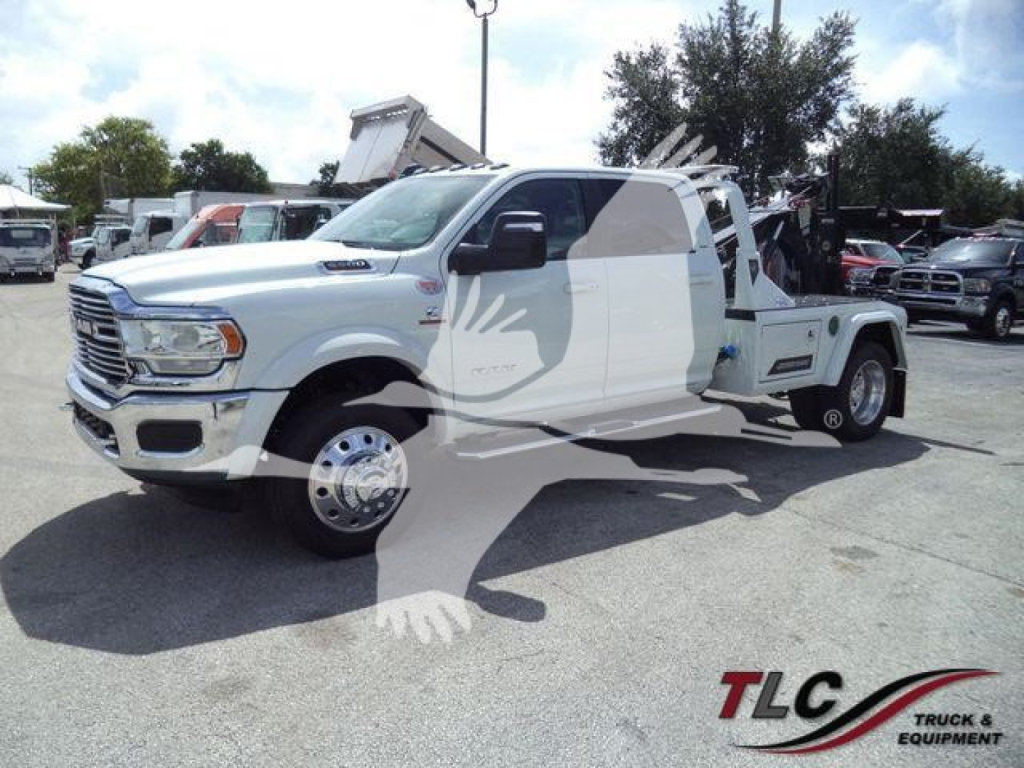
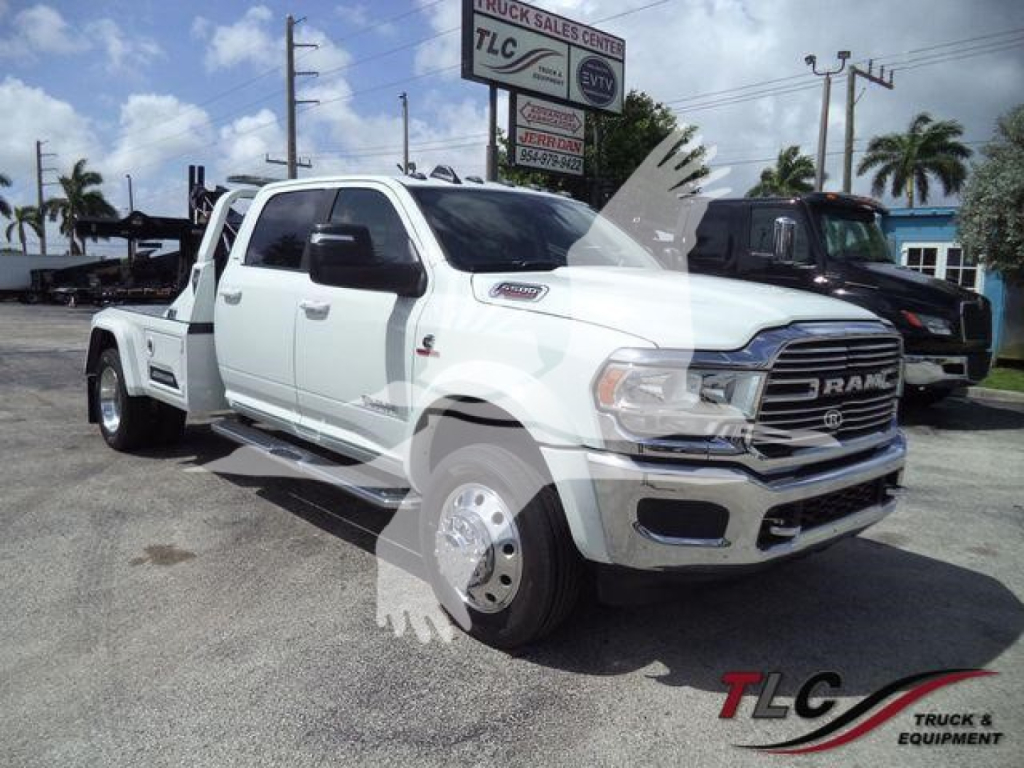
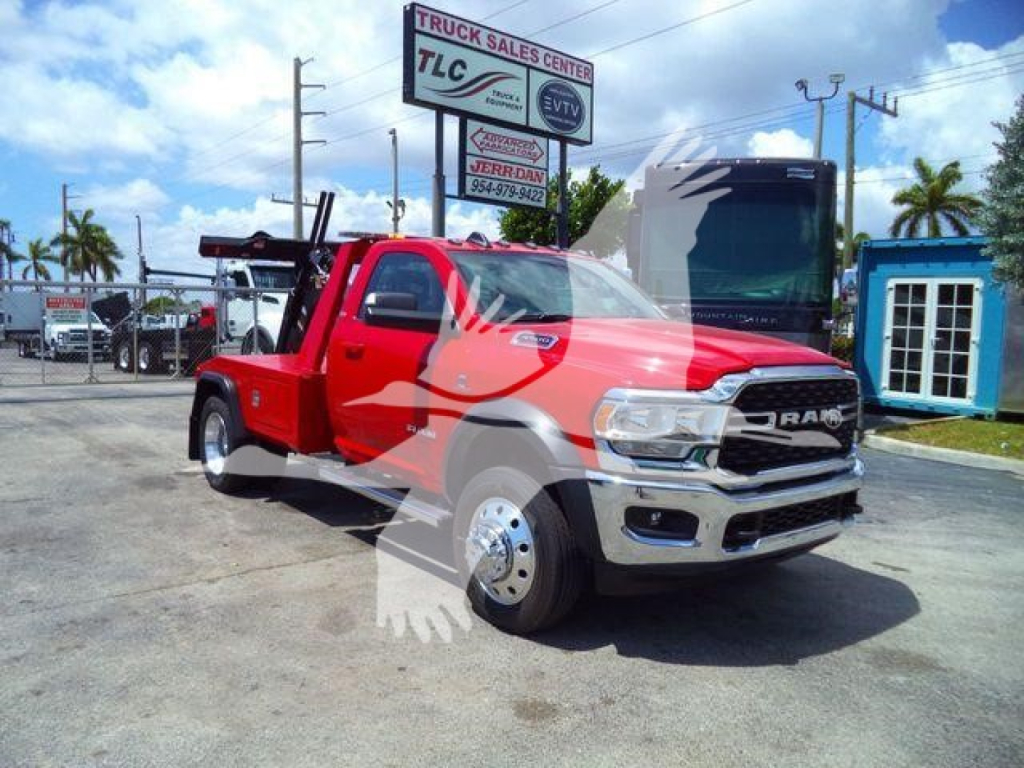
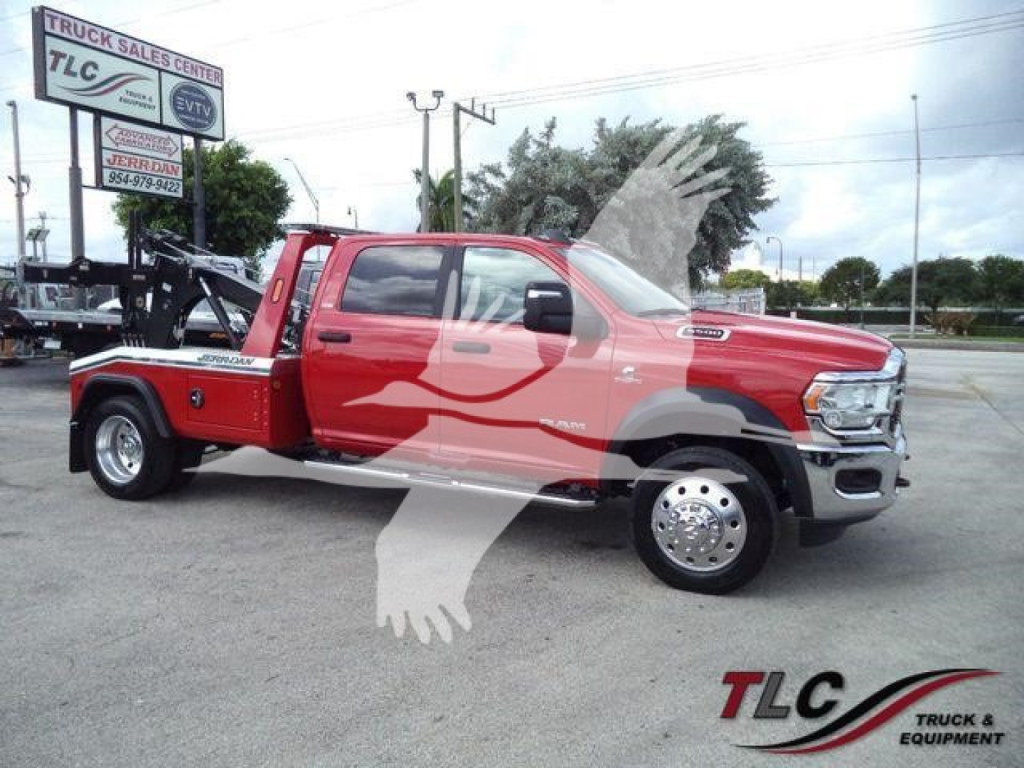
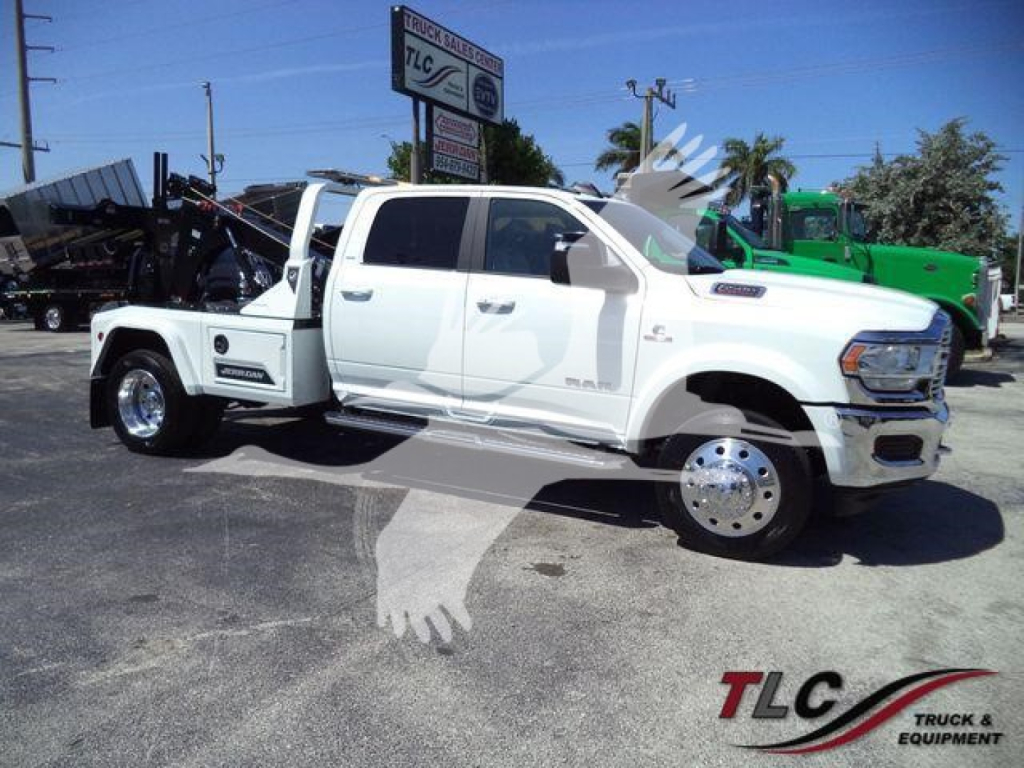
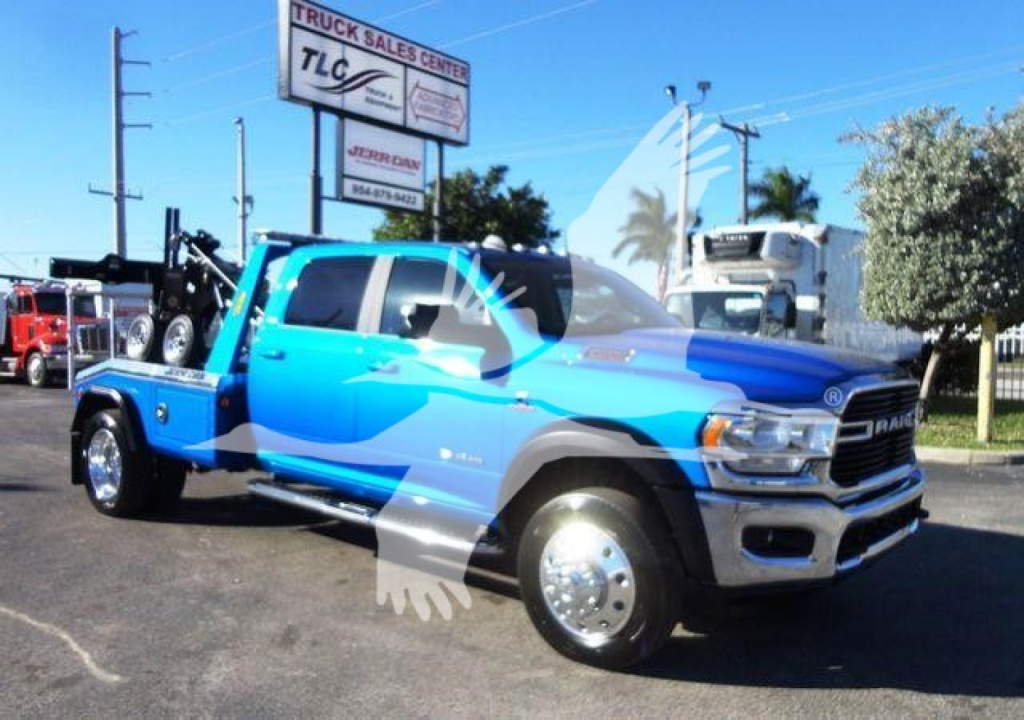
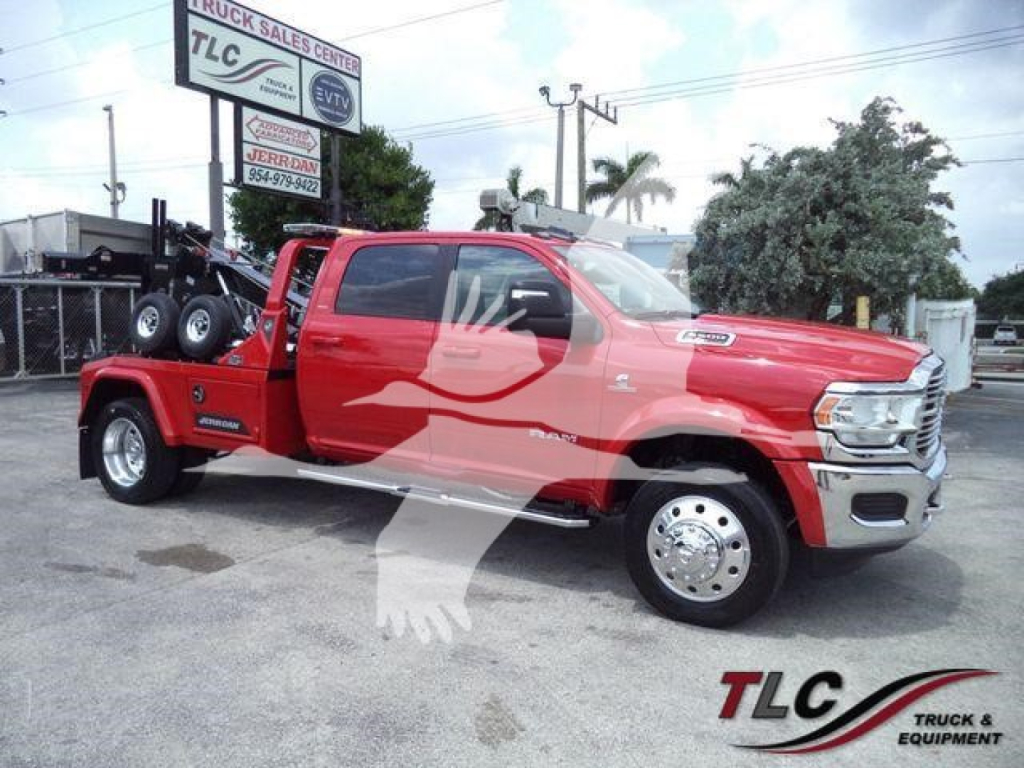
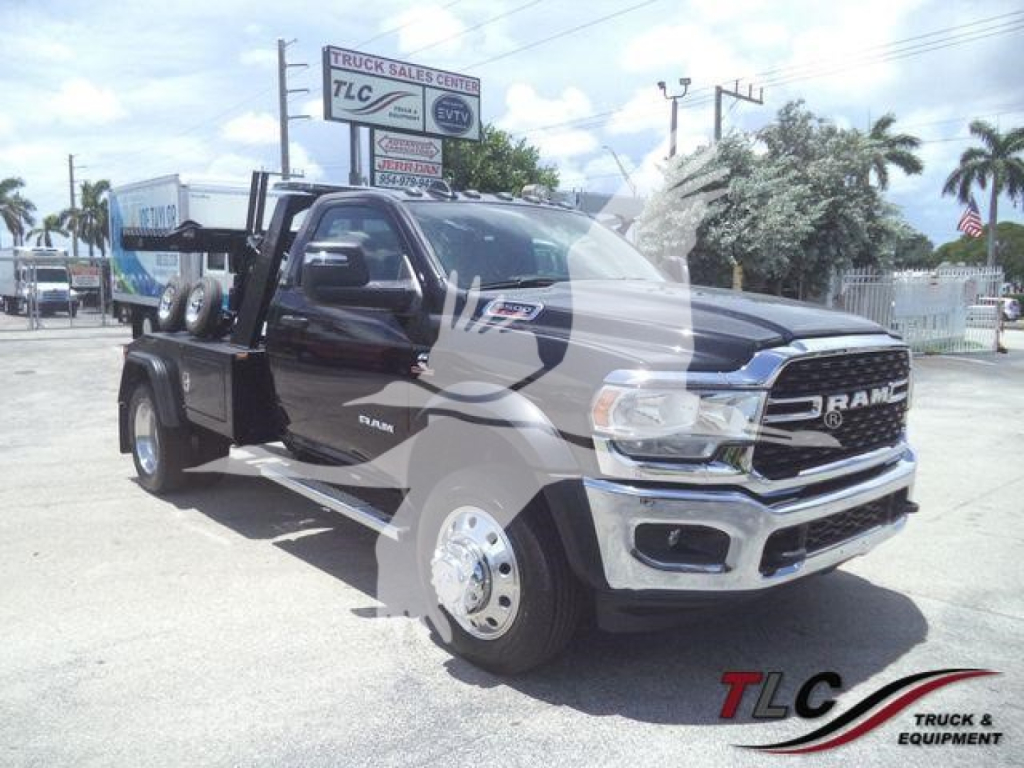
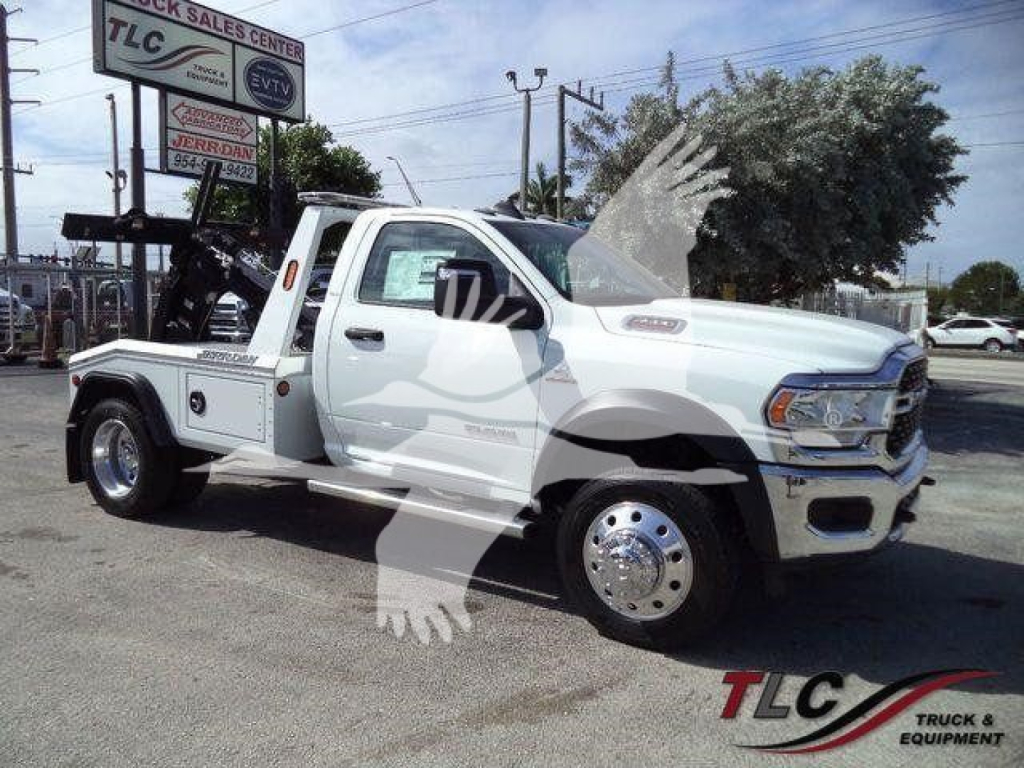
Showing 1 to 28 of 43 results
Selling a 2024 winch truck? List your 2024 winch truck for sale and reach thousands of commercial buyers.
2024 Winch Trucks
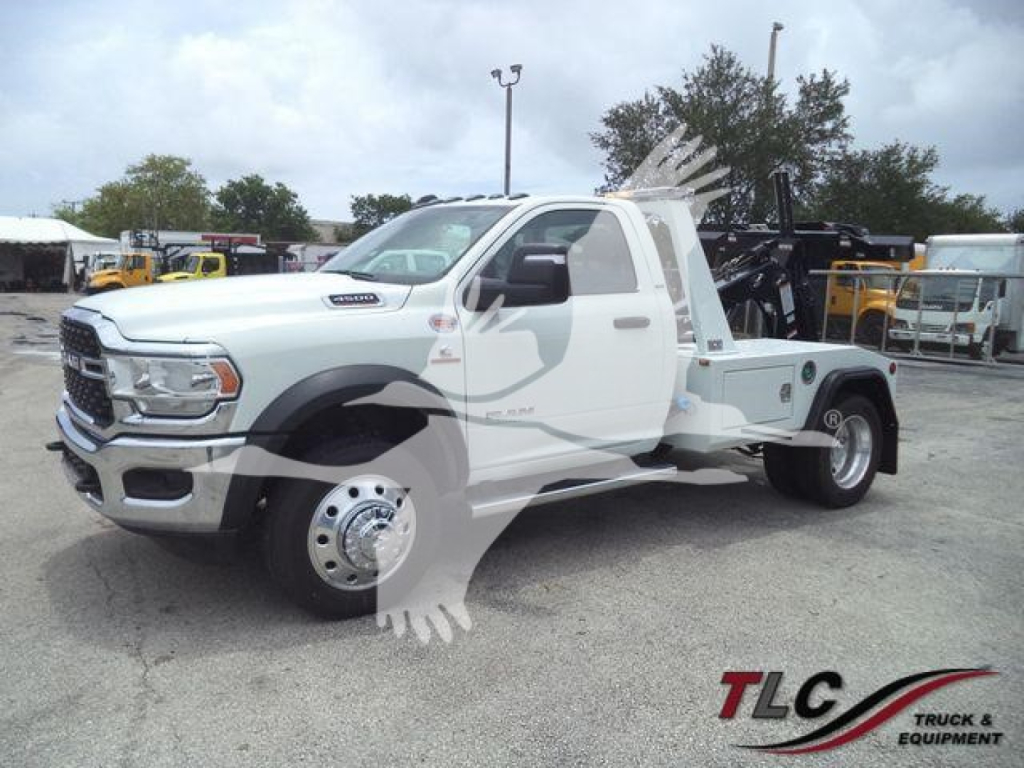
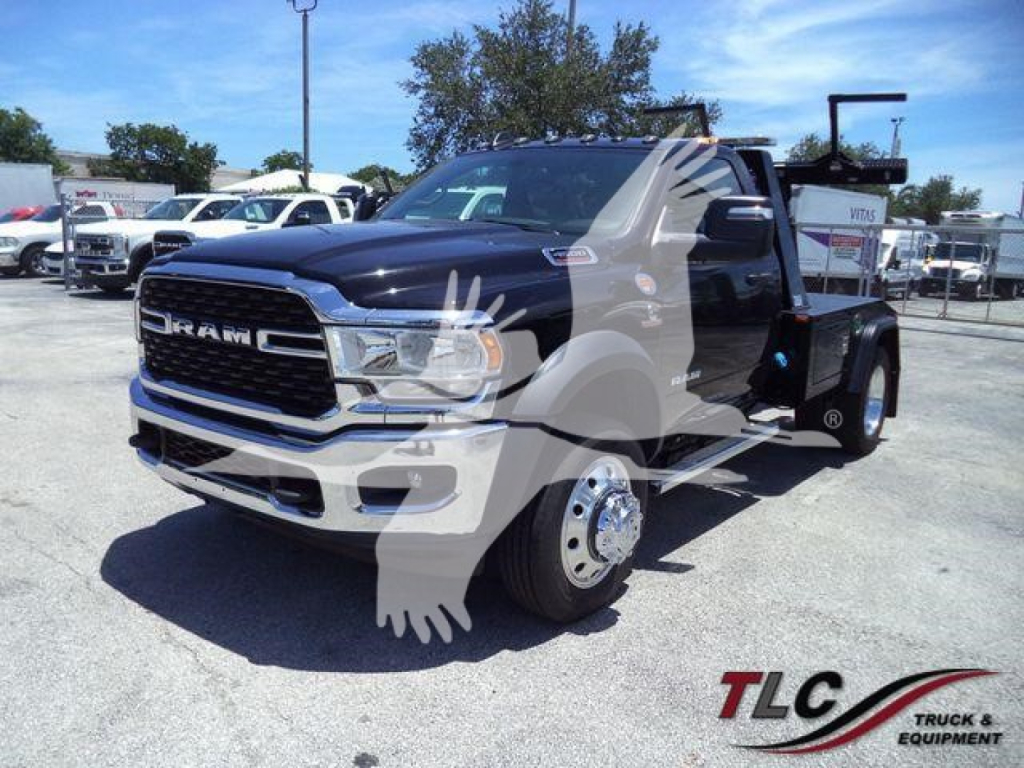
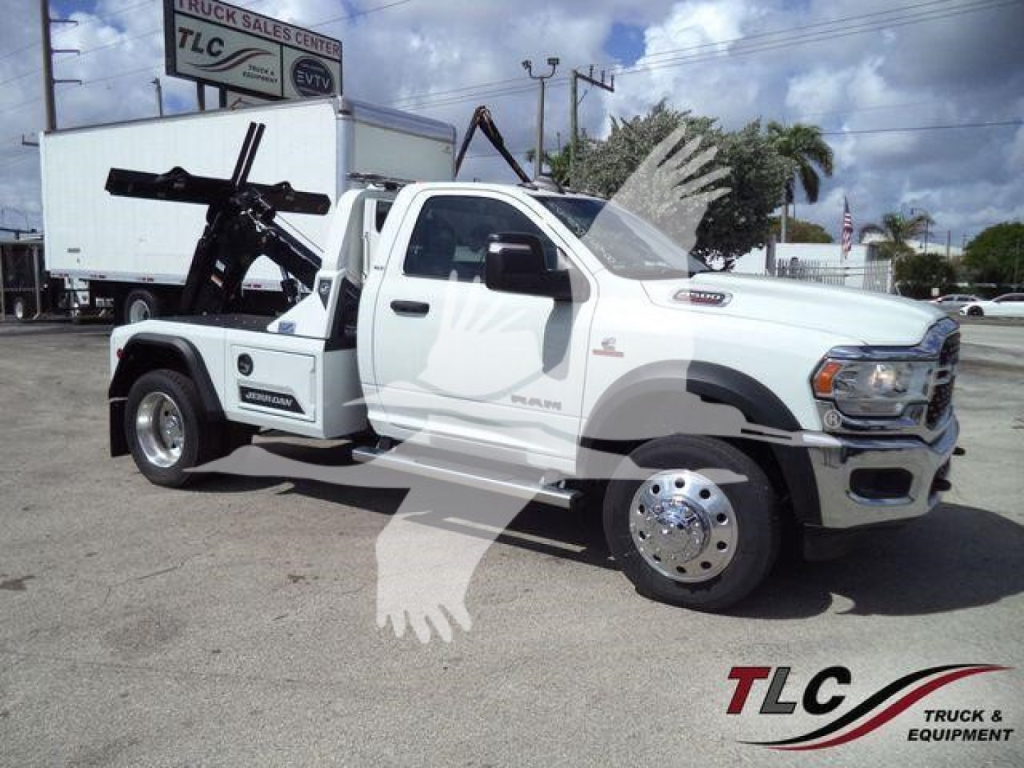
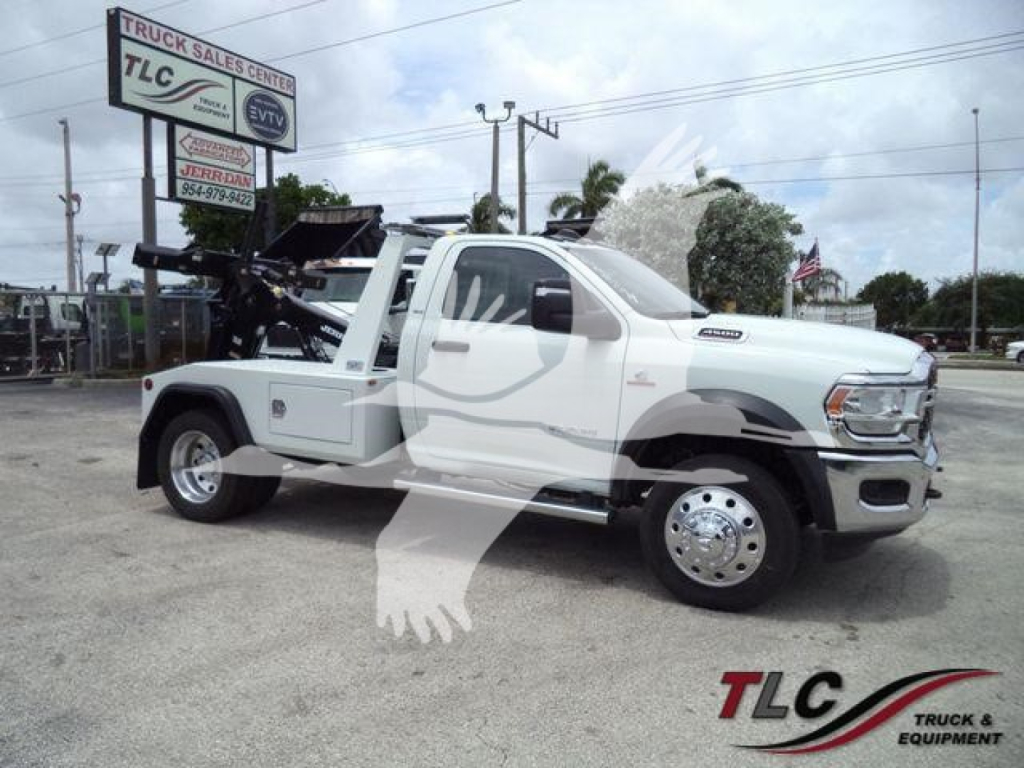
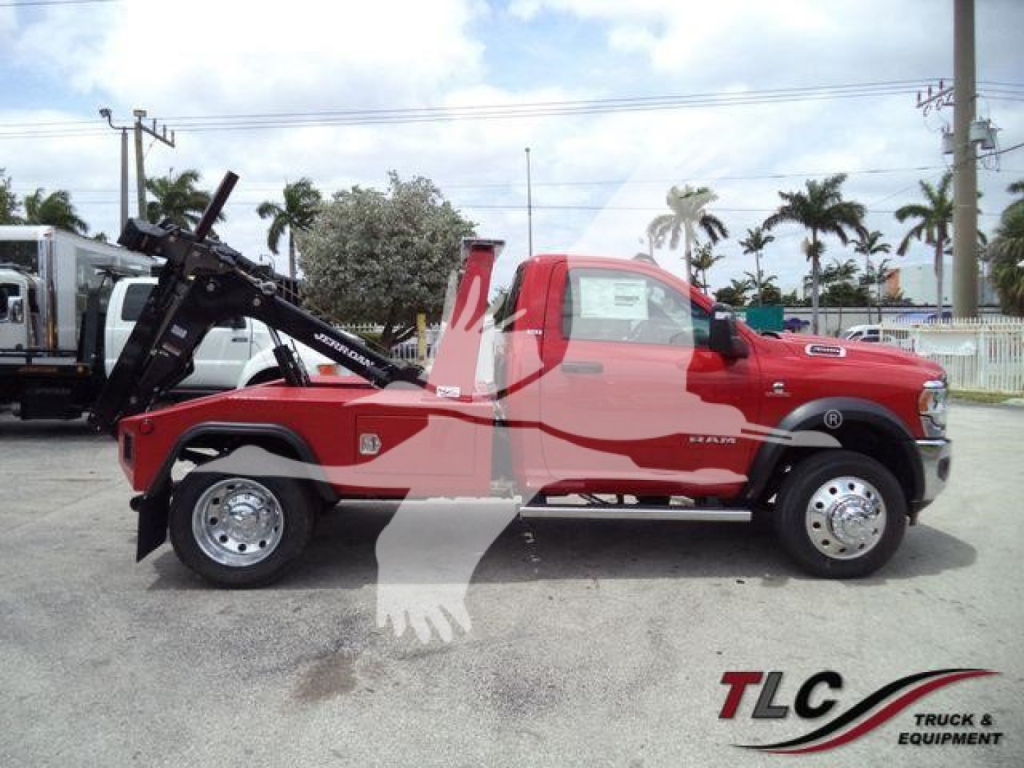
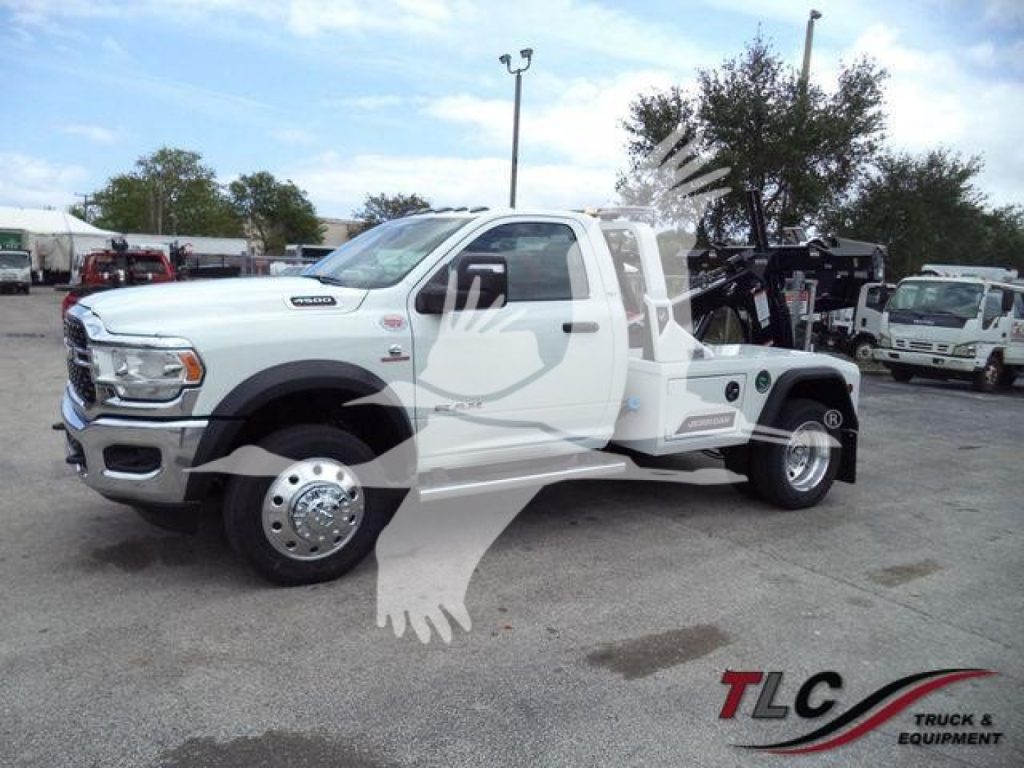
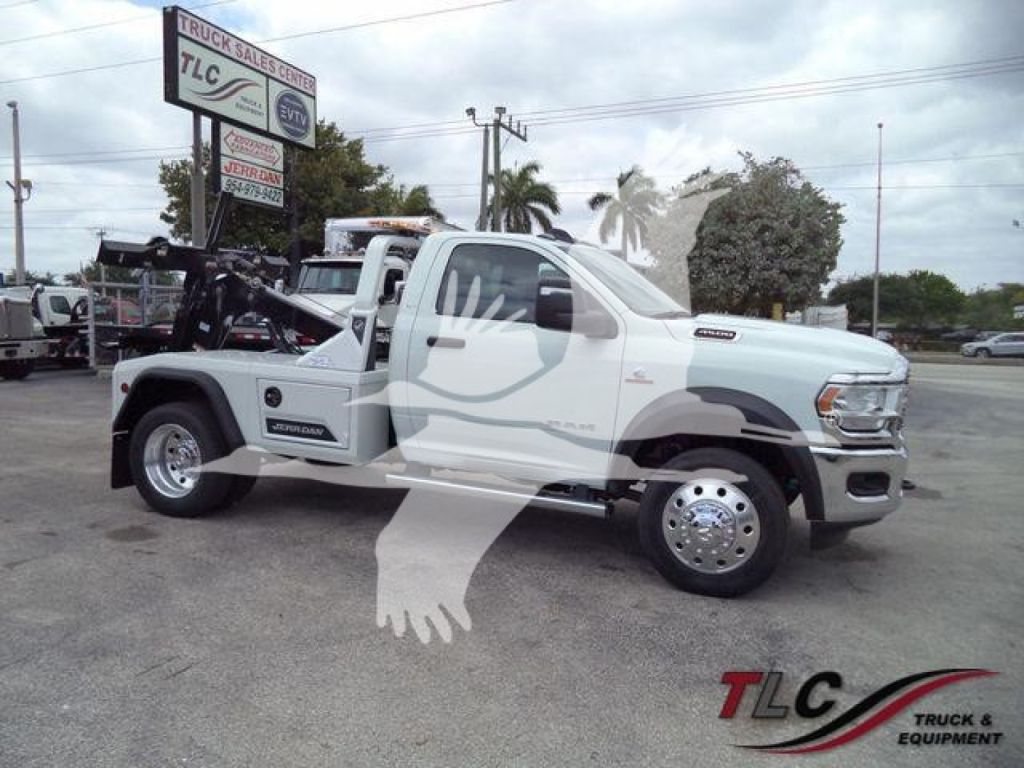
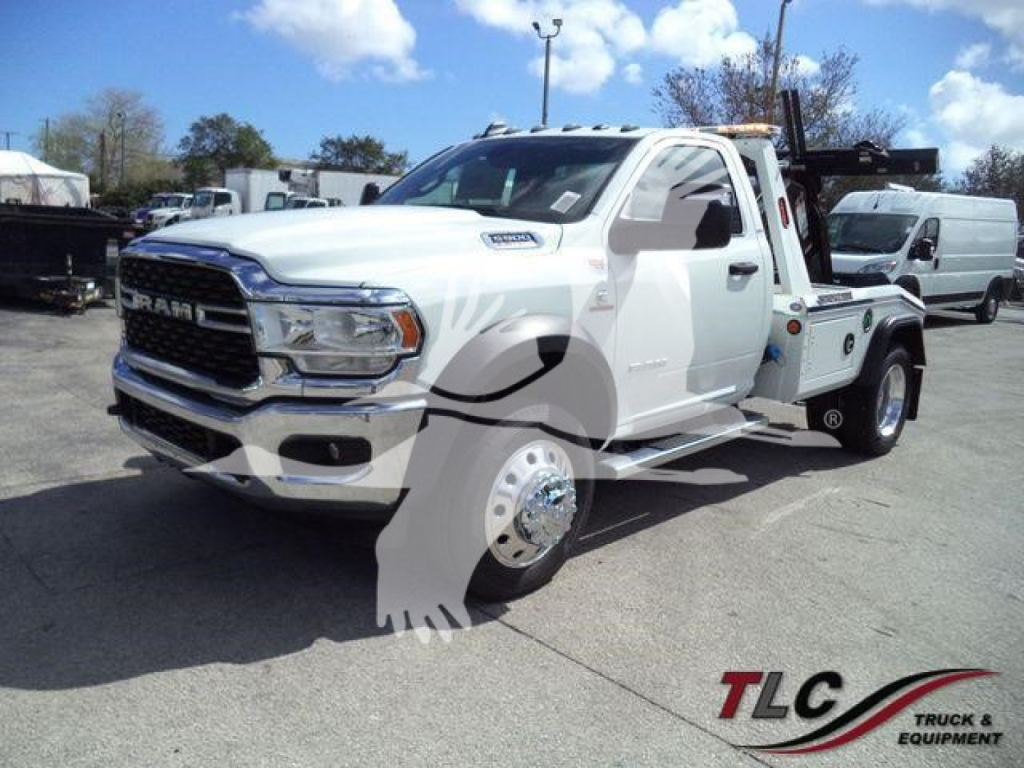
A lot of 2024 winch trucks in this size range use a 6.7L Cummins diesel with strong low-end torque, often paired with an Aisin automatic. That combination is popular because it handles frequent stop-and-go work, loaded starts, and urban routing without overcomplicating operation for multiple drivers. On the towing side, an 8,000 lb drag winch is common on light-duty self-loaders, while larger configurations may carry dual 8,000 lb winches and a recovery boom for more demanding pulls. Underlift capacities around 4,000 lbs and tow capacities in the 7,500 lb range are typical for light-duty integrated wreckers, which makes them a practical fit for passenger cars, pickups, and many commercial vans.
Body design and operator controls matter as much as raw chassis specs. Buyers should pay attention to wheel grid design, underlift stop assist systems, negative and positive tilt range, boom reach, and whether the truck has wired or wireless controls. Toolboxes, diamond-plate decking, backup alarms, backup cameras, DOT lighting, and amber LED light bars are standard features that improve daily usability and jobsite safety. If the truck will work in snow, mud, or mixed rural service, 4x4 can justify its added cost. If the route is mostly paved urban towing, a 4x2 can reduce upfront cost and simplify maintenance.
The best 2024 winch truck depends on call type and duty cycle. A regular cab 4500-style unit is agile and efficient for dense city work, while a crew cab or 5500 chassis may make more sense for operators carrying more equipment or handling heavier service demands. Review front axle capacity, rear axle ratio, GVWR, wheelbase, body warranty, and upfitter support before deciding. A properly matched winch truck should balance chassis durability, hydraulic performance, and underlift geometry so it can load quickly, tow safely, and stay productive across a full shift.
Frequently Asked Questions about 2024 Winch Trucks
What is a 2024 winch truck typically used for?
A 2024 winch truck is commonly used for roadside recovery, disabled vehicle pickup, parking enforcement, repossession, and light-duty towing. Many trucks in this category are self-loader wreckers with wheel-lift systems that let one operator secure and move a vehicle quickly. They are best suited for passenger vehicles, light pickups, and many vans rather than heavy-duty recovery work.
What specs matter most when comparing 2024 winch trucks?
The most important specs are underlift rating, tow capacity, drag winch capacity, chassis GVWR, axle ratings, and drivetrain configuration. Buyers should also compare boom reach, tilt range, wheel-lift design, control type, and body construction. These details directly affect how easily the truck can pick up vehicles, operate in tight spaces, and hold up under daily towing cycles.
Is a Ram 4500 or Ram 5500 better for a winch truck?
A Ram 4500 is often the better fit for light-duty urban towing where maneuverability and lower operating cost are priorities. A Ram 5500 gives more chassis capacity and can support heavier upfits, more equipment, and in some cases dual winch or recovery-oriented setups. The better choice depends on the size of vehicles being towed, how much gear the operator carries, and how aggressive the daily duty cycle is.
Should I choose a 4x2 or 4x4 winch truck?
A 4x2 winch truck is usually adequate for paved-road towing, city calls, and standard roadside service, and it generally costs less to buy and maintain. A 4x4 setup is valuable for snow, gravel lots, muddy shoulders, rural routes, and recovery situations where traction becomes a limiting factor. If the truck regularly works outside controlled urban conditions, 4x4 can improve uptime and reduce the chance of getting stuck on a call.
What features are common on newer self-loader winch trucks?
Common features on newer self-loader winch trucks include PTO-driven hydraulics, integrated wheel lifts, 8,000 lb drag winches, LED light bars, rear work lights, backup cameras, backup alarms, DOT lighting, toolboxes, and tie-down equipment. Many also include underlift level stop assist systems and improved wheel grid technology for quicker loading. These features help reduce operator fatigue, improve visibility, and support safer, faster towing operations.