
2024 Flatbed Trucks For Sale
Shop 2024 flatbed trucks with diesel, gas, CDL and non-CDL options. Compare bed lengths, GVWR, towing setups, and upfit features.
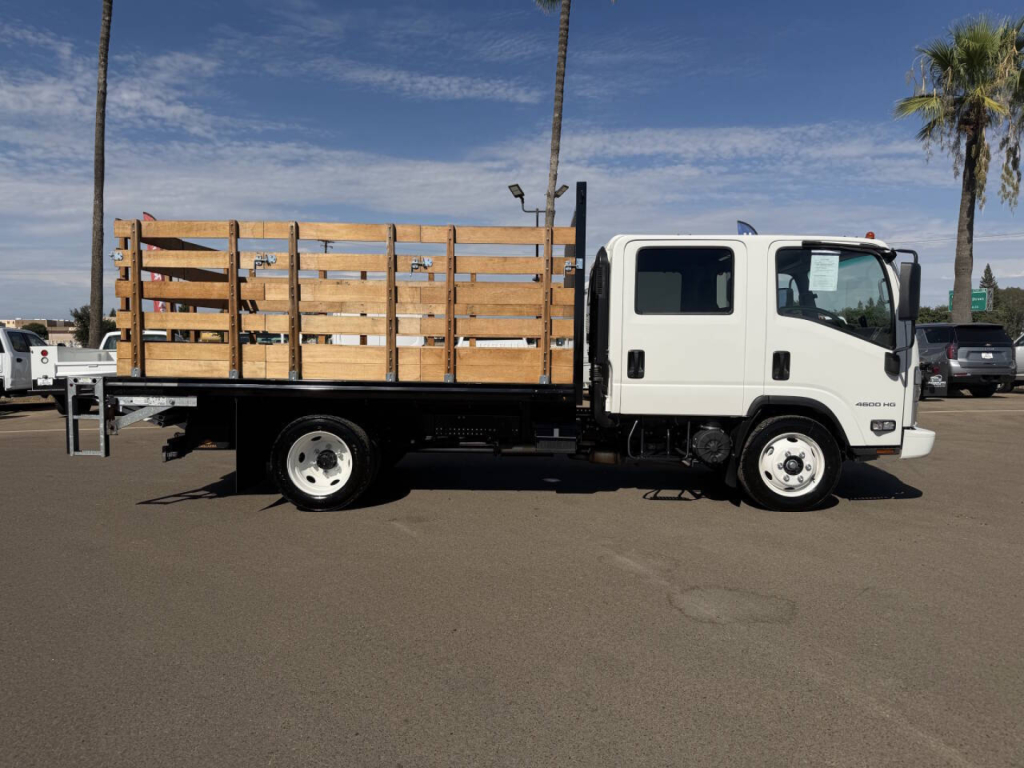
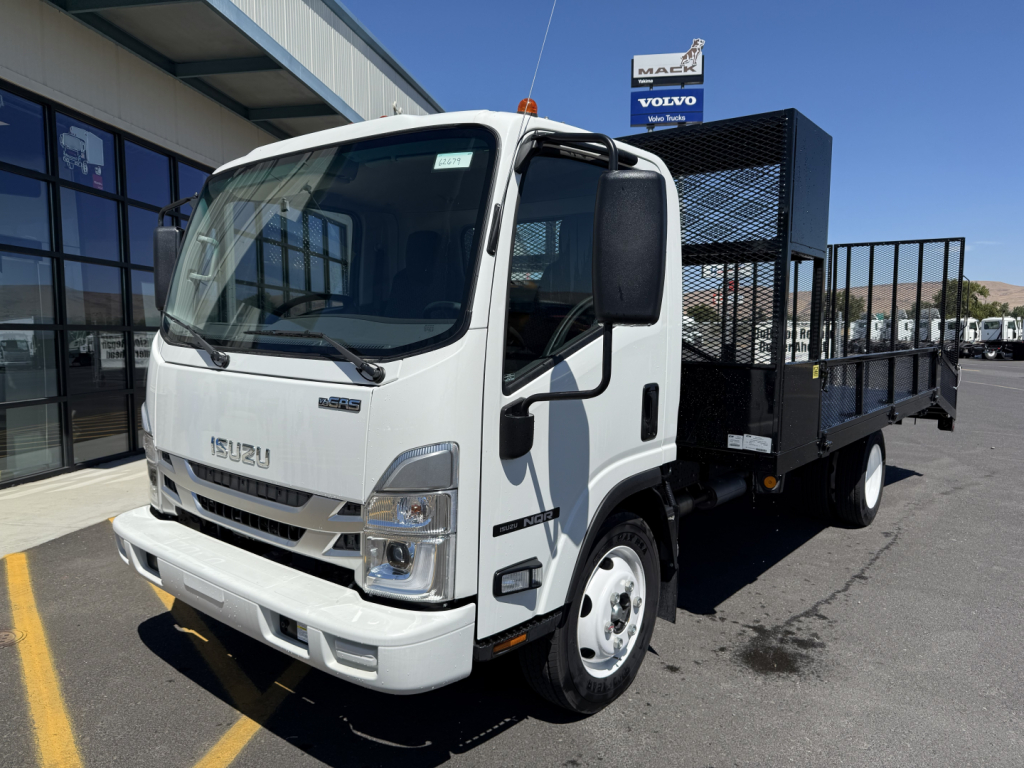
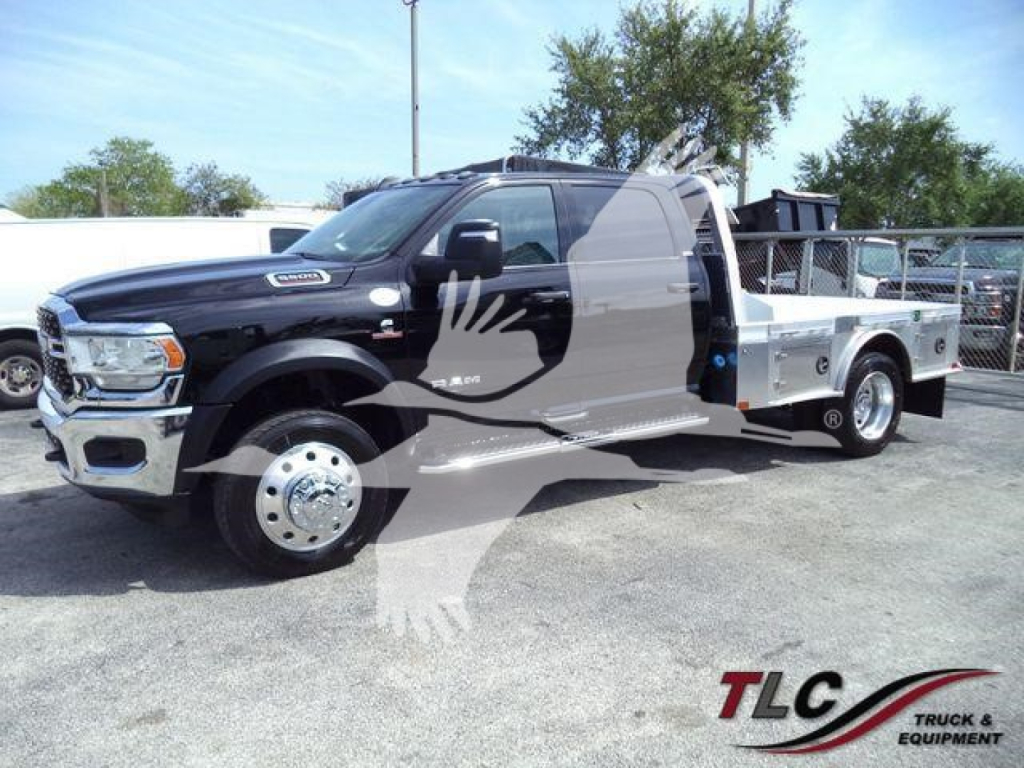
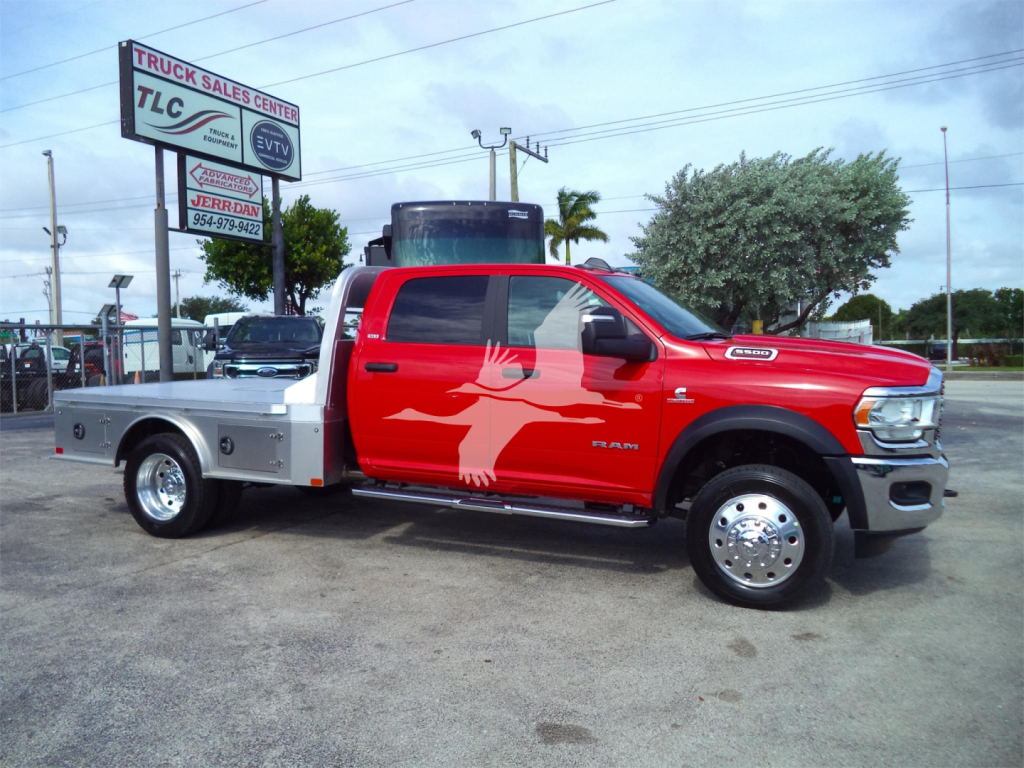
Selling a 2024 flatbed truck? List your 2024 flatbed truck for sale and reach thousands of commercial buyers.
2024 Flatbed Trucks
The bed itself matters as much as the truck. Steel beds are common for harder jobsite use and concentrated loads, while aluminum beds cut weight and help payload. Buyers should look closely at crossmember spacing, deck material, rub rails, stake pockets, tie-down points, and headboard design. Many 2024 flatbed trucks include practical work features such as underbody toolboxes, headache racks, fold-down ramps, beavertails, rear receivers, gooseneck hitches, and integrated trailer wiring. If the truck will haul machinery or tow regularly, hitch rating, rear axle ratio, suspension type, and brake capacity deserve close attention.
Powertrain choice depends on route profile and payload. Diesel engines remain the standard for heavier daily use, towing, and higher-mileage service because they deliver stronger low-end torque and better durability under load. Gas engines still make sense for lighter local work, lower annual miles, or fleets focused on lower initial cost. Many late-model flatbed trucks in this class use automatic transmissions from Allison or major OEM suppliers, and buyers often prefer air ride rear suspension or stable spring setups depending on cargo sensitivity and operating terrain. Non-CDL buyers should verify GVWR carefully, since many popular flatbed configurations are built to stay under 26,000 pounds while still offering substantial deck space and payload.
Application should drive the spec. Construction suppliers, equipment rental yards, landscapers, utility contractors, pallet delivery operators, and hotshot businesses all use flatbed trucks differently. A short 4x4 cab chassis with a compact aluminum bed and gooseneck hitch fits towing and rural access, while a longer wheelbase medium-duty flatbed with a 20 plus foot deck suits palletized material, pipe, jobsite deliveries, or mounted forklifts and liftgates. The strongest buyers in this category compare bed length to turning radius, payload to licensing requirements, and body features to the exact freight they move every week.
Frequently Asked Questions about 2024 Flatbed Trucks
What should I look for first when buying a 2024 flatbed truck?
Start with GVWR, payload target, bed length, and how the truck will be loaded. Those four items determine whether a lighter non-CDL chassis, a one-ton based cab chassis, or a medium-duty platform makes the most sense. After that, compare deck material, hitch ratings, axle capacity, suspension, and tie-down equipment so the truck matches the freight rather than just the price point.
Are aluminum flatbed trucks better than steel flatbed trucks?
Aluminum flatbeds usually offer lower body weight, better corrosion resistance, and more available payload, which makes them popular for towing and general commercial use. Steel flatbeds are often preferred for severe-duty applications, concentrated point loads, and rough jobsite work because they can take abuse and are straightforward to repair. The better choice depends on operating conditions, cargo type, and how much body weight matters in the final payload calculation.
Can a 2024 flatbed truck be used for hotshot or gooseneck hauling?
Yes, many flatbed trucks in this category are upfitted with gooseneck hitches, rear receivers, trailer plugs, headache racks, and storage boxes for hotshot-style work. The key is to verify the actual hitch rating, rear axle rating, frame compatibility, and GCWR of the truck. A truck may have a gooseneck ball installed, but the full towing setup still has to match the trailer weight and the way the load is distributed.
Do I need a CDL for a flatbed truck?
Not always. Many flatbed trucks are spec'd below 26,001 pounds GVWR specifically for non-CDL operation, especially in Classes 4 through 6. That said, licensing can change based on truck GVWR, trailer weight, combined rating, air brake rules, and state requirements. Buyers should confirm the exact rating on the door tag and compare it with the intended trailer combination before purchase.
What bed features are most useful on a flatbed truck?
The most useful features depend on the cargo, but buyers commonly prioritize stake pockets, rub rails, multiple tie-down points, a strong headboard, underbody toolboxes, and trailer wiring. Ramps and a beavertail are valuable for hauling equipment, while a liftgate helps with pallet deliveries where forklifts are not always available. For frequent towing, an integrated gooseneck hitch and properly rated rear receiver add versatility without requiring a separate trailer-only truck.