
2024 Commercial Trucks For Sale in Washington
Browse 2024 trucks for sale in Washington, including highway, vocational, medium-duty, and electric truck configurations.
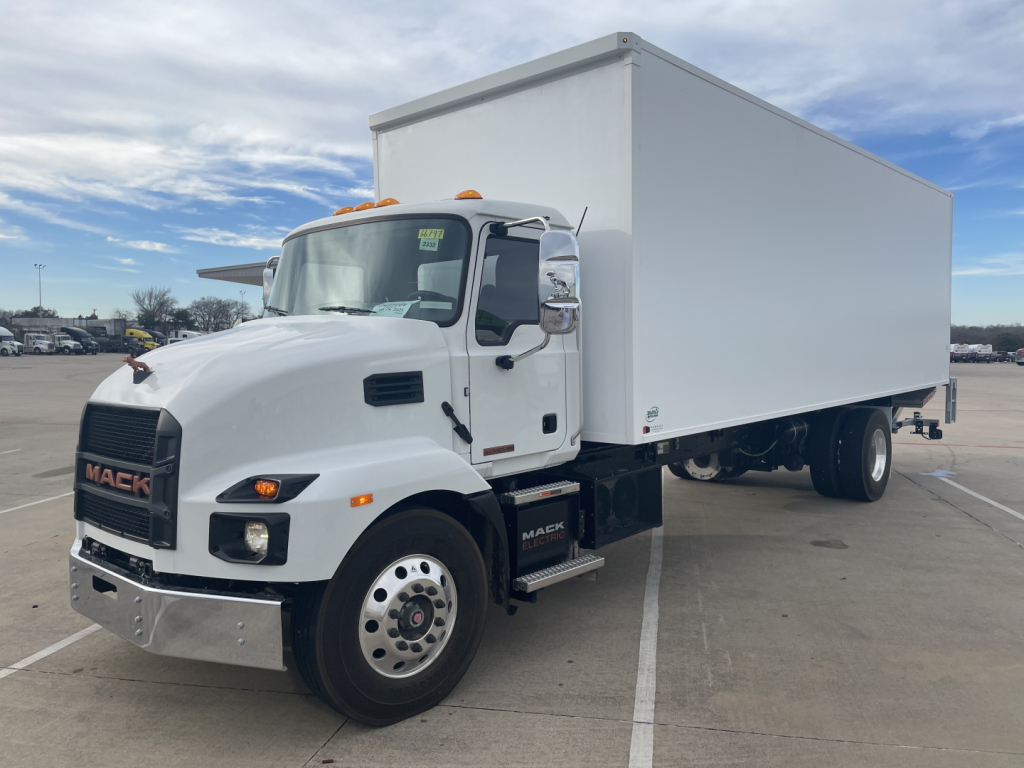
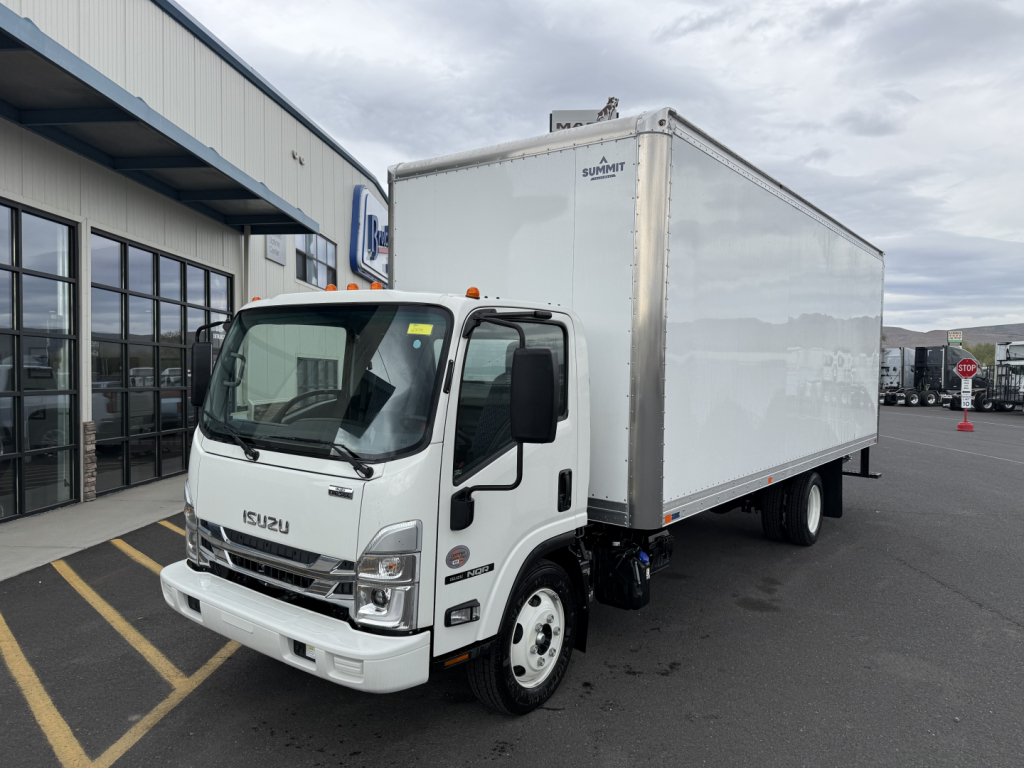
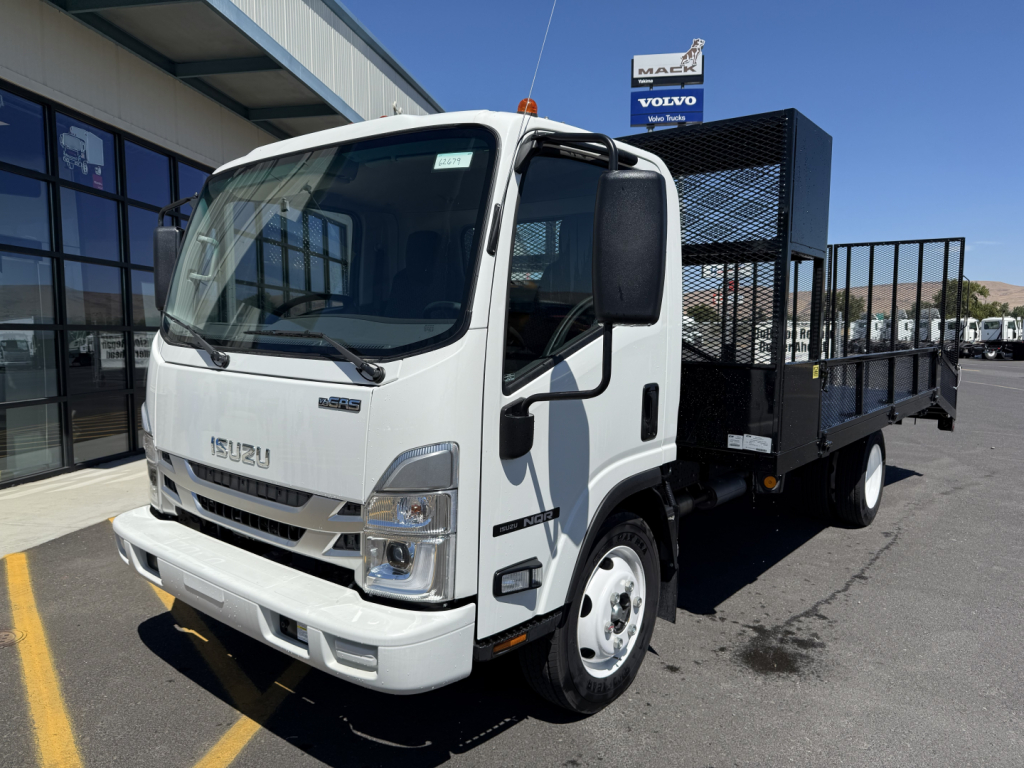
Selling a 2024 commercial truck? List your 2024 commercial truck for sale and reach thousands of commercial buyers.
2024 Commercial Trucks in Washington
In Washington, terrain and route profile matter. Trucks working the I-5 corridor, cross-Cascades lanes, port drayage, municipal service, or construction hauling can require very different axle, suspension, and powertrain choices. Mountain grades and mixed weather often push buyers toward higher horsepower diesel engines, locking differentials, disc brakes, and driveline specs that balance startability with cruise efficiency. On local delivery and urban routes, visibility, maneuverability, wheelbase, and cab entry height can matter more than sleeper size or rear ratio. Low-entry refuse trucks, medium-duty delivery chassis, and step vans are often chosen for driver productivity and tight-route access as much as raw power.
The 2024 model year is also relevant for buyers comparing newer emissions-era diesel trucks with emerging electric truck options. Depending on the class, you may see modern safety systems such as collision mitigation, lane support technology, backup cameras, and integrated telematics. Sleeper trucks may include driver comfort features like bunk heaters, inverters, refrigeration, and upgraded infotainment, while vocational specs may focus more on frame strength, axle capacity, suspension type, and compatibility with dump, refuse, or delivery bodies. GVWR can range from lighter single-axle medium-duty units into heavy tandem-axle configurations above 50,000 pounds, so body and payload requirements should drive the shortlist.
A strong 2024 truck spec comes down to matching the truck to the job cycle. For freight hauling, pay attention to cab configuration, engine torque, transmission type, wheelbase, and rear axle ratio. For construction, municipal, or refuse work, focus on front axle capacity, suspension design, PTO provisions, turning radius, and body integration. Washington buyers should also weigh corrosion exposure, seasonal traction needs, and service support for diesel, automated manual, Allison automatic, and electric platforms. The best value in this category is rarely the newest-looking truck on paper. It is the one with the right chassis, axle ratings, drivetrain, and cab layout for the work it will do every day.
Frequently Asked Questions about 2024 Commercial Trucks in Washington
What types of 2024 trucks are commonly available in Washington?
The 2024 truck market in Washington typically includes sleeper tractors, day cabs, dump trucks, refuse trucks, step vans, medium-duty delivery trucks, and other vocational chassis. The mix reflects the state's freight, port, municipal, and construction activity. Buyers often see both diesel and electric configurations, with specs ranging from lighter single-axle delivery units to heavy tandem-axle trucks built for severe-duty service.
What specs matter most when comparing 2024 highway trucks?
For highway and regional hauling, the key specs are engine horsepower and torque, transmission type, rear axle ratio, wheelbase, axle ratings, and cab configuration. A sleeper truck intended for long miles may prioritize fuel-efficient gearing, aerodynamic design, and driver amenities, while a regional tractor may need a balance of maneuverability and pulling power. The best setup depends on trailer type, gross combination weight, terrain, and average trip length.
How should Washington buyers spec a 2024 vocational truck?
Washington buyers should match the spec to the jobsite and route conditions. Dump, refuse, and municipal trucks often need higher front axle ratings, durable rear suspensions, PTO-capable transmissions, and ratios that support low-speed work and gradeability. If the truck will operate on steep grades, uneven surfaces, or in winter conditions, traction features such as differential locks, tire choice, and suspension design become more important than they would be on a highway-only truck.
Are 2024 electric trucks practical for commercial use?
A 2024 electric truck can be practical when the duty cycle is predictable and charging access is reliable. They are often a good fit for local delivery, urban service routes, and applications with regular daily mileage and return-to-base operations. Buyers should compare battery range, payload impact, charging time, service access, and total operating cost against a diesel truck before deciding which platform fits the route.
What should I inspect first on a 2024 used truck?
Start with the truck's actual configuration and service history, then verify axle ratings, GVWR, wheelbase, suspension, engine, and transmission against the intended application. On vocational units, inspect frame condition, PTO setup, body mounting, hydraulic integration, and signs of severe-duty wear. On highway trucks, review emissions system history, tire wear pattern, brake condition, software fault history, and cab features that affect driver retention and uptime.