
Kalmar Ottawa Trucks For Sale
Compare Kalmar Ottawa yard trucks for sale. Learn specs for terminal tractors and yard spotters, off-road vs DOT, capacities, powertrains, and buying tips.
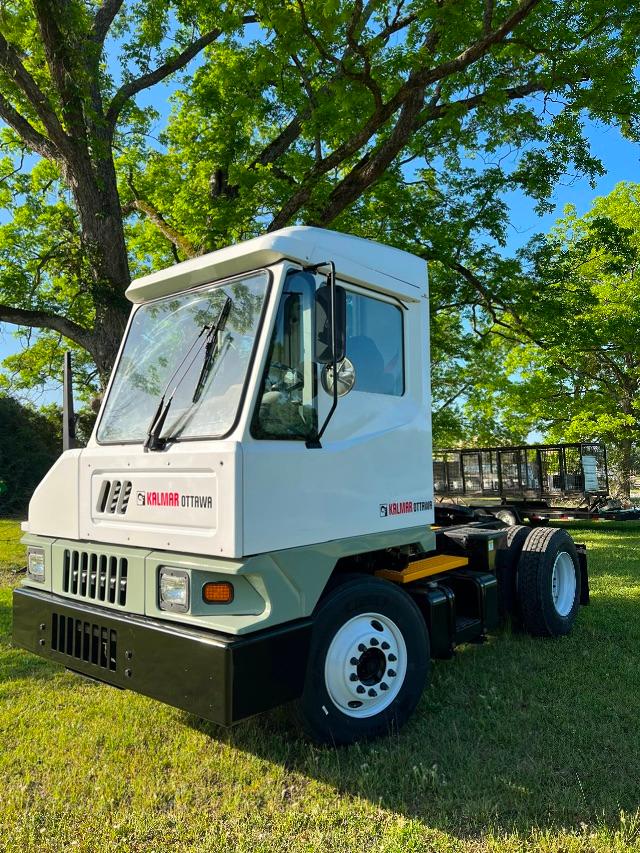
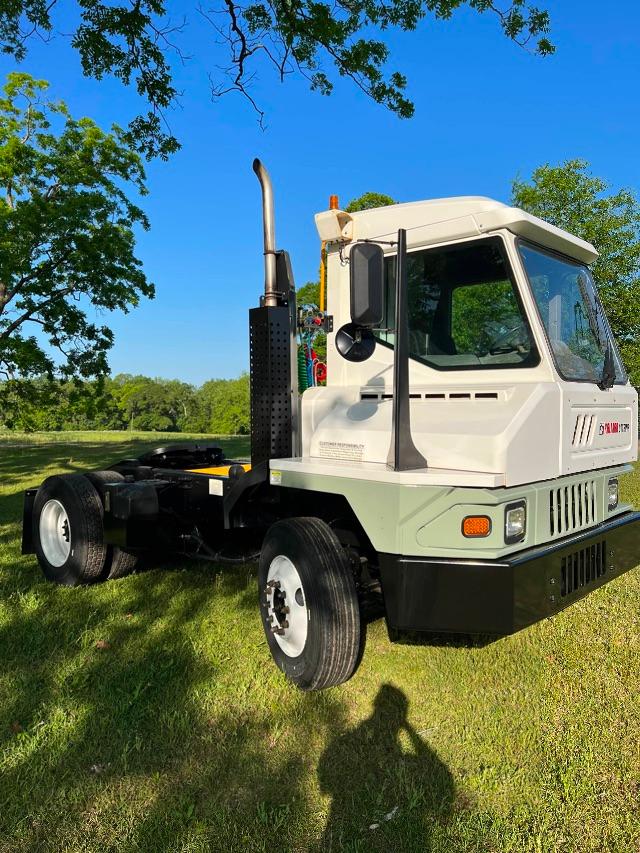
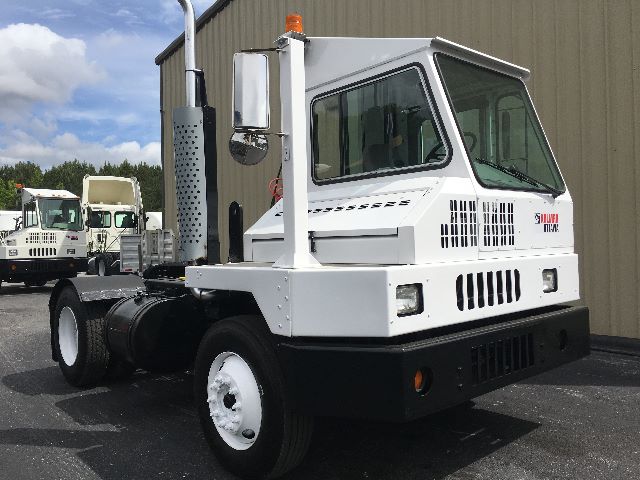
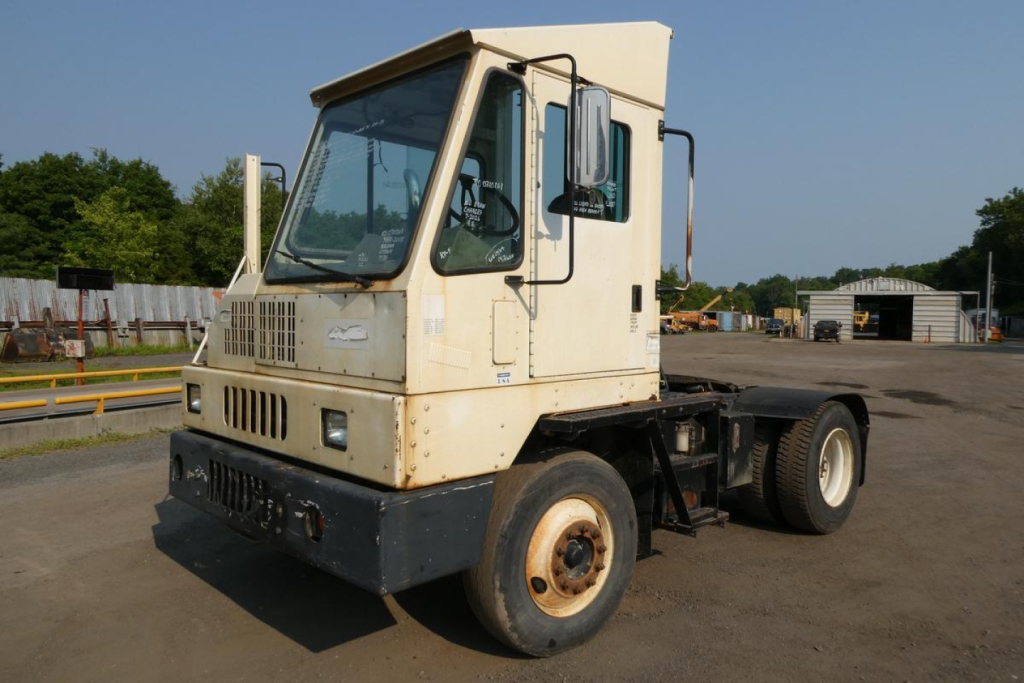
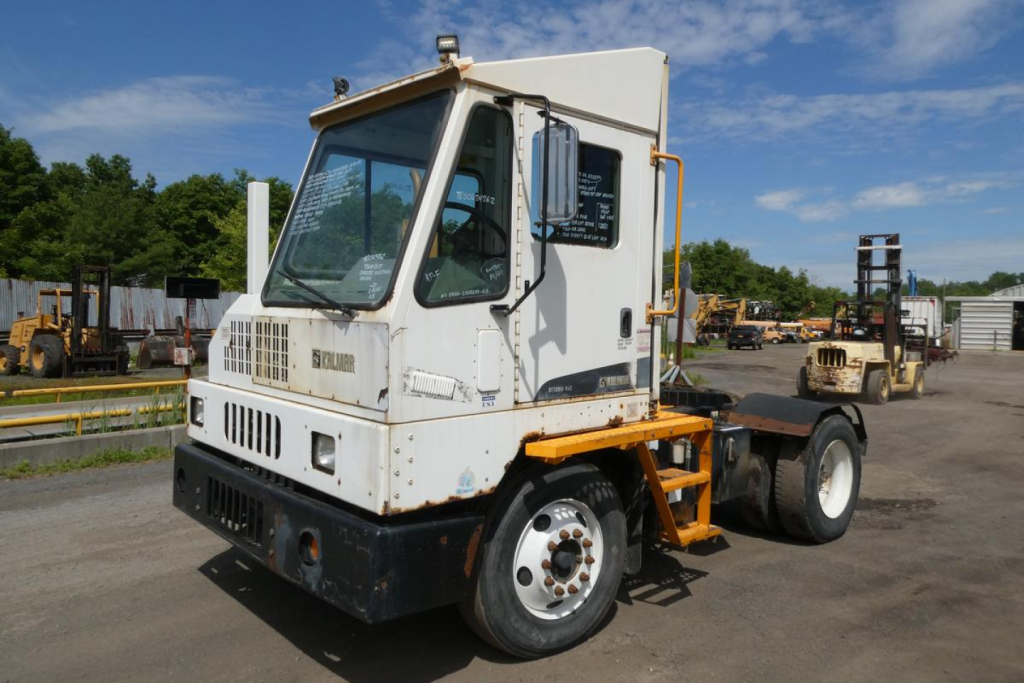
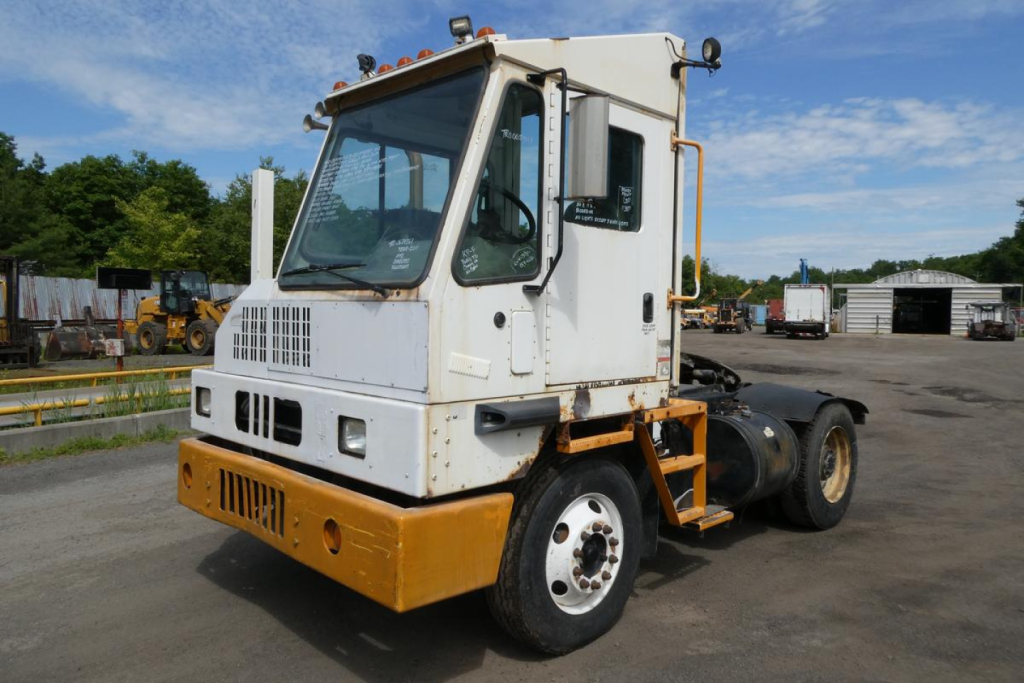
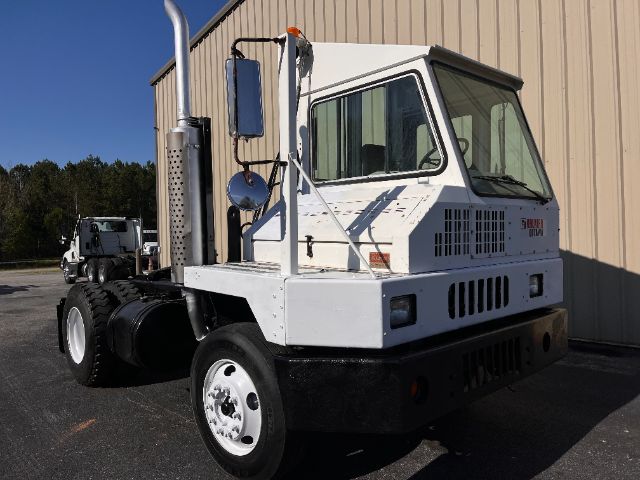
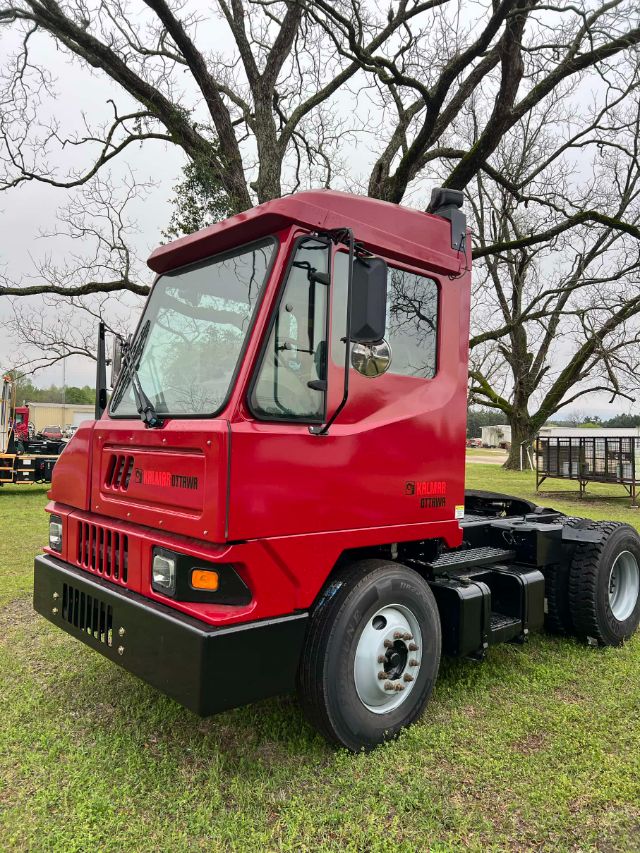
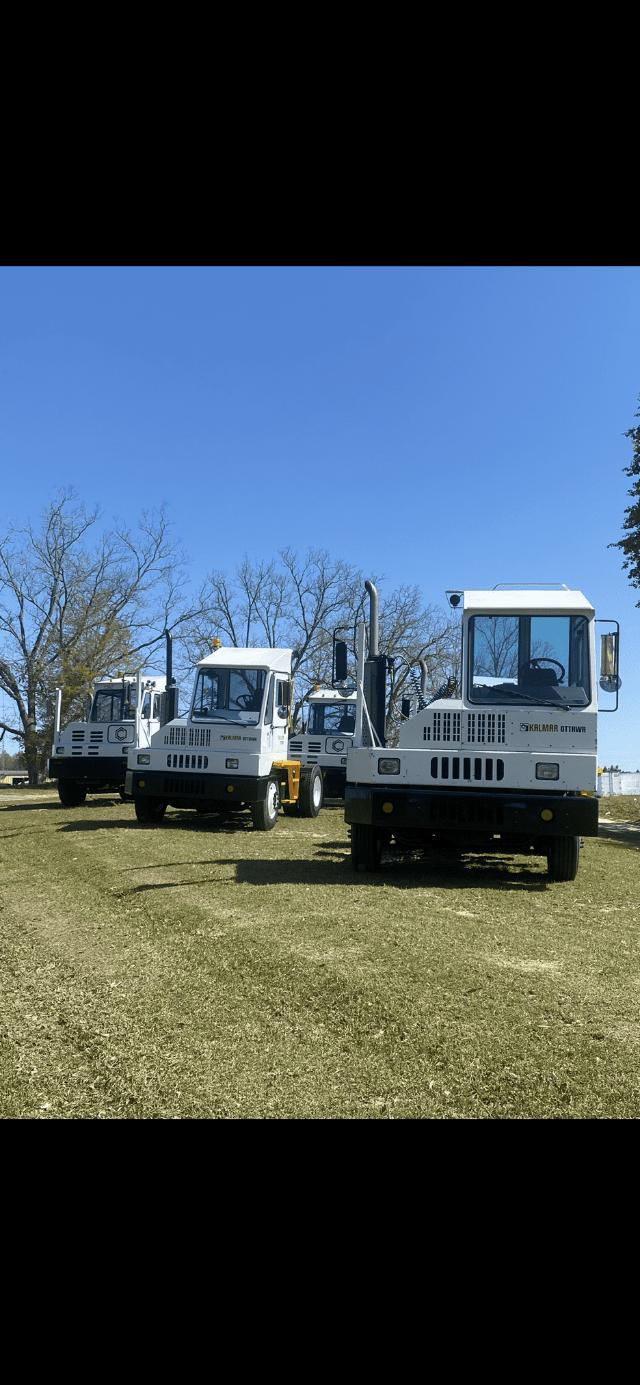
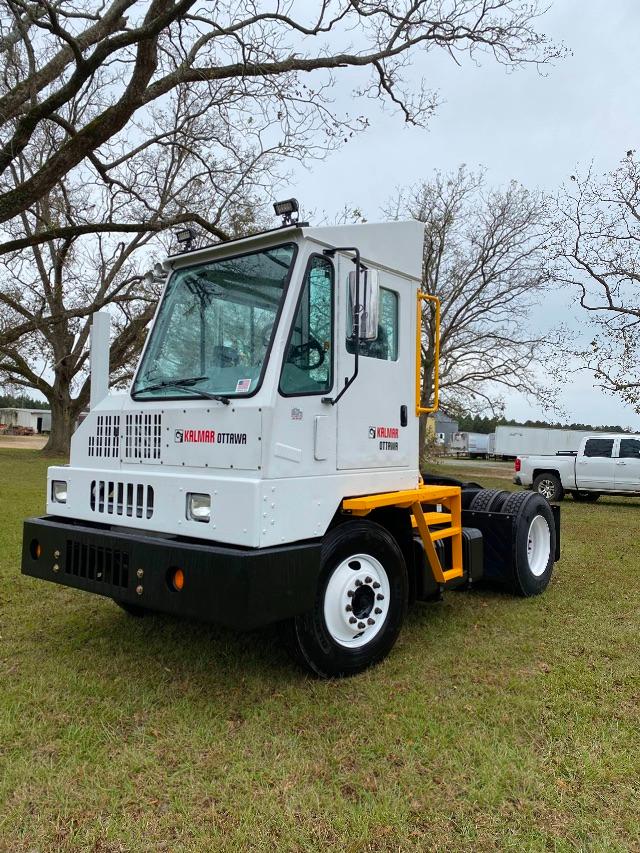
Selling a kalmar ottawa truck? List your kalmar ottawa truck for sale and reach thousands of commercial buyers.
Kalmar Ottawa Trucks
Core capability comes from the hydraulic boom and fifth wheel. Typical lift ratings fall in the 55,000 to 70,000 pound range with roughly 15 to 17 inches of lift, which reduces or eliminates landing gear cranking and speeds turn times. Most are 4x2 with a 116 to 126 inch wheelbase for a tight turning radius, with 6x4 models used for ports and steep ramps. Powertrains are purpose built for stop-start work: Cummins 6.7 liter diesel engines paired with Allison automatic transmissions in the 2000 or 3000 series are common. Look for rear axle diff lock, heavy rear bolsters, and Jost-style fifth wheels sized for standard kingpins.
Operator efficiency is a major differentiator. Ottawa cabs are low-entry with curbside access, a sliding rear door to the trailer, and near 360-degree visibility. In-cab hydraulic and air controls let drivers lift, couple, and spot trailers quickly. Air brakes, heavy-duty frames, and scuff-resistant cab interiors handle constant cycling. Serviceability matters in fleet uptime: tilt cabs, ground-level filters, centralized grease points, and accessible electrical harnesses shorten PMs and repairs. Tire inflation systems, auto-lube, and LED lighting packages are common productivity options.
For buyers evaluating used units, hours matter more than odometer miles. Inspect the hydraulic cylinder and lines for leaks, fifth wheel top plate wear, boom pivots and bushings, rear bolster integrity, and kingpin lock operation. Review aftertreatment history on diesel units, especially DPF cleaning and DEF dosing components on newer Tier 4/EPA engines. Check Allison diagnostics, driveline u-joints, and steer axle kingpins. Corrosion at the cab floor and rear frame can appear in coastal or snowbelt fleets. Electric options like the Ottawa T2E cut fuel and brake wear and run quietly with fewer moving parts, but they require a charging plan and typically operate within a single facility where range and duty cycle are well defined.
Frequently Asked Questions about Kalmar Ottawa Trucks
What is the difference between off-road and DOT-spec Kalmar Ottawa yard trucks?
Off-road yard trucks are designed for private property and focus on low-speed power, maneuverability, and quick trailer cycling. They generally have simpler lighting and often lower overall cost. DOT-spec trucks include road-legal lighting, mirrors, safety equipment, emissions certifications, and gearing that allows travel on public roads between facilities. DOT trucks cost more to buy and maintain but eliminate the need for a separate highway tractor for short shuttles.
How much fifth wheel lift and capacity do I need?
Most distribution centers are well served by 55,000 to 70,000 pound fifth wheel lift ratings with about 15 to 17 inches of lift. Higher capacities and 6x4 axles are common in ports and heavy intermodal where trailers are overweight or ramps are steep. The correct spec depends on trailer weights, grade, and how often operators move loaded containers versus empty vans.
What engines and transmissions are common on Kalmar Ottawa yard trucks?
Cummins 6.7 liter diesel engines paired with Allison automatic transmissions are widely used due to strong low-speed torque and durability. You will typically see Allison 2000 or 3000 series models depending on GVW and duty cycle. Older units may use prior-generation Cummins engines, and newer electric variants replace the engine and transmission with battery-electric drivetrains and reduction gearing.
What should I look for when inspecting a used terminal tractor?
Prioritize hours and maintenance records over mileage. Inspect the hydraulic boom, cylinder, hoses, and fittings for leaks. Check fifth wheel jaw engagement, top plate wear, and boom pivot bushings. Look for frame or rear bolster damage, corrosion at the cab and chassis, and play in steer axle kingpins. Review aftertreatment history on diesel units and pull Allison transmission diagnostics. Consistent PMs and clean electrical repairs are strong indicators of a solid unit.
Can a yard spotter operate on public roads and at highway speeds?
Only DOT-spec yard trucks are legal on public roads. They include the required lighting, mirrors, emissions equipment, and speed capability for limited road use. Even then, they are optimized for short hauls and yard work, not sustained highway speeds like a road tractor. Off-road units are restricted to private property and cannot be used on public streets.