
Commercial Trucks For Sale in Alaska
Shop used trucks in Alaska. Compare sleeper tractors, day cabs, dump and box trucks with cold-weather specs, heavy-duty axles, and vocational packages.
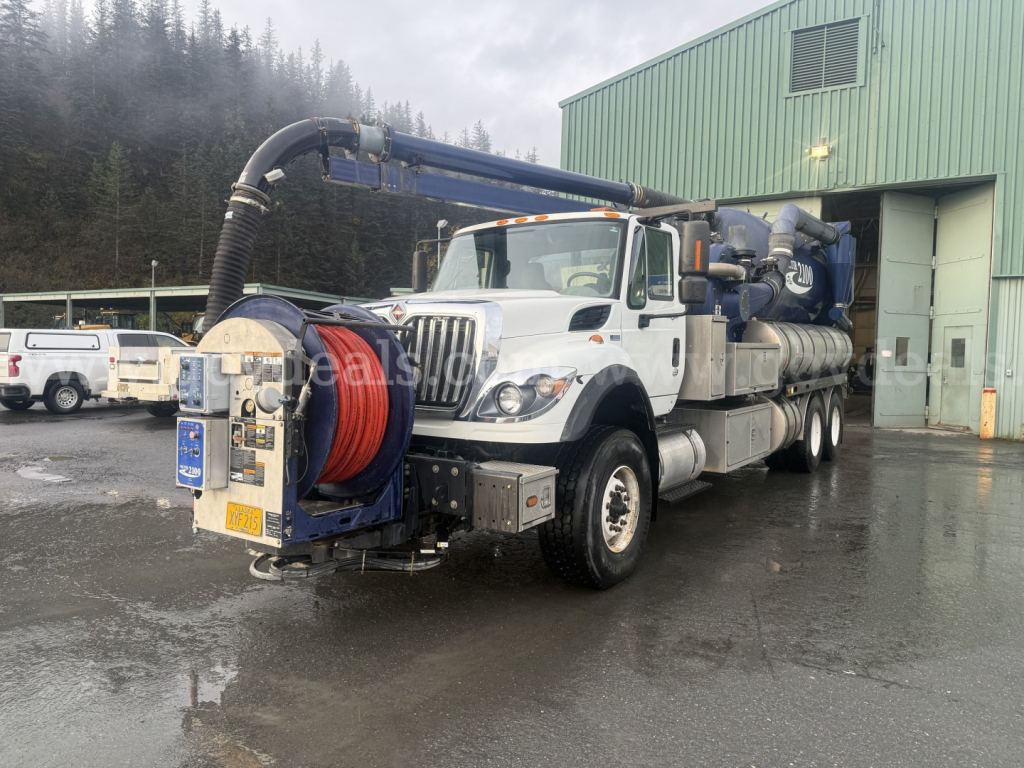
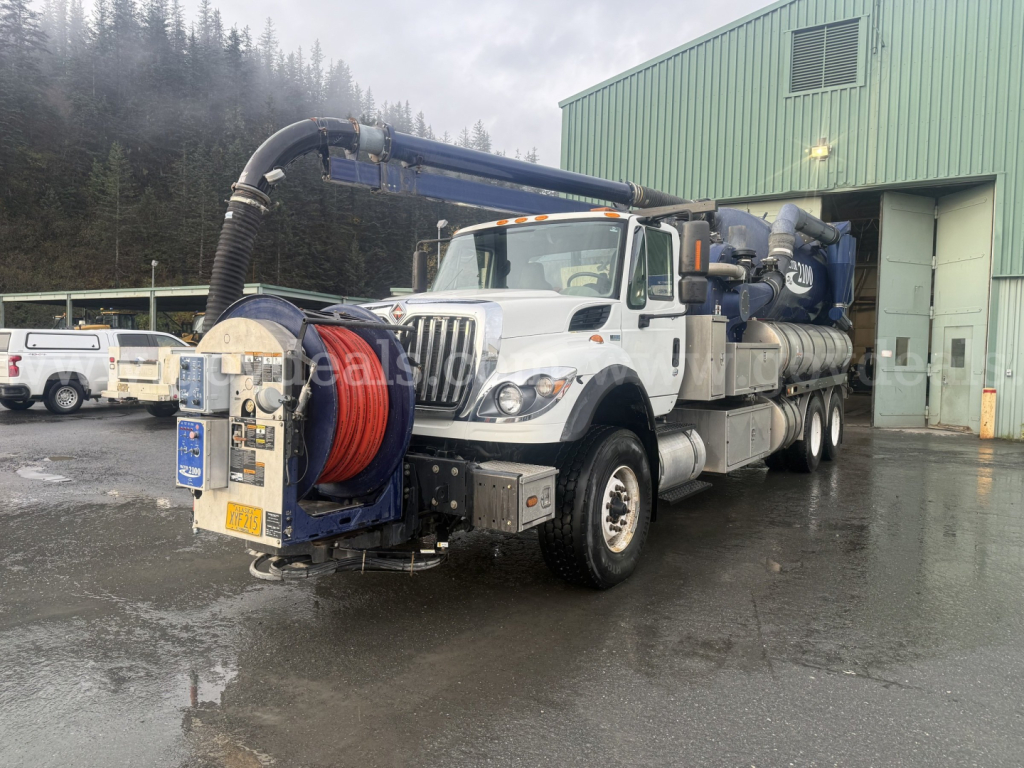
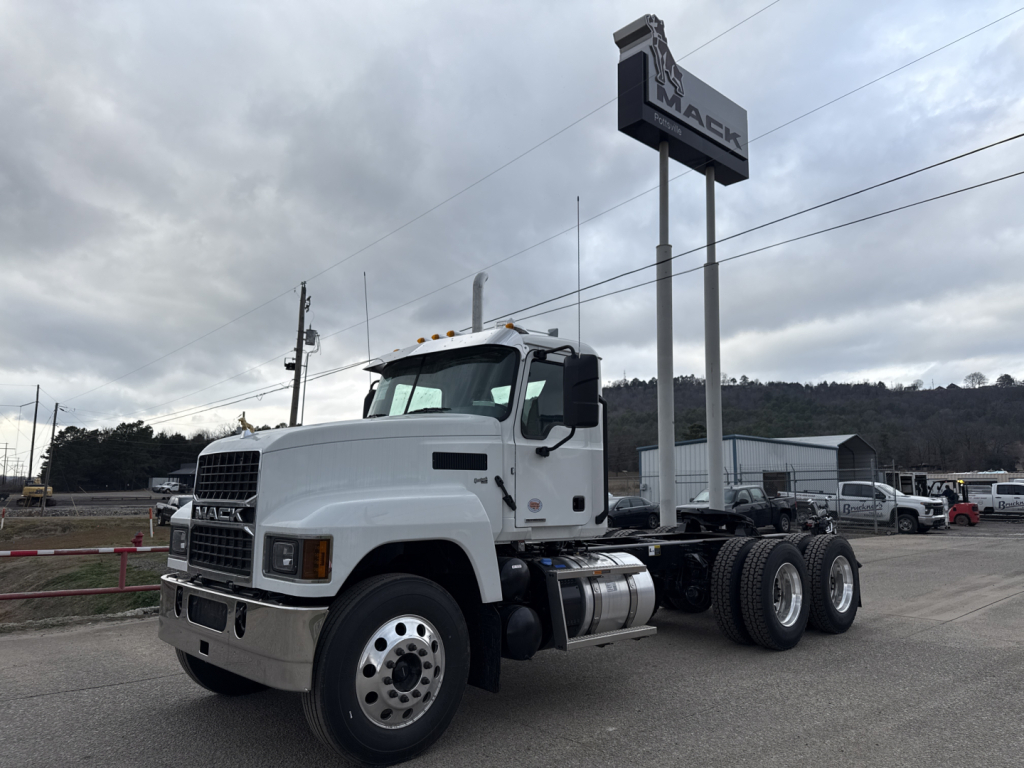
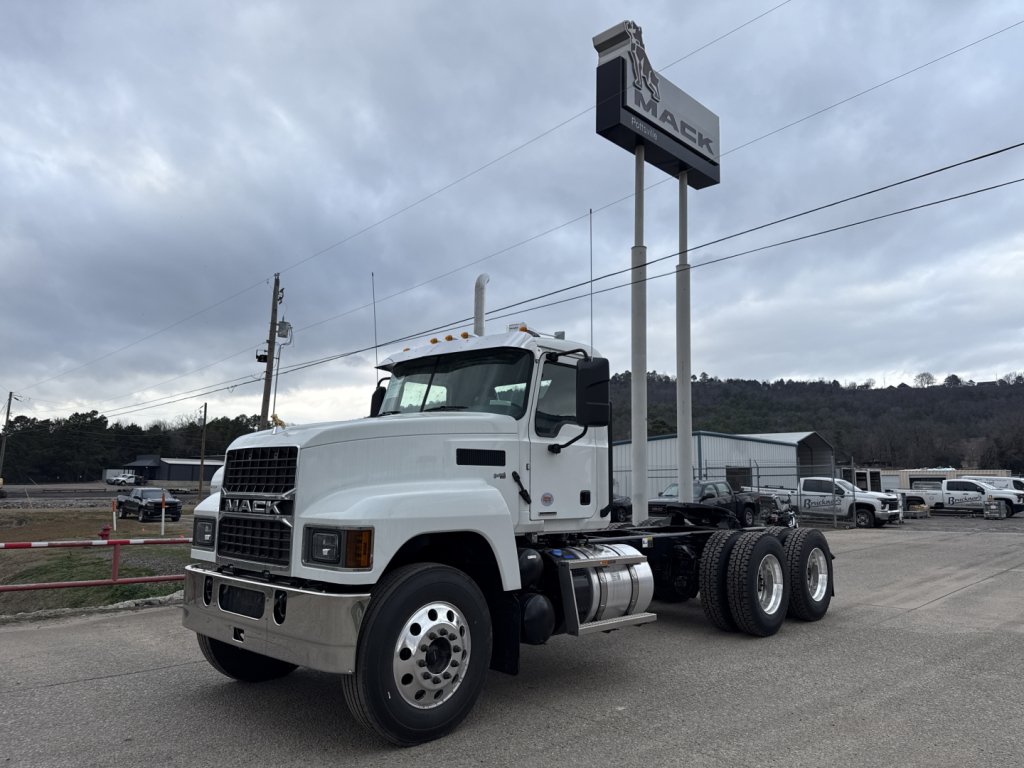
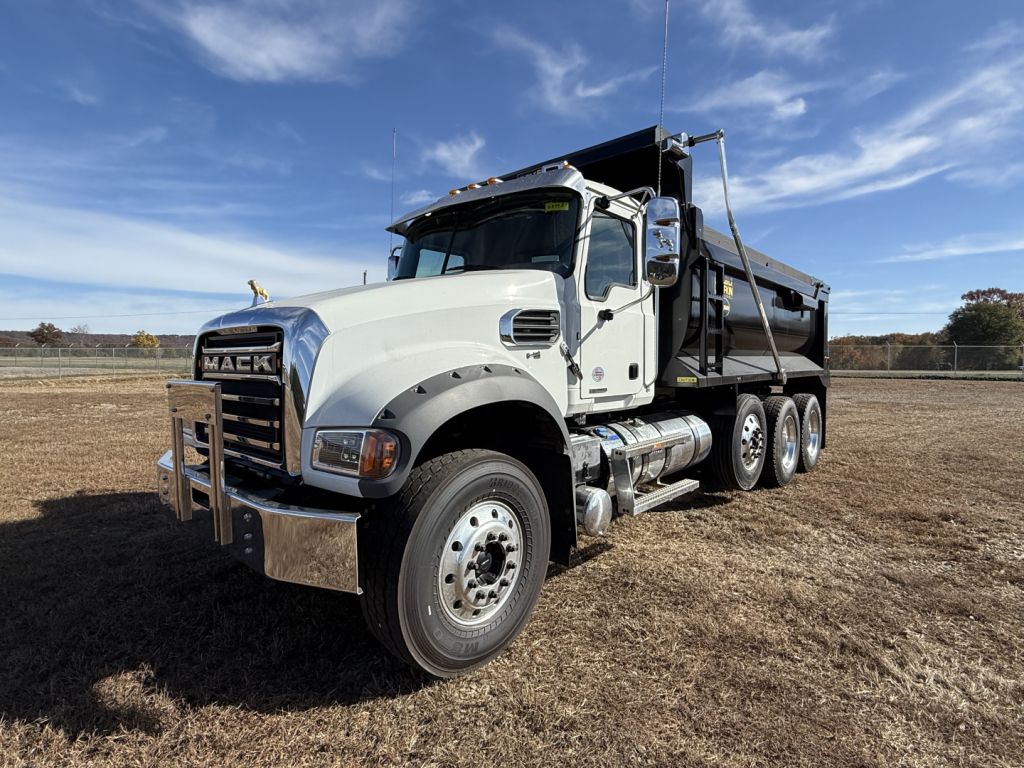
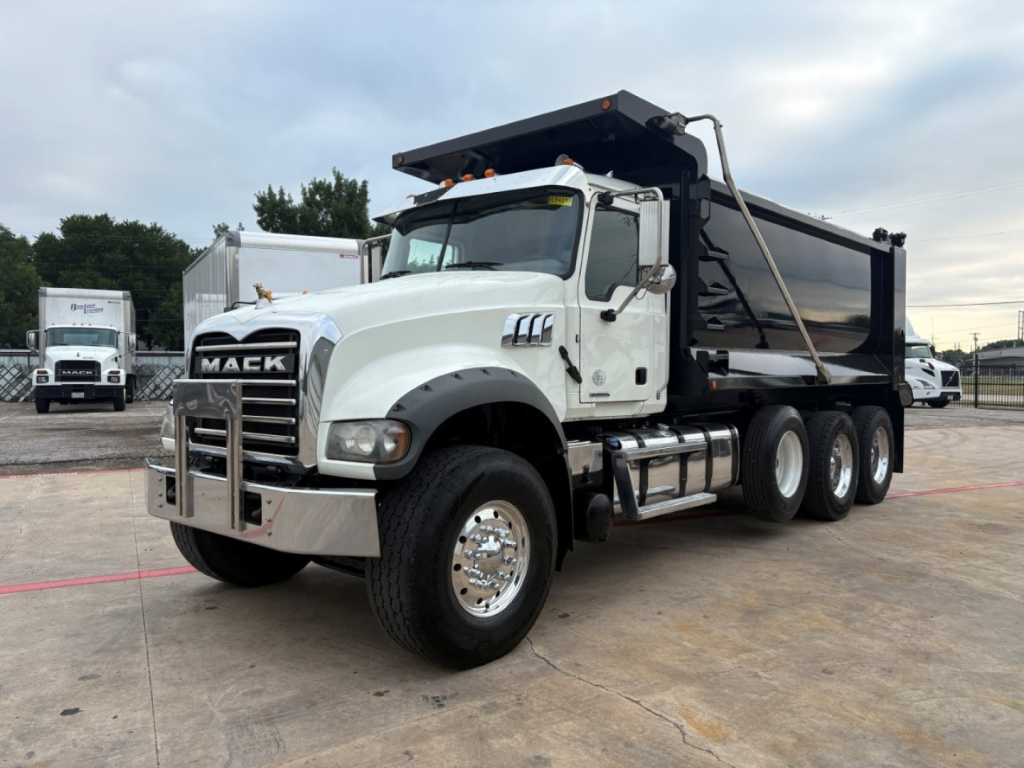
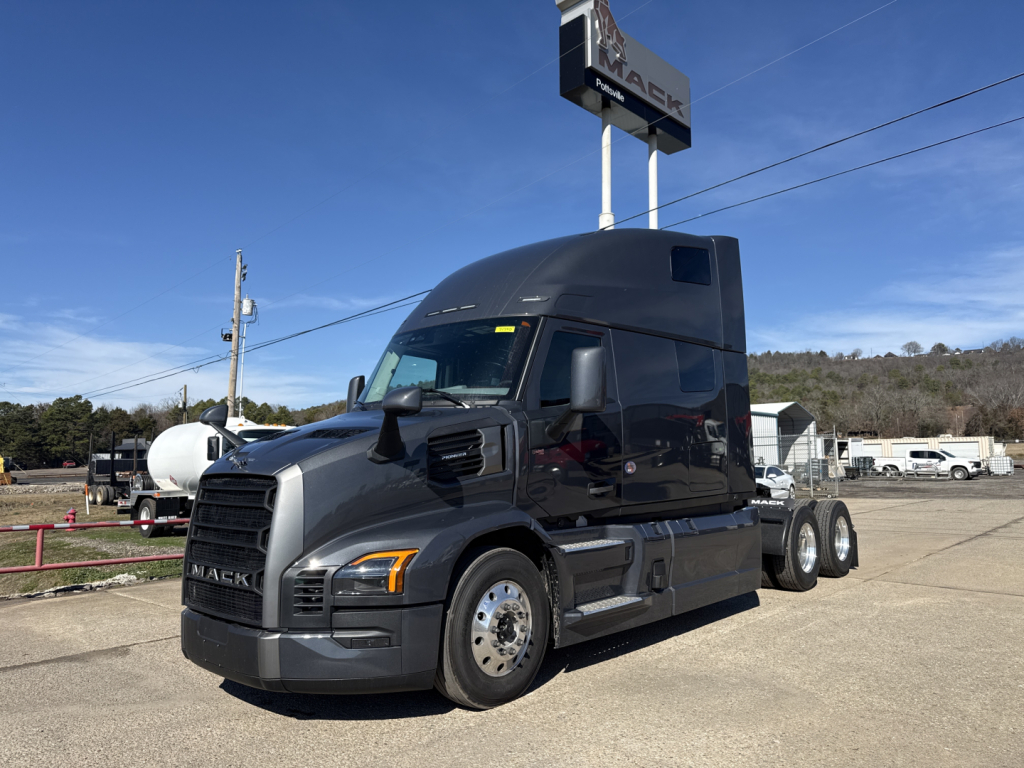
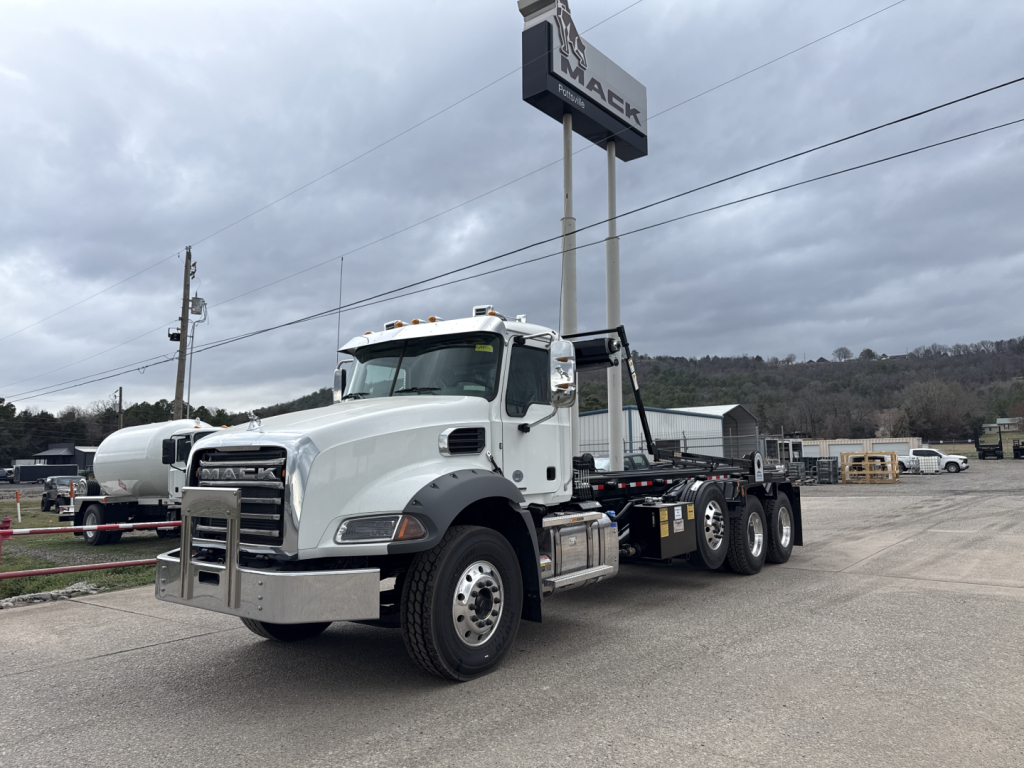
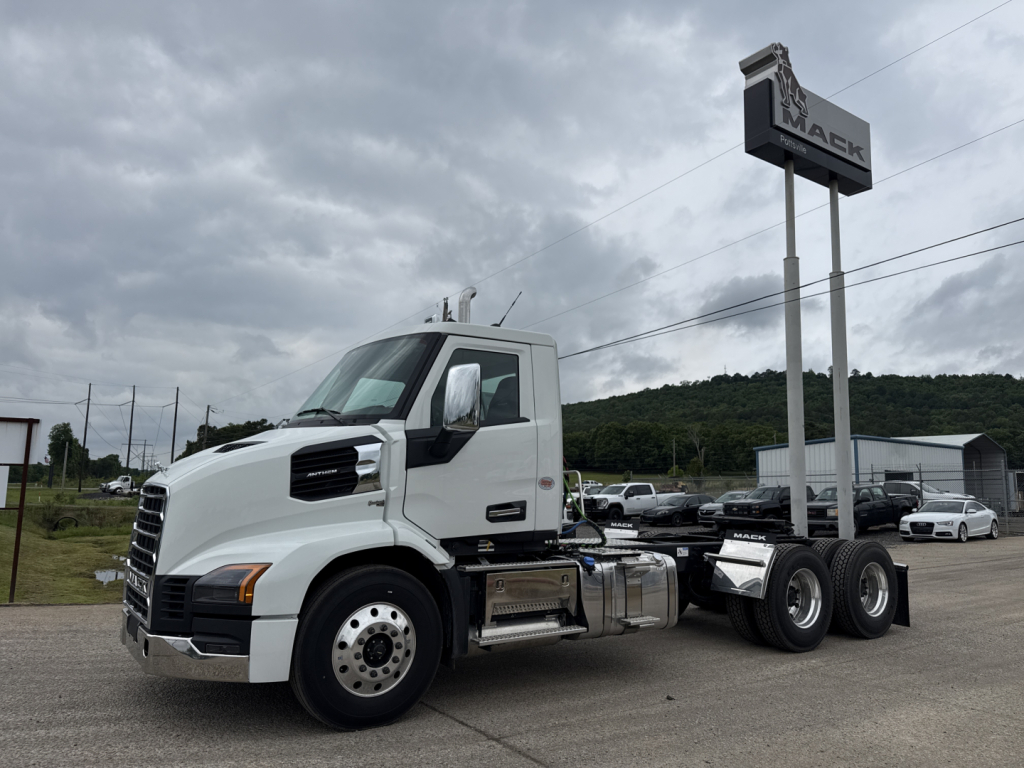
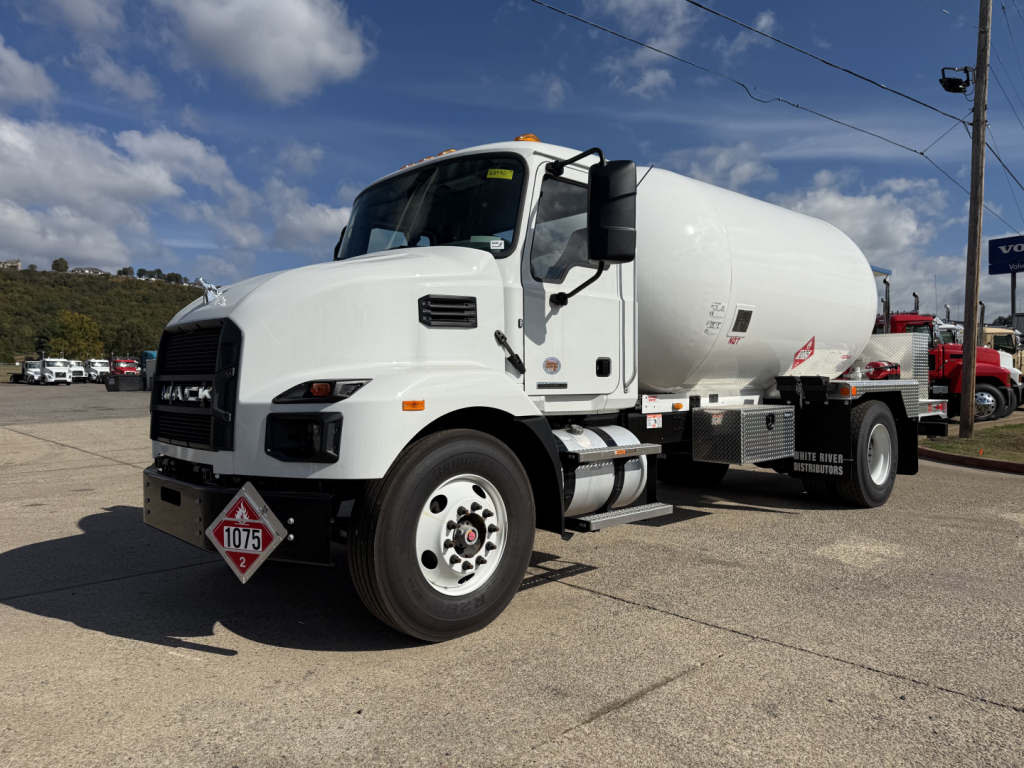
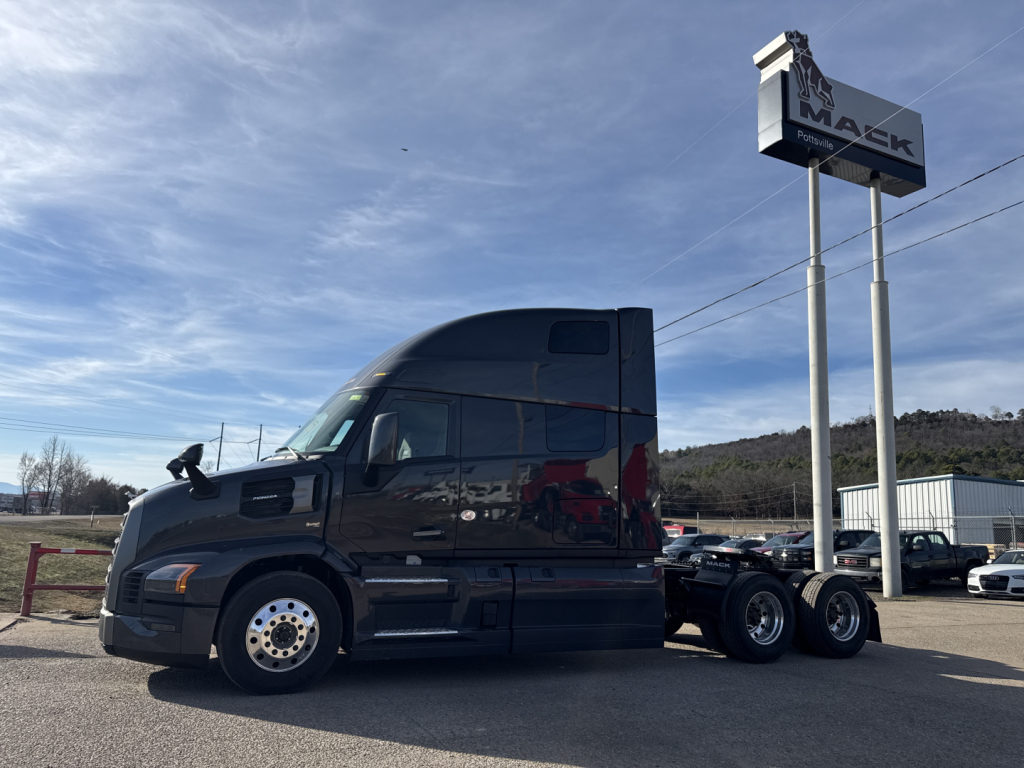
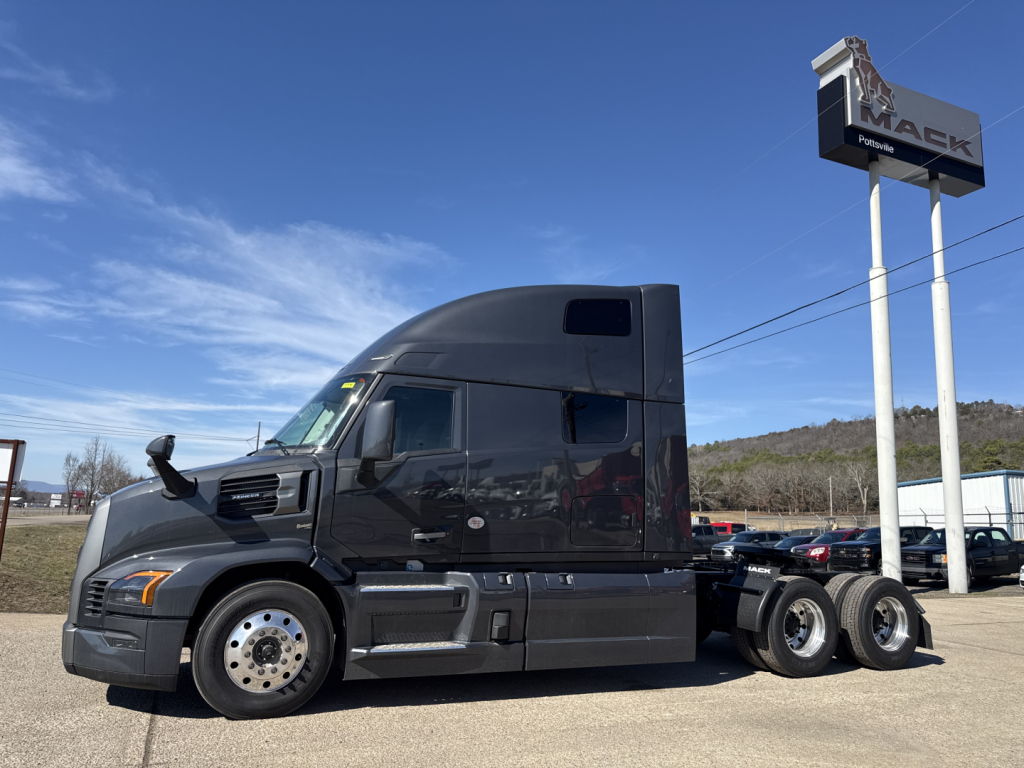
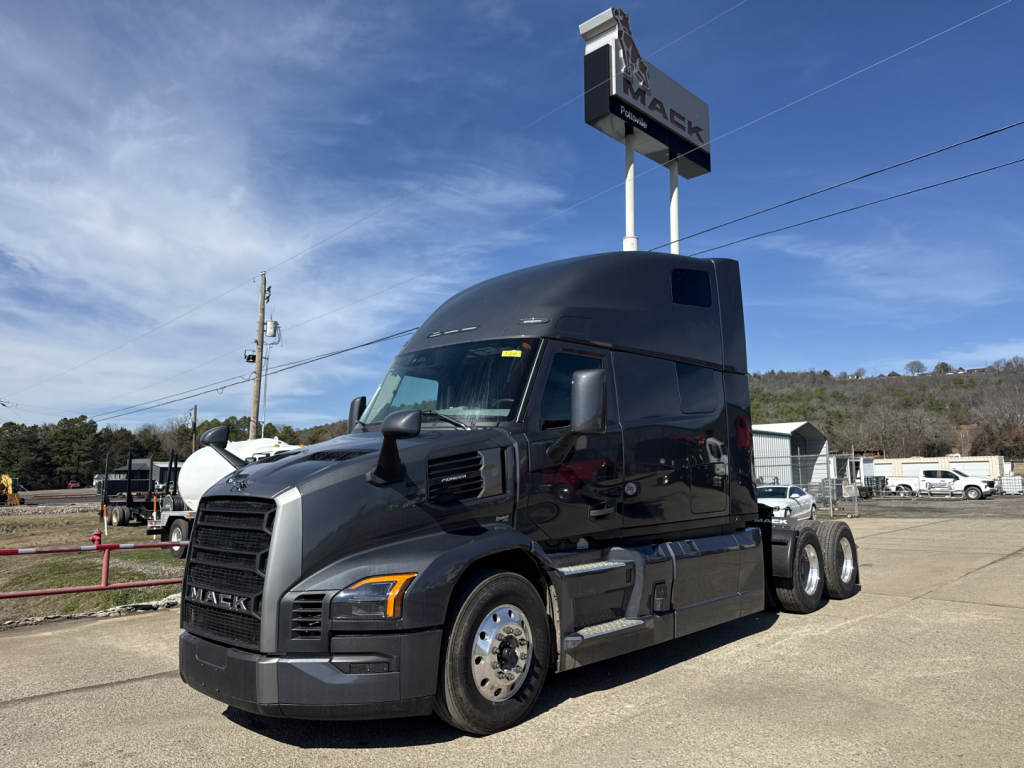
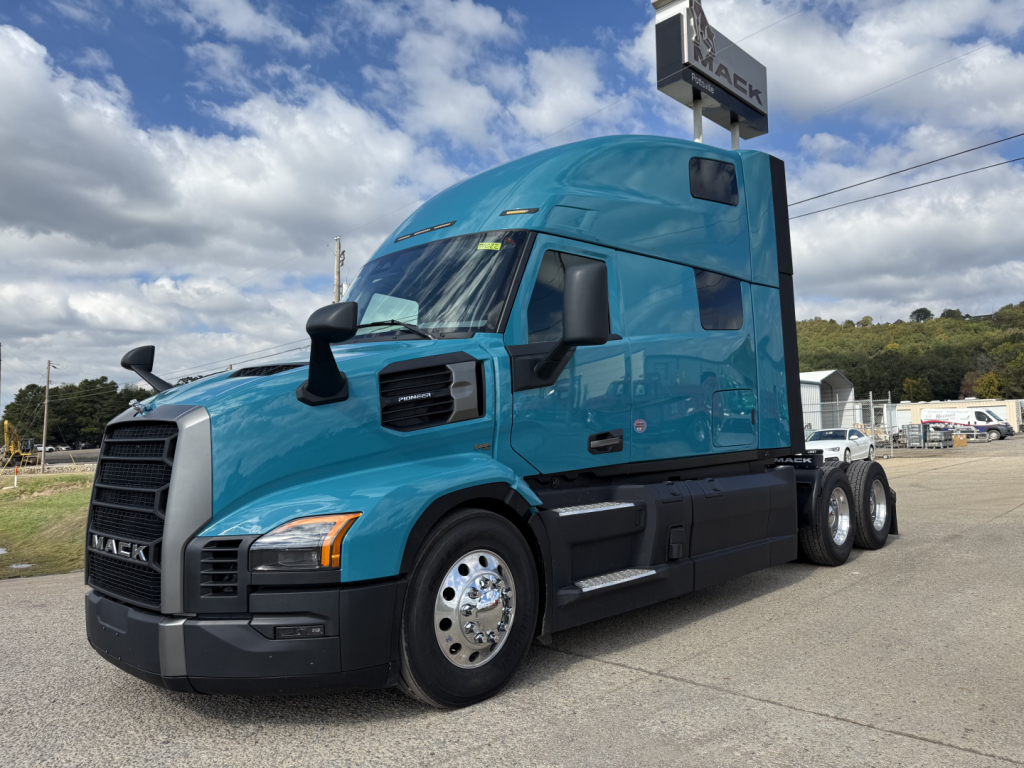
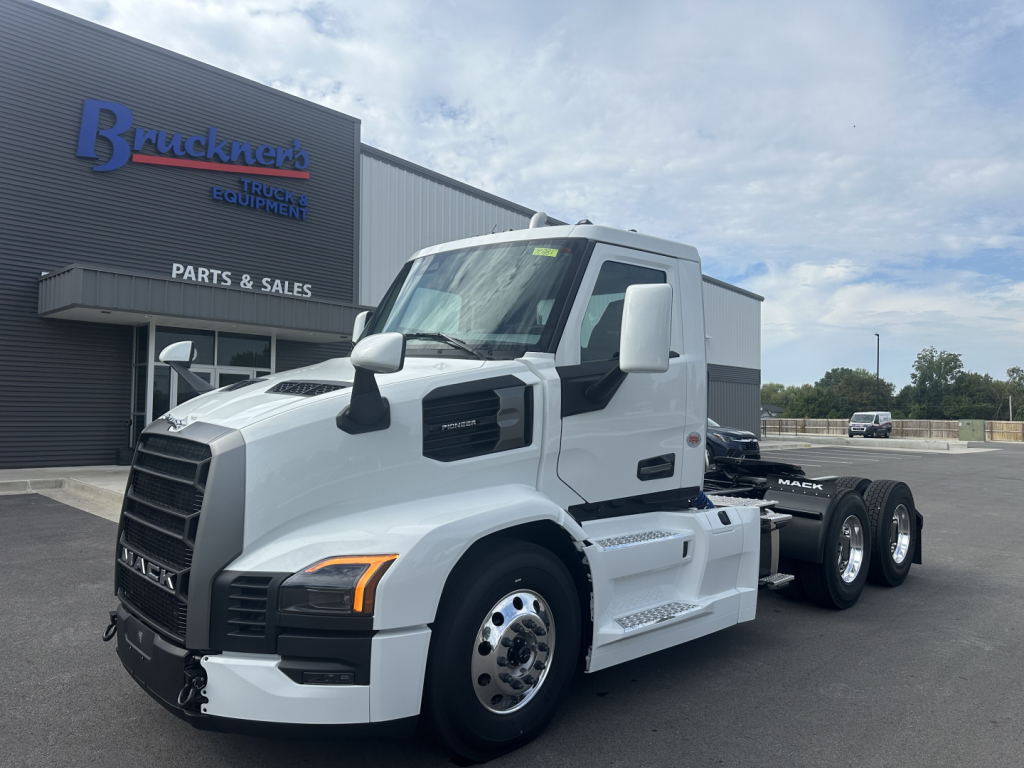
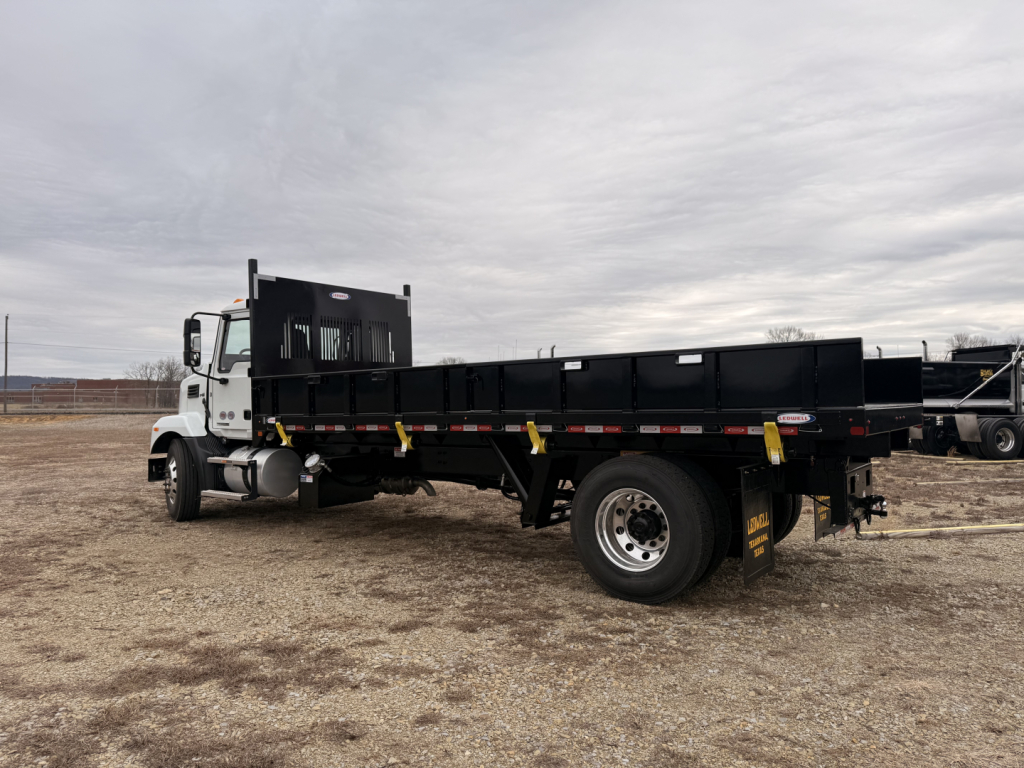

Showing 1 to 28 of 29 results
Selling a commercial truck? List your commercial truck for sale and reach thousands of commercial buyers.
Commercial Trucks in Alaska
Applications drive the drivetrain in the North. Linehaul sleeper tractors running Anchorage to Fairbanks benefit from 13- or 12-speed AMTs with direct-drive and tall rears for efficiency, large fuel capacity, and robust engine brakes for mountain grades. Vocational trucks for logging, oilfield, plowing, or off-road construction often spec 18-speed manuals or AMTs with crawler gears, 6x4 or tri-drive with full locking differentials, and heavy suspensions like Camelback, Haulmaax, or AG460. Gear ratios trend deeper, 3.90 to 4.30, for gradeability and low-speed control. Engines such as Cummins X15, Detroit DD15, PACCAR MX-13, Volvo D13, or Mack MP8 are common, but cooling package size and fan capacity matter as much as horsepower when pulling slow on steep grades in subzero air.
Frames and running gear take a beating from ice, sand, and road chemicals. Double-frame or full-length liners are common on severe-duty dumps and loggers, while aluminum frame components and wheels save weight for highway work but need extra corrosion care. Drum brakes resist ice intrusion and are favored off-road, while air discs deliver better winter stopping and less fade on long descents. Wide-base singles save fuel on dry highway but duals and aggressive lug drives offer better traction and chain fitment on snow and ice. Aerodynamic fairings pay on long highway runs, but watch ground clearance on vocational trucks. Consider heated fifth wheels, arctic greases, and sealed harness connectors to reduce freeze-ups and electrical issues.
For used trucks in Alaska, service records that show regular air dryer maintenance, EGR-DPF cleaning intervals, DEF system repairs, and winterization are worth money. Inspect frames for corrosion behind fuel tanks and suspension hangers, check airline flexibility and quick-connects for cracking, verify all heaters and sensors function, and look for uneven wear from chains and studded operation. A truck spec’d for the Lower 48 may need upgrades like higher-capacity batteries, coolant heaters, and fuel heat before year-round service in Alaska. Telematics and remote diagnostics add value when the nearest shop is hundreds of miles away.
Frequently Asked Questions about Commercial Trucks in Alaska
What cold-weather specs are most important for a truck in Alaska?
Prioritize a block heater and a coolant circulation heater, heated fuel filter bases or fuel-line heaters, high-CCA batteries with blankets, a high-capacity air dryer with a heated purge valve, heated mirrors and wipers, DEF tank and line heating, and heavy cab insulation. Arctic-grade engine oil, transmission and differential lubes, and winter-grade coolant reduce wear and ease cold starts. Bunk heaters or an APU reduce idling while keeping the cab warm.
Is a manual or an automated manual transmission better for Alaska conditions?
Both work when properly spec’d. Manual 13- and 18-speeds provide precise control in logging, oilfield, and steep off-road terrain. Modern AMTs with hill-hold, predictive cruise, and available crawler gears handle grades well and reduce driver fatigue on long highway runs in winter traffic. In extreme cold, ensure the AMT has updated software, insulated harnesses, and the correct transmission fluid to maintain shift quality.
Which axle configuration suits Alaska roads and off-road work?
A 6x4 is the baseline for traction and durability. For severe duty, tri-drive or 6x6 with a transfer case increases flotation and legal payload off-highway. Full locking differentials, driver-controlled inter-axle locks, and aggressive drive tires are valuable on snow and ice. Choose ratios that balance gradeability with cruise RPM for your route profile, and confirm chain clearance on fenders and brake components.
How do I prevent fuel gelling and DEF freezing in winter?
Use winterized diesel from reliable suppliers, dose anti-gel when temperatures plunge, and drain water separators frequently. Heated fuel filter bases and recirculation help under load. DEF naturally freezes below about 12 F, so rely on the truck’s DEF tank and line heaters and avoid overfilling. The SCR system is designed to operate once the fluid thaws, but persistent low-temperature faults often trace to weak heaters or damaged sensors.
What should I inspect on a used truck destined for Alaska service?
Check frame rails, crossmembers, and suspension brackets for corrosion or cracking, evaluate air lines and electrical harnesses for brittleness, verify the air dryer, coolant heater, and fuel heater operation, and inspect brakes for winter contamination and uneven wear. Review DPF/DEF service history, look for coolant and fuel leaks under cold start, confirm battery health and alternator output, and assess tire tread suitable for chains and winter traction.