
Conventional Sleeper Trucks For Sale in Alaska
Browse conventional sleeper trucks for sale in Alaska with specs for long-haul comfort, fuel capacity, axle ratings, and cold-weather performance.
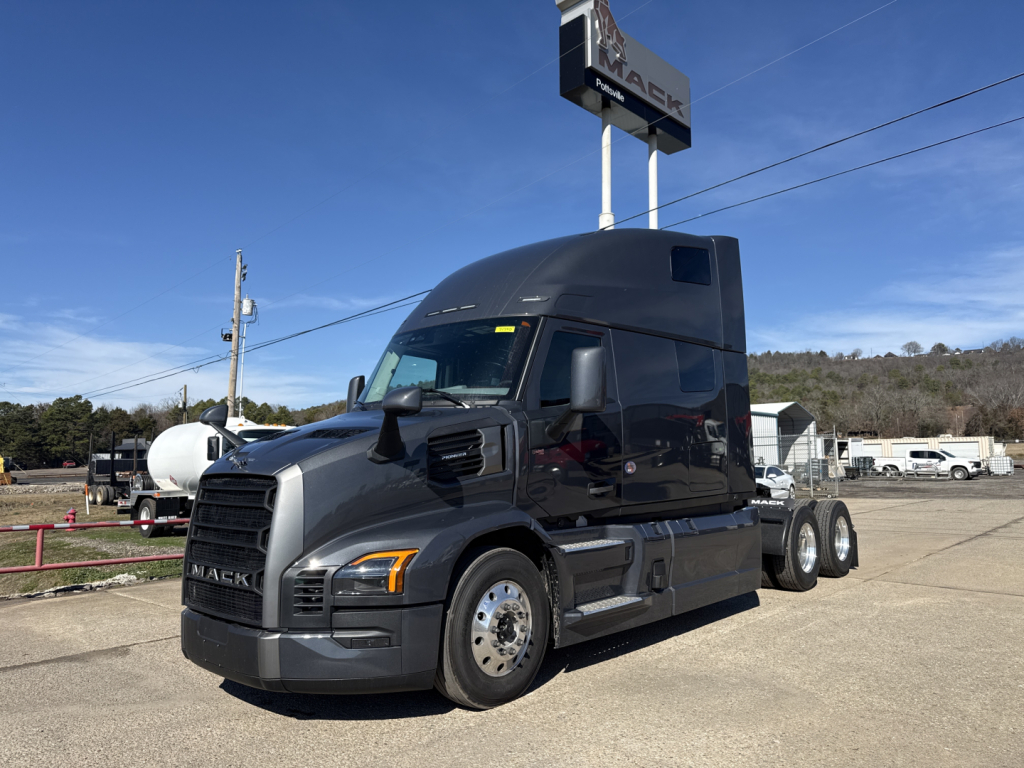
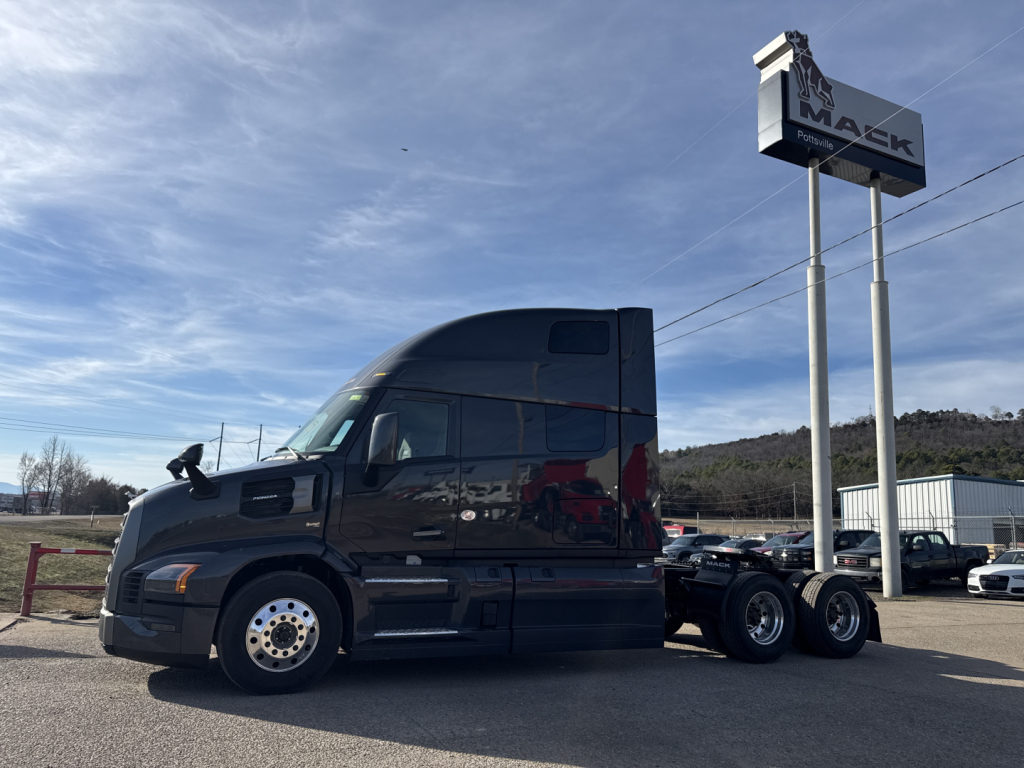
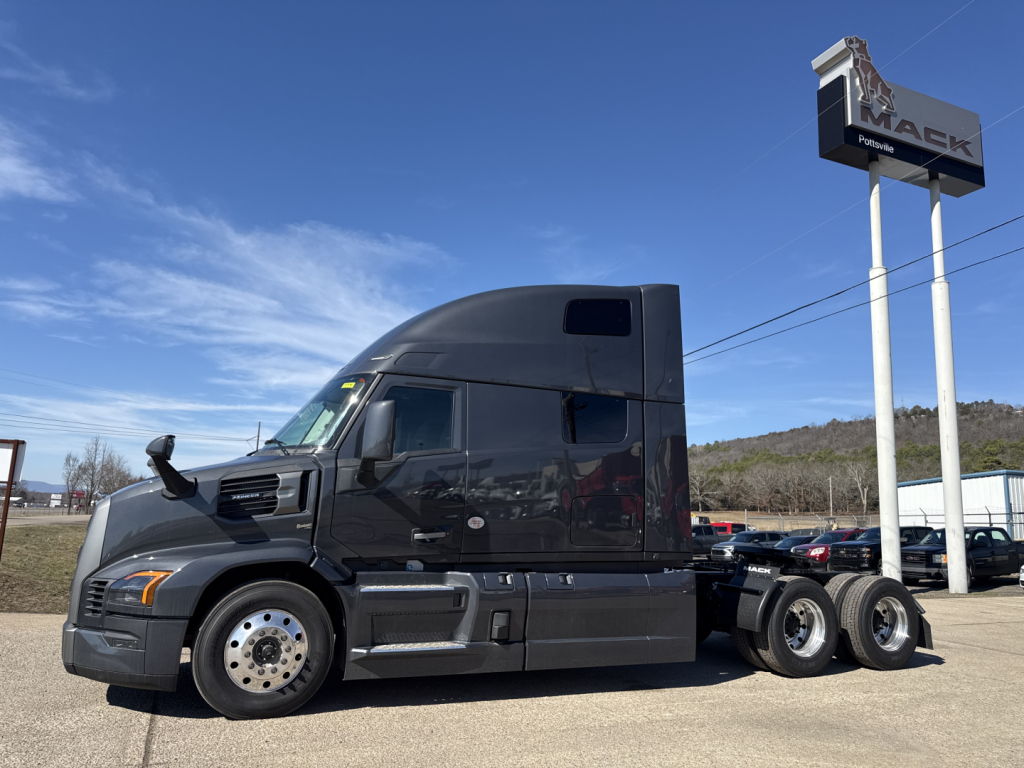
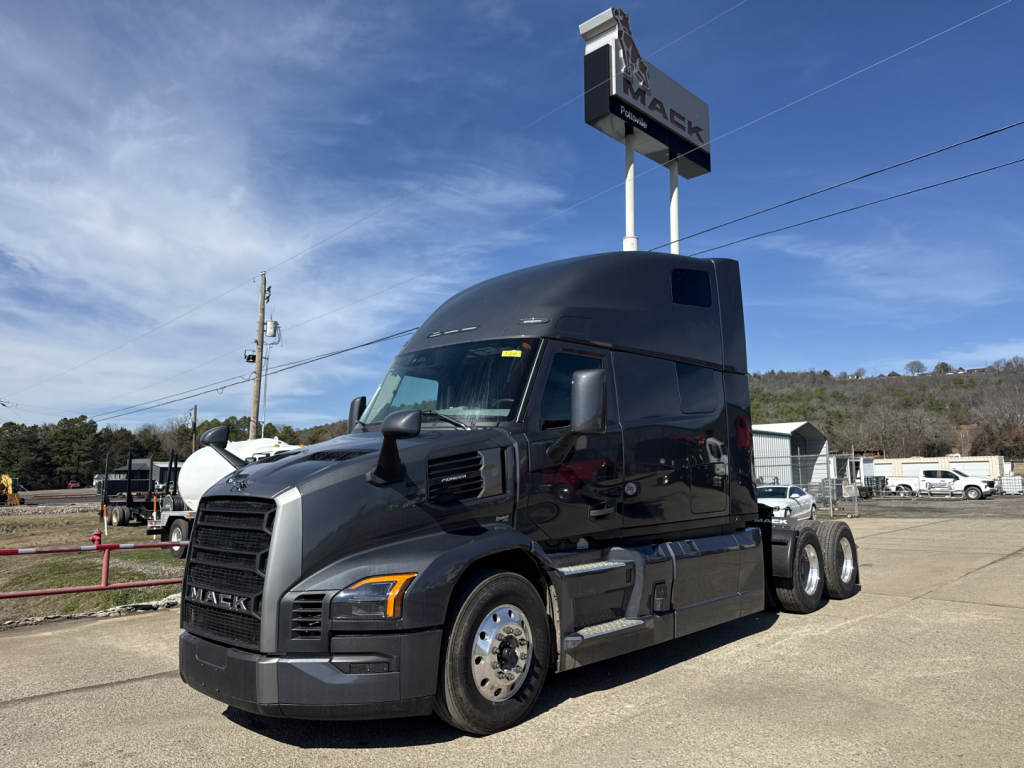
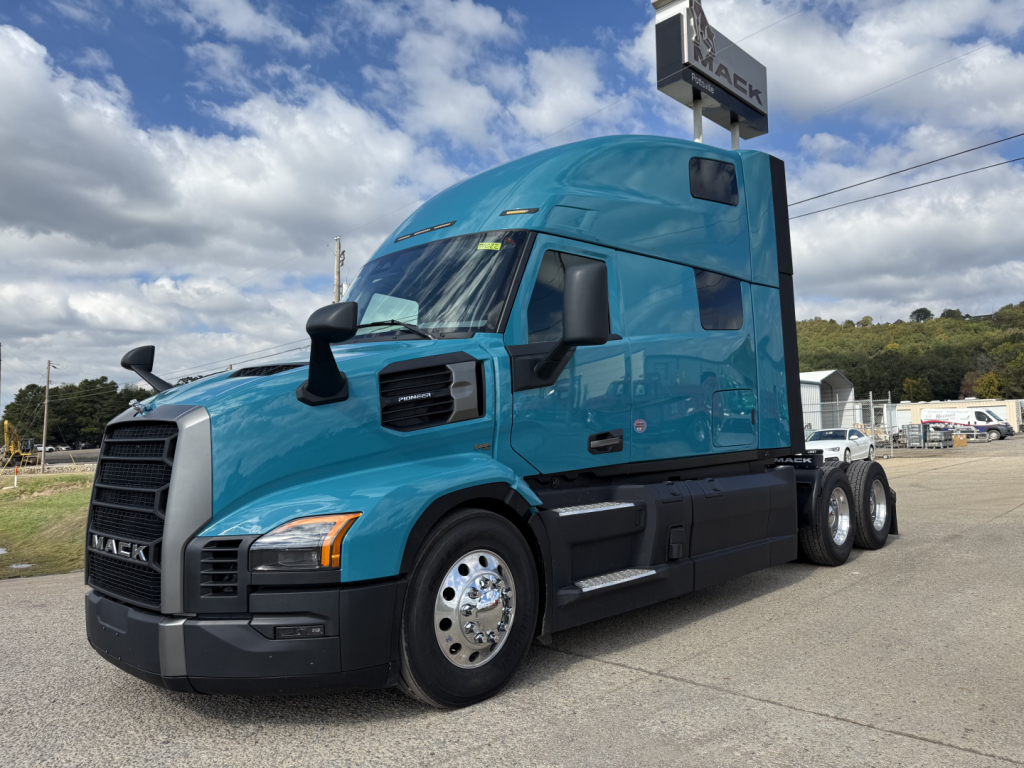

Selling a conventional sleeper truck? List your conventional sleeper truck for sale and reach thousands of commercial buyers.
Conventional Sleeper Trucks in Alaska
A typical conventional sleeper spec today centers on a 13-liter diesel in the 445 to 455 horsepower range, paired with a 12-speed automated manual transmission. That setup fits the broad middle of the market because it balances fuel economy, gradeability, and driver acceptance. Tandem axle configurations with a 13,200 lb front axle and 40,000 lb rears are common, along with wheelbases in the low to mid-230 inch range. Rear axle ratios such as 2.47 or 2.64 are popular for highway work because they help keep engine rpm down at cruise speed, but buyers running heavy freight, mountain routes, or more off-pavement miles should compare ratio, transmission gearing, and tire size as a package instead of looking at ratio alone.
For Alaska service, cold-weather and range-related details matter as much as the headline engine spec. Large dual fuel tank setups are especially valuable when fuel stops are sparse and idling or hotel loads increase consumption. Parking heaters, insulated sleeper trim, strong HVAC performance, and reliable battery and charging capacity all deserve close attention. Disc brakes, air suspension, and modern driver-assist systems can add control and reduce fatigue, but durability still comes back to practical spec choices such as frame layout, fairing condition, tire type, and how easy the truck will be to service in the regions where it actually runs.
The best conventional sleeper truck is the one matched to the lane. A fleet highway spec may prioritize aerodynamic efficiency, automated shifting, and lighter tare weight, while an Alaska-ready owner-operator spec may put more value on fuel capacity, cab comfort, heater performance, and proven powertrain components. Buyers comparing listings should look beyond model name and focus on sleeper height, wheelbase, rear suspension, axle capacities, transmission model, and available fuel. Those details tell you how the truck will pull, ride, park, scale, and support the driver over long distances.
Frequently Asked Questions about Conventional Sleeper Trucks in Alaska
What sleeper size is most common on a conventional sleeper truck?
High-roof sleepers around 70 to 76 inches are among the most common configurations in the conventional sleeper category. That size gives enough room for stand-up movement, bunk space, cabinets, and driver storage without pushing the truck too far outside mainstream highway specifications. Buyers hauling long distance freight or running team operations usually prefer a taller, larger sleeper because it improves driver comfort and time on the road.
What engine and transmission setup is typical for a conventional sleeper truck?
Many conventional sleeper trucks are equipped with 13-liter diesel engines rated around 445 to 455 horsepower and paired with 12-speed automated manual transmissions. This combination is common because it supports highway fuel economy while still providing enough torque for loaded operation and mountain grades. Automated manuals such as M-Drive or I-Shift are widely accepted in fleet and owner-operator use due to consistent shifting, lower driver fatigue, and broad service support.
Why do rear axle ratio and wheelbase matter on a sleeper truck?
Rear axle ratio affects cruise rpm, fuel economy, launch feel, and grade performance, while wheelbase affects ride quality, trailer gap, turning radius, and fuel tank capacity. Ratios like 2.47 and 2.64 are often chosen for over-the-road use because they keep the engine in an efficient operating range at highway speed. A longer wheelbase can improve ride and allow larger fuel tanks, but it may be less maneuverable in tighter yards or winter conditions.
What should buyers in Alaska look for in a conventional sleeper truck?
Alaska buyers should pay close attention to fuel capacity, parking heat, HVAC performance, battery capacity, and the truck's ability to operate reliably in extended cold weather. Long distances between stops make range more important, and severe conditions put added value on dependable charging systems, strong cab insulation, and proven drivetrain components. It also helps to consider service access for the make and engine in the areas where the truck will regularly run.
Are conventional sleeper trucks mainly for long-haul freight?
Yes, conventional sleeper trucks are primarily designed for long-haul and regional freight where the driver needs overnight accommodations and a more livable cab. They are commonly used in van, reefer, flatbed, and general freight applications. The sleeper, larger fuel capacity, and highway-oriented driveline options make them better suited than day cabs for extended routes and multi-day dispatches.