
Mack Conventional Sleeper Trucks For Sale in Alaska
Browse Mack conventional sleeper trucks for long-haul freight, with MP engines, M-Drive options, high-roof sleepers, and tandem axle specs.
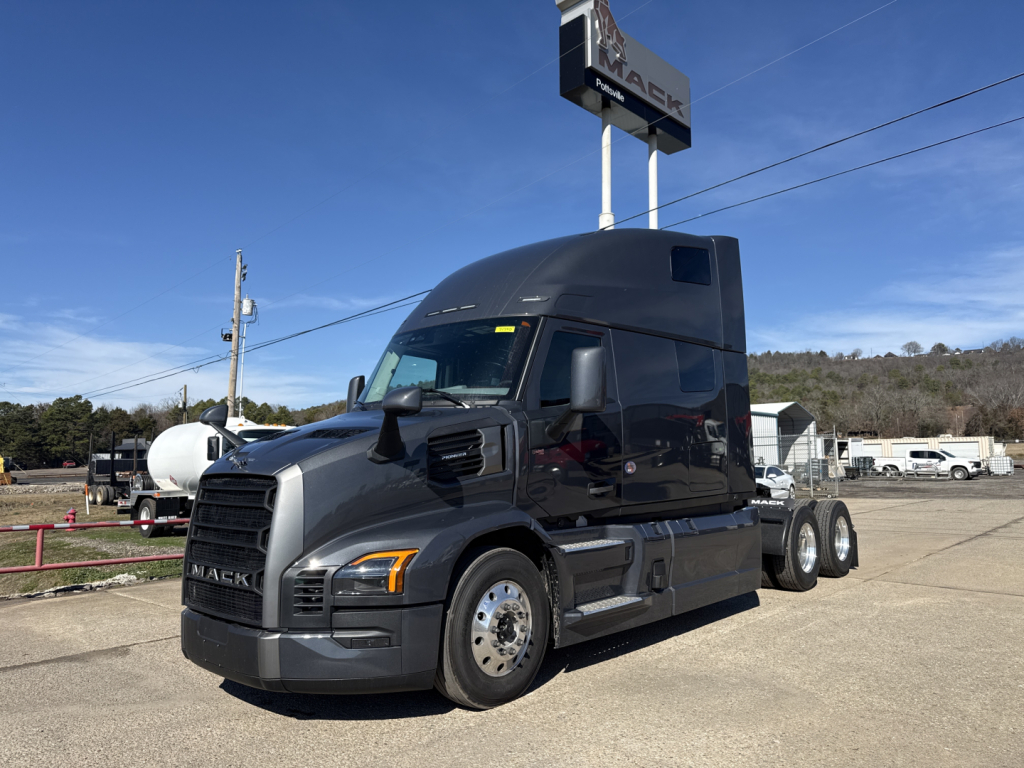
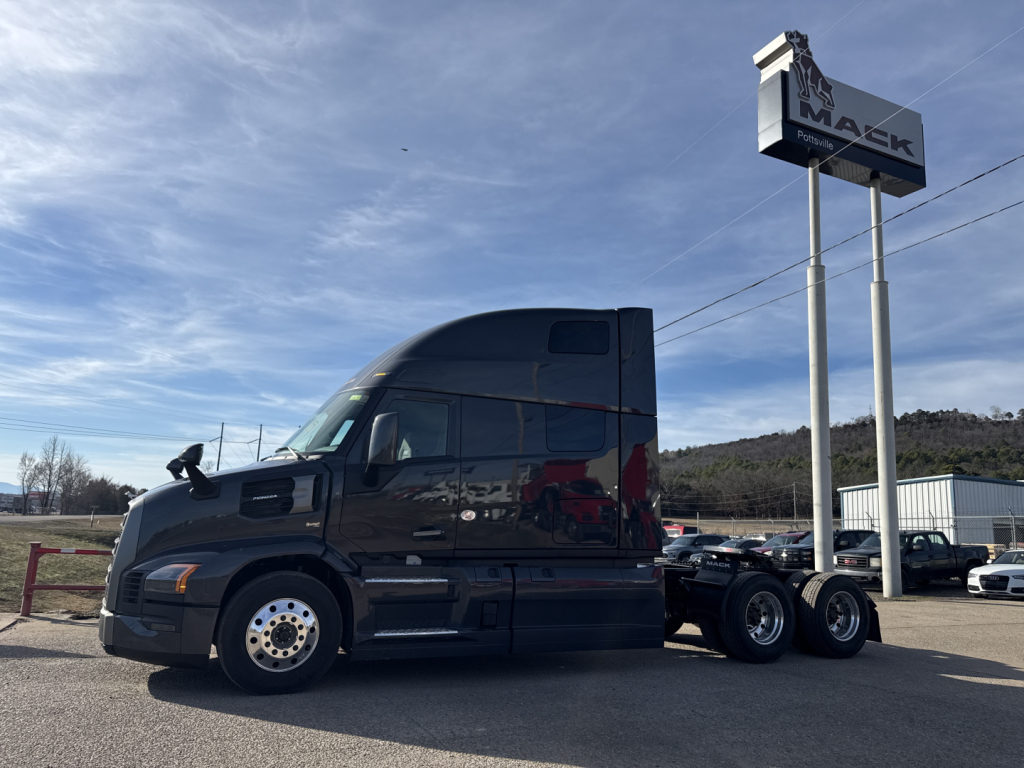
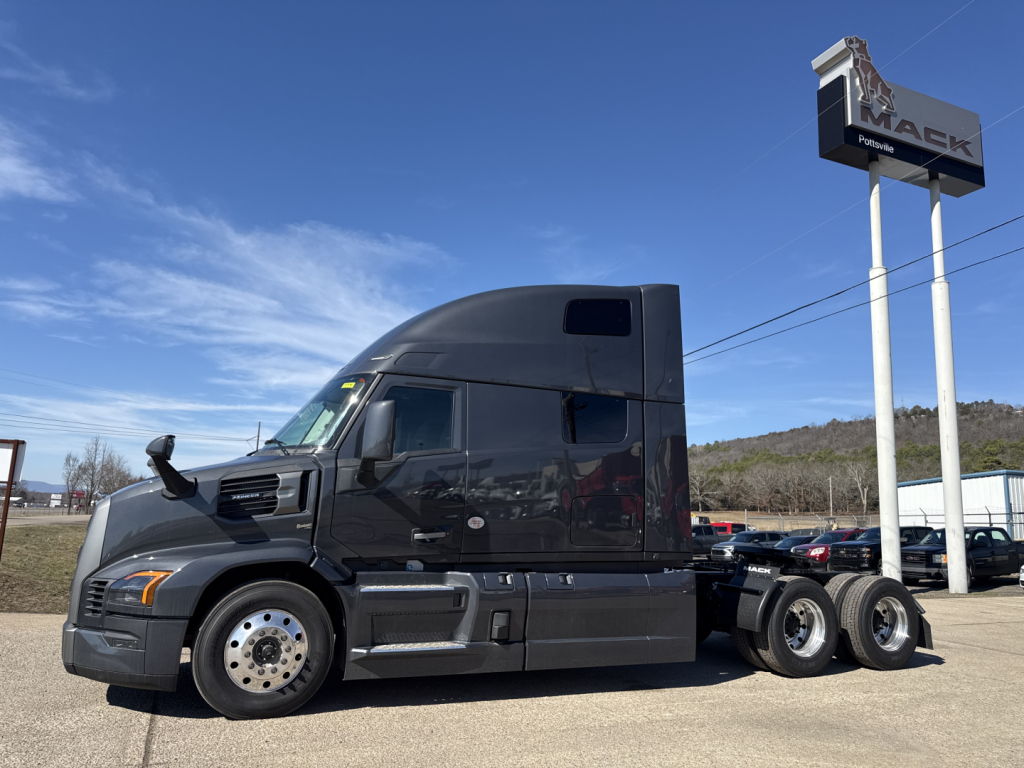
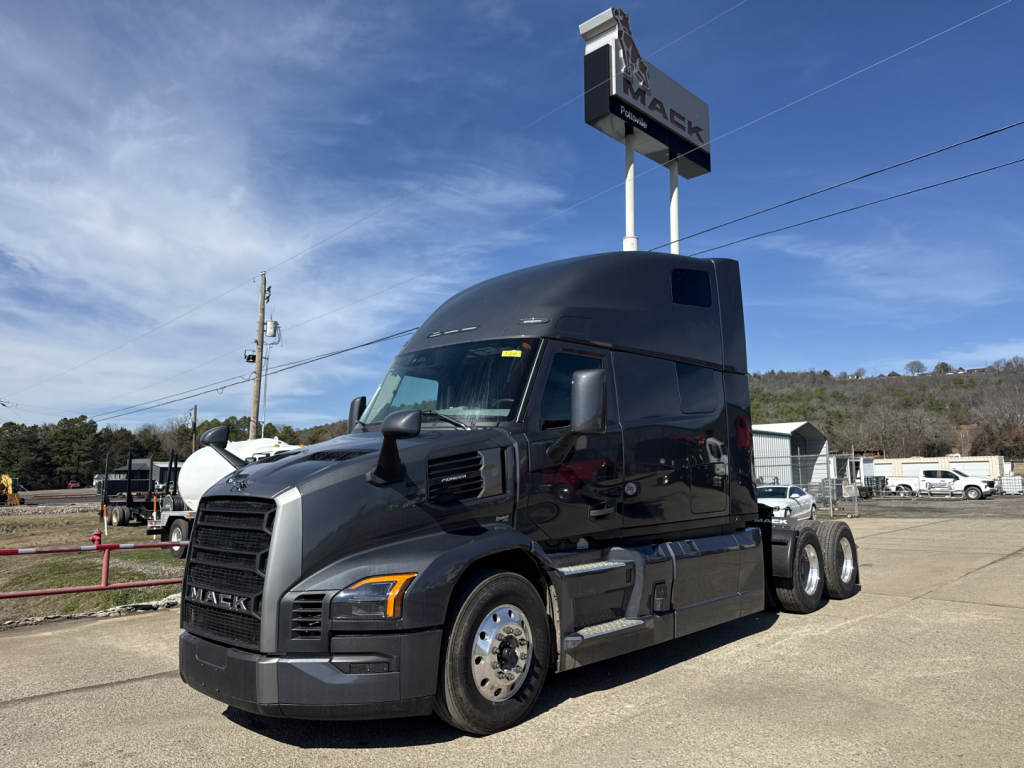
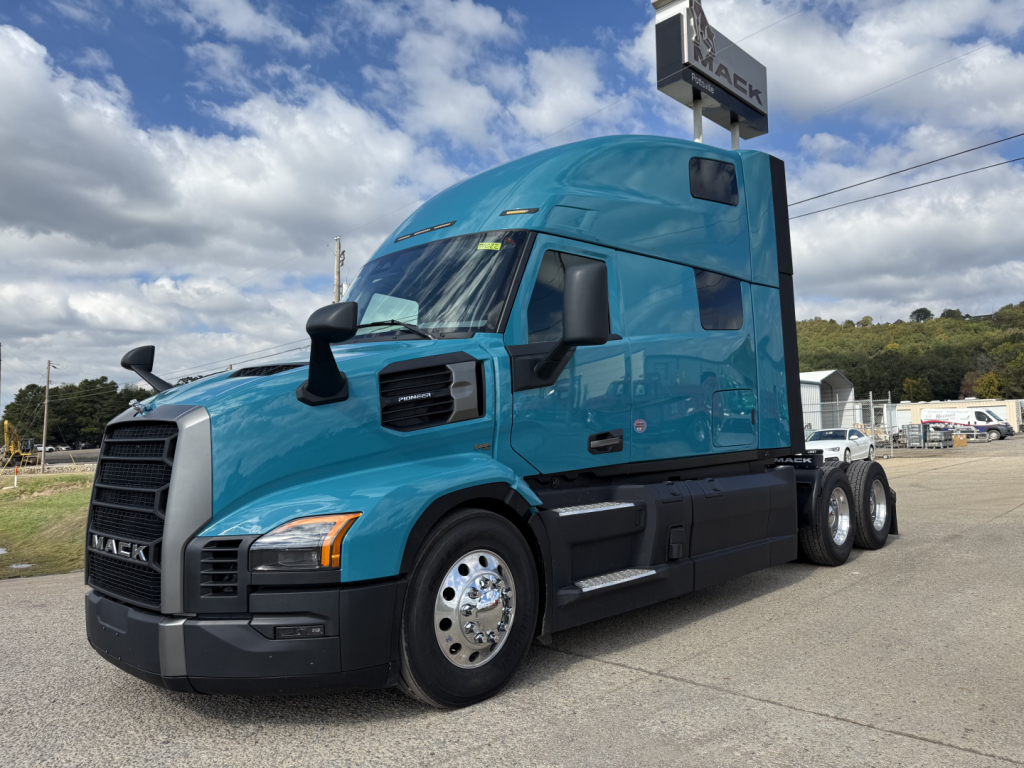
Selling a mack conventional sleeper truck? List your mack conventional sleeper truck for sale and reach thousands of commercial buyers.
Mack Conventional Sleeper Trucks in Alaska
A good place to start is the sleeper and chassis spec, because that determines how well the truck fits the freight lane and the driver. Common configurations include 70-inch to 76-inch sleepers, wheelbases in the low to upper 230-inch range, and tandem rear axles rated around 40,000 pounds. Fuel capacity is another major decision point. Many Mack sleeper tractors are spec’d with dual tanks for total capacity well above 200 gallons, which helps on long Alaska runs where fuel stops can be farther apart and route planning matters more. Parking heaters, electronic climate control, and storage layout inside the bunk can make a real difference for teams and solo drivers spending multiple nights in the truck.
Powertrain selection is where Mack conventional sleepers separate themselves for many fleets. The MP13 is a common choice because it balances horsepower, torque, and highway efficiency well for general van, reefer, and flatbed service. An M-Drive automated manual is popular with fleets focused on driver recruitment, consistent shift logic, and reduced clutch wear compared with a traditional manual. Buyers should still verify the rear ratio, tire size, and transmission overdrive spec together, because a highway truck with a 2.64 ratio and overdrive transmission will feel very different from a heavier pulling spec intended for mountain grades or higher gross weights. Front axle ratings around 12,000 to 13,200 pounds are also common, and they affect legal payload distribution, steer tire selection, and options up front.
For Alaska service, the details matter even more than the brochure. Cold-weather starting aids, bunk heaters, battery capacity, fairing condition, and corrosion exposure should all get extra attention on used Mack sleeper trucks. If the truck will spend time on rougher secondary roads, suspension condition and cab mounting points deserve a close look. Buyers comparing Mack conventional sleepers should focus on the complete operating package: engine rating, transmission logic, axle ratio, wheelbase, sleeper size, and fuel capacity. When those specs line up with the lane, a Mack sleeper tractor can be a strong fit for long-haul freight, regional heavy lanes, and fleet applications where standardization and durability are priorities.
Frequently Asked Questions about Mack Conventional Sleeper Trucks in Alaska
What engine is common in a Mack conventional sleeper truck?
A common engine in newer Mack conventional sleeper trucks is the Mack MP13. It is widely used in highway tractor applications because it offers strong torque for loaded interstate operation while still supporting fuel-efficient cruise specs. The exact horsepower and torque rating can vary by build, so buyers should compare engine rating, rear axle ratio, and transmission spec as a matched package instead of judging the truck by horsepower alone.
Is the Mack M-Drive a good transmission for sleeper tractor applications?
The Mack M-Drive is a popular choice for conventional sleeper tractors, especially in fleet and linehaul service. It is an automated manual transmission designed to reduce driver fatigue, improve shift consistency, and help protect the driveline from poor shifting habits. For buyers, the important part is confirming how the M-Drive is paired with the truck’s overdrive setting, axle ratio, and intended terrain, because those factors determine launch feel, gradeability, and cruise RPM.
What sleeper size is typical on a Mack highway tractor?
Many Mack conventional sleeper trucks are spec’d with high-roof sleepers in the 70-inch to 76-inch range. That size is common for over-the-road use because it gives the driver more standing room, better storage, and improved livability for multi-day trips. A buyer should also evaluate bunk heater equipment, HVAC controls, cabinet layout, and mattress or bunk configuration, since sleeper comfort depends on more than the outside measurement.
What specs matter most when buying a Mack sleeper truck for Alaska?
For Alaska use, buyers should pay close attention to cold-weather and long-distance operating needs. Fuel capacity, parking heater performance, battery and charging system condition, winter-start equipment, and cab insulation are all important. Wheelbase, axle ratio, and suspension spec also matter because route conditions can vary from long highway stretches to rougher regional roads. Corrosion, fairing damage, and sleeper seal condition should be inspected carefully on any used truck exposed to harsh weather.
How do I choose the right axle ratio on a Mack conventional sleeper?
The right axle ratio depends on the freight, terrain, and cruise speed you expect to run. A faster highway ratio such as 2.64 is commonly used for linehaul efficiency when paired with an overdrive transmission and standard interstate weights. A numerically higher ratio may be better for mountain routes, heavier average gross weights, or operations needing stronger low-speed pulling power. Buyers should review axle ratio together with transmission gearing, engine torque rating, and tire size before making a decision.