
2027 Commercial Trucks For Sale in Alaska
Browse 2027 trucks for sale in Alaska, including vocational and highway models built for heavy payloads, cold weather starts, and remote service needs.
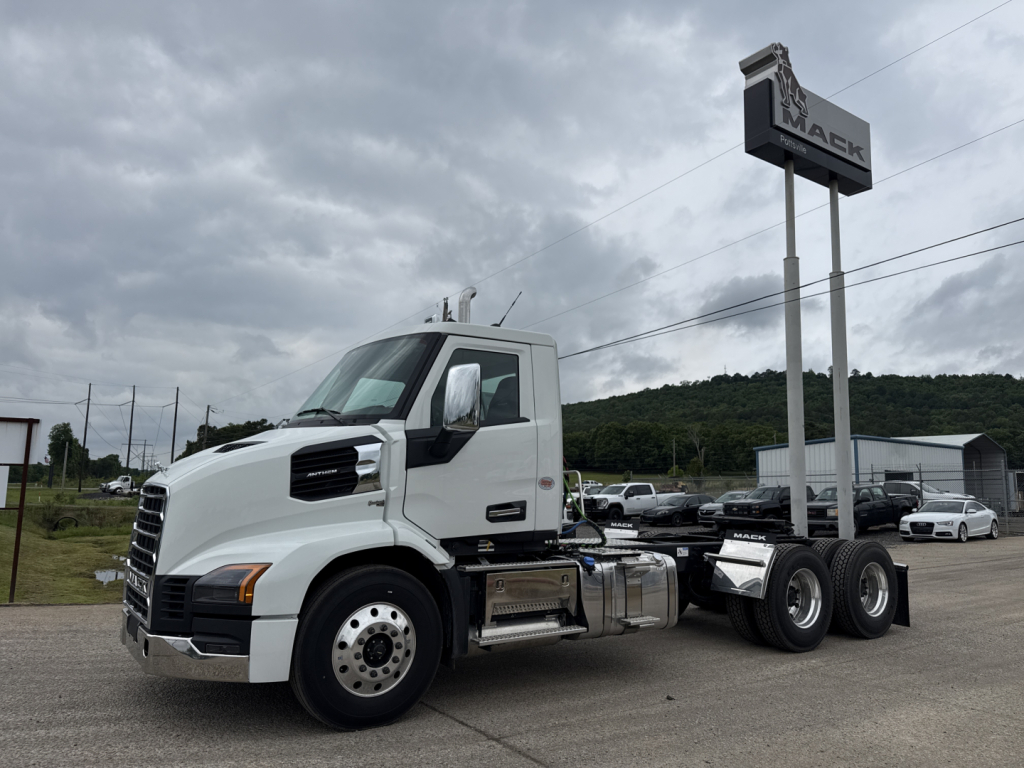

Selling a 2027 commercial truck? List your 2027 commercial truck for sale and reach thousands of commercial buyers.
2027 Commercial Trucks in Alaska
For highway work, late-model conventional tractors in this year range commonly show up with 12 to 13.2K front axles, 40K tandem rears, automated manual transmissions, and engine ratings from the mid-400s up to 500 HP. In Alaska, rear axle ratio matters more than many buyers expect because terrain, traction, and cruise speed targets can differ sharply from Lower 48 linehaul specs. A 2.64 or 2.79 ratio may suit fuel-conscious highway routes, while a deeper ratio can make more sense for mixed grades, heavier starts, or vocational crossover use. Wheelbase, fifth-wheel position, locking differentials, brake type, and suspension design should be matched to the trailer set and road conditions the truck will actually see.
Vocational 2027 trucks such as dump trucks and severe-service chassis deserve even closer attention to axle capacity, body compatibility, and jobsite durability. Common decision points include set-forward versus set-back axle, double-frame availability, front axle ratings above 12K, PTO and hydraulic provisions, and suspension choices that balance articulation with stability under load. Buyers in Alaska often place extra value on robust cooling packages, block heater provisions, traction aids, and simple, serviceable specs that can be maintained without waiting on highly specialized parts. For cab and chassis buyers, the body-builder interface, clear frame length, and electrical integration matter just as much as engine and transmission selection.
Across the category, 2027 trucks bring newer emissions systems, updated safety technology, and more driver-focused interiors, but the best buy is still the truck whose spec matches the route, payload, and service environment. Check GVWR, GCWR, axle spread, tire size, wheel material, and suspension rating against the real job, not just the brochure. In Alaska, a well-matched truck is one that can start in the cold, stay stable on rough surfaces, carry the intended body or trailer legally, and be serviced without turning every repair into a logistics problem.
Frequently Asked Questions about 2027 Commercial Trucks in Alaska
What should I look for first when buying a 2027 truck in Alaska?
Start with the truck's intended application and the operating environment. In Alaska, that means matching axle ratings, suspension, gearing, wheelbase, and drivetrain to cold weather starts, remote routes, rough surfaces, and legal payload targets. A highway tractor, dump truck, and cab and chassis may all be called trucks, but they need very different specs to perform well. Service access and parts support are also major buying factors because downtime is more expensive when the truck works far from major dealer networks.
Are automated manual transmissions a good choice for 2027 trucks?
In most highway and regional applications, yes. Automated manuals such as 12-speed overdrive units are now common because they improve driver consistency, reduce clutch wear, and help with fuel economy. They also pair well with modern engine torque curves. For vocational work, the right automated transmission can still be a strong choice, but buyers should confirm PTO compatibility, low-speed maneuvering performance, and calibration for off-road or stop-and-go duty.
How important is axle ratio on a 2027 truck for Alaska service?
Axle ratio is one of the most important spec points because it affects launch performance, gradeability, cruise RPM, and fuel economy. Tall ratios can work well for long highway runs with lighter rolling resistance and steady speeds, but deeper ratios may be better for heavy loads, mixed terrain, winter traction needs, or vocational use. The best choice depends on engine torque, transmission gearing, tire size, and the truck's actual operating speed, not just advertised horsepower.
What features matter most on a 2027 vocational truck or dump truck?
Focus on front and rear axle capacity, frame strength, suspension rating, PTO setup, brake configuration, and body compatibility. A vocational truck needs to handle repeated loading cycles, uneven surfaces, and jobsite maneuvering without being over- or under-spec'd. In Alaska, buyers should also pay attention to cold-weather starting aids, corrosion exposure, traction equipment, and how easily the chassis can be serviced in the field. A strong vocational spec is built around uptime and durability, not just peak payload.
Is a sleeper or day cab better for Alaska truck operations?
That depends on route length, rest requirements, and how remote the work is. A day cab is typically lighter, shorter, and easier to maneuver, which can be ideal for local hauling, port work, or vocational tractor duty. A sleeper makes more sense for longer lanes, limited lodging access, or operations where the driver may spend extended time away from base. In Alaska, route isolation and weather can make sleeper cabs especially practical even when the mileage looks moderate on paper.