
2027 Mack Trucks For Sale in Alaska
Shop 2027 Mack trucks for sale in Alaska, including highway and vocational models with MP engines, mDRIVE transmissions, and durable chassis specs.
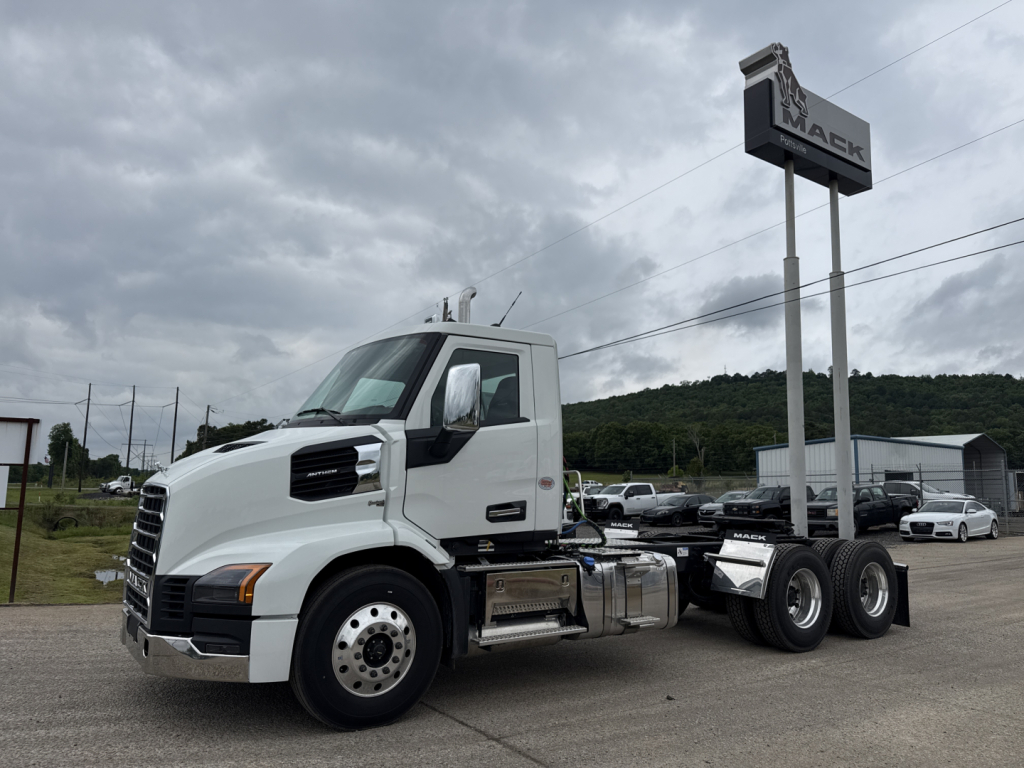

Selling a 2027 mack truck? List your 2027 mack truck for sale and reach thousands of commercial buyers.
2027 Mack Trucks in Alaska
For highway use, Mack conventional sleeper and day cab models are commonly spec’d with MP series diesel engines and the mDRIVE automated manual transmission. Buyers should pay close attention to horsepower and torque ratings, rear axle ratio, and wheelbase because those specs determine how the truck will perform with your trailer mix and average gross combination weight. A high-roof sleeper with larger dual fuel tanks, parking heater, and climate control package makes sense for longer runs and colder overnight stops. A day cab can be the better fit for regional freight, port work, or dedicated routes where payload, maneuverability, and lower tare weight matter more than sleeper space. Front axle ratings in the 12,000 to 13,000-pound range and tandem rears around 40,000 pounds are common reference points on highway tractors, but the right suspension and frame spec still depends on the trailers and terrain involved.
On the vocational side, Mack remains well known for severe-duty trucks used in refuse, roll-off, dump, and construction applications. These trucks are often selected for their heavy frame rails, durable suspensions, and driveline options built for repeated stop-and-go work or off-pavement jobsite conditions. If the truck will spend time on rough surfaces, buyers should look closely at axle spacing, lift axle needs, locking differentials, PTO compatibility, and body-builder integration. In colder markets like Alaska, cold-weather starting performance, battery capacity, heater configuration, corrosion exposure, and service access are not small details. They directly affect uptime and operating cost.
A smart 2027 Mack truck purchase comes down to matching the truck’s cab, powertrain, axle package, and chassis layout to the work instead of buying only on price or mileage. Mack buyers often prioritize driver familiarity, dealer support, straightforward vocational upfitting, and the brand’s reputation for durability under load. Compare the listings by category first, then narrow by engine rating, transmission, axle capacity, sleeper size, fuel setup, and wheelbase. That approach makes it easier to separate a truck that is merely available from one that is correctly spec’d for your route, climate, and revenue work.
Frequently Asked Questions about 2027 Mack Trucks in Alaska
What should I look for first when comparing 2027 Mack trucks for sale?
Start with the truck category and intended application. A Mack highway tractor, day cab, sleeper, roll-off, or other vocational chassis can share the same brand name but be built for very different work. After identifying the correct application, compare engine rating, transmission type, axle capacities, wheelbase, suspension, and fuel capacity. Those specifications have a much bigger impact on performance and operating cost than cosmetic differences.
Are Mack trucks a good fit for Alaska service?
Mack trucks can be a strong fit for Alaska when the truck is spec’d correctly for climate and route conditions. Buyers should focus on cold-weather starting systems, parking heaters, fuel capacity, traction setup, axle ratio, and durability features that support remote or severe-duty operation. Dealer support and parts access also matter more in Alaska because downtime can become much more expensive when service locations are farther apart.
What is the difference between a Mack day cab and a Mack sleeper?
A Mack day cab is built for local or regional work where the driver returns regularly and does not need living space in the cab. A Mack sleeper adds a bunk area and typically more storage, making it better suited for long-haul and overnight runs. Sleepers often carry larger fuel capacity and comfort features, while day cabs usually offer lower weight, shorter wheelbase options, and better maneuverability.
Why do axle ratio and wheelbase matter on a Mack truck?
Axle ratio affects launch, gradeability, cruise rpm, and fuel economy. A lower highway ratio may improve fuel efficiency on fast, open routes, while a deeper ratio can help with heavier loads or more demanding terrain. Wheelbase affects trailer swing clearance, ride quality, body fitment, and turning radius. On vocational trucks, wheelbase also determines how well the chassis matches body length and weight distribution requirements.
Are Mack vocational trucks different from Mack highway tractors?
Yes. Mack vocational trucks are typically built with heavier chassis components, more body-builder flexibility, and specs intended for jobsite, refuse, demolition, or municipal work. Mack highway tractors are generally optimized for freight movement, road speed, fuel efficiency, and driver comfort. Some components may overlap, but frame strength, suspension design, PTO needs, and cab layout are usually very different between the two.