
2004 Commercial Trucks For Sale
Compare 2004 trucks with pre-DPF diesels. Understand floor strength, insulation, tare weight, and corrosion resistance to match the right unit to your freight.
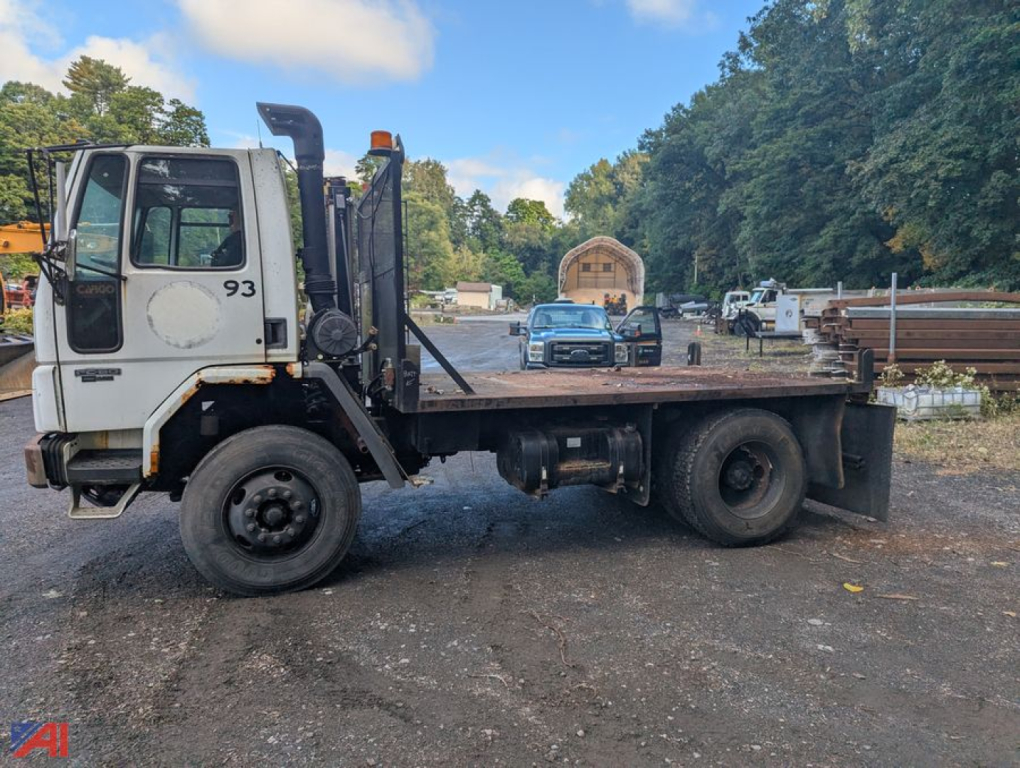
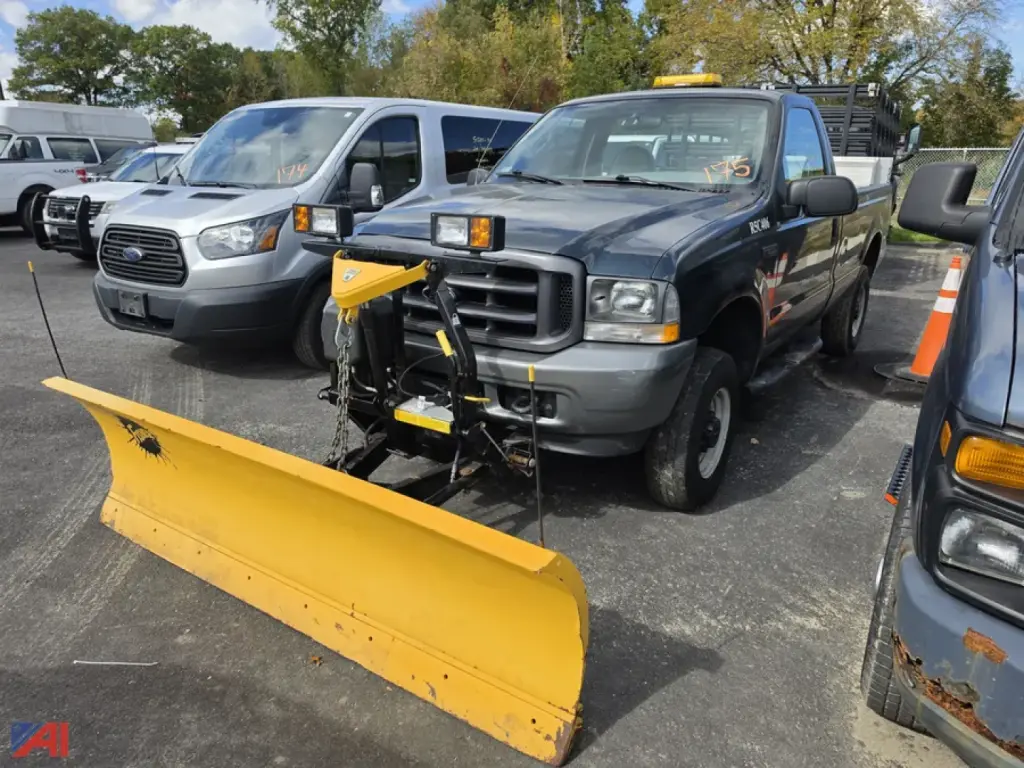
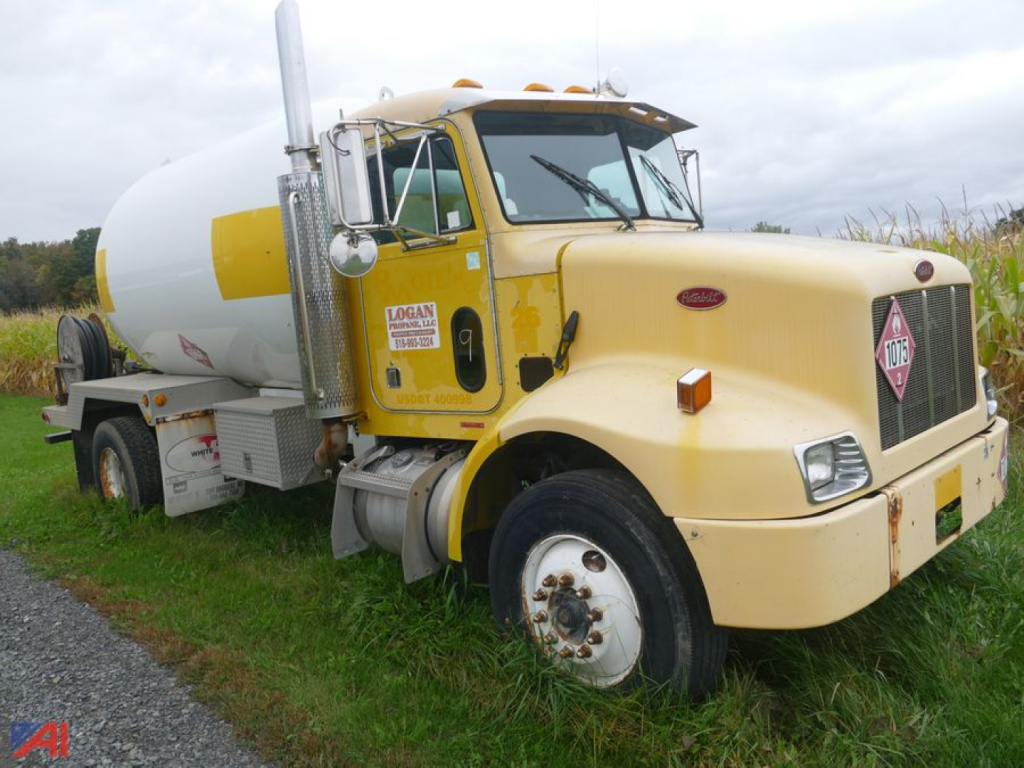
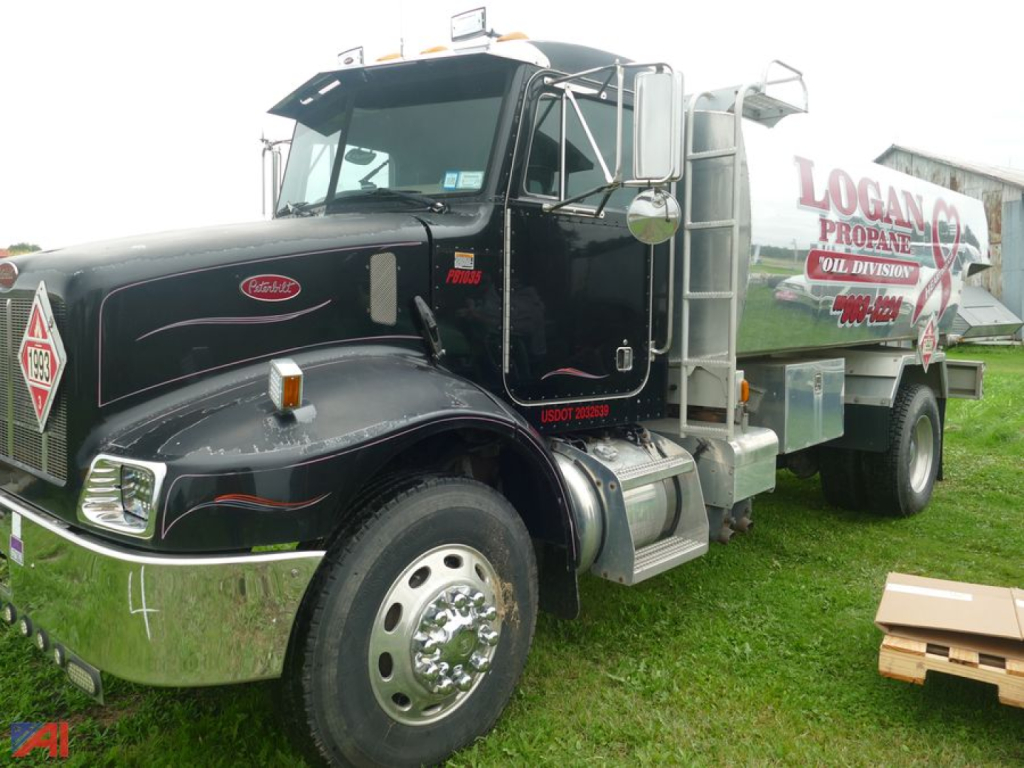
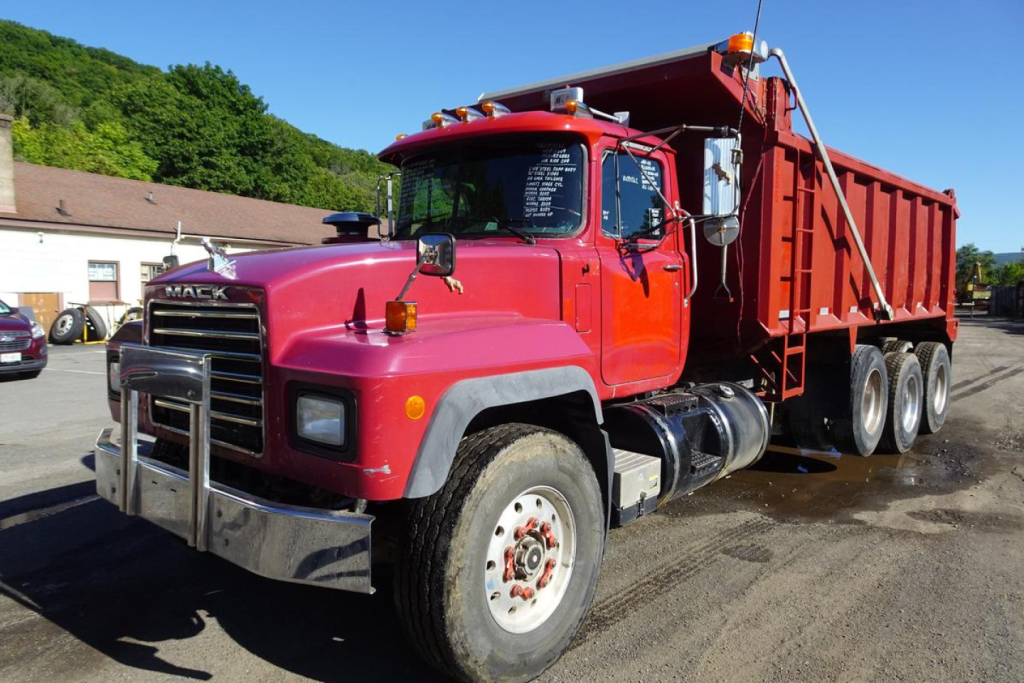
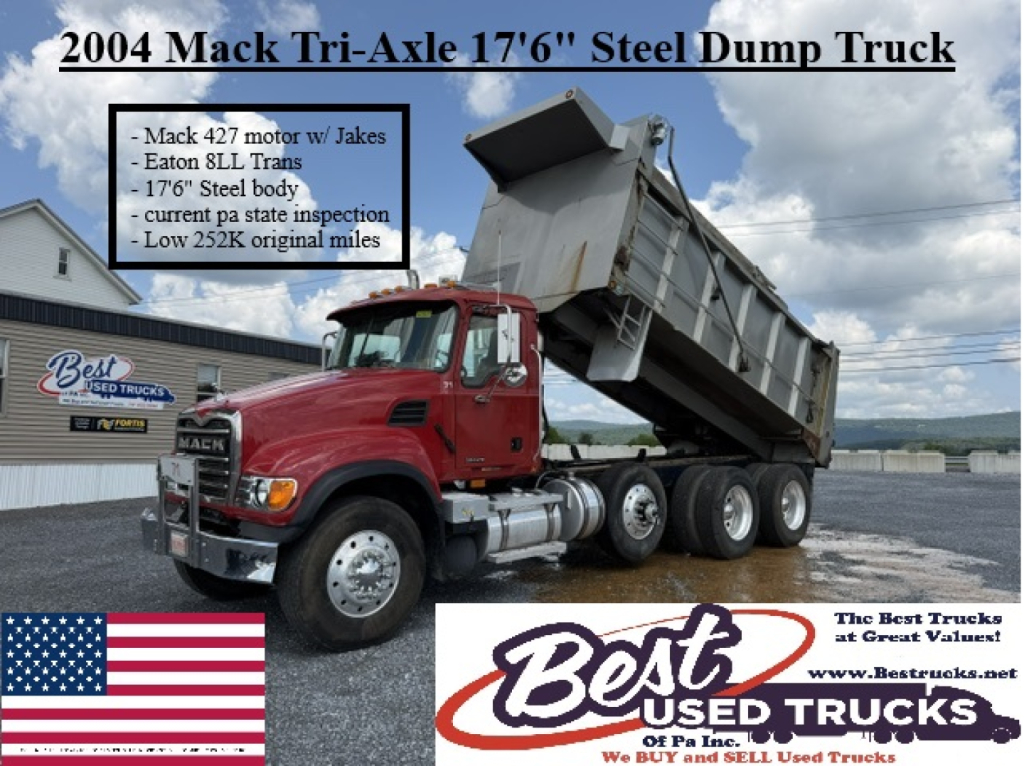
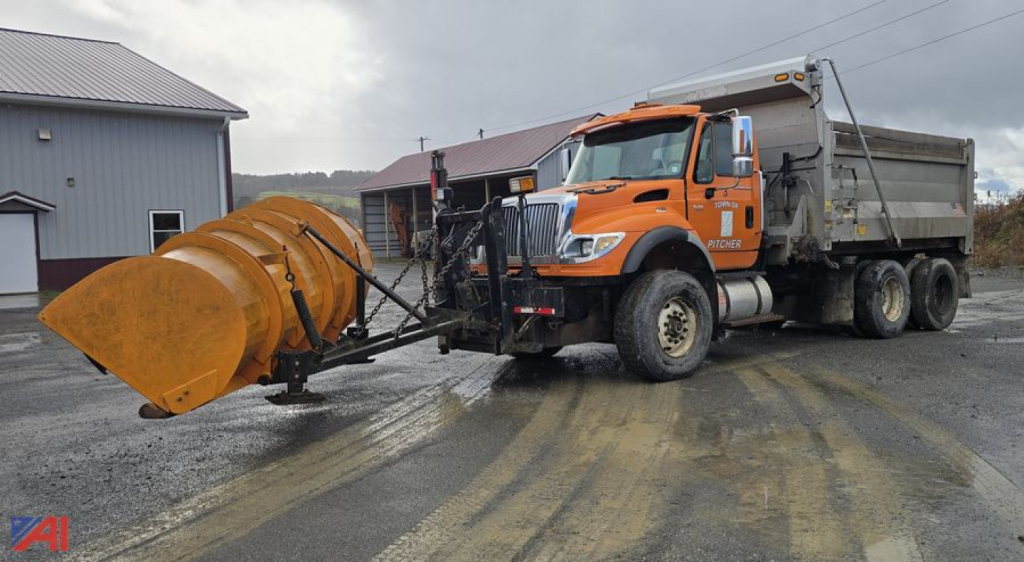
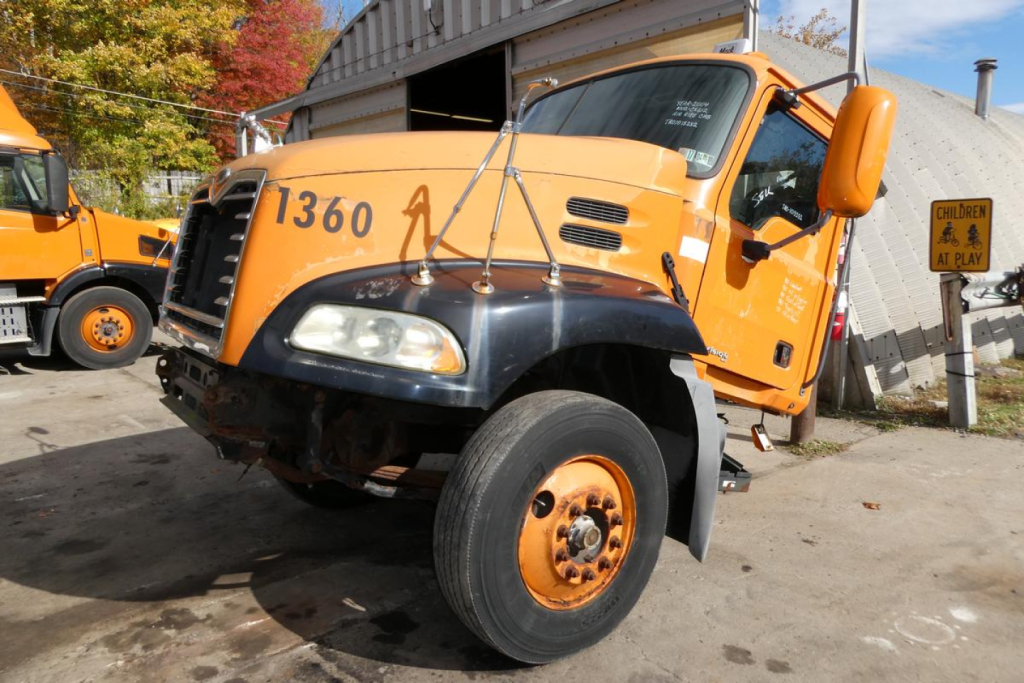

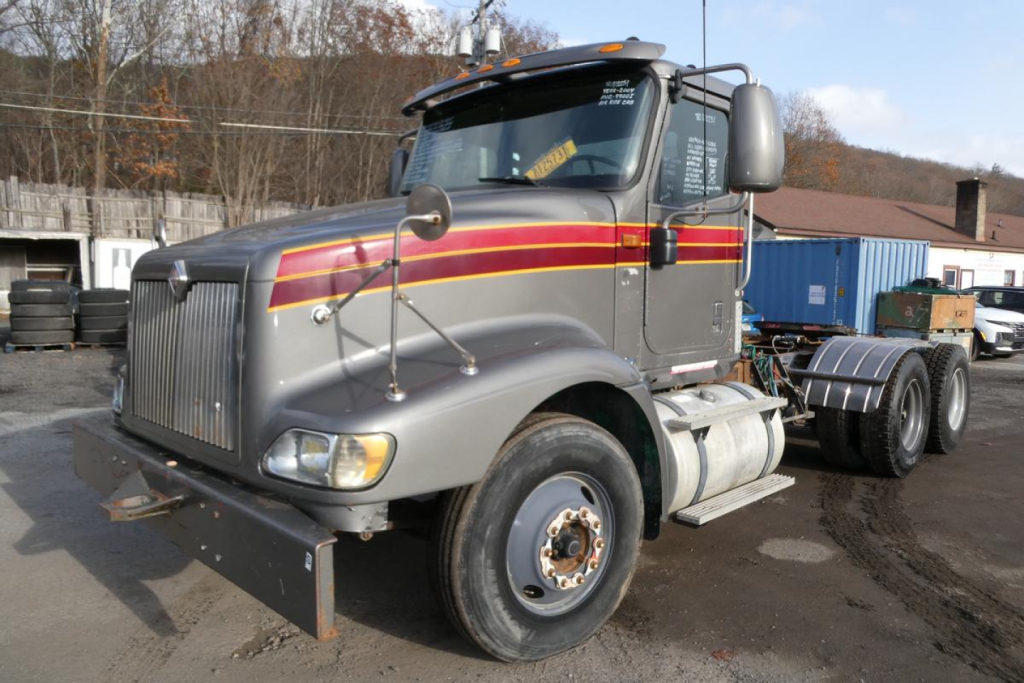
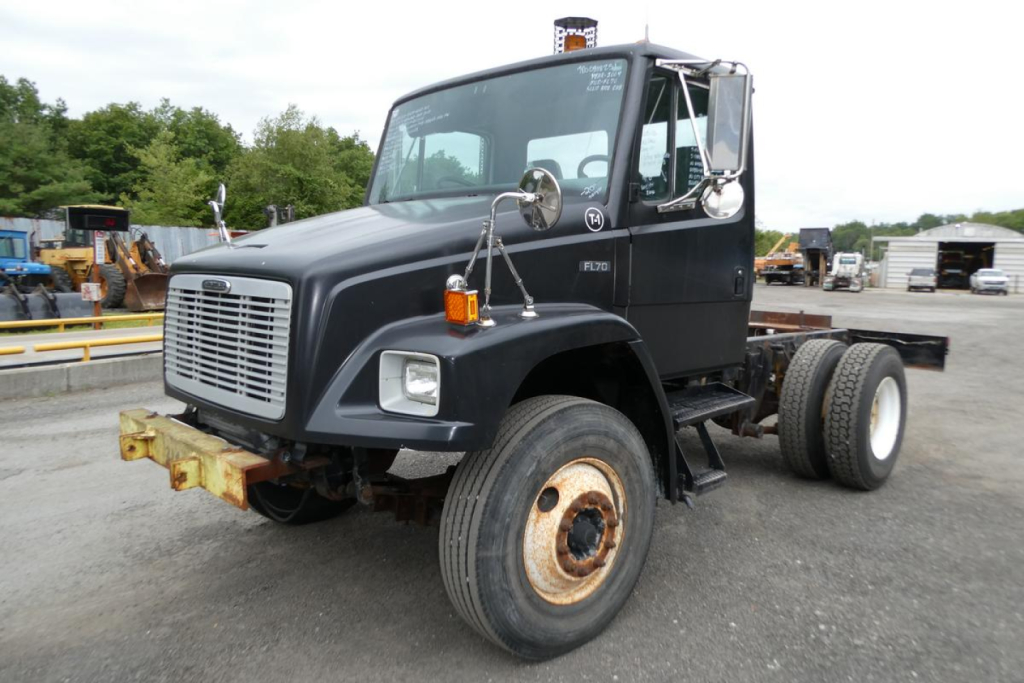
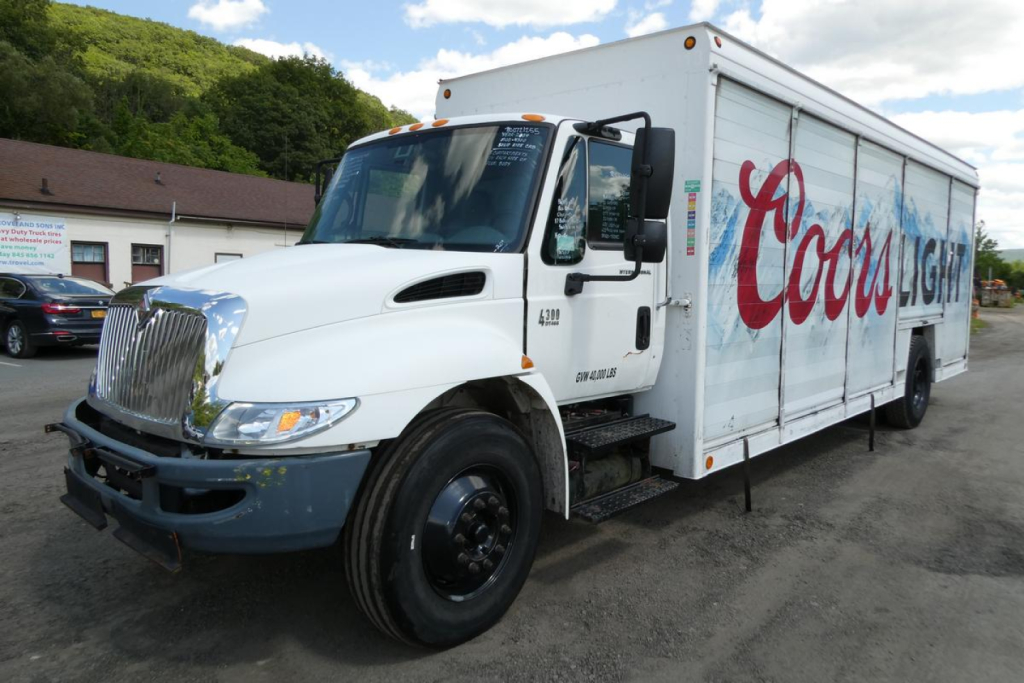
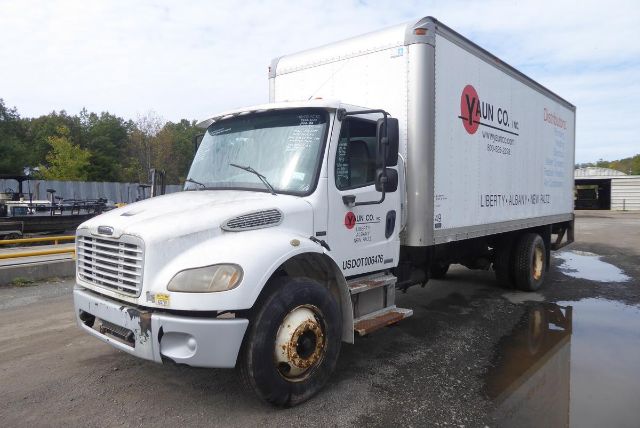
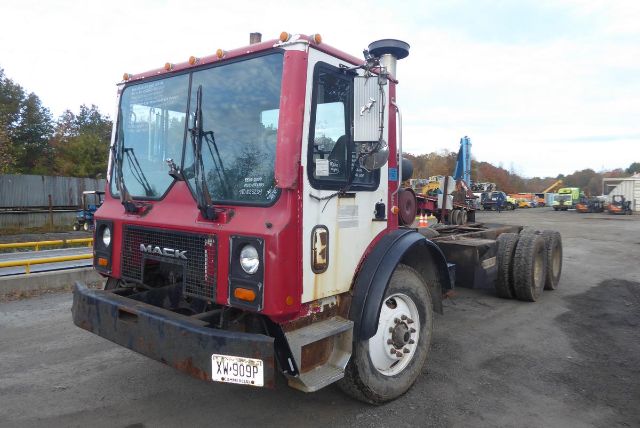
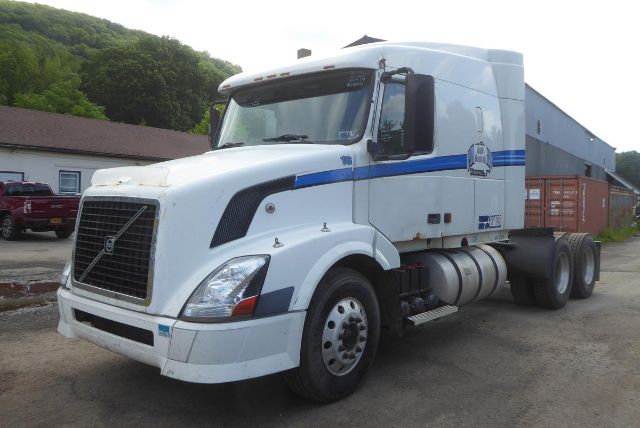
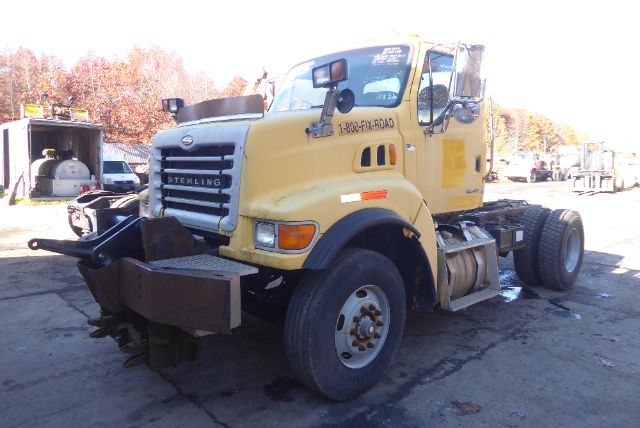
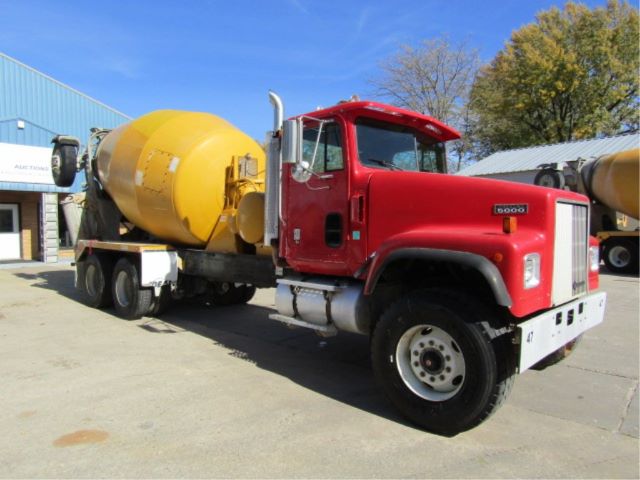
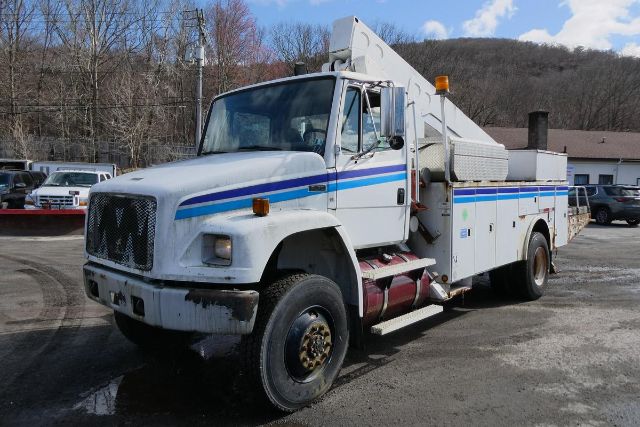

Selling a 2004 commercial truck? List your 2004 commercial truck for sale and reach thousands of commercial buyers.
2004 Commercial Trucks
For straight trucks, floor strength dictates how hard you can work the body. Look for laminated hardwood or composite floors with forklift ratings, 12 inch crossmember spacing instead of 16 inch for heavier pallet traffic, and threshold plates that protect the rear edge. Scuff liners at 12 or 24 inches keep walls intact and help maintain box integrity when dock bumping. On flatbeds, check concentrated load ratings and deck material, aluminum saves tare weight while steel handles abusive loading; on dumps, AR400 or Hardox floors at 3/16 to 1/4 inch handle aggregates and scrap without buckling.
Thermal integrity matters on reefer straight trucks in this year range. Insulation quality depends on foam density, panel bonding, and how well the floor ducts and door seals were maintained; gaps increase fuel burn and risk off temp loads. Expect to see Thermo King SB series or Carrier Supra units, confirm hour counts, pull down performance, and evaporator drain condition. For tractors and day cabs, focus on engine thermal management, clean charge air coolers, intact shrouds, and tight viscous fan clutches keep EGR era engines in their safe temp window.
Tare weight drives payload and profitability. Aluminum wheels, single aluminum fuel tanks, air ride suspensions with lightweight beams, and aluminum or composite bodies can cut hundreds of pounds compared to steel wheels, dual tanks, and spring packs; balance weight savings with durability for your lane and freight. At this age, corrosion resistance becomes a deciding factor, inspect frame rails for scaling and delamination at suspension hangers, crossmembers under the body, cab mounts, battery boxes, and aluminum to steel interfaces for galvanic corrosion. Evaluate airlines and brake lines for rust bloom, and electrical harnesses for prior repairs with heat shrink and sealed connectors. A road test with a warm start, blow by check, oil and coolant analysis, and a brake and suspension inspection will tell you more than a paint job ever will.
Frequently Asked Questions about 2004 Commercial Trucks
Are 2004 trucks considered pre emissions and what aftertreatment should I expect?
Most 2004 diesel trucks use cooled EGR to meet the EPA 2004 standard and do not have DPFs or DEF systems. That lowers complexity and tare weight, but it puts more load on the cooling package and the EGR cooler. Inspect for coolant quality, pressure test the cooling system, verify fan clutch operation, and check for signs of soot intrusion or excessive blow by. Expect simpler exhaust plumbing than 2007 and newer, with fewer sensors to fail, but plan on diligent cooling system maintenance.
What floor specifications matter on a 2004 box or reefer truck?
Prioritize a forklift rated floor with tight crossmember spacing, ideally 12 inch centers for heavy pallet work. Laminated hardwood or composite floors resist point loads better than thin plywood. Look for full width rear threshold and dock plates, aluminum or stainless scuff liners at 12 to 24 inches to absorb pallet strikes, and sealed floor ducts in reefers to maintain airflow. Verify there are no soft spots, cracked sills, or separated seams, and confirm the body manufacturer’s floor rating aligns with your freight.
How much can tare weight vary and how does it affect payload on 2004 trucks?
Tare weight can swing by 500 to 1,500 pounds on similar chassis depending on wheelbase, sleeper size, fuel tank count, suspension type, wheel material, and body construction. Aluminum wheels, single aluminum tanks, and lightweight air ride components reduce tare, while steel decks, heavy dump bodies, and longer sleepers add mass. Lower tare increases legal payload and can trim fuel burn on start stop routes, but make sure the lighter spec still delivers the durability your lanes require.
How do I assess corrosion risk on a 2004 chassis and body before buying?
Inspect frame flanges and webs near suspension hangers and crossmember attachments for scaling, pitting, or laminate rust. Look under battery boxes, around cab mounts, and at crossmembers beneath the body for perforation. On aluminum components, check for white oxidation and galvanic corrosion where aluminum meets steel, especially behind fenders and at fasteners. Examine air and brake lines for rust at clamps, and test ground paths to avoid voltage drop from corroded connections. A lift inspection and hammer test on suspect areas is worthwhile.
Which drivetrains were common in 2004 and what should I verify on a test drive?
Expect Cummins ISX or ISM, Caterpillar C13 or C15 ACERT, and Detroit Series 60 paired with Eaton Fuller manuals or Allison automatics on medium duty. On the road, watch cold and hot oil pressure, turbo response, and coolant temperature stability under load. Check transmission shift quality, splitter and range function, driveline vibration, and clutch engagement. Verify axle ratio suitability for your cruise speed and terrain, and confirm fifth wheel slider travel and lock condition on tractors to match trailer swing and weight distribution.