
2004 Sterling Trucks For Sale
Shop 2004 Sterling trucks for sale, including Acterra, L8500, and LT9500 models for dump, box, vacuum, and chassis applications.
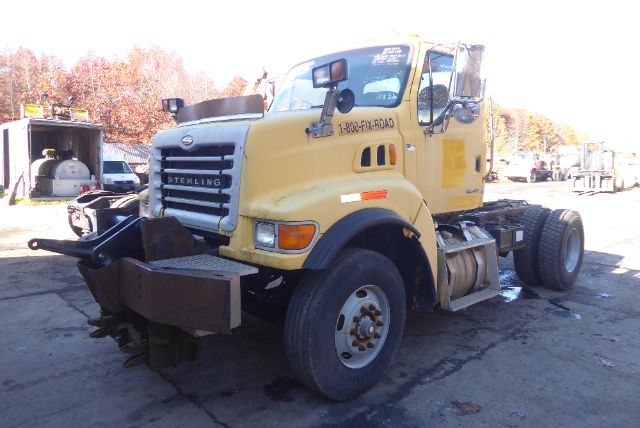

Have 2004 sterling truck to sell? List it here to reach thousands of buyers.
2004 Sterling Trucks
For most buyers, the first decision is chassis class and powertrain. A 2004 Sterling can show up with Caterpillar or Mercedes-Benz diesel power depending on model and original spec, and transmissions often include Allison automatics in municipal and vocational service or manual gearboxes in heavier applications. On medium-duty trucks like the Acterra, common considerations include GVWR, cab-to-axle length, and whether the truck has enough front axle capacity for plow gear, hydraulics, or a heavier body. On heavier L8500 or LT-series trucks, look closely at rear axle ratings, suspension type, gearing, PTO setup, wetline hydraulics, and brake configuration. A truck with a high numerical rear ratio may be ideal for snow and dump work but less attractive if the plan is longer road miles.
Body and upfit condition matters as much as the cab and chassis on a 2004 Sterling. Dump bodies should be checked for floor corrosion, cracked crossmembers, hoist condition, tailgate wear, and any signs of hard municipal use around spreader mounts or plow connections. Box trucks need close inspection around the front corners, roof seams, roll-up door frame, and liftgate operation if equipped. Cab and chassis units can be especially attractive because they allow a buyer to install the exact body needed, but frame condition, frame drilling, and remaining usable cab-to-axle dimension need to match the intended upfit. On older vocational Sterlings, it is also smart to verify that all hydraulic functions, tarpers, PTO engagement, and electrical accessories operate correctly since those systems often determine how quickly the truck can go to work.
Because these are now older trucks, service history and application fit should outweigh cosmetics. Many 2004 Sterling trucks spent their lives in municipal fleets, utility departments, or seasonal snow service, which can mean lower mileage but significant idle hours, corrosion exposure, and repeated PTO use. Buyers should pay attention to engine hours, evidence of dash replacement, steering and suspension wear, brake condition, tire date codes, and rust around cab mounts, spring hangers, and body attachment points. Parts support remains manageable because many components are shared with widely used driveline, brake, and engine suppliers, but confirming engine family, transmission model, and axle make before purchase will make future maintenance easier. A well-specced 2004 Sterling can still be a practical work truck when the chassis, body, and intended duty cycle line up.
Frequently Asked Questions about 2004 Sterling Trucks
What are the most common applications for a 2004 Sterling truck?
A 2004 Sterling truck is most commonly found in vocational service such as dump, plow, spreader, utility, vacuum, box truck, and cab and chassis applications. Models from this period were frequently ordered by municipalities, contractors, and public works departments, so many used examples are built for jobsite durability rather than highway comfort. The right application depends on axle ratings, wheelbase, PTO or hydraulic equipment, and the body already installed on the chassis.
What should I inspect first on a used 2004 Sterling truck?
Start with frame condition, engine and transmission operation, and the body or upfit that makes the truck useful. On older Sterling trucks, rust around the frame rails, crossmembers, cab mounts, spring hangers, and plow or spreader attachment points can matter more than odometer mileage. After that, check PTO engagement, hydraulic performance, brake condition, steering play, suspension wear, tire age, and whether the truck's stated mileage matches available service records and engine hours.
Are 2004 Sterling trucks good for municipal and seasonal work?
Yes, many 2004 Sterling trucks were originally spec'd for municipal duty and remain well suited for seasonal work if they have been maintained properly. Common specs include automatic transmissions, wetline hydraulics, heavy front axles for plow setups, and gearing suited for low-speed operation. The main caution is that municipal service often brings corrosion, long idle periods, and repeated hydraulic use, so condition is more important than the original job description.
Which specs matter most when buying a 2004 Sterling cab and chassis?
The most important specs are GVWR, front and rear axle ratings, wheelbase, cab-to-axle measurement, engine horsepower, transmission type, and whether the truck has PTO or hydraulic provisions. Those numbers determine what body can be installed and how well the truck will handle the load. Buyers planning to add a dump body, flatbed, service body, or snow equipment should also confirm frame length, frame condition, suspension type, and any existing wiring or hydraulic plumbing for the intended upfit.
Is parts and service support still reasonable for a 2004 Sterling truck?
Parts support is still reasonable in many cases because these trucks often use common Caterpillar, Mercedes-Benz, Allison, Rockwell, and standard brake or suspension components. Support can vary by model and engine package, so it helps to confirm the exact engine serial, transmission model, axle make, and brake setup before buying. A truck with well-documented components is usually easier to keep in service than one with missing tags, undocumented modifications, or incomplete fleet records.