
2004 Freightliner Trucks For Sale
Expert guide to 2004 Freightliner trucks covering engines, frames, tare weight and corrosion. Pre-DPF EGR powertrains, inspection tips and specs.
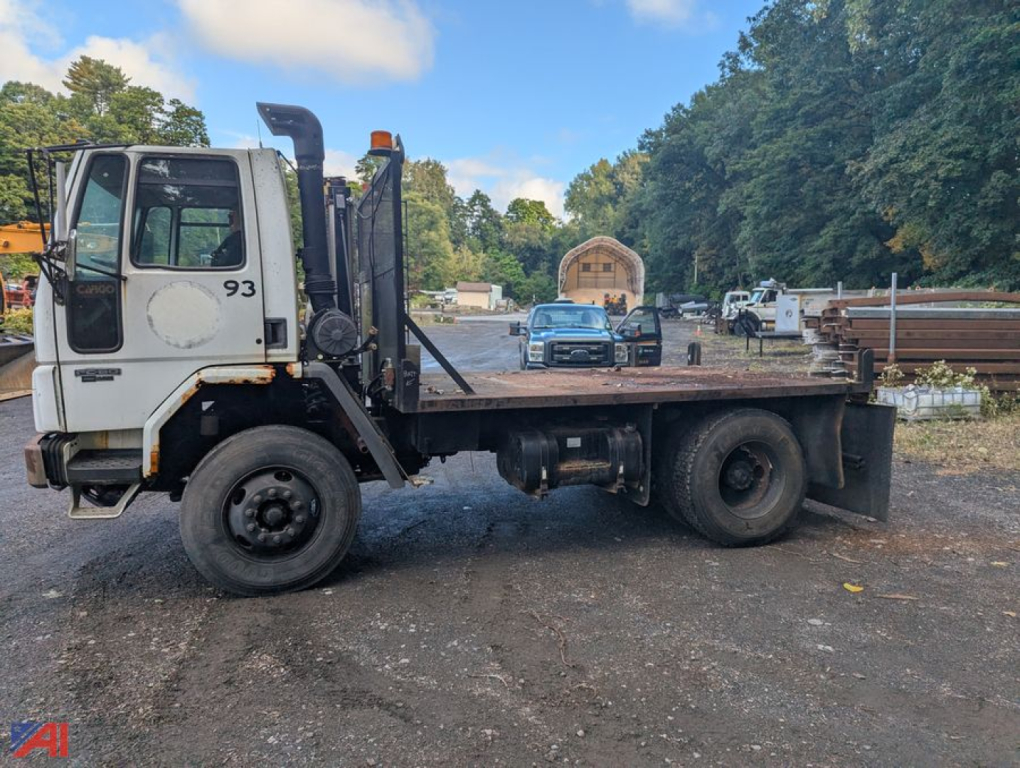
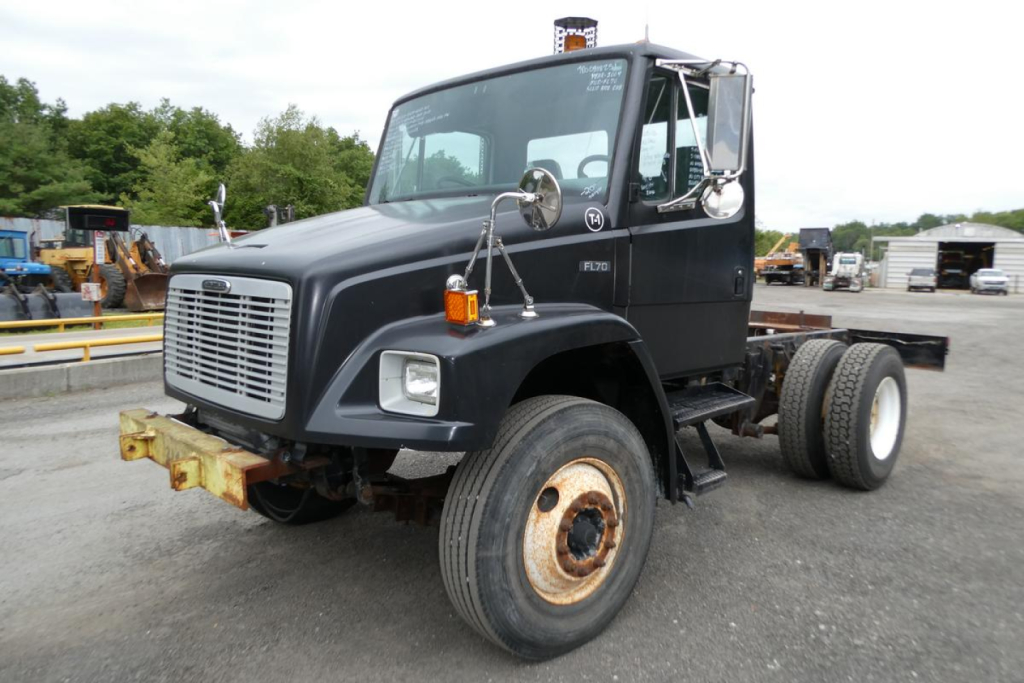
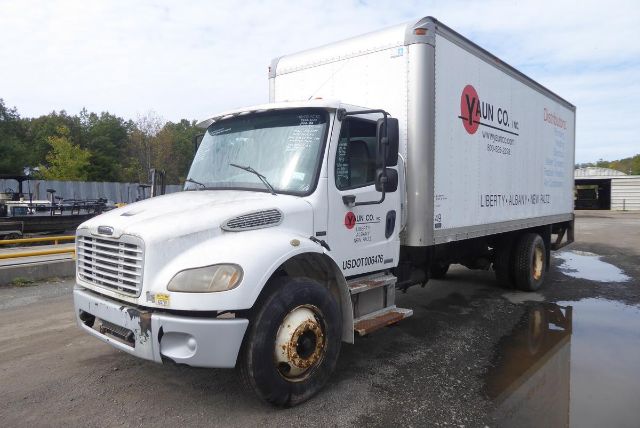
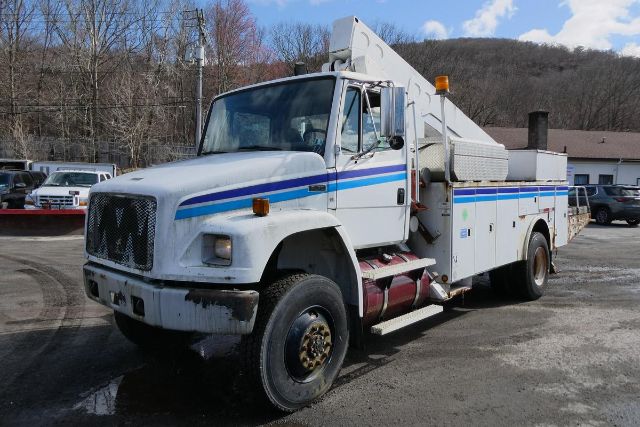

Selling a 2004 freightliner truck? List your 2004 freightliner truck for sale and reach thousands of commercial buyers.
2004 Freightliner Trucks
Powertrains in this model year commonly include Detroit Diesel Series 60 14.0, Cummins ISX CM870, and Caterpillar C13 or C15 ACERT, typically paired with Eaton Fuller 10, 13 or 18 speed manuals and Autoshift. These engines meet the 2004 EPA standard using EGR, no DPF and no DEF, which reduces aftertreatment cost and complexity. The tradeoff is added heat load and EGR related wear, so cooling stack cleanliness, charge air cooler integrity, and EGR cooler and valve condition matter. Verify boost pressure, smoke control and coolant system health, a pressure test can reveal early EGR cooler seepage, and make sure fan hub, radiator, and CAC pass a thermal and pressure check.
Cab and sleeper structures use aluminum skins with steel substructures, floor strength is generally robust for daily service and for inverter or APU mounting when proper backing plates are used. On straight trucks with van or reefer bodies, examine hardwood or composite floor planks for fastener pull through and crossmember deflection, look at scuff liners and rear threshold plates for impact damage. Thermal integrity hinges on door and window seals, sleeper insulation, HVAC blend doors and blower performance, and for reefers, box foam and thermal breaks. Uneven temps, rapid frosting or long compressor duty cycles point to insulation or airflow issues, parts support for HVAC remains strong.
Performance and durability come down to axle ratings, gear ratio and chassis spec. A 40k tandem with 3.55 to 3.90 ratios suits highway and regional freight, 46k tandems and double frames raise tare but add RBM and off road resilience. Confirm ECM verified miles, maintenance history, recent overhead set, dyno results and oil analysis. Inspect fifth wheel locks, slider rails and airline routing, check steering gear lash, kingpin interface wear and suspension bushings. Corrosion commonly shows around suspension hangers, cab mounts, fuel tank straps and radiator supports, remediation with proper prep and epoxy coatings can extend service life. A clean harness, dry cab and tight front end signal a truck ready to earn without surprises.
Frequently Asked Questions about 2004 Freightliner Trucks
Are 2004 Freightliner trucks pre emissions, and do they use DPF or DEF
Most 2004 Freightliner trucks meet the EPA 2004 standard with cooled EGR, they do not use diesel particulate filters or DEF systems. The benefit is simpler exhaust hardware and lower aftertreatment cost. The tradeoff is higher underhood heat and potential EGR cooler or valve service, so cooling system condition and charge air cooler integrity deserve close attention.
Which engines are common in 2004 Freightliner trucks, and what should I inspect
Typical options include Detroit Diesel Series 60 14.0, Cummins ISX CM870, and Caterpillar C13 or C15 ACERT. Verify ECM mileage, check for blow by and oil consumption, inspect EGR cooler for pressure loss, confirm turbo and CAC hold boost, and review maintenance records for regular valve set and fuel system service. A dyno pull and oil analysis provide a clear read on bearing and ring health.
How do I evaluate frame strength and corrosion on a 2004 Freightliner
Review frame rail spec and RBM to match the application, single 110k to 120k psi rails are common for highway work, double frames appear on heavier vocational builds. Inspect around suspension hangers, fifth wheel brackets, battery boxes, cab mounts and radiator supports for scale and delamination. Probe flaking areas with a pick, measure web and flange thickness where pitting appears, and plan for proper prep and epoxy topcoat if surface rust is present.
What tare weight should I expect, and how can I reduce it
A 2004 Freightliner day cab tandem tractor often scales around 16,500 to 18,000 pounds depending on wheelbase and spec, a mid roof or raised roof sleeper can run 17,500 to 19,500 pounds or more. Tare can be reduced with aluminum wheels, aluminum air tanks, smaller or single fuel tanks sized to route length, a lighter fifth wheel, and highway oriented suspensions. Heavier tandems, double frames and vocational components add significant curb weight but bring durability for off road duty.
What thermal and HVAC checks matter on older Freightliner cabs and sleepers
Check blower speeds, temperature blend and mode control, verify vent outlet temperatures at idle and high idle, and inspect heater control doors for full travel. Look for condenser fin damage and clogged charge air or radiator cores, confirm fan engagement and shroud integrity. For straight trucks with van or reefer bodies, assess door seals, scuff liner gaps and floor insulation, poor thermal integrity shows up as uneven box temperatures and long compressor duty cycles.