
Tico Trucks For Sale
Expert guide to Tico terminal tractors and yard spotter trucks. Compare DOT vs off-road specs, powertrains, lift capacities, and key options.
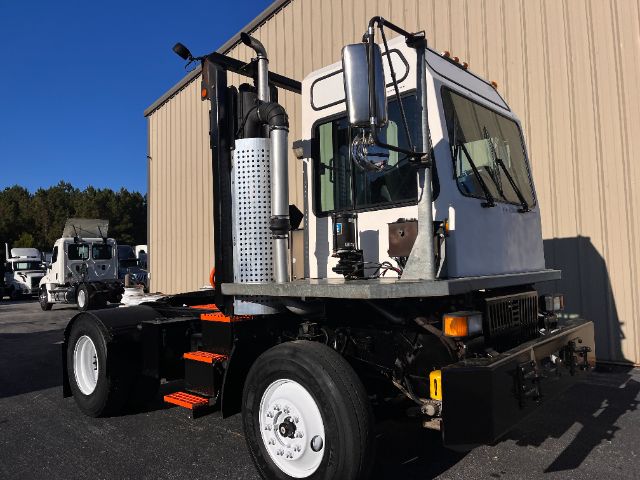
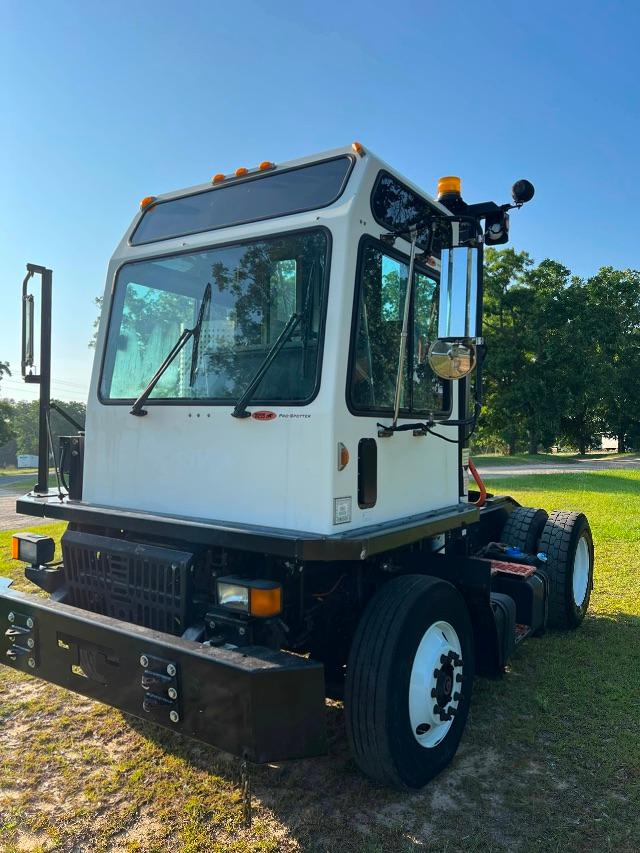
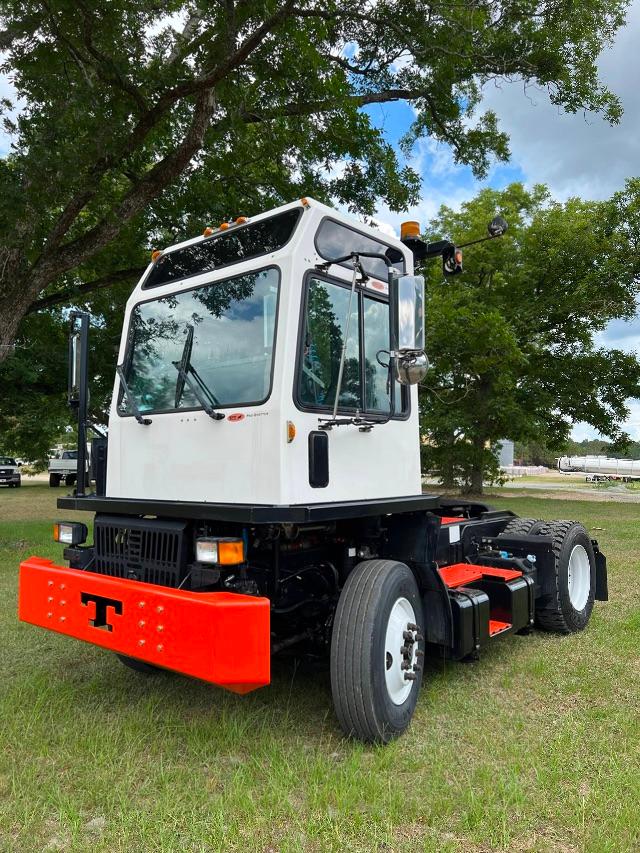
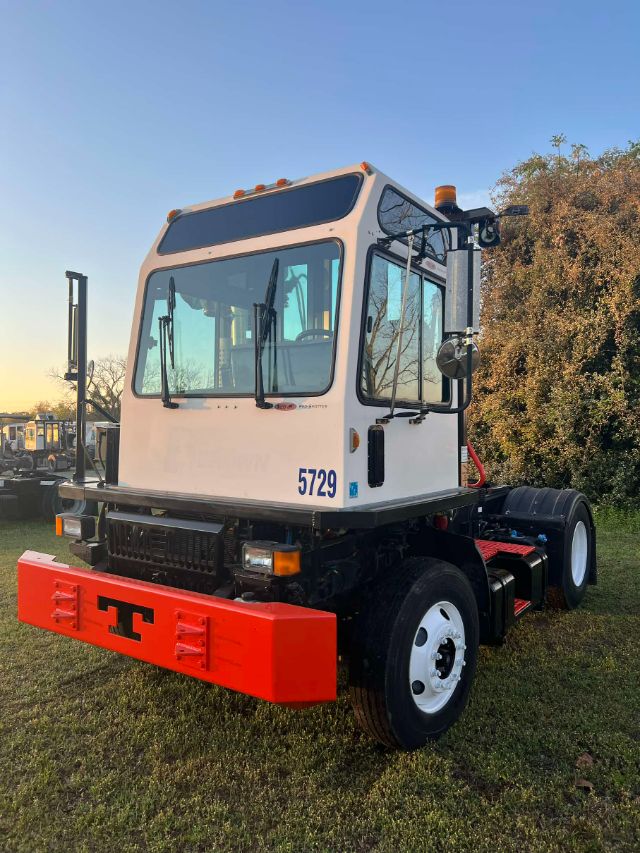
Selling a tico truck? List your tico truck for sale and reach thousands of commercial buyers.
Tico Trucks
Powertrains are commonly Cummins 6.7 liter diesel across multiple emissions generations, paired with Allison automatic transmissions in the 2000 or 3000 series for low-speed durability and smooth direction changes. Axle ratings typically run 12k front with 30k to 40k single rears, with tandem rears available for steep ramps, soft yards, and heavy container work. Expect drum brakes with ABS, 11R22.5 tires, air or rubber block suspensions, and options like automatic lubrication, engine block heaters, and high-capacity cooling packages for hot or high-dust environments. Tico emphasizes uptime details such as sealed electrical harnesses, corrosion-protected components, and bolt-on service parts that reduce downtime.
The hydraulic fifth wheel is the heart of a spotter. Common specs include a JOST or equivalent plate with 70k to 80k lift rating and roughly 15 to 17 inches of lift, controlled in-cab for fast trailer swaps. Short wheelbases deliver tight turning in congested distribution centers, while longer wheelbases and tandem rears improve stability on grades and scale-house approaches. Deep rear axle ratios aid startability with heavy chassis, and full-locking differentials or inter-axle locks are valuable on wet docks and gravel. Lighting packages, rear-view cameras, and additional work lamps reduce incident rates during night operations.
When comparing units, prioritize hours over miles and review aftertreatment history on EPA units for signs of frequent regens or component replacements. Inspect fifth wheel plate wear, lift cylinder operation, and pivot pins and bushings for slop. Look for hydraulic leaks, wiring repairs, frame and crossmember corrosion, and cooling stack cleanliness, since yard duty is high idle and high dust. Match configuration to workload: off-road single axle for flat DCs with light trailers, DOT single axle for street shuttles, tandem rears for ports and intermodal with heavy containers, and consider options like auto-lube, air ride cab, heated mirrors, and additional catwalk protection for 24-7 operations in harsh climates.
Frequently Asked Questions about Tico Trucks
What is the difference between a Tico DOT terminal tractor and an off-road model?
DOT units are equipped for limited public-road use with compliant lighting, mirrors, ABS, road-legal tires, and EPA on-road aftertreatment systems using DEF and a DPF. They generally weigh more and have additional wiring and safety features. Off-road models are intended for private property, often have simplified emissions packages appropriate to non-road standards for their build year, and are typically lighter, less complex, and lower cost to acquire.
What fifth wheel lift capacity and height should I look for on a Tico yard spotter?
Most buyers target a 70,000 to 80,000 pound lifting fifth wheel with approximately 15 to 17 inches of vertical travel. This allows efficient spotting of loaded dry vans and container chassis, helps clear dock plates and yard humps, and reduces the need to crank landing gear. Two-speed or high-flow hydraulic lift options speed up cycle times in busy yards.
Which engines and transmissions are common in Tico Pro-Spotter trucks?
Cummins 6.7 liter diesels are prevalent across multiple emissions generations in both on-road and off-road builds. Older units may feature earlier Cummins ISB or ISL variants. Transmissions are typically Allison 2000 or 3000 series automatics with converter drive and multiple reverse ratios, chosen for durability in constant stop-start work and precise low-speed control during coupling.
How do I evaluate hours and condition on a used Tico terminal tractor?
Hours are more indicative than miles for yard duty. Review ECM hours, idle time, and aftertreatment service records on EPA units. Inspect the fifth wheel plate, lift cylinder operation, and the condition of pivot pins and bushings. Check for hydraulic leaks, wiring repairs, frame and crossmember corrosion, suspension bushings, brake lining life, and cooling stack cleanliness. A road test should confirm smooth engagement, firm hydraulic lift, proper ABS function, and tight steering with no excessive play.
Should I choose single axle or tandem axle for my operation?
Single axle units are lighter, more maneuverable, and cost less to maintain, making them ideal for flat distribution centers and moderate trailer weights. Tandem axles add traction and stability for steep ramps, soft yards, heavy container work, and operations that regularly handle maximum gross weights. If you operate in wet or unpaved yards, prioritize tandem rears and locking differentials along with deeper axle ratios for better startability.