
Tico Trucks For Sale in Georgia
Browse Tico trucks for sale, including Pro-Spotter yard tractors with Cummins power, Allison automatics, DOT-ready specs, and low-hour options.
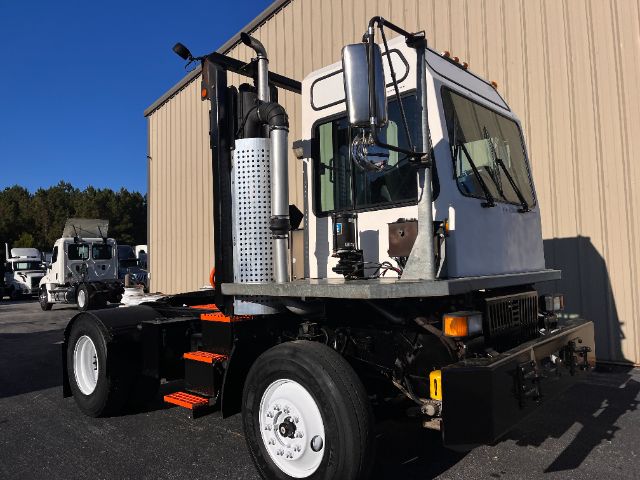
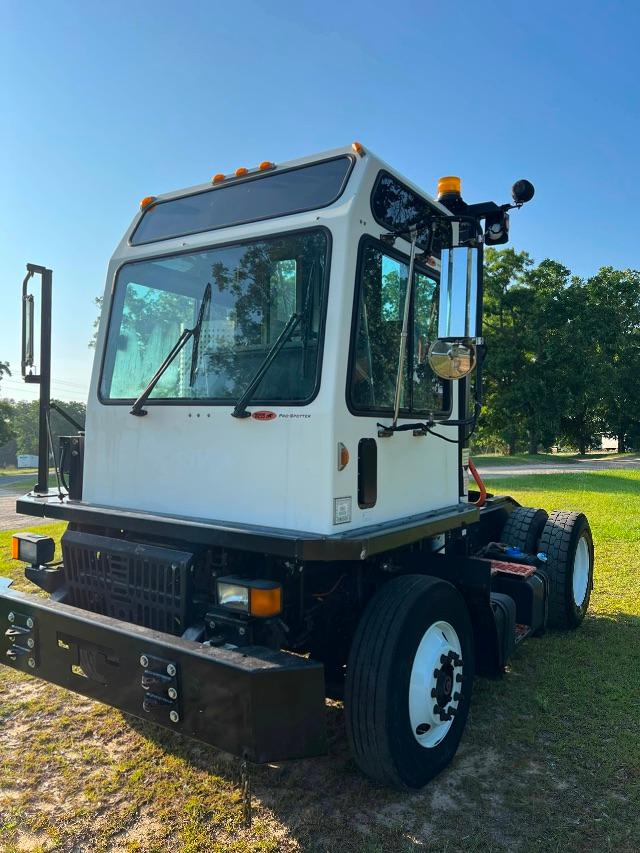
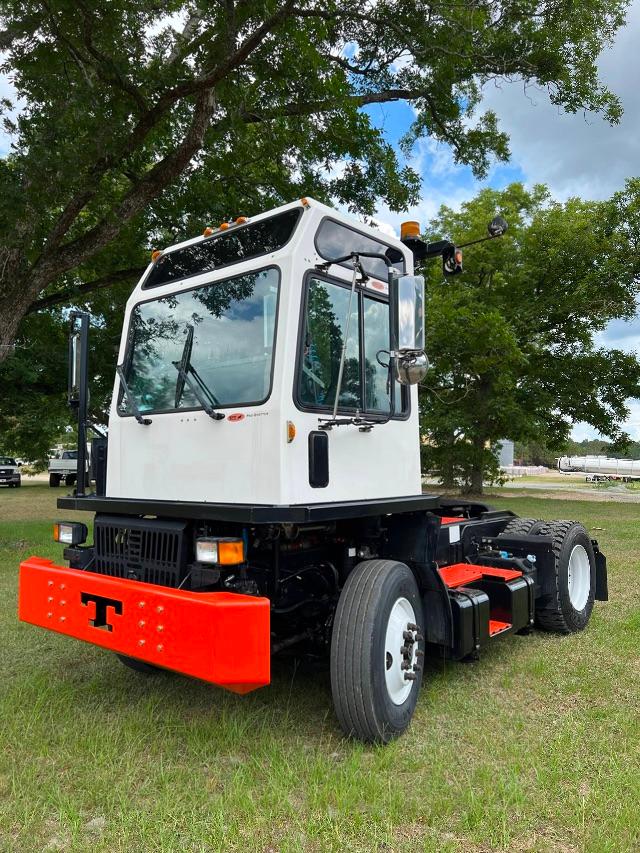
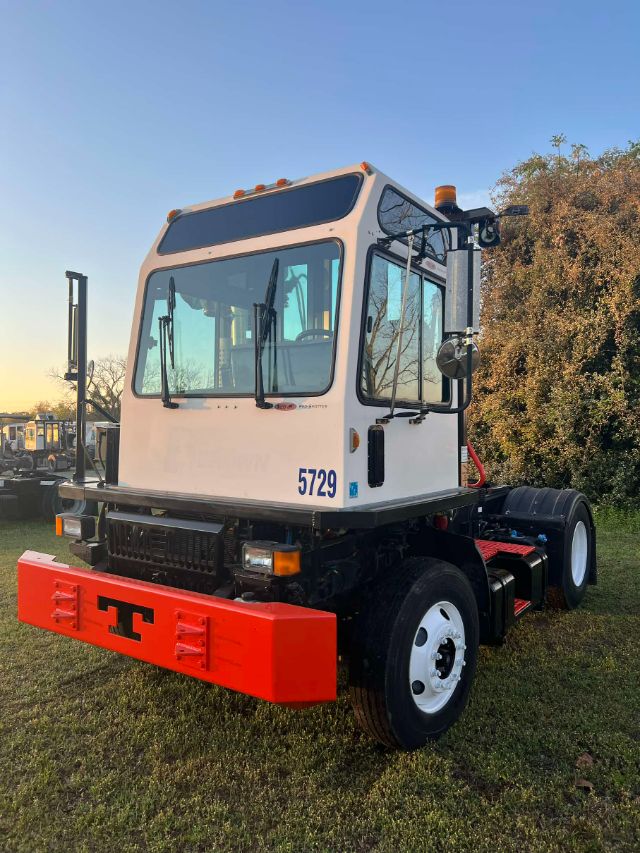
Selling a tico truck? List your tico truck for sale and reach thousands of commercial buyers.
Tico Trucks in Georgia
A key buying decision is whether the truck is strictly off-road yard use or DOT-legal for short on-road moves between facilities, drop lots, or nearby terminals. Many Tico trucks are spec'd as 4x2 single-axle units with around a 36,000 GVW, air conditioning, power steering, and a hydraulic fifth wheel for quick trailer engagement. If on-road use matters, confirm the truck's lighting, brake configuration, registration status, and any recent inspection documentation. In Georgia and across the Southeast, DOT-ready yard tractors can be especially useful for operations that need one truck to handle both gate work and short public-road transfers.
Condition matters more on a yard tractor than paint or trim. Buyers should pay close attention to engine hours, transmission shift quality, fifth wheel lift performance, cooling system condition, cab step wear, seat base condition, and the overall feel of the hydraulics during repeated trailer hookups. Tire condition, brake life, and signs of frame or rear suspension fatigue are also worth checking closely. On used Tico Pro-Spotter trucks, a southern service history can be a plus if rust and corrosion are concerns, especially around the cab, electrical connections, and chassis components.
For fleet buyers, Tico trucks make sense when uptime, driver turnover, and trailer throughput are more important than highway speed. Their design emphasizes visibility, simple ingress and egress, and repeated coupling cycles over long-haul comfort. A well-kept Tico can be a cost-effective answer for warehouses, food distribution centers, container yards, and manufacturing campuses that need reliable trailer spotting without stepping up to a road tractor for every move.
Frequently Asked Questions about Tico Trucks in Georgia
What is a Tico truck used for?
A Tico truck is primarily used as a terminal tractor for moving semi-trailers around a yard, warehouse complex, port, or industrial site. Its main job is spotting trailers at docks, staging loaded or empty trailers, and handling frequent short moves with fast entry and exit from the cab. Some units are also equipped for limited DOT-legal road use between nearby facilities.
Are Tico Pro-Spotter trucks road legal?
Some Tico Pro-Spotter trucks are road legal, but not all of them are configured the same way. A DOT-ready unit typically has the required lighting, braking, and registration setup for short public-road operation. Buyers should verify the exact legal status of the truck, because a yard-only tractor and a DOT-spec spotter can have different value and different operating flexibility.
What engine and transmission are common in Tico yard trucks?
Many Tico yard trucks are equipped with a Cummins ISB 6.7L diesel engine and an Allison automatic transmission. This is a common and practical combination for yard work because it delivers dependable low-speed performance, simple operation for multiple drivers, and broad service familiarity across commercial truck shops.
What should I inspect on a used Tico truck?
The most important areas to inspect are engine hours, cold-start behavior, transmission engagement, fifth wheel hydraulics, cooling system condition, brakes, tires, steering response, and any signs of chassis or cab corrosion. Buyers should also look at step wear, seat condition, electrical function, and maintenance records, because a yard tractor lives a hard stop-and-go duty cycle even when the odometer stays low.
Why do fleets choose a Tico over a road tractor for yard work?
Fleets choose a Tico because a terminal tractor is built specifically for repetitive trailer spotting. It usually offers better visibility, quicker cab access, easier trailer hookups, and more efficient low-speed maneuvering than a conventional road tractor. That purpose-built layout can improve yard productivity and reduce wear associated with using over-the-road equipment for constant docking moves.