
Commercial Trucks For Sale in New Mexico
Commercial trucks for sale in New Mexico. Compare specs, axles, powertrains and cooling packages for heat, altitude and rough lease roads.
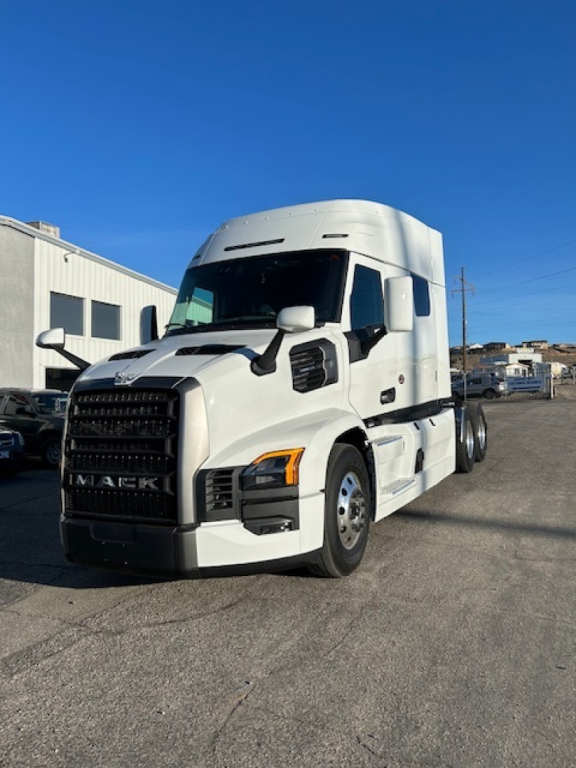
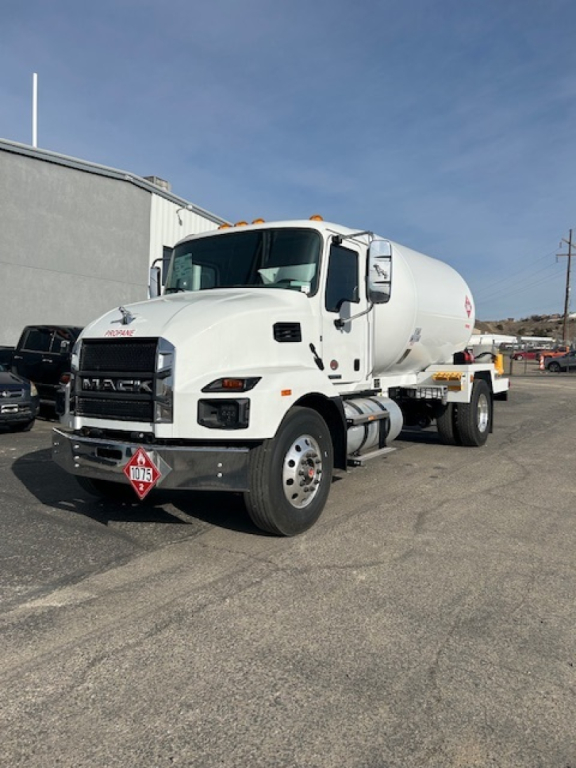
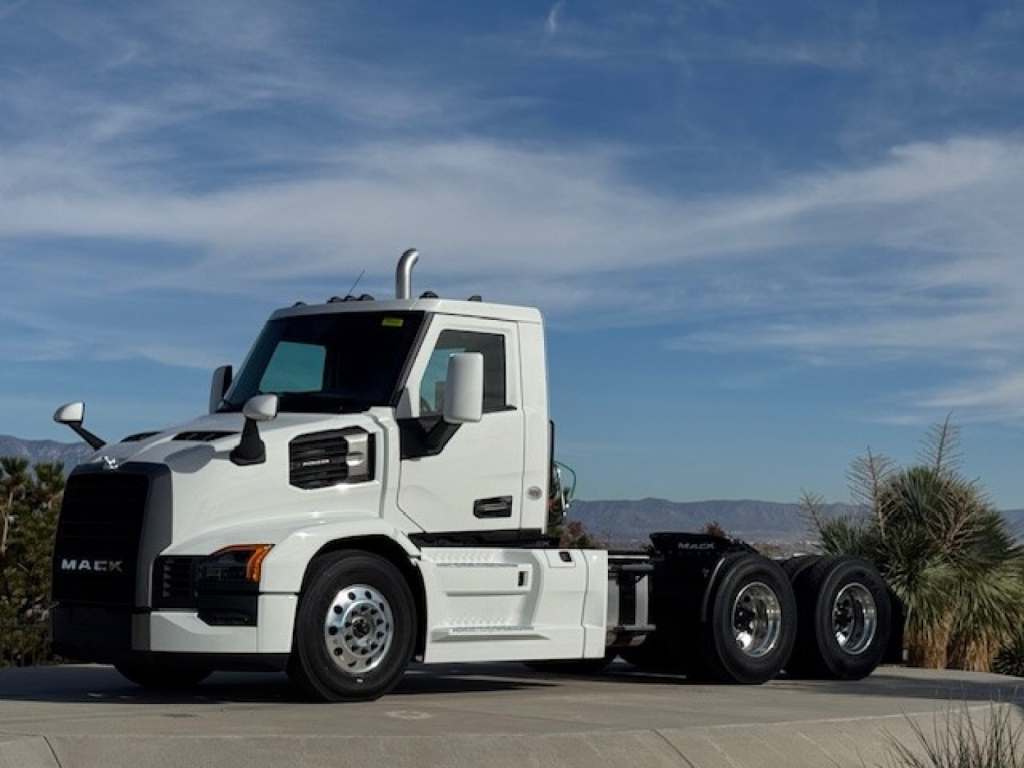
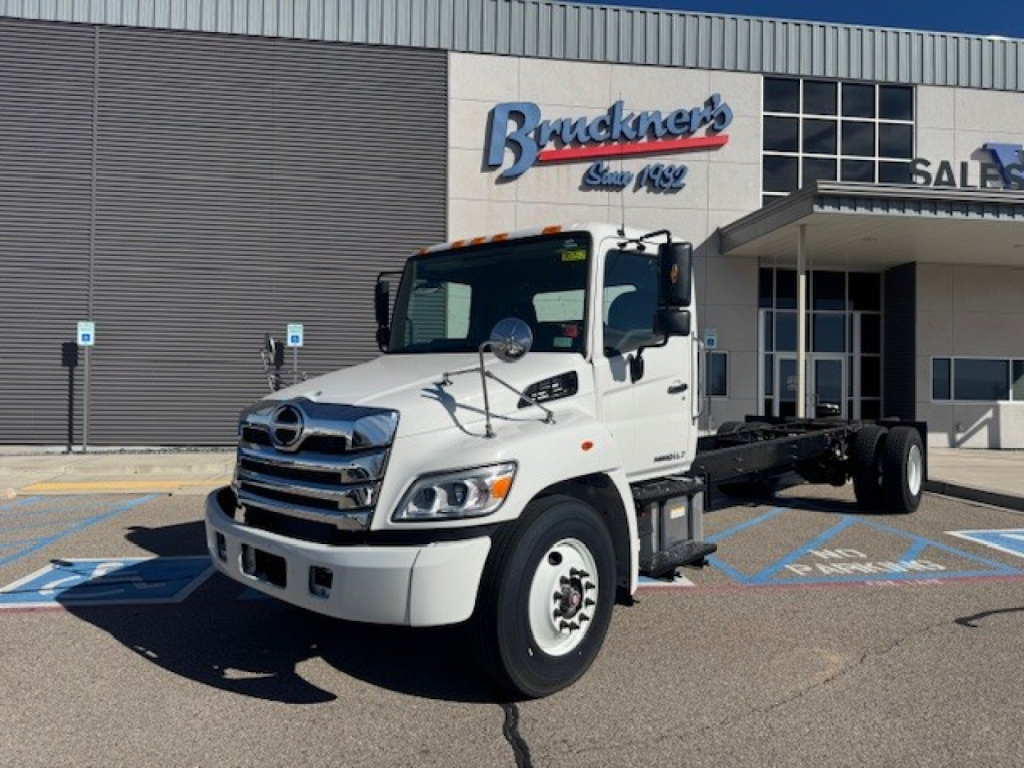
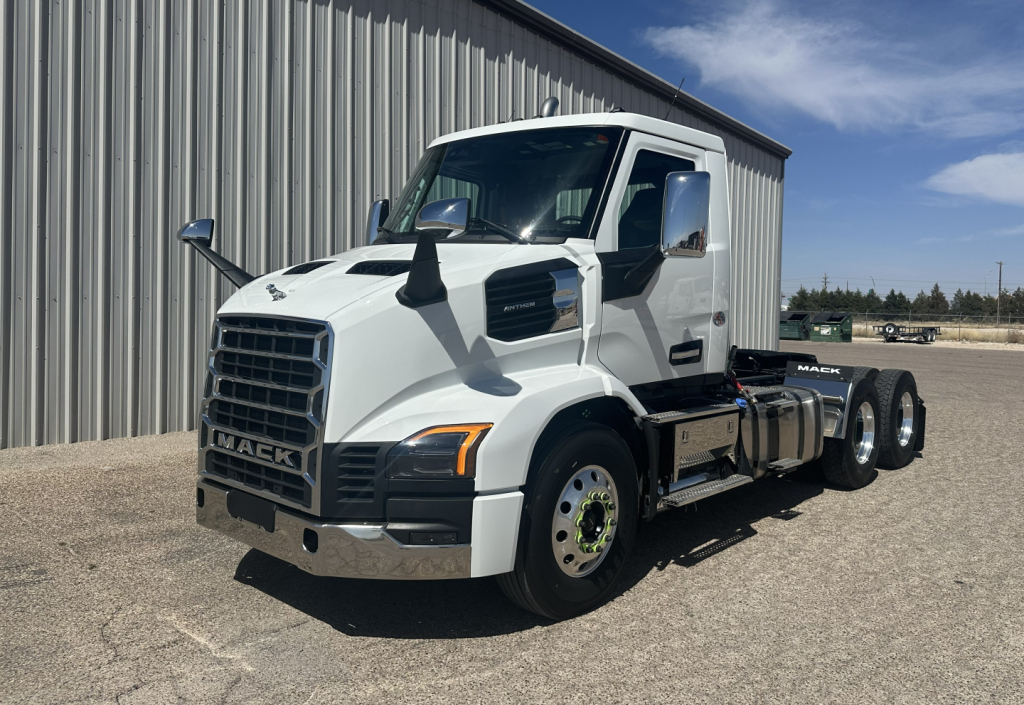
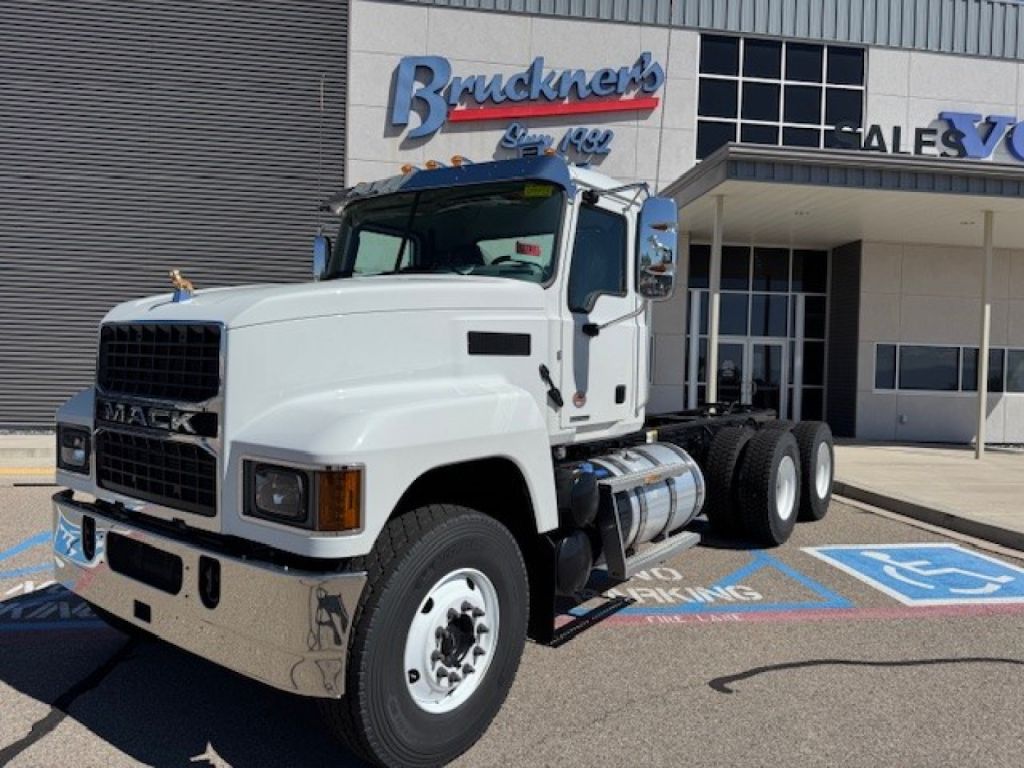
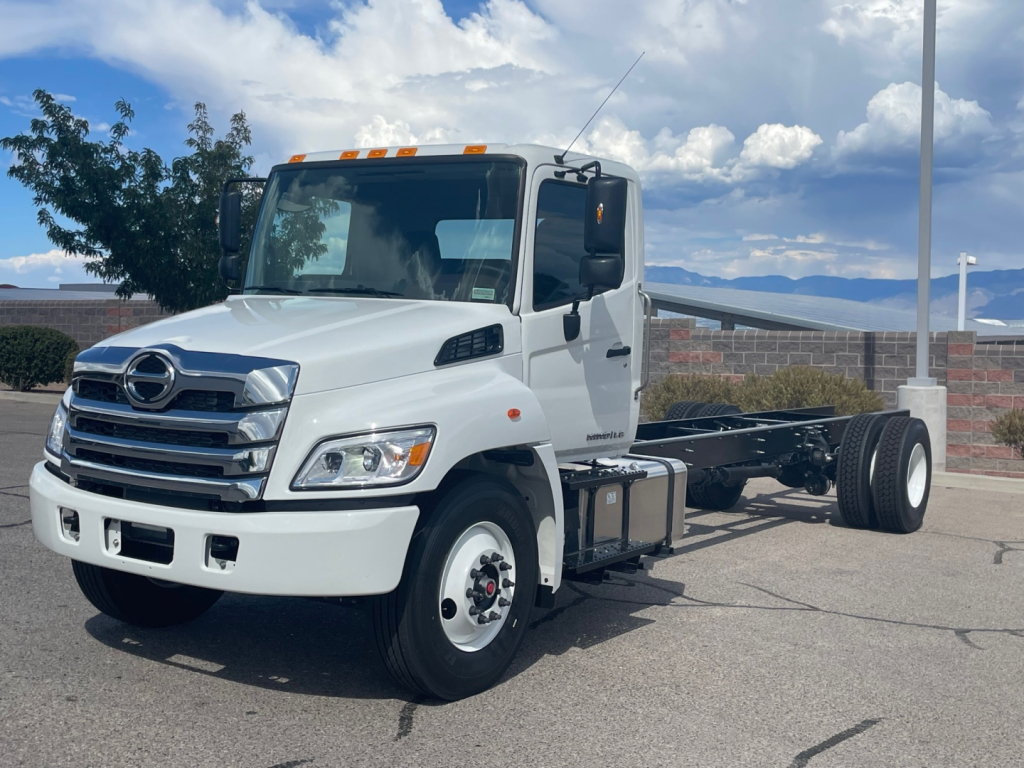
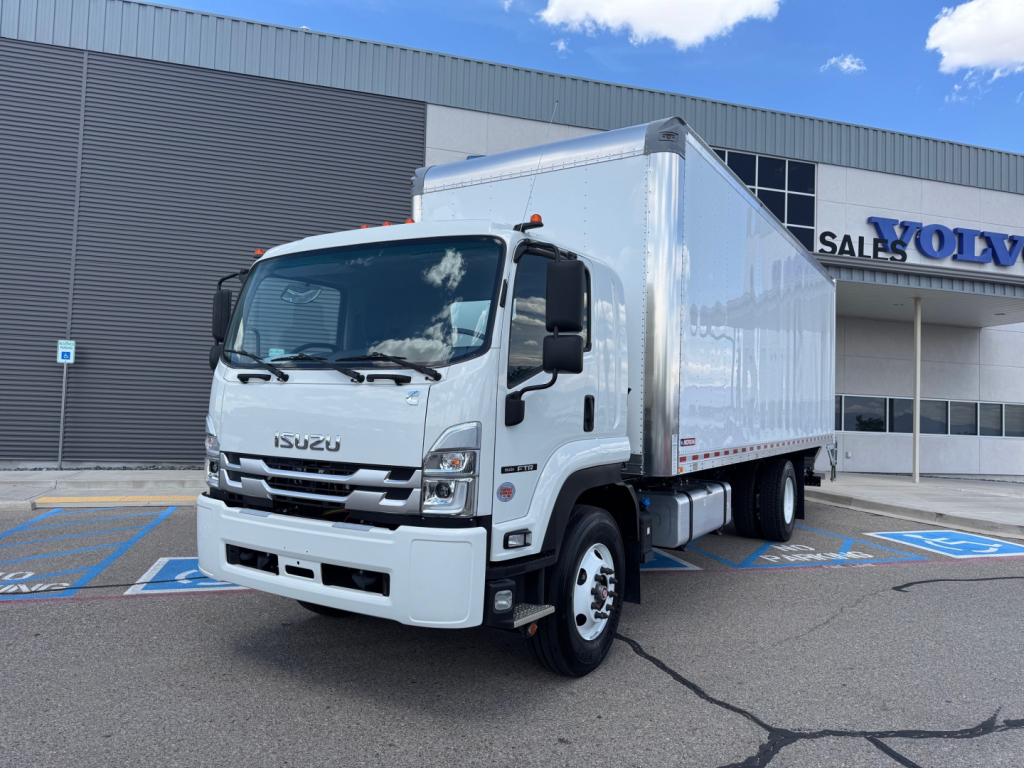

Selling a commercial truck? List your commercial truck for sale and reach thousands of commercial buyers.
Commercial Trucks in New Mexico
Class 4 through Class 8 chassis cover most commercial needs in the state. Single-axle 4x2 trucks fit city delivery and lighter bodies with tighter turning in Albuquerque or Las Cruces. Tandem 6x4 and 8x4 setups carry higher legal payloads for construction, oilfield and aggregate. Frame spec drives durability: look for higher RBM frame rails, inner liners or double frames under dumps and roll-offs, plus front frame extensions for plows or winches in northern counties. Body compatibility is defined by wheelbase, CA/CT dimensions and PTO provisions, so match the chassis to the intended body upfit, whether that is a flatbed, box, service body, crane, water truck or small dump.
Powertrain and driveline choices trade finesse for durability. Automated manuals deliver good fuel economy in mixed terrain and take heat off the driver on steep grades, while fully automatic transmissions like Allison shine in stop-start refuse, utility and oilfield support. Spring suspensions are tough and predictable off-highway; air ride improves ride quality and helps protect sensitive cargo in reefer and dry van bodies. For heavier vocational work in the Permian fringe, walking beam or heavy-duty vocational air rides reduce wheel hop and improve traction. Spec sealed electrical connectors, high-flow air filtration with restriction gauges and robust A/C systems to handle dust and high ambient temperatures. Aftertreatment health is critical in low-speed, high-idle service, so confirm recent DPF service records and SCR function.
Regional operating realities affect cost and compliance. New Mexico observes the federal 80,000 lb interstate limit, with permits available for specialized configurations. If the truck will cross into CARB states, verify engine model year and emissions labels against destination requirements before you commit. Desert and high-plains trucks often show minimal rust, which is a plus for frames and brake hardware, but UV exposure can age plastics, dashes, seats and exterior rubber. Inspect tires for sidewall checking, cab and body seals for dryness, and cooling systems for scale or seepage. The right combination of axle configuration, cooling capacity, gearing and suspension will pay off across long stretches of highway, hot job sites and high-elevation routes common in New Mexico.
Frequently Asked Questions about Commercial Trucks in New Mexico
What specs help a truck perform in New Mexico heat and altitude?
Prioritize a high-capacity cooling package, larger charge-air cooler and heavy-duty A/C components. Turbocharged diesels are preferred at elevation, paired with gearing that balances startability and cruise RPM. An engine brake is valuable on mountain descents, and high-flow air filtration with a restriction gauge helps manage dust on lease roads.
Are New Mexico trucks less rusty, and what should I watch for instead?
Dry climate usually means less frame and underbody rust, which is a plus. Trade-offs include UV aging of plastics and interiors, sun-checked tires, dried cab and body seals and dust intrusion. Inspect wiring insulation, rubber hoses, door and window seals, A/C performance and tire sidewalls, and check for fine dust in air boxes and cab filters.
Should I choose single axle or tandem for New Mexico applications?
Single-axle 4x2 trucks suit lighter bodies, urban routes and weight-sensitive delivery with better maneuverability. Tandem 6x4 or 8x4 configurations increase legal payload and traction for construction, aggregate and oilfield work. Match axle count and ratings to your heaviest regular payload and the road conditions you will see off pavement.
Which suspension works best on oilfield and ranch roads?
For rough lease and ranch roads, spring suspensions and heavy-duty vocational air or walking beam designs hold up well and maintain traction. Air ride improves ride quality and protects cargo on paved routes but may need higher-capacity components for severe service. Evaluate bushing design, torque rods and axle articulation for your terrain.
Do I need to meet California emissions rules if I operate from New Mexico?
Compliance follows where the truck operates, not where it is titled. If you plan to run into California or other CARB states, verify the engine’s model year, emissions certification label and any applicable retrofit or fleet rules before purchase. Confirm requirements with your compliance provider to avoid registration or entry issues.