
Cab and Chassis Trucks For Sale in New Mexico
Compare cab and chassis trucks in New Mexico by GVWR, wheelbase, axle ratings, and PTO-ready specs for box, dump, service, and reefer bodies.
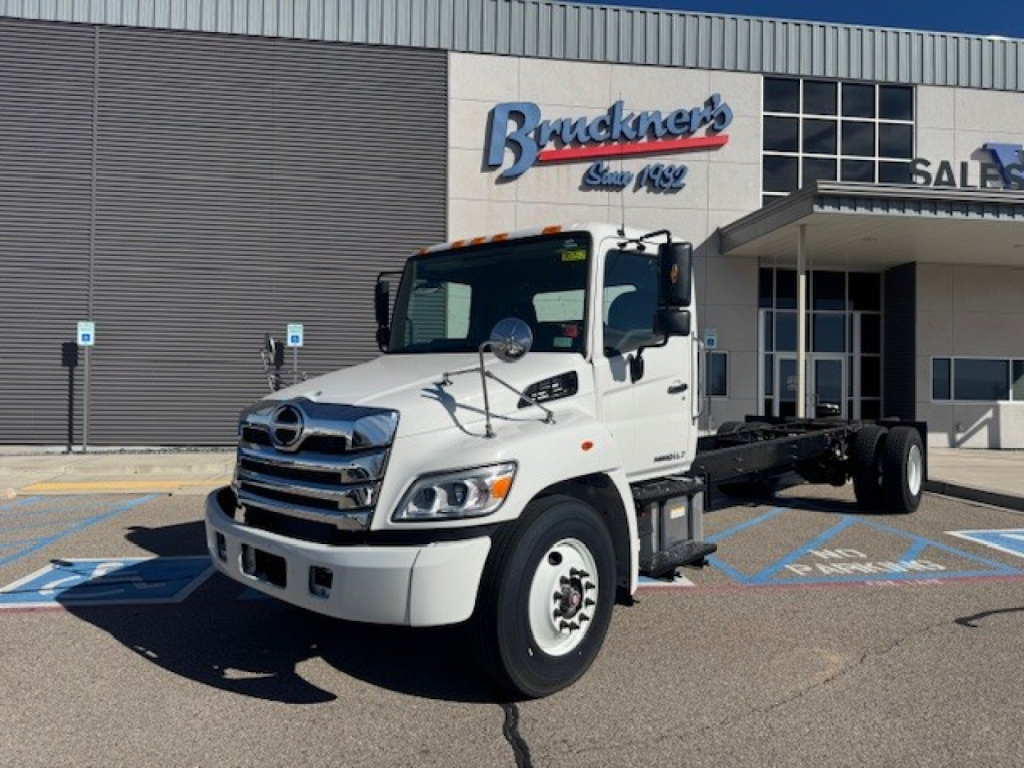
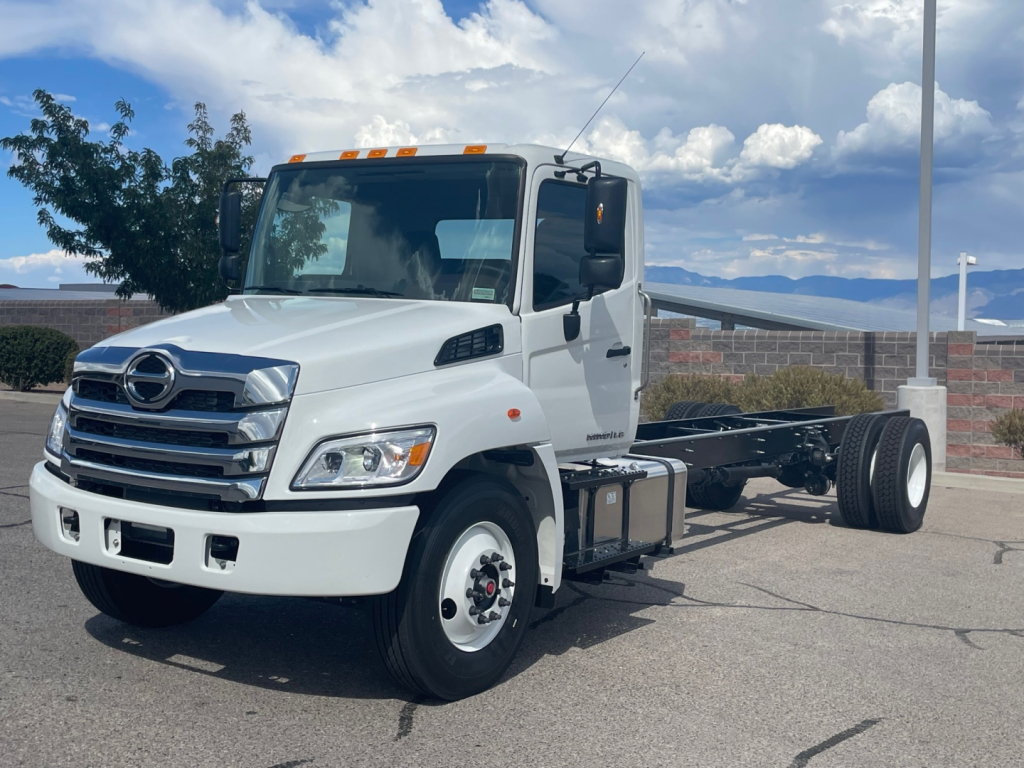
Selling a cab and chassis truck? List your cab and chassis truck for sale and reach thousands of commercial buyers.
Cab and Chassis Trucks in New Mexico
A lot of buying decisions in this segment start with the final body application. A 224-inch to 271-inch wheelbase is common for 20-foot to 26-foot bodies, but exact frame and cab-to-axle dimensions matter more than wheelbase alone when matching a chassis to an upfit. GVWRs in this class commonly run from non-CDL 25,950 to 26,000 pounds up through 33,000 pounds and higher, depending on axle ratings and suspension. Front axles in the 10,000 to 12,000 pound range and rear axles from 19,000 to 23,000 pounds are typical on medium-duty cab and chassis trucks. Engines such as the Cummins B6.7 paired with Allison automatic transmissions remain common because they are familiar to fleets, well supported, and suitable for stop-and-go vocational work.
Specification details matter more on a cab and chassis than on many finished trucks because the wrong frame or suspension can limit the body you can install. Air ride rear suspension can be attractive for delivery or reefer use where ride quality and cargo protection matter, while multi-leaf setups are often chosen for dump, crane, or heavier service body applications. Buyers should also confirm brake type, rear axle ratio, frame strength, PTO provisions, fuel tank placement, and any factory switches or electrical pass-throughs needed for body installation. If the truck will spend time on job sites, a locking differential, heavier rear suspension, and favorable tire and wheel ratings can make a noticeable difference.
For New Mexico operators, route profile and climate should shape the spec. Mountain grades, high ambient temperatures, and long distances between service points make cooling performance, drivetrain gearing, and brake configuration especially important. A non-CDL chassis may simplify staffing, but a higher-GVWR truck can leave more room for payload and upfit weight once the body, liftgate, tools, or refrigeration unit are installed. The best cab and chassis truck is the one sized correctly for the finished build, legal payload, and duty cycle, with enough frame and axle capacity to avoid being maxed out on day one.
Frequently Asked Questions about Cab and Chassis Trucks in New Mexico
What is a cab and chassis truck used for?
A cab and chassis truck is a factory truck chassis delivered with a cab, drivetrain, and bare frame so it can be fitted with a specialized body. Common applications include dry van bodies, refrigerated bodies, flatbeds, stake beds, dump bodies, utility bodies, service bodies, and tow bodies. It is the standard platform for buyers who need a work truck built around a specific operation instead of a fixed factory body.
How do I choose the right wheelbase for a cab and chassis truck?
Wheelbase is important, but cab-to-axle and usable frame length are usually the critical measurements for body fitment. The body manufacturer will typically specify the required cab-to-axle dimension, frame height, and rear overhang limits for a 20-foot, 24-foot, or 26-foot body. A buyer should confirm those dimensions before purchase because two trucks with similar wheelbases may not accept the same body without modifications.
What GVWR should I look for in a cab and chassis truck?
The correct GVWR depends on the combined weight of the chassis, completed body, fuel, driver, passengers, tools, and expected payload. Many buyers target a non-CDL rating around 25,950 to 26,000 pounds for easier driver qualification, while others step into the 33,000-pound class for more legal payload and heavier upfits. The key is to calculate finished curb weight realistically so the truck is not overloaded once it is fully built and working.
Is air ride or leaf spring suspension better on a cab and chassis truck?
Air ride suspension is often preferred for delivery, reefer, and cargo-sensitive applications because it can improve ride quality and reduce shock transfer to the body and load. Leaf spring or multi-leaf suspension is commonly selected for tougher vocational use such as dump, crane, or heavy service applications where durability and load stability are priorities. The better choice depends on the body type, load characteristics, and how much time the truck will spend on pavement versus rough job sites.
What specs matter most before sending a cab and chassis to an upfitter?
The most important items to verify are GVWR, axle ratings, wheelbase, cab-to-axle dimension, frame section, suspension type, brake system, rear axle ratio, fuel tank location, and PTO or body-builder provisions. Buyers should also confirm electrical interface requirements, exhaust routing, and any clearance issues that could affect hoists, liftgates, outriggers, or refrigeration equipment. Getting those details right early prevents expensive delays and rework during the body installation process.