
2025 Cab and Chassis Trucks For Sale in New Mexico
Shop 2025 cab and chassis trucks in New Mexico. Compare GVWR, wheelbase, axle ratings, powertrain, and upfit readiness by application.
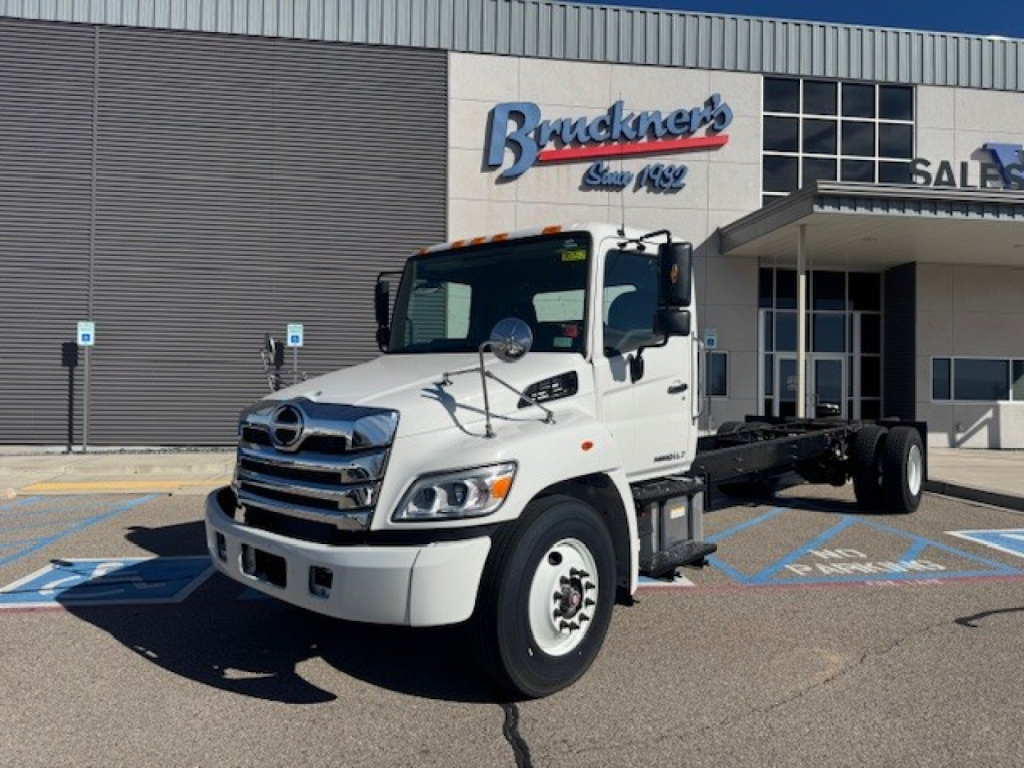
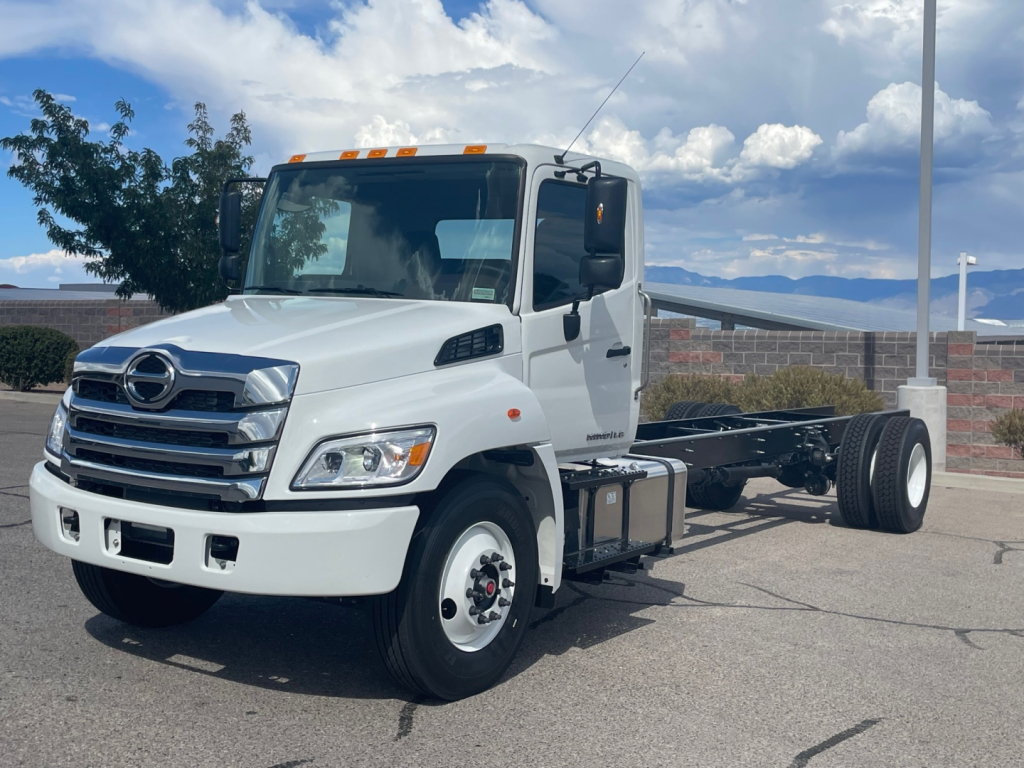
Selling a 2025 cab and chassis truck? List your 2025 cab and chassis truck for sale and reach thousands of commercial buyers.
2025 Cab and Chassis Trucks in New Mexico
The current 2025 market in cab and chassis trucks commonly includes diesel power from engines like the Cummins B6.7 paired with Allison automatic transmissions such as the 2200, 2550, or 3000 RDS series. That combination is popular for a reason. It is straightforward to service, well known to fleet technicians, and well suited for stop-and-go delivery, municipal work, and vocational use. Front axle ratings around 10,000 to 12,000 pounds and rear axle ratings from 19,000 to 23,000 pounds are typical in this segment, with suspension choices ranging from air ride to multi-leaf setups depending on ride quality needs and body type. Air brakes, locking differentials, heavy frame options, and larger fuel tanks can all matter depending on route density, terrain, and daily duty cycle.
Wheelbase selection is one of the most important buying decisions in a cab and chassis truck. Listings in this class often show wheelbases around 224 inches for 26-foot body applications on lighter specs, while longer 271-inch wheelbases are common for 26-foot van bodies and other larger upfits on heavier chassis. The right wheelbase depends on body length, back-of-cab to axle measurement, and required weight distribution across the axles. A buyer should also pay attention to frame height, cab-to-axle dimension, and any factory provisions that simplify the upfit process. If the truck will carry a van body, reefer body, or contractor setup, confirm that the frame and axle package are matched to the finished body weight, not just the empty chassis spec.
For New Mexico operations, application and geography should drive the final spec. Delivery fleets working Albuquerque, Santa Fe, or Las Cruces may prioritize maneuverability, automatic transmissions, and air ride for driver comfort and freight protection. Contractors, utility operators, and rural service fleets may lean toward heavier rear suspensions, locking differentials, and frame strength for rougher jobsite conditions and longer distances between stops. A well-matched 2025 cab and chassis truck gives you flexibility to build the truck around the work, which is why this category remains one of the most practical choices in medium-duty trucking.
Frequently Asked Questions about 2025 Cab and Chassis Trucks in New Mexico
What is a cab and chassis truck used for?
A cab and chassis truck is a stripped chassis with a factory cab that is designed to accept a vocational or delivery body. Common uses include dry van bodies, reefer bodies, flatbeds, stake beds, dump bodies, utility bodies, and service bodies. The chassis is selected first, then the body is matched to the truck’s wheelbase, cab-to-axle dimension, frame strength, and axle capacity.
What GVWR should I choose for a 2025 cab and chassis truck?
The right GVWR depends on the finished body, payload, and whether you need to stay below CDL requirements. A 25,950-lb GVWR chassis is common for non-CDL box truck applications, while 33,000-lb GVWR models are better suited for heavier bodies and higher payload demands. Buyers should calculate the complete upfit weight, including body, equipment, fuel, driver, and cargo, before choosing a chassis.
Why is wheelbase so important on a cab and chassis?
Wheelbase affects body fitment, turning radius, axle loading, and ride quality. It must match the intended body length and the manufacturer’s cab-to-axle requirements. If the wheelbase is too short or too long for the application, the finished truck can have poor weight distribution, limited body options, or handling issues once fully loaded.
Are diesel engines and Allison automatics common in this category?
Yes. Medium-duty cab and chassis trucks are commonly spec'd with diesel engines such as the Cummins B6.7 and paired with Allison automatic transmissions. This setup is widely used because it offers good low-end torque, predictable operation in stop-and-go service, and broad service support across fleet and vocational applications.
What should buyers in New Mexico look for in a cab and chassis truck?
Buyers in New Mexico should match the chassis to terrain, climate, and route type. Urban delivery often benefits from non-CDL GVWR, air ride suspension, and tighter maneuverability, while rural or vocational work may call for higher axle ratings, locking differentials, heavier suspension packages, and a frame spec built for rough surfaces and equipment loads. Cooling performance, fuel capacity, and service access can also matter more on longer regional routes.