
2025 Cab and Chassis Trucks For Sale
Shop 2025 cab and chassis trucks built for dump, box, utility, rollback, and service upfits with the right wheelbase, axle, and PTO setup.
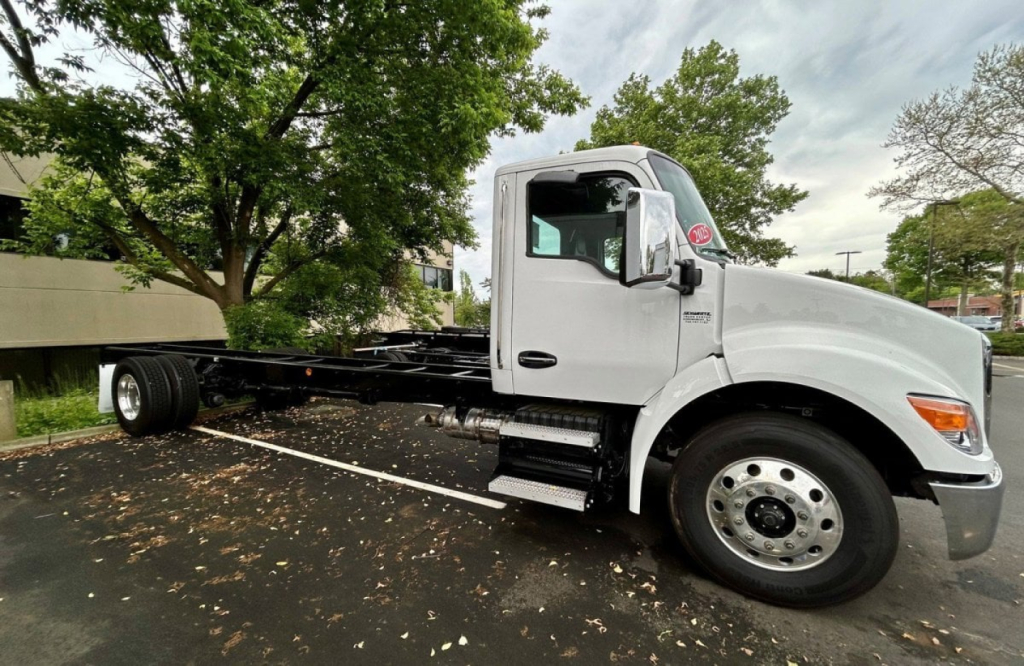
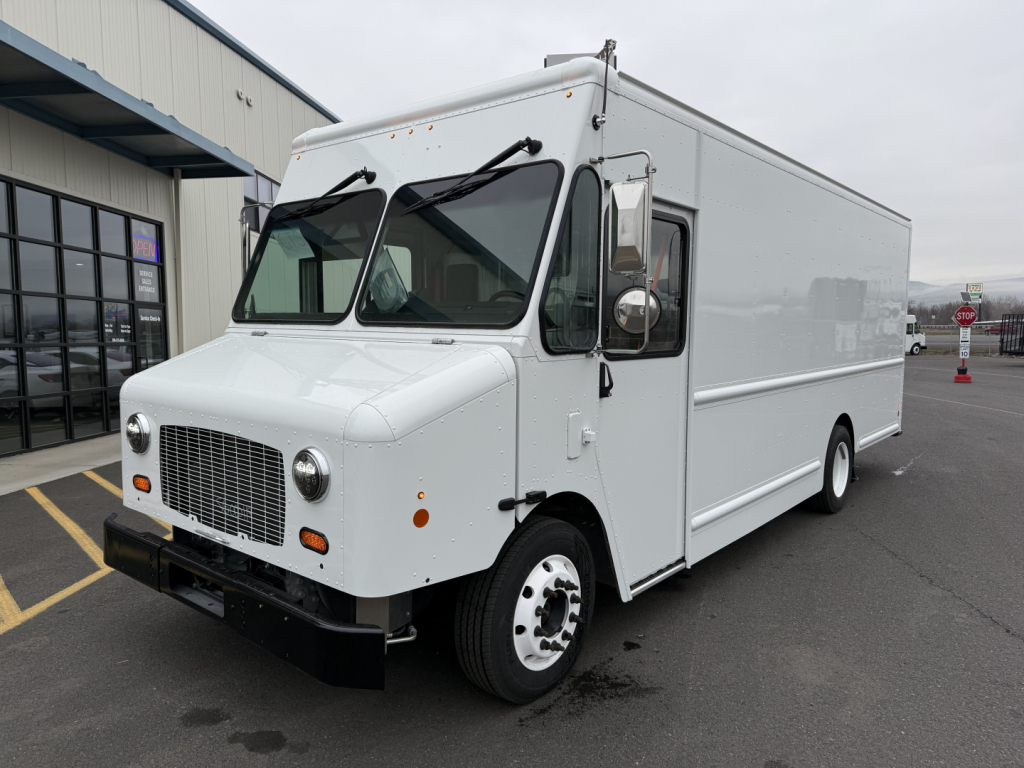
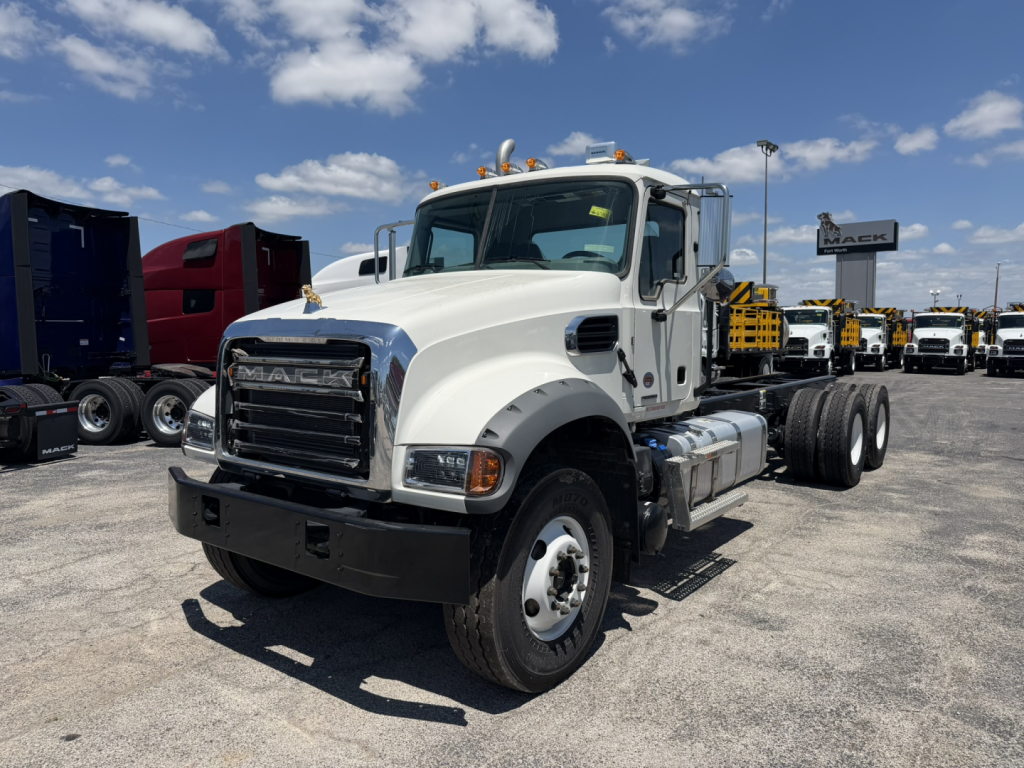
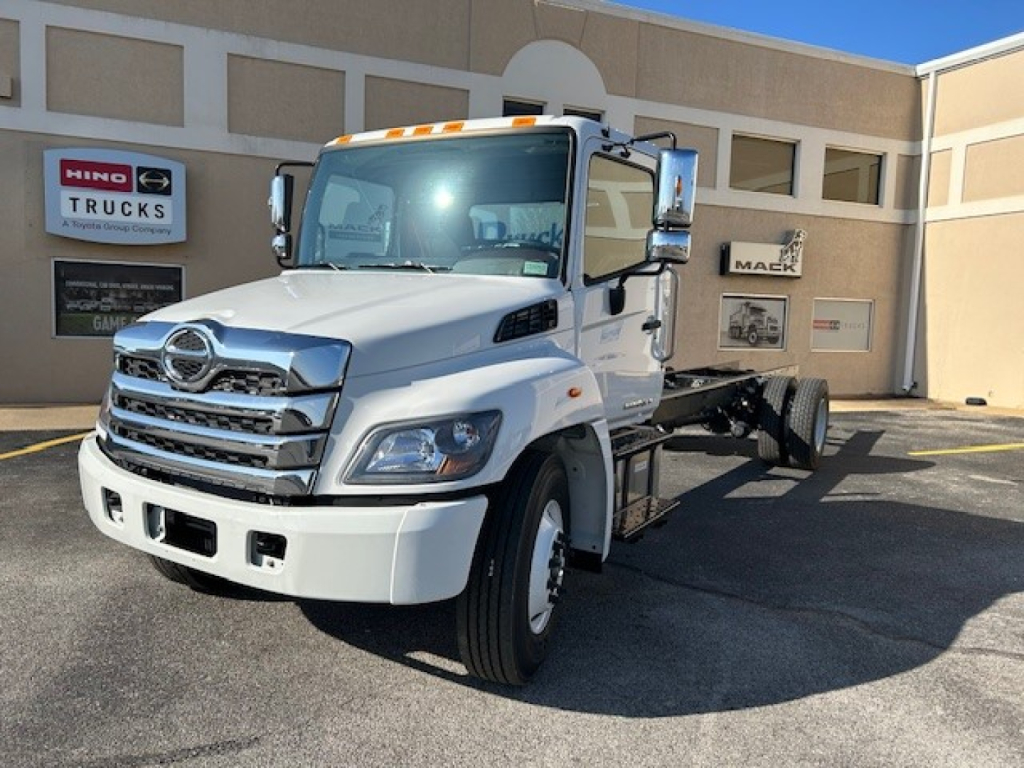
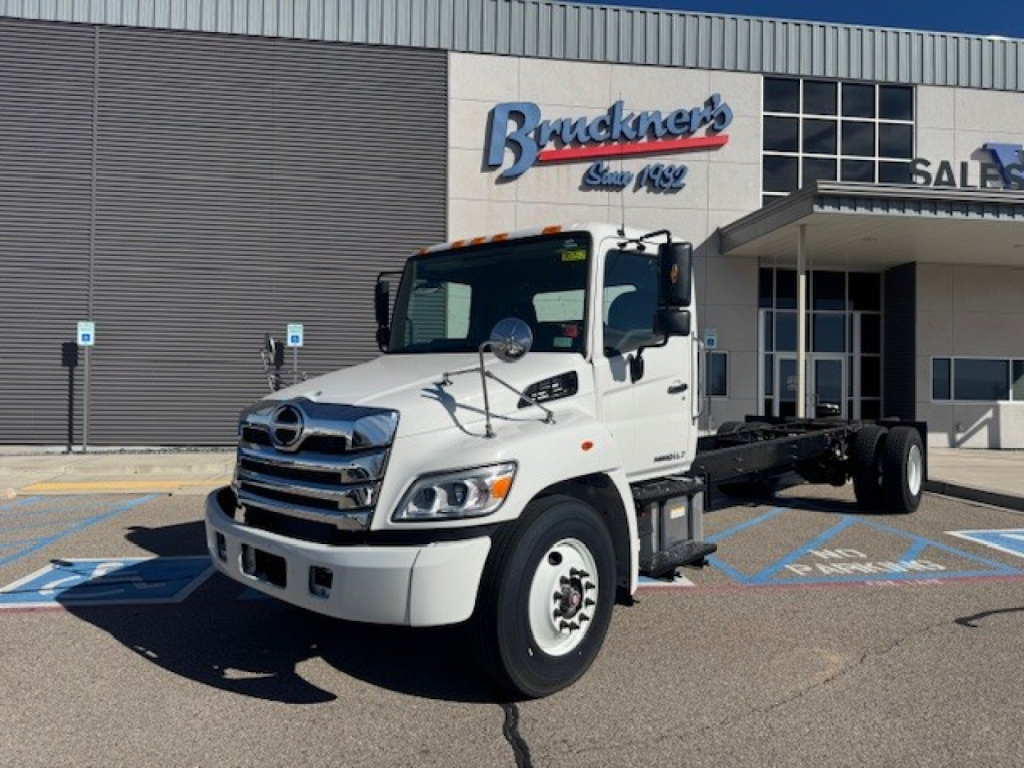
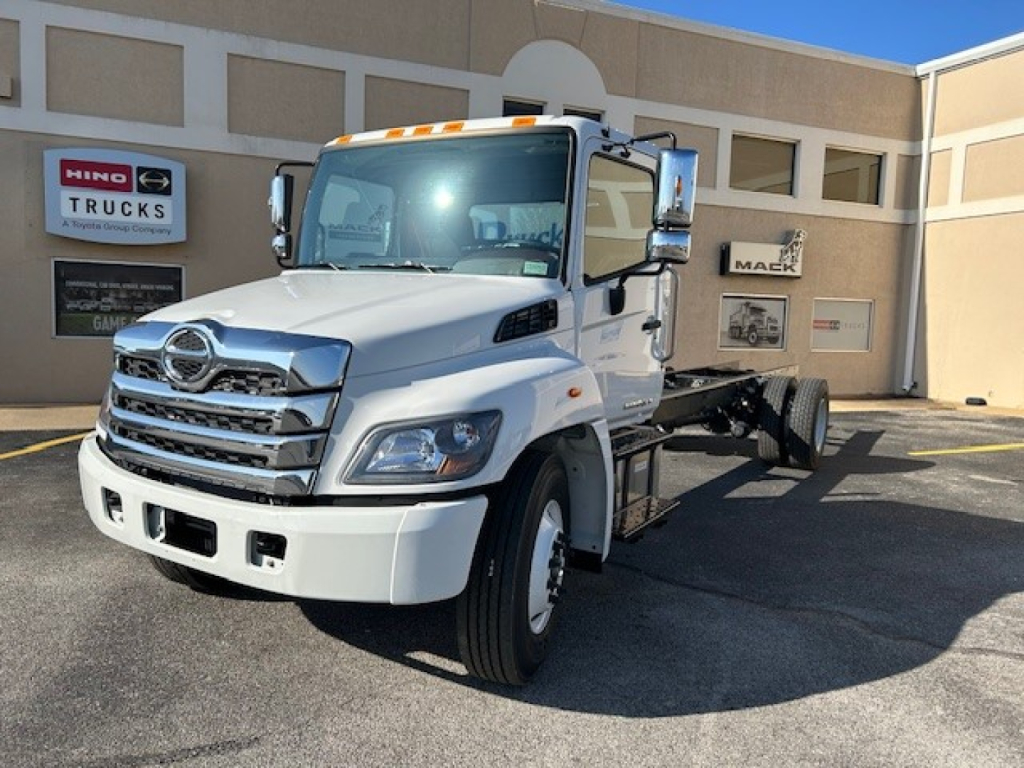
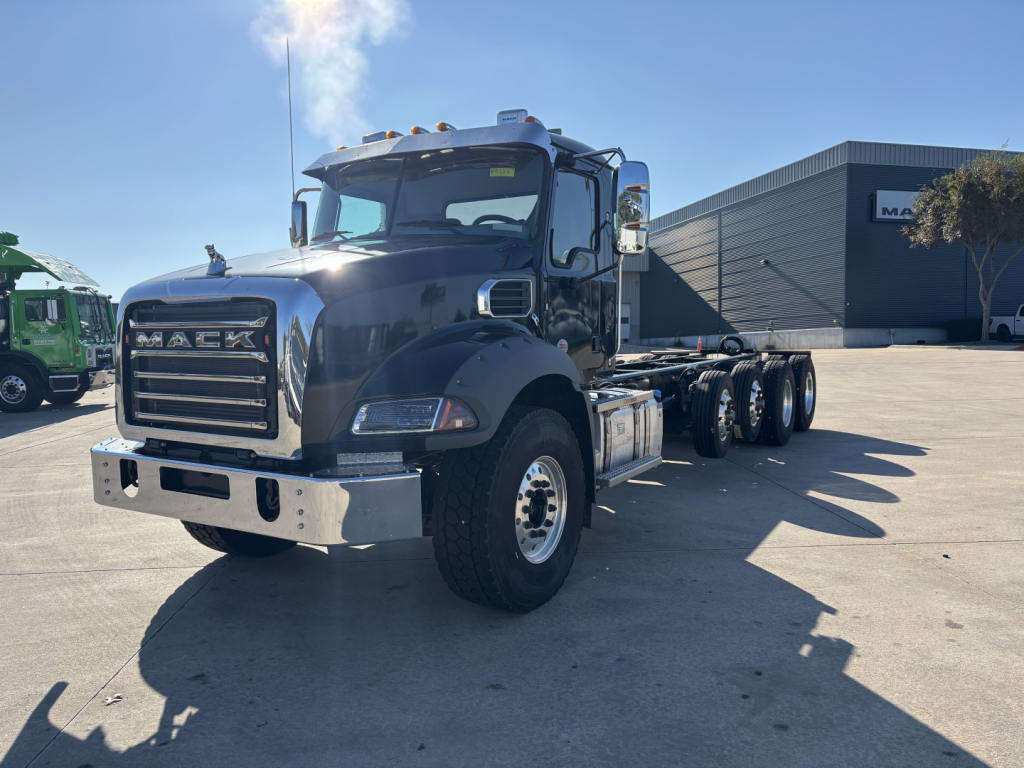
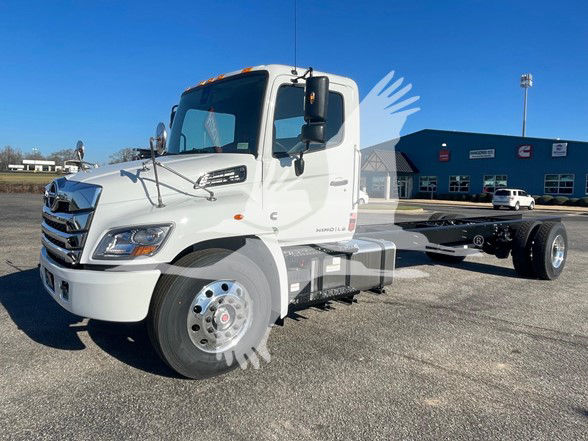
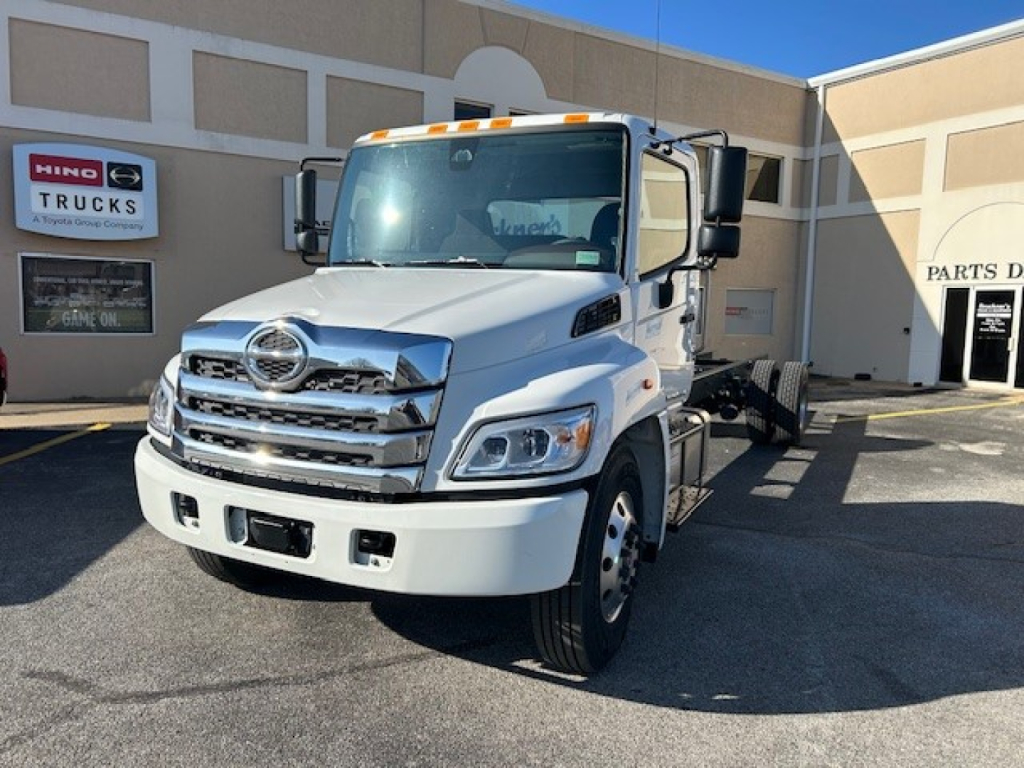
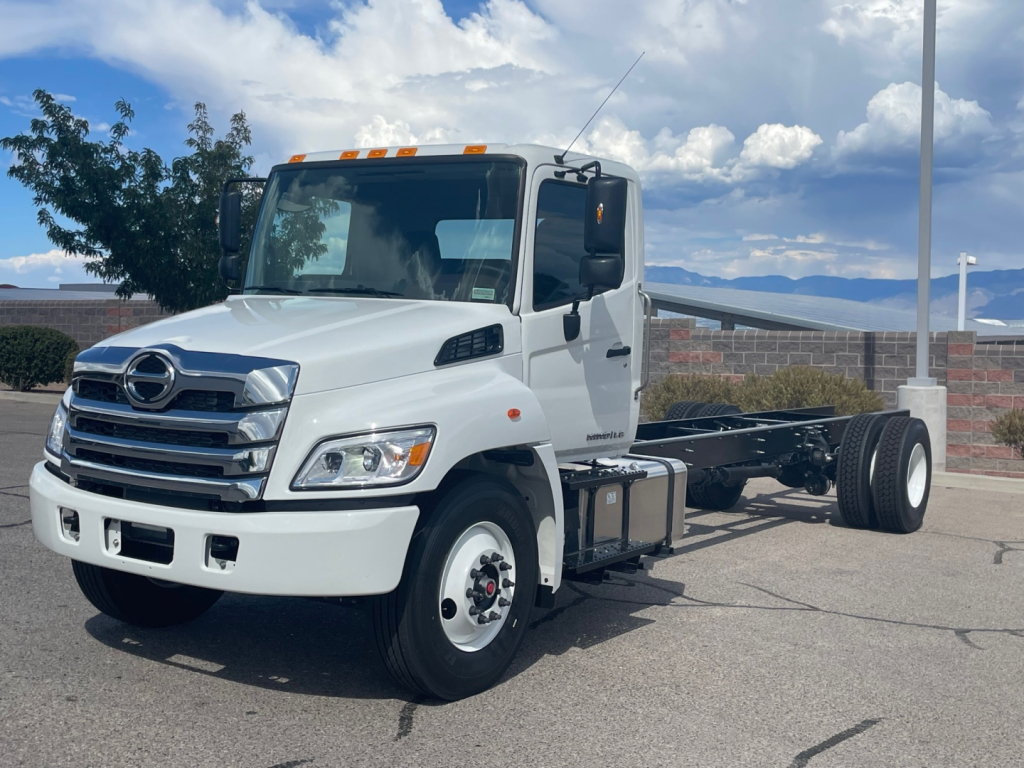
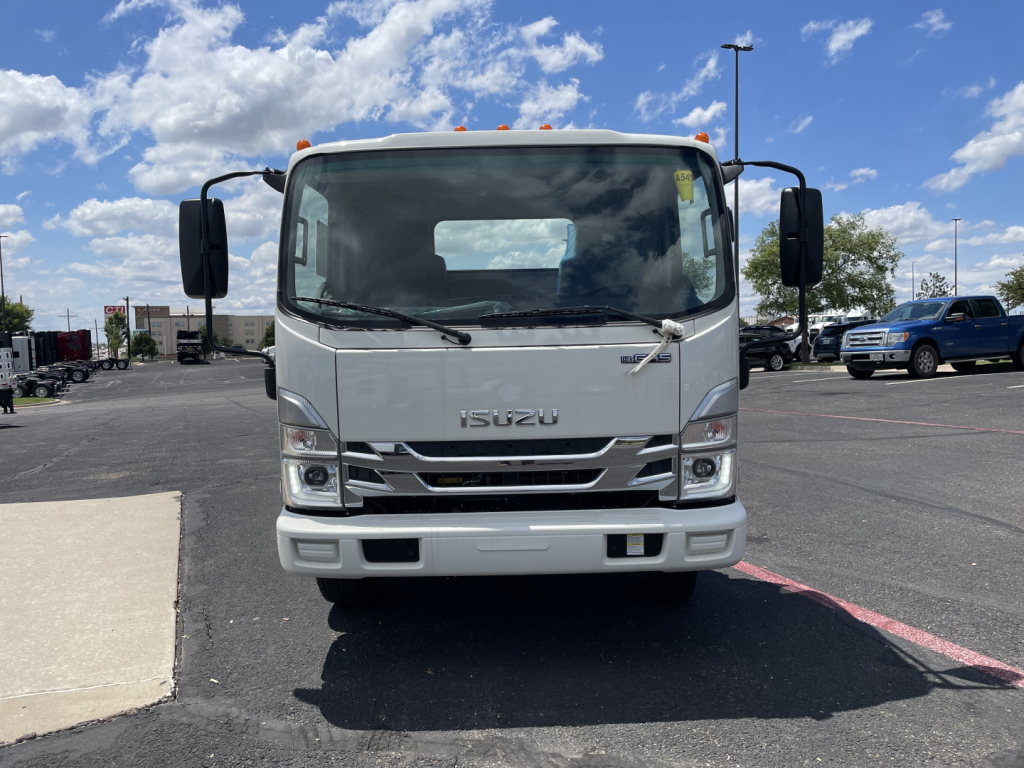

Selling a 2025 cab and chassis truck? List your 2025 cab and chassis truck for sale and reach thousands of commercial buyers.
2025 Cab and Chassis Trucks
The most important buying decision is fit between chassis dimensions and the intended body. Cab-to-axle, cab-to-end, and overall wheelbase determine what body length can be installed and how the finished truck will balance weight across the front and rear axles. GVWR and axle capacity matter just as much as horsepower. A truck intended for a 16-foot dump body, crane body, or heavy service body needs enough rear axle, suspension, frame strength, and brake capacity to carry the upfit plus payload without compromising legal weight distribution. Buyers should also pay close attention to frame rail spacing, single versus double frame sections, PTO and hydraulic compatibility, and clearance for outriggers, hoists, toolboxes, or underbody equipment.
Powertrain choice depends on application and region. Medium-duty cab and chassis trucks often use diesel engines in the 6.7L to 9.0L range with automatic transmissions for delivery, utility, and municipal work. Heavier vocational chassis can move into 11L to 13L engines, higher torque ratings, tandem axles, and manual or automated transmissions for dump, severe-duty, and equipment hauling applications. Suspension type also changes the truck's role. Spring suspension remains common in vocational service because it is durable and predictable under load, while air ride can improve ride quality for sensitive cargo or certain body applications. Features like locking differentials, driver-controlled traction aids, drum or air disc brakes, engine brakes, and larger fuel capacity become more important when the truck will see off-pavement work, stop-and-go municipal routes, or regional hauling.
For many buyers, the best 2025 cab and chassis truck is the one that reduces upfit delays and avoids rework. Factory PTO prep, clean back-of-cab packaging, body-builder wiring, programmable switches, and clear upfitter guidelines can save time once the truck goes to a body company. Front axle ratings, bumper-to-back-of-cab measurements, exhaust routing, DEF tank placement, battery box location, and fuel tank placement all affect what body can be installed and how clean the final build will be. If the truck will spend its life as a vocational unit, also consider ingress and egress, hood serviceability, visibility, and turning radius, because those factors affect driver productivity just as much as published engine specs.
Frequently Asked Questions about 2025 Cab and Chassis Trucks
What is a cab and chassis truck?
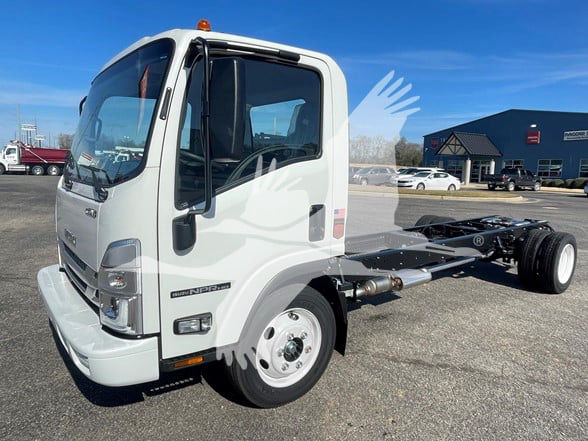
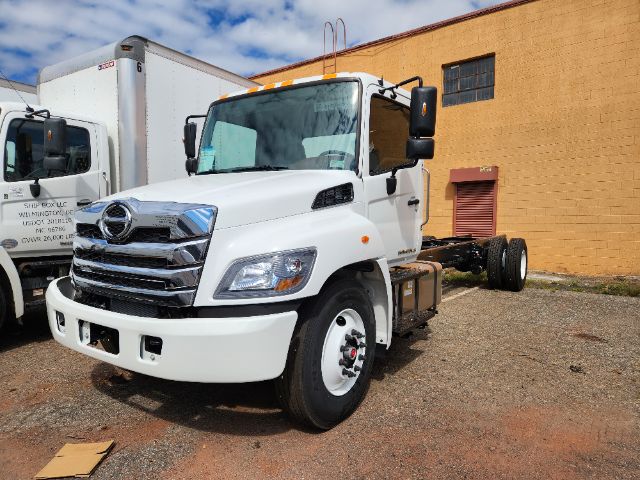
A cab and chassis truck is a truck sold with the cab, frame, drivetrain, and axles in place, but without a finished body installed. It is designed to be upfitted with equipment such as a dump body, dry van body, flatbed, mechanics body, rollback, utility body, or tanker. Buyers use this configuration when they need the chassis matched to a specific vocational application rather than buying a completed truck body package.
What measurements matter most when buying a cab and chassis truck?
The most important dimensions are wheelbase, cab-to-axle, cab-to-end, and frame rail height. These measurements determine what body length will fit and how weight will be distributed once the upfit is installed. Buyers should also confirm GVWR, front and rear axle ratings, suspension capacity, and any frame reinforcement requirements so the finished truck can legally and safely carry both the body and the intended payload.
How do I choose between a medium-duty and heavy-duty cab and chassis?
The choice comes down to body weight, payload, duty cycle, and operating terrain. Medium-duty chassis are common for box trucks, utility bodies, light dump applications, and municipal service. Heavy-duty chassis are better suited for severe-duty dumps, crane bodies, heavy mechanics trucks, tanker work, and tandem-axle applications that need more frame strength, torque, and axle capacity. Matching the chassis to the upfit and daily workload is more important than buying the highest horsepower rating available.
Do cab and chassis trucks come ready for PTO and hydraulic equipment?
Many do, but not all are configured the same. PTO readiness can include transmission provisions, wiring, switch blanks, and body-builder connectors, but hydraulic pumps, reservoirs, and controls may still need to be added during the upfit. Buyers planning to run dump hoists, compressors, cranes, winches, or other hydraulic equipment should verify PTO compatibility, transmission model, engine idle controls, and available frame space before sending the truck to the body installer.
What are common applications for a 2025 cab and chassis truck?
Common applications include dump trucks, flatbeds, landscape bodies, stake beds, dry freight boxes, refrigerated bodies, utility trucks, mechanics trucks, rollbacks, hooklifts, vacuum trucks, and municipal equipment carriers. The category is popular because one chassis design can support many different body types when the wheelbase, axle ratings, and frame specifications are chosen correctly. That makes cab and chassis trucks a practical option for fleets that need purpose-built vocational equipment.