
2025 Harbinger Cab and Chassis Trucks For Sale
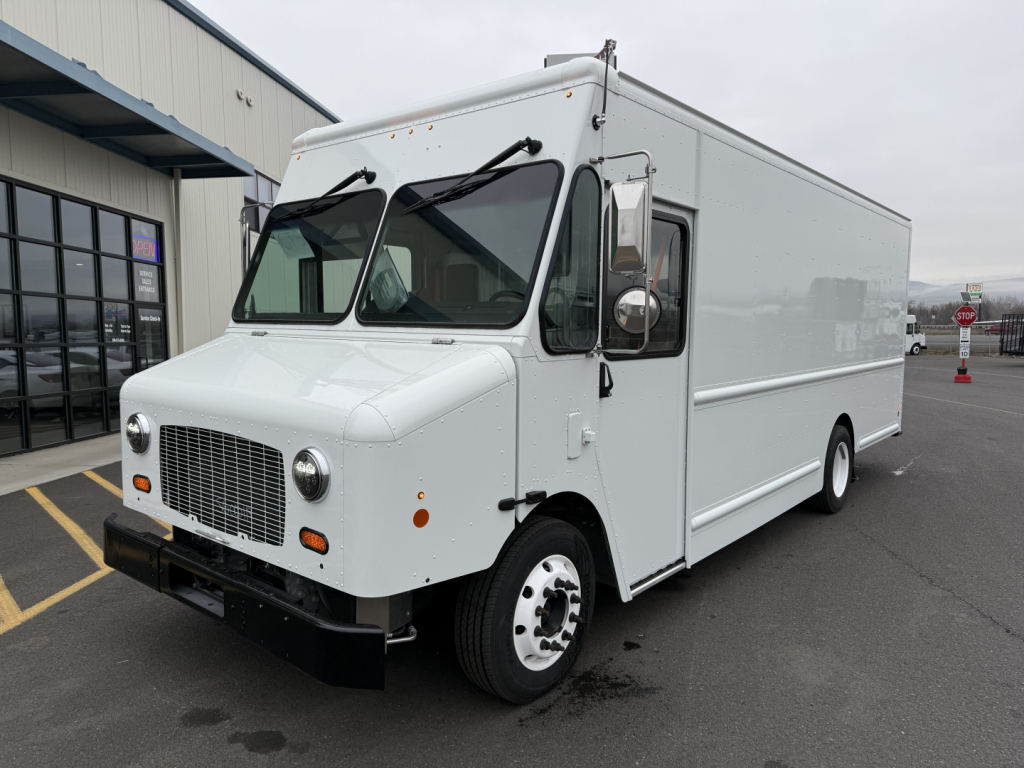
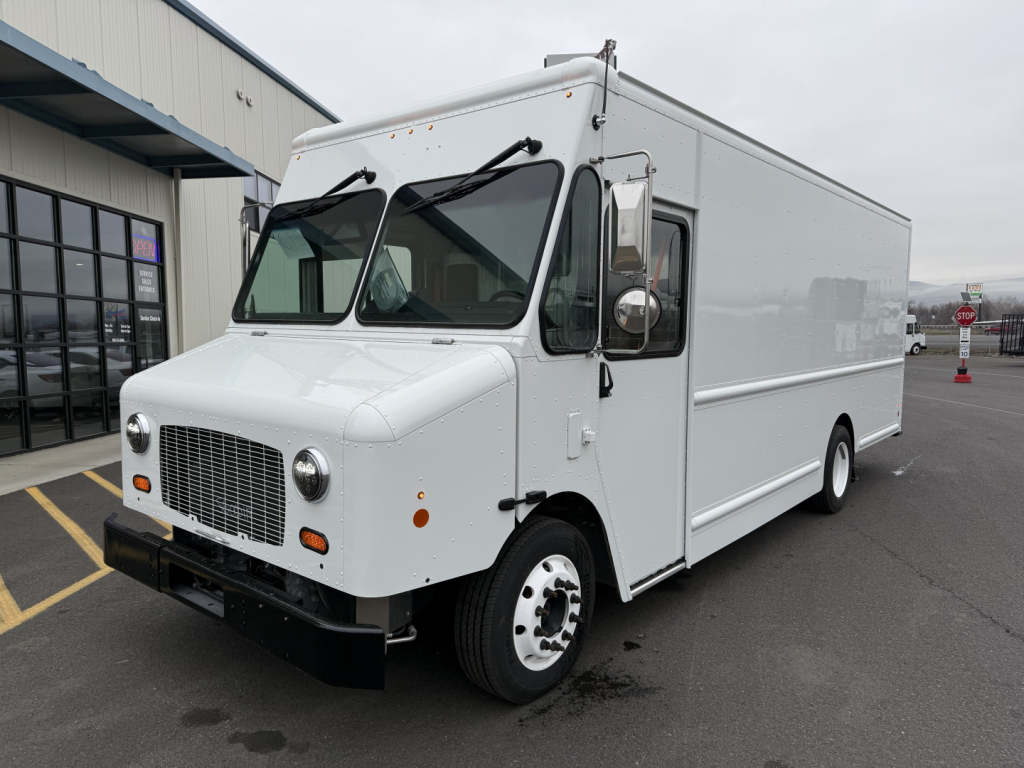
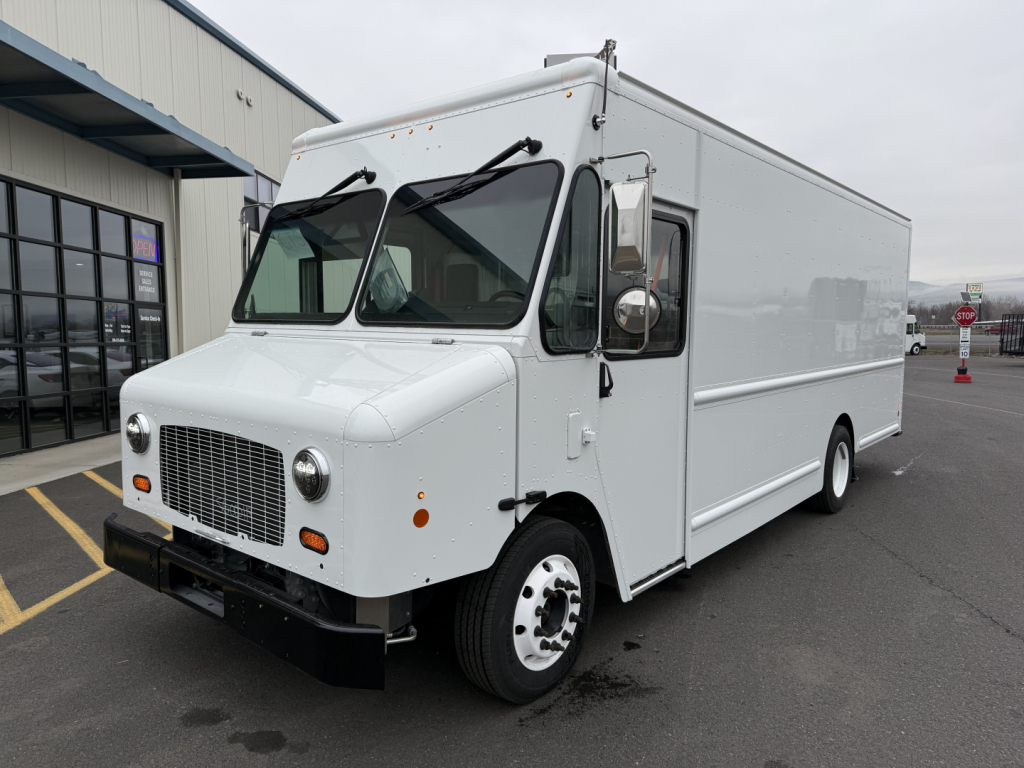
Have 2025 harbinger cab and chassis truck to sell? List it here to reach thousands of buyers.
2025 Harbinger Cab and Chassis Trucks
For a cab and chassis buyer, frame and integration details matter as much as headline performance. Body builders will pay attention to cab-to-axle dimensions, clear frame rails, electrical architecture, PTO strategy if required by the application, and how HVAC, steering, braking, and accessory systems are driven on an electric chassis. On an EV platform, battery placement and protection are also critical because they affect body mounting options, center of gravity, and service access. A buyer comparing 2025 Harbinger units should look closely at wheelbase choices, axle ratings, turning radius, suspension setup, and the available interface for telematics, charging status, and fleet diagnostics.
Operating profile is where this category makes the most sense. A Harbinger cab and chassis is generally best suited to urban and regional duty cycles with frequent stops, depot return, and predictable daily mileage. Electric medium-duty trucks can reduce fuel spend, idle time, and routine engine-related maintenance, but the route has to match the battery range and charging strategy. Fleets should evaluate average payload, body weight, terrain, accessory loads such as liftgates or refrigeration, and the impact of seasonal HVAC use on usable range. If the truck will run two shifts, charging speed and dwell time become major factors in total productivity.
The buyer who gets the most value from this equipment class usually has a defined upfit plan before purchase. That means confirming body dimensions, power needs, legal weight targets, and where the truck will charge every day. It also means reviewing warranty coverage for both chassis and battery system, service network access, software support, and the upfitter's experience working with electric cab and chassis trucks. When those pieces line up, a 2025 Harbinger cab and chassis can be a strong fit for last-mile delivery, municipal work, campus operations, and other medium-duty applications that benefit from a purpose-built commercial EV platform.
Frequently Asked Questions about 2025 Harbinger Cab and Chassis Trucks
What is a 2025 Harbinger cab and chassis truck used for?
A 2025 Harbinger cab and chassis is used as a base vehicle for vocational bodies and delivery upfits. Common applications include dry van bodies, refrigerated bodies, flatbeds, stake beds, utility bodies, and service bodies. It is typically a strong fit for last-mile and regional operations where routes are repeatable, daily mileage is predictable, and charging can be handled at a home base or fleet depot.
What should buyers verify before installing a body on a Harbinger cab and chassis?
Buyers should verify cab-to-axle length, wheelbase, frame rail dimensions, axle ratings, battery placement, and payload capacity after the body is installed. On an electric chassis, accessory power requirements also matter because liftgates, reefer units, and other equipment can affect usable range and integration complexity. It is also important to confirm that the body builder has experience with EV chassis packaging, electrical interfaces, and mounting requirements.
Is a Harbinger cab and chassis best for local or long-haul service?
This category is generally better suited to local and regional service than long-haul work. Medium-duty electric cab and chassis trucks perform best on routes with predictable mileage, stop-and-go operation, and regular return-to-base charging. For longer or variable routes, buyers need to study actual range under payload, terrain, weather, and accessory loads instead of relying on ideal-condition estimates.
How does payload planning differ on an electric cab and chassis truck?
Payload planning on an electric cab and chassis starts with the same GVWR and axle rating math used on any medium-duty truck, but battery weight and body power demands make the calculation more important. Buyers should account for the installed body, cargo, driver, tools, liftgate, and any auxiliary equipment, then compare the total against legal and mechanical limits. A truck that looks correct on paper can become marginal once a heavy body and daily operating equipment are added.
What service and charging questions matter most when shopping this category?
The most important questions are where the truck will charge, how long charging takes relative to daily dispatch, and who will service the chassis when problems arise. Buyers should review charger compatibility, expected dwell time, software and telematics support, battery warranty terms, and the strength of the service network in their operating area. For fleet use, uptime planning is just as important as the truck's published specifications.