
2025 Harbinger Cab and Chassis Trucks For Sale in Colorado
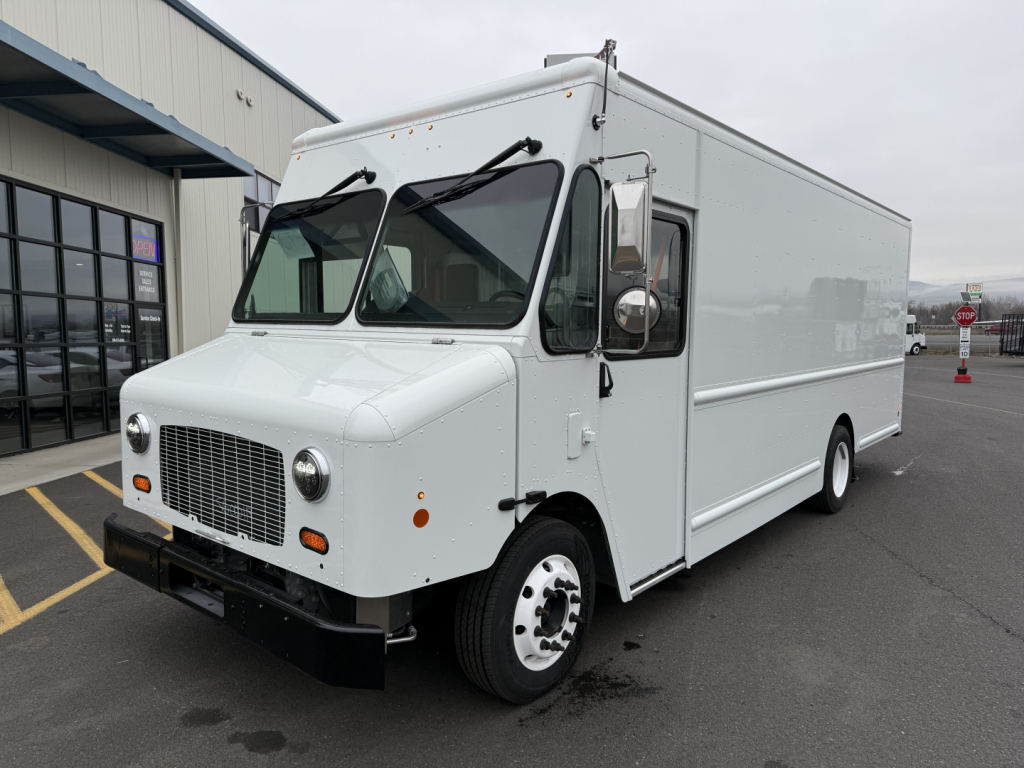
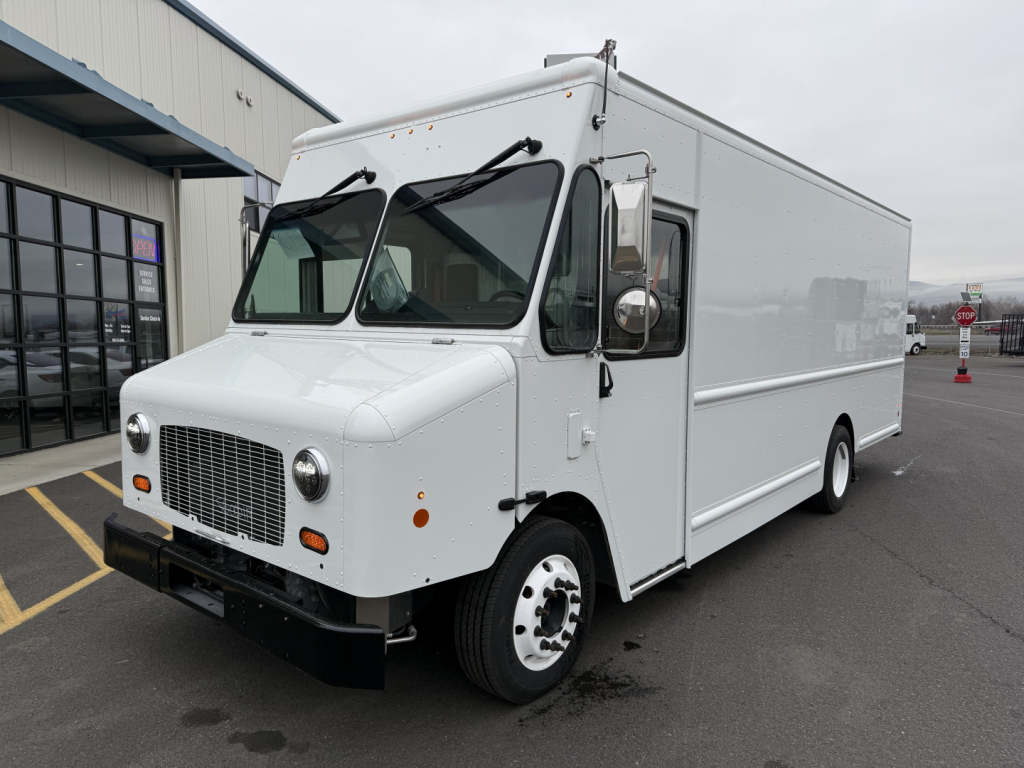
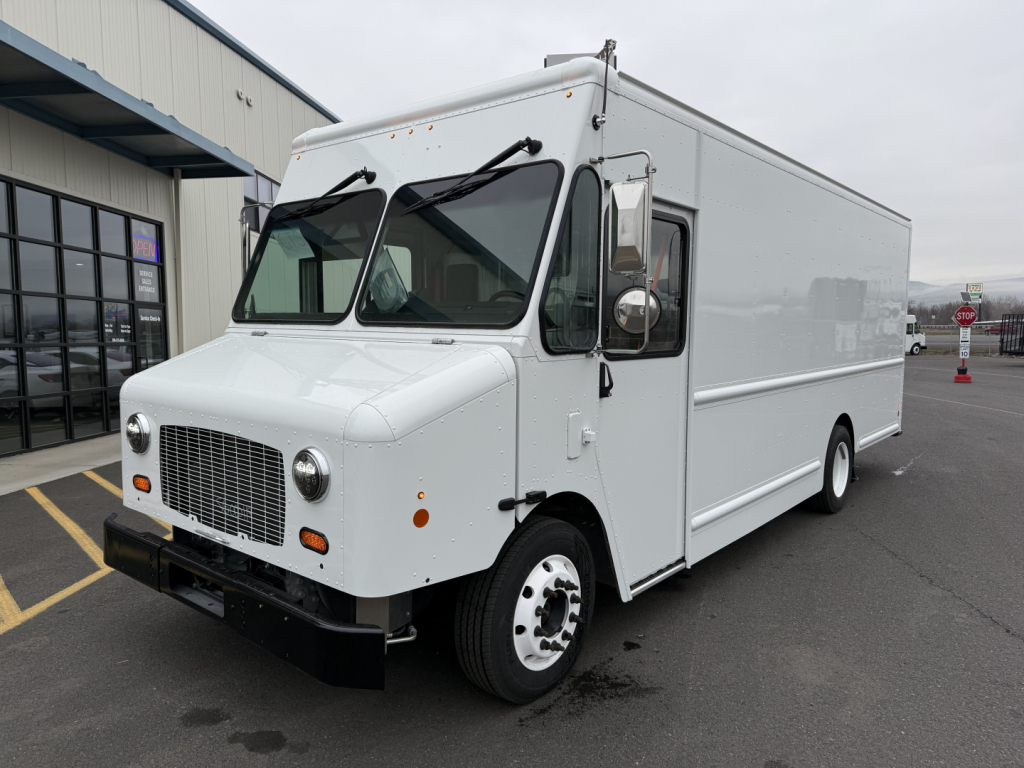
Have 2025 harbinger cab and chassis truck to sell? List it here to reach thousands of buyers.
2025 Harbinger Cab and Chassis Trucks in Colorado
Harbinger is positioned around purpose-built electric medium-duty architecture rather than a converted diesel platform. That matters when you are evaluating packaging, turning radius, service access, and body integration. Buyers should look closely at axle ratings, frame rail dimensions, cab-to-axle measurements, and available body-builder interfaces before choosing a chassis. On an EV cab and chassis, weight distribution is especially important because battery placement affects usable payload and center of gravity. A clean upfit match can reduce fabrication time and help avoid clearance issues with liftgates, PTO alternatives, battery enclosures, or rear body mounts.
For Colorado operators, route profile matters as much as the chassis spec sheet. Elevation change, cold-weather operation, stop-and-go urban driving, and charger access can all influence real-world performance. Regenerative braking can be a plus on urban and downhill routes, while daily range planning becomes more important on mountain or dispersed service territory. Buyers comparing 2025 Harbinger cab and chassis trucks should also confirm charging compatibility, charging speed, and depot infrastructure requirements, along with the body weight and accessory loads that can affect range.
The strongest fit for this category is a fleet or owner-operator with predictable duty cycles and a clearly defined upfit plan. Before buying, confirm the final application, loaded vehicle weight, wheelbase needs, and any body-builder restrictions from the chassis manufacturer. A cab and chassis truck can be a very efficient way to spec exactly the body and equipment package the job requires, and Harbinger's electric layout gives buyers a modern option for local delivery, municipal work, service routes, and other return-to-base operations.
Frequently Asked Questions about 2025 Harbinger Cab and Chassis Trucks in Colorado
What is a cab and chassis truck used for?
A cab and chassis truck is sold as a drivable platform with the cab, frame, axles, and powertrain in place, but without the final work body installed. That lets the buyer add the body that matches the job, such as a dry van body, flatbed, stake body, service body, utility body, or refrigerated body. It is one of the most flexible truck formats for vocational and delivery applications because the same base chassis can be configured for many industries.
What should I check before upfitting a 2025 Harbinger cab and chassis?
Start with wheelbase, cab-to-axle dimension, frame rail height, axle ratings, and GVWR because those measurements determine which bodies will fit and how much legal payload will remain after installation. On an electric chassis, battery location, body-mount clearances, and electrical integration points are just as important. Buyers should also verify auxiliary power needs for refrigeration units, lifts, compressors, or other equipment since those loads can affect the final operating profile.
Are electric cab and chassis trucks practical for Colorado routes?
They can be practical when the route is predictable and charging is planned correctly. Local delivery, municipal work, campus operations, and return-to-base service routes are often a strong match. In Colorado, buyers need to account for elevation changes, cold temperatures, accessory loads, and distance between charging opportunities because each of those factors can influence real-world range and daily uptime.
How do I choose the right size cab and chassis truck?
The right size depends on the completed vehicle, not just the bare chassis. Buyers should calculate the body weight, cargo weight, equipment weight, passengers, and any mounted accessories, then compare that total to the truck's GVWR and axle ratings. It is also important to match the wheelbase and frame length to the body size so the truck has proper weight distribution, turning characteristics, and legal bridge compliance where applicable.
Why do buyers choose a cab and chassis instead of a completed box truck?
A cab and chassis gives more control over the final spec. Instead of accepting a prebuilt body configuration, the buyer can choose the exact body type, floor height, door arrangement, storage layout, liftgate setup, and vocational equipment needed for the application. That flexibility is especially valuable for fleets with standardized routes, specialized tools, or municipal and contractor work that requires a custom body package.