
Harbinger Cab and Chassis Trucks For Sale
Shop Harbinger cab and chassis trucks built for body upfits, medium-duty delivery routes, service fleets, and electric commercial applications.
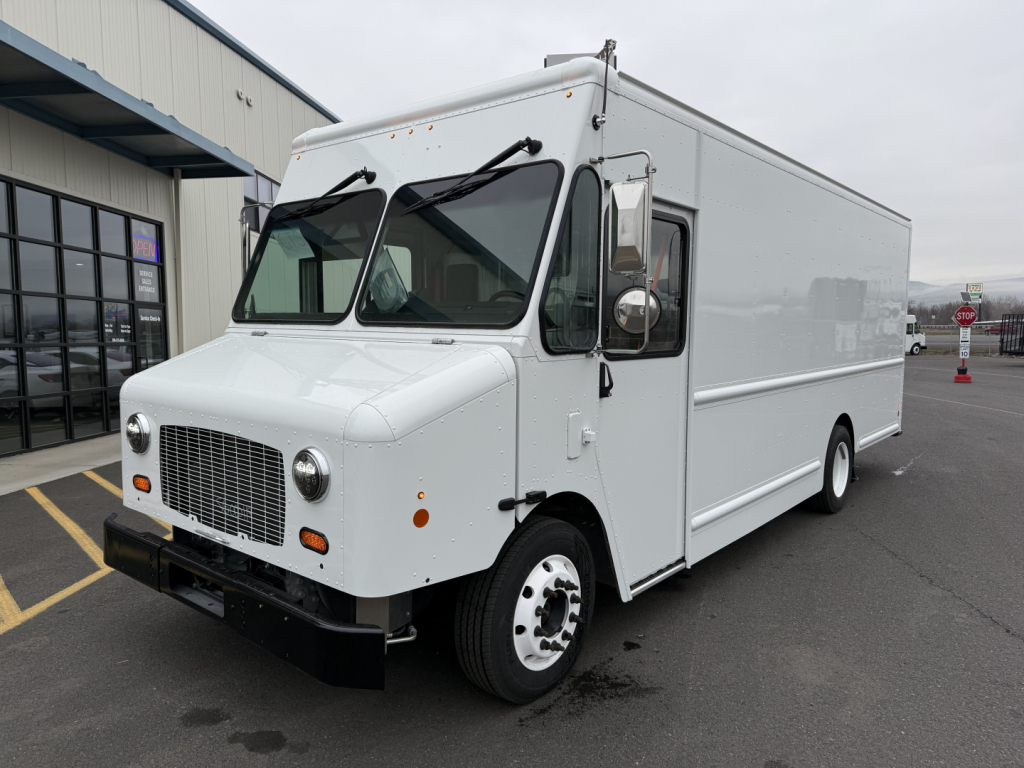
Selling a harbinger cab and chassis truck? List your harbinger cab and chassis truck for sale and reach thousands of commercial buyers.
Harbinger Cab and Chassis Trucks
For many buyers, the advantage of a Harbinger cab and chassis truck is its application in urban and regional fleet work where stop-and-go operation, predictable mileage, and depot charging make electrification practical. These trucks are often evaluated for last-mile delivery, municipal service, telecom work, plumbing and HVAC fleets, and other operations where low noise, reduced idling, and simplified maintenance can improve uptime. A buyer should pay close attention to frame dimensions, axle ratings, body and equipment weight, battery packaging, and available cab-to-axle lengths so the finished truck meets both legal weight requirements and real-world payload targets.
Upfit compatibility matters as much as the base truck. A cab and chassis needs to support body mounts, PTO-related equipment if applicable to the design, electrical integration for accessories, and enough frame space for toolboxes, liftgates, compressors, or other job-specific gear. On an electric chassis, it is especially important to confirm how the body builder will handle high-voltage system clearances, auxiliary power needs, HVAC demand, and the effect of the finished body on range. Buyers comparing Harbinger cab and chassis trucks should also look closely at charging connector type, AC and DC charging capability, battery warranty terms, service network access, and telematics support for fleet management.
The right specification usually comes down to matching the truck to a repeatable route, not a best-case estimate. If the truck will run dense urban stops with frequent braking, an electric cab and chassis can be a strong fit. If the body adds major aerodynamic drag or the route includes long highway stretches, range planning becomes more critical. Harbinger cab and chassis trucks can make sense for fleets moving toward zero-emission operations, but the best results come from disciplined spec work, a qualified upfitter, and a charging plan that supports the truck every day.
Frequently Asked Questions about Harbinger Cab and Chassis Trucks
What is a Harbinger cab and chassis truck used for?
A Harbinger cab and chassis truck is used as a foundation for custom commercial bodies. Common applications include box trucks, flatbeds, stake beds, service bodies, refrigerated bodies, and municipal or utility upfits. The cab and chassis layout is designed for fleets that need a truck tailored to a specific job instead of a factory-complete body style.
What should buyers check before upfitting a Harbinger cab and chassis?
Buyers should verify wheelbase, cab-to-axle length, frame dimensions, axle ratings, GVWR, and available payload after the body is installed. On an electric chassis, it is also important to confirm battery placement, body builder clearance requirements, auxiliary power needs, and how the upfit will affect operating range. Good upfit planning prevents weight distribution problems, installation conflicts, and reduced daily usability.
Are Harbinger cab and chassis trucks a good fit for electric fleet operations?
They can be a strong fit for fleets with repeatable local or regional routes, predictable dwell time, and access to charging. Electric cab and chassis trucks are often most effective in last-mile delivery, service fleets, and urban vocational work where regenerative braking and low-speed operation support efficiency. The key is matching route miles, payload, climate control demand, and charging infrastructure to the truck's actual working schedule.
How does body choice affect an electric cab and chassis truck?
Body choice has a direct effect on payload, aerodynamics, and range. A heavier body or one with high auxiliary power demand can reduce the truck's effective operating window. Taller van bodies, refrigeration units, liftgates, and service equipment all change how the chassis performs, so buyers should evaluate the complete finished vehicle rather than the bare chassis alone.
What service and charging factors matter most when comparing Harbinger cab and chassis trucks?
The most important factors are charging compatibility, expected charging speed, battery warranty coverage, telematics support, and access to trained service technicians. Fleets should confirm whether the truck supports the charging standard already in use or planned for the yard. Service support matters just as much, because uptime depends on parts availability, diagnostic capability, and qualified repair coverage for both the chassis and the high-voltage system.