
2025 Cab and Chassis Trucks For Sale in Alabama
Shop 2025 cab and chassis trucks in Alabama. Compare wheelbases, GVWR, engine and PTO options for dump, service, rollback, and utility bodies.
Selling a 2025 cab and chassis truck? List your 2025 cab and chassis truck for sale and reach thousands of commercial buyers.
2025 Cab and Chassis Trucks in Alabama
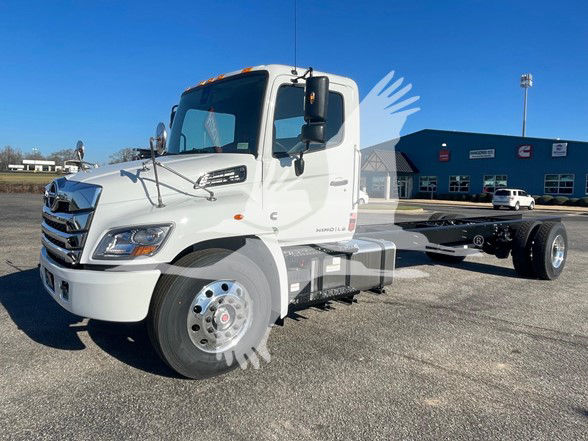
The first decision is usually weight class and body fit. Medium-duty models such as a Hino L6 are common for box bodies, reefer bodies, stake beds, and lighter utility applications where maneuverability and lower operating cost matter. Heavier platforms such as a Kenworth T480 or T880 are more typical when the body will carry concentrated loads, require hydraulic equipment, or operate off pavement. Important chassis details include CA dimension, wheelbase, rear axle ratio, suspension type, front axle capacity, and frame RBM. If the truck will run a dump body, crane, compressor, or winch system, confirm PTO provisions, transmission compatibility, and electrical upfit access before purchase. On 2025 models, buyers should also pay attention to emissions packaging, idle management options, and OEM body-builder support, since these affect long-term serviceability.
Engine and transmission choices should reflect the route and duty cycle, not just advertised horsepower. A PX-9 class engine paired with an Allison automatic is a strong fit for stop-and-go municipal, utility, and delivery work. A heavier vocational chassis with an automated manual or heavy-duty automatic may be a better match for regional hauling, severe service, or jobsites where gradeability and drivetrain durability matter. Alabama operators also need to consider heat, humidity, and mixed road conditions. Cooling capacity, air brake configuration, corrosion protection, and tire spec can all influence uptime. If the truck will spend time in tight urban service, wheel cut, visibility, and turning radius matter as much as raw GVWR.
A good cab and chassis spec leaves room for the upfit without sacrificing legal payload or service access. Check expected body weight, mounted equipment, fuel capacity, and any lift axles against target GVWR and bridge requirements. Review frame layout for battery box placement, DEF tank location, exhaust routing, and clear back-of-cab dimensions so the body installer has clean mounting space. Buyers comparing 2025 cab and chassis trucks should focus on the complete build path: chassis lead time, body compatibility, warranty coordination, and dealer support after the upfit is finished. The right truck is the one that carries the body correctly, powers the equipment reliably, and stays easy to maintain through years of vocational use.
Frequently Asked Questions about 2025 Cab and Chassis Trucks in Alabama
What is a cab and chassis truck used for?
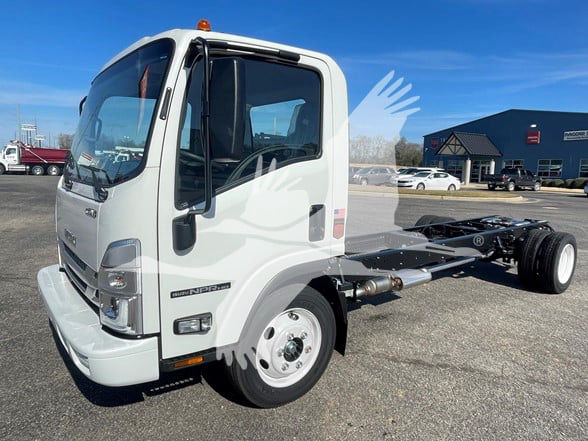
A cab and chassis truck is used as the foundation for a vocational upfit. The truck comes with the cab and bare frame rails so a body builder can install the correct rear body for the application, such as a dump bed, service body, rollback, box van, stake bed, crane body, or utility body. This format gives the buyer more control over wheelbase, axle capacity, PTO setup, and frame layout than a factory-complete truck.
How do I choose the right wheelbase and CA for a cab and chassis?
Wheelbase and CA, or cab-to-axle dimension, need to match the body length and the equipment that will be mounted behind the cab. A body builder usually works from the desired body size, rear overhang limits, and axle loading targets to determine the right chassis dimensions. If the wheelbase is too short, the body may not fit correctly or may overload an axle. If it is too long, turning radius and weight distribution can suffer. Confirm the body manufacturer's layout before finalizing the chassis spec.
What specs matter most on a 2025 cab and chassis truck?
The most important specs are GVWR, front and rear axle ratings, frame strength, wheelbase, CA, engine torque, transmission type, suspension, brake system, and PTO provisions. For hydraulic or equipment-driven applications, transmission PTO compatibility and body-builder wiring are critical. For payload-sensitive work, tare weight and axle distribution matter just as much as engine output. The right spec depends on the completed truck, not the chassis alone.
Is a medium-duty or heavy-duty cab and chassis better for vocational work?
A medium-duty chassis is often the better choice for lighter payloads, tighter routes, and lower acquisition and operating costs. A heavy-duty chassis is usually the better fit when the truck will carry concentrated loads, support hydraulic equipment, operate in severe service, or need a stronger frame and higher axle capacities. The deciding factor is the finished application. A truck spec'd too light will wear out early, while one spec'd too heavy can add unnecessary cost and empty weight.
Do I need to think about the upfit before buying the chassis?
Yes. The upfit should drive the chassis decision from the start. Body weight, mounting method, PTO needs, hydraulic demand, electrical loads, and space for toolboxes or outriggers all affect the chassis spec. Buyers should also review battery placement, fuel and DEF tank location, exhaust routing, and back-of-cab clearance before the body is ordered. Early coordination between the chassis seller, body builder, and end user reduces costly rework and helps the completed truck meet legal weight and performance targets.